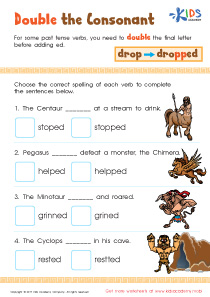
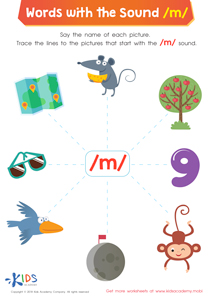
Reading comprehension Normal Consonant Digraphs Worksheets for Ages 3-7
6 filtered results
-
From - To
Enhance your child's reading skills with our engaging "Normal Consonant Digraphs Worksheets" designed specifically for ages 3-7. These worksheets focus on improving reading comprehension by teaching the sounds and blends of consonant digraphs like "sh," "ch," and "th." Each activity is tailored to make learning fun and interactive, helping young learners recognize digraphs in context through captivating stories and illustrations. Our resources encourage creativity, critical thinking, and language development while building a strong foundation in reading. Download these attractive worksheets today and watch your child flourish as they embark on their reading journey! Perfect for home or classroom use!
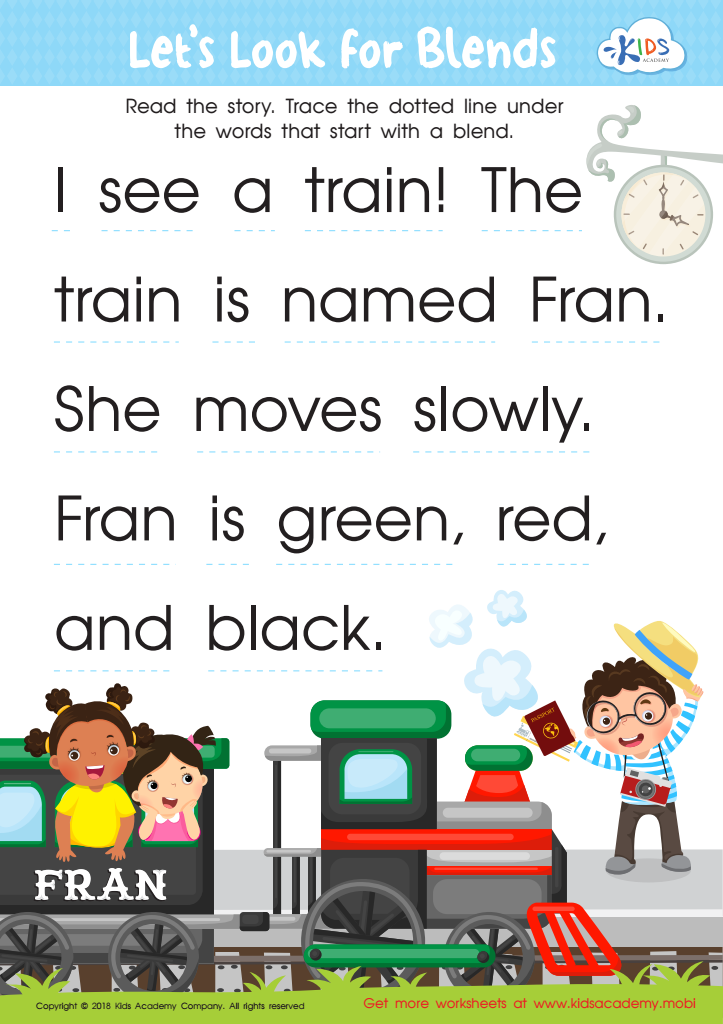
Let's Look for Blends Worksheet
 Assign to My Students
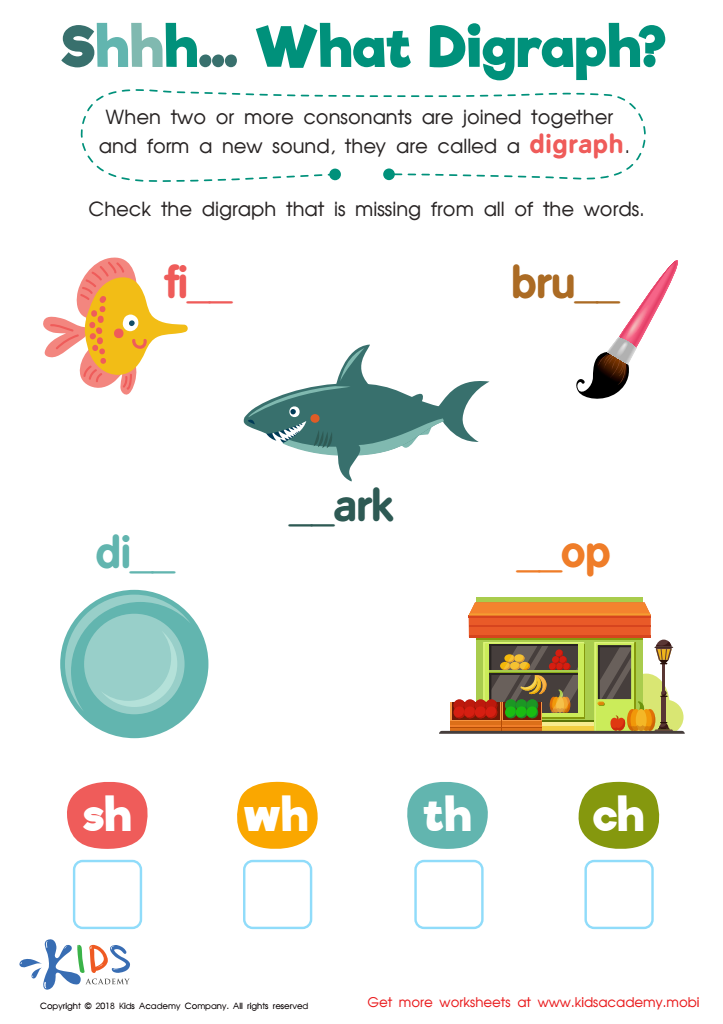
Shhh... What Digraph? Worksheet
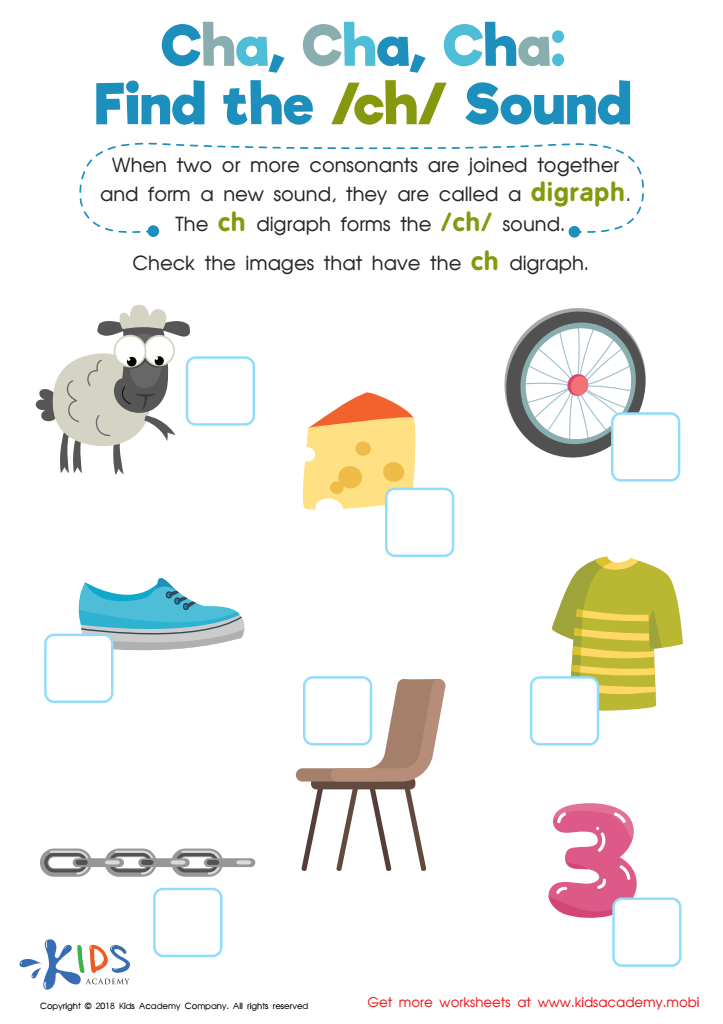
Cha, Cha, Cha: Find the /Ch/ Sound Worksheet
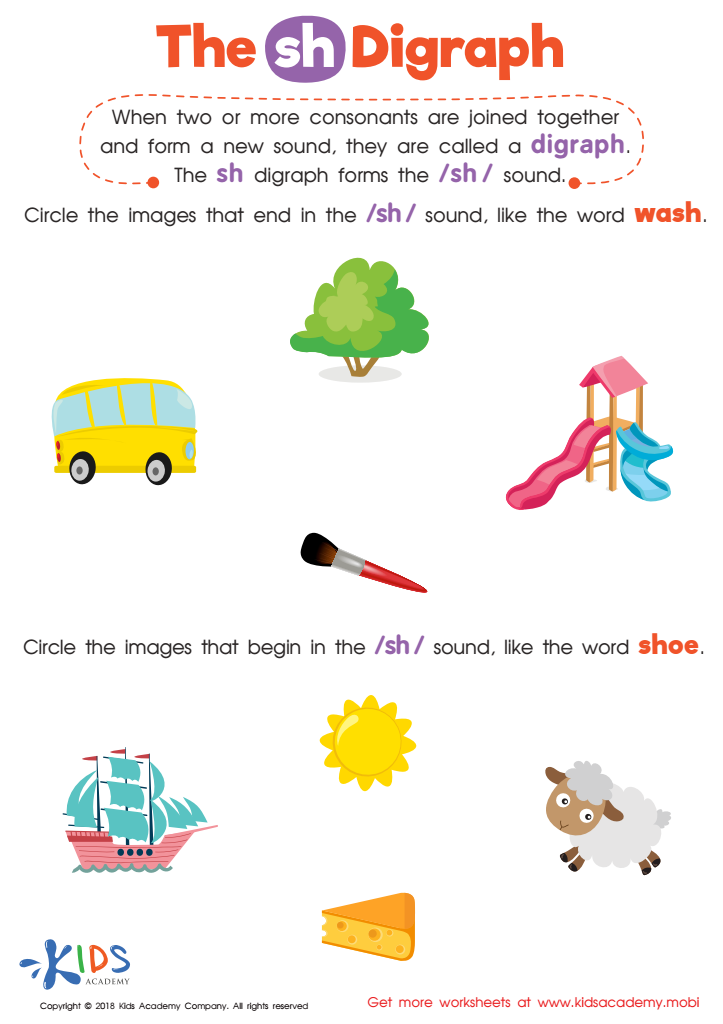
The SH Digraph Worksheet
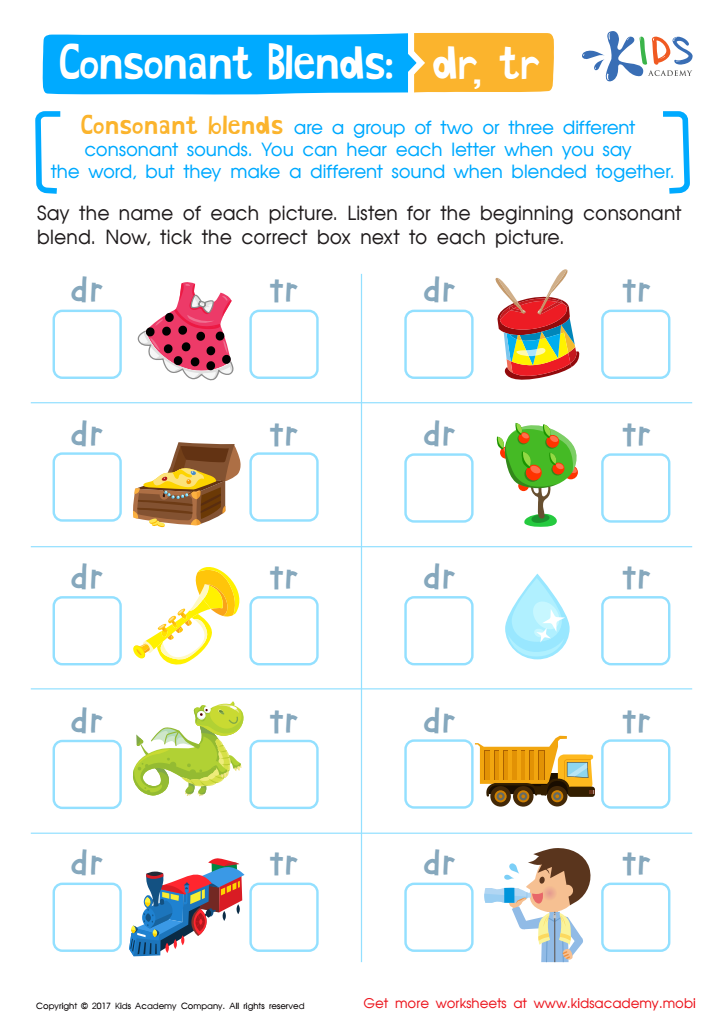
Consonant Blends: "Dr" and "Tr" Printable
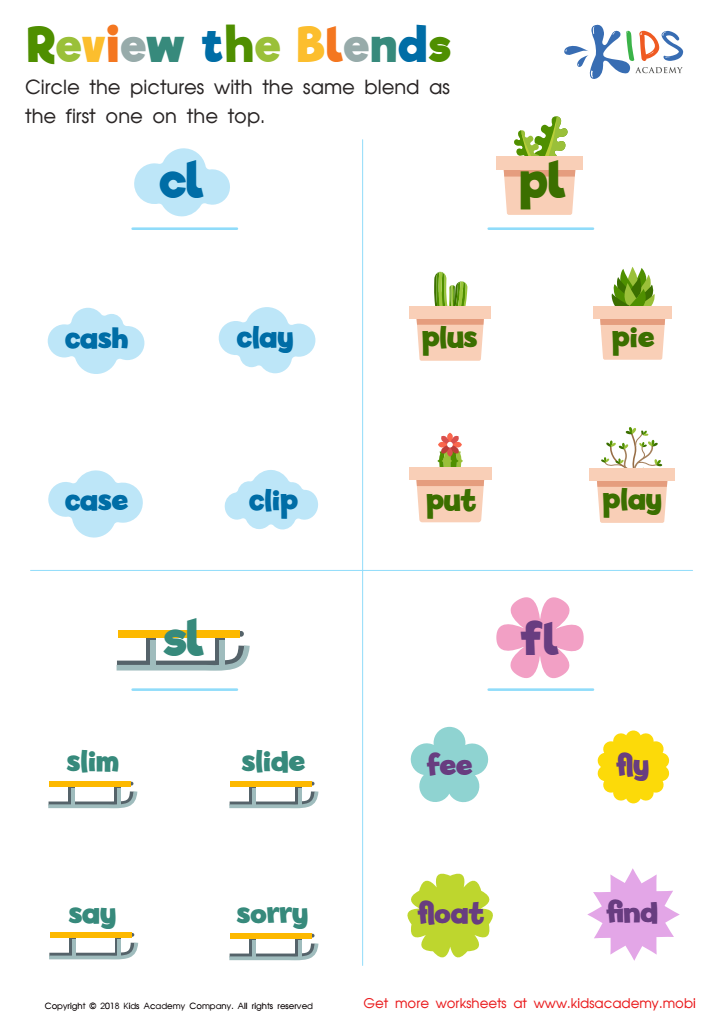
Review the Blends Worksheet


Reading comprehension is crucial for children aged 3-7, as it lays the foundation for their literacy skills and overall academic success. Understanding normal consonant digraphs—groups of two consonants that represent one sound (like “sh” in "shoe” or “th” in "this")—is vital in this early stage of development. Learning these digraphs helps young learners decode and understand words more effectively, fostering a love for reading.
When parents and teachers focus on digraphs, they enhance decoding skills, which are essential for reading and comprehension. This skill set enables children to tackle more complex texts with confidence as they progress through their educational journey. Additionally, familiarity with consonant digraphs contributes to stronger vocabulary development, allowing children to recognize and use a broader range of words in both spoken and written language.
Moreover, engaging children in activities centered around digraphs can be both educational and fun, making learning an enjoyable experience. When parents and teachers prioritize reading comprehension and phonetic awareness, they equip children with the tools necessary for academic success and instill a lifelong passion for reading. Ultimately, fostering these skills ensures that children can navigate and enjoy the world of literature confidently.