Word Recognition Normal Consonant Digraphs Worksheets for Ages 3-7
5 filtered results
-
From - To
Discover an engaging collection of Word Recognition Worksheets focusing on Normal Consonant Digraphs, designed specifically for children aged 3-7. These resources help young learners develop essential phonics skills through fun and interactive activities that enhance their ability to recognize common consonant digraphs. Each worksheet features brightly colored illustrations and age-appropriate exercises that nurture both reading fluency and comprehension. Perfect for classroom use or at-home learning, these worksheets encourage repetitive practice while keeping children entertained. Foster a love of reading in your child while supporting their early literacy development with our carefully crafted worksheets that promote confidence in word recognition!
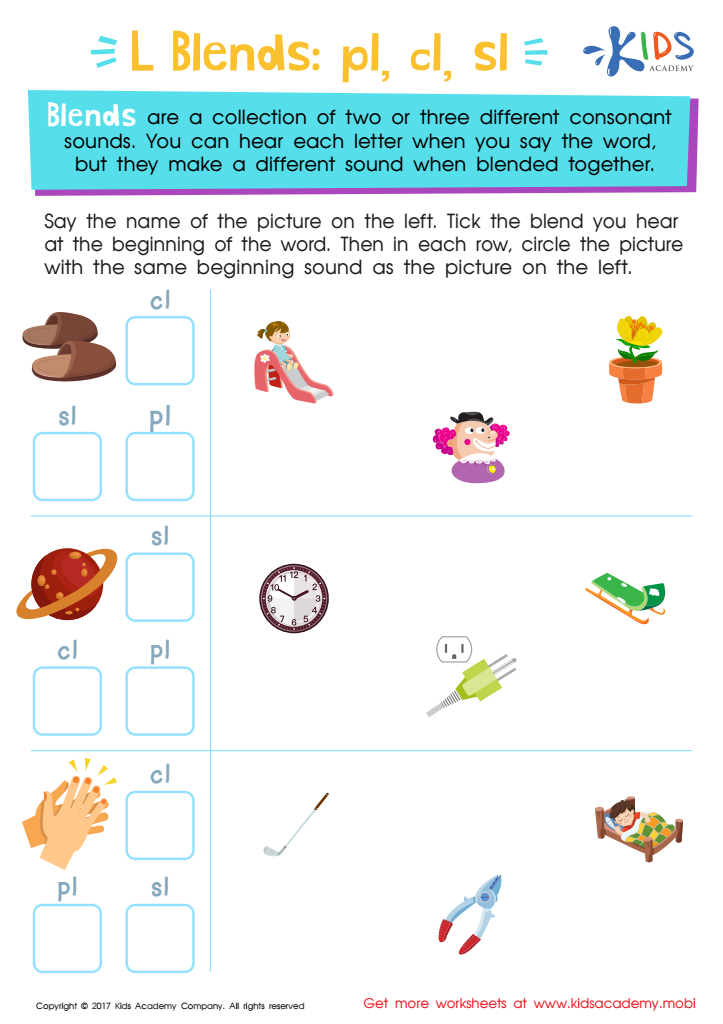
L Blends: "Pl", "Cl" and "Sl" Printable
 Assign to My Students
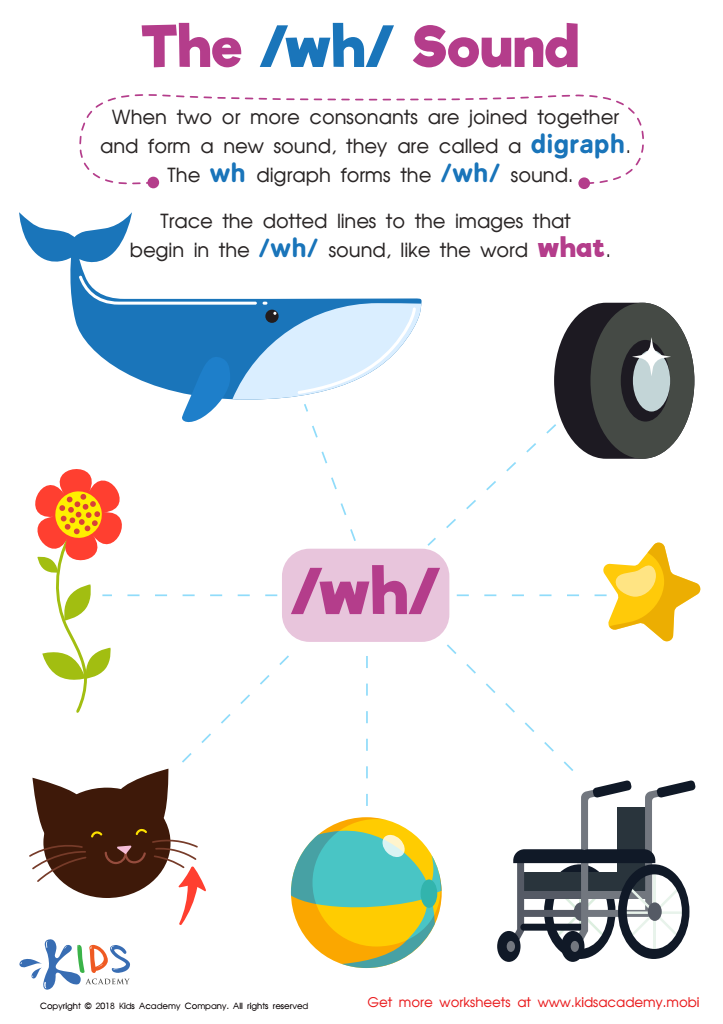
The /wh/ Sound Worksheet
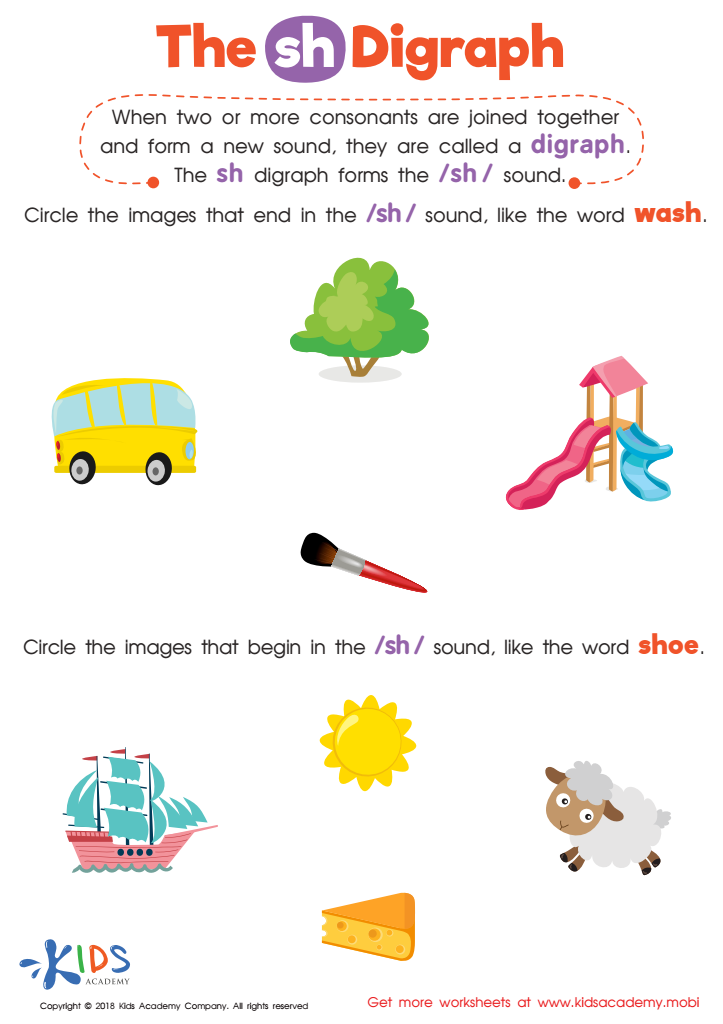
The SH Digraph Worksheet
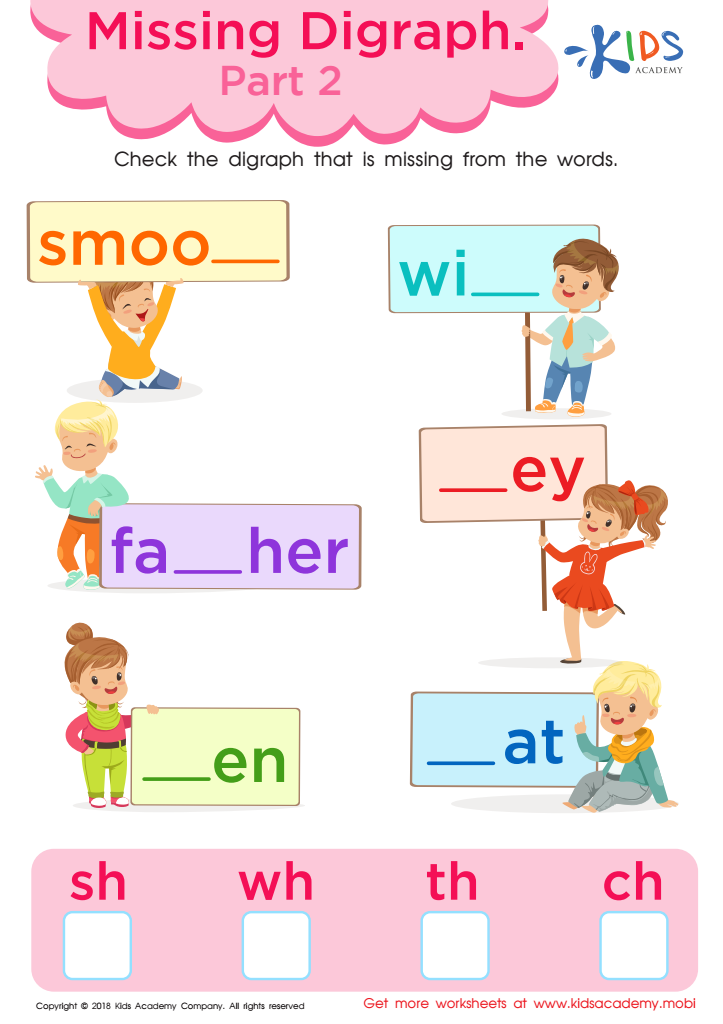
Missing Digraph: Part 2 Worksheet
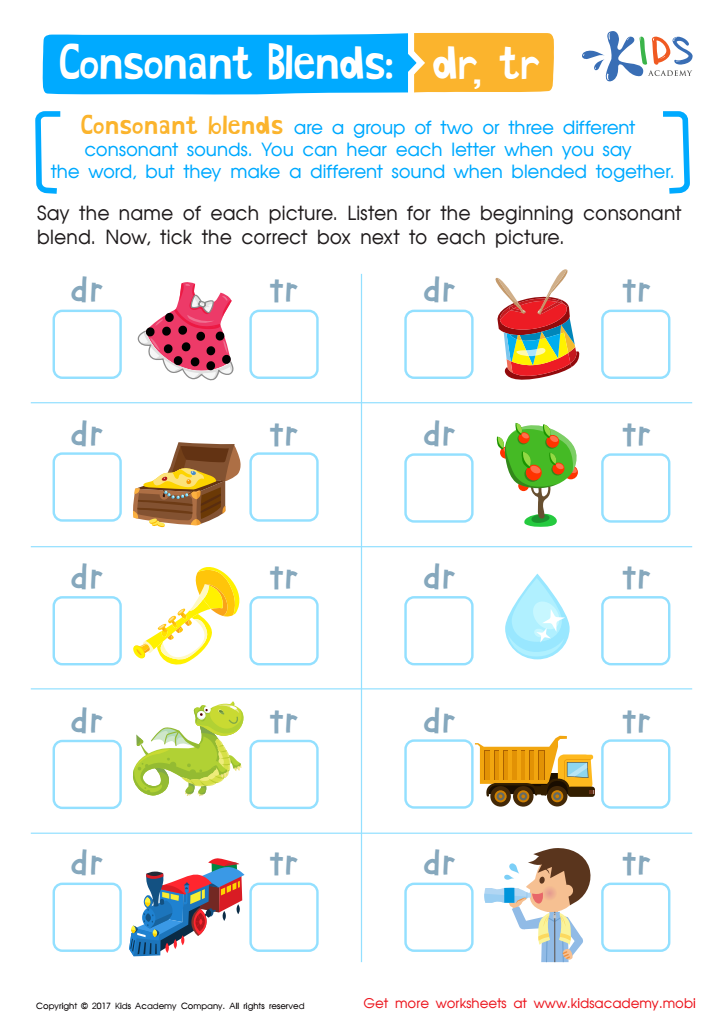
Consonant Blends: "Dr" and "Tr" Printable


Word recognition and normal consonant digraphs are crucial components of early literacy for children ages 3-7. As parents and teachers, understanding their importance can significantly enhance a child's reading skills. Consonant digraphs, such as "ch," "sh," and "th," represent unique sounds that differ from their individual letters. Learning these patterns helps children decode unfamiliar words, enriching their vocabulary and boosting their confidence as readers.
At this age, children are developing foundational language skills, and explicit instruction in word recognition and consonant digraphs fosters phonemic awareness. When children grasp these concepts, they can identify and pronounce words more easily, leading to increased comprehension and fluency. Moreover, early mastery of digraphs can prevent reading difficulties later on, setting a solid foundation for future literacy growth.
Additionally, engaging parents in this learning process creates cohesive support between home and school. Activities such as reading together, playing word games, and encouraging writing can reinforce these concepts. By recognizing the importance of word recognition and consonant digraphs, parents and teachers play an essential role in nurturing confident, capable readers, preparing children for ongoing educational success and a lifelong love of reading.