Spelling practice Normal Alphabet Worksheets for Ages 3-7 - Page 2
45 filtered results
-
From - To
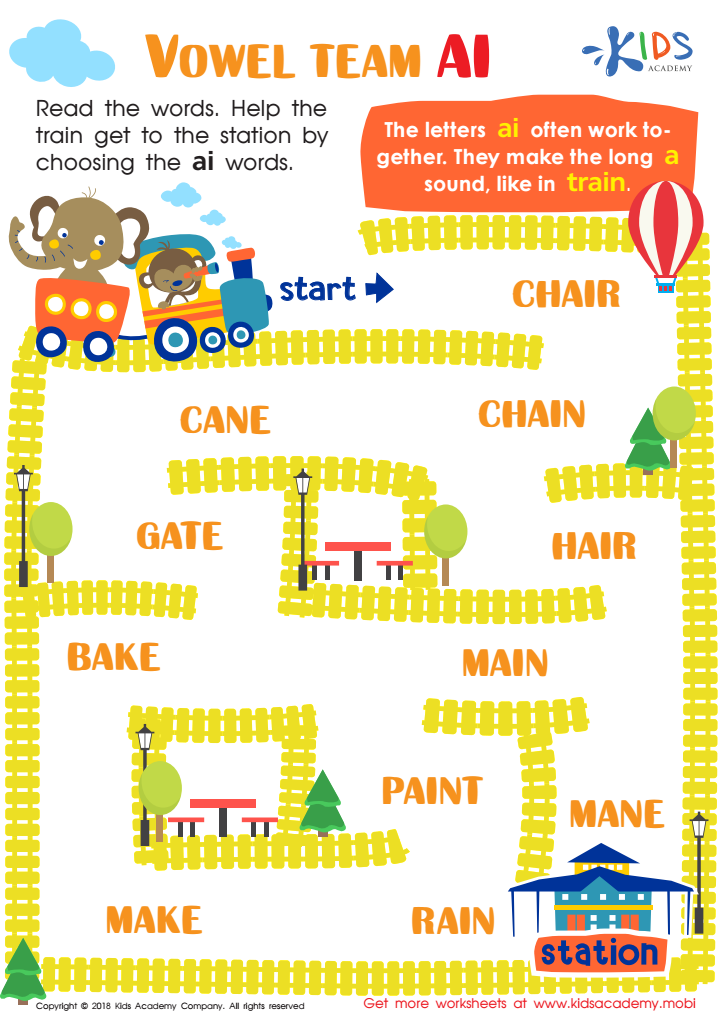
Vowel team ai Worksheet
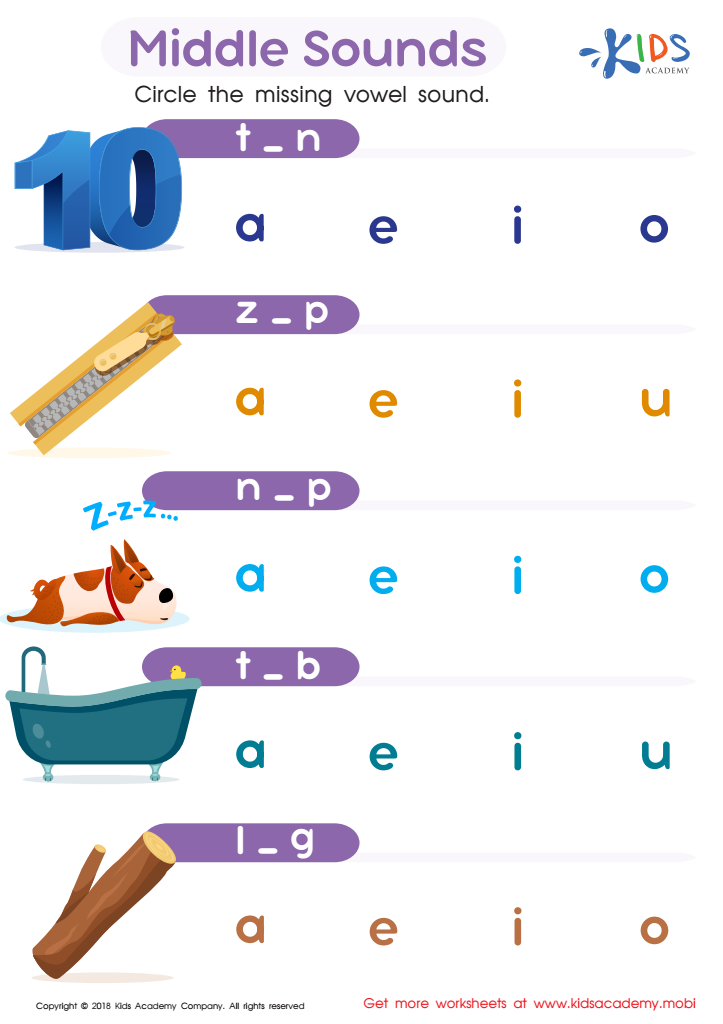
Middle Sounds Worksheet
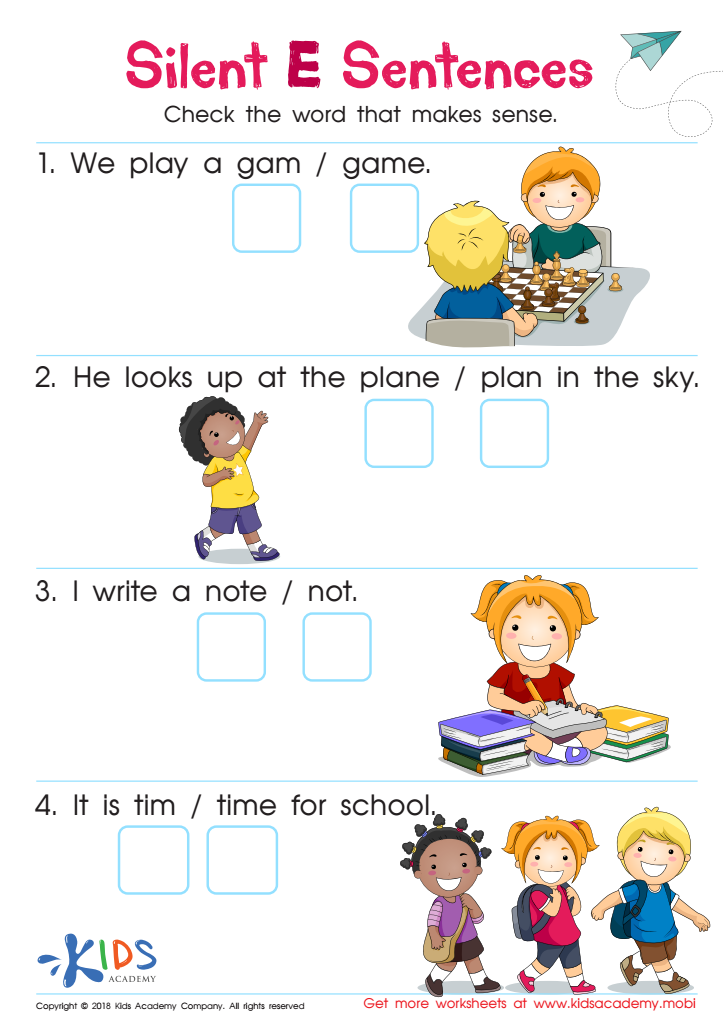
Silent E Sentences Worksheet
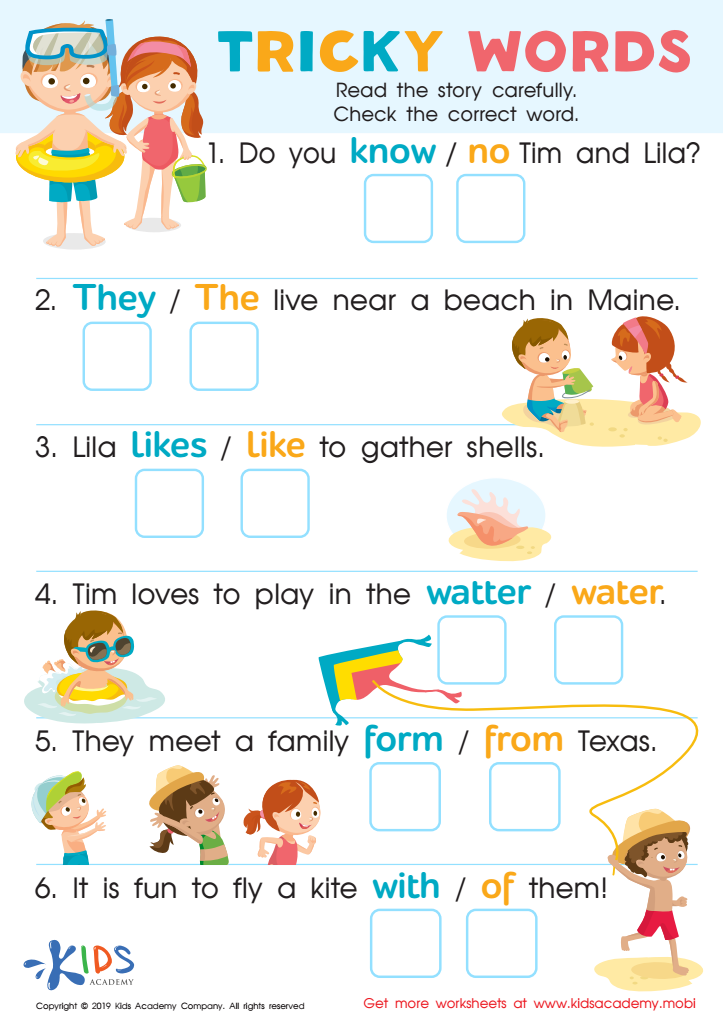
Tricky Words Worksheet
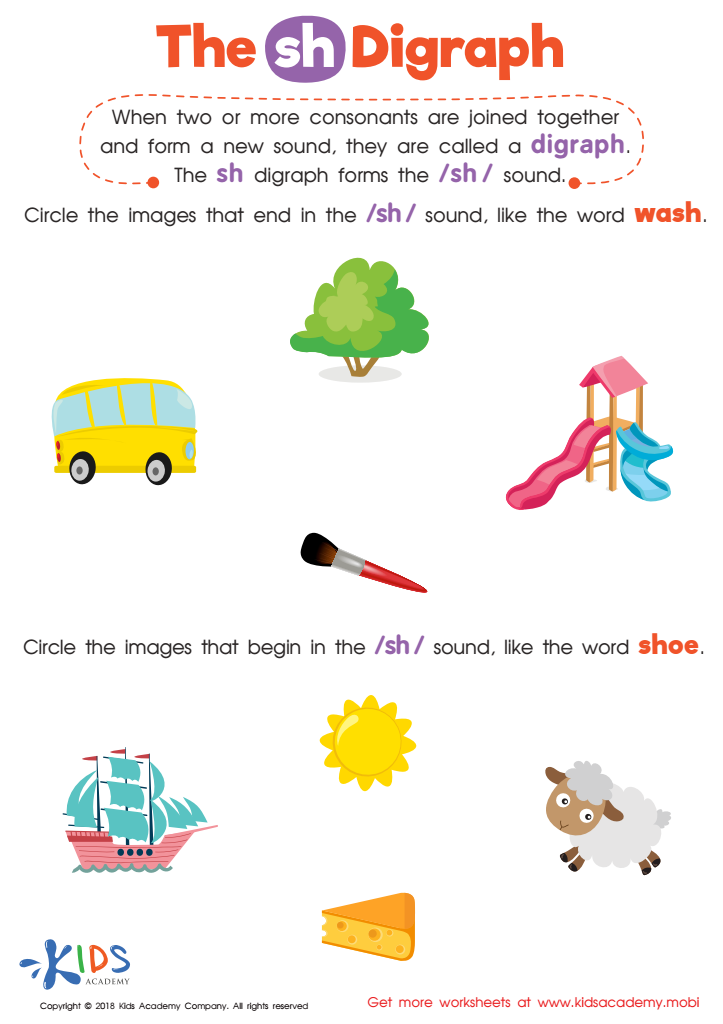
The SH Digraph Worksheet
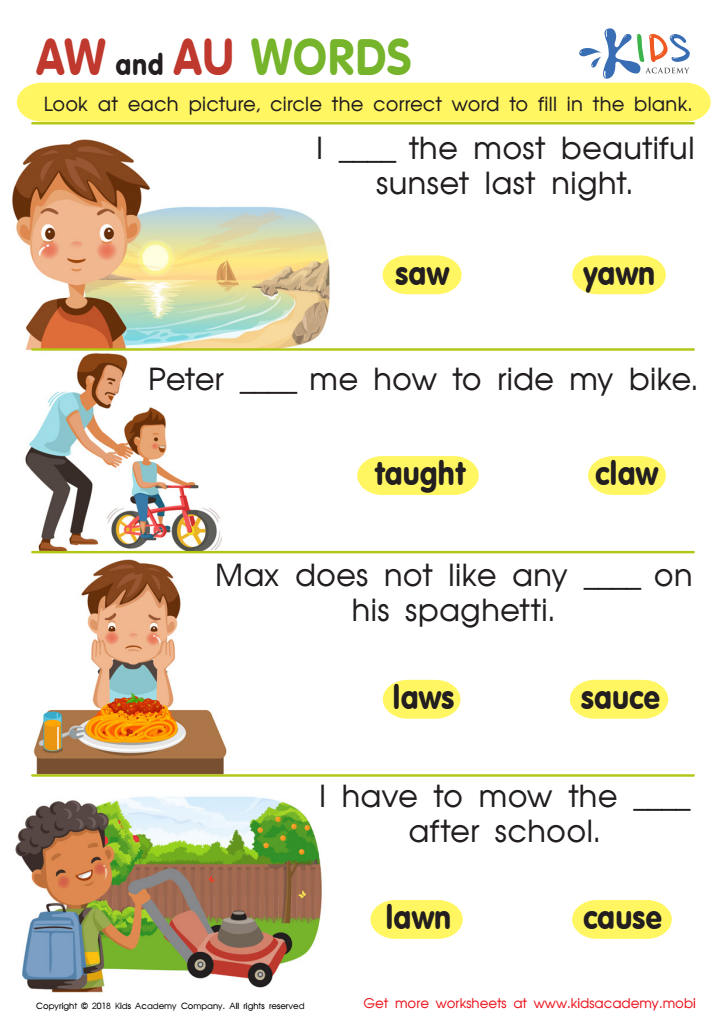
Reading: AW and AU Words Worksheet
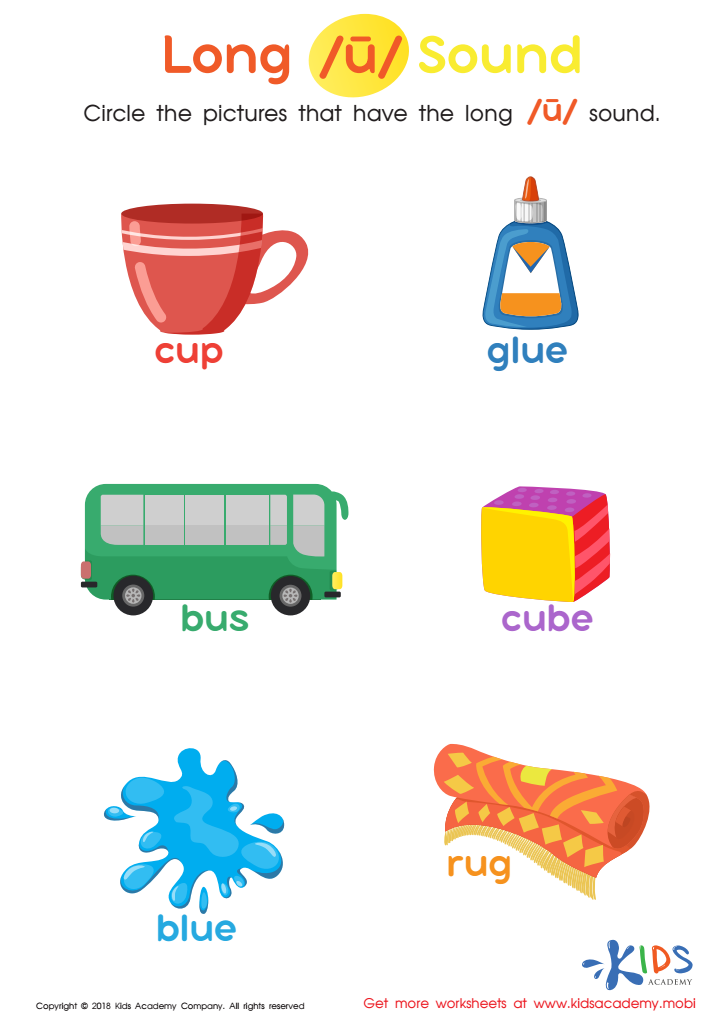
Long «u» Sound Worksheet
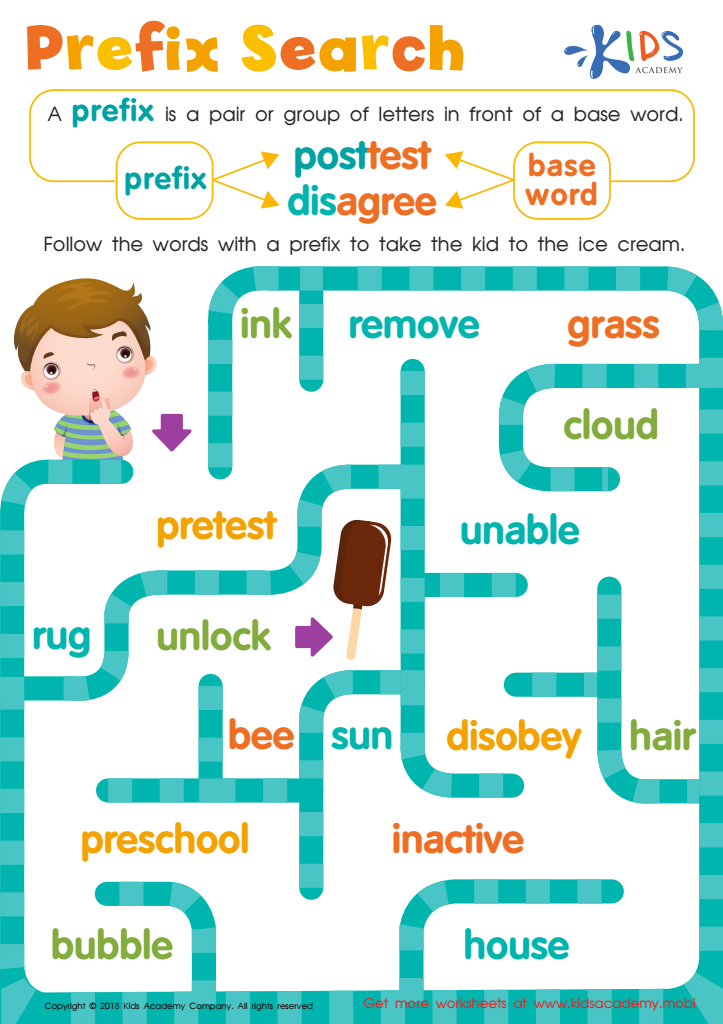
Reading: Prefix Search Worksheet
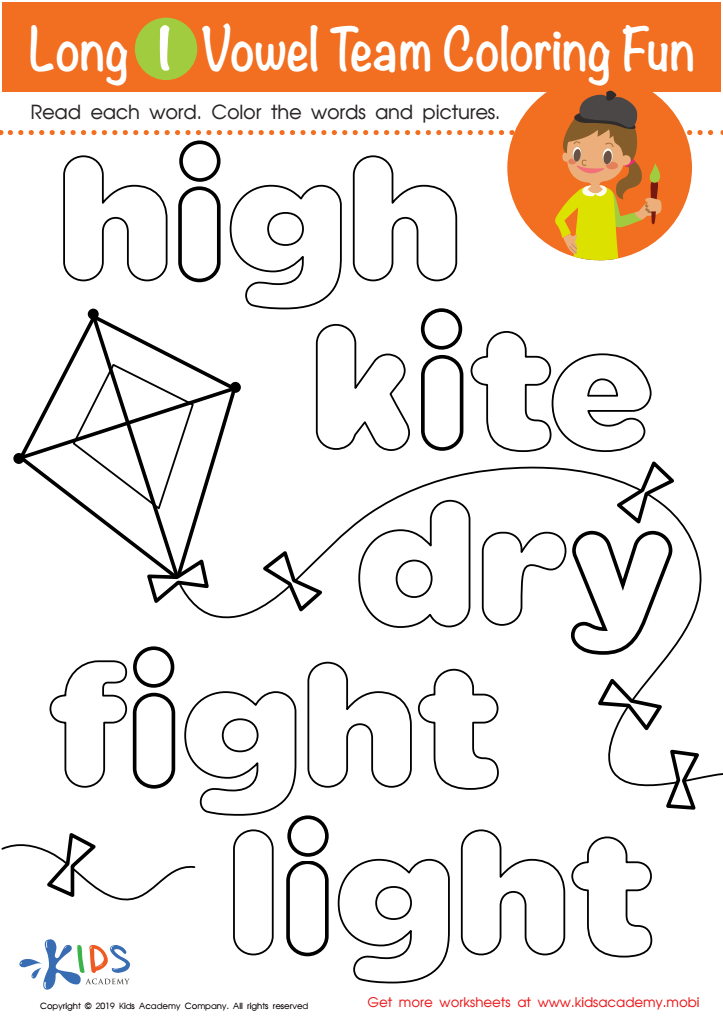
Long I Vowel Team Coloring Worksheet
 Assign to My Students
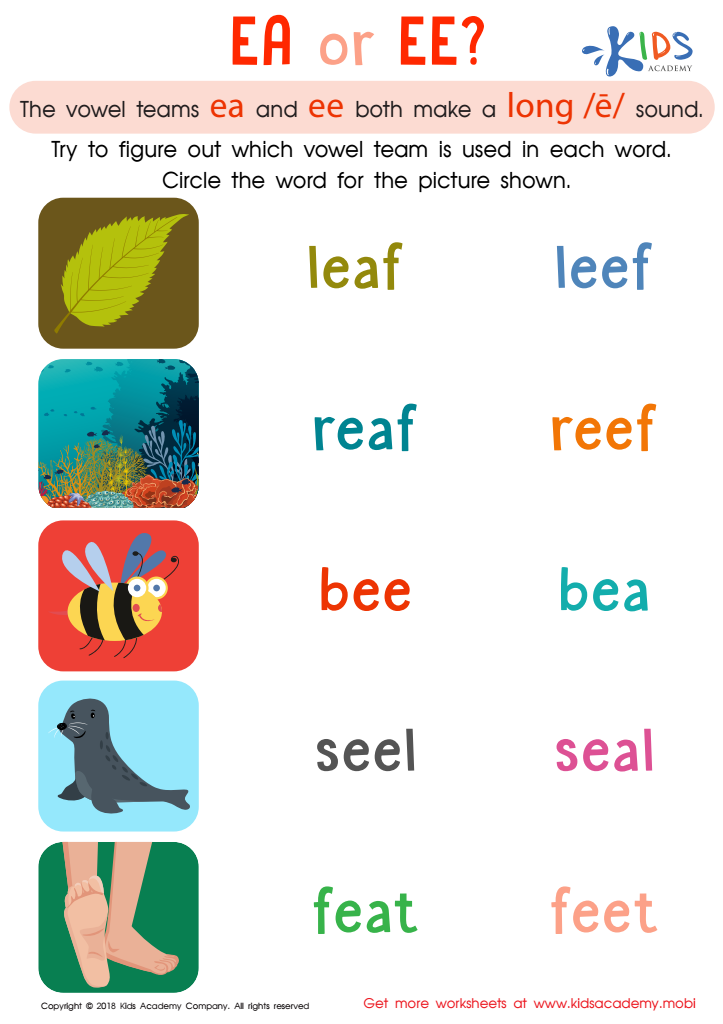
Reading: EA and EE Worksheet
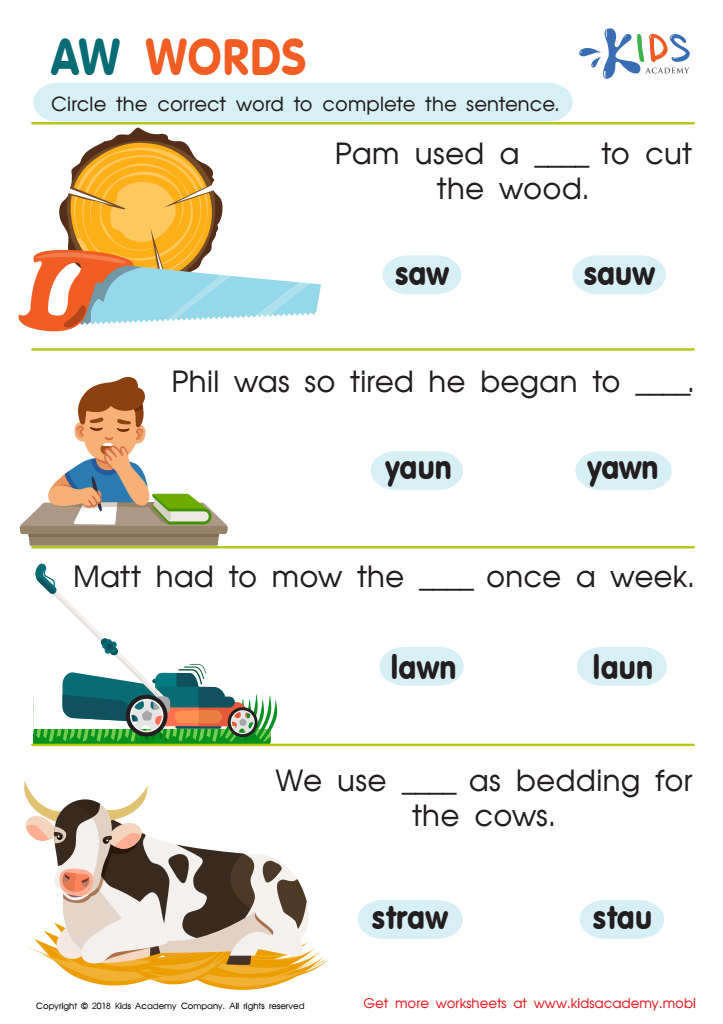
Reading: AW Words Worksheet
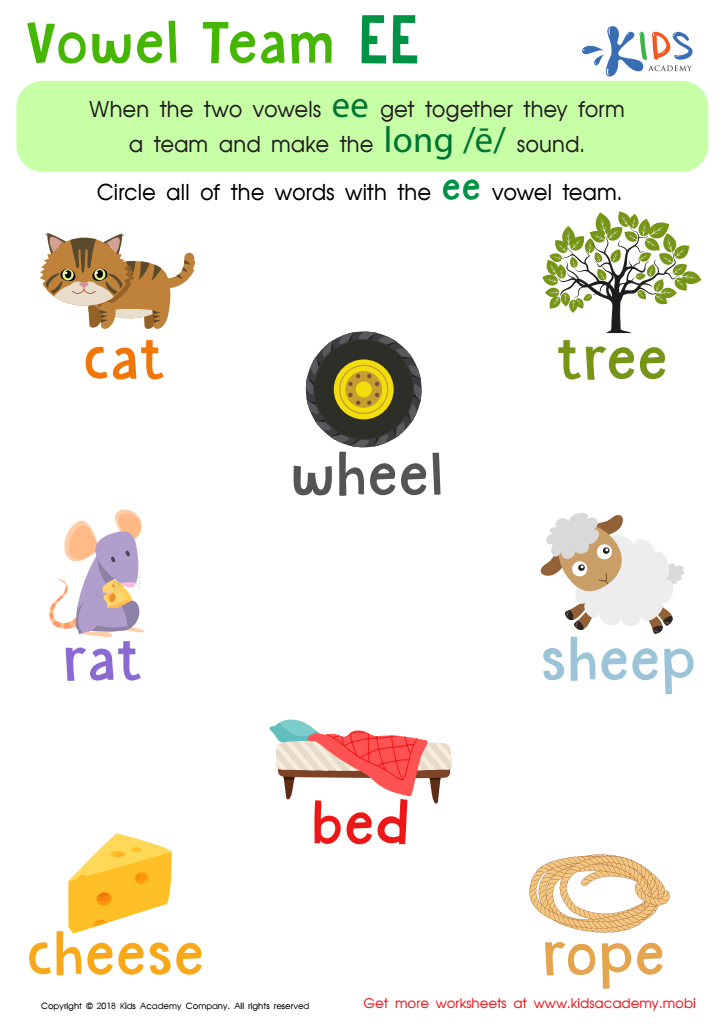
Reading: Vowel Team EE Worksheet
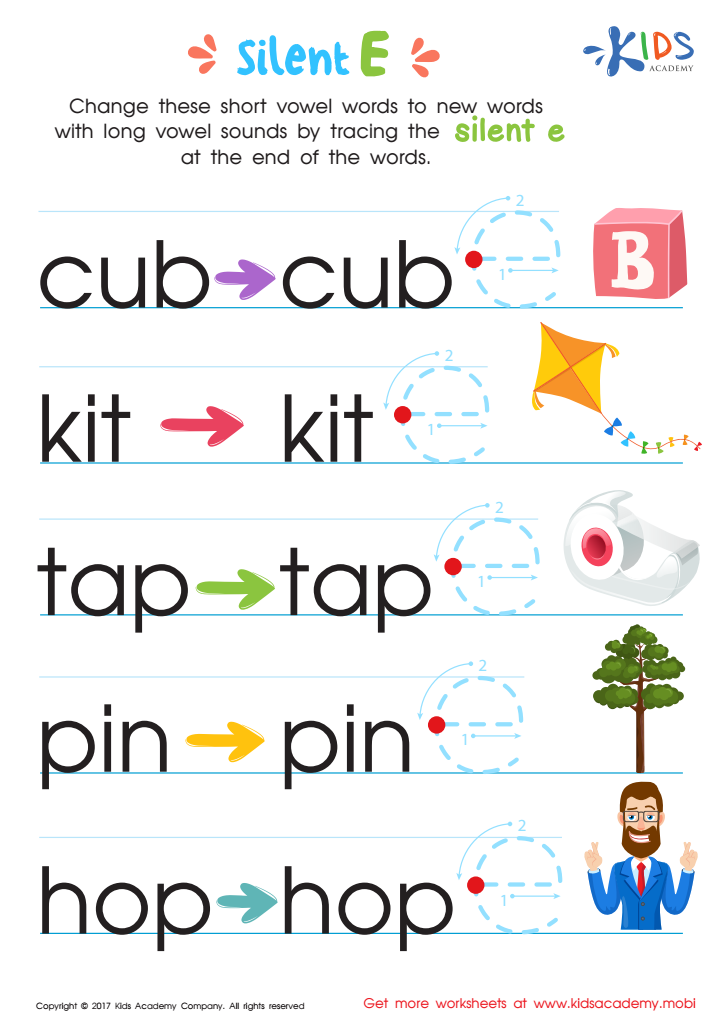
Silent E Words Worksheet
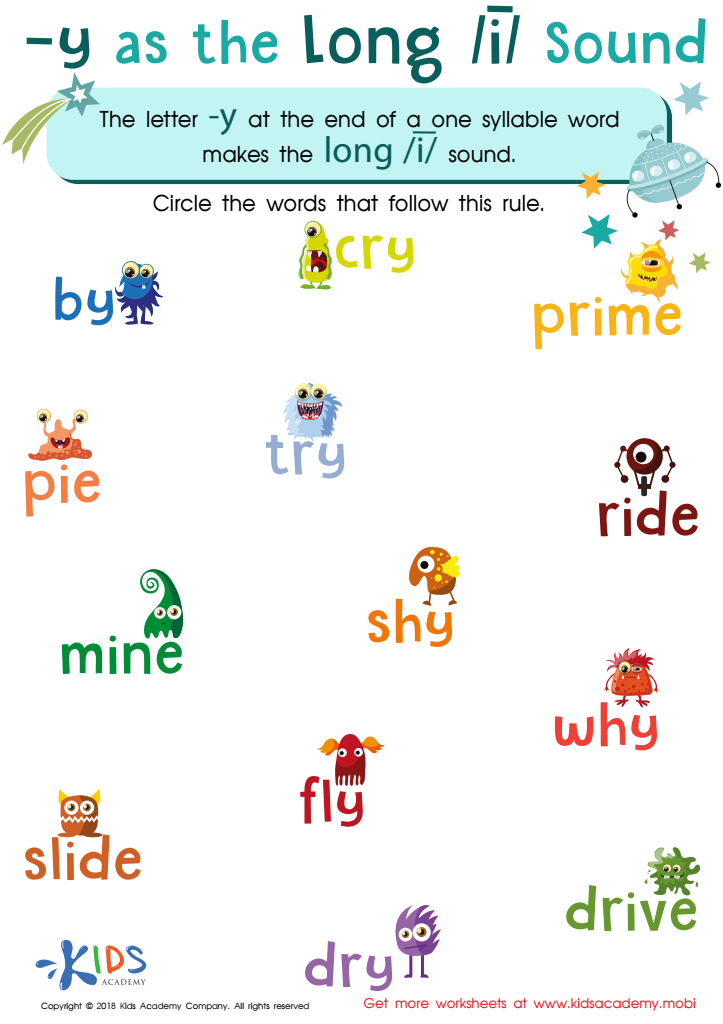
Reading: Y as Long I Worksheet
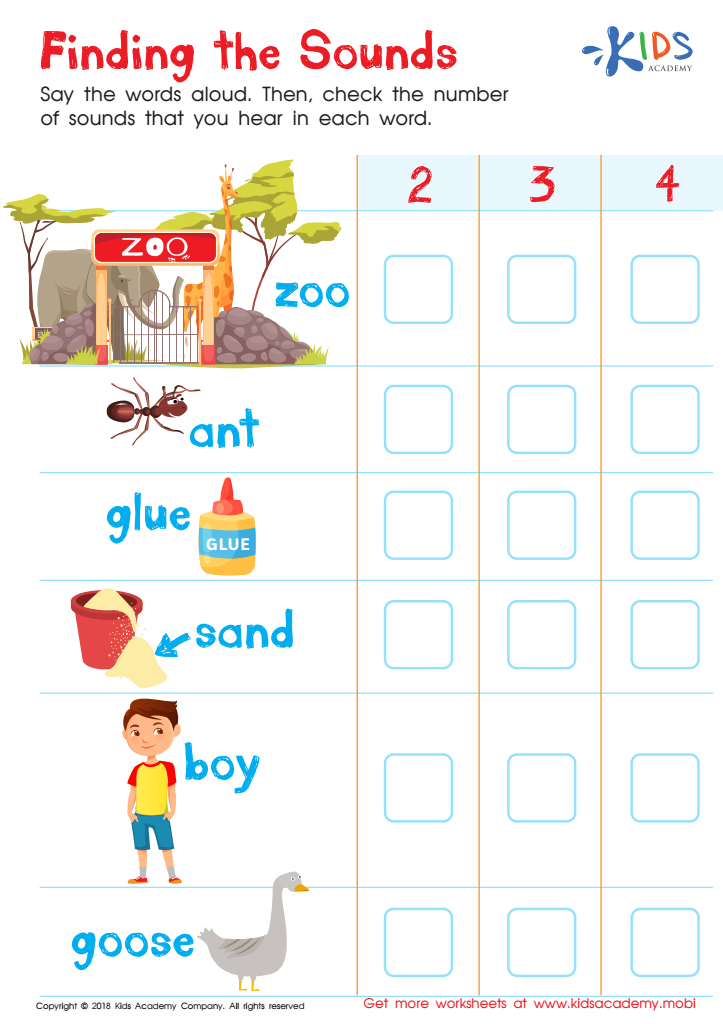
Finding the Sounds Worksheet
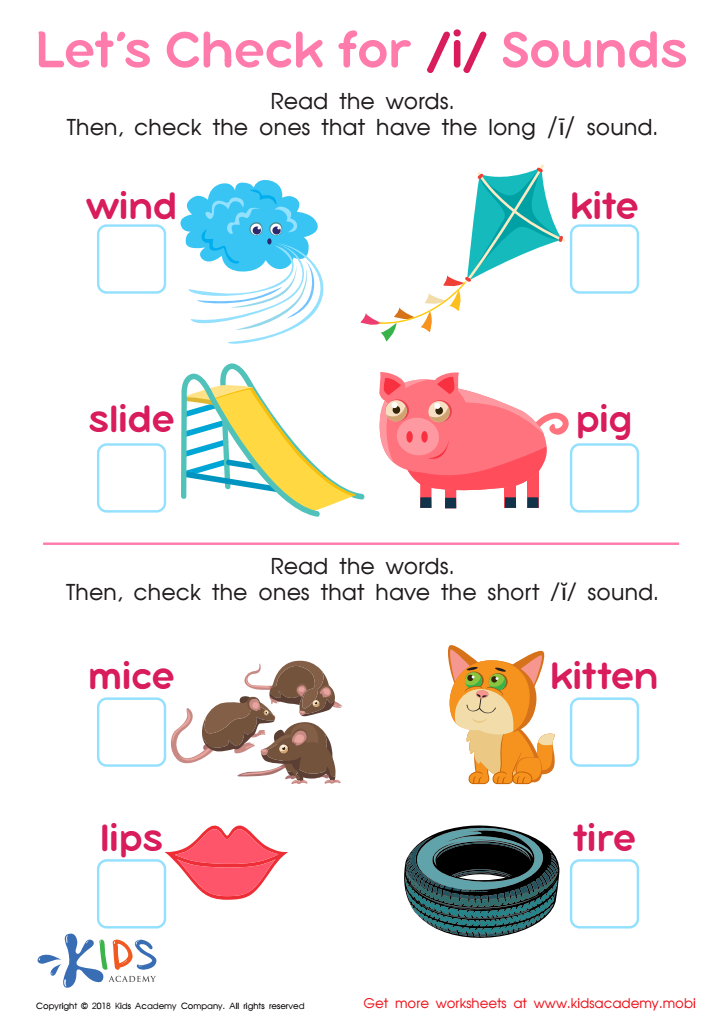
Let's Check for «i» Sounds Worksheet
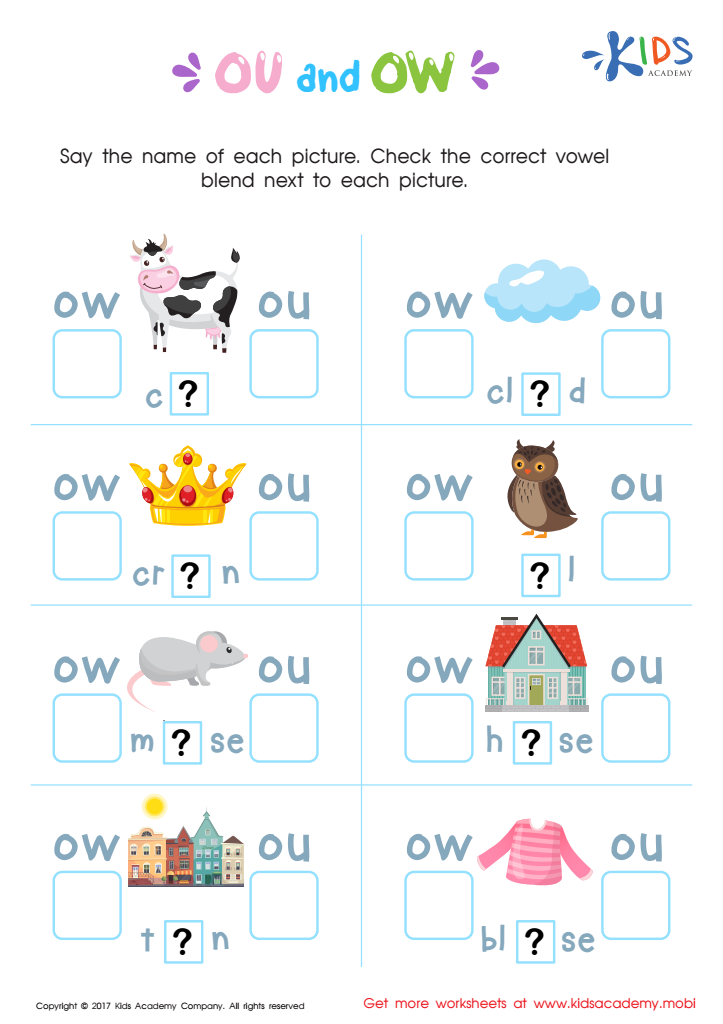
OU and OW Words Worksheet
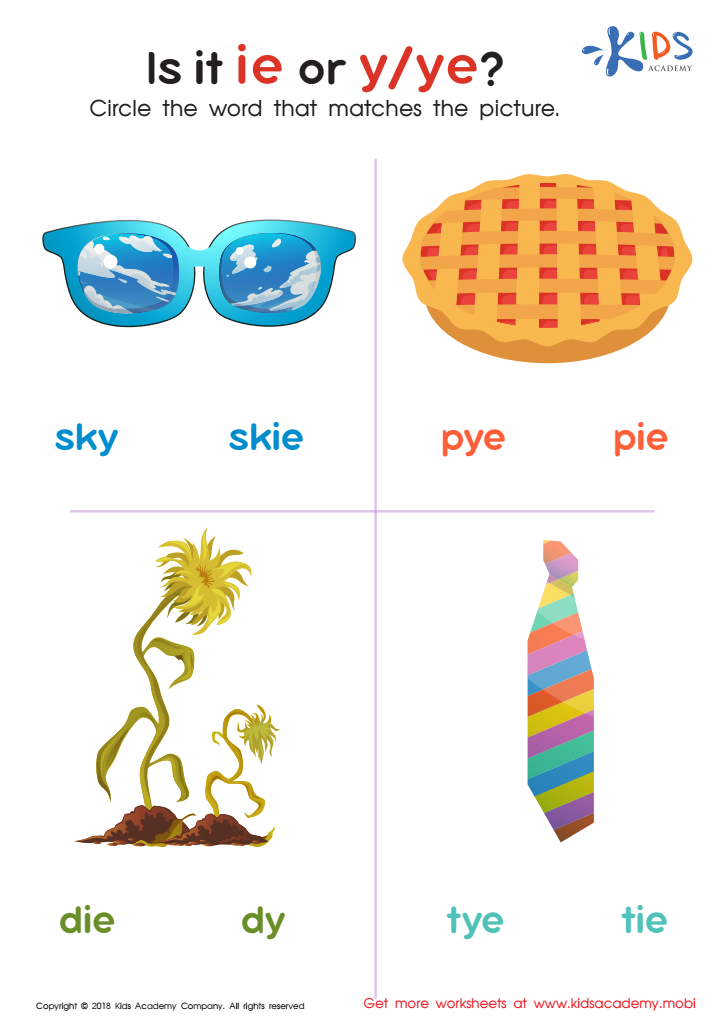
Is It IE or Y/Ye? Worksheet
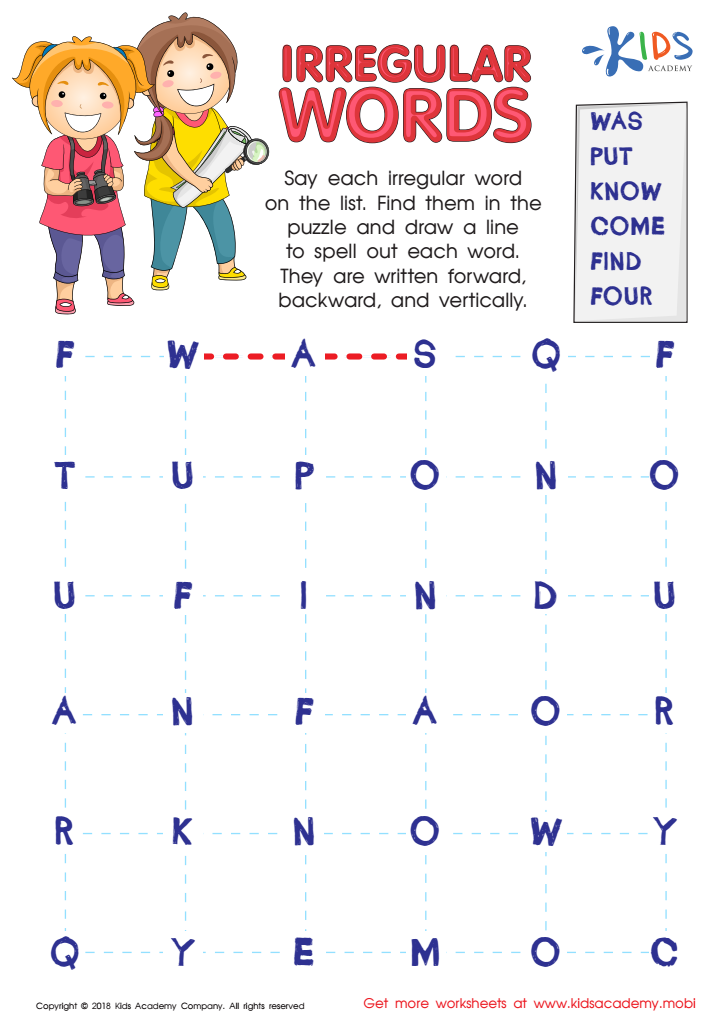
Irregular Words Worksheet
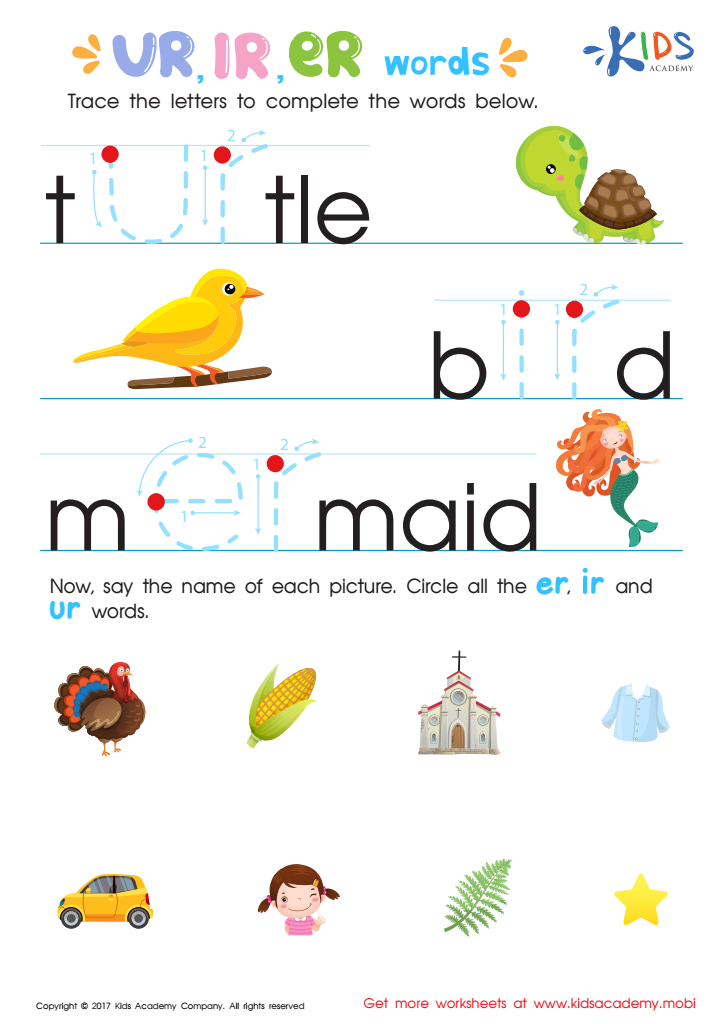
IR UR ER Words Worksheet
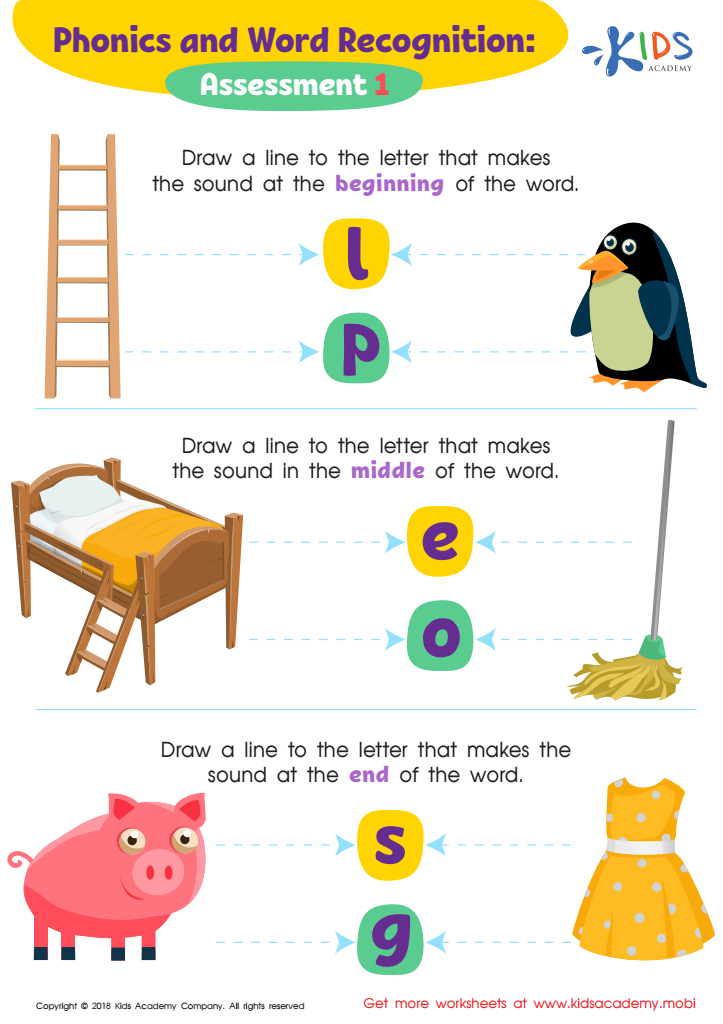
Phonics and Word Recognition: Assessment 1 ELA Worksheet








Spelling practice with a normal alphabet for children ages 3-7 is foundational to their future learning and communication skills. At this age, children's brains are highly receptive to language acquisition. Providing young learners with consistent spelling practice helps to solidify their understanding of letter-sound relationships, which is crucial for both reading and writing. Mastering the basics of the alphabet and how letters form words lays the groundwork for their literacy development.
Furthermore, spelling practice enhances a child's phonemic awareness, the ability to hear and manipulate individual sounds in words. This skill is a critical component of effective reading instruction. As children begin to decode words accurately, their confidence grows, forging a positive relationship with learning.
Spelling practice also promotes cognitive development by encouraging children to recognize patterns and sequences in language. It sharpens memory, attention to detail, and problem-solving skills. Moreover, correctly learned spelling reduces confusion and miscommunication, boosting children's ability to express their ideas clearly in both verbal and written forms.
Through fun and engaging activities, both parents and teachers can make spelling practice an enjoyable experience, fostering a lifelong love of learning. Early intervention and consistent practice prepare young minds for more advanced literacy concepts, ensuring academic success across all subjects.







