Cognitive Development Normal Phonics Worksheets for Ages 3-7
6 filtered results
-
From - To
Explore our Cognitive Development Normal Phonics Worksheets for Ages 3-7, designed to enhance your child's reading skills while promoting cognitive growth. Our engaging and interactive worksheets encourage children to recognize letters, sounds, and phonetic patterns through fun activities that stimulate their curiosity and critical thinking. From tracing letters to matching pictures, these thoughtfully crafted resources support early literacy in a playful manner. Perfect for at-home learning or classroom use, our phonics worksheets cater to various learning paces and styles. Foster a strong foundation in reading and cognitive skills with our expertly designed materials, making learning an enjoyable adventure for your little ones!
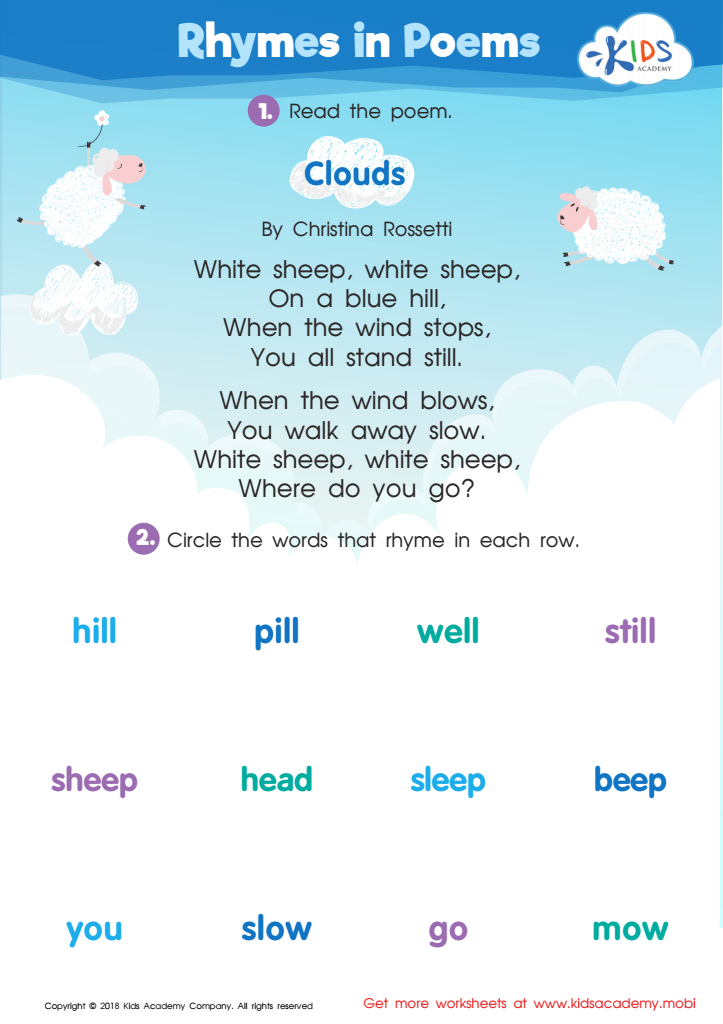
Rhymes in Poems Worksheet
 Assign to My Students
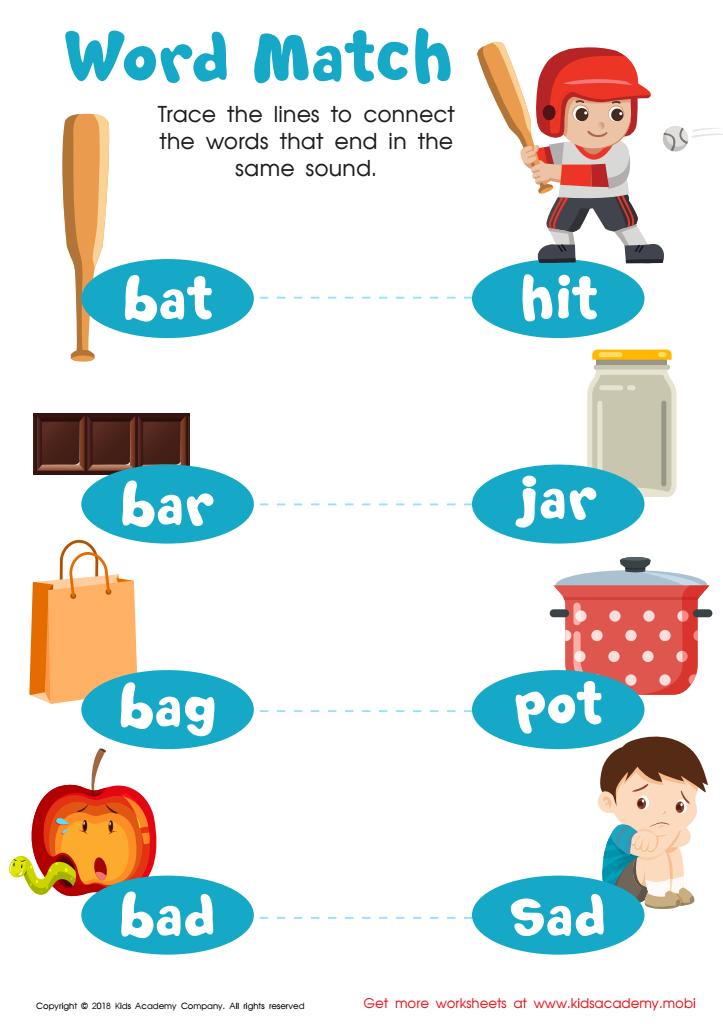
Word Match Reading Worksheet
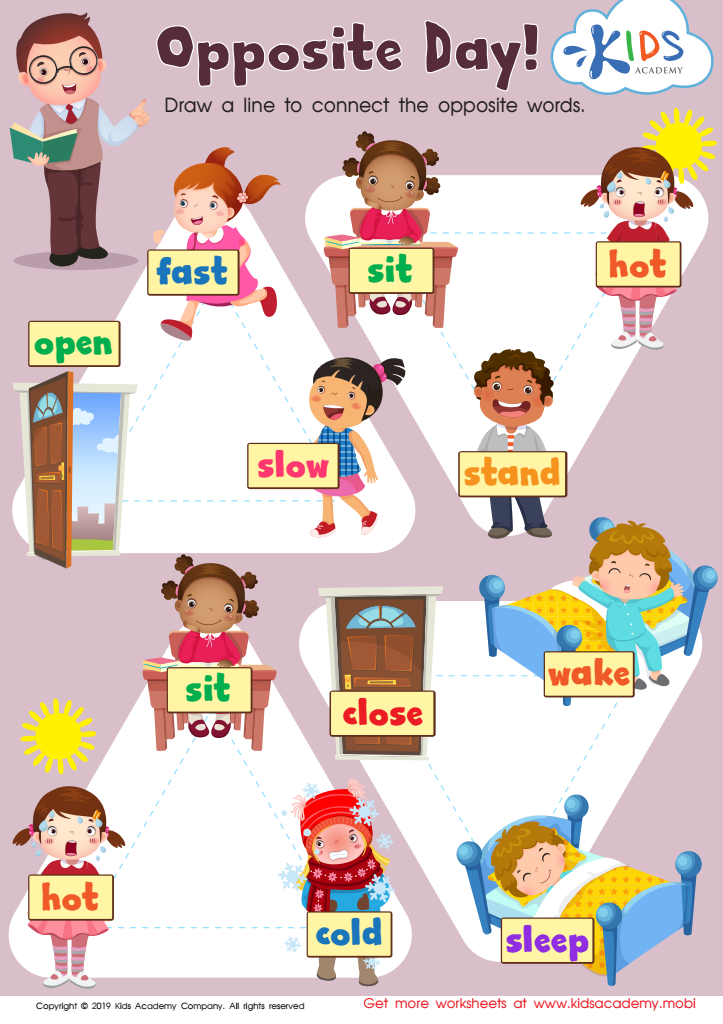
Opposite Day Worksheet
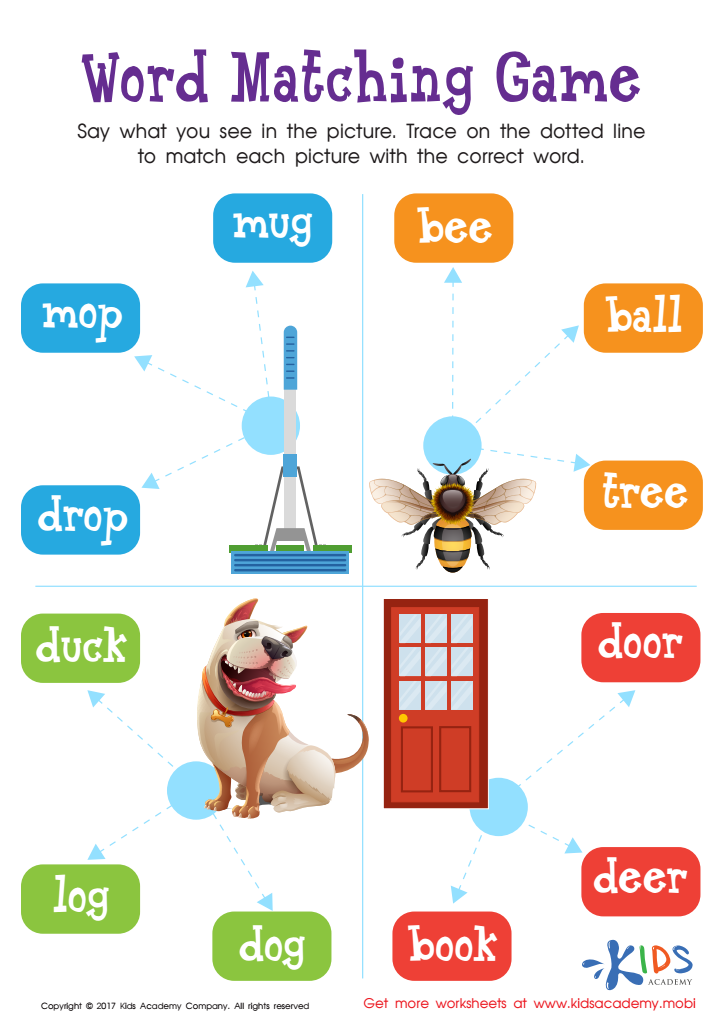
Word Matching Game Worksheet
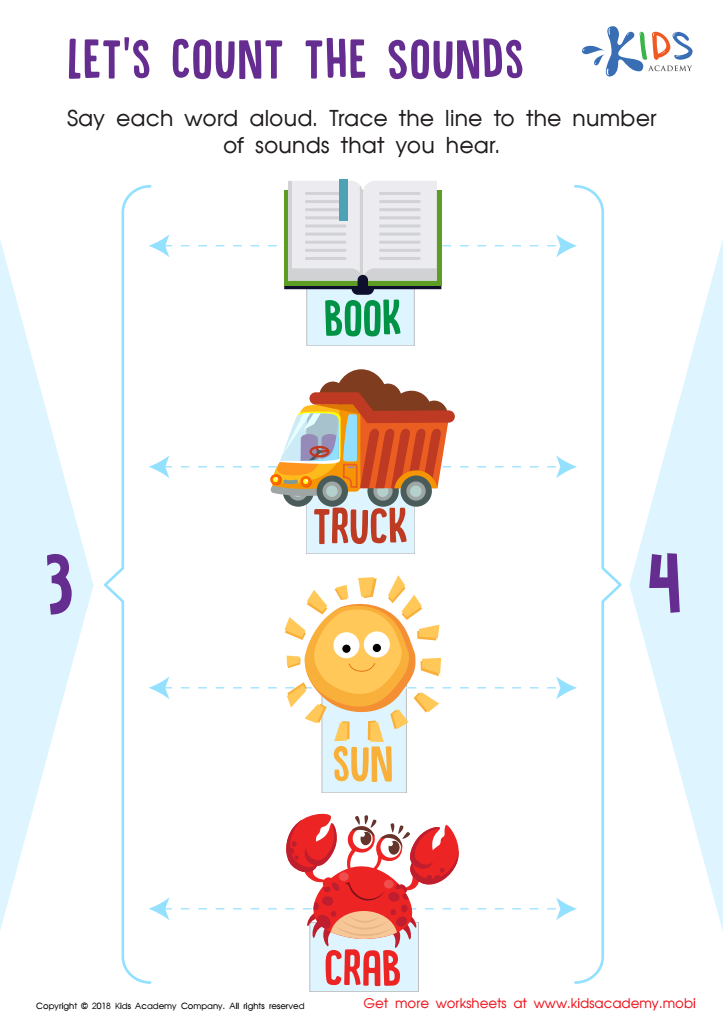
Let's Count the Sounds Worksheet
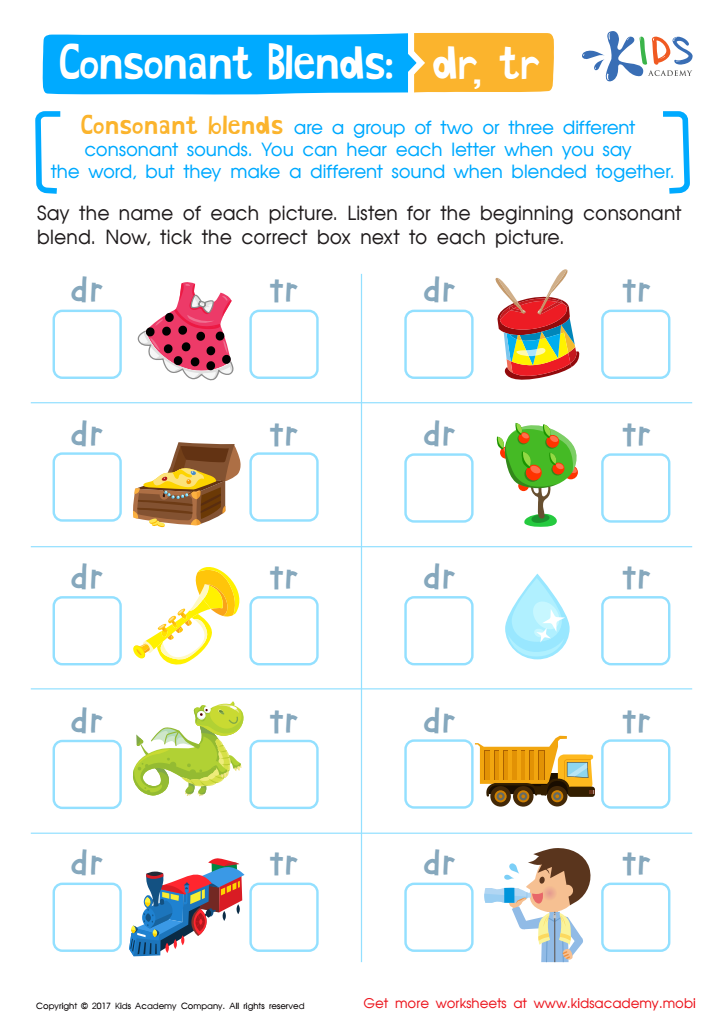
Consonant Blends: "Dr" and "Tr" Printable








Cognitive development and phonics are crucial for children aged 3-7 as they lay the foundation for future learning. During these formative years, children optimize their brain development, making it essential for parents and teachers to foster an environment that supports cognitive skills, such as memory, attention, and problem-solving.
Phonics, the relationship between letters and sounds, is particularly important as it forms the basis of reading and writing. When children engage in phonics activities, they not only learn to decode words but also enhance their vocabulary and comprehension skills. Mastering phonics at an early age empowers children to become proficient readers, which is crucial for academic success in later years.
Moreover, understanding cognitive development provides insight into age-appropriate teaching methods. For instance, young learners benefit greatly from play-based and sensory experiences, as they naturally explore and grasp new concepts through hands-on activities. By focusing on cognitive development and phonics, both parents and teachers can cultivate a supportive learning environment that encourages curiosity, effective communication, and critical thinking. This holistic approach enriches children’s educational experiences, setting them up for lifelong success in not just literacy, but in all areas of learning.







