Spelling practice Normal Phonics Worksheets for Ages 3-7 - Page 2
44 filtered results
-
From - To
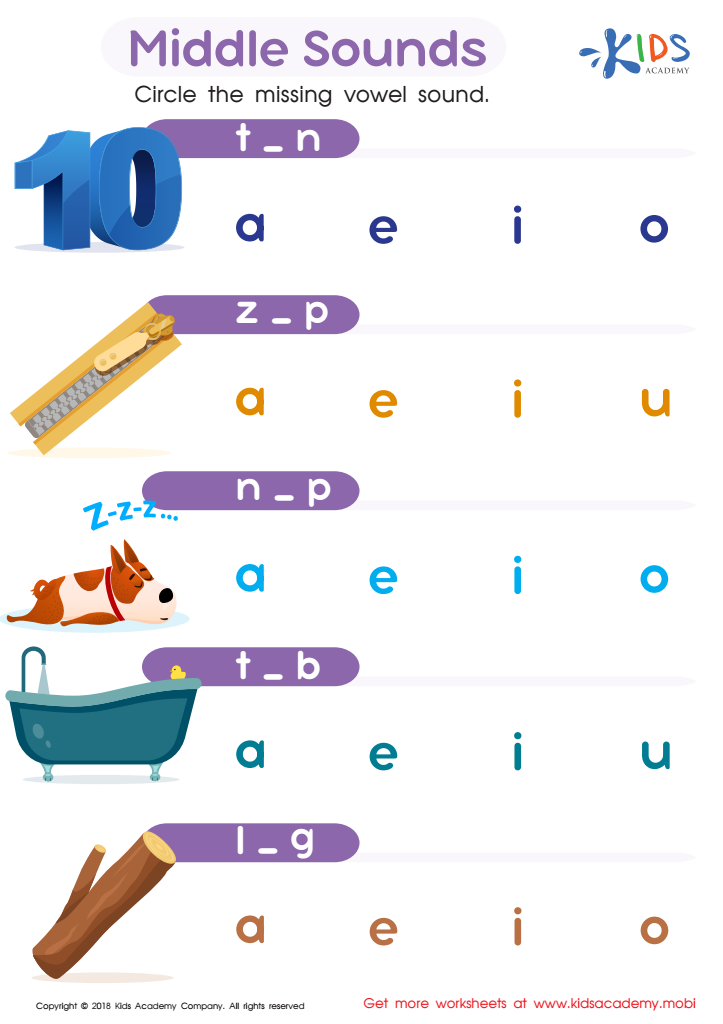
Middle Sounds Worksheet
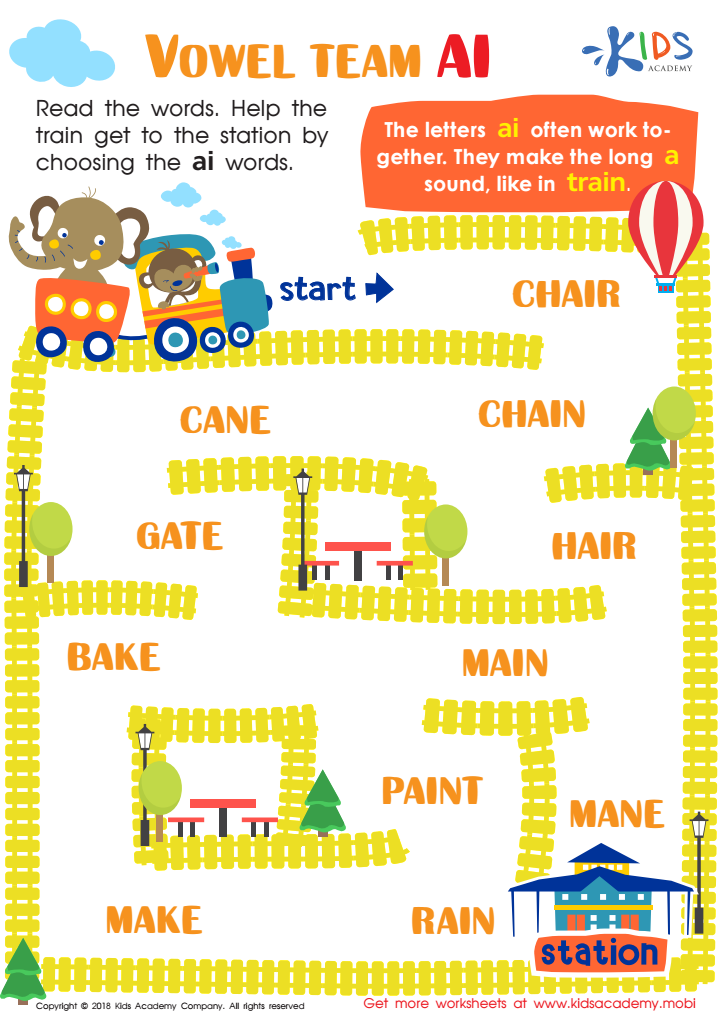
Vowel team ai Worksheet
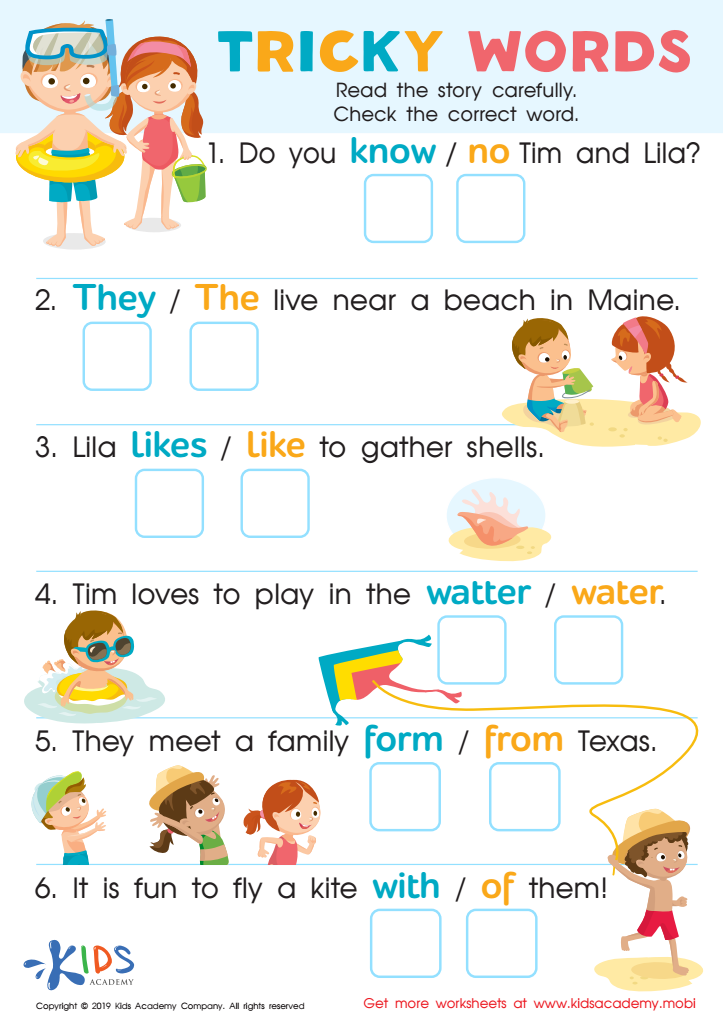
Tricky Words Worksheet
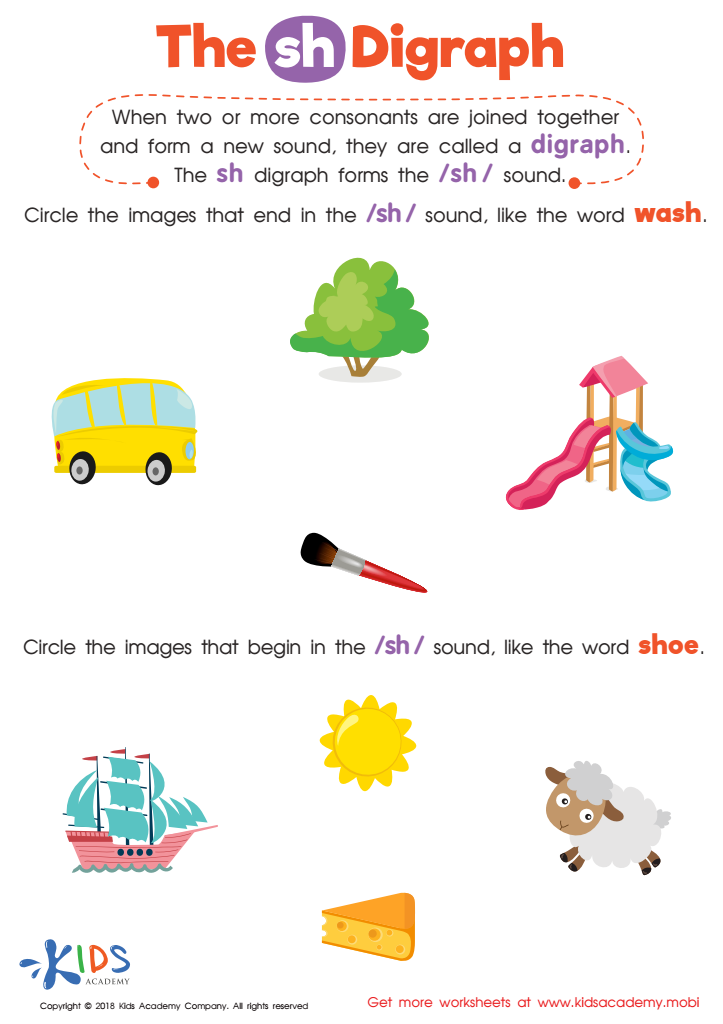
The SH Digraph Worksheet
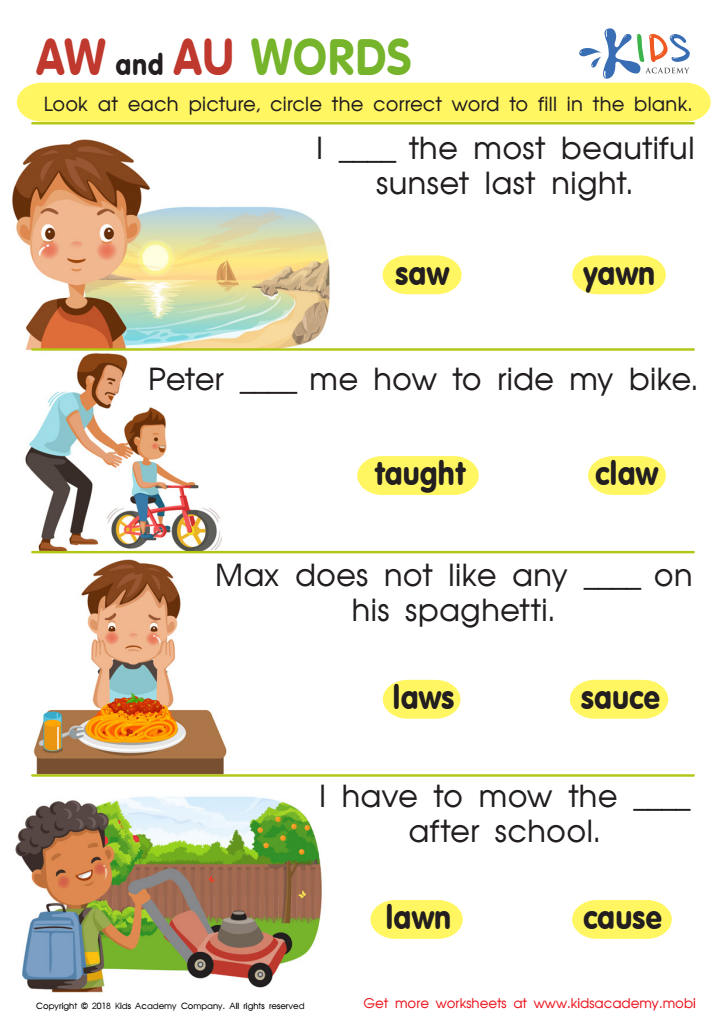
Reading: AW and AU Words Worksheet
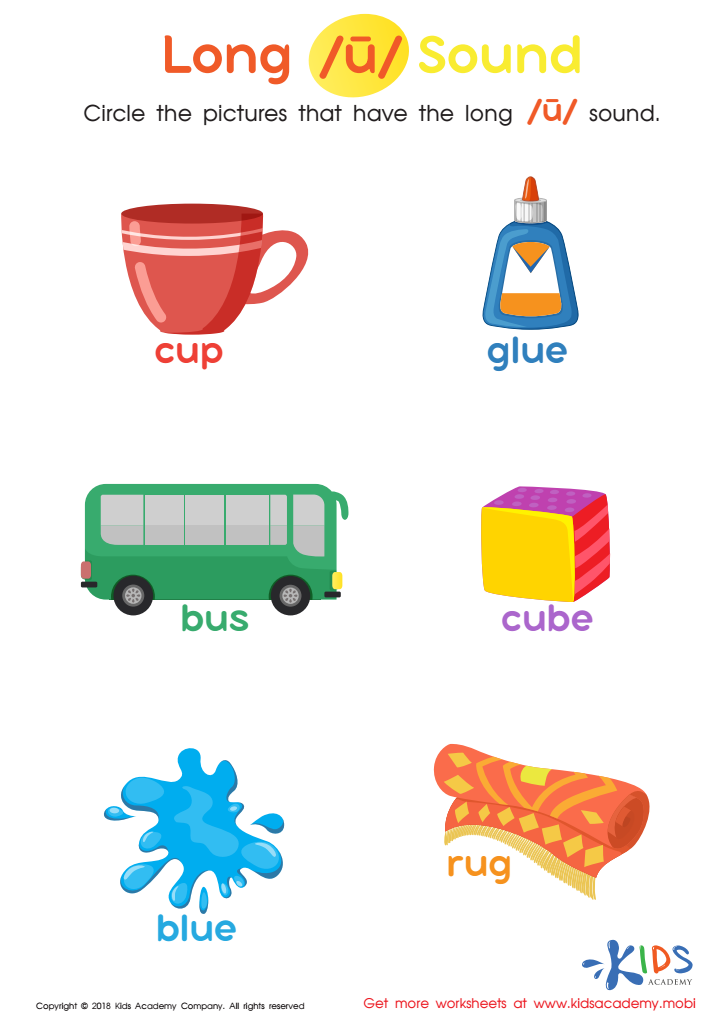
Long «u» Sound Worksheet
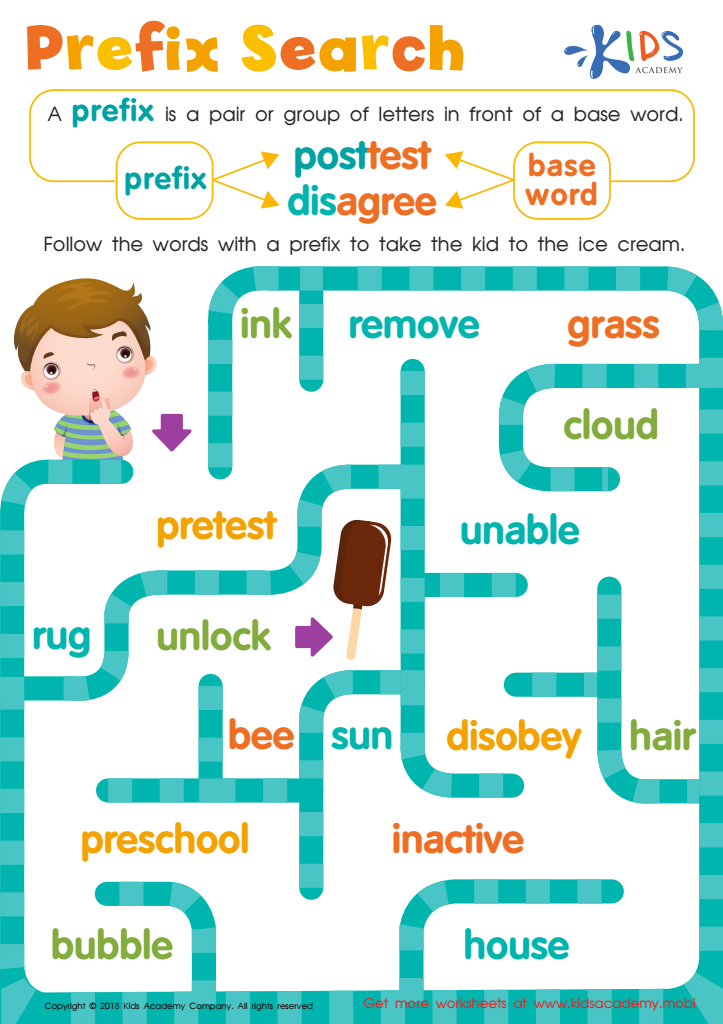
Reading: Prefix Search Worksheet
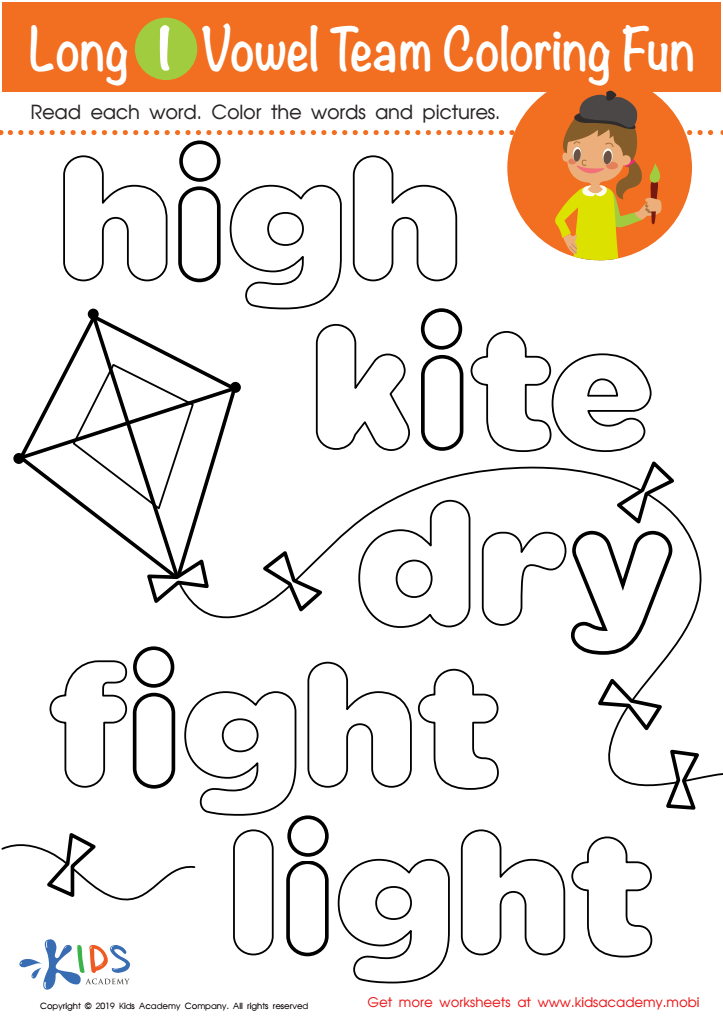
Long I Vowel Team Coloring Worksheet
 Assign to My Students
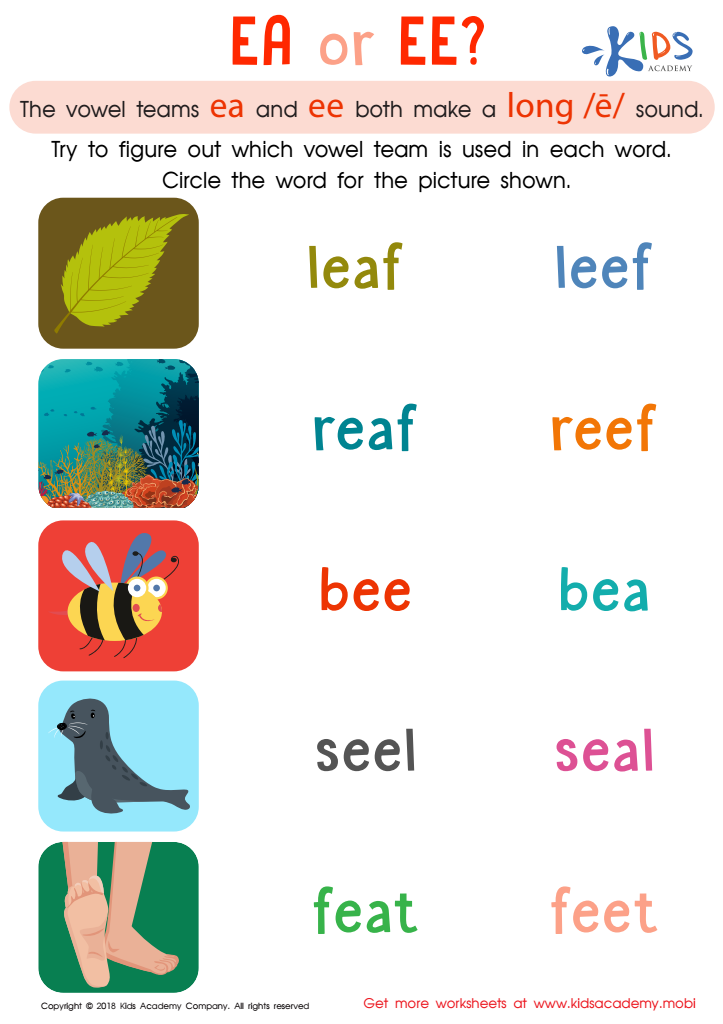
Reading: EA and EE Worksheet
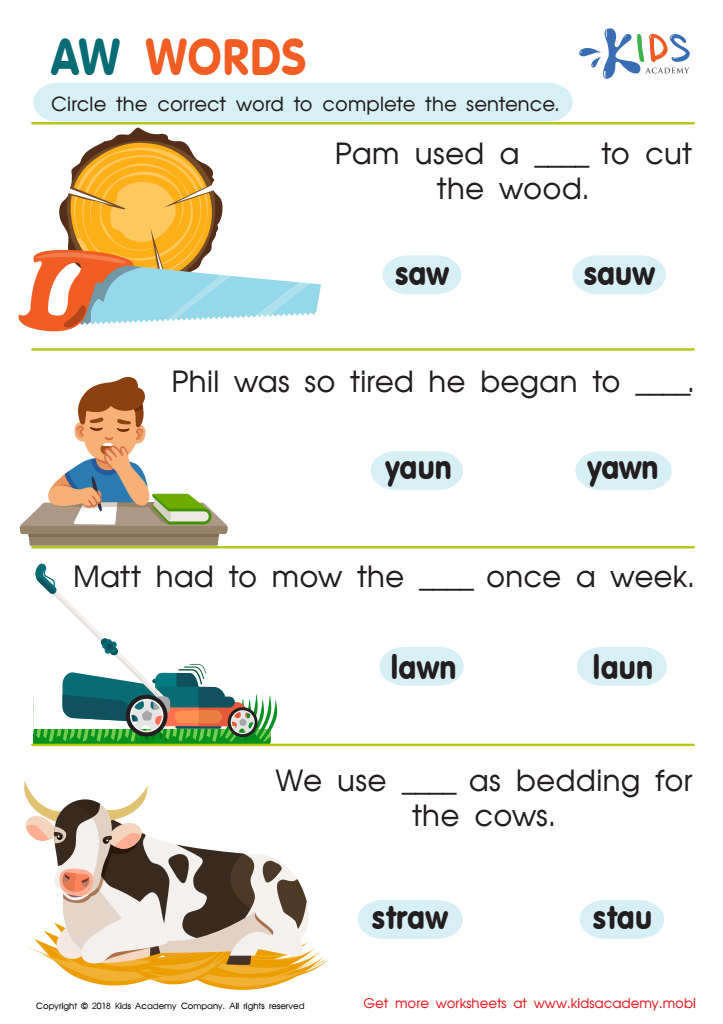
Reading: AW Words Worksheet
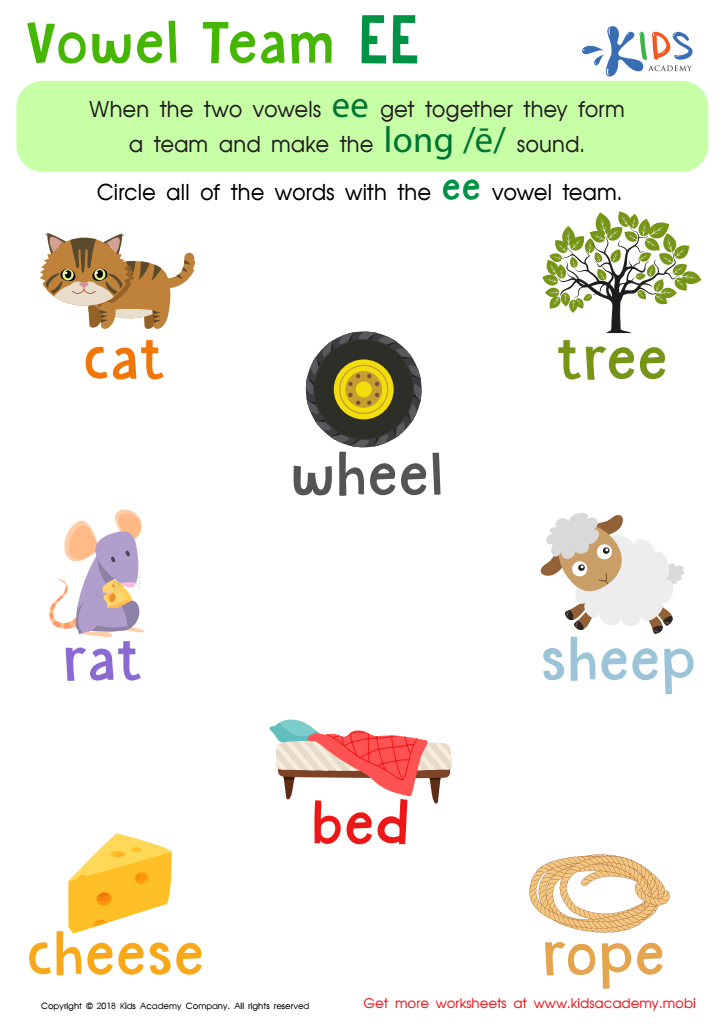
Reading: Vowel Team EE Worksheet
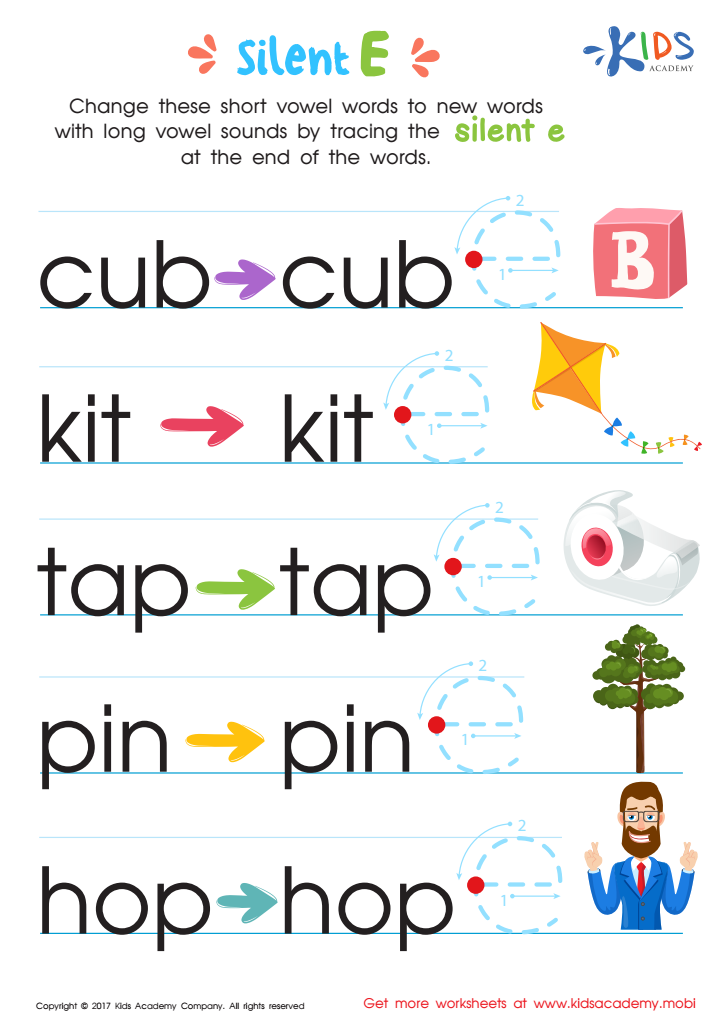
Silent E Words Worksheet
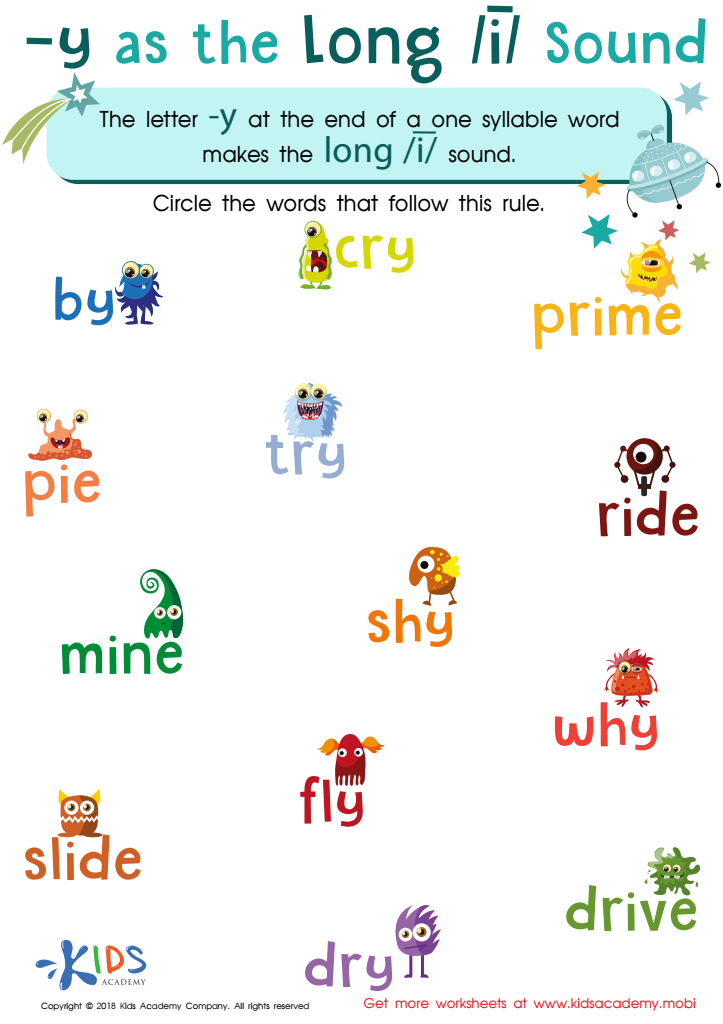
Reading: Y as Long I Worksheet
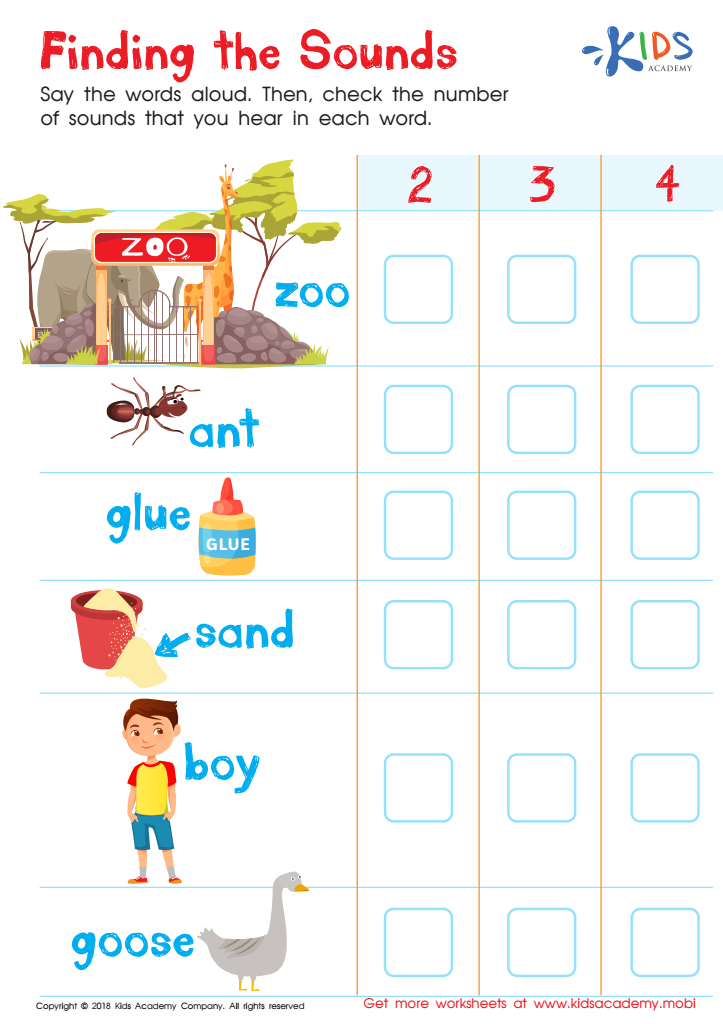
Finding the Sounds Worksheet
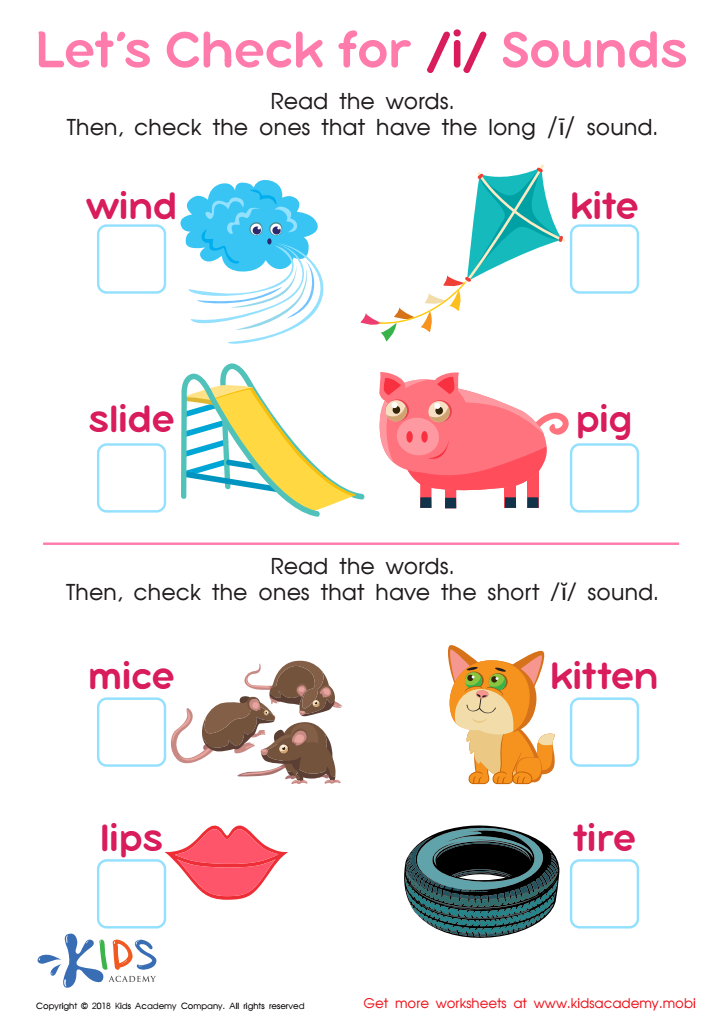
Let's Check for «i» Sounds Worksheet
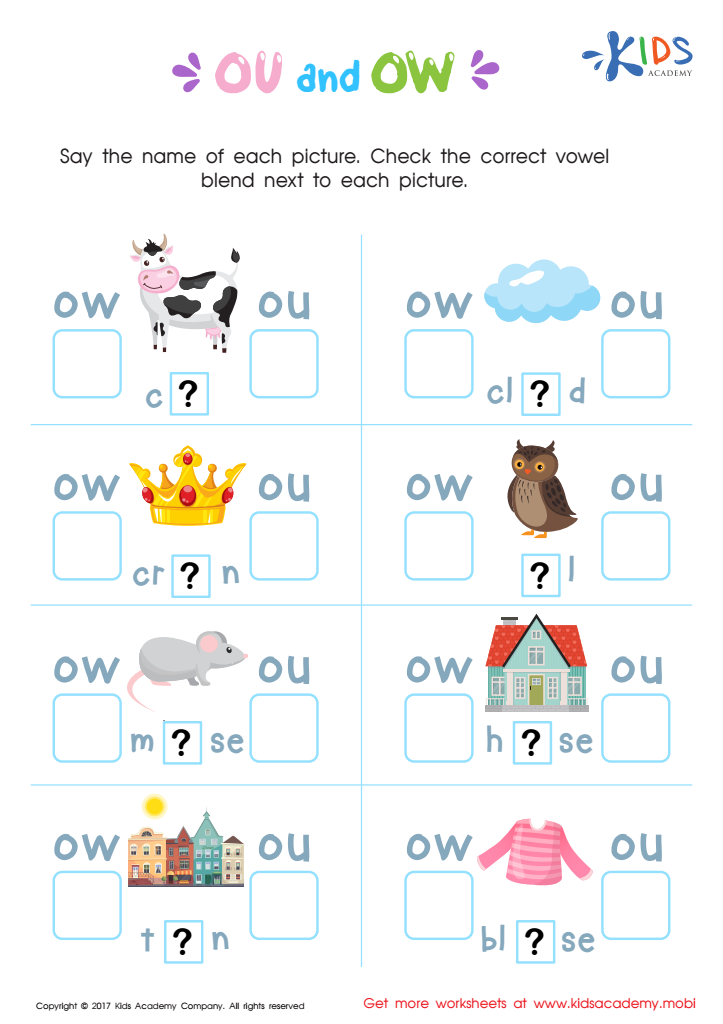
OU and OW Words Worksheet
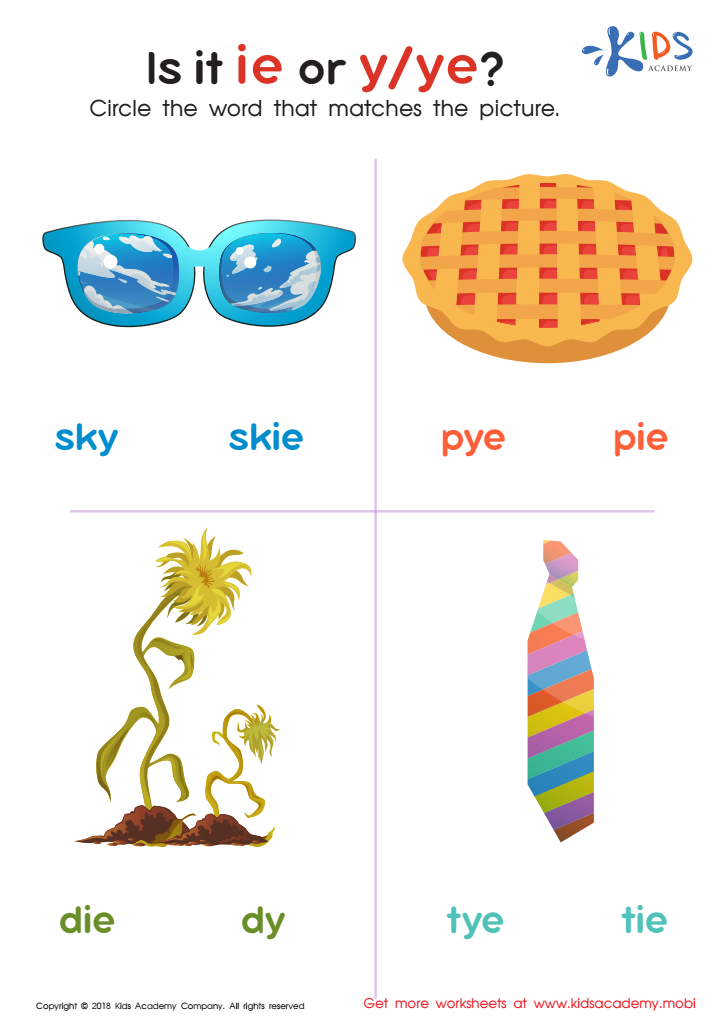
Is It IE or Y/Ye? Worksheet
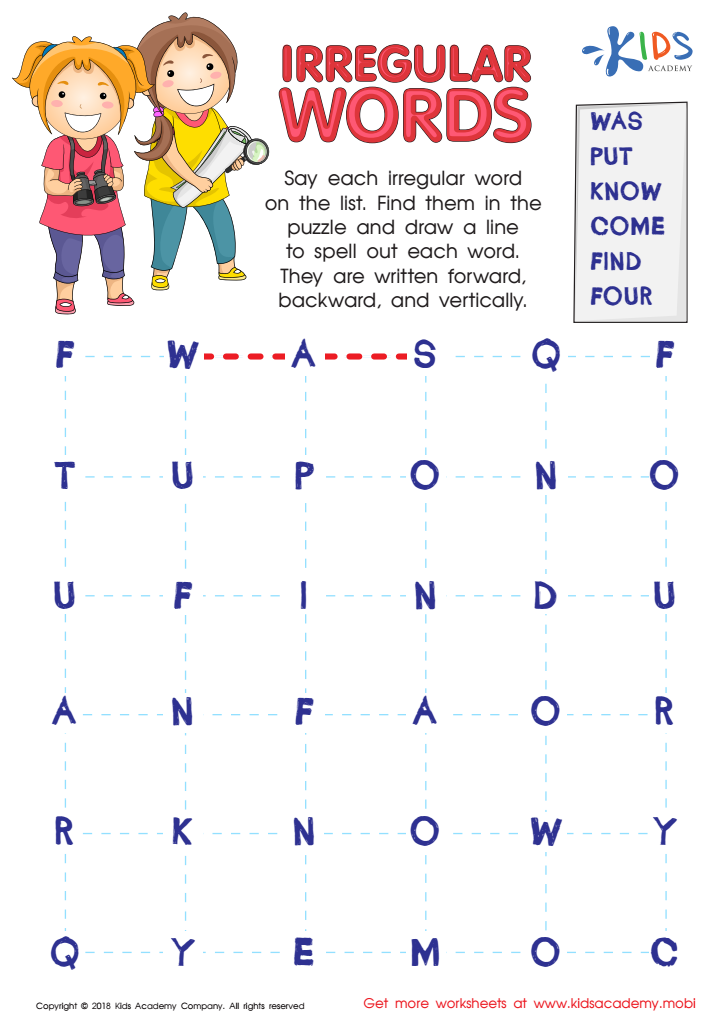
Irregular Words Worksheet
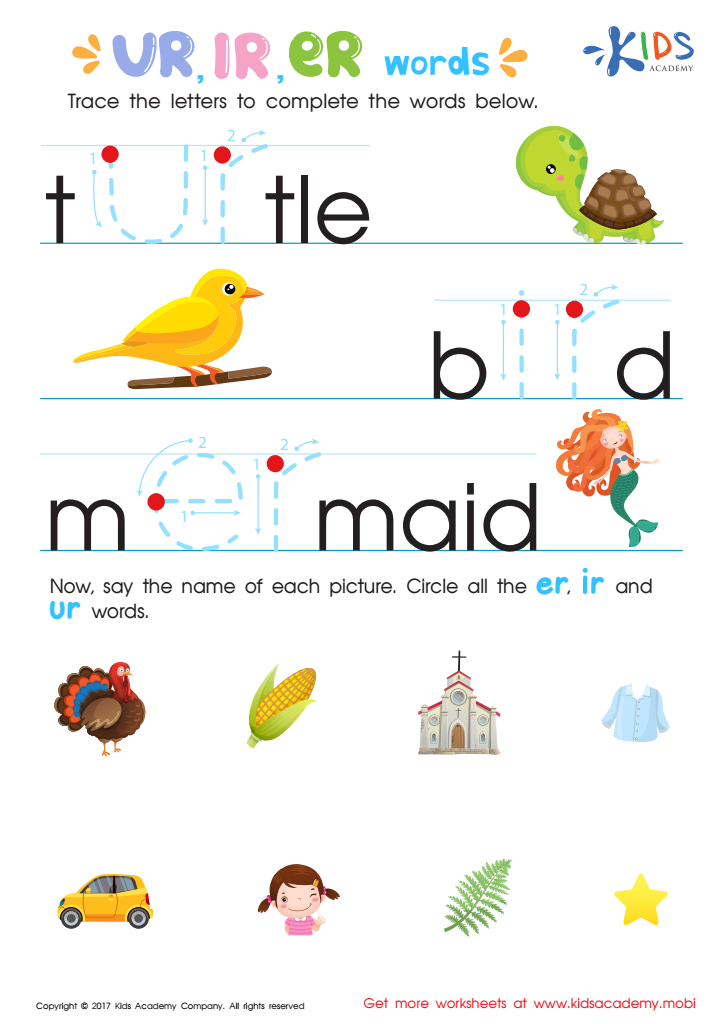
IR UR ER Words Worksheet
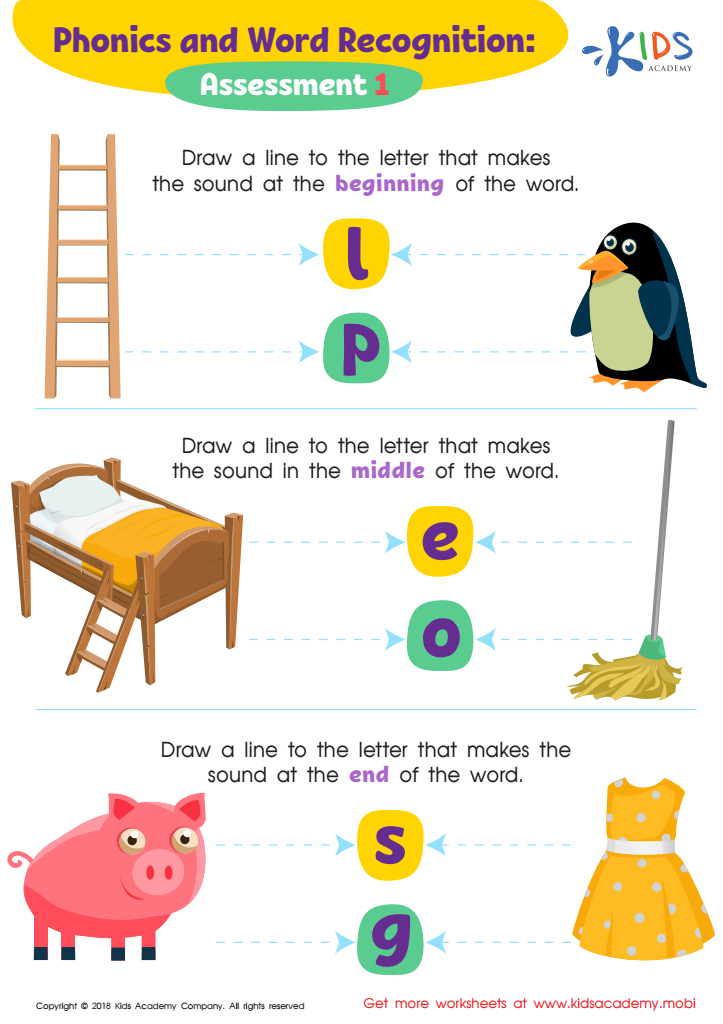
Phonics and Word Recognition: Assessment 1 ELA Worksheet








Parents and teachers should prioritize Spelling Practice using Normal Phonics for children aged 3-7 because it lays a foundation for strong literacy skills. At this early stage, kids develop essential verbal skills, learning how letters combine to form sounds and words. Normal Phonics helps children decode language by breaking down words into manageable sounds, fostering their ability to read and spell accurately.
Moreover, early phonics instruction enhances children's confidence and motivation. When kids practice spelling through engaging, structured activities, they become more competent readers, which promotes a positive association with literacy. Improved spelling abilities also contribute to better writing skills as kids learn to express their ideas clearly and effectively.
Additionally, phonics-based practices cater to diverse learning styles. By using songs, games, and interactive exercises, children engage more deeply, making learning enjoyable rather than a chore. This multidimensional approach supports cognitive development, improving comprehension skills that carry into later grades.
Ultimately, prioritizing Normal Phonics in spelling practice is an investment in children’s future academic success, equipping them with vital skills they will use throughout their education and life. Empowering young learners with these tools fosters lifelong readers and communicators.







