Normal Short Vowels Worksheets for Ages 3-7
17 filtered results
-
From - To
Welcome to our collection of Normal Short Vowels Worksheets, specially designed for children aged 3-7! These engaging and interactive worksheets are perfect for introducing young learners to the fundamental short vowel sounds—A, E, I, O, and U. Each worksheet offers a variety of fun activities, including coloring, matching, and tracing, to help reinforce learning through play. Ideal for homeschooling or classroom use, these resources make teaching short vowels simple and enjoyable. Spark your child’s love for reading and phonics while laying a solid foundation in literacy skills. Explore our worksheets today to enhance your child’s learning experience!
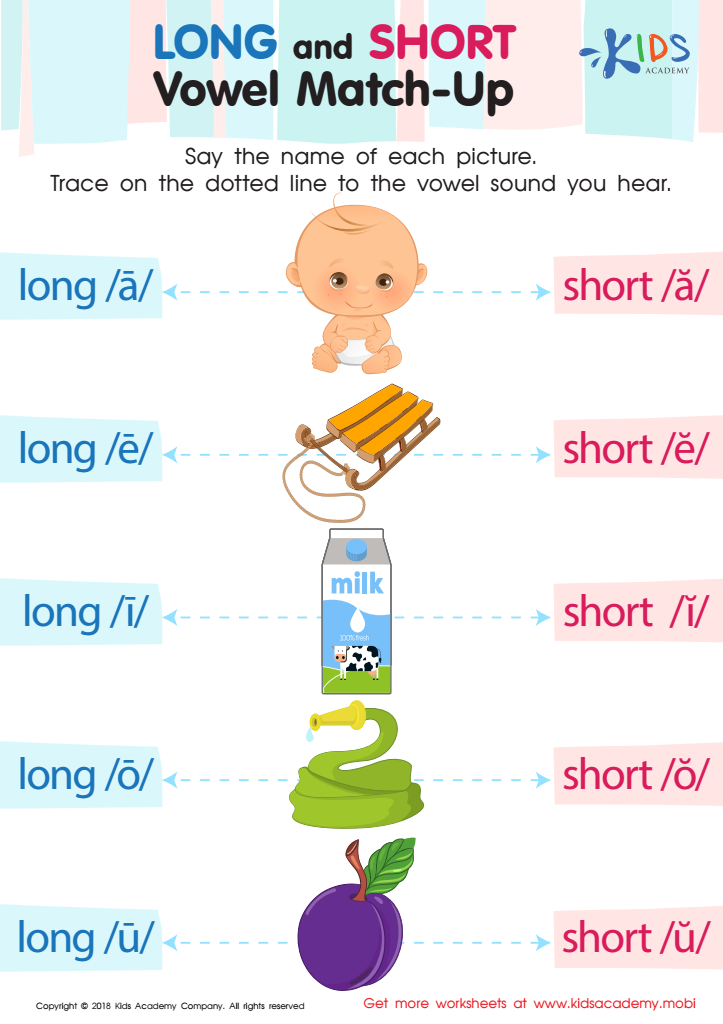
Long and Short Vowel Match up Reading Worksheet
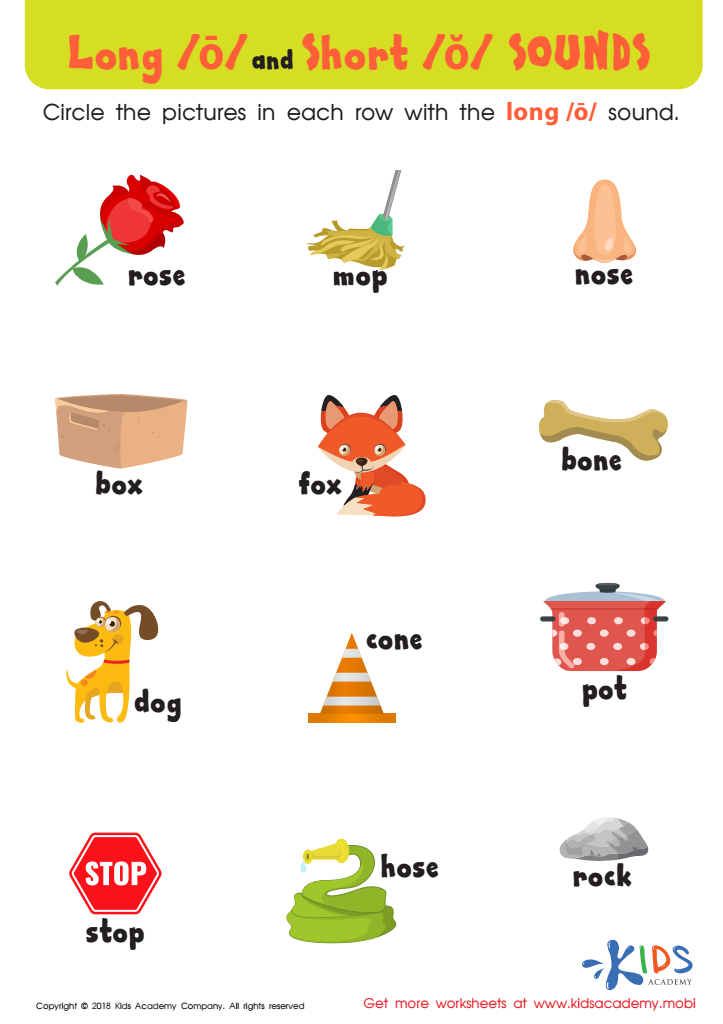
Reading: Long O and Short O Sounds Worksheet
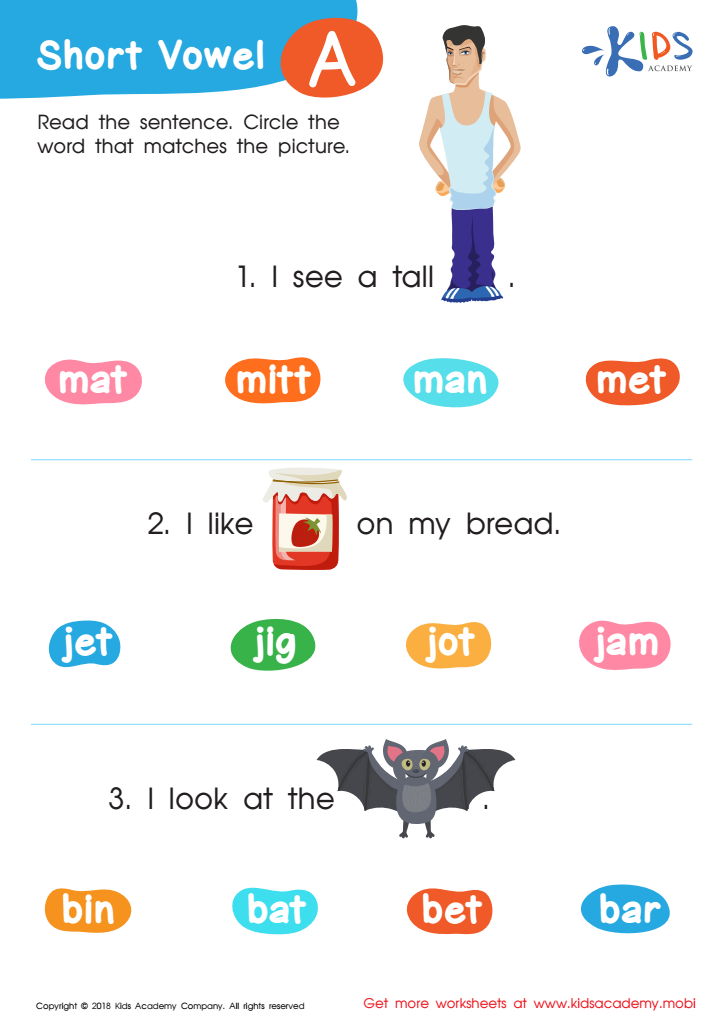
Short Vowel /a/ Worksheet
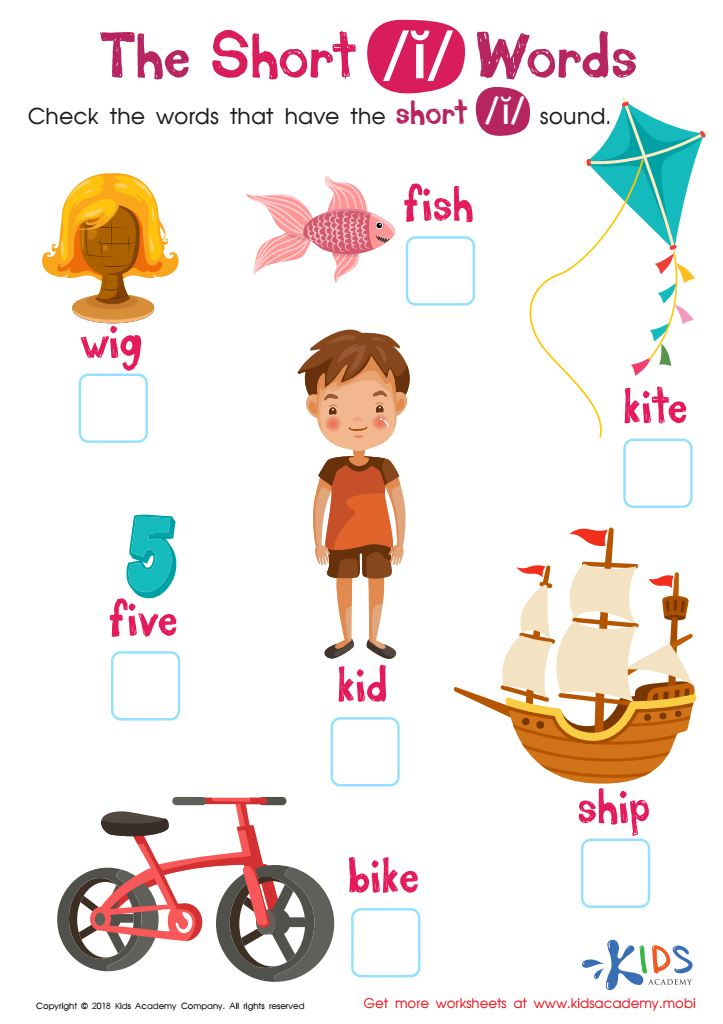
The Short I Words Reading Worksheet
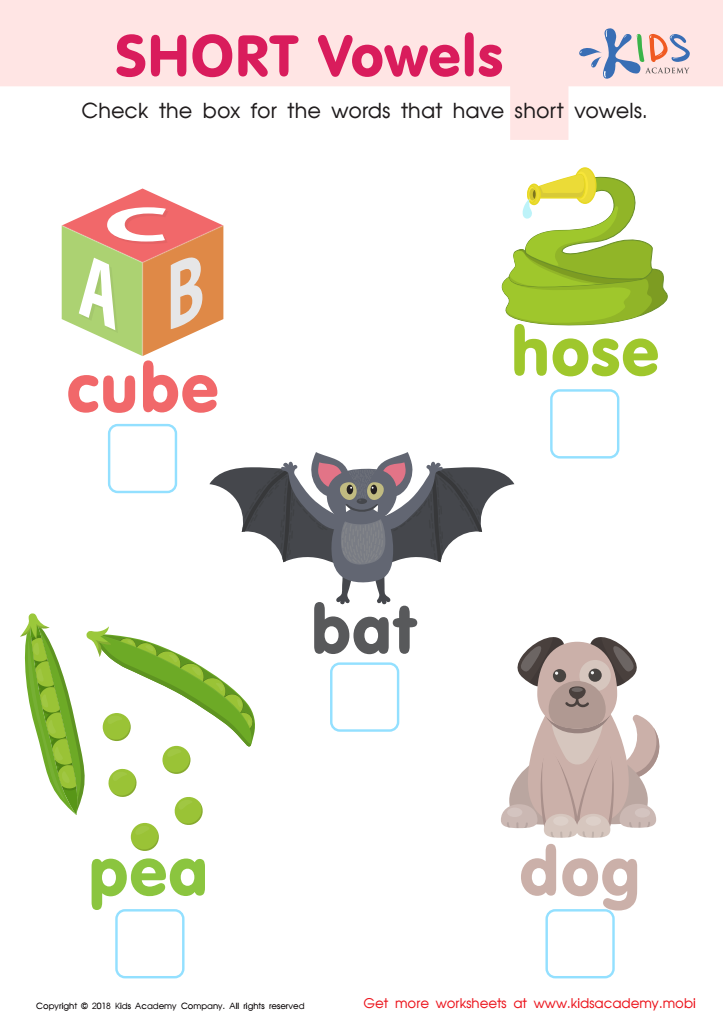
short vowels Worksheet
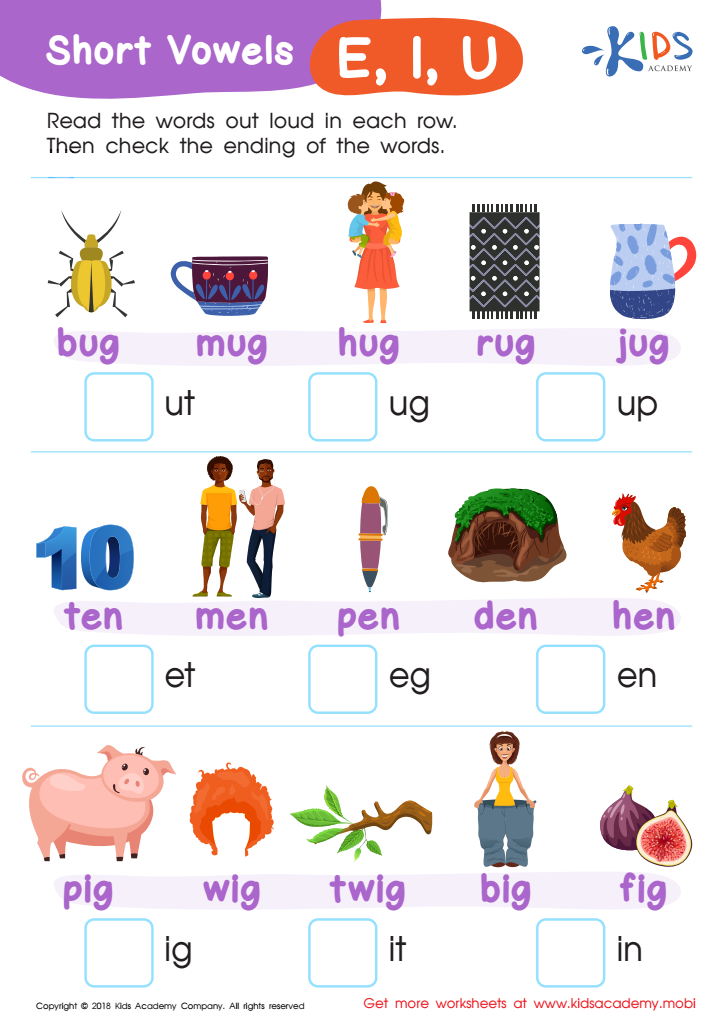
Short Vowels /e/, /i/, and /u/ Worksheet
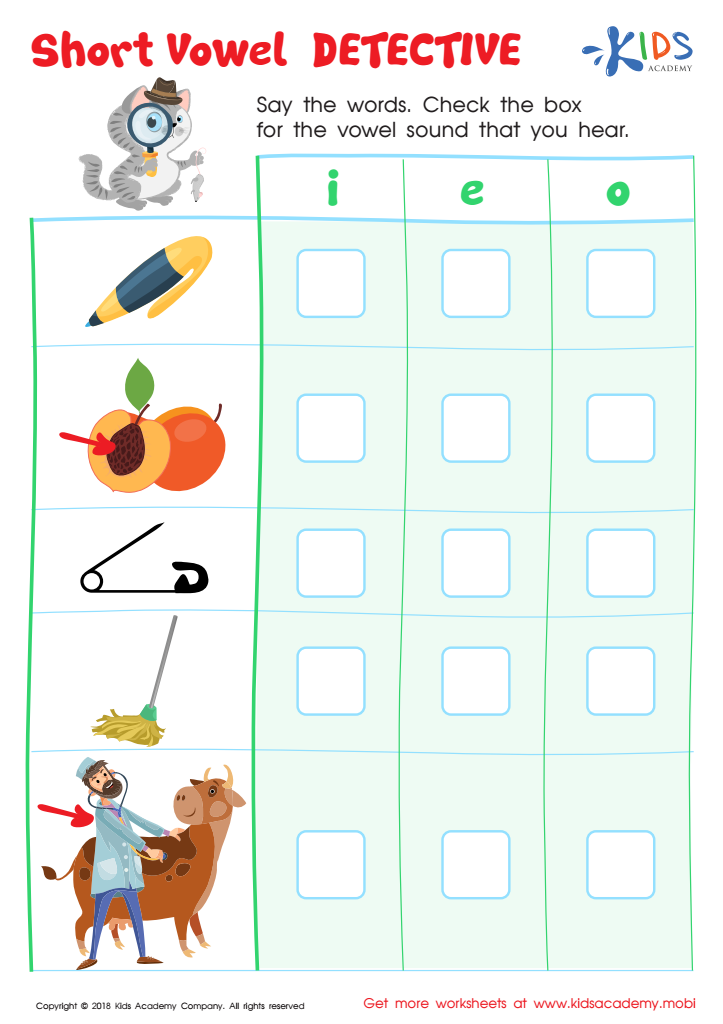
Short Vowel Detective Worksheet
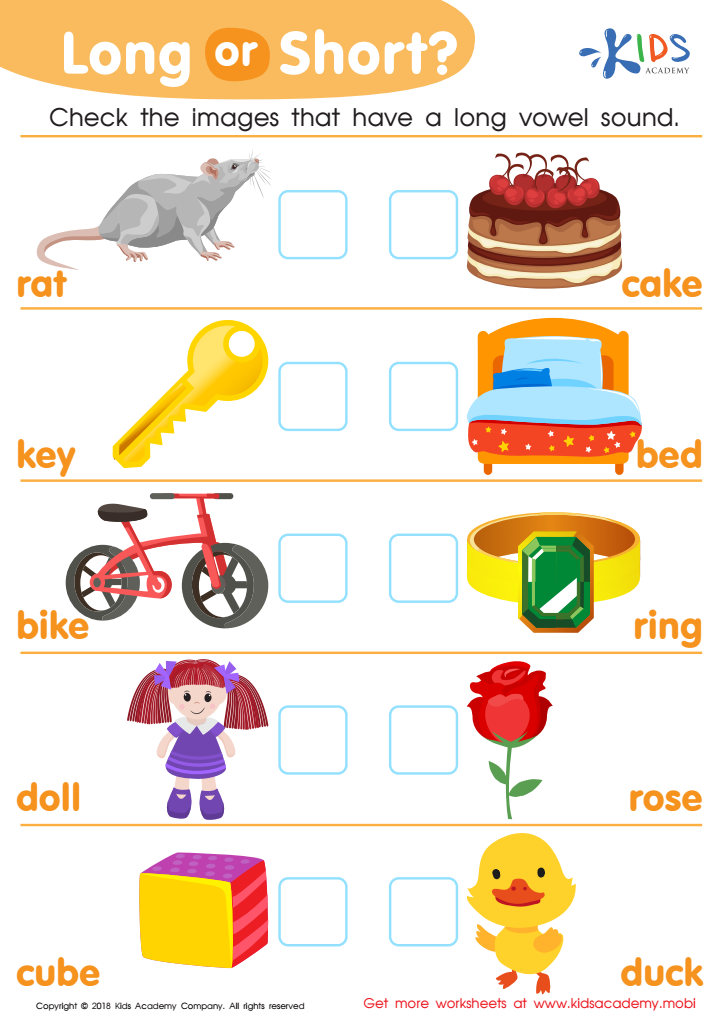
Long or Short Reading Worksheet
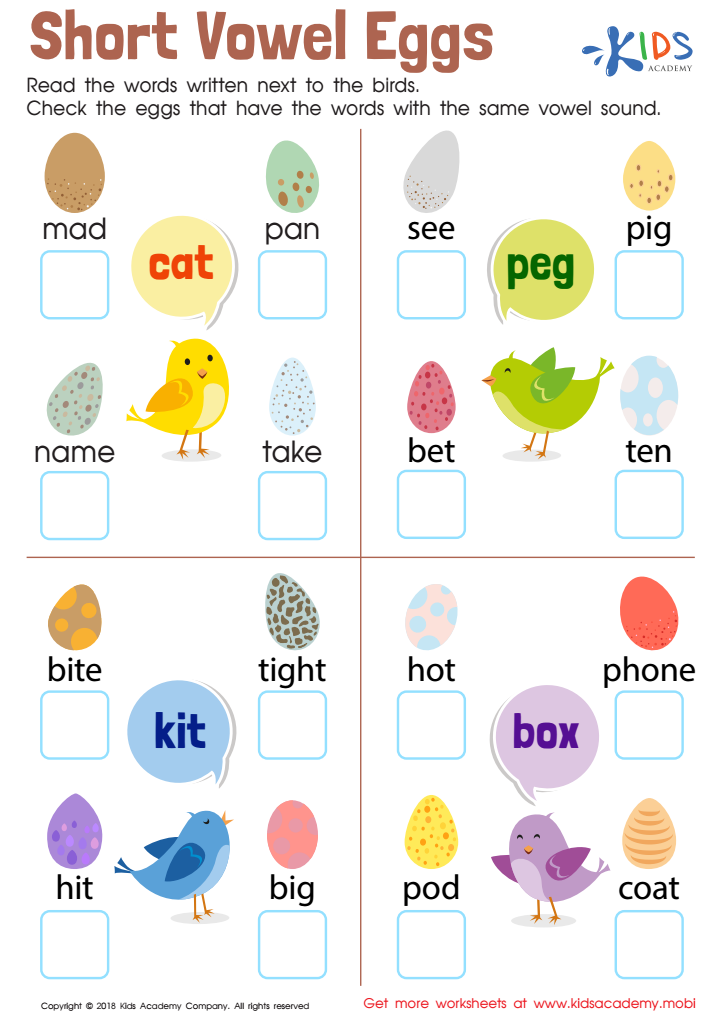
Short Vowel Eggs Worksheet

Long and Short U Worksheet
 Assign to My Students
Long and Short A Worksheet
Assign to My Students
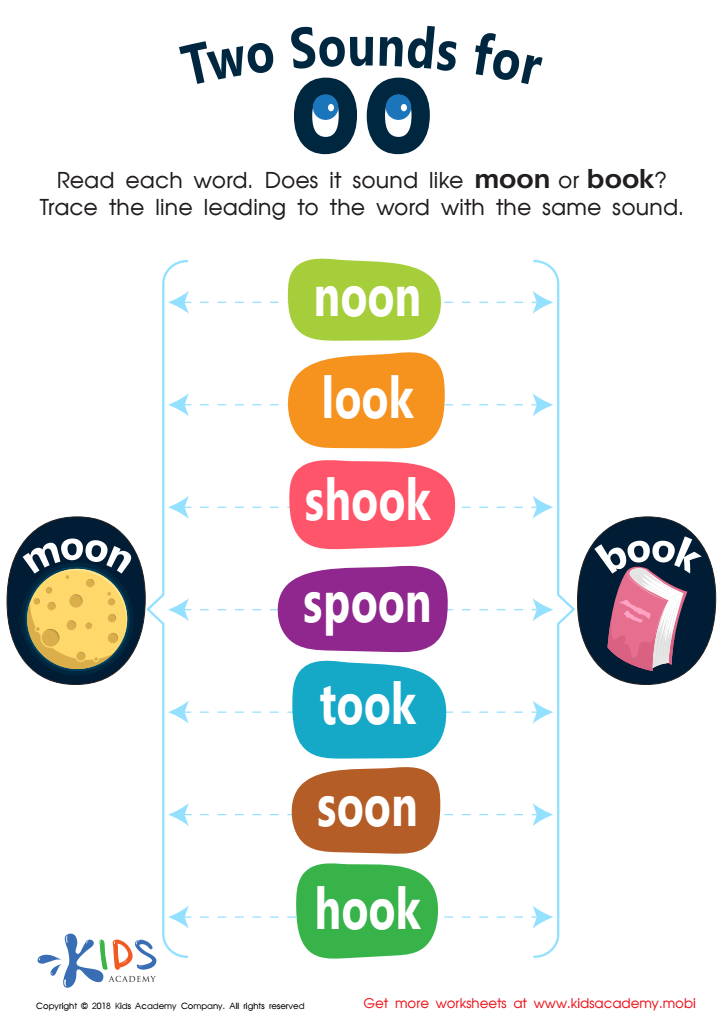
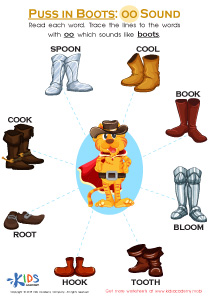
Two Sounds for OO Worksheet
Long and Short I Worksheet
Assign to My Students
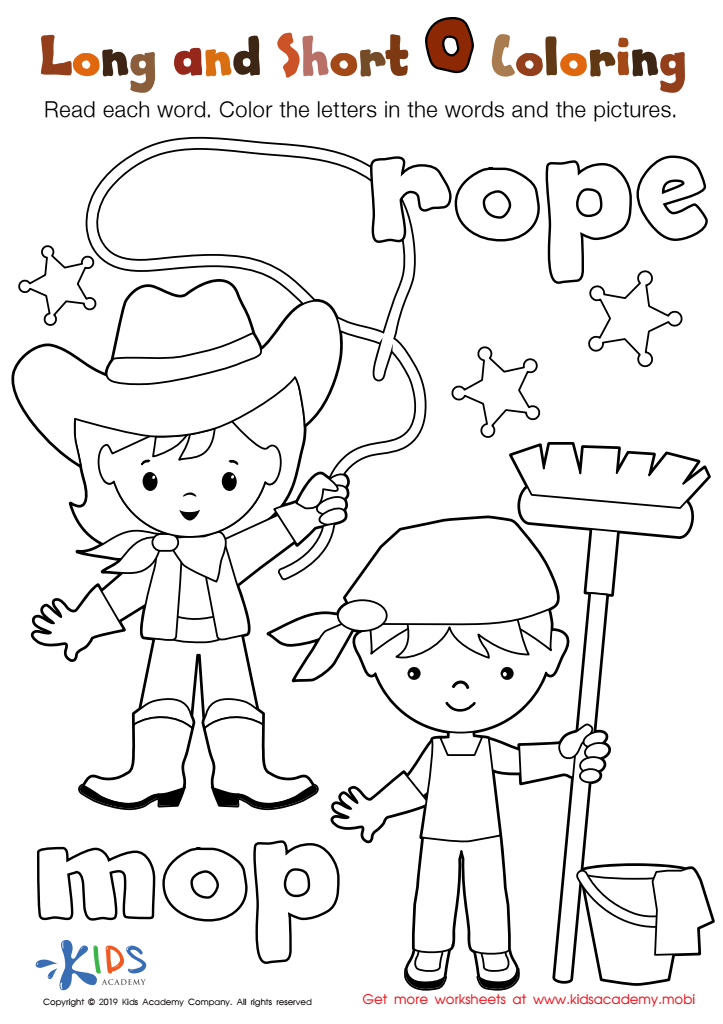
Long and Short O Worksheet
Assign to My Students
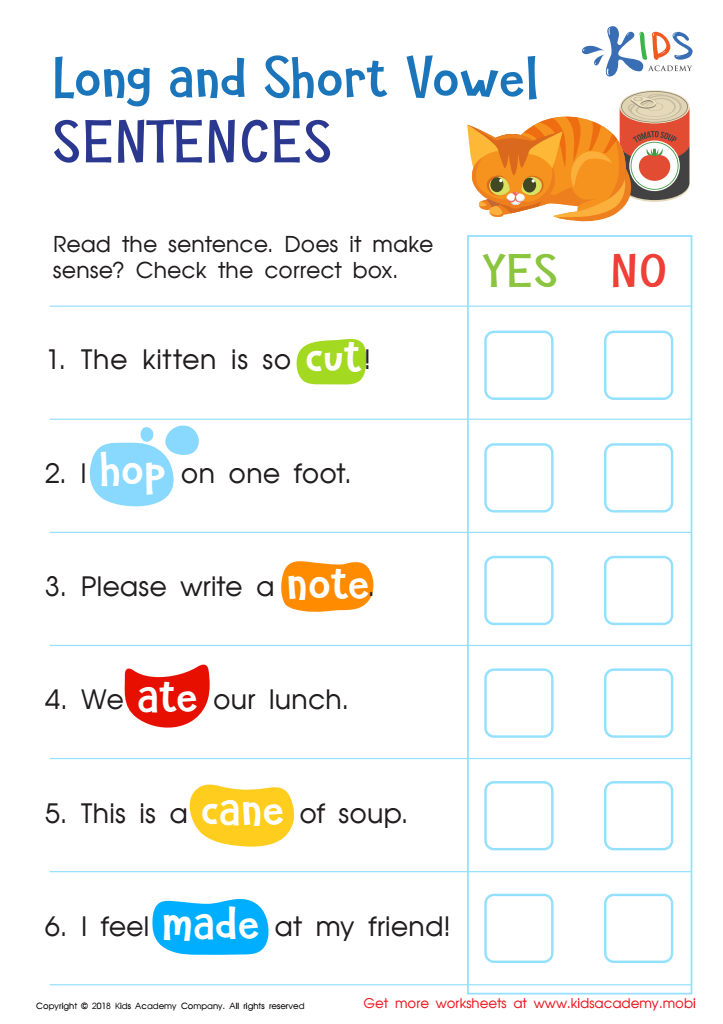
Long and Short Vowel Sentences: Assessment Worksheet
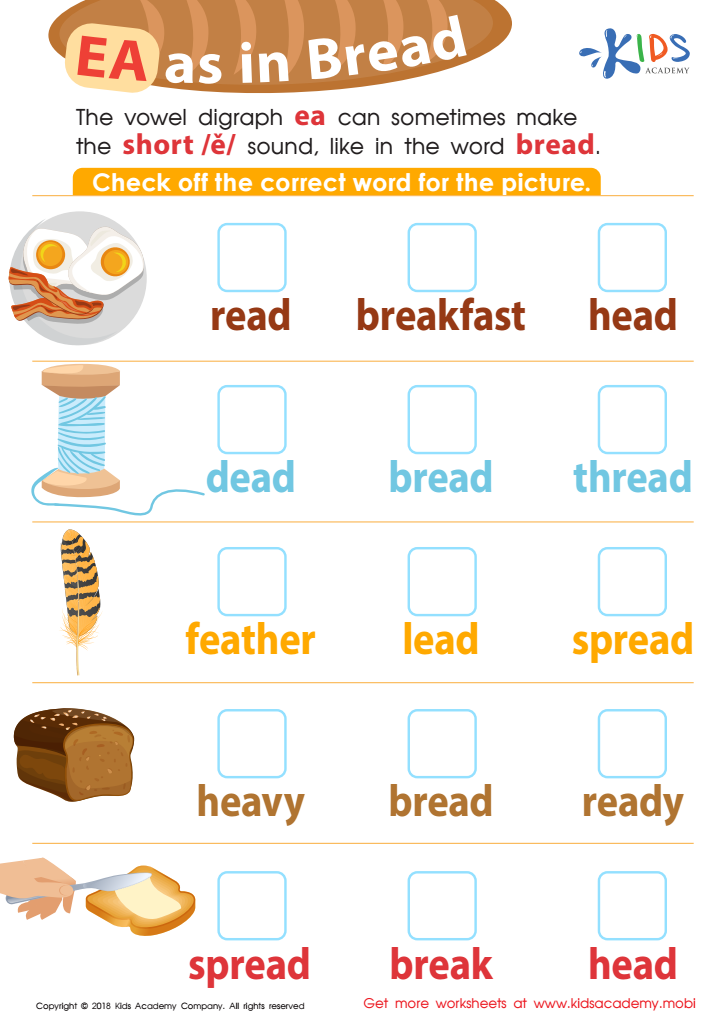
Reading: EA as in Bread Worksheet
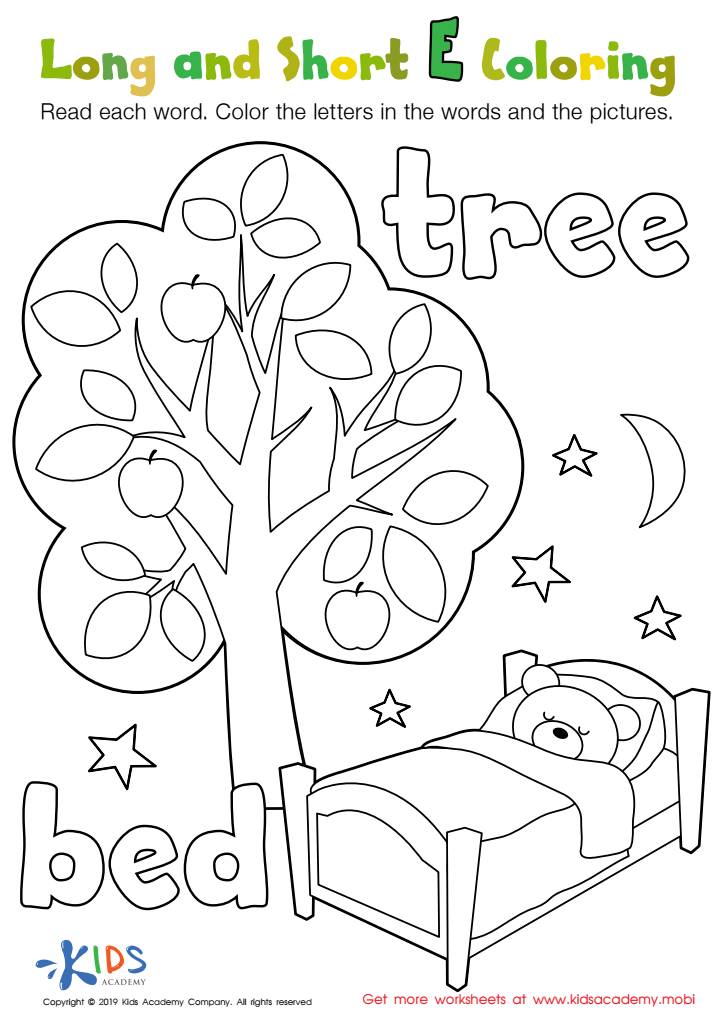
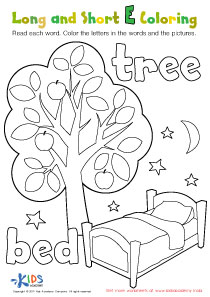
Long and Short E Worksheet
Assign to My Students



Normal short vowels are essential components of early literacy development, particularly for children aged 3-7. At this crucial stage, foundational language skills shape future reading and writing abilities. Short vowels—like those in words such as 'cat,' 'bed,' 'pig,' 'dog,' and 'cup'—serve as building blocks for phonemic awareness.
When parents or teachers focus on short vowels, they help children recognize, pronounce, and differentiate these sounds, which is vital for decoding words. This early exposure enhances children's abilities to sound out new words, bolstering confidence and encouraging a love for reading.
Furthermore, mastering short vowels aids in spelling mastery. As kids learn to predict and apply short vowel usage, they gain a practical understanding of word patterns. Engaging in games, songs, and activities focused on short vowels can make learning enjoyable and effective.
Additionally, fostering an early appreciation for language through short vowels can significantly reduce reading difficulties in later years. Ultimately, by prioritizing short vowels, parents and teachers lay a robust foundation for children’s overall literacy development, equipping them for academic success and bolstering their communication skills in everyday life.