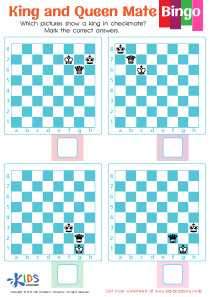
Number Recognition Normal Chess Worksheets for Ages 3-7
3 filtered results
-
From - To
Welcome to our Number Recognition Normal Chess Worksheets designed for children ages 3-7! These engaging and interactive worksheets combine the fun of chess with essential number recognition skills. Help your little ones develop their counting, number identification, and mathematical foundations through colorful activities inspired by the game of chess. With a variety of playful designs and educational exercises, children will learn numbers in an entertaining way. Perfect for home or classroom use, our worksheets keep young learners excited about numbers while introducing them to the strategic world of chess. Download and start reinforcing important skills today!
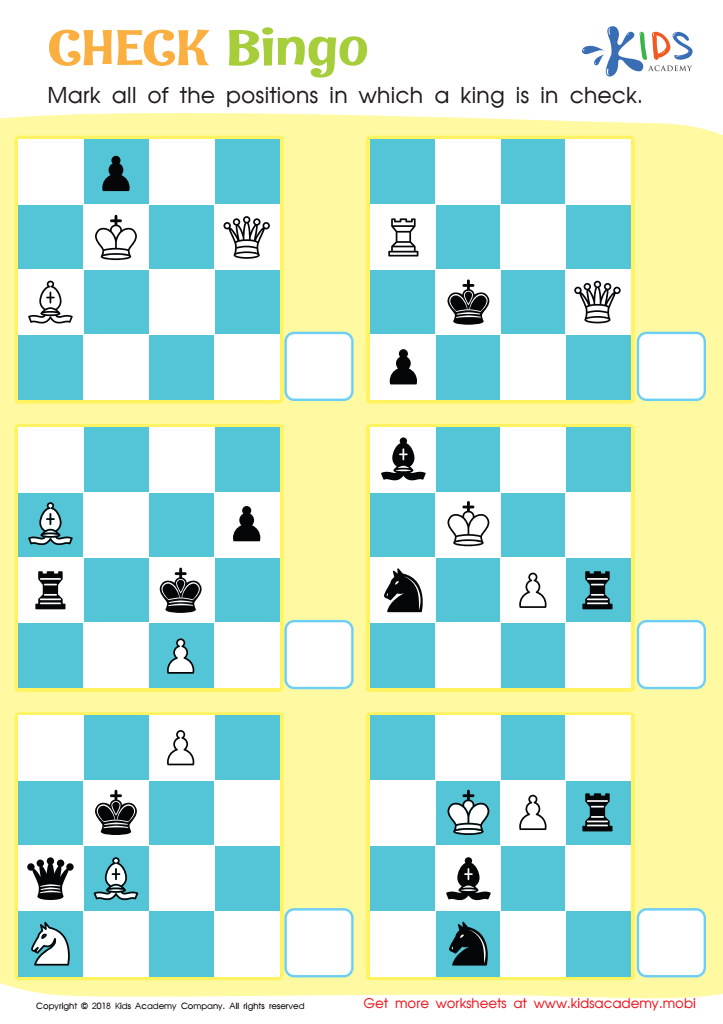
Check Bingo Worksheet
 Assign to My Students
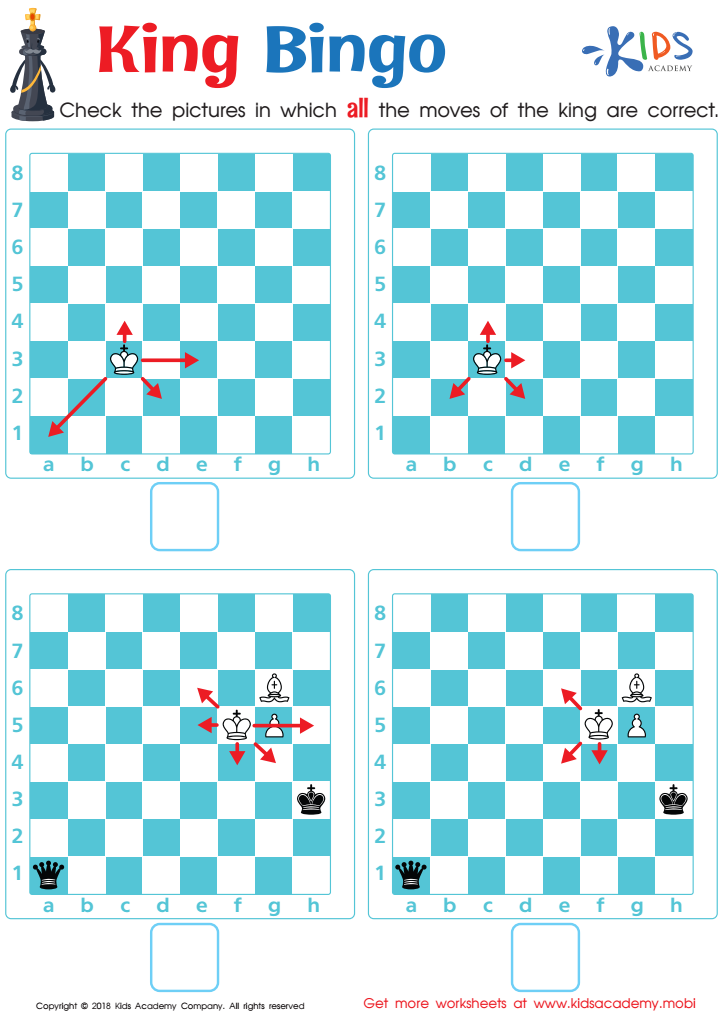
King Bingo Worksheet
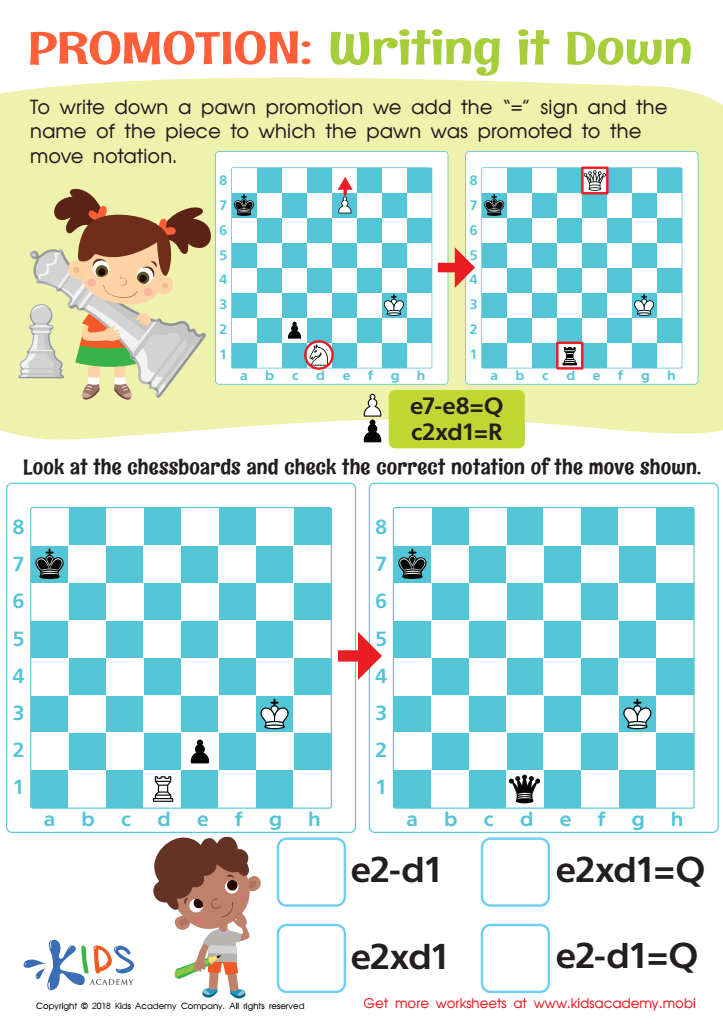
Writing it Down Worksheet


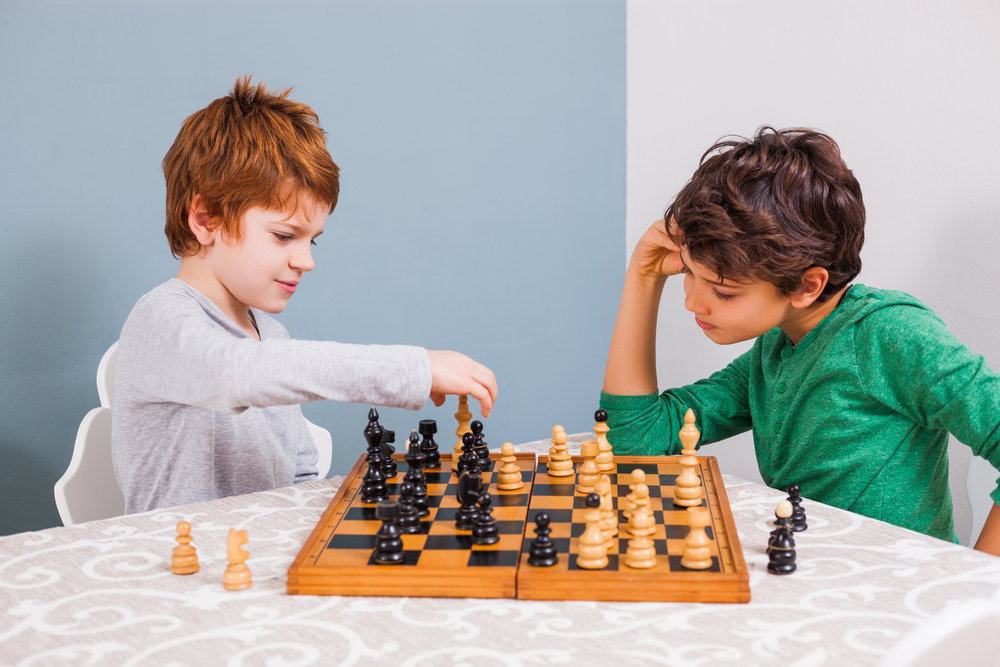


Number Recognition Normal Chess presents a unique opportunity for young children, ages 3-7, to develop foundational math skills while engaging in a fun and strategic game. Parents and teachers should care about this approach for several reasons.
Firstly, number recognition is a critical early literacy skill. Children who learn to identify numbers can successfully progress into more complex mathematical concepts. By integrating number recognition into chess, youngsters simultaneously improve their arithmetic skills and cognitive thinking.
Additionally, chess is known for its developmental benefits, promoting strategic thinking, problem-solving, and decision-making. When children learn chess through a numbered framework, they not only become familiar with number patterns and sequences but also nurture their cognitive skills.
Furthermore, introducing chess at an early age fosters social skills, as it encourages turn-taking, patience, and respectful competition with peers. It also creates opportunities for family bonding. Parents can play alongside their children, enhancing relationships while encouraging educational development.
Ultimately, engaging children in Number Recognition Normal Chess creates a rich, multisensory learning environment that supports mathematical and social competencies, setting the stage for lifelong learning and development in a joyful, interactive manner.