Addition Practice Normal Worksheets for Ages 3-7 - Page 2
37 filtered results
-
From - To
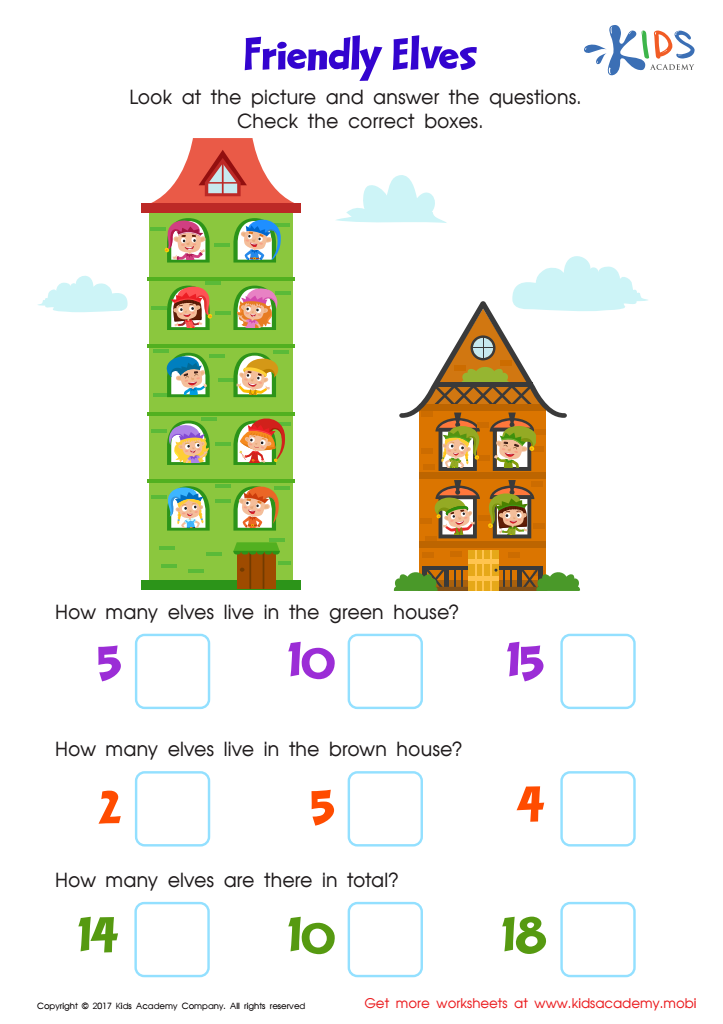
Place Value: Friendly Elves Worksheet
 Assign to My Students
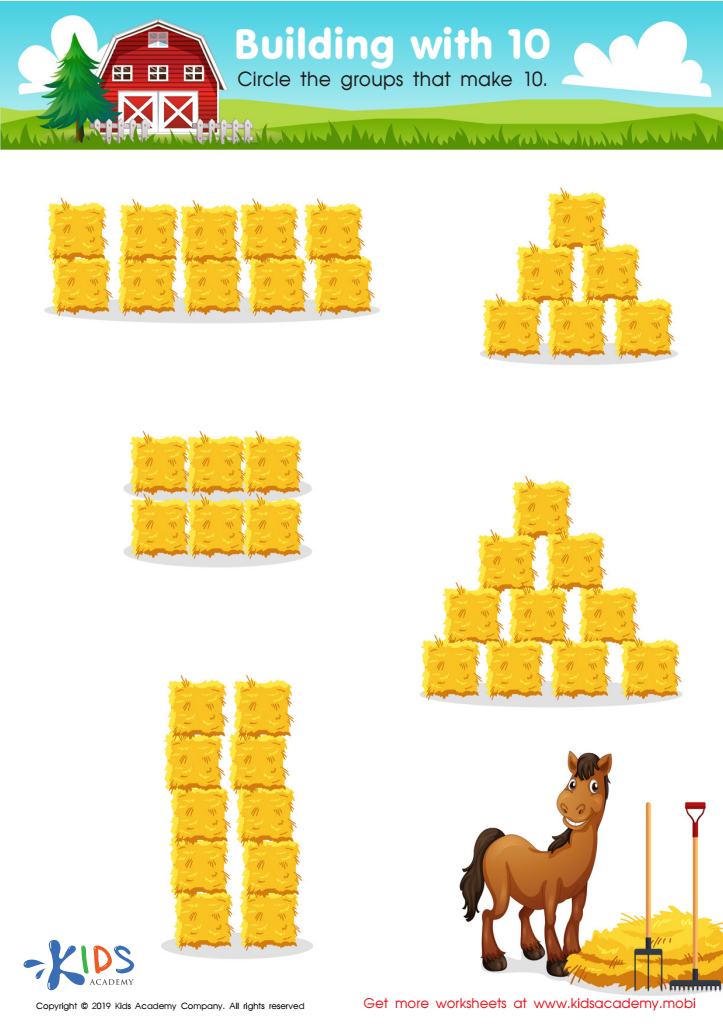
Building with 10 Worksheet
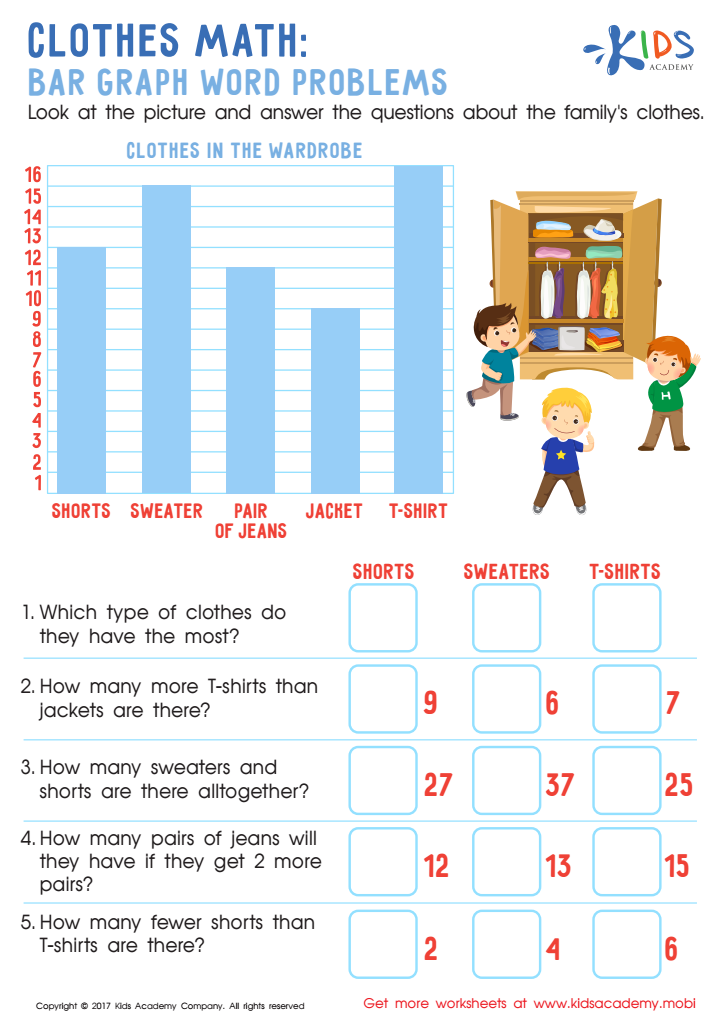
Clothes Math: Bar Graph Word Problems Worksheet
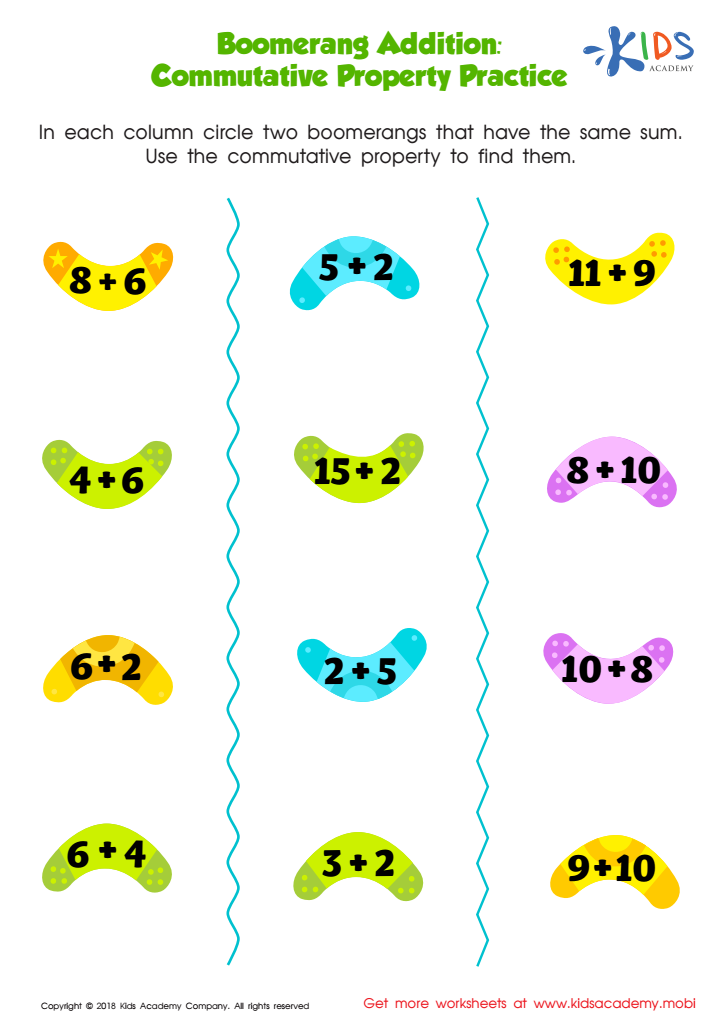
Boomerang Addition Worksheet
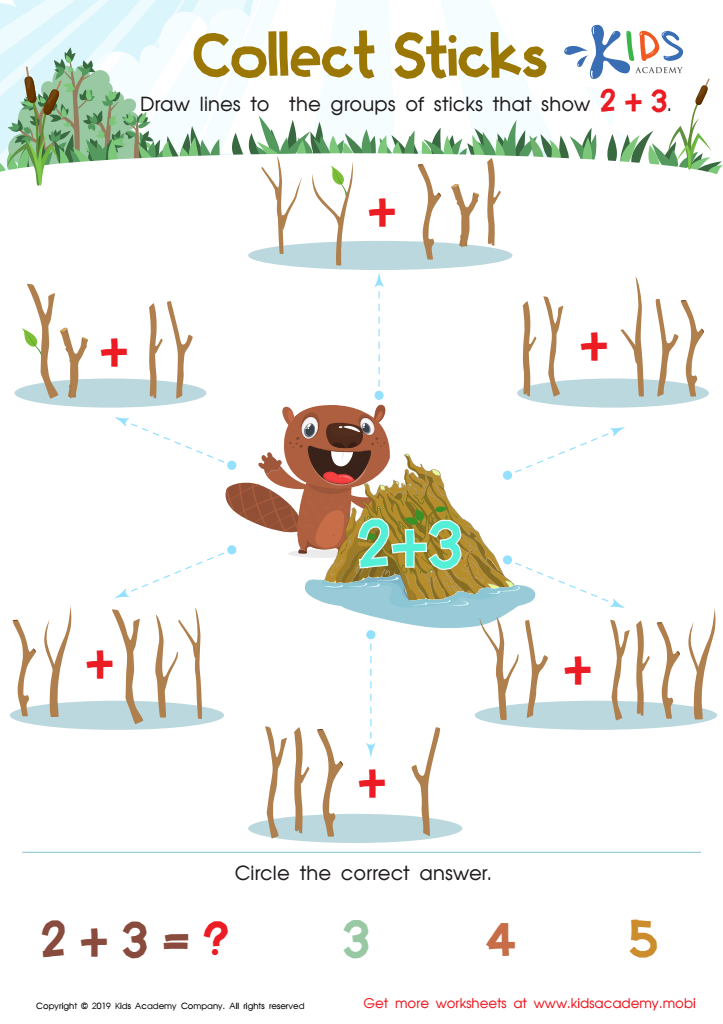
Collect Sticks Worksheet
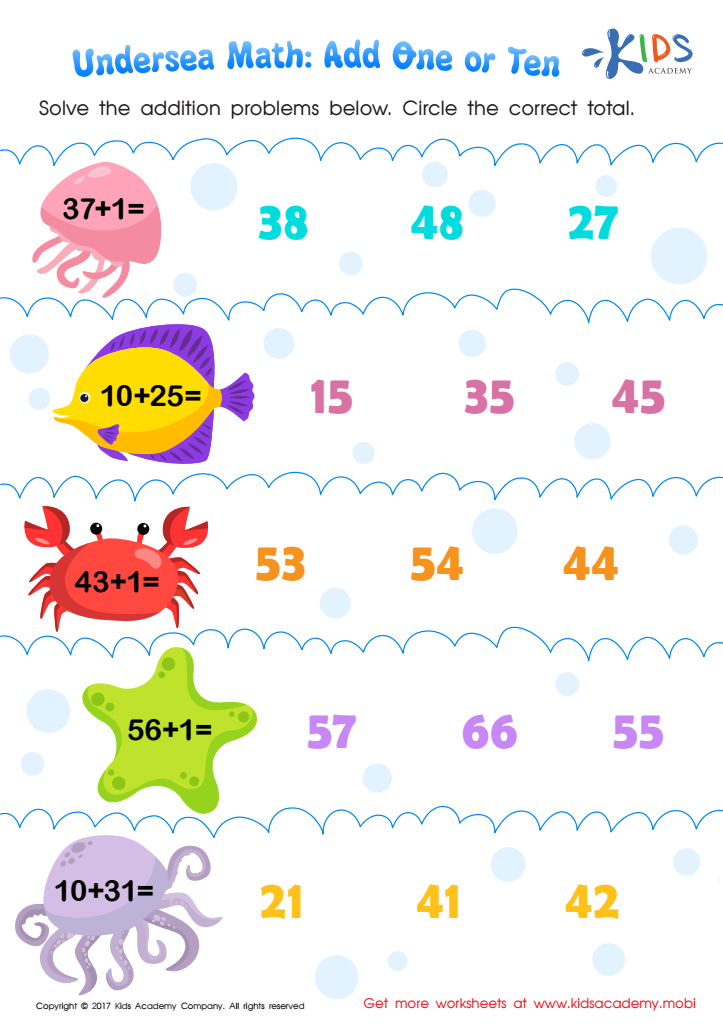
Undersea Math Worksheet
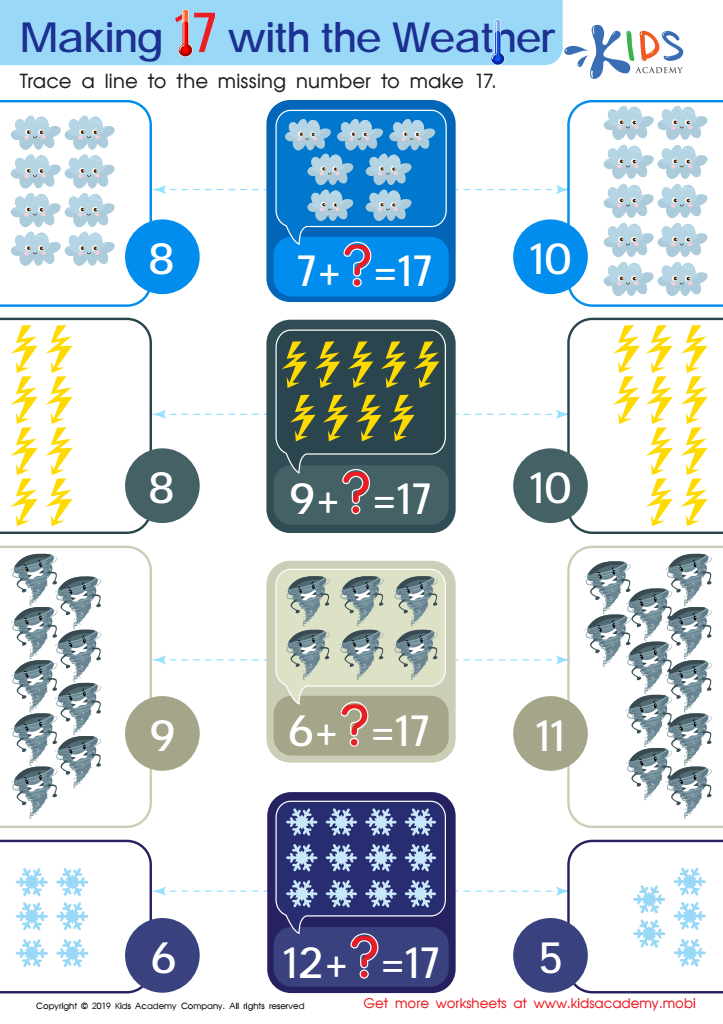
Making 17 with the Weather Worksheet
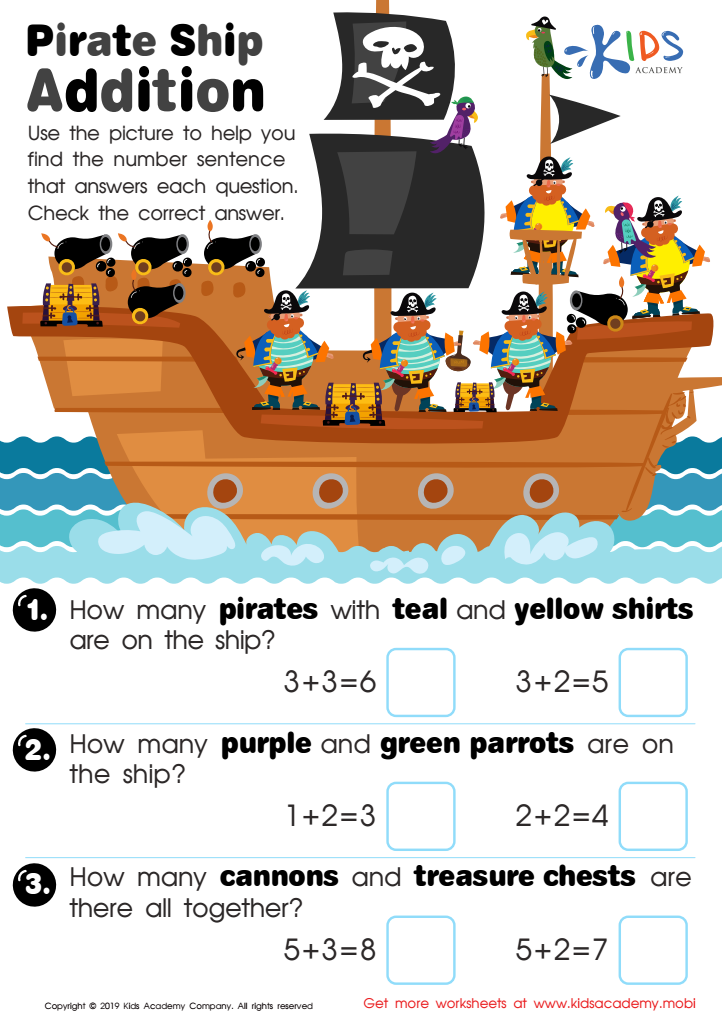
Pirate Ship Addition Worksheet
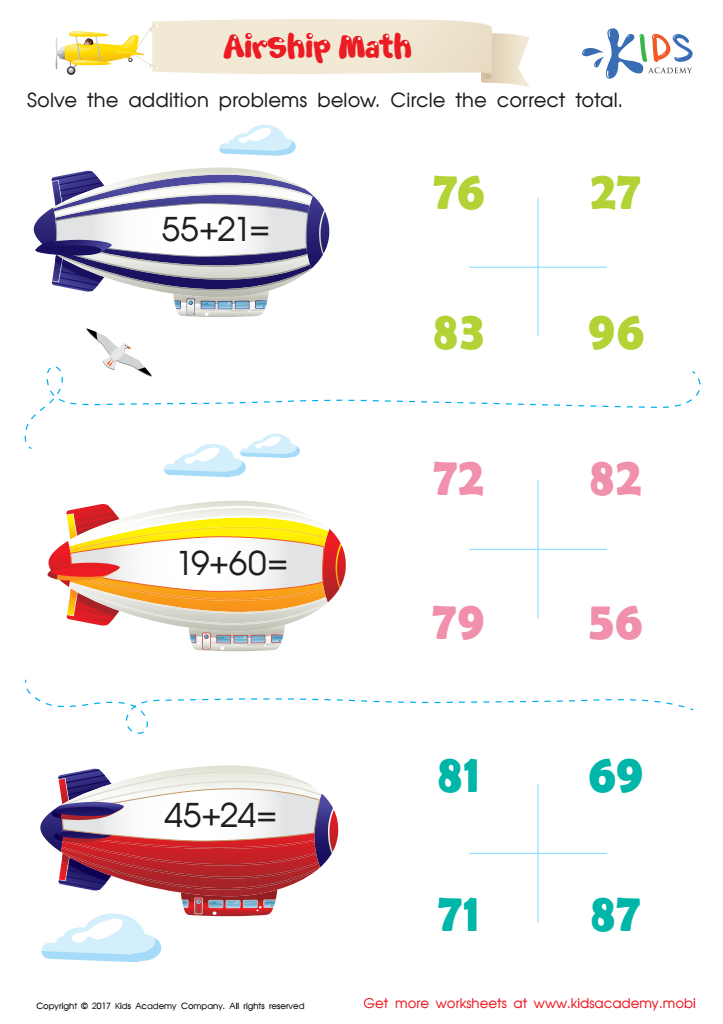
Airship Math Addition Printable
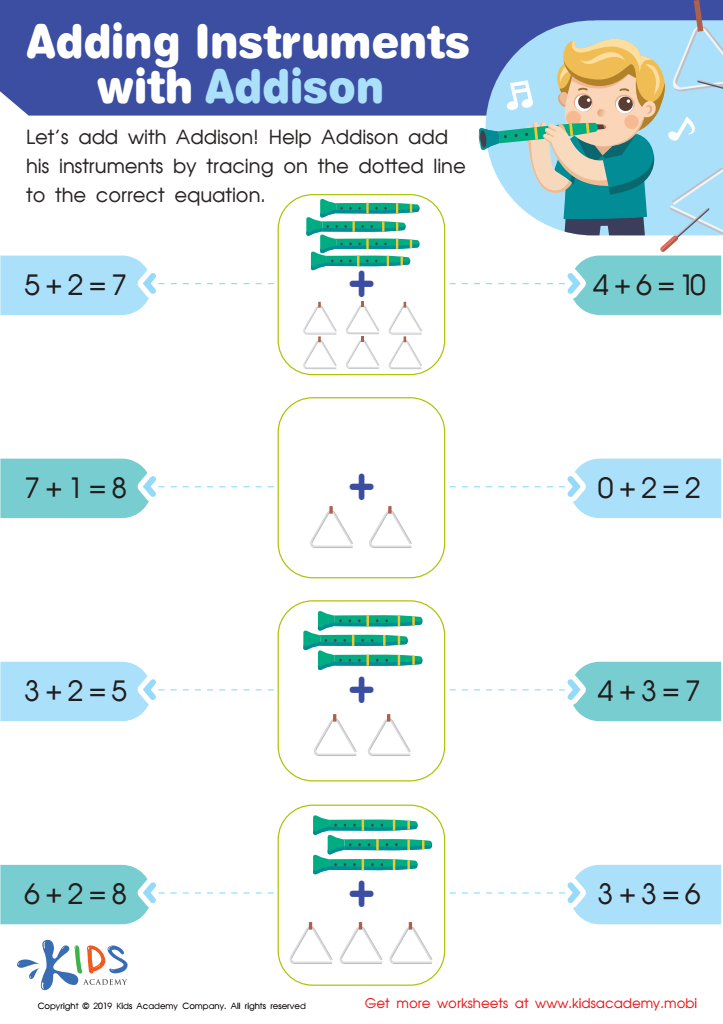
Adding Instruments with Addison Worksheet
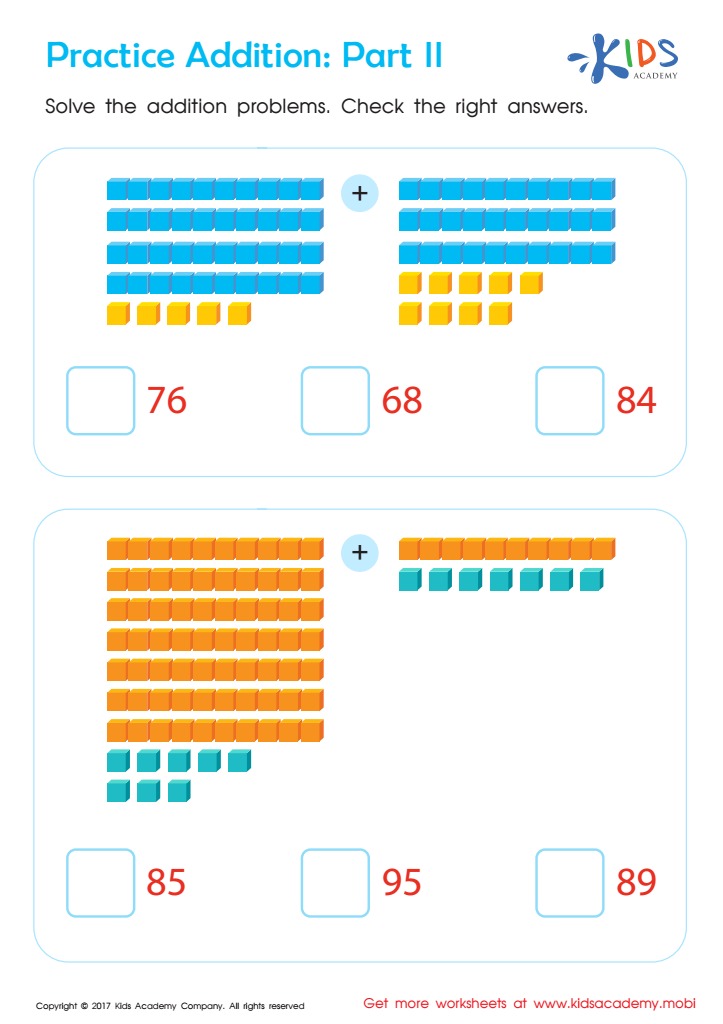
Practice Addition: Part 2 Worksheet
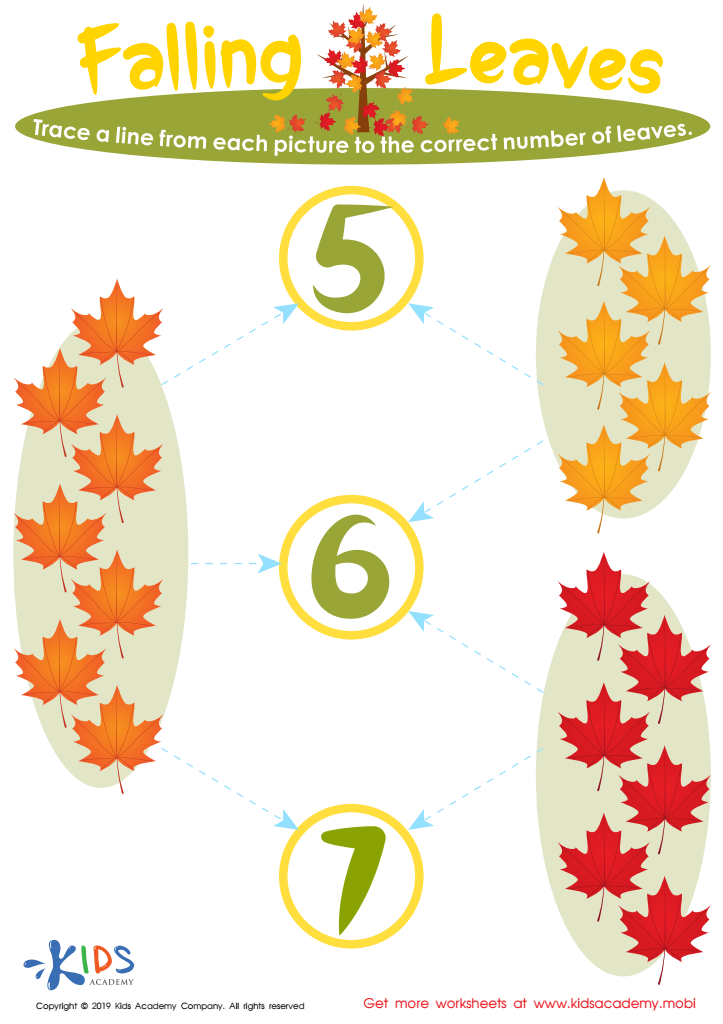
Falling Leaves Worksheet
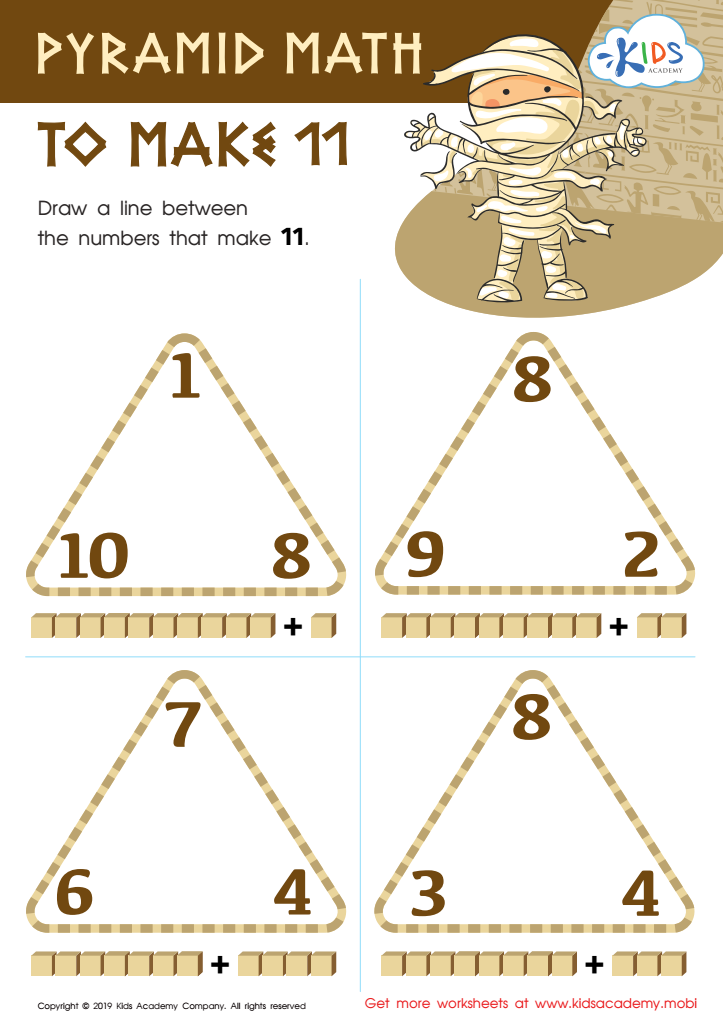
Pyramid Math to Make 11 Worksheet







Addition practice for children aged 3-7 is fundamental in establishing a solid mathematical foundation. During these formative years, children develop critical cognitive skills and the capacity to understand numerical concepts. Engaging in addition practice encourages the development of problem-solving abilities and boosts confidence as they grasp new concepts.
It is essential for parents and teachers to prioritize this skill for several reasons. First, mastering addition sets the stage for more complex mathematics, paving the way for future academic success. Early exposure to mathematical concepts fosters a positive attitude toward math, reducing anxiety as children progress to higher levels of complexity.
Furthermore, addition practice is often integrated into everyday activities, making learning fun and interactive. By incorporating it into play or daily routines, children learn to see math as a relevant and approachable concept rather than an isolated academic task.
Additionally, consistent addition practice enhances fine motor skills and cognitive development. As they manipulate objects to visualize addition, they strengthen their understanding of numbers and quantities.
Overall, parents and teachers should care deeply about addition practice for young children, as it nurtures resilience, curiosity, and a lifelong appreciation for learning, setting the stage for future success in both mathematics and beyond.








