Alphabet Recognition Normal Worksheets for Ages 3-7 - Page 2
44 filtered results
-
From - To
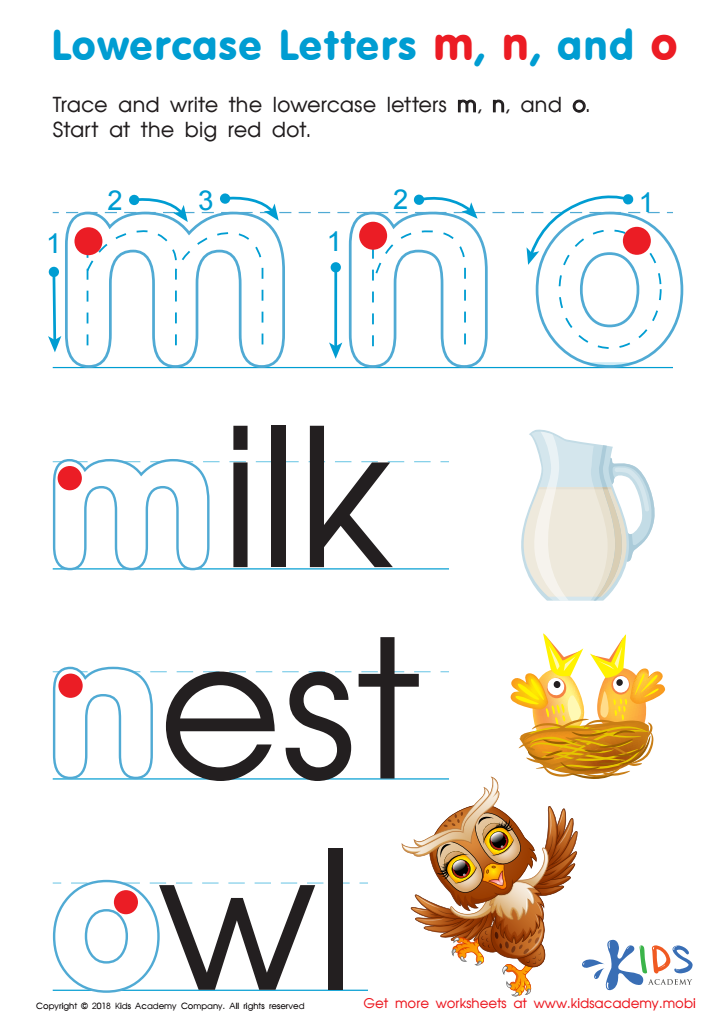
Lowercase Letters m n o Worksheet
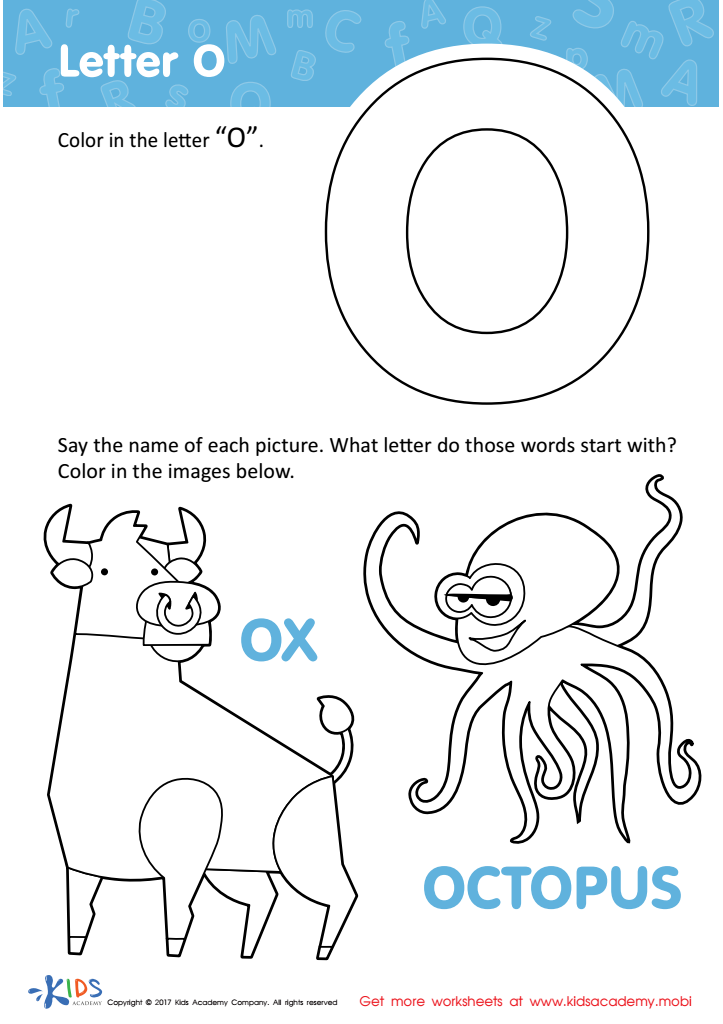
Letter O Coloring Sheet
 Assign to My Students
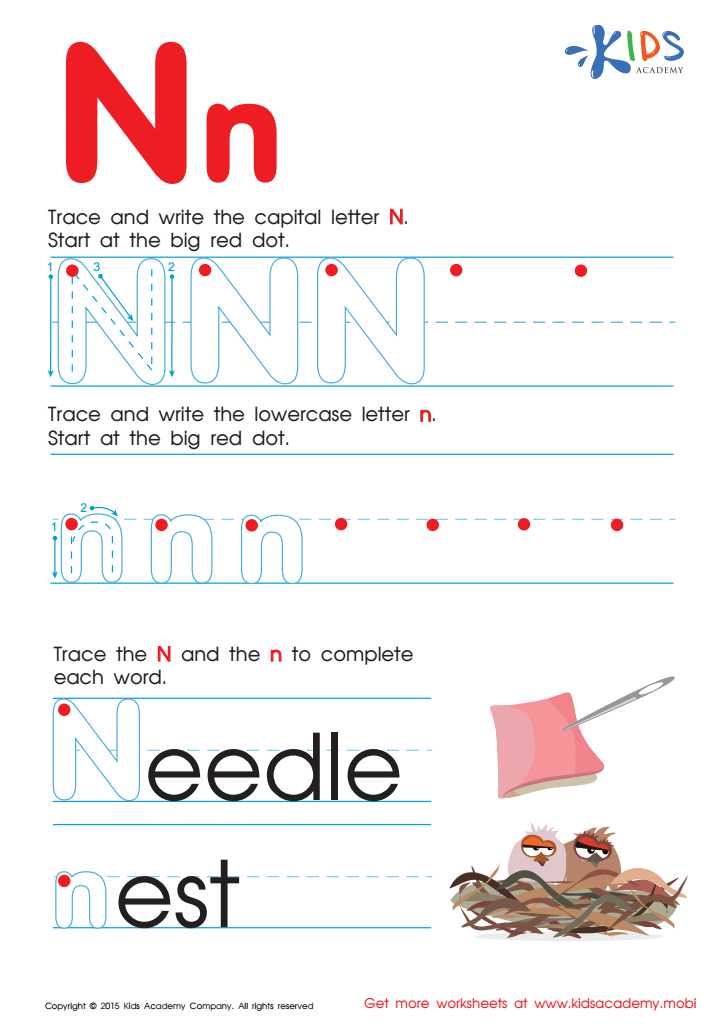
Letter N Tracing Page
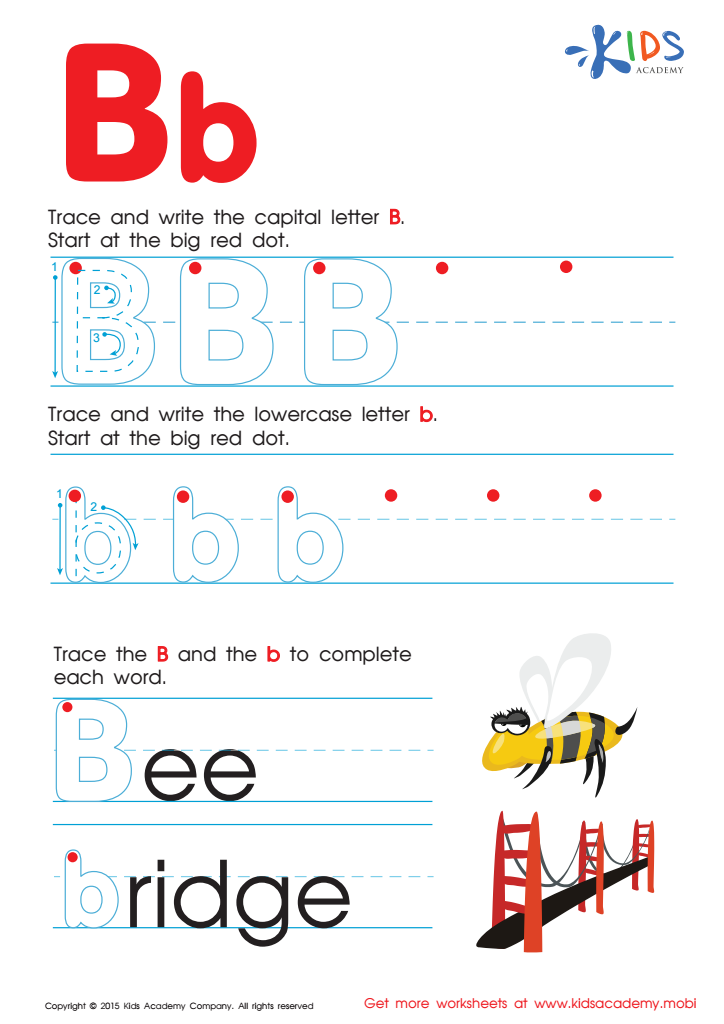
Letter B Tracing Page
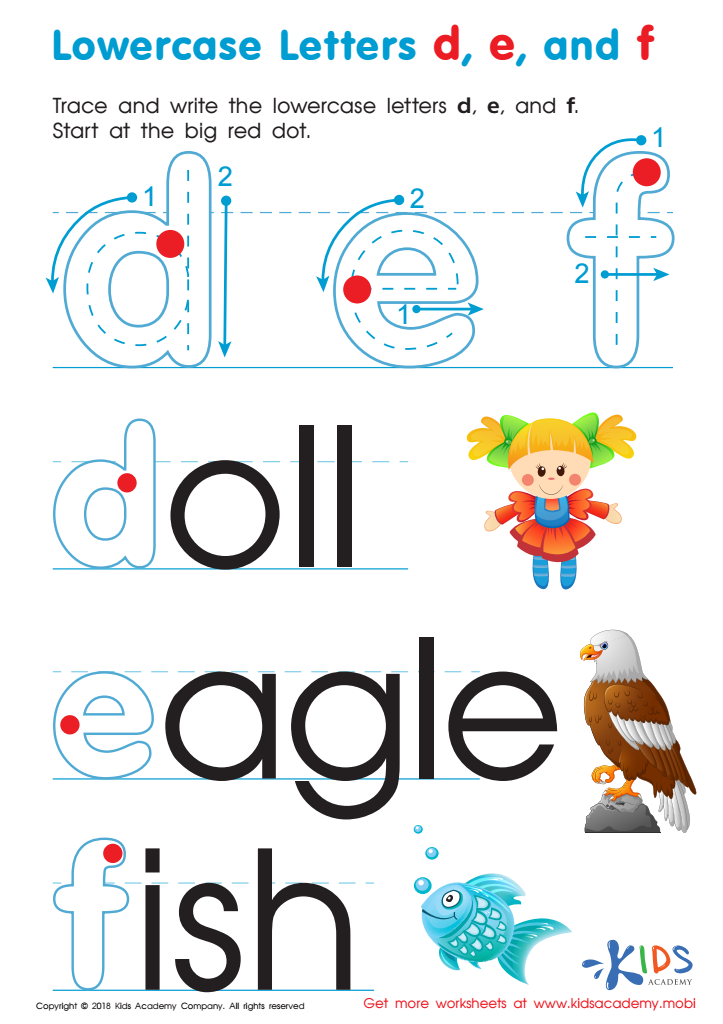
Lowercase Letters d e f Worksheet
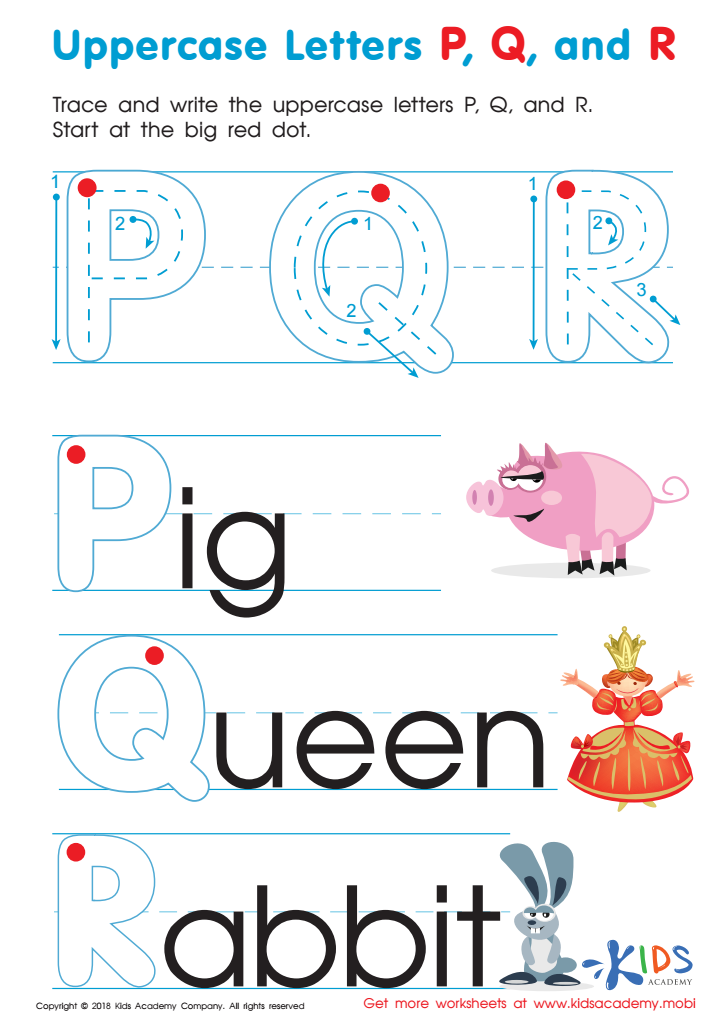
Uppercase Letters P, Q, and R Worksheet
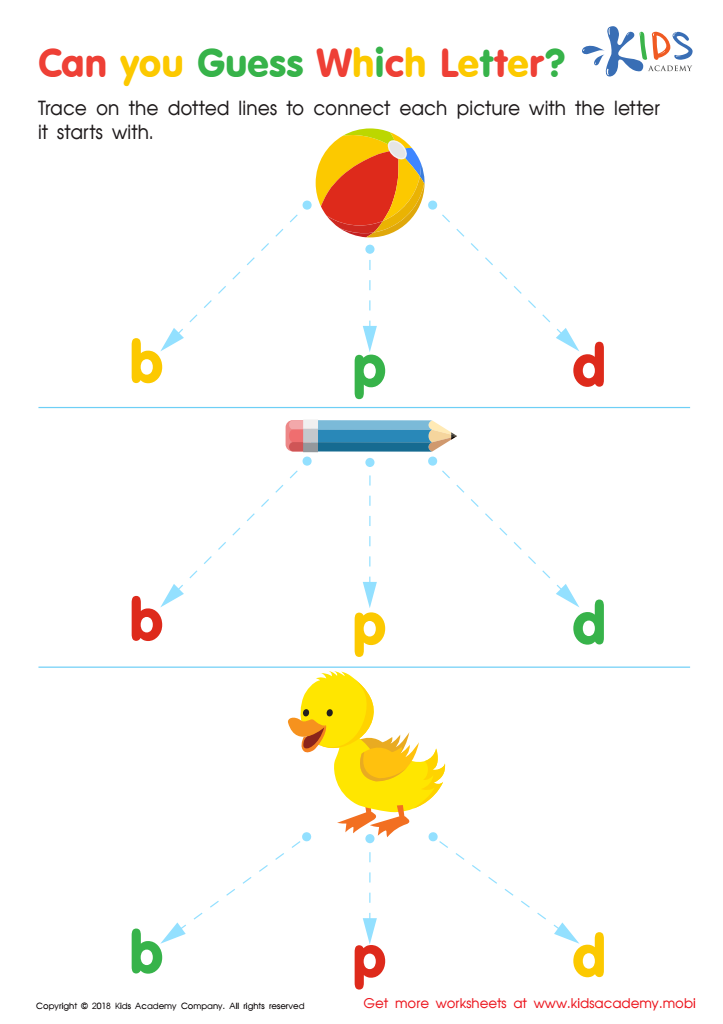
Can you Guess Which Letter? Worksheet
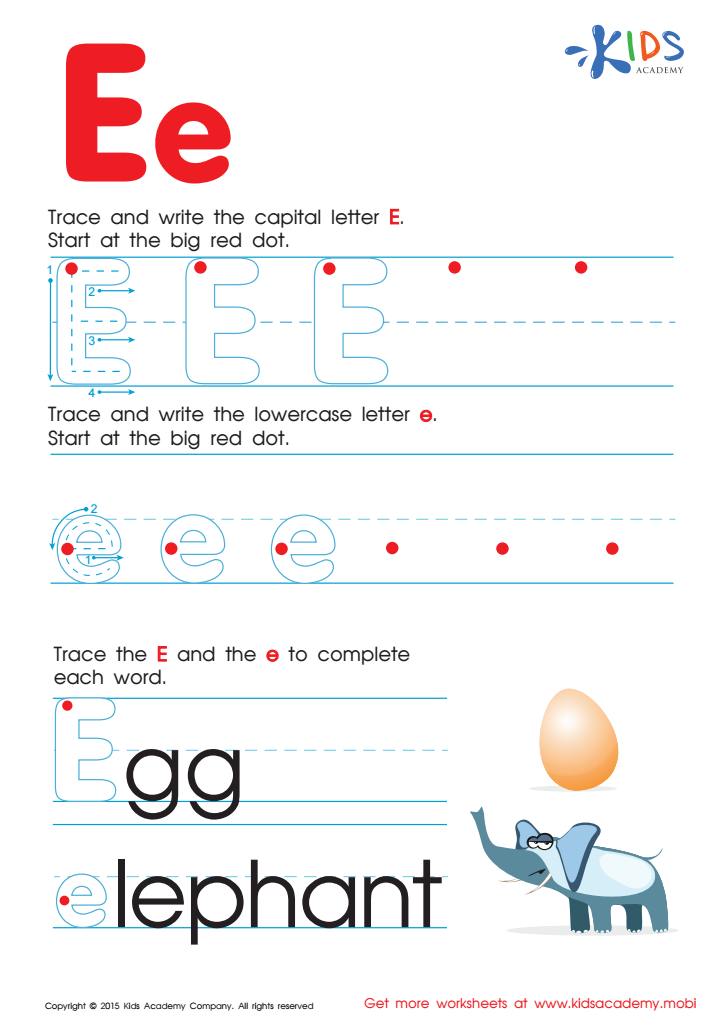
Letter E Tracing Page
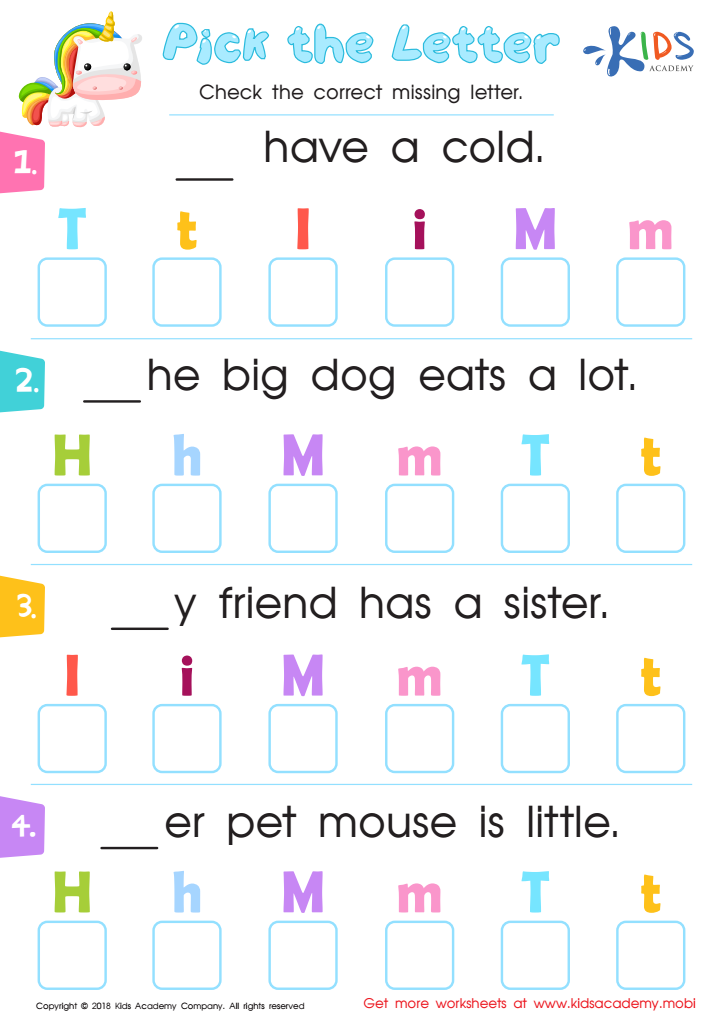
Pick the Letter Worksheet
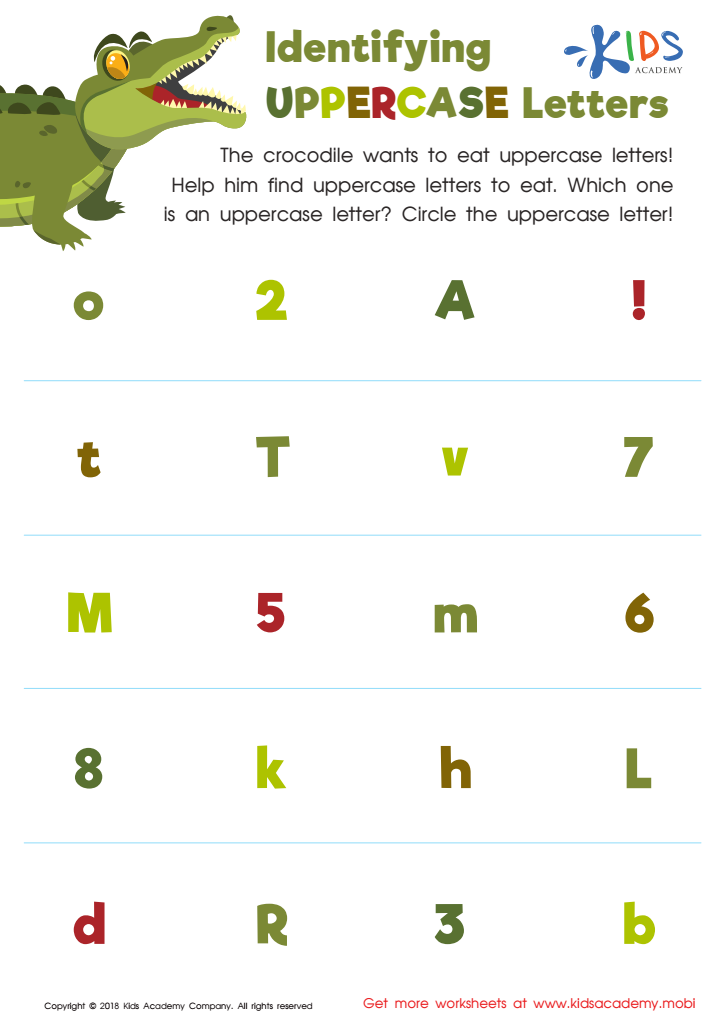
Identifying Uppercase Letters Worksheet
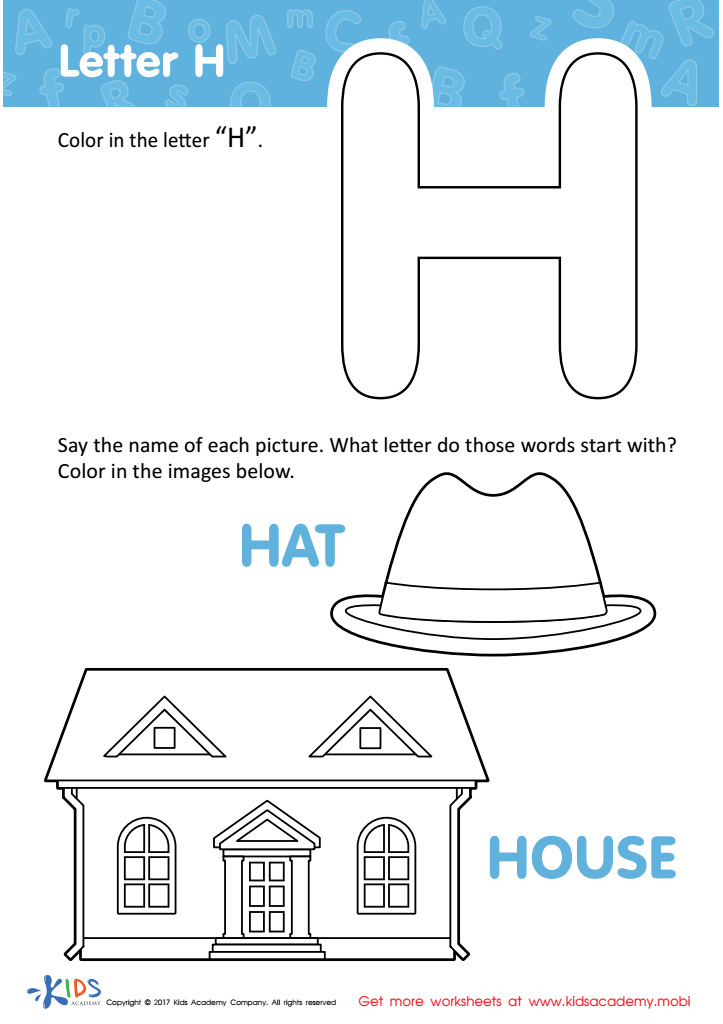
Letter H Coloring Sheet
Assign to My Students
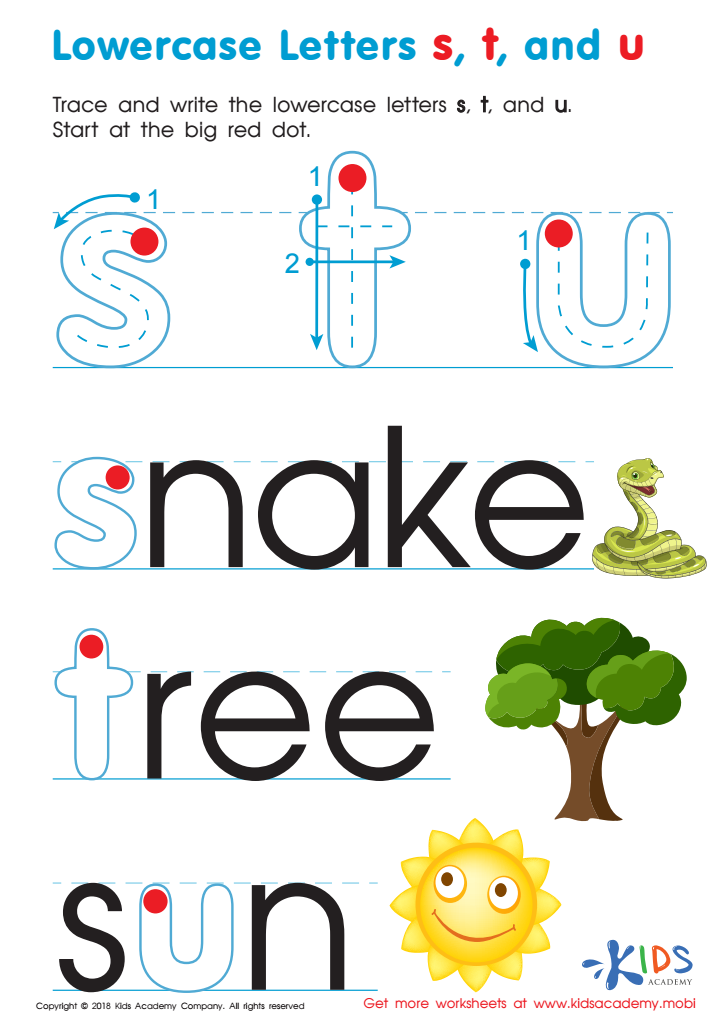
Lowercase Letters s t u Worksheet
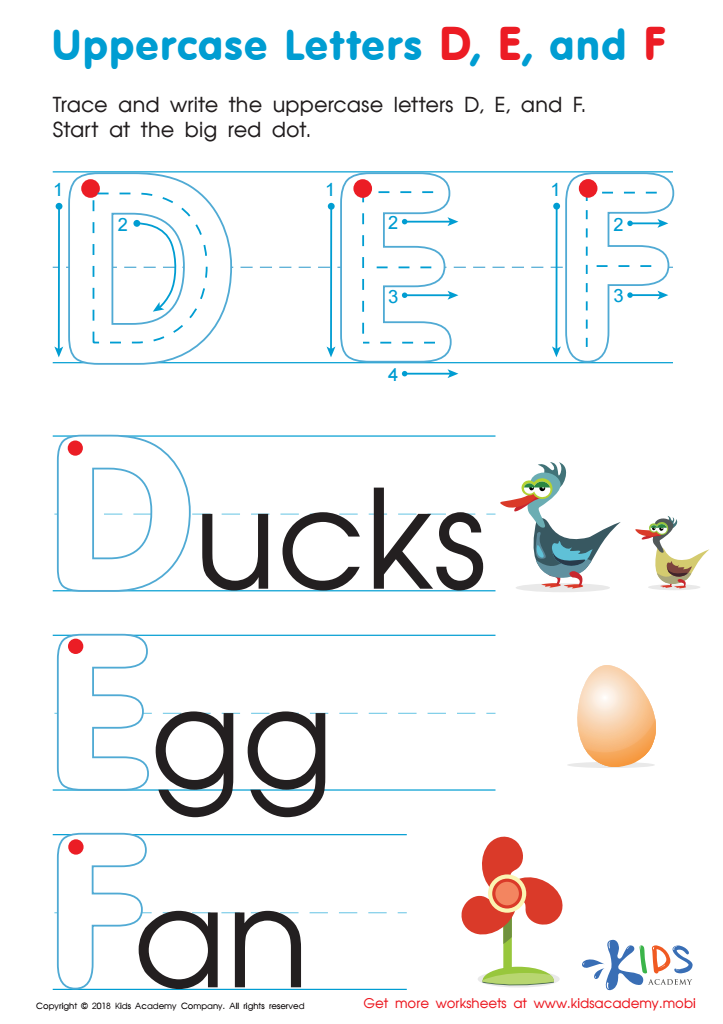
Uppercase Letters D, E, and F Worksheet
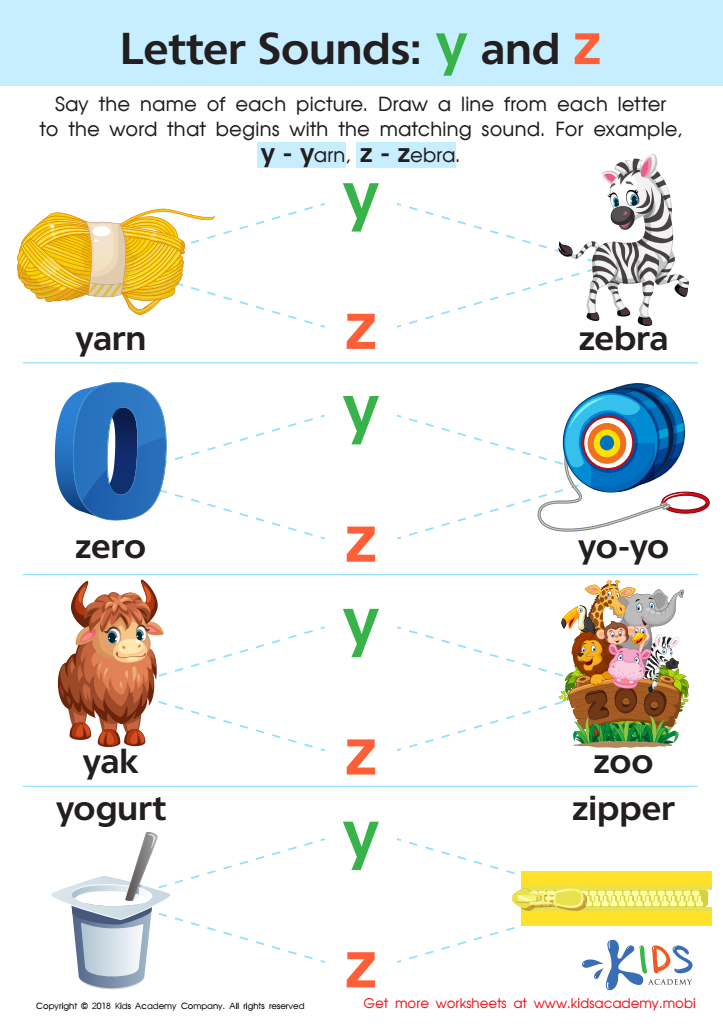
Letter Y and Z Sounds Worksheet
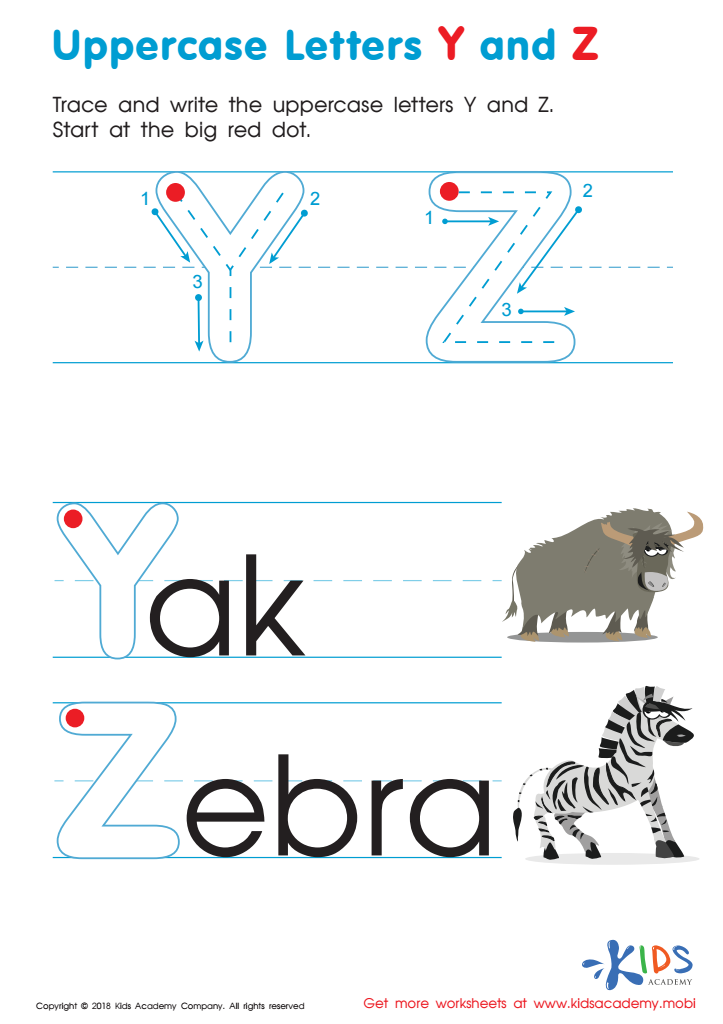
Uppercase Letters Y Z Worksheet
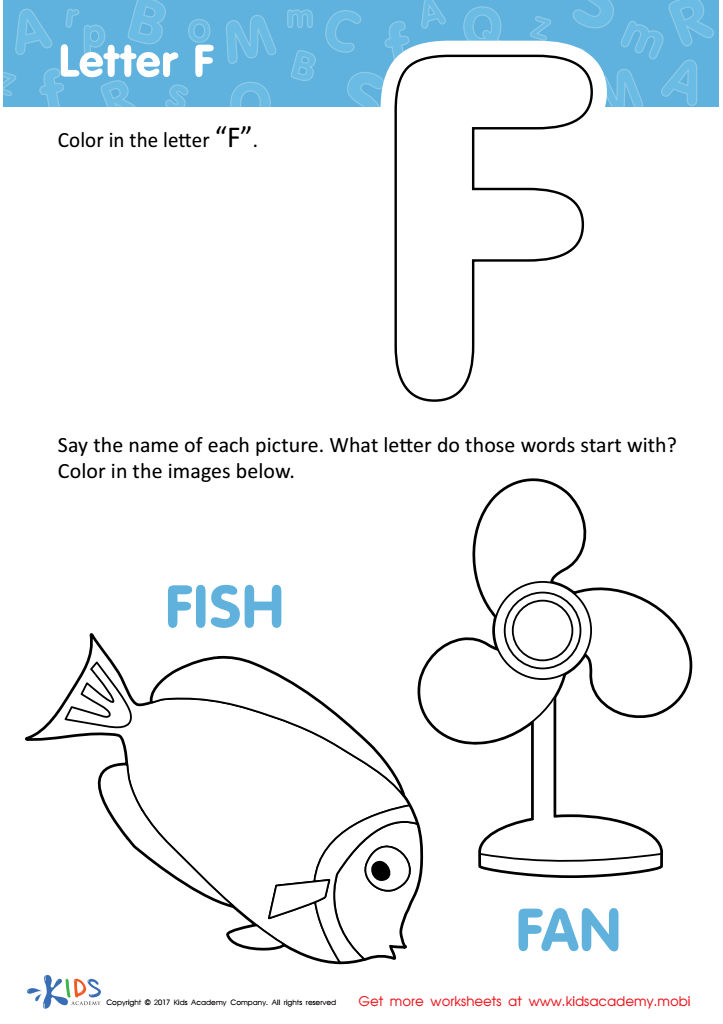
Letter F Coloring Sheet
Assign to My Students
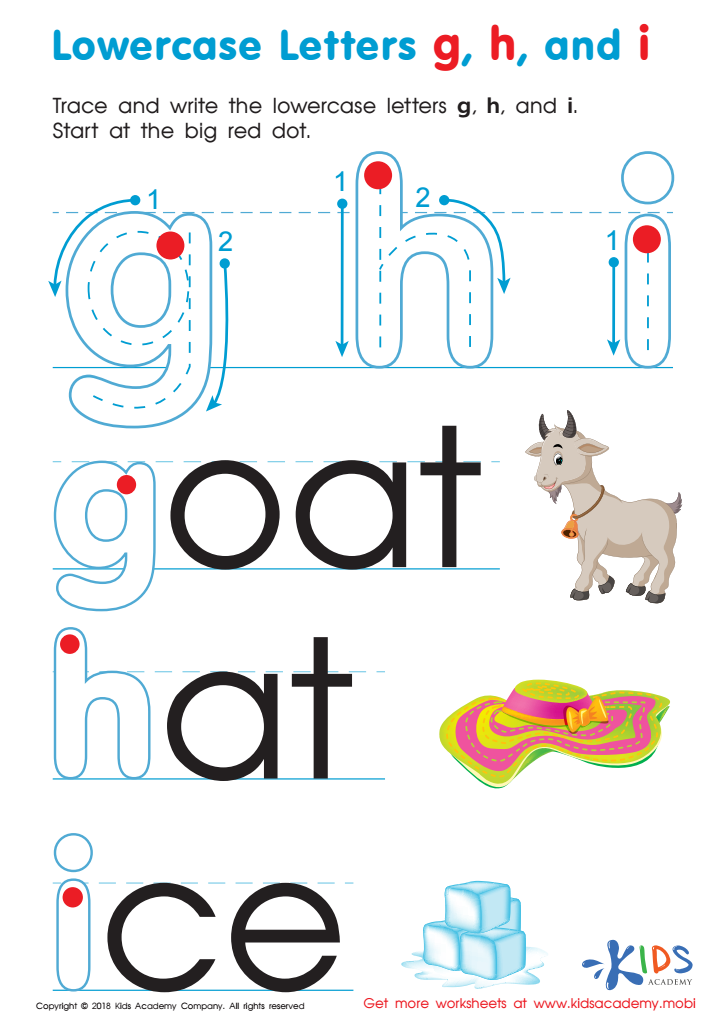
Lowercase Letters g h i Worksheet
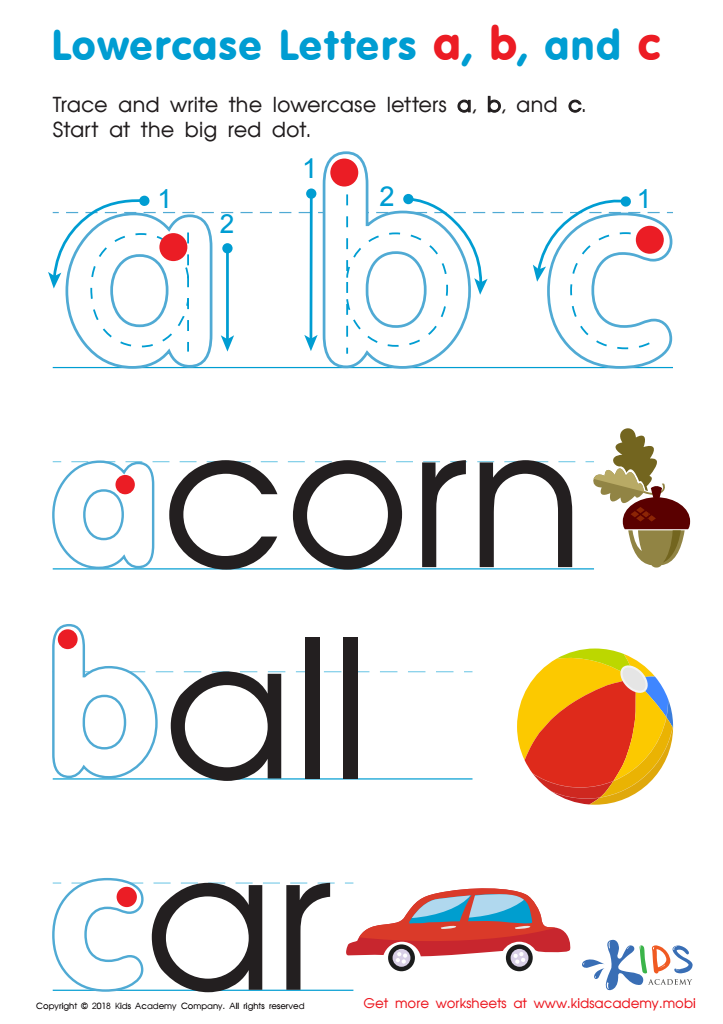
Lowercase Letters a b c Worksheet
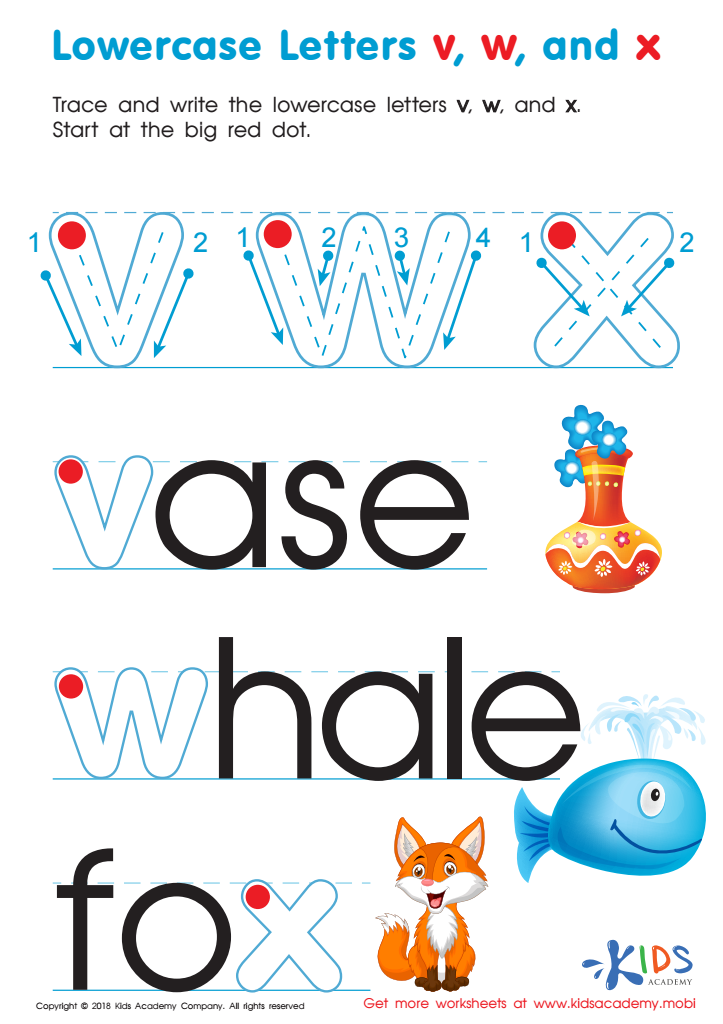
Lowercase Letters v w x Worksheet
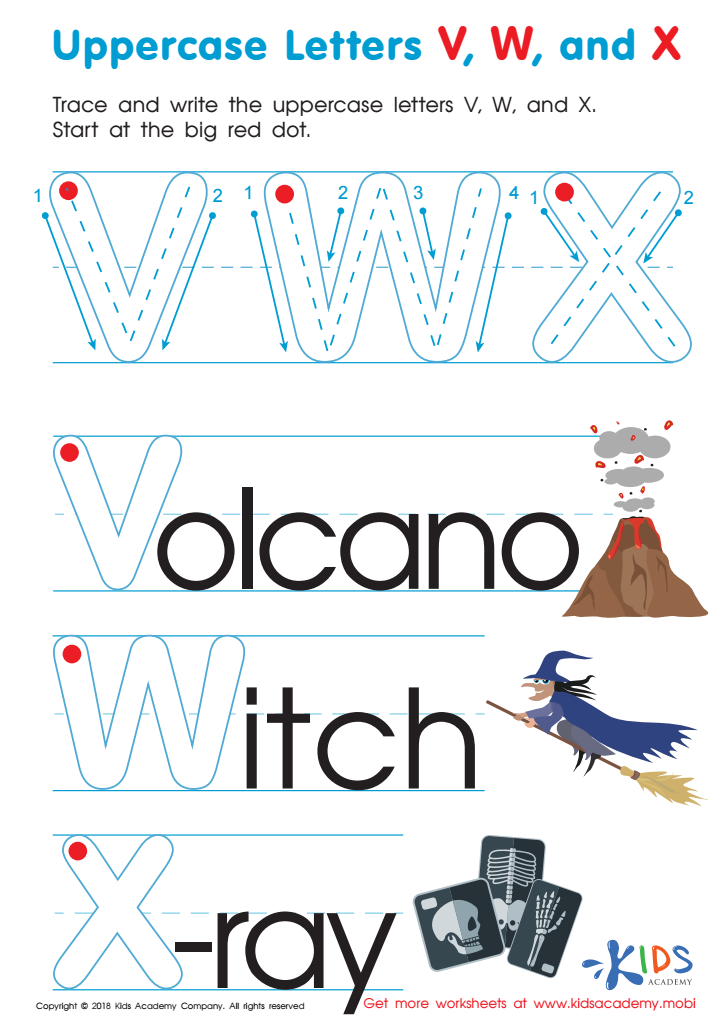
Uppercase Letters V, W, and X Worksheet







Alphabet recognition is a foundational skill crucial for young children's literacy development, making it vital for both parents and teachers to prioritize this area, especially for children aged 3-7. Strong alphabet recognition skills enable children to identify and understand letters, which are essential components of reading and writing. Mastering this skill helps children build confidence as they progress in their literacy journeys.
By fostering alphabet recognition, parents and teachers can help enhance children's phonemic awareness, allowing them to associate sounds with letters and words. This early understanding of language structure promotes successful reading when children encounter new texts, enhancing their comprehension skills.
Additionally, children who recognize letters can better engage with educational content during their early schooling years. This facilitates a smoother transition into more complex literacy tasks as they age. Furthermore, recognizing letters supports children's emotional development, encouraging them to participate in classroom activities and helping them develop a love for reading.
Similarly, early mastery of alphabet recognition boosts fine motor skills through writing practice, making it an essential aspect of a well-rounded education. Overall, a focus on alphabet recognition provides a solid cognitive, emotional, and educational foundation for children, setting them up for future academic success.








