Basic Mathematics Normal Worksheets for Ages 3-7
3 filtered results
-
From - To
Discover our engaging "Basic Mathematics Normal Worksheets for Ages 3-7," designed to make learning math fun and effective for young learners. These worksheets cover fundamental concepts like counting, addition, subtraction, and shape recognition through interactive and visually appealing exercises. Tailored specifically for children aged 3 to 7, our resources help build essential math skills, boost confidence, and foster a love for learning. Perfect for both classroom and home use, these printable sheets offer diverse activities that support cognitive development and early math proficiency. Ignite your child's mathematical journey with our expertly crafted worksheets!
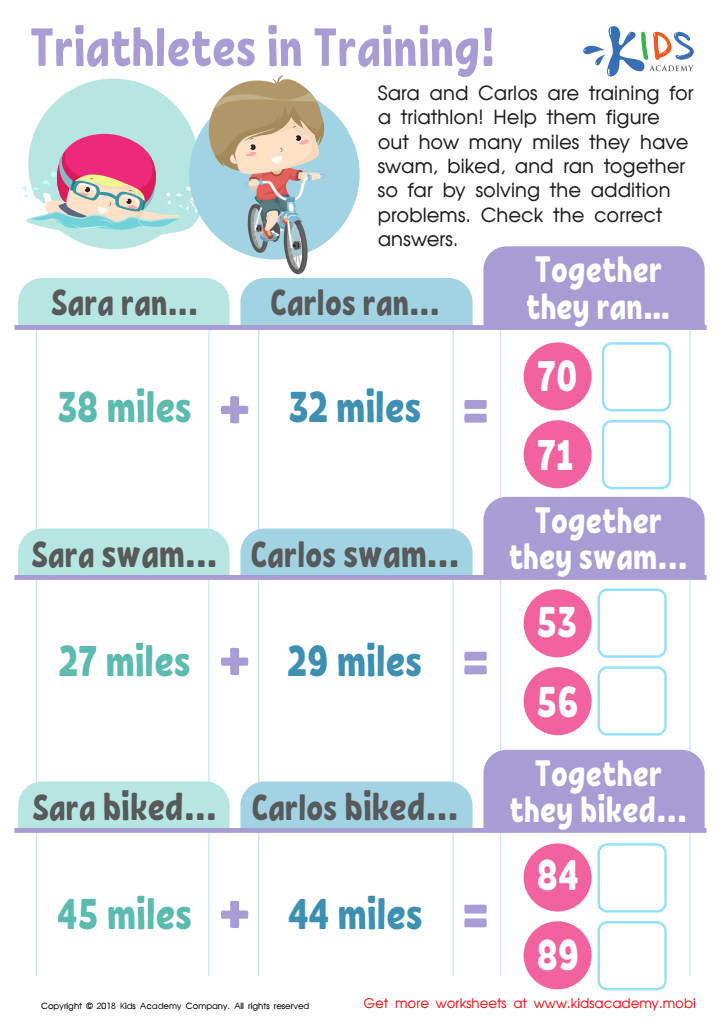
Triathletes in Training Worksheet
 Assign to My Students
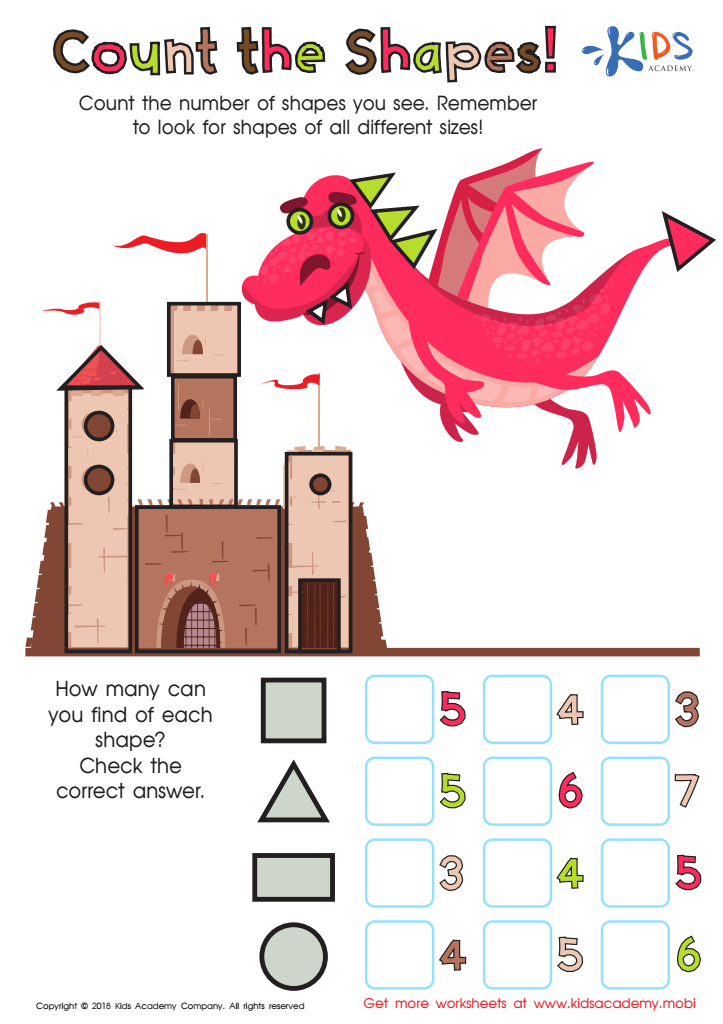
Count the Shapes Worksheet
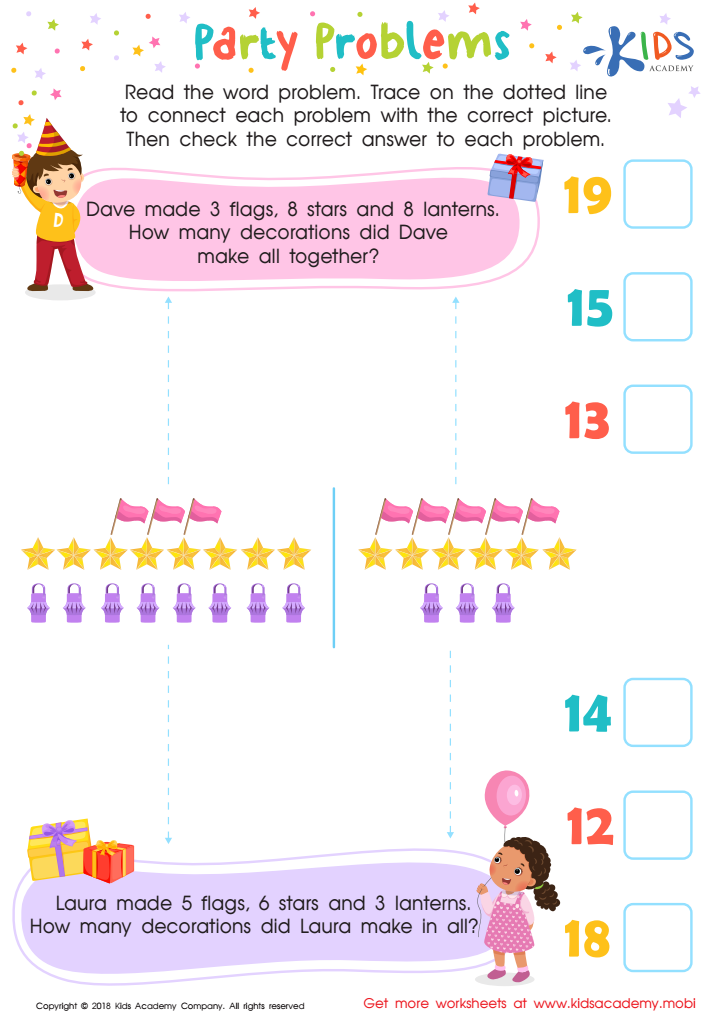
Party Problems Worksheet




.jpg)



Parents and teachers should deeply care about introducing basic mathematics to children ages 3-7, as it forms the foundation of crucial cognitive and developmental skills. During this formative stage, children’s brains are rapidly developing, and engaging them with basic mathematical concepts such as counting, shapes, patterns, and simple arithmetic helps to foster critical thinking and problem-solving abilities.
By learning basic math early, children develop numerical literacy and spatial awareness, which are essential for understanding the world around them. These skills also prepare children for more complex mathematical concepts they will encounter later in their academic journey. Early exposure to math helps children see and appreciate patterns in nature, art, and daily routines, making them more curious, observant, and inquisitive.
Moreover, learning math at an early age boosts confidence. Young learners who grasp these foundational concepts tend to perform better in school, showing more enthusiasm and less anxiety about more complex subjects later on. This early confidence can translate to a more positive attitude towards learning and school in general.
Finally, fostering an understanding and love for mathematics can have long-term benefits, as mathematical literacy is crucial in many professions, paving the way for future career success in an increasingly data-driven world. Thus, prioritizing basic math skills in early childhood is investing in a child’s holistic development and future potential.








