Enhance your child's cognitive development with our engaging Classification Skills Normal Worksheets, designed specifically for ages 3-7. These worksheets encourage young learners to identify and categorize objects based on common attributes such as shape, size, color, and function. Perfect for at-home learning or classroom activities, our printable resources foster critical thinking and problem-solving abilities while making learning enjoyable. With colorful illustrations and user-friendly formats, children will eagerly explore the world of classification. Cultivate essential skills early on with these fun, educational worksheets that help build a strong foundation for future academic success. Start your child’s learning journey today!

Check out this FREE "Classification skills" Trial Lesson for age 3-7!

Classifying Objects and Count the Number of Objects in Each Category CCSS.Math.Content

Favorites
With answer key
Interactive
  • 3-7
  • Classification skills
  • Normal
Matter: Assessment 1 Worksheet

Matter: Assessment 1 Worksheet

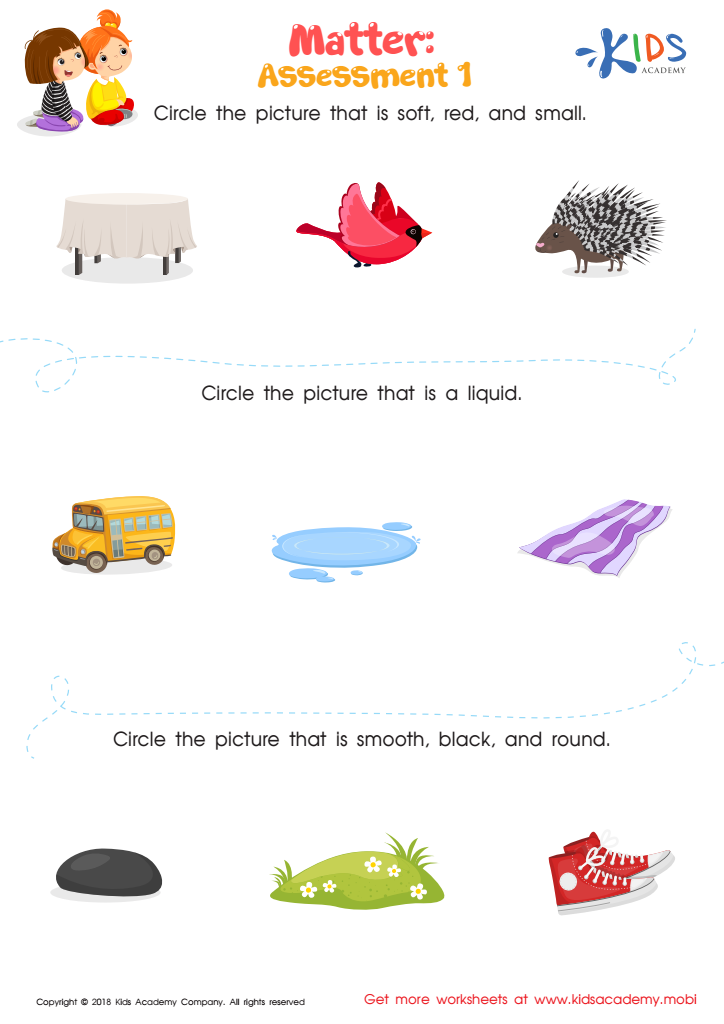
Have your children learn that anything that has weight and takes up space is matter. Examples include buses, tables, people, animals, and more. Use this worksheet to help them identify the objects and circle the soft, red, and small one; the liquid; and the smooth, black, and round one.
Matter: Assessment 1 Worksheet
Worksheet
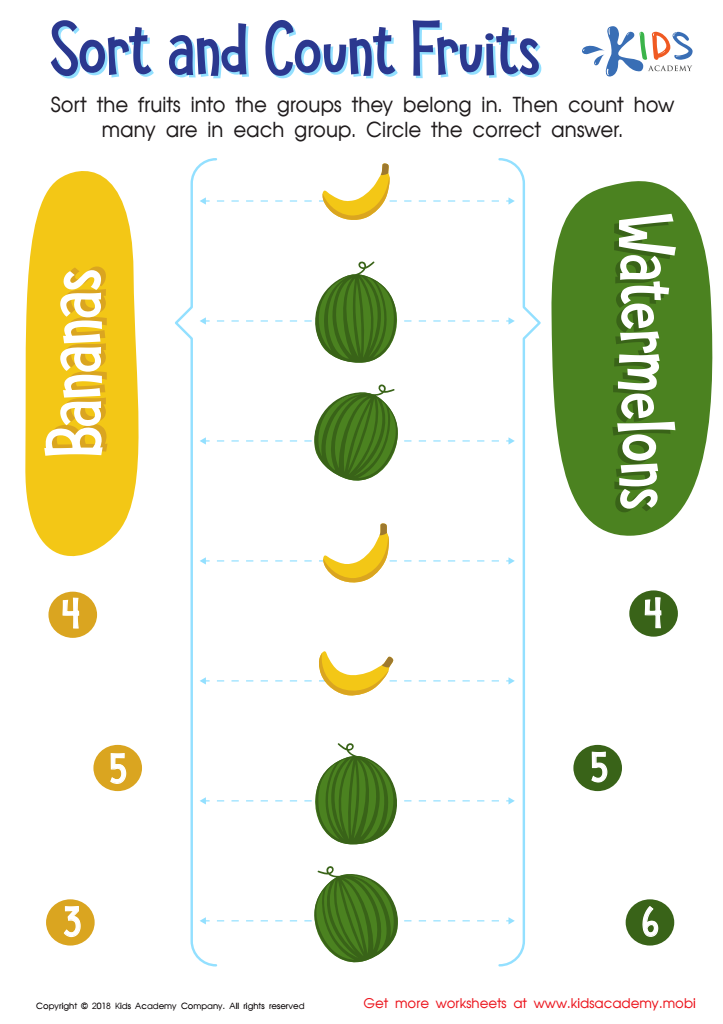
Sort and Count Fruits Worksheet

Sort and Count Fruits Worksheet

Allow your children to hone their critical thinking and number reasoning skills with this free worksheet. They'll sort, count, and trace fruits while learning basic number sense. A fun, delicious learning experience with familiar pictures they'll love.
Sort and Count Fruits Worksheet
Worksheet
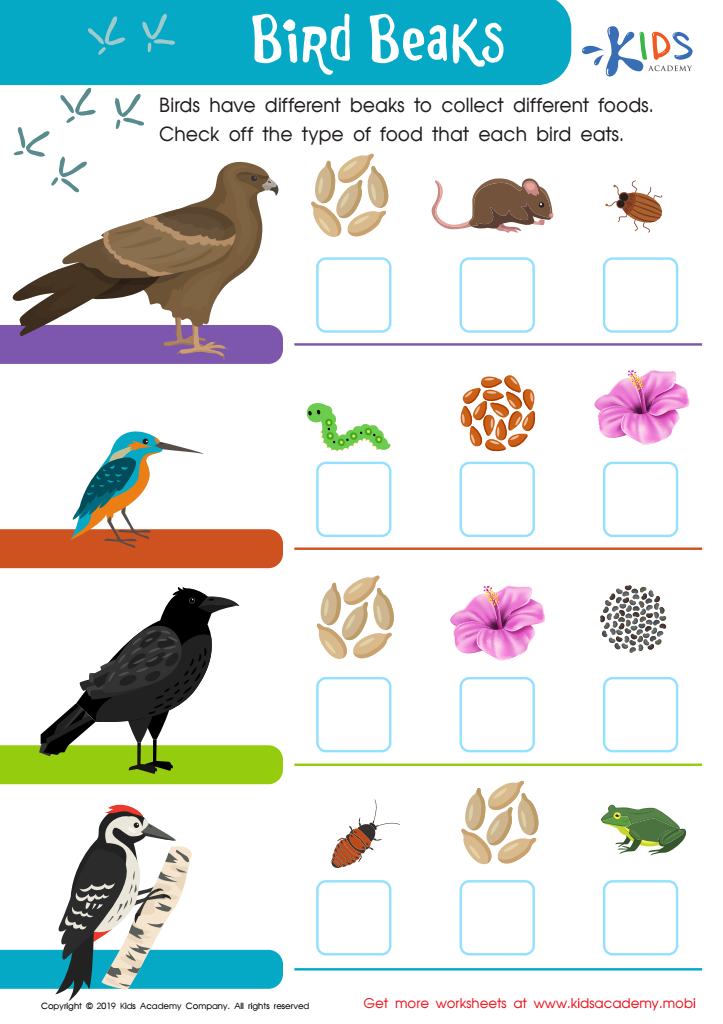
Bird Beaks Worksheet

Bird Beaks Worksheet

Birds have beaks to eat different types of food. Let your little nature lover explore why with this free worksheet! They'll learn about different beak shapes and match them to the food that's best for them. Be an adorable bird watcher together!
Bird Beaks Worksheet
Worksheet
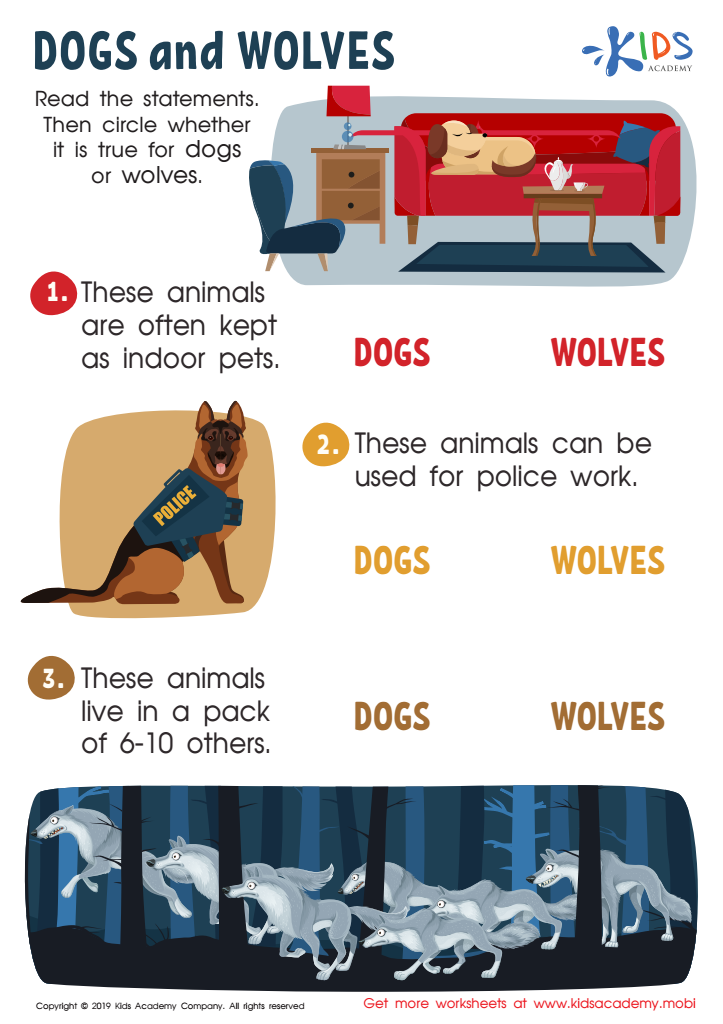
Dogs and Wolves Worksheet

Dogs and Wolves Worksheet

Kids love dogs and wolves, so engaging them with text about them is key. This free, downloadable worksheet allows kids to read statements about dogs and wolves and use picture clues and prior knowledge to decide if the statements are true or false, strengthening their reading comprehension.
Dogs and Wolves Worksheet
Worksheet
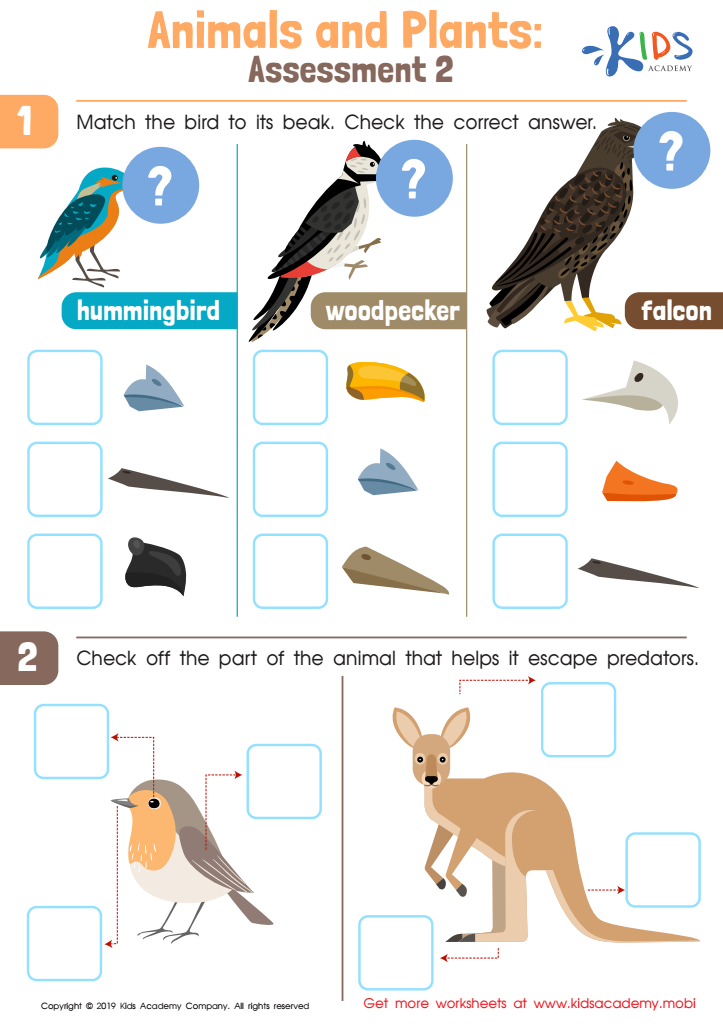
Animals and Plants: Assesment 2 Worksheet

Animals and Plants: Assessment 2 Worksheet
This free PDF is ideal to quickly test your child's knowledge of animal adaptations. They'll select the right beak patterns for hummingbird, woodpecker and falcon, and identify which parts of animals help them escape predators. It's easy to assess your kid's understanding.
Animals and Plants: Assessment 2 Worksheet
Worksheet
Space: Assessment 2 Worksheet

Space: Assessment 2 Worksheet

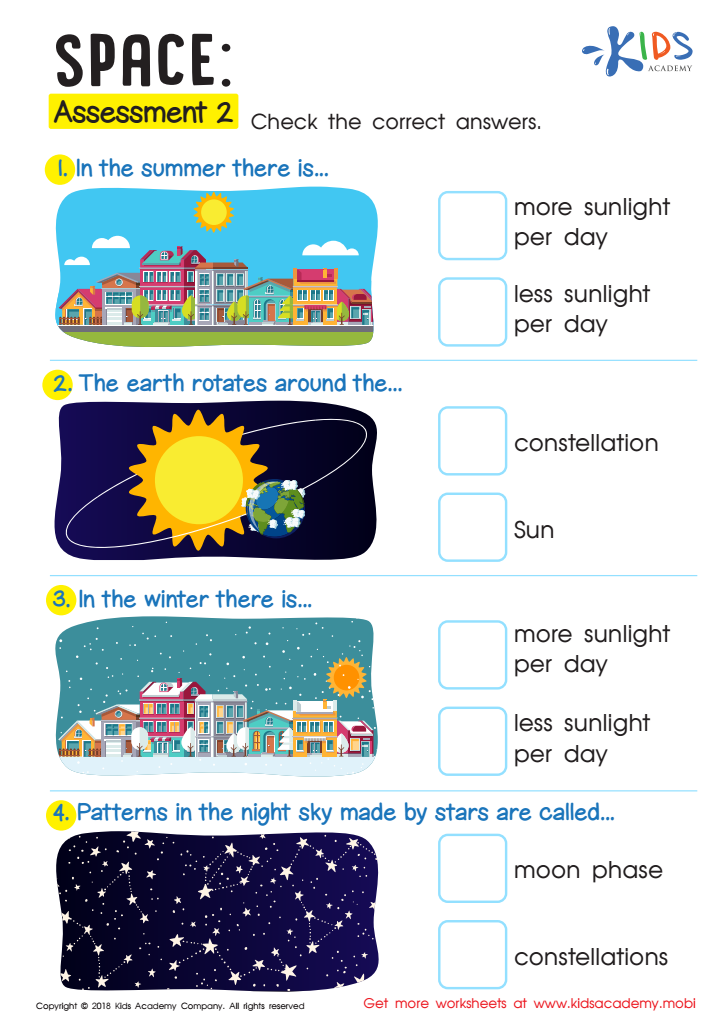
Test your kids' knowledge of the weather, constellations and Earth with this worksheet. Show them the 4 images and ask what's happening; then read the questions and options and help them pick the right answers. This printout is a helpful and fun way to learn!
Space: Assessment 2 Worksheet
Worksheet
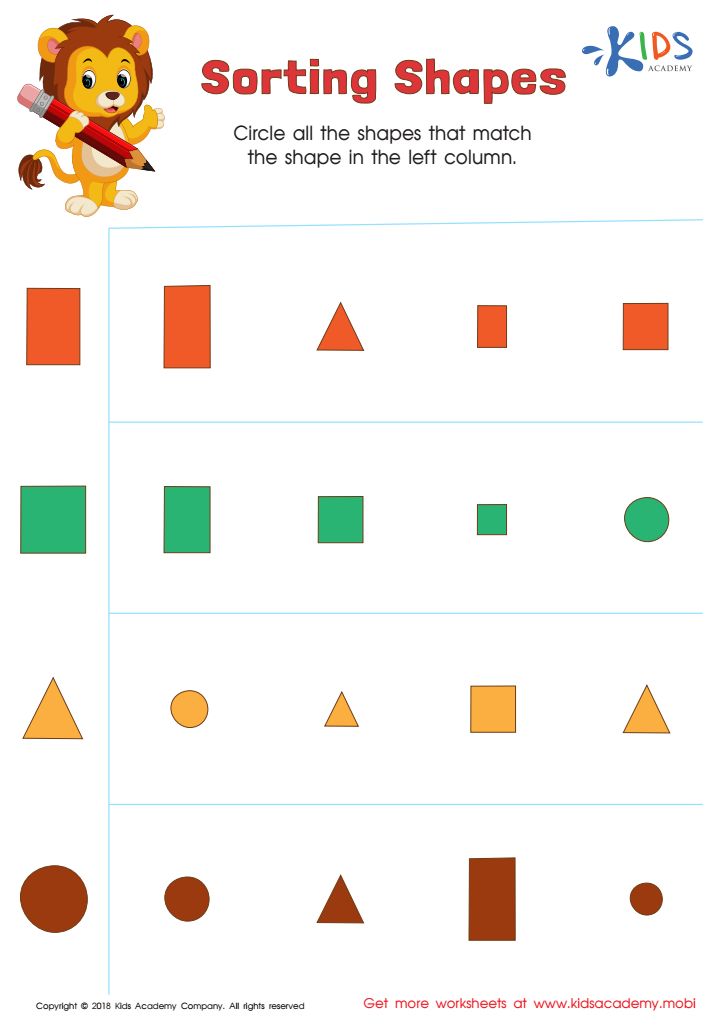
Sorting Shapes - Part 2 Worksheet


Sorting Shapes - Part 2 Worksheet
Tired of dull worksheets? Look no further than Kids Academy's colorful shape-sorting worksheet! It's perfect for challenging your toddler's problem-solving skills. Print the free PDF page and let your child practice the basics of geometry. Have them work down the left column, circling the shapes on the right that match. It's a great way to form a strong foundation in early learning.
Sorting Shapes - Part 2 Worksheet

Worksheet


Classification skills are fundamental for children aged 3-7 as they form the basis for higher-order thinking and cognitive development. By enabling children to categorize objects based on shared attributes such as color, size, shape, or function, these skills help them make sense of the world around them.

For parents and teachers, fostering classification skills is critical because it actively engages children's reasoning and problem-solving abilities. When children classify, they practice comparison and contrast, which adds depth to their understanding of relationships among objects. Additionally, these skills enhance language development, as kids learn vocabulary specific to categories and improve their ability to articulate thoughts.

Furthermore, classification promotes organizational skills that are vital as children progress academically. It is often a key component in subjects like science, where students must sort and group information. Developing these skills during early childhood lays the foundation for successful learning in later years, supporting both academic literacy and social skills, as categorizing can help children maneuver through diverse interactions and environments.

In short, prioritizing classification skills not only aids in cognitive advancement but also cultivates a love for learning and exploration crucial for lifelong success.