Comparative analysis Normal Worksheets for Ages 3-7
4 filtered results
-
From - To
Discover our engaging Comparative Analysis Normal Worksheets designed for children ages 3-7. These worksheets provide a fun and interactive way for young learners to develop essential comparative skills. Through colorful visuals and simple tasks, kids can explore various concepts such as bigger or smaller, longer or shorter, and more or less. Each worksheet aims to enhance critical thinking and encourage early cognitive development while keeping learning enjoyable. Perfect for parents and educators, these resources foster independent learning and promote understanding of differences and similarities in a variety of contexts. Equip your child with foundational skills today!
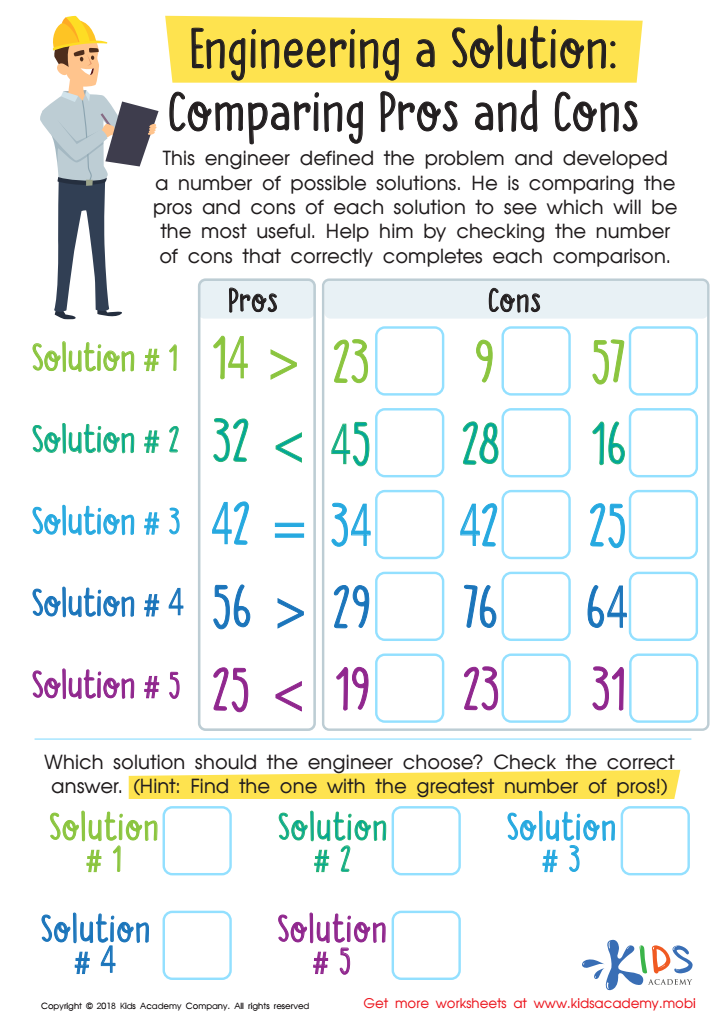
Engineering a Solution: Comparing Pros and Cons Worksheet
 Assign to My Students
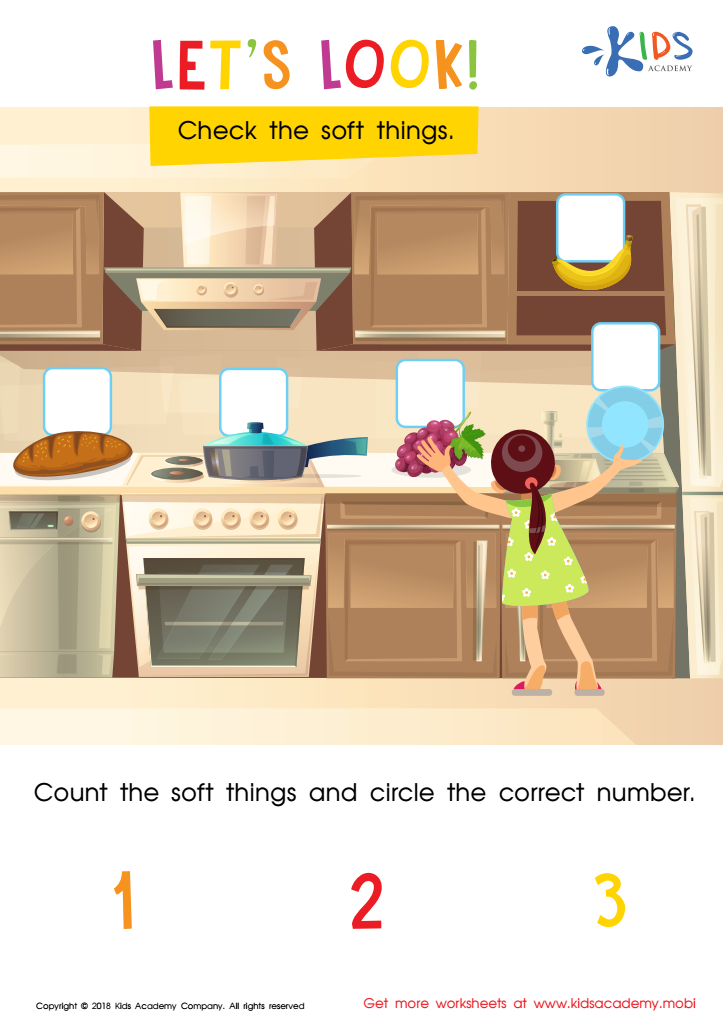
Let's Look! Assessment Worksheet
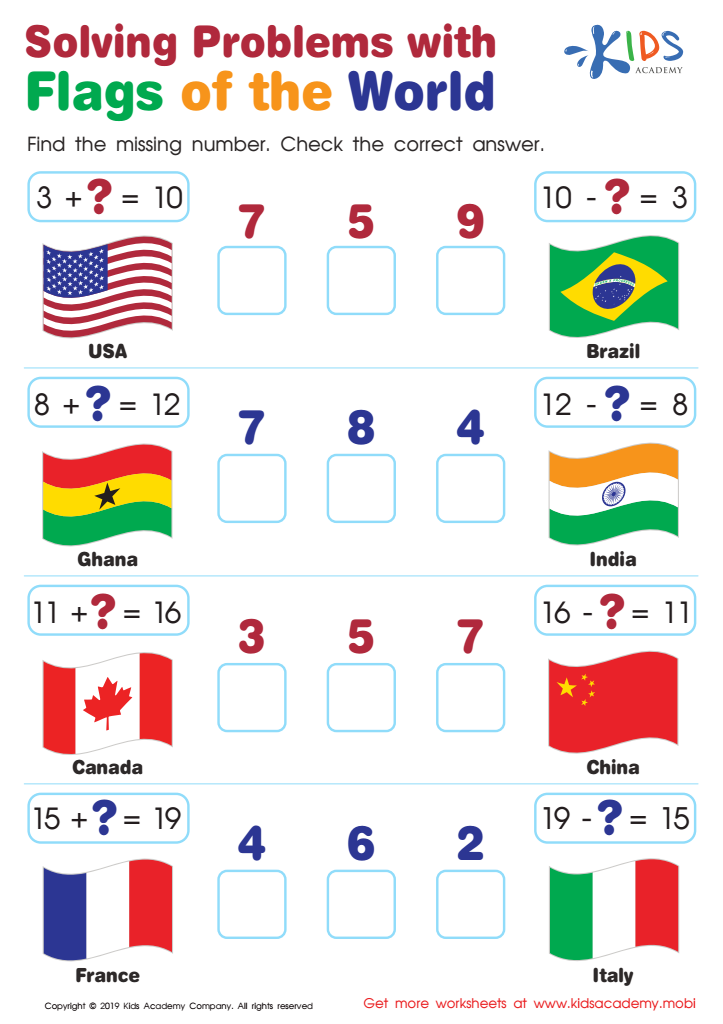
Solving Problems with Flags of the World Worksheet
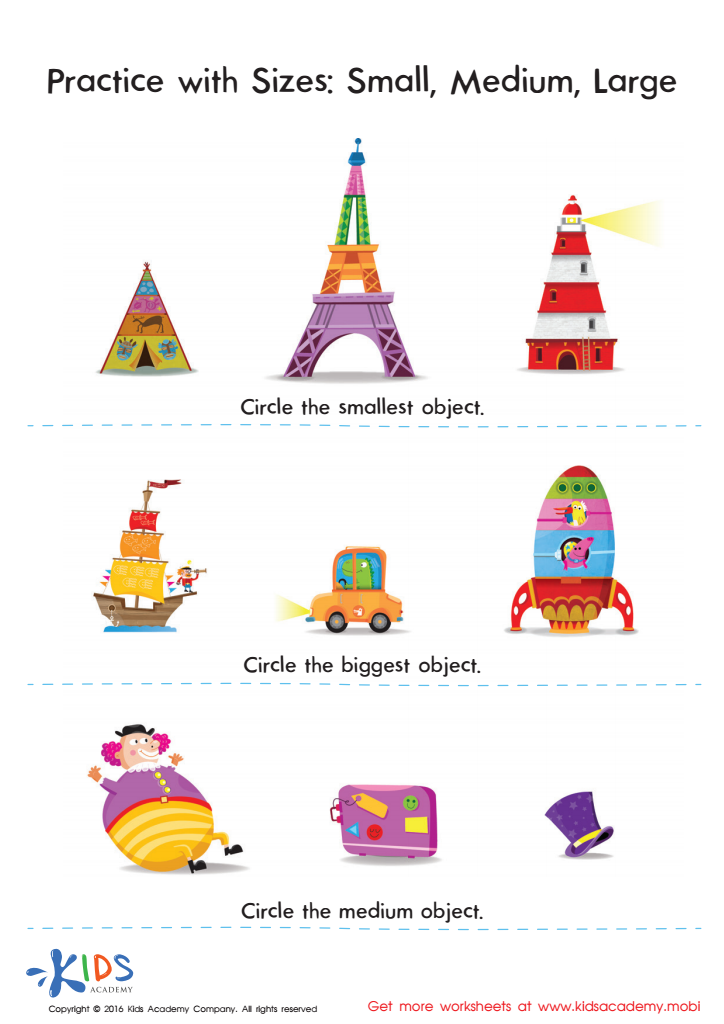








Comparative analysis norms for ages 3-7 are vital tools for parents and teachers to understand a child's development in a broader context. These norms provide benchmarks based on the growth and behavior of children within similar age groups. By examining these standards, educators and caregivers can determine whether a child is meeting, exceeding, or falling behind developmental milestones in areas such as language, social skills, motor abilities, and cognitive comprehension.
Monitoring these norms can identify potential areas of concern, enabling early interventions that can significantly enhance a child's developmental trajectory. For instance, if a child's speech is behind their peers, targeted strategies can be introduced to foster language skills before they enter a more demanding academic environment.
Moreover, these comparative analyses help inform instructional practices. Understanding typical developmental ranges allows teachers to tailor their curricula to meet diverse needs effectively and create an inclusive classroom environment. For parents, being aware of these norms fosters informed conversations with educators, ensuring their child's unique needs are addressed. Overall, paying attention to comparative analysis norms empowers both educators and parents to support optimal growth and learning in early childhood, setting a strong foundation for lifelong success.








