Comprehension improvement Normal Worksheets for Ages 3-7
3 filtered results
-
From - To
Boost your child's reading skills with our Comprehension Improvement Worksheets for Ages 3-7. Designed to promote early literacy, these engaging worksheets build essential comprehension abilities while keeping young learners entertained. Each activity reinforces key skills such as identifying main ideas, sequencing events, and making predictions. Expertly crafted for preschoolers to first graders, these worksheets cater to varying skill levels and learning paces, ensuring every child can confidently progress. Perfect for at-home learning or classroom use, our worksheets combine fun and education, helping young minds develop a lifelong love for reading. Explore our collection and watch your child thrive!
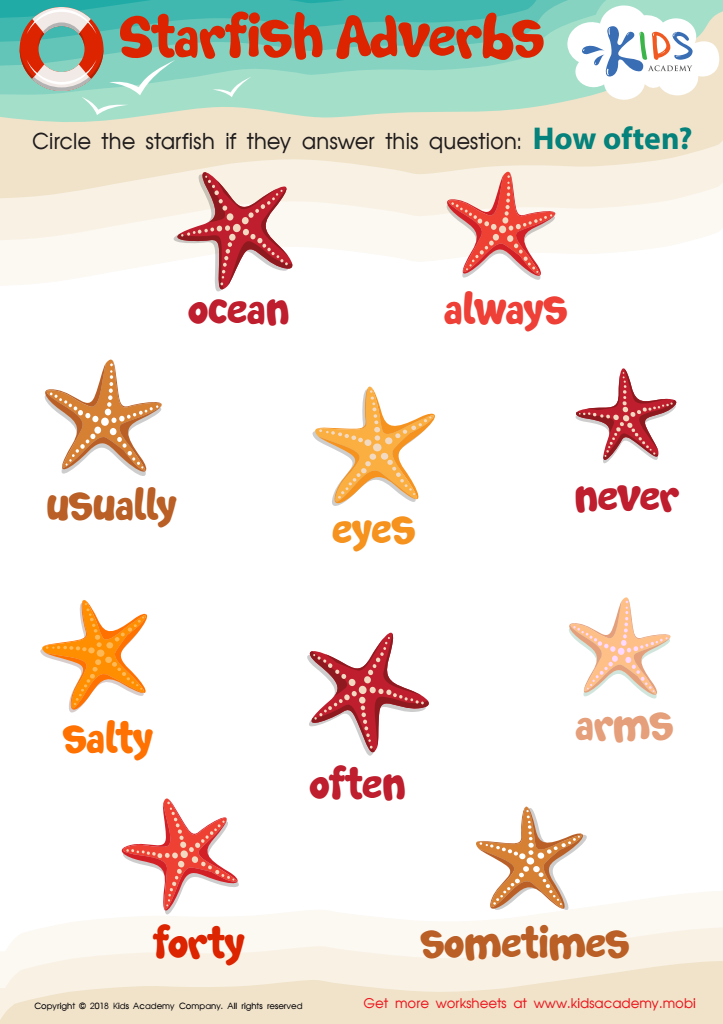
Starfish Adverbs Worksheet
 Assign to My Students
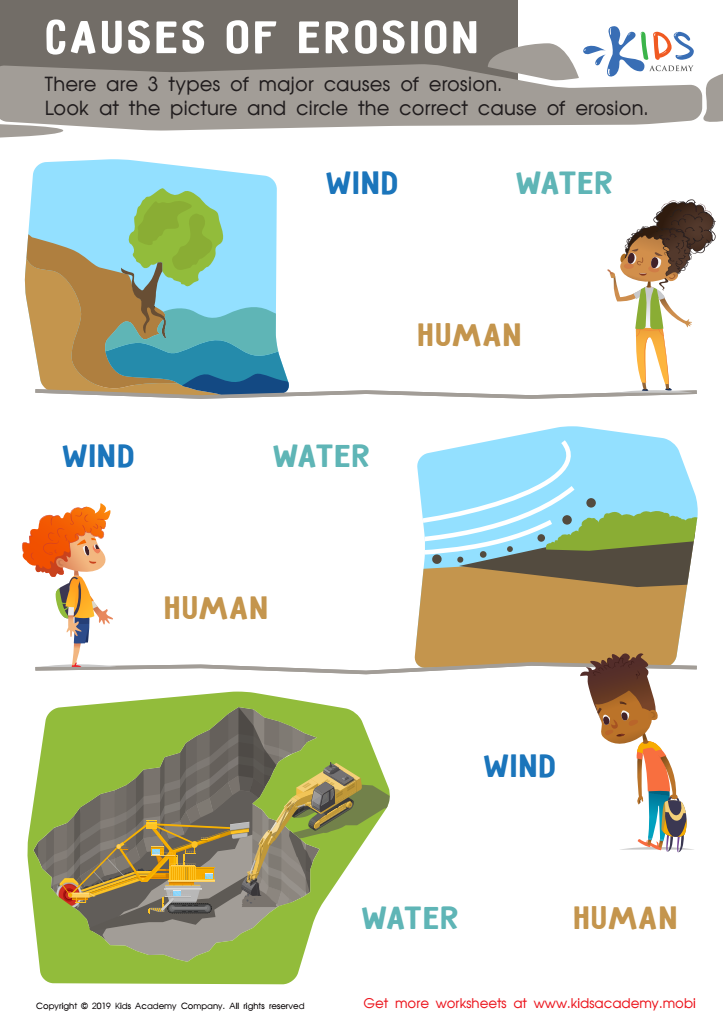
Causes of Erosion Worksheet
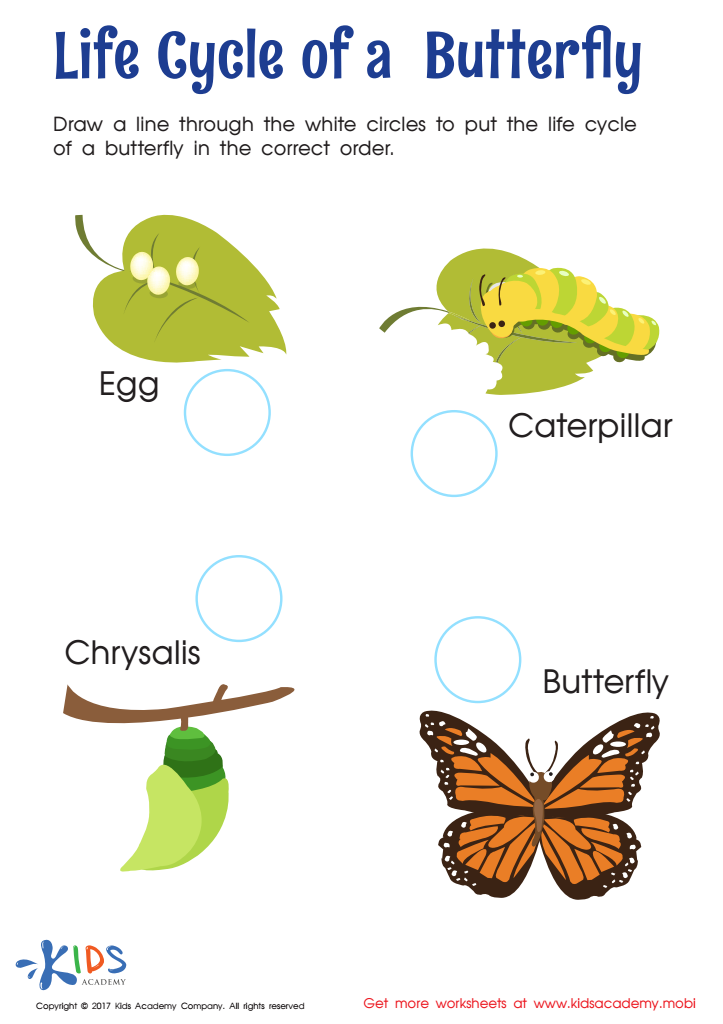
Life Cycle of Butterfly Worksheet






.jpg)

Parents and teachers should prioritize comprehension improvement for children ages 3-7 because it forms the foundational basis for all future learning and academic success. During these formative years, young children are not only decoding words but also beginning to make sense of the new information they encounter. Good comprehension skills enable them to understand instructions, engage with stories, and respond accurately to questions, which enhances their overall learning experience.
Improving comprehension from an early age fosters critical thinking and problem-solving skills. As children interpret and make connections between texts and their own experiences, they develop an ability to think deeper, question, and reason logically. Additionally, strong comprehension helps in language acquisition, broadening their vocabulary, and understanding the nuanced meanings of words and sentences.
Moreover, boosting comprehension is crucial for emotional and social development. When children grasp stories, they can empathize with characters, understand different perspectives, and navigate social situations more effectively. By engaging with diverse narratives, they learn valuable life lessons and moral concepts.
Lastly, early comprehension improvement sets the stage for a lifelong love of reading and learning. Children who enjoy understanding stories and information are more likely to become enthusiastic, self-motivated learners. Therefore, by focusing on comprehension skills, parents and teachers give children the tools they need to thrive academically and socially.








