Sequencing Skills Normal Worksheets for Ages 3-7
7 filtered results
-
From - To
Enhance your child's cognitive development with our Sequencing Skills Worksheets designed for ages 3-7! These engaging worksheets provide fun and interactive activities that help young learners understand the concept of order and sequence in stories and everyday tasks. By completing these worksheets, children will improve their critical thinking, memory, and comprehension skills. Tailored to various developmental levels, our resources are perfect for parents and educators aiming to support early learning. Explore our collection of worksheets that encourage problem-solving while making learning enjoyable. Start building your child's sequencing skills today and watch their confidence soar as they master this essential skill!
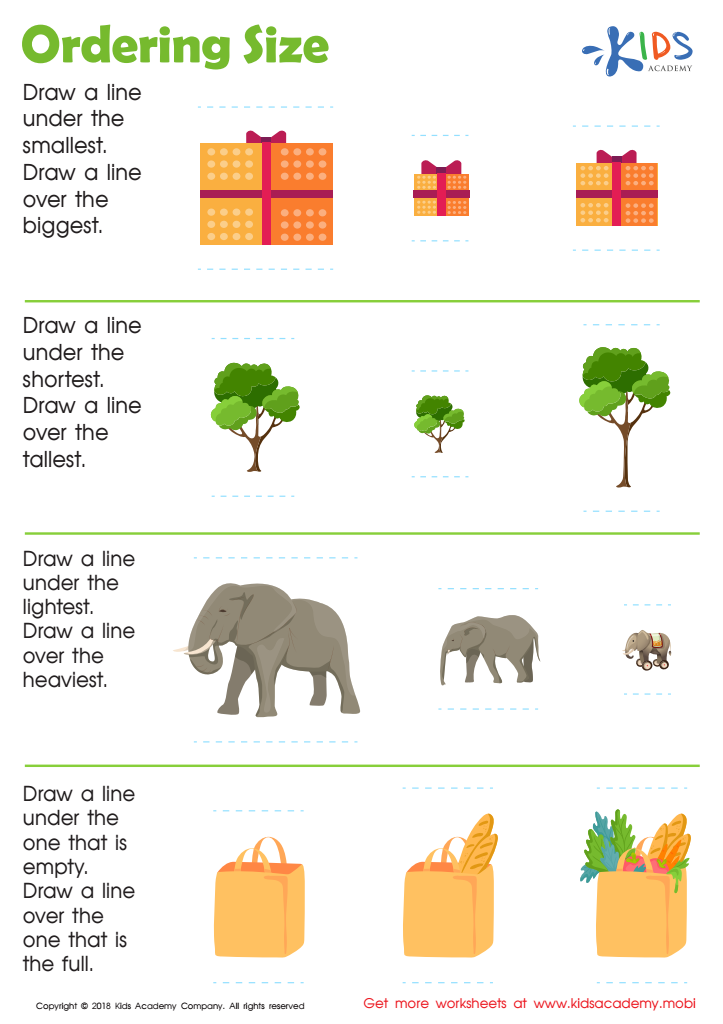
Ordering Size Worksheet
 Assign to My Students
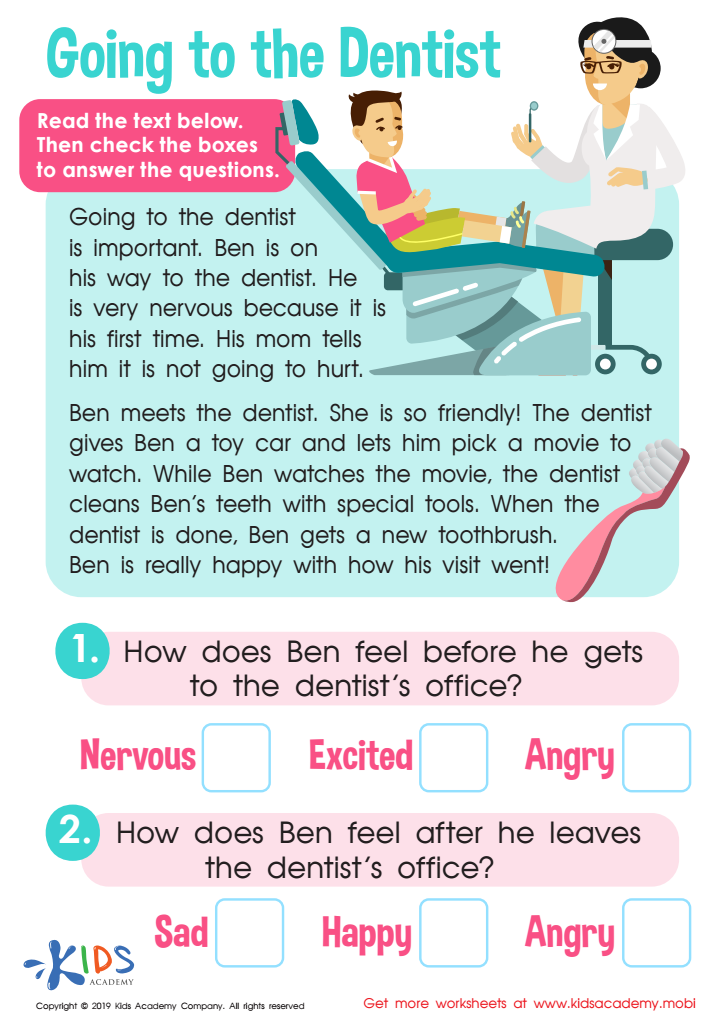
Going to the Dentist Worksheet

Wash Your Hands Worksheet
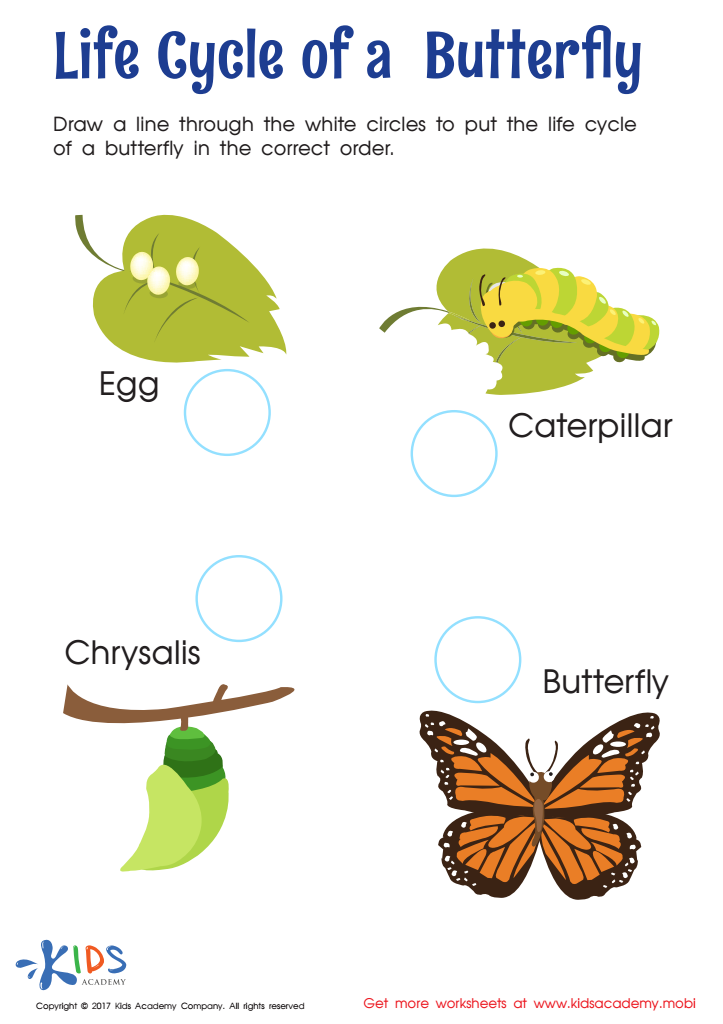
Life Cycle of Butterfly Worksheet
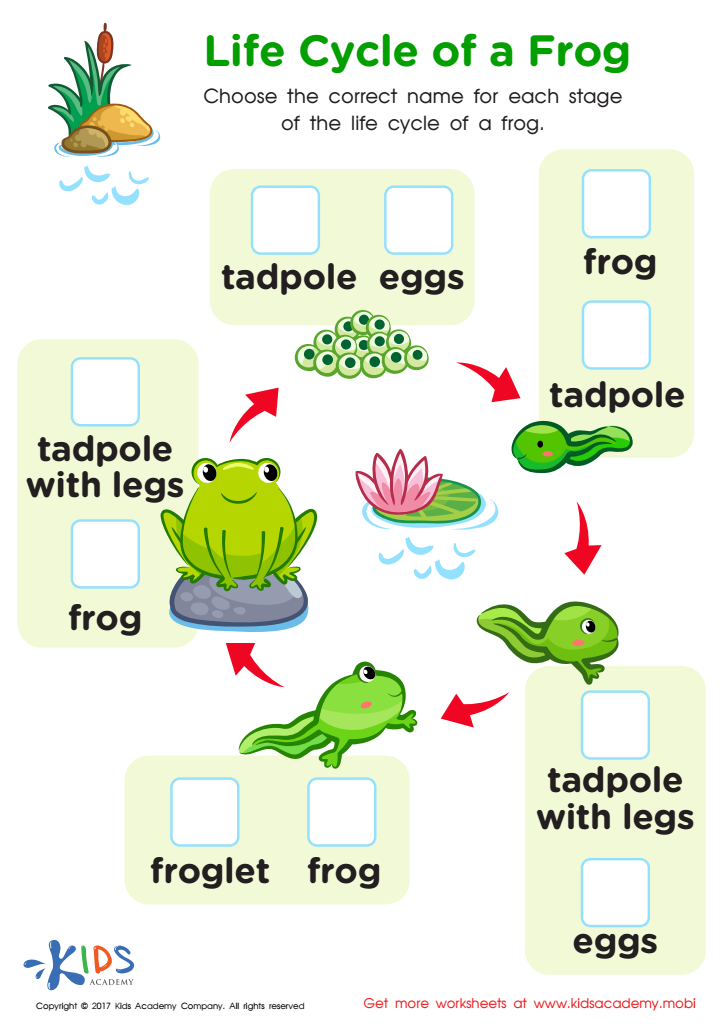
Life Cycle Frog Printable
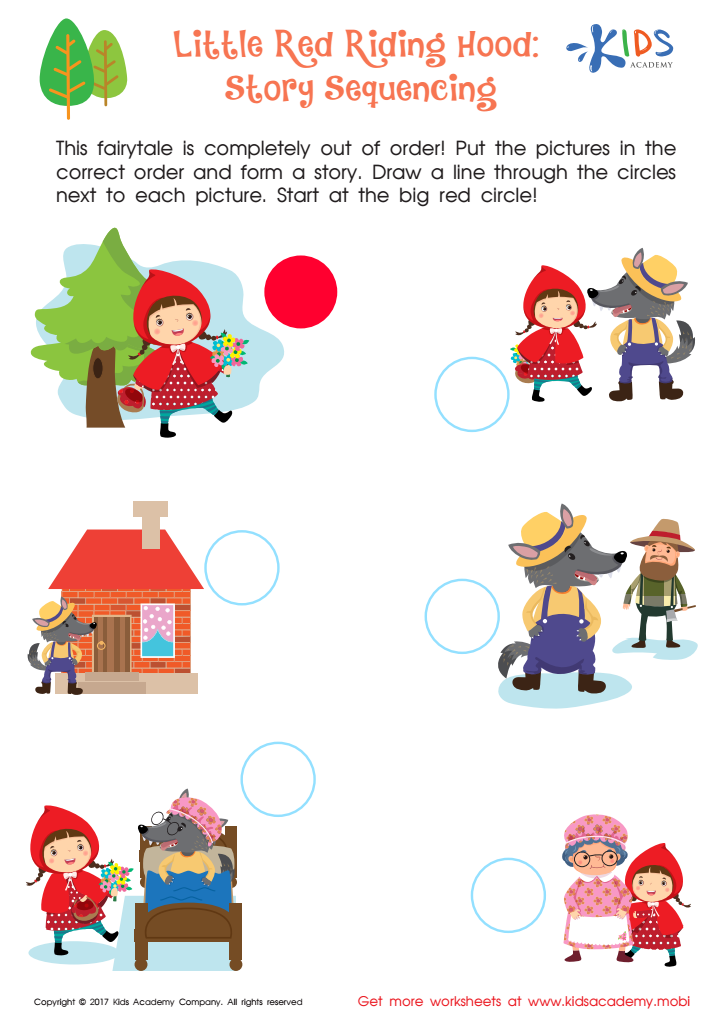
Story Sequencing Printable
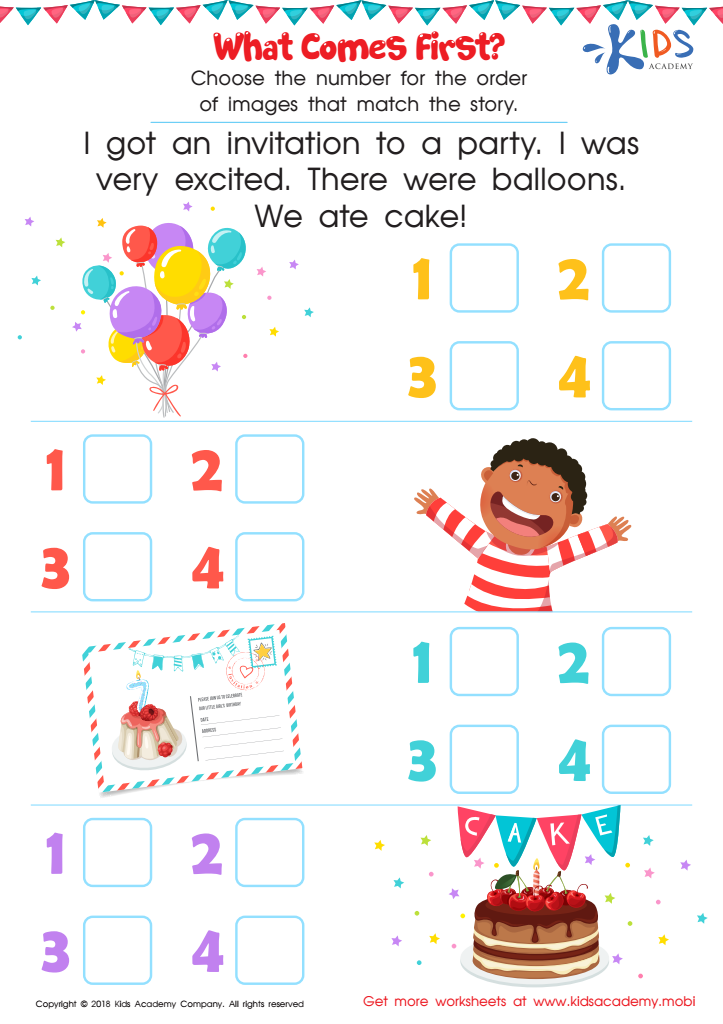
What Comes First Worksheet








Sequencing skills are critical for children's cognitive development, particularly for those aged 3 to 7. During these formative years, children are learning to organize information, understand the concept of time, and develop narrative abilities—all of which are integral to their education and social skills. When parents and teachers prioritize sequencing skills, they enhance children's ability to follow instructions, comprehend stories, and engage in problem-solving.
At this age, sequencing helps children make connections between events and comprehend logical relationships. For instance, a child who understands the sequence of daily activities—waking up, brushing teeth, having breakfast, and going to school—can better manage their own routines. This skill also lays the groundwork for essential literacy skills; children who grasp sequencing can retell stories or explain how to complete a task effectively.
Moreover, strong sequencing abilities foster critical thinking and creativity. Children learn to arrange events logically, which can inspire them to create their own stories or engage in imaginative play. Therefore, nurturing sequencing skills not only helps in academic success but also supports overall emotional and social development, equipping children with tools they need for lifelong learning and interaction. Investing in these skills during early childhood pays dividends later in their educational journey.








