Understanding shapes Normal Worksheets for Ages 3-7
5 filtered results
-
From - To
Welcome to our “Understanding Shapes Normal Worksheets” designed for children ages 3-7! These engaging resources help young learners explore the world of shapes through a variety of fun activities. Our worksheets promote shape recognition, differentiation, and basic geometry skills while supporting cognitive development. Kids will enjoy matching, coloring, and sorting shapes, providing them with a hands-on learning experience that fosters creativity and critical thinking. Perfect for both classroom and home use, these worksheets are aligned with early educational standards, making learning enjoyable and effective. Download our worksheets today and watch your little ones discover the joy of shapes!
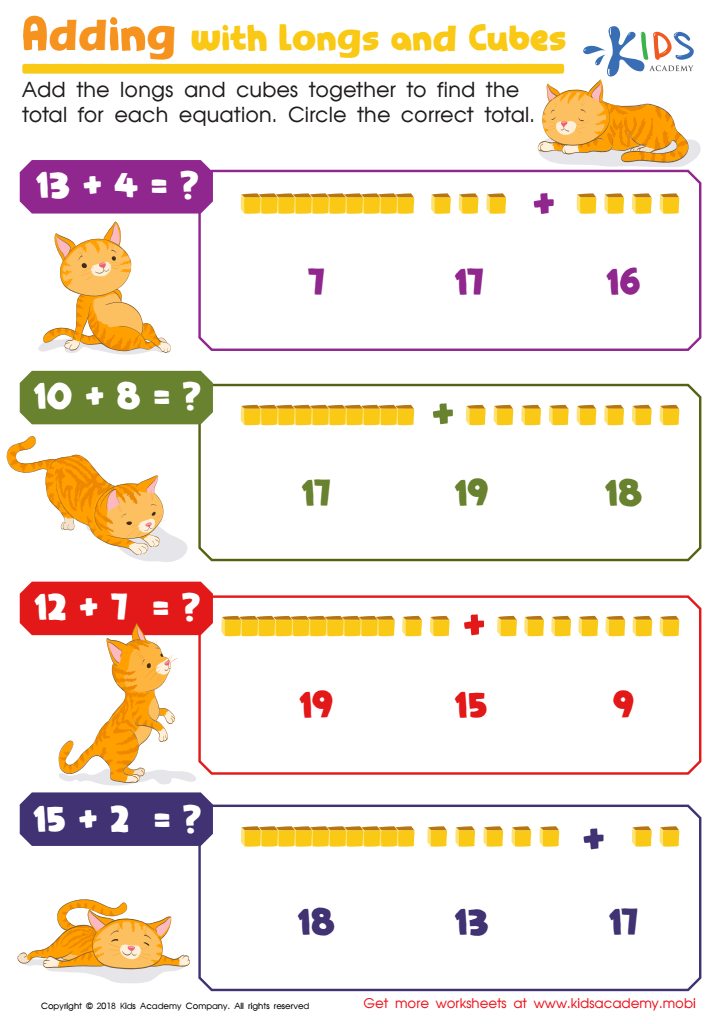
Adding With Longs and Cubes Worksheet
 Assign to My Students
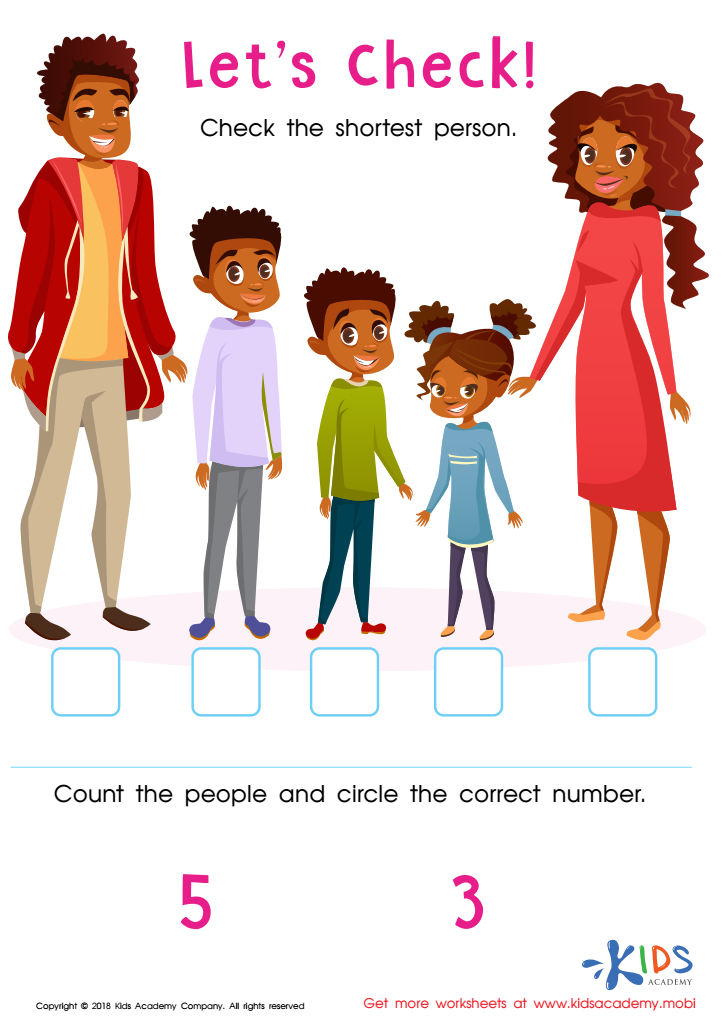
Let's Check! Assessment Worksheet
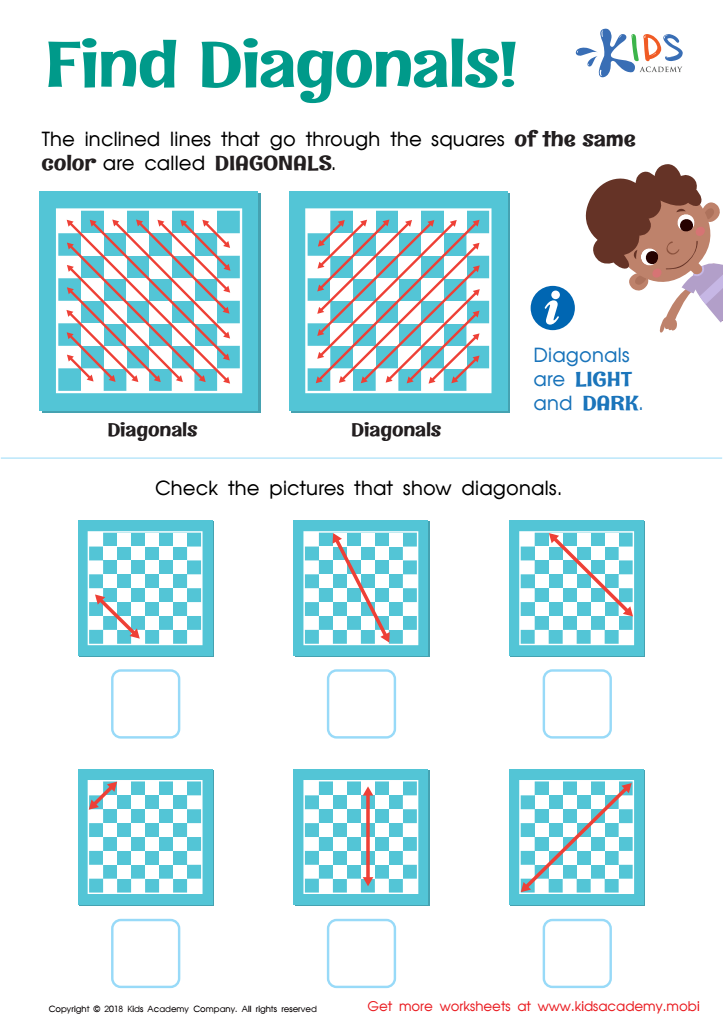
Find Diagonals Worksheet
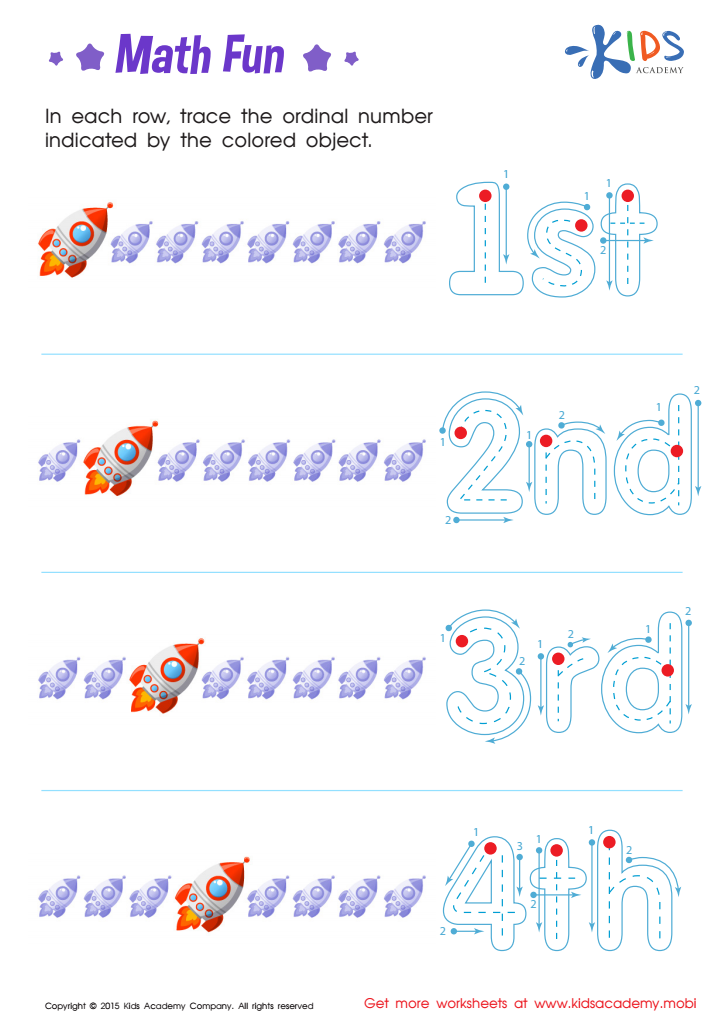
Ordinal Numbers: Math Fun Worksheet
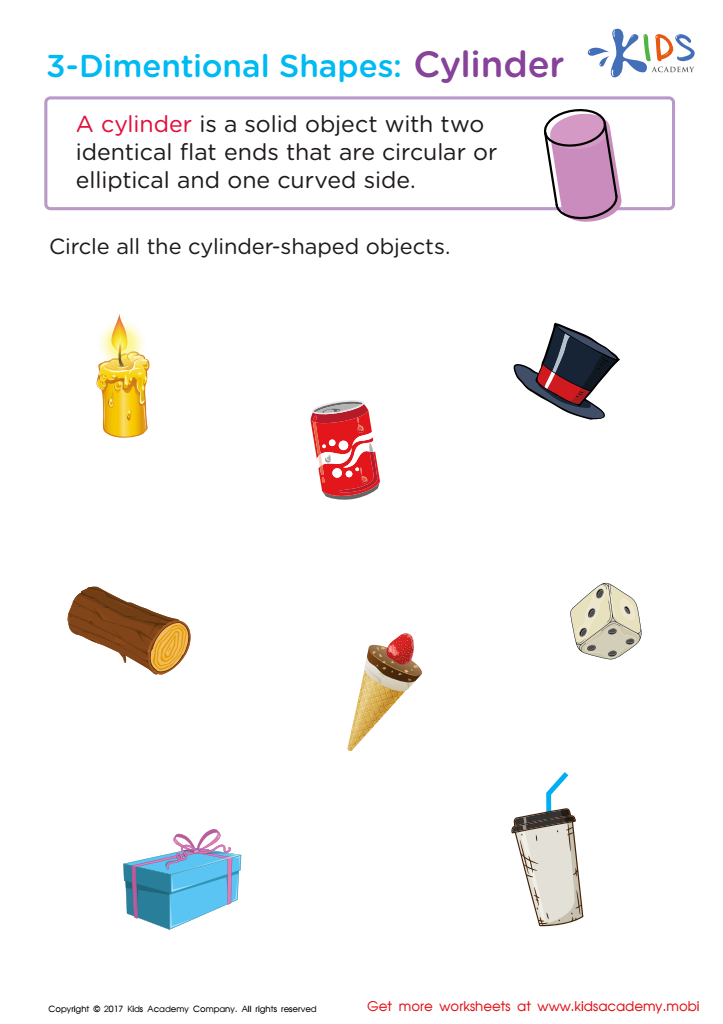
Three–Dimensional Shapes: Cylinder Worksheet





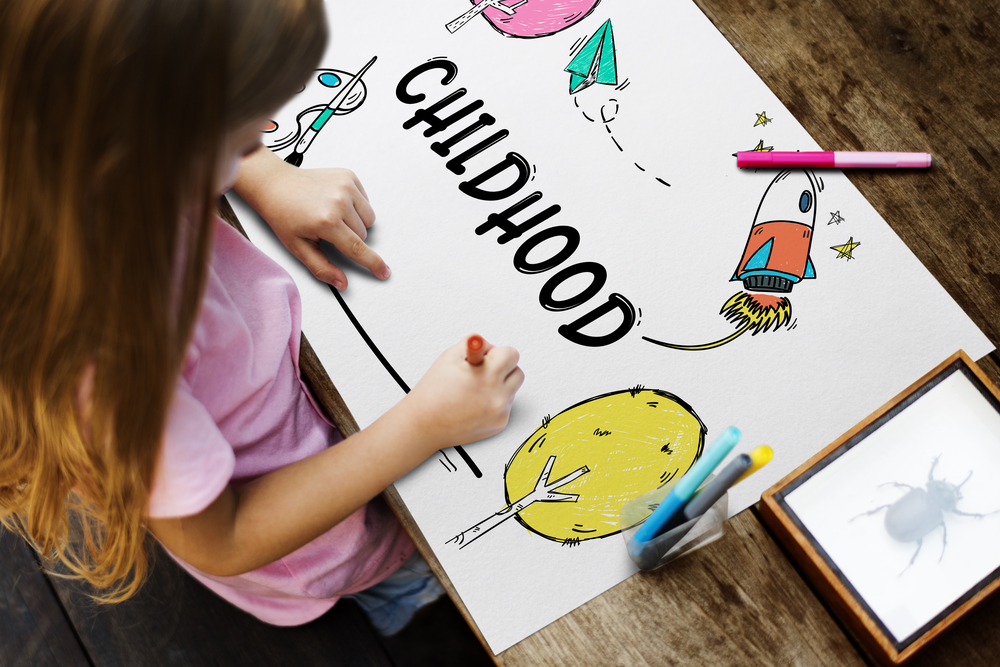
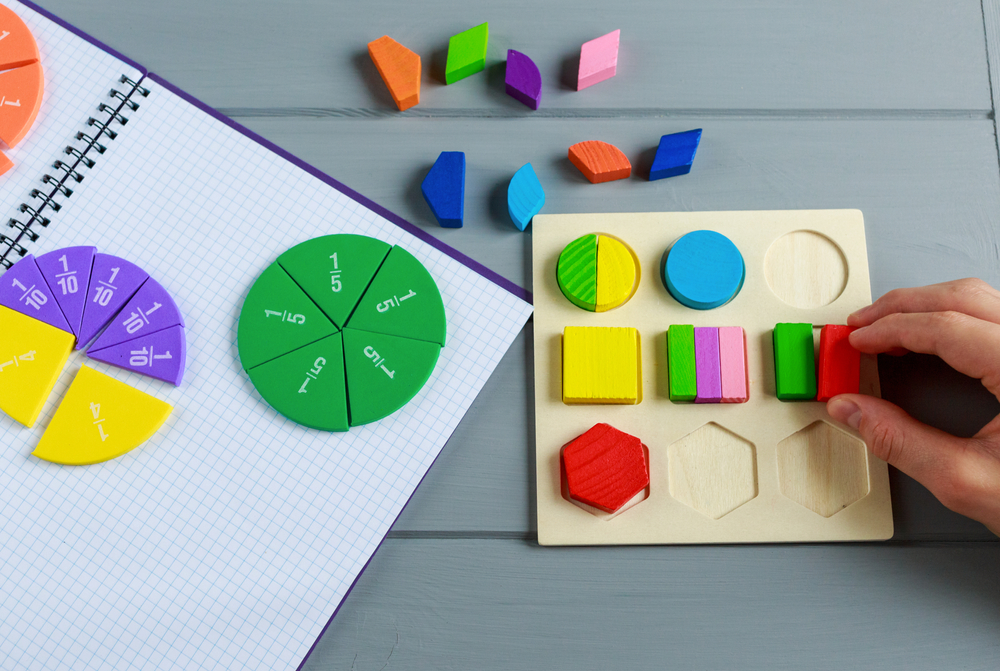

Understanding shapes is a fundamental skill for children aged 3-7, laying the groundwork for their cognitive development and academic success. Shapes are pervasive in our daily lives; teaching children to recognize and understand them enhances their observation skills and contributes to their overall spatial awareness.
By engaging with shapes, children develop critical thinking and problem-solving abilities as they identify, compare, and classify different forms. This early exposure fosters creativity and later mathematical understanding, as shapes serve as the building blocks for geometry concepts.
Parents and teachers can further benefit from incorporating shape recognition into everyday activities, advocacy, and play. For instance, using blocks, puzzles, or art projects, providers can create an engaging and interactive environment where children apply their knowledge. Additionally, learning shapes can aid in the development of vocabulary and language skills as children describe and discuss what they observe.
Moreover, this foundational skill encourages a sense of accomplishment and confidence as children master recognizing and using shapes in various contexts. Ultimately, prioritizing understanding shapes at this formative age supports not just mathematical development, but holistic cognitive growth that benefits children's future learning and exploration.








