Vocabulary Building Normal Worksheets for Ages 3-7 - Page 2
42 filtered results
-
From - To
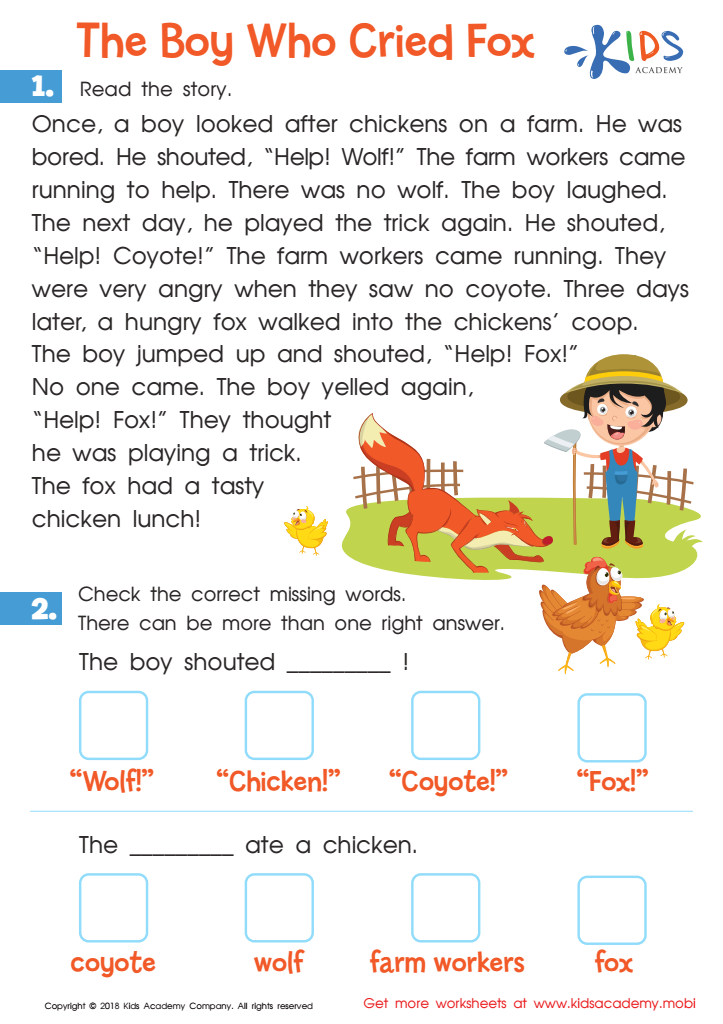
The Boy Who Cried Fox Worksheet
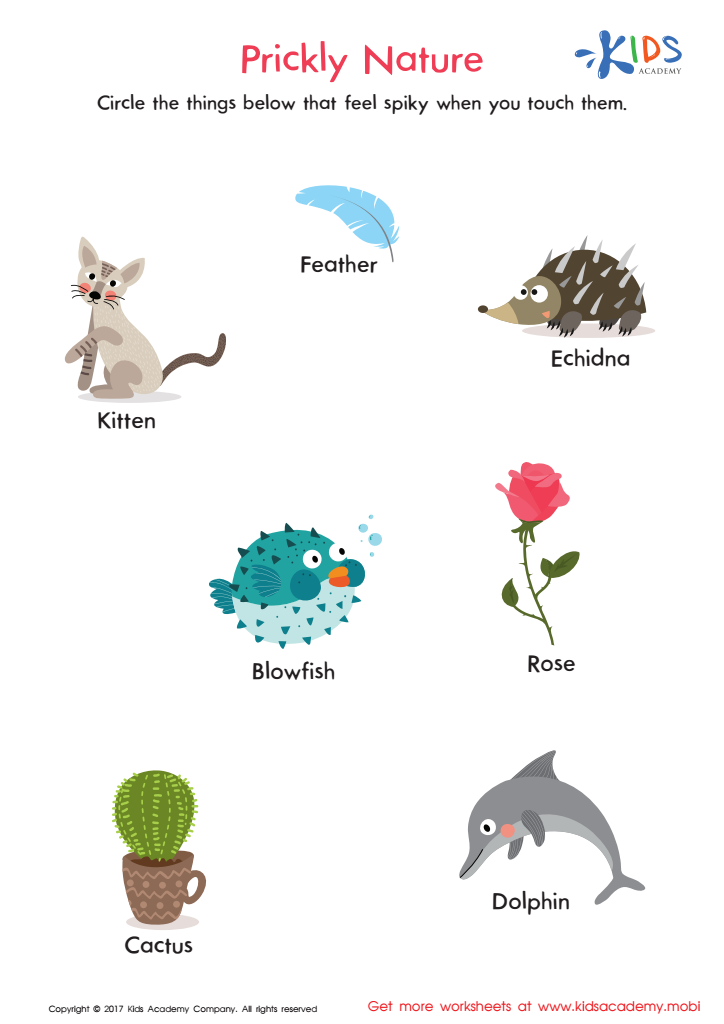
Prickly Nature Worksheet
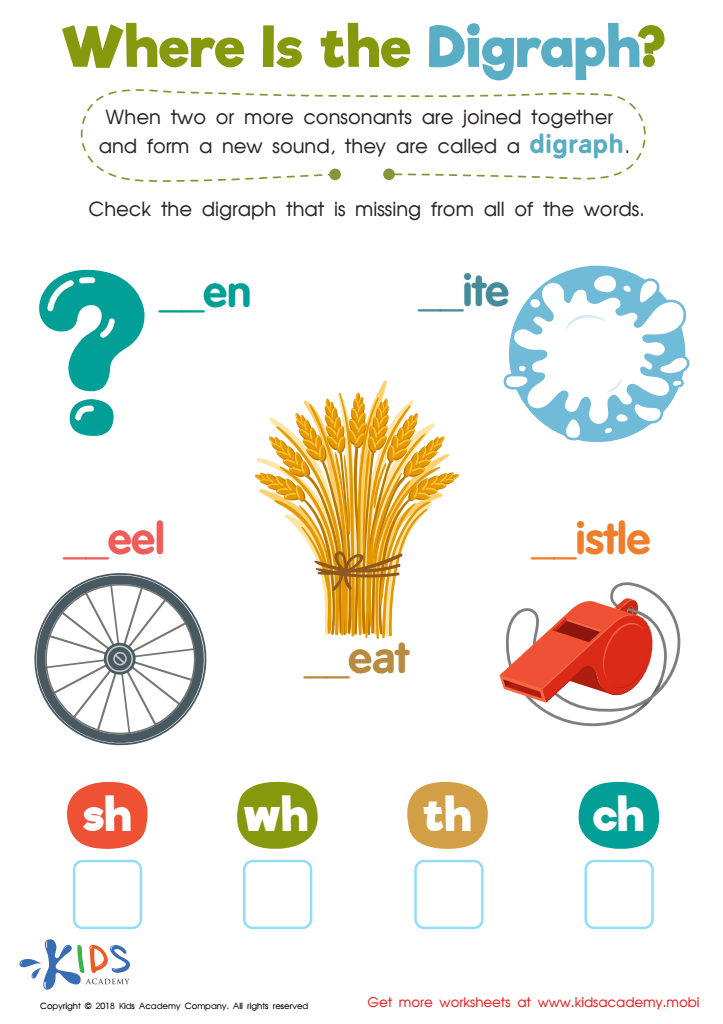
Where Is the Digraph? Worksheet
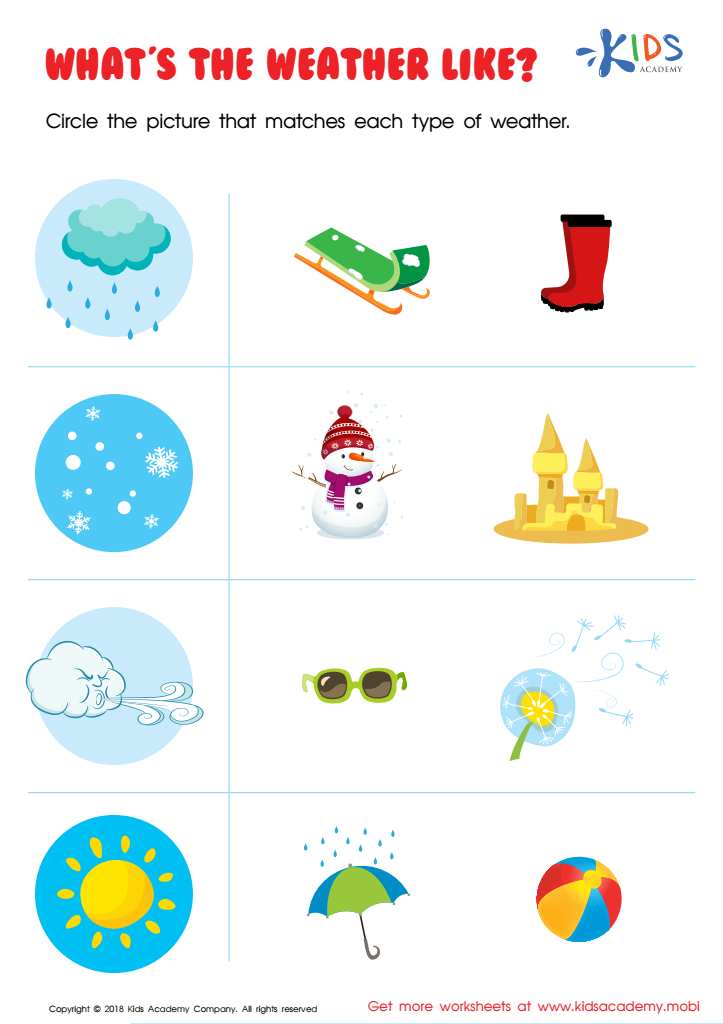
What's the Weather Like? Worksheet
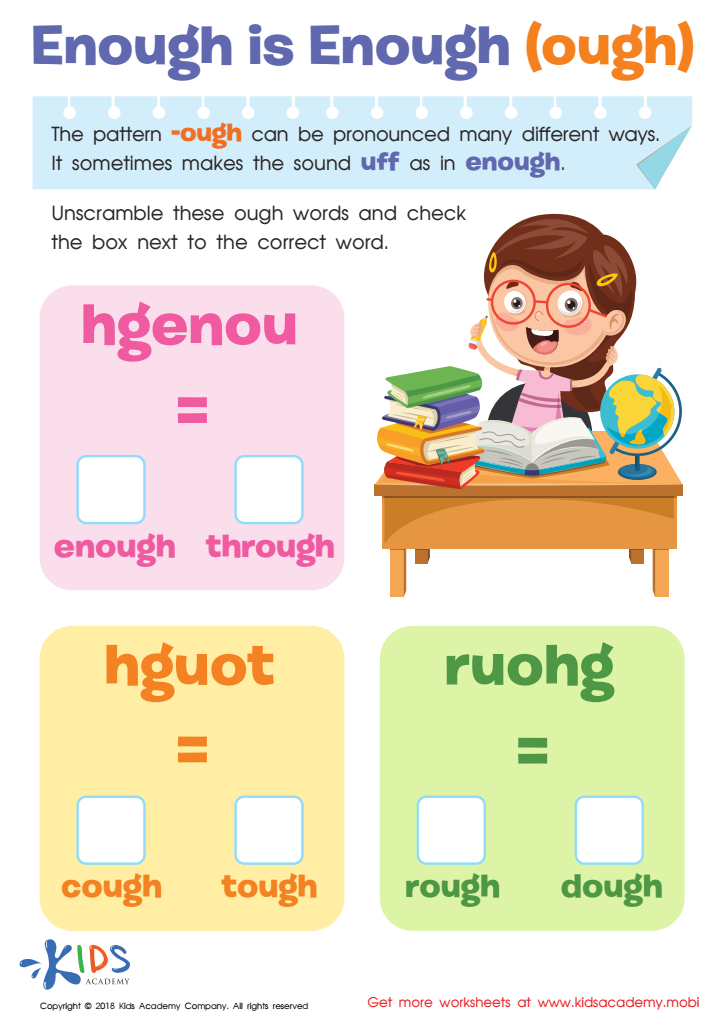
Enough Is Enough (ough) Worksheet
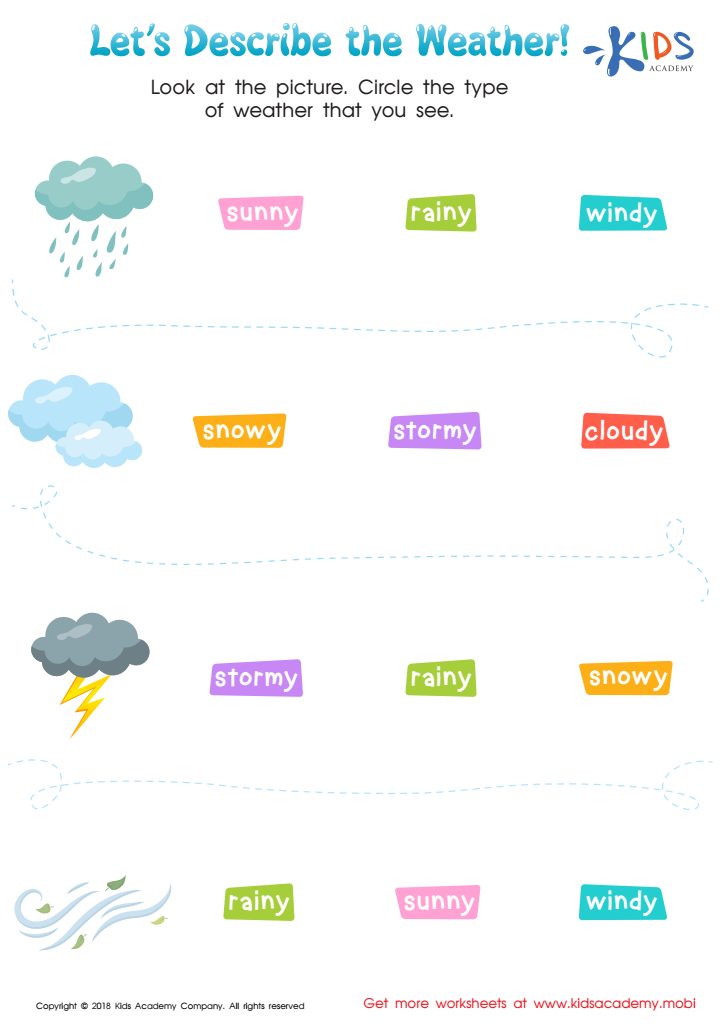
Let's Describe the Weather! Worksheet
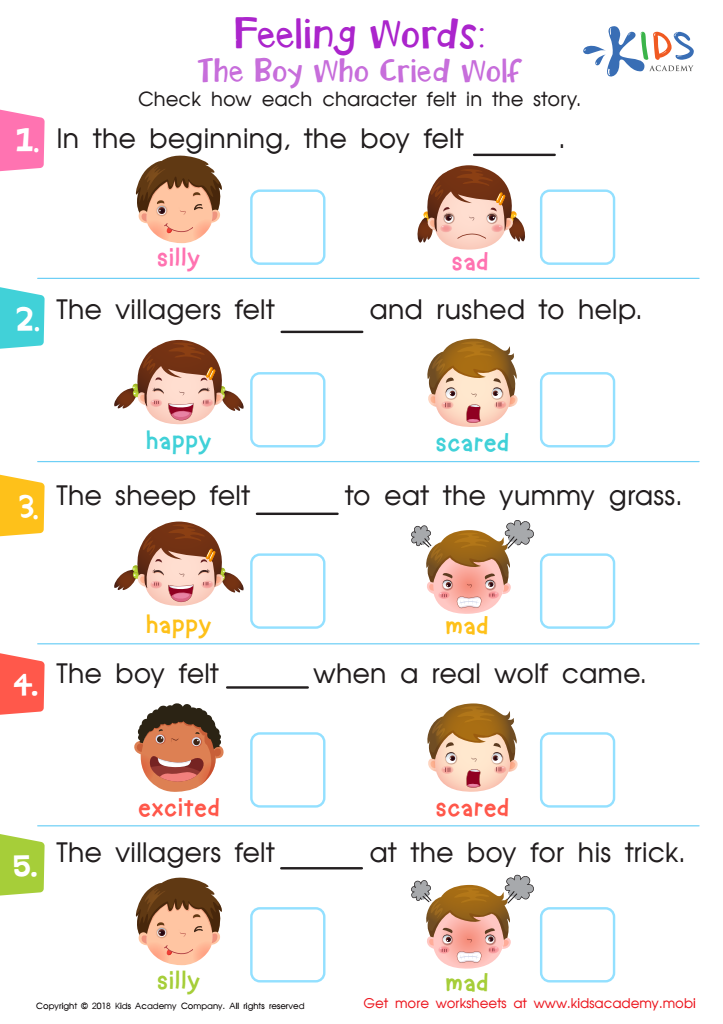
Feeling Words: The Boy Who Cried Wolf Worksheet
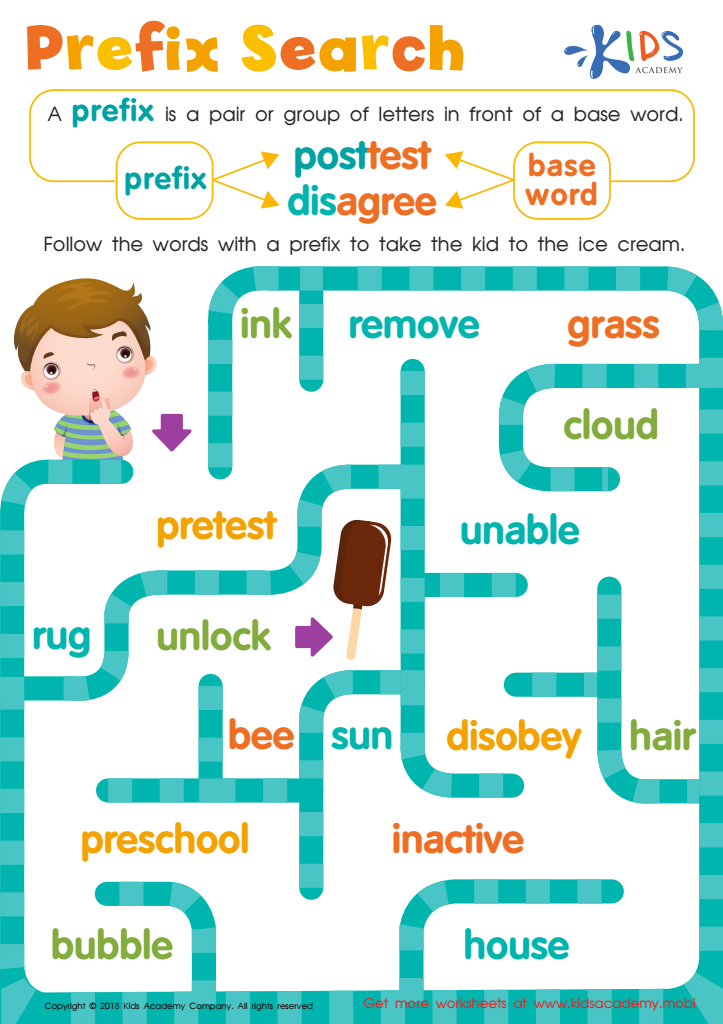
Reading: Prefix Search Worksheet
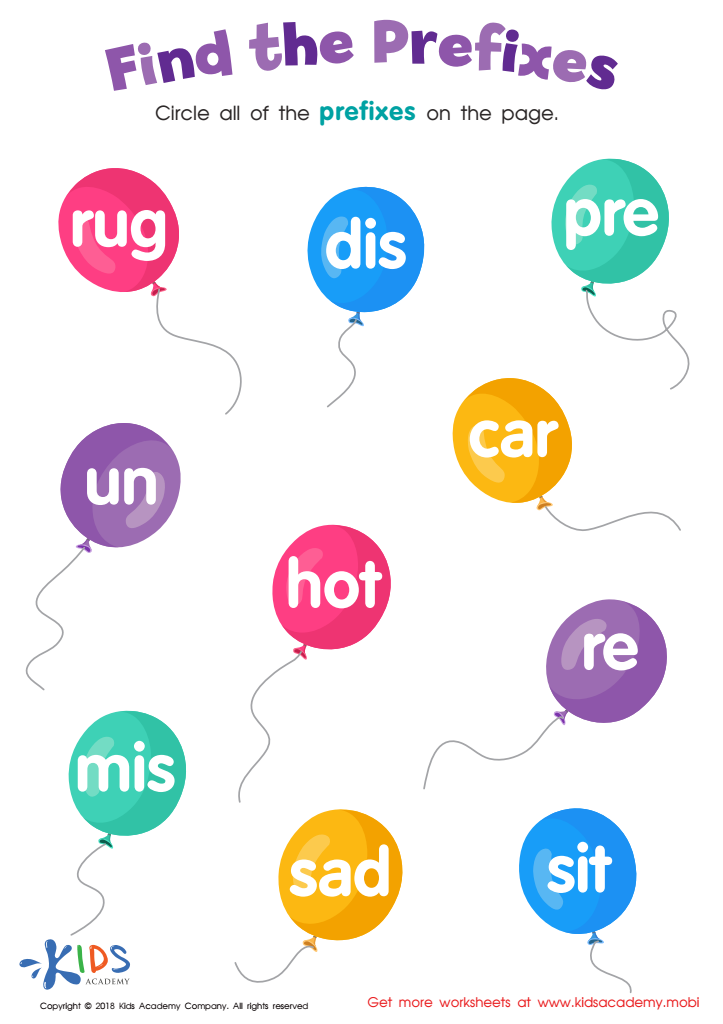
Reading: Find the Prefixes Worksheet
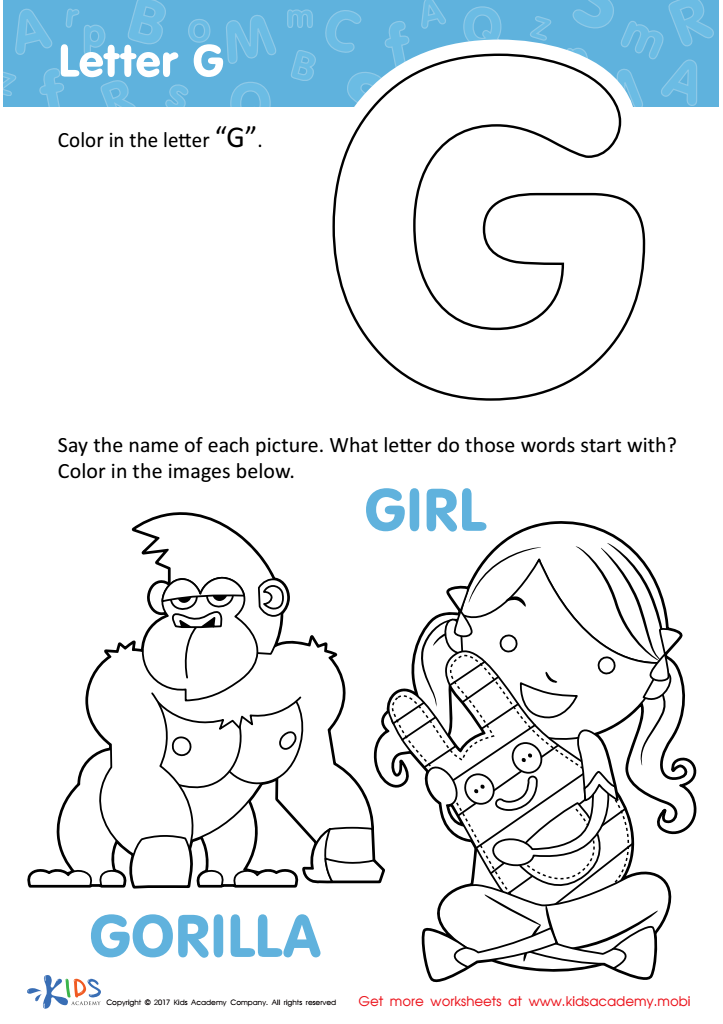
Letter G Coloring Sheet
 Assign to My Students
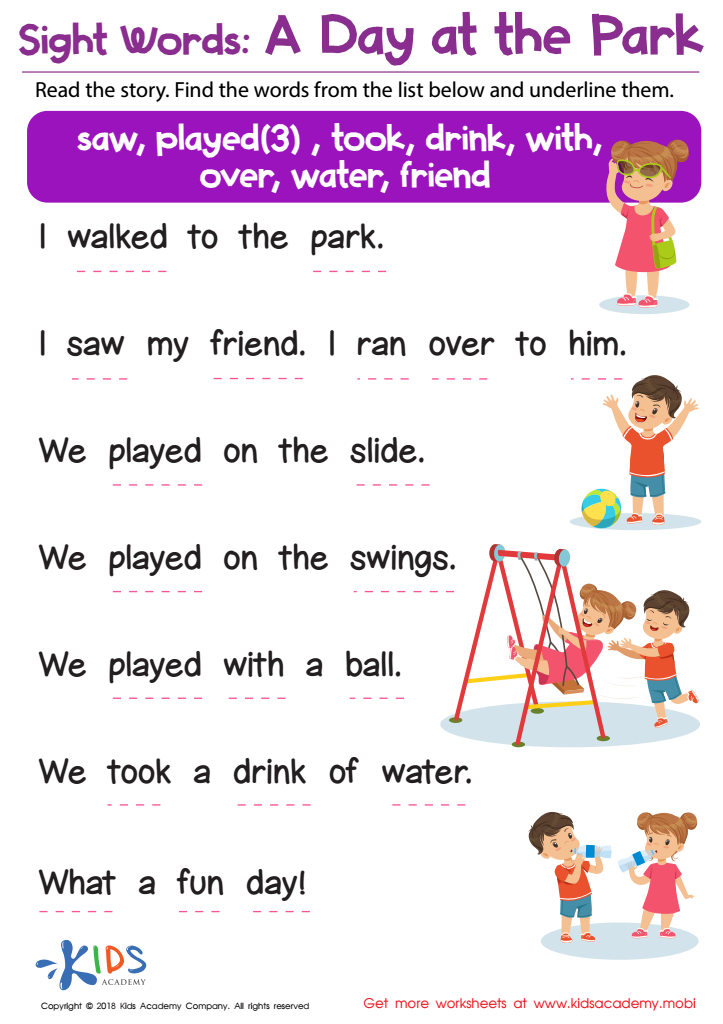
Sight Words: A Day at the Park Worksheet
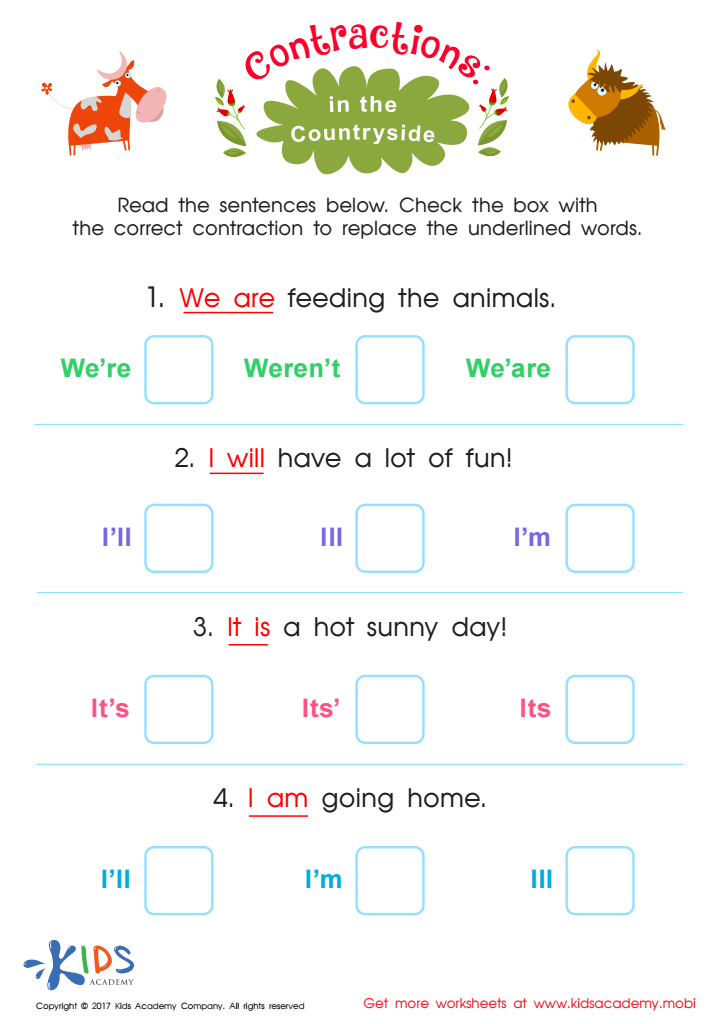
Contractions: In the Countryside Worksheet
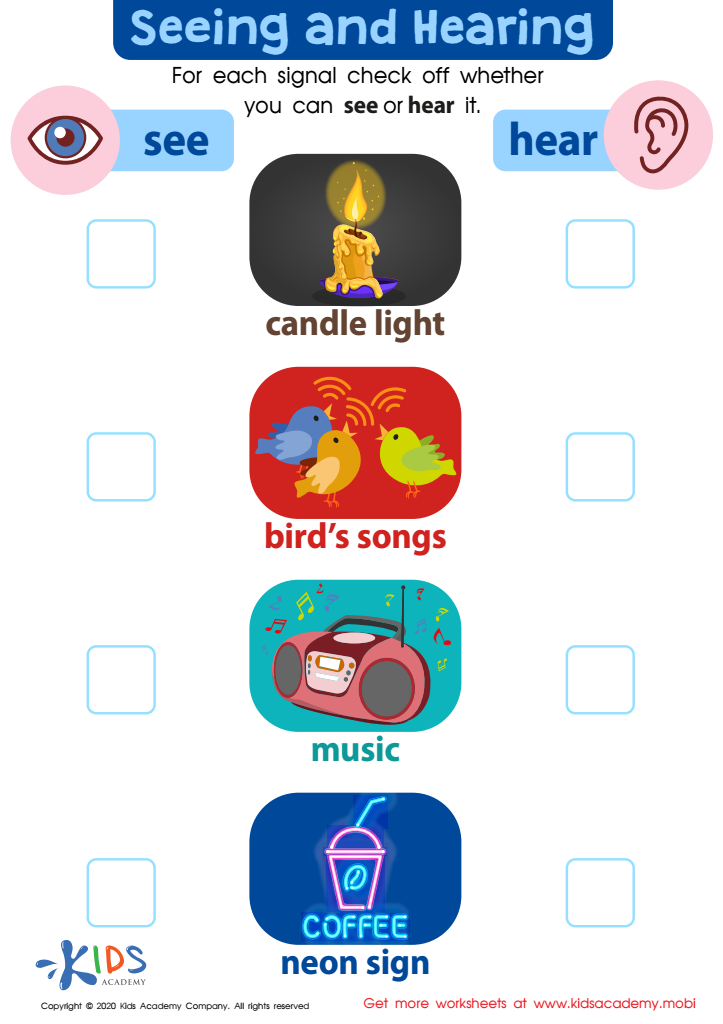
Seeing and Hearing Worksheet
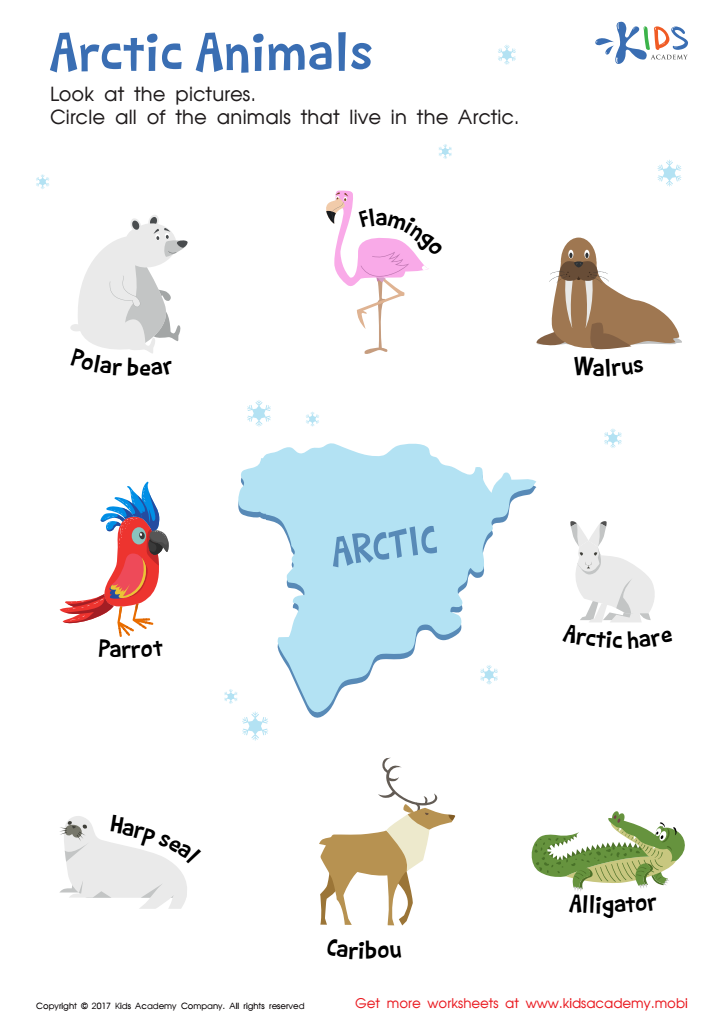
Arctic Animals Worksheet
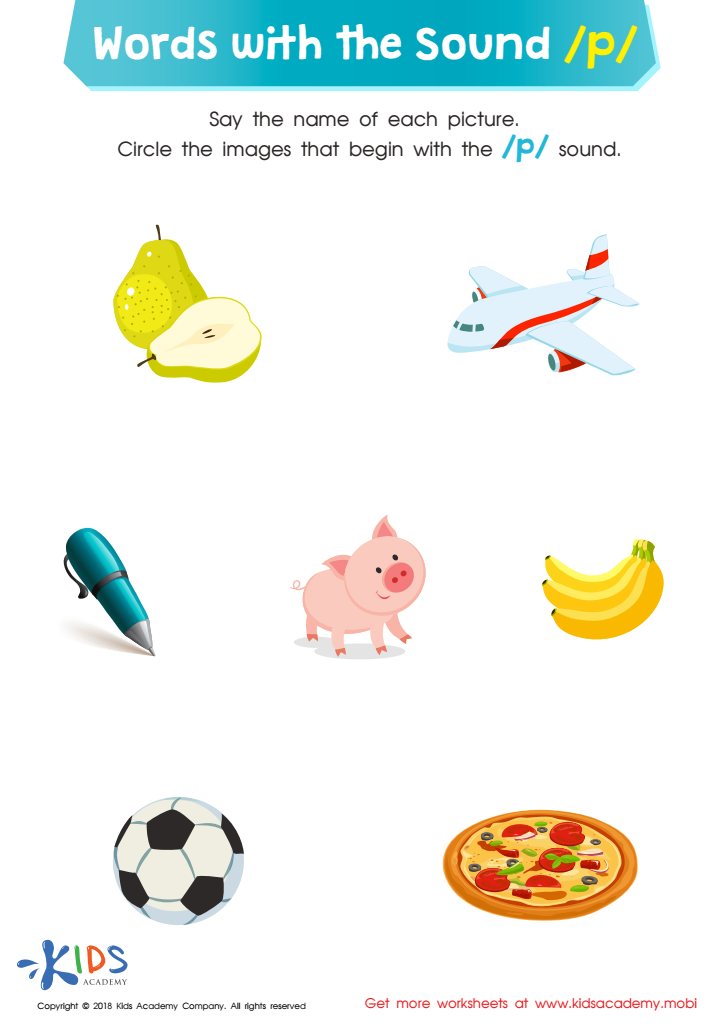
Words with sound p Reading Worksheet
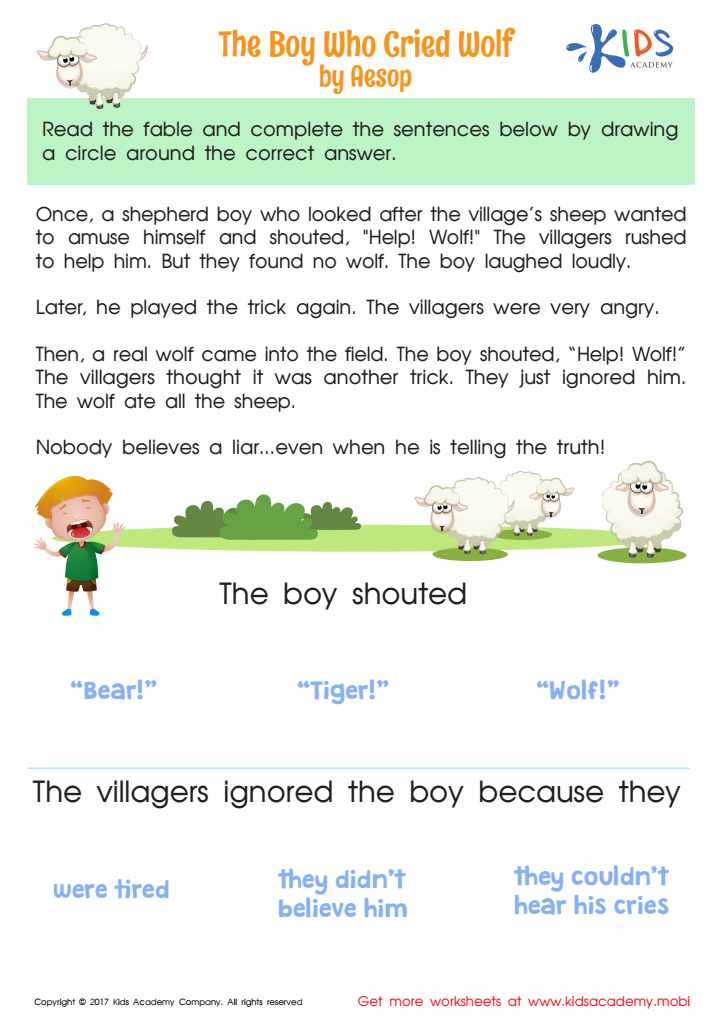
The Boy Who Cried Wolf Worksheet
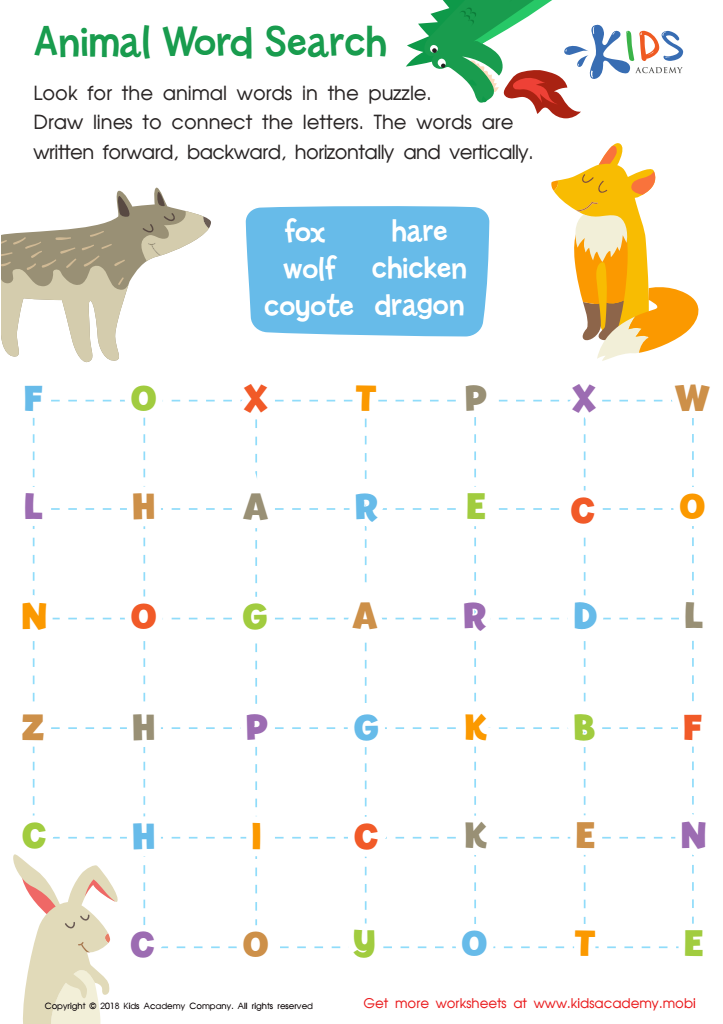
Animal Word Search Worksheet








Vocabulary building in children aged 3-7 is fundamentally important and warrants the attention of both parents and teachers for several reasons. Firstly, this period is crucial for language development, forming the foundation for effective communication skills. During these formative years, children rapidly acquire new words, which helps them express their thoughts, needs, and emotions clearly.
Secondly, a rich vocabulary enhances comprehension. When children understand more words, they can better grasp stories, instructions, and information, which is critical for early literacy. This understanding lays the groundwork for future academic success, as reading is integral across all subjects.
Moreover, cognitive development is impacted by vocabulary acquisition. Knowing more words enables children to think more complexly and vividly. It supports their ability to categorize, recall experiences, and make connections between ideas, enhancing problem-solving skills.
Socially, a well-developed vocabulary helps children interact more effectively with peers and adults. It's critical for participating in classroom activities, making friends, and understanding social cues, which are all key for social-emotional development.
By prioritizing vocabulary building, parents and teachers not only support academic achievement but also equip children with the tools necessary for lifelong learning and personal growth. Through consistent engagement, conversation, and reading, adults can significantly bolster a child's language skills during this pivotal stage.








