Cognitive Development Normal 2D Shapes Worksheets for Ages 3-7
5 filtered results
-
From - To
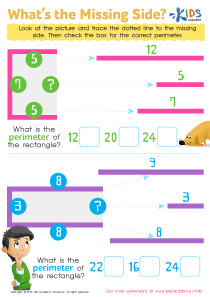
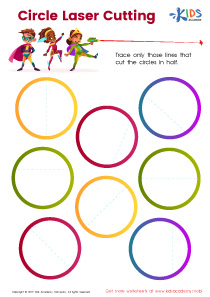
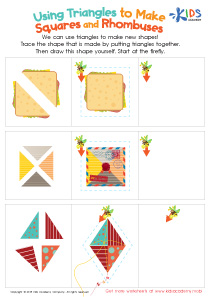
Introduce young learners to the fascinating world of shapes with our Cognitive Development Normal 2D Shapes Worksheets, designed specifically for ages 3-7. These fun, engaging activities help kids recognize and differentiate between circles, squares, triangles, and other basic shapes. By coloring, tracing, and matching shapes, children enhance their cognitive skills, including memory, attention, and problem-solving abilities. Ideal for both classroom settings and at-home practice, these worksheets lay a strong foundation in early math skills, setting the stage for future success in more complex concepts. Foster your child's cognitive growth with our expertly crafted resources!
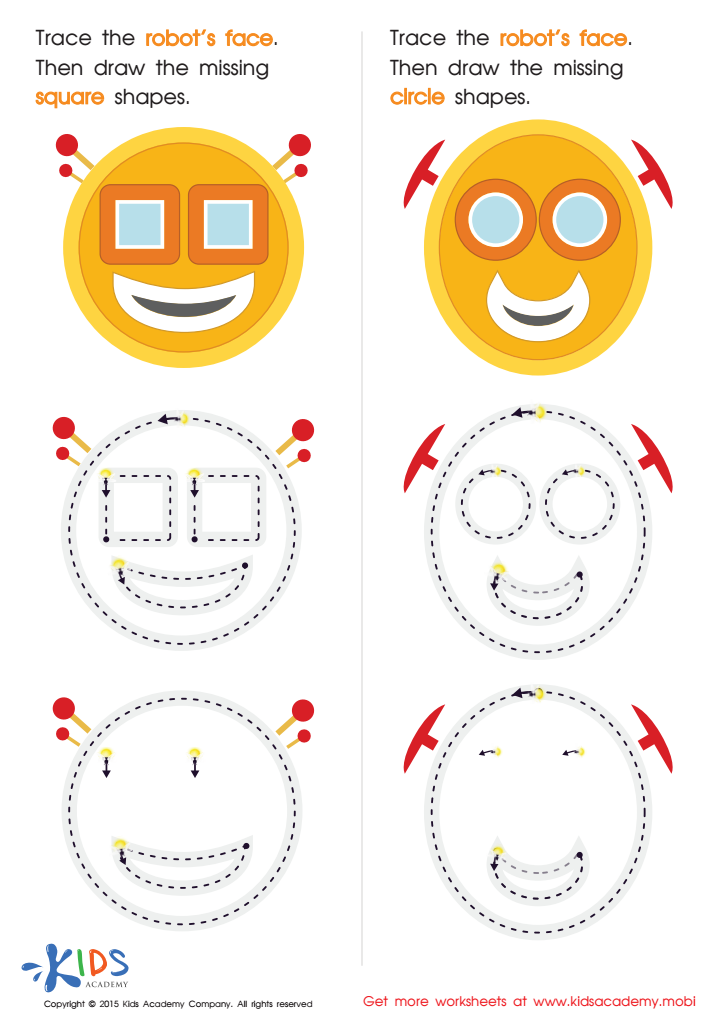
Practicing to Draw Circles And Squares Printable
 Assign to My Students


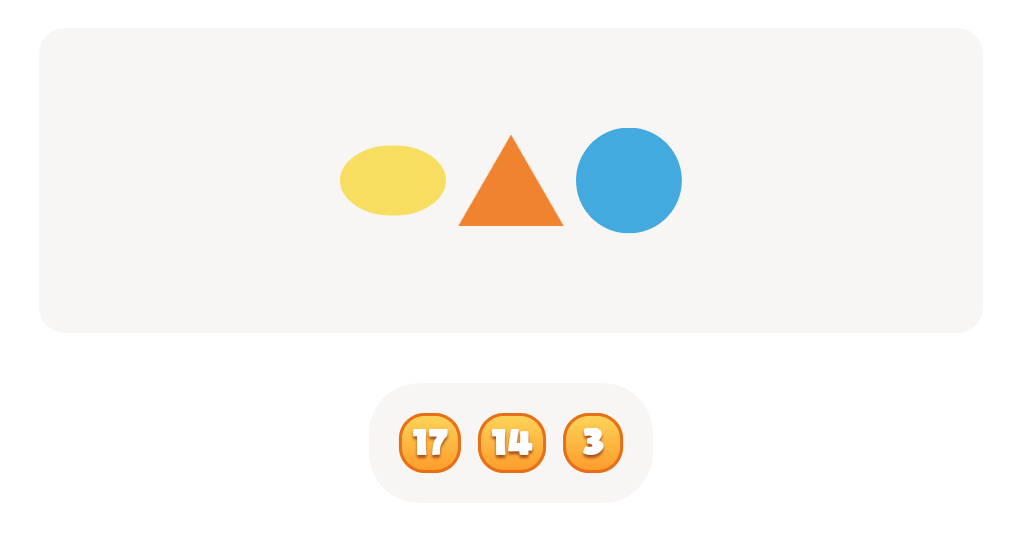
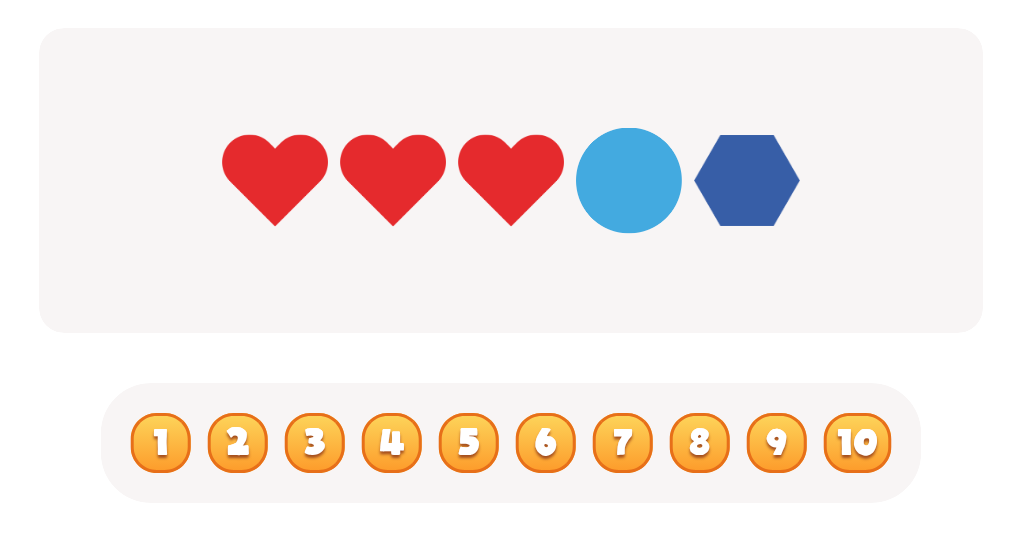
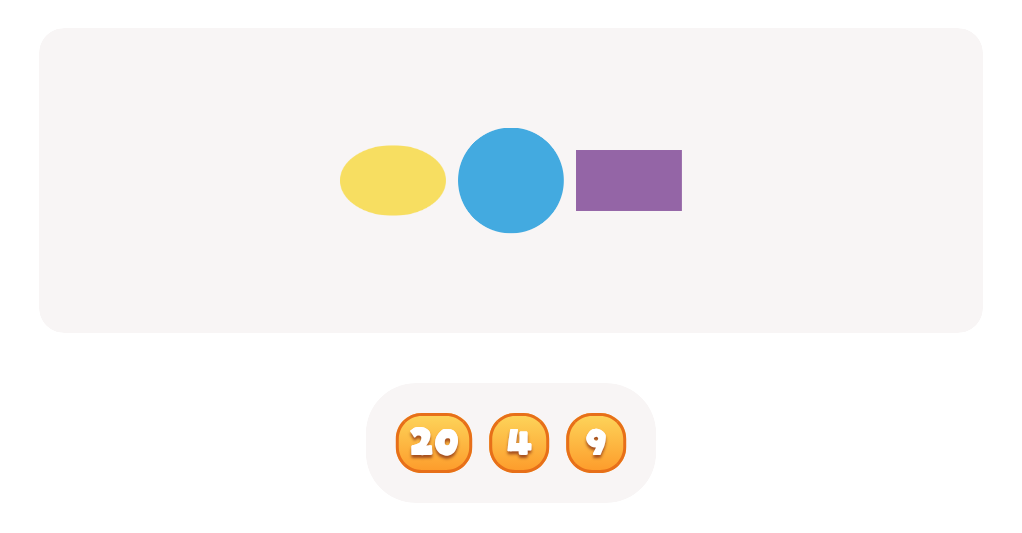
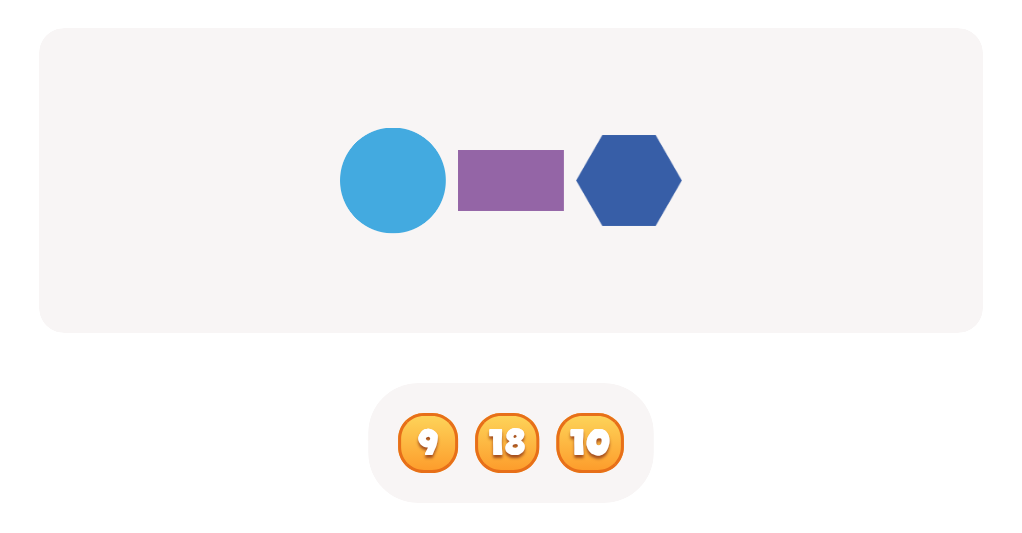
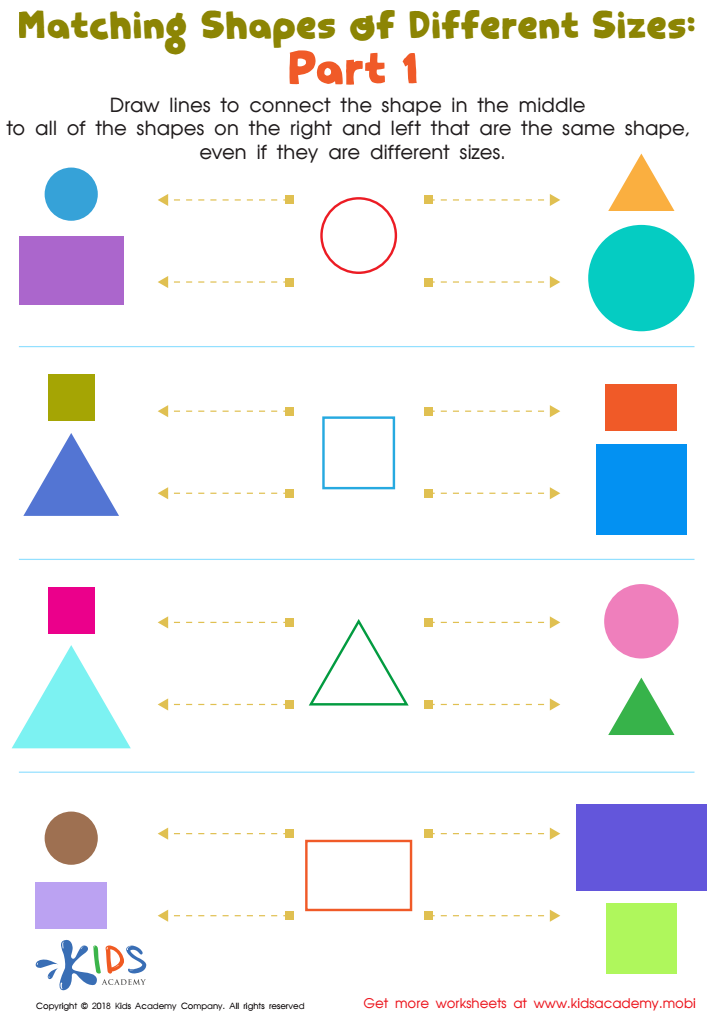
Geometry: part 1 Worksheet
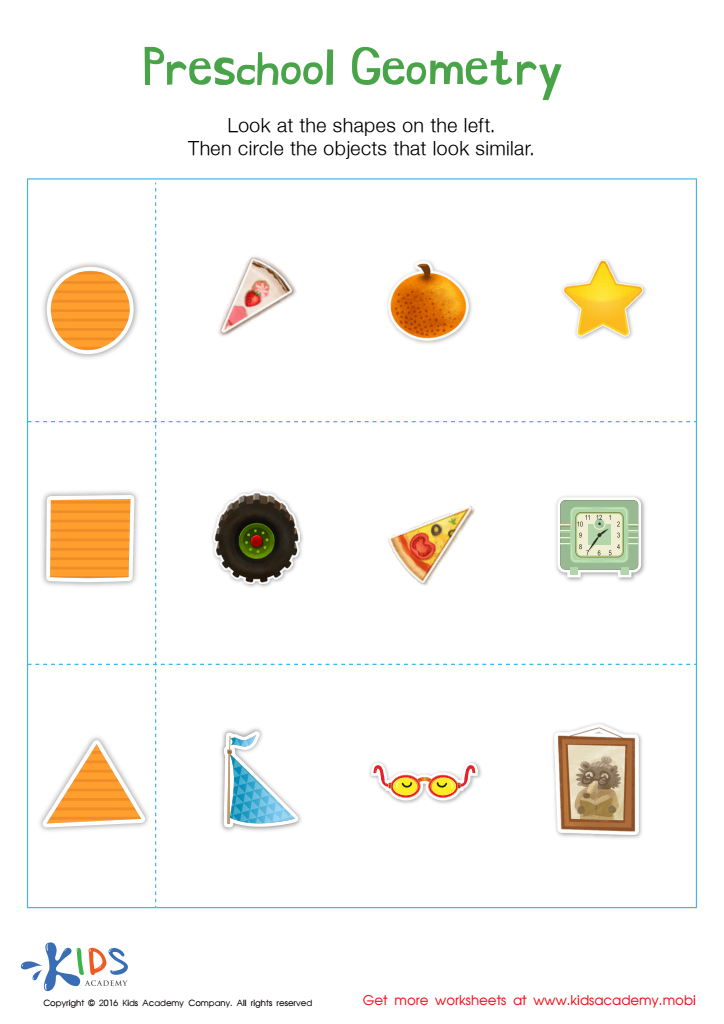
Preschool Geometry Match Up Worksheet
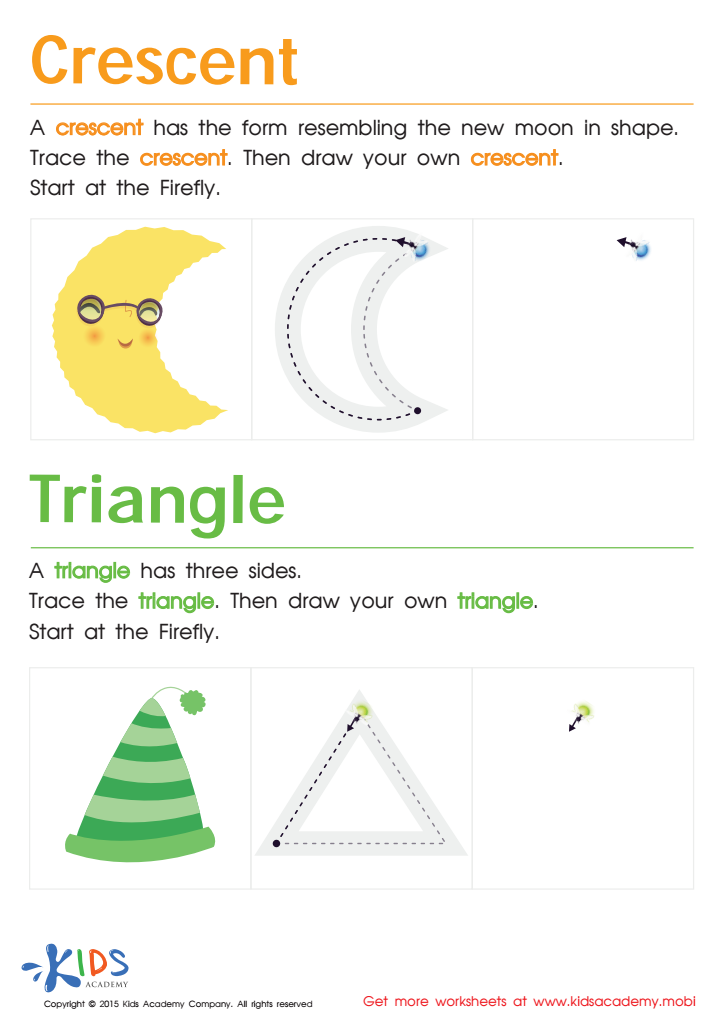
Learning to Draw Crescents And Triangles Worksheet
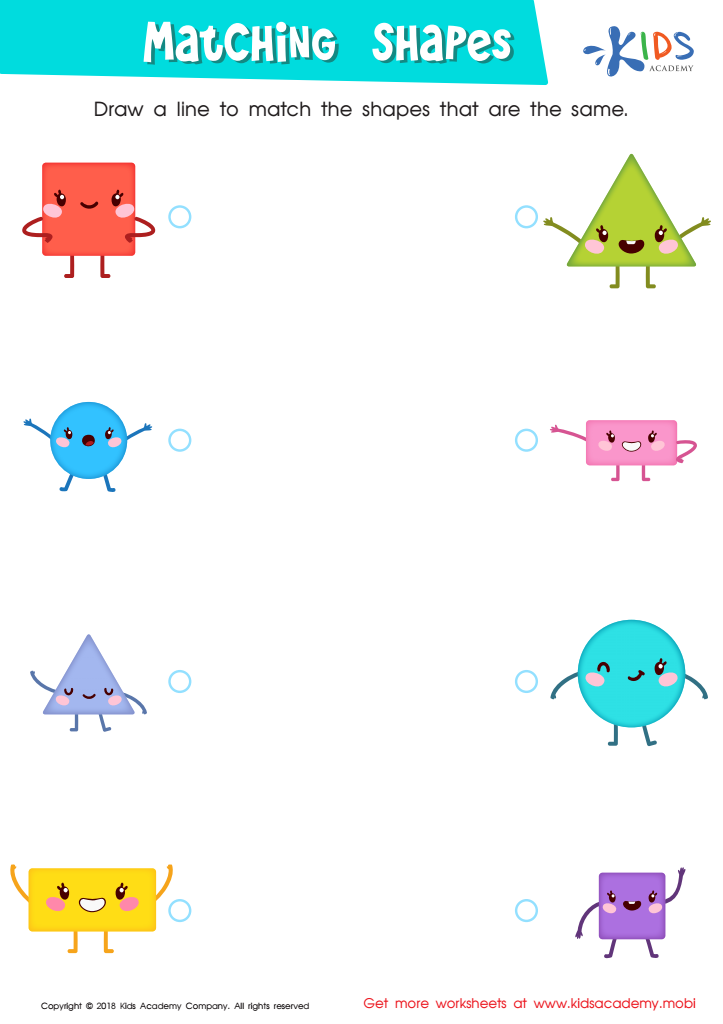
Matching Shapes Worksheet








Cognitive development during the ages of 3-7 is crucial as it forms the foundation for future abstract thinking, learning, and problem-solving skills. At this stage, focusing on normal 2D shapes like circles, squares, and triangles can be incredibly beneficial for children. Firstly, understanding these shapes aids in geometric cognition, a fundamental aspect of mathematics that will be pivotal in their later school years. Recognizing shapes also helps children identify and categorize objects in their environment, fostering their observational and analytical skills.
Moreover, 2D shapes serve as building blocks for more complex concepts. For example, by linking shapes to real-world objects, kids learn how different forms create structures and patterns, which enhances spatial awareness. This awareness is not only critical for subjects like science and art but also in understanding everyday problem-solving.
Incorporating play-based learning with shapes can significantly bolster children's enthusiasm and engagement, nurturing both cognitive and emotional development. Activities such as drawing, sorting, and pattern games not only build motor skills but also spark creativity and imagination. Through these interactions, children learn collaborative skills, language development (as they name and describe shapes), and even basic reasoning skills.
Therefore, parents and teachers should prioritize cognitive development with 2D shapes to build a strong, versatile foundation for a child’s overall intellectual growth.