Critical Thinking Normal 2D Shapes Worksheets for Ages 3-7
5 filtered results
-
From - To
Enhance your child’s critical thinking skills with our engaging Normal 2D Shapes Worksheets, designed for ages 3-7. These worksheets make learning fun while helping young learners explore essential geometry concepts. Each activity encourages critical analysis through shape identification, comparison, and pattern recognition. Your young learners will develop cognitive skills as they engage with vibrant visuals and stimulating challenges. Perfect for both classroom and home environments, our worksheets provide a valuable resource for early educators and parents dedicated to fostering creativity and analytical thinking in their children. Discover the joy of learning with our interactive and educational 2D shapes worksheets today!
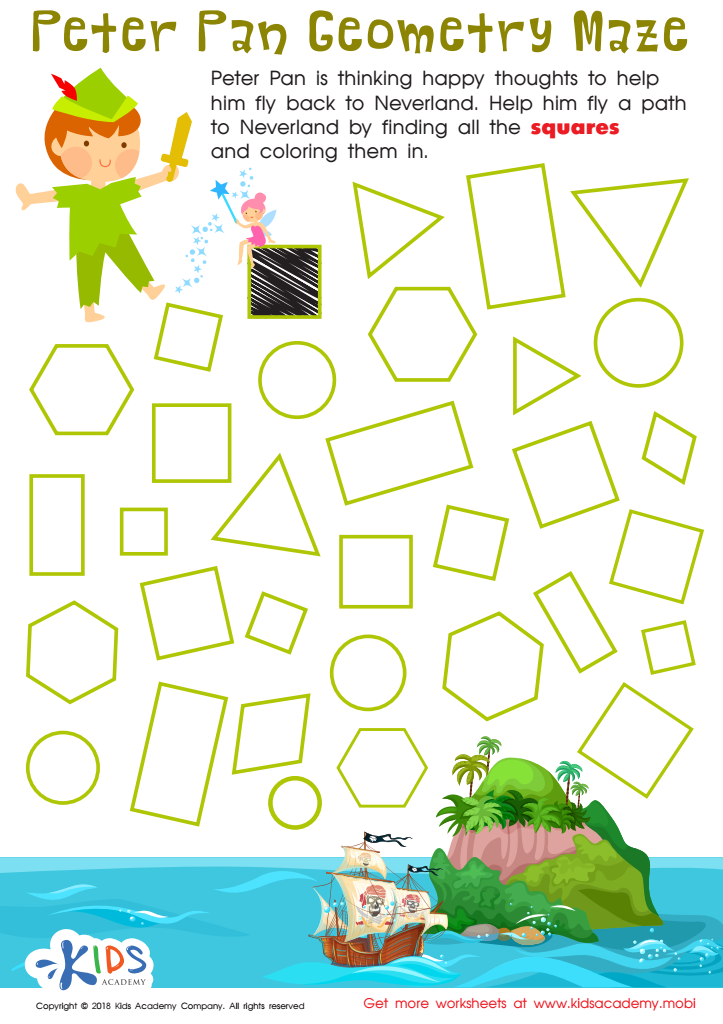
Peter Pan Worksheet
 Assign to My Students

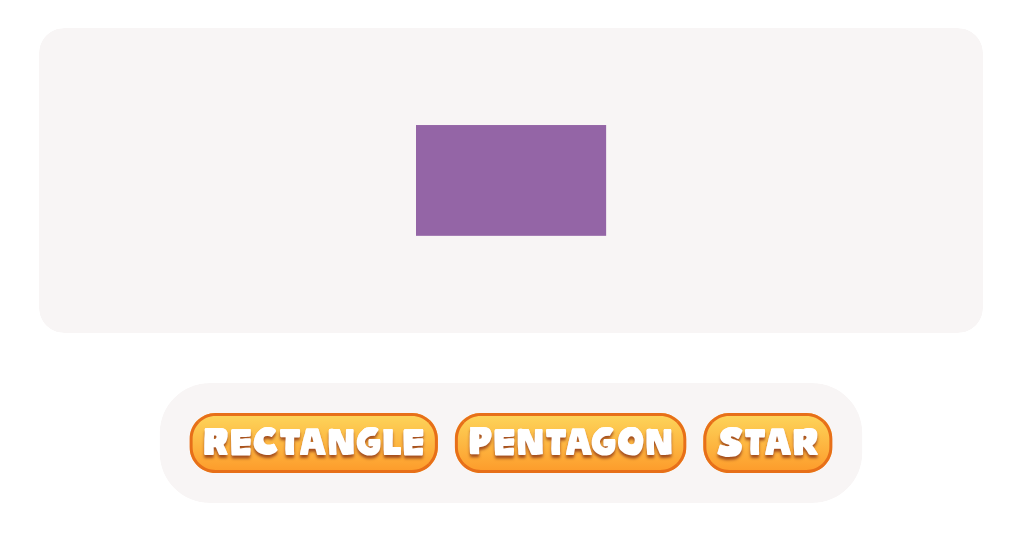
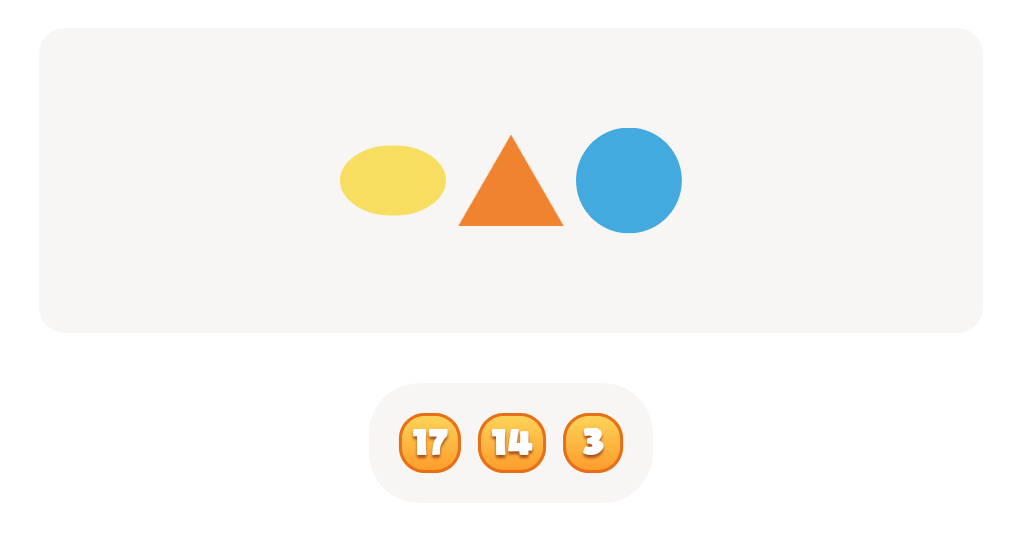
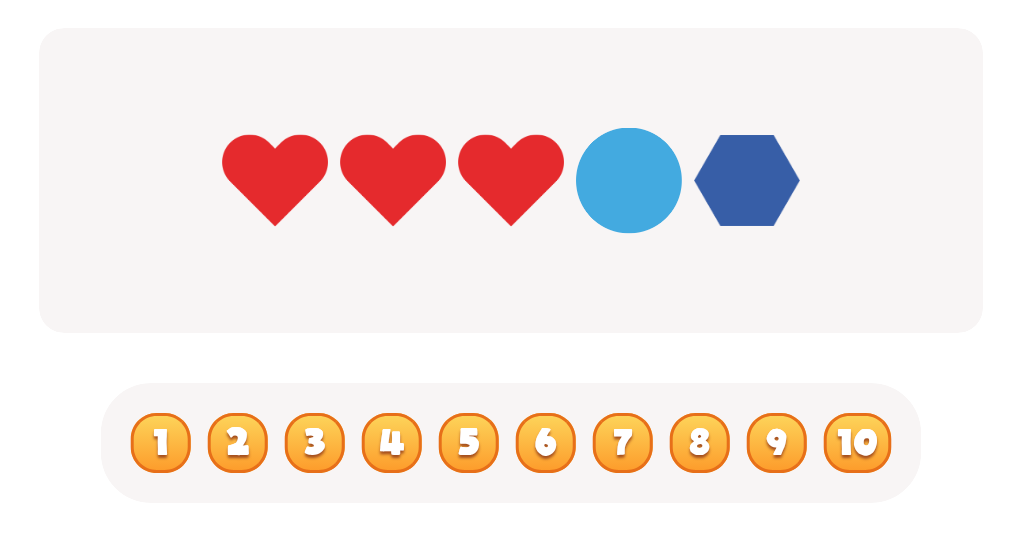
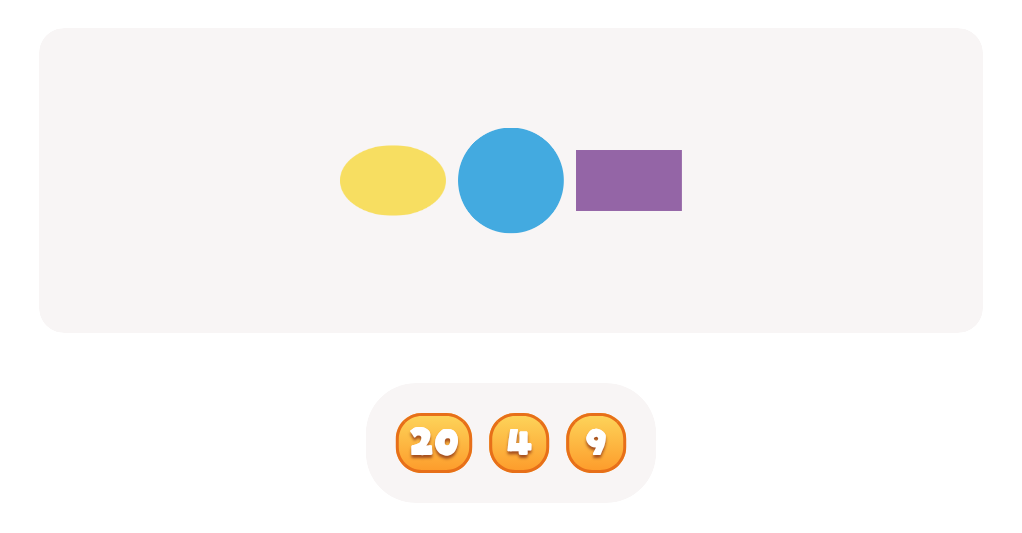
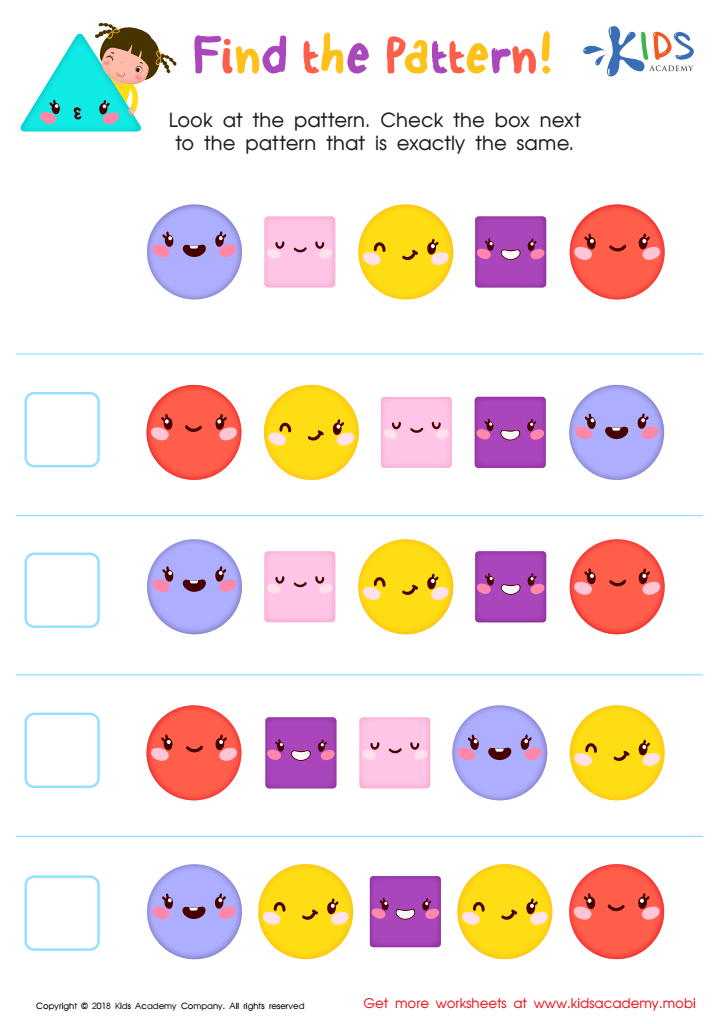
Find the Pattern Worksheet
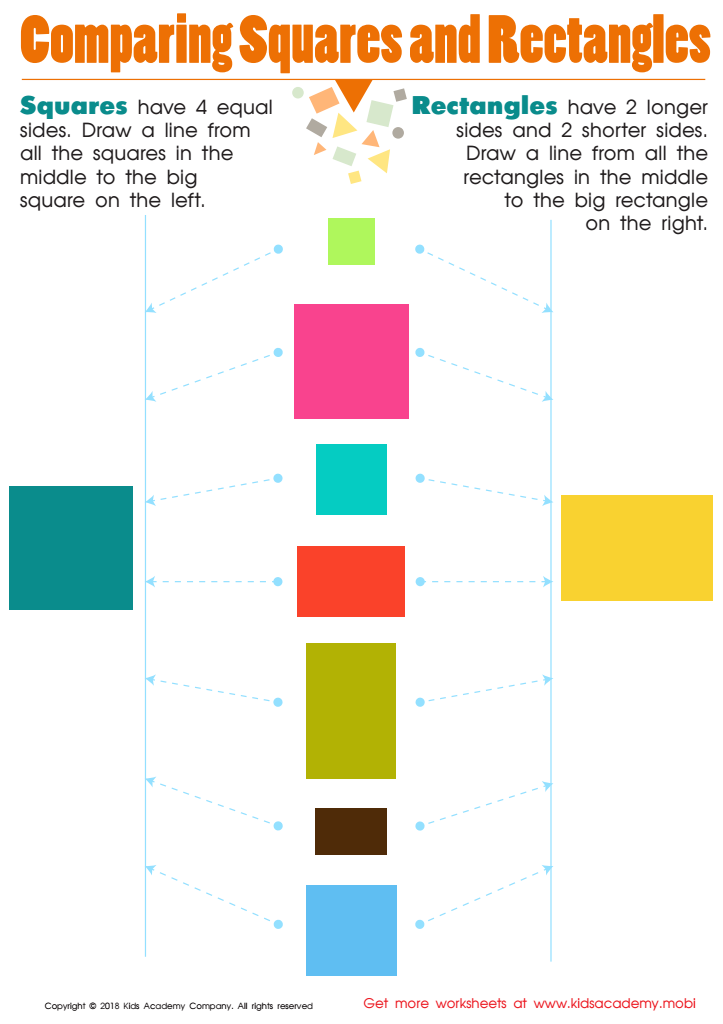
Comparing Squares Rectangles Worksheet
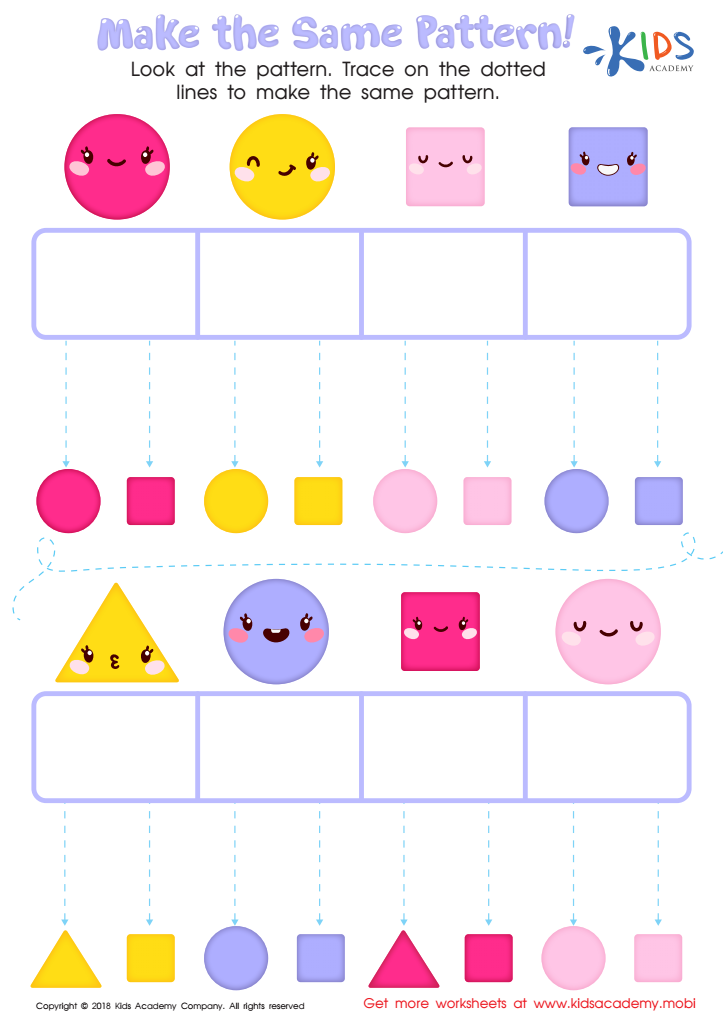
Make the Same Pattern Worksheet
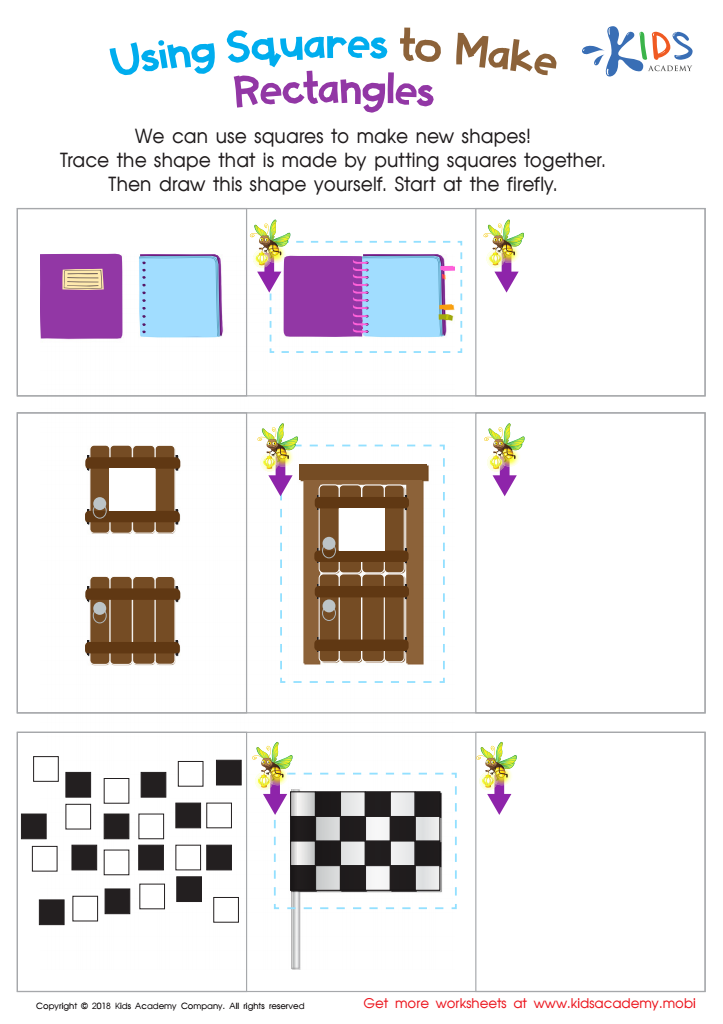
Using Squares to Make Rectangles Worksheet








Critical thinking skills are essential for young learners, particularly in early childhood education where foundational concepts are developed. Teaching children about 2D shapes not only introduces them to geometry but also enhances their critical thinking abilities. Engaging with normal 2D shapes—such as squares, circles, and triangles—allows children to analyze, compare, and categorize objects. This crucial cognitive process helps them understand relationships between different shapes and their properties.
As children manipulate, observe, and interact with shapes, they enhance their observational skills and learn to approach problems creatively. For instance, when children sort shapes based on size or color, they practice making decisions based on criteria and justifying their choices, which strengthens logical reasoning skills.
Furthermore, understanding 2D shapes plays a significant role in developing spatial awareness, which is vital for future math concepts. Parents and teachers who nurture critical thinking through shape activities empower learners to become independent thinkers who are proficient at problem-solving.
By fostering early critical thinking skills centered around 2D shapes, parents and educators set a solid foundation for lifelong learning, encouraging children to explore and gracefully navigate the complexities of the world around them.