Filters

438 filtered results

Clear all filters
Favorites
With answer key
Interactive

438 filtered results

Difficulty Level

Grade


Subject

    Check out this FREE Trial Lesson on Math for age 3-7!

    Counting to 120 Starting at Any Number

    Favorites
    With answer key
    Interactive
    • 3-7
    • Math
    • Normal
    Empty or Full? Worksheet
    Empty or Full? Worksheet

    Empty or Full? Worksheet

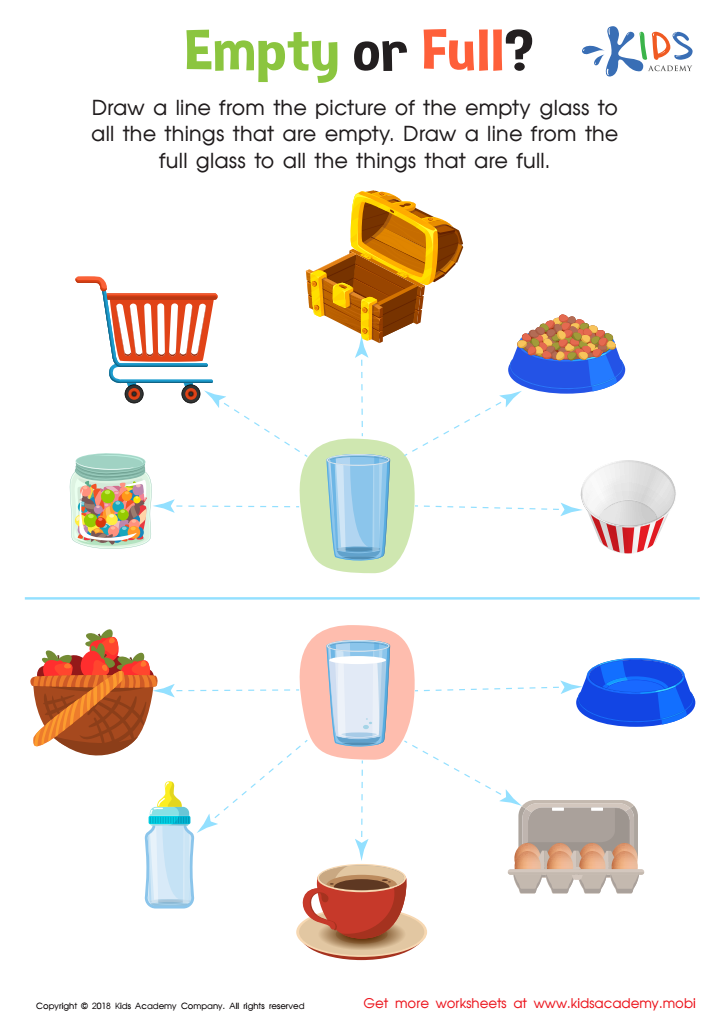
    Let students get to grips with the concepts of empty and full with this PDF worksheet. It uses fun, bright pictures to help them comprehend the difference and also helps develop fine-motor skills with tracing lines. Kids will be proud of themselves as they get answers right!
    Empty or Full? Worksheet
    Worksheet
    Ben Franklin’s Inventions – Count to 120 Worksheet
    Ben Franklin’s Inventions – Count to 120 Worksheet

    Ben Franklin’s Inventions – Count to 120 Worksheet

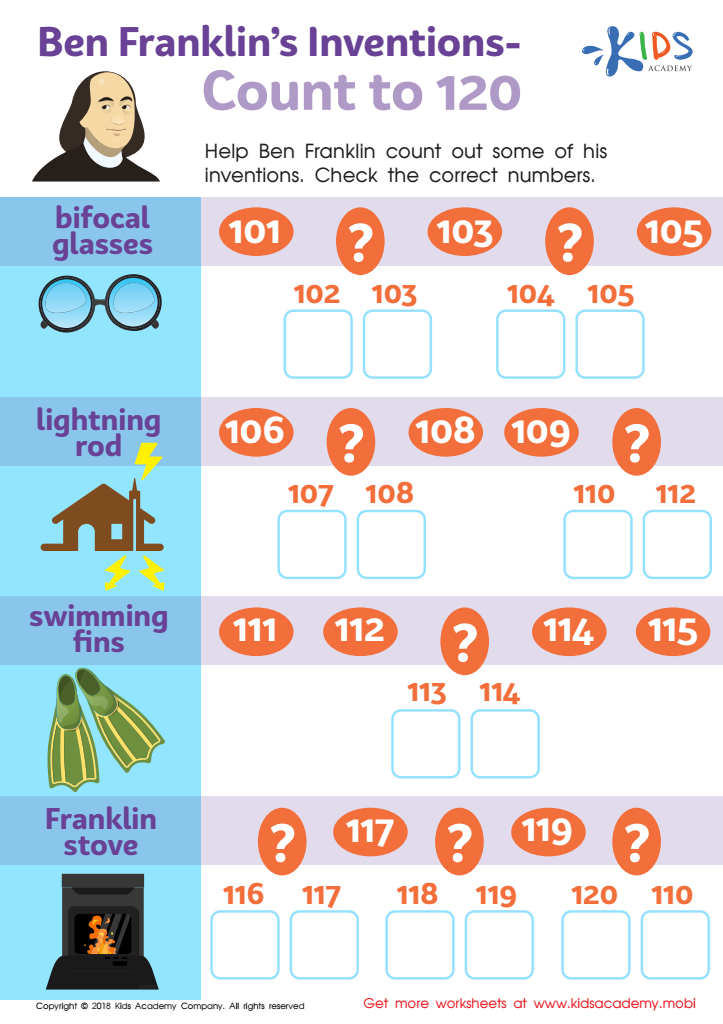
    Benjamin Franklin is a significant figure in US history. He invented objects we use daily. If your child is interested in object history and invention, they'll love this worksheet. See if they can help Mr Franklin count his inventions and check their answers. It's a simple and enjoyable task!
    Ben Franklin’s Inventions – Count to 120 Worksheet
    Worksheet
    Time to Catch the Train Part 2 Worksheet
    Time to Catch the Train Part 2 Worksheet

    Time to Catch the Train Part 2 Worksheet

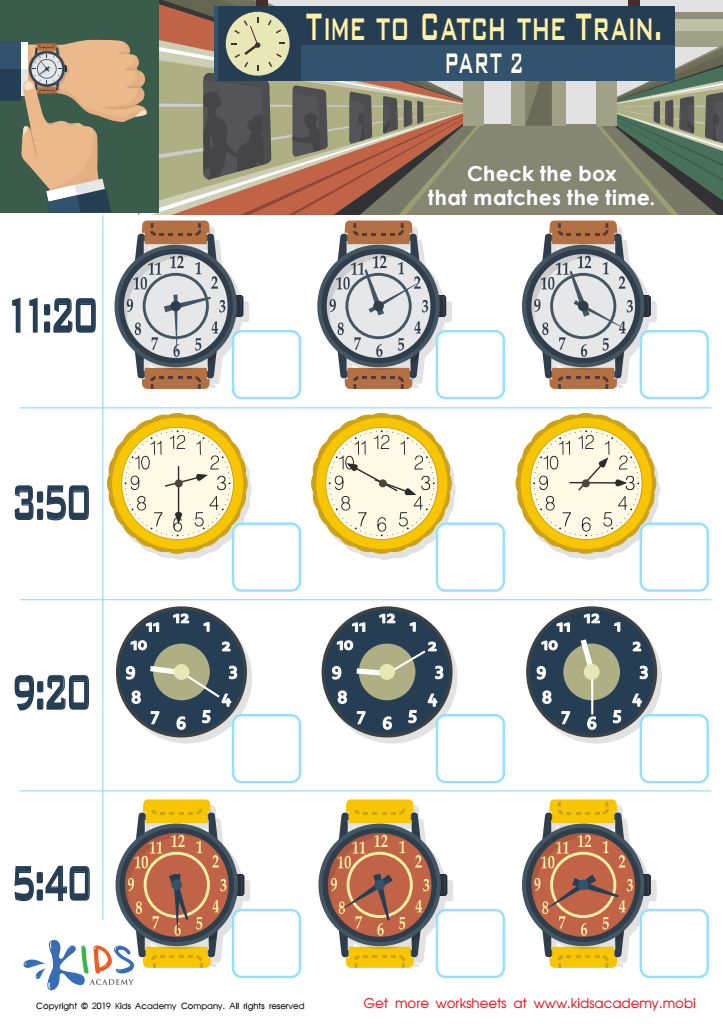
    Teach your kids the importance of telling time and how to do it. Explain that there are multiple ways to show the time, such as written on the left side or watches in the picture. Guide them to check the box that matches the time. Knowing the time is essential to get things done and create order. Ensure your kids understand this and they will reap the benefits.
    Time to Catch the Train Part 2 Worksheet
    Worksheet
    Animal Sanctuary Worksheet
    Animal Sanctuary Worksheet

    Animal Sanctuary Worksheet

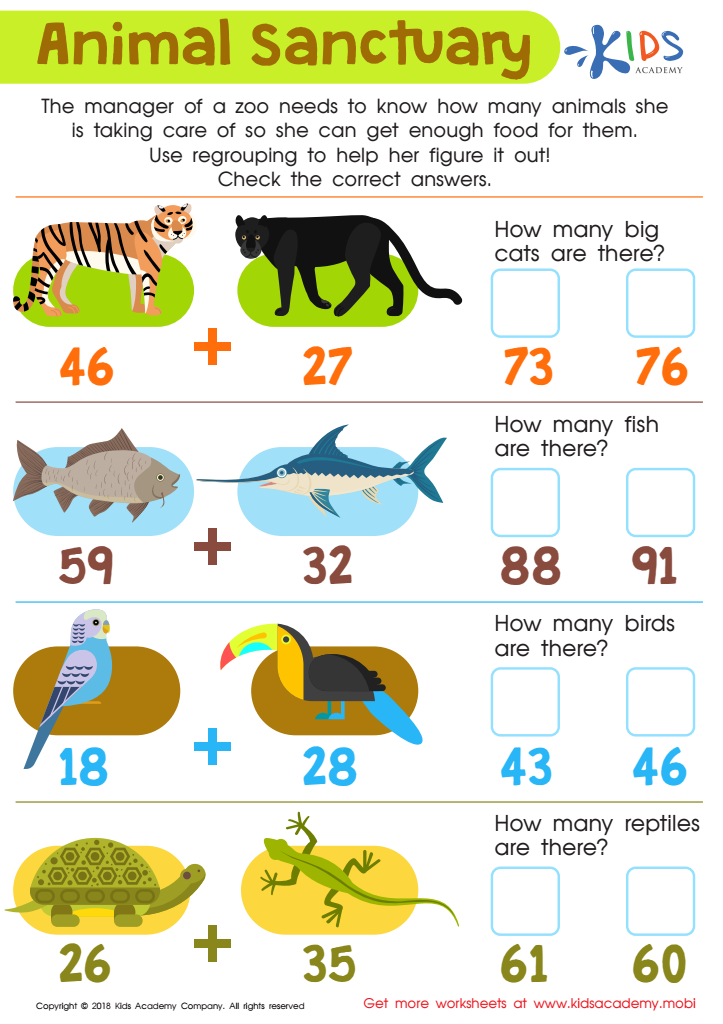
    Do your kids love visiting the zoo? Ask which animals they remember & which ones they liked the most. The manager needs help to get enough food for all the animals. Help your child use regrouping to figure out how many animals there are. And ask them to check the answers.
    Animal Sanctuary Worksheet
    Worksheet
    Sorting: Tallest to Shortest Worksheet
    Sorting: Tallest to Shortest Worksheet

    Sorting: Tallest to Shortest Worksheet

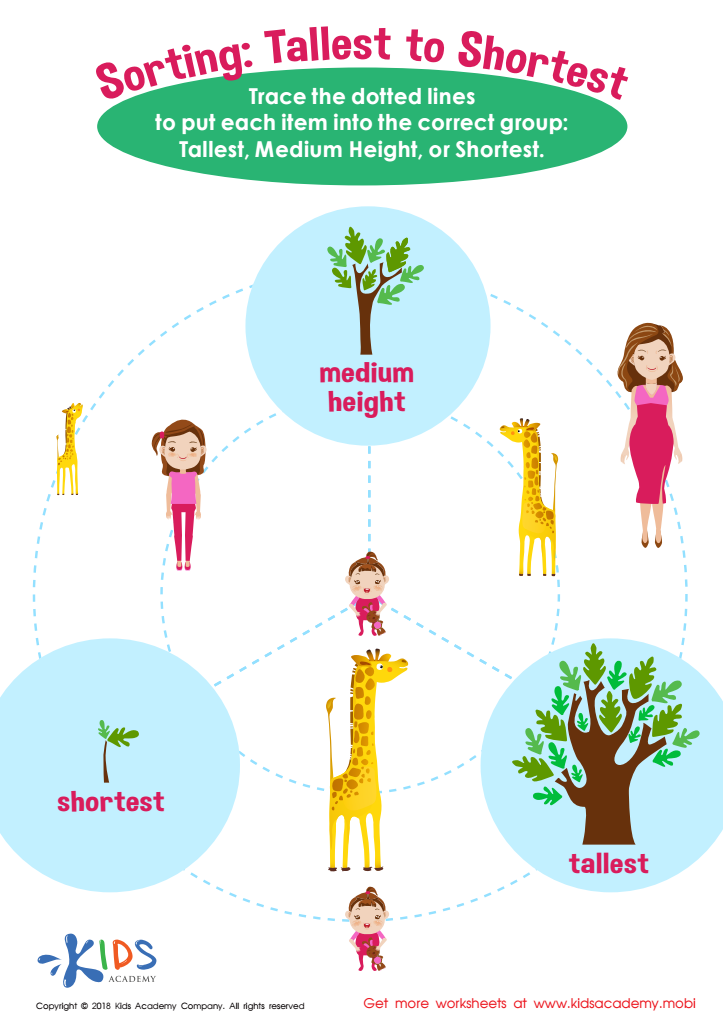
    This worksheet is great for preschoolers to practice foundational measurement skills. Traceable lines help them sort pictures into Tallest, Shortest and Medium categories, giving them concrete examples to compare. Fine motor skills and understanding of relationships between sizes are also developed - perfect for preparing them for larger measurement concepts.
    Sorting: Tallest to Shortest Worksheet
    Worksheet
    Exploring Outer Space Worksheet

    Exploring Outer Space Worksheet

    Exploring Outer Space Worksheet

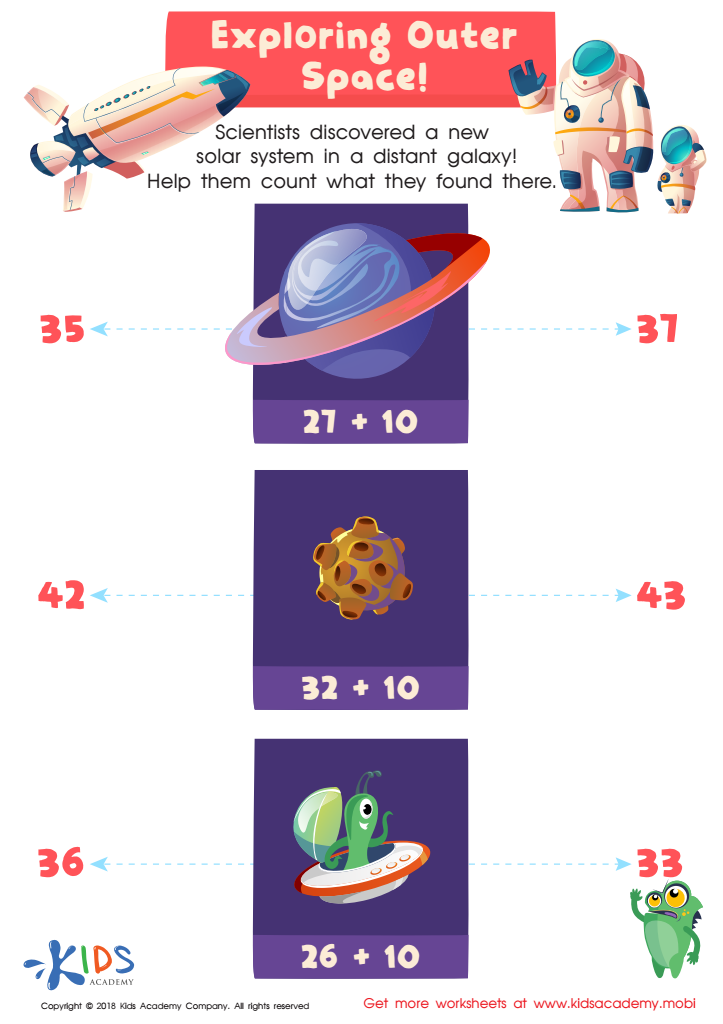
    Outer space is an intriguing world. Physics behave differently than on Earth, and much remains to be uncovered. In this worksheet, scientists have located a new solar system in a distant galaxy. Explain to your kids what these two things are, then have them help count the findings. Solve the math problems, then link the lines to the right answer.
    Exploring Outer Space Worksheet

    Worksheet


    ... 18 19

    Fostering an early appreciation and understanding of math in children aged 3-7 is crucial for several reasons. During these formative years, young minds exhibit remarkable plasticity, which means they are particularly receptive to learning foundational concepts. Engaging kids with normal math at this age cultivates problem-solving skills, logical reasoning, and critical thinking—abilities essential for their overall cognitive development.

    Parents and teachers should also recognize that early exposure to math concepts such as counting, shapes, patterns, and basic arithmetic builds a strong framework for more advanced mathematical learning in later years. A positive early encounter with math can spark curiosity and confidence, turning math into an enjoyable exploration rather than a daunting task. When math is integrated into daily activities unnoticed, like counting toys or creating shape-based art, children start to see it as a natural part of their world rather than a chore.

    Equipping young learners with these skills also prepares them for the academic challenges ahead, improving their readiness for school and contributing to sustained academic success. Finally, in an increasingly data-driven world, early math education instills a foundation for future competence that transcends pure mathematics, fostering a generation of capable, analytical thinkers. In essence, caring about normal math from ages 3-7 lays the groundwork for a lifetime of learning and curiosity.