Shape Recognition Normal Geometry Worksheets for Ages 3-7 - Page 2
26 filtered results
-
From - To
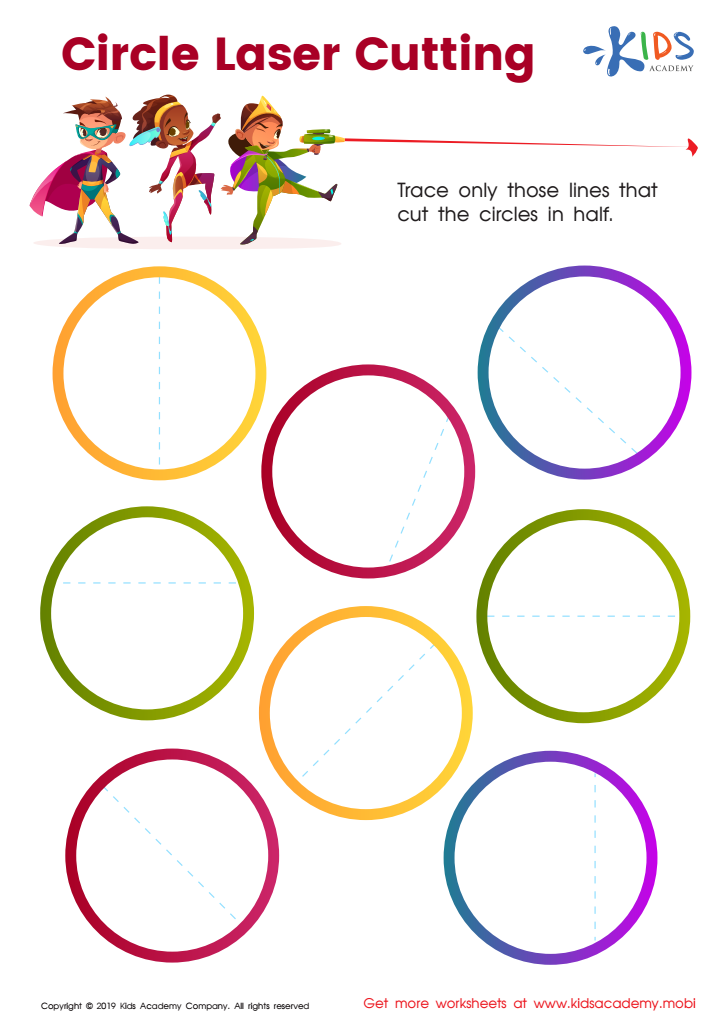
Circle Laser Cutting Worksheet
 Assign to My Students











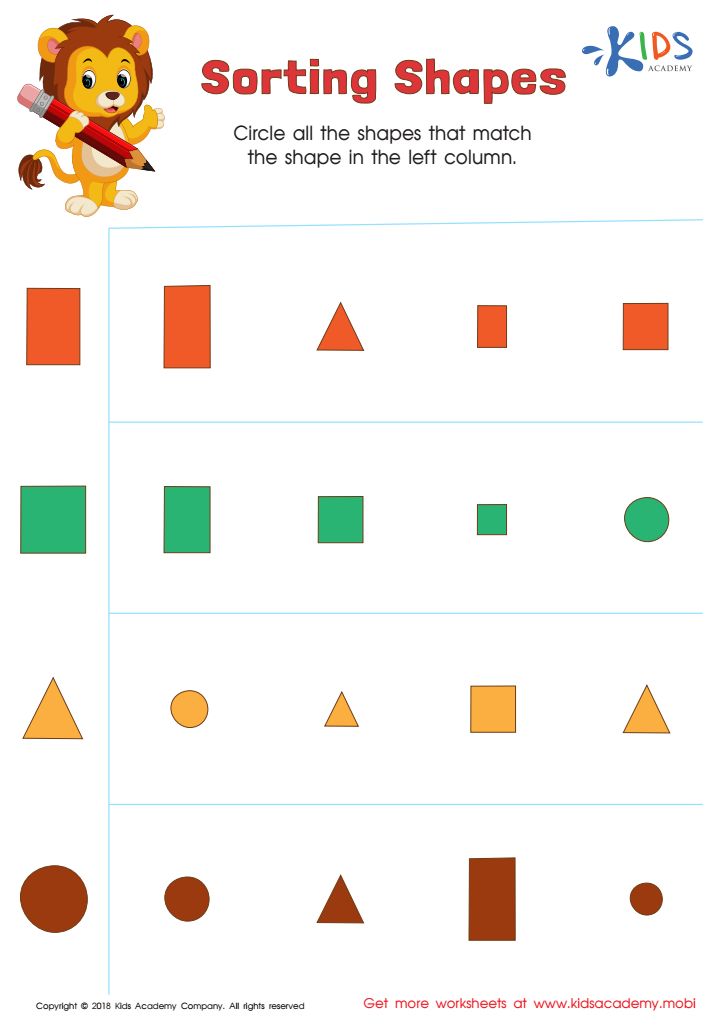
Sorting Shapes - Part 2 Worksheet








Shape recognition is a crucial aspect of early childhood education, particularly for children ages 3-7. At this stage, children are naturally curious, and fostering their understanding of shapes lays the groundwork for their cognitive development. Shape recognition helps enhance spatial awareness, which is vital for later learning in math, science, and art.
Understanding shapes aids in the development of problem-solving skills as children learn to identify and classify objects in their environment. This skill fosters analytical thinking, enabling them to relate different concepts, like how shapes relate to real-world objects. Additionally, shape recognition plays an essential role in literacy development, as many letters and numbers have distinct geometric forms.
From a social-emotional perspective, learning about shapes can boost a child's confidence as they master identifying and working with them. Creative activities involving shapes, like arts and crafts, can encourage collaboration among peers, promoting social skills.
Teachers and parents can integrate shape recognition through interactive games, everyday conversations, and creative play. By prioritizing shape recognition in young learners, adults help build essential skills that will support academic success and overall development in various fields throughout their education.








