Developing math skills Normal Numbers Worksheets for Ages 3-7
6 filtered results
-
From - To
Discover our engaging "Developing Math Skills Normal Numbers Worksheets" designed specifically for children aged 3-7. These worksheets provide a fun and interactive way for young learners to master foundational math skills, including number recognition, counting, and basic arithmetic. With vibrant illustrations and age-appropriate activities, these resources foster a love for math while enhancing cognitive development. Perfect for both classroom and home learning, the worksheets cater to various learning styles, ensuring that each child can progress at their own pace. Empower your child’s learning journey with our comprehensive collection and watch their confidence in math blossom!
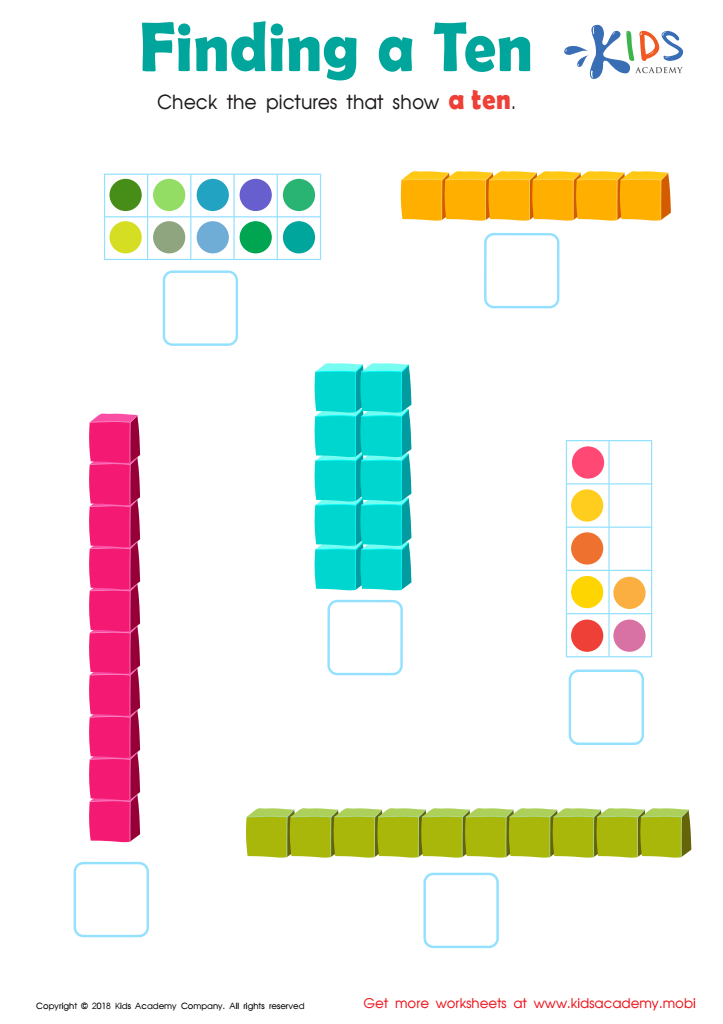
Finding a Ten Worksheet
 Assign to My Students
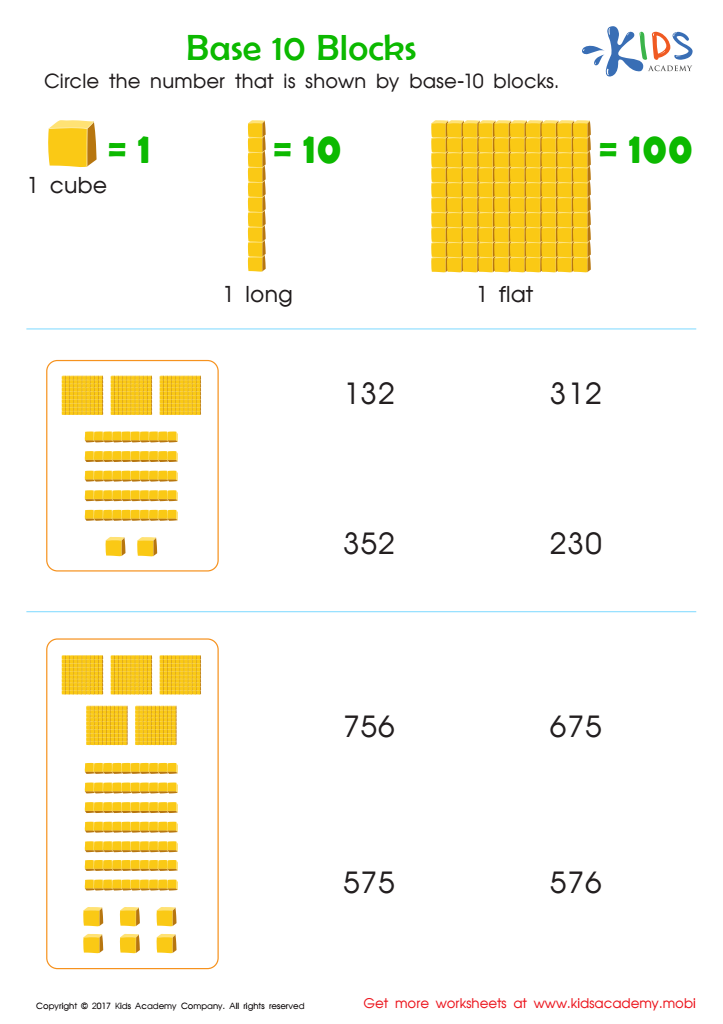
Base Ten Blocks Worksheet
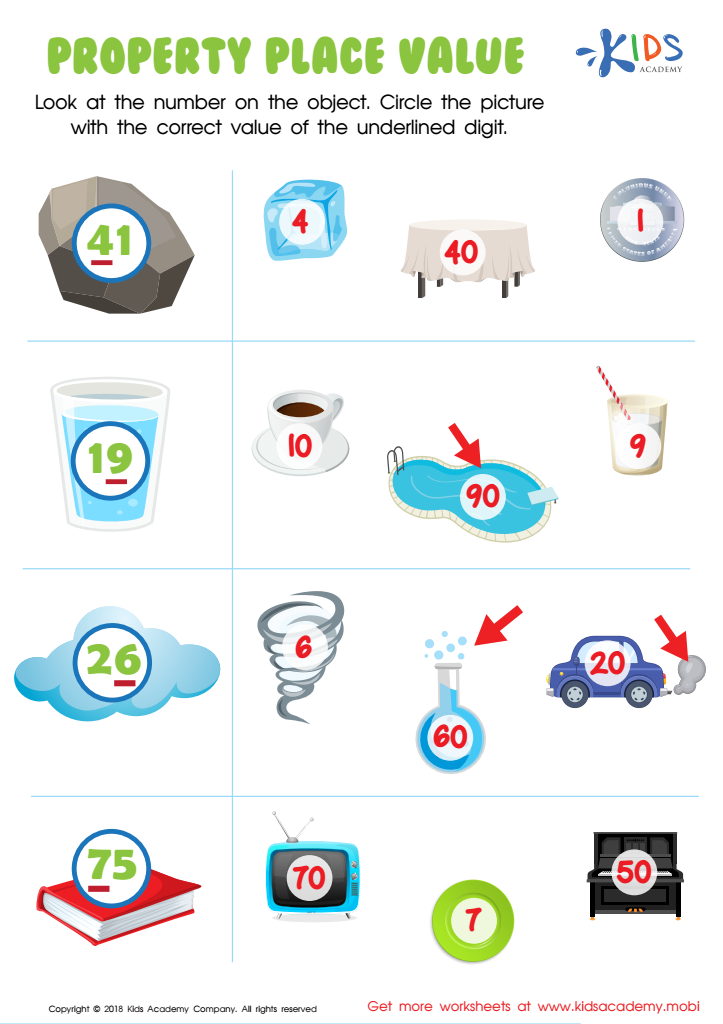
Property Place Value Worksheet
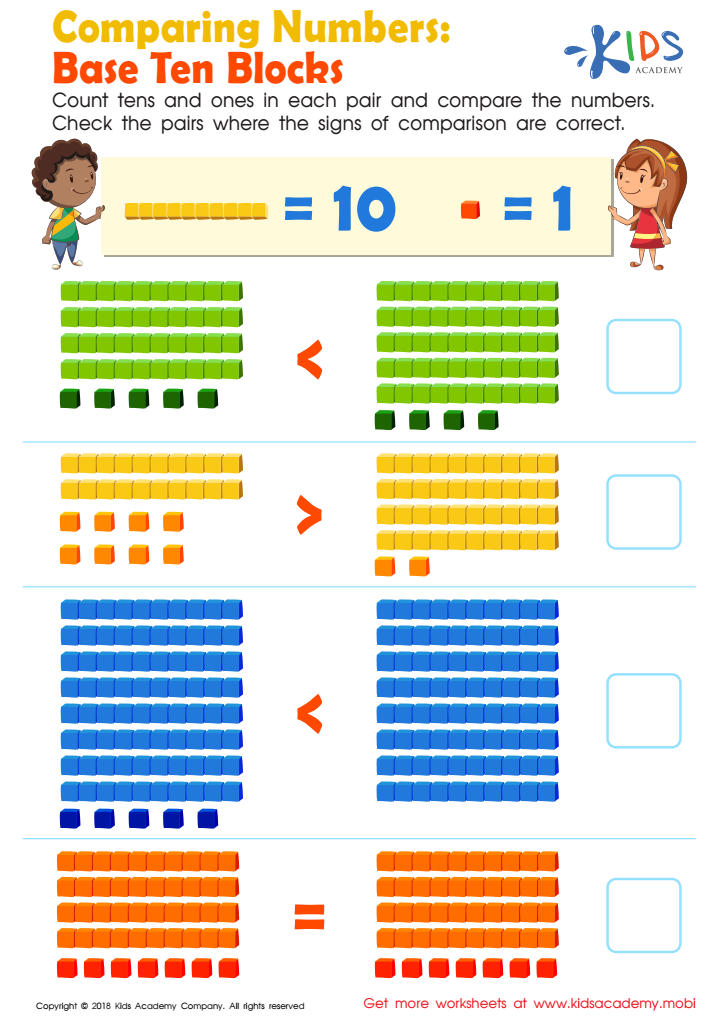
Comparing Numbers: Base Ten Blocks Worksheet
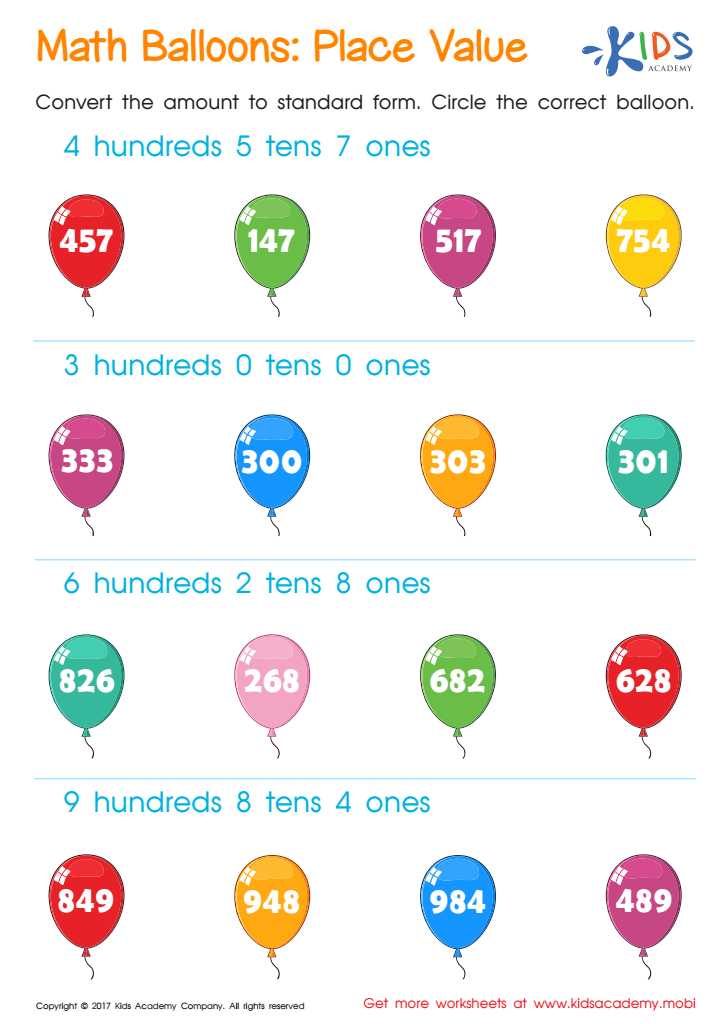
Place Value Printable Worksheet
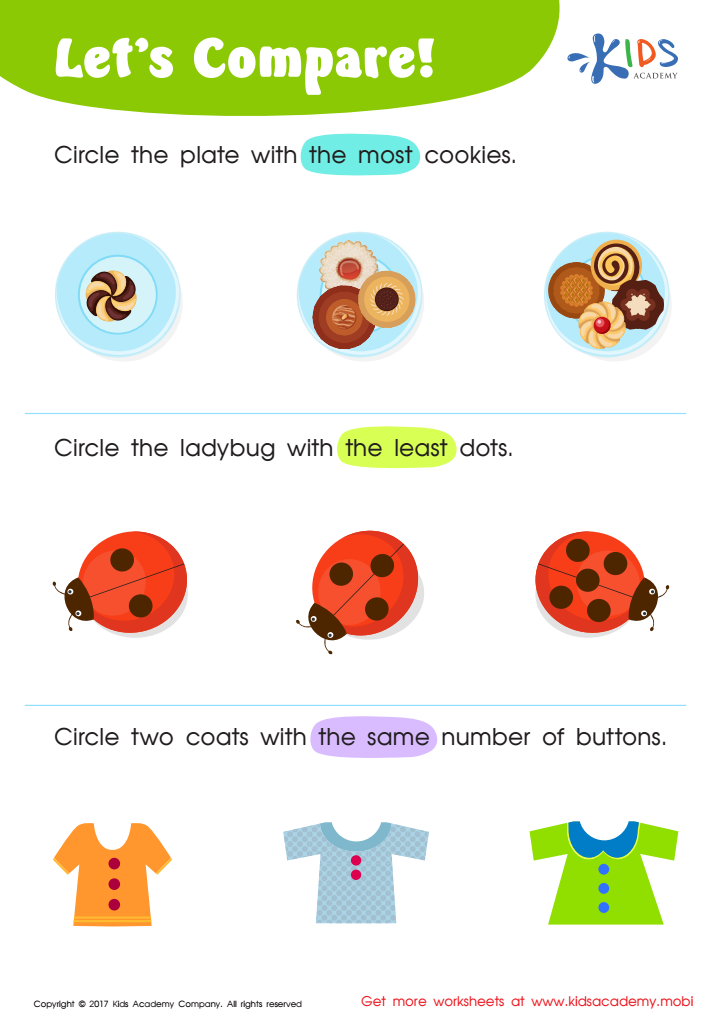
Matching: Classifying Toys by Size Worksheet





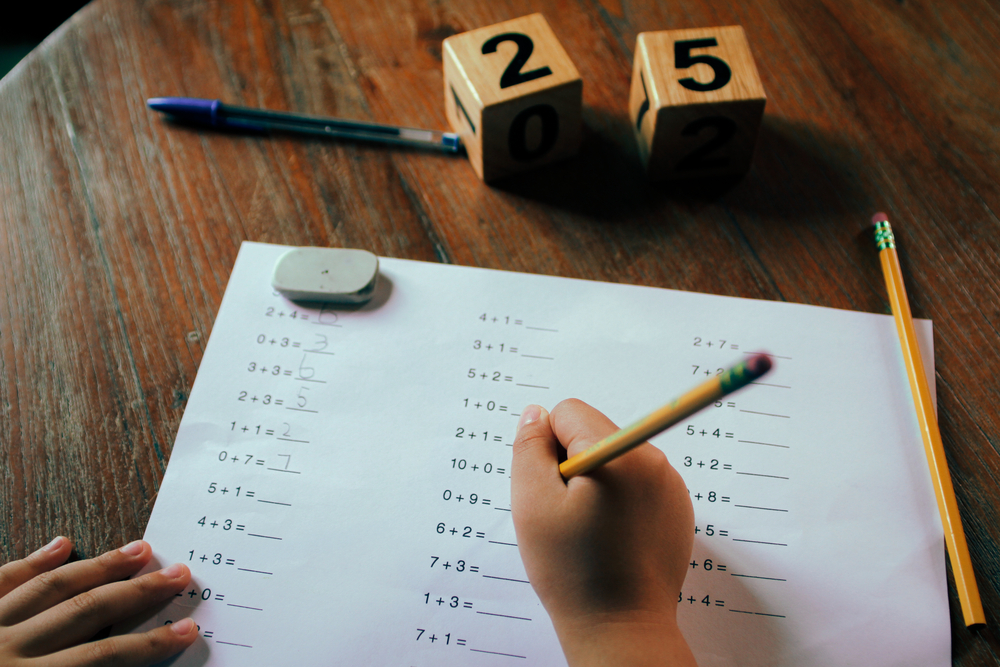
Developing math skills in young children aged 3-7, particularly through understanding normal numbers, is critical for several reasons. First, early math skills lay a strong foundation for future learning. Research shows that children who develop numeracy and mathematical reasoning early tend to perform better in school, enhancing their overall academic success. Normal numbers, which include counting, basic addition, and understanding the concept of magnitude, are essential building blocks in this process.
Secondly, these skills are not just academic—they also foster critical thinking and problem-solving abilities. Regular interaction with numbers helps children develop logical reasoning and analytical skills, which are vital in a wide range of real-life situations.
Moreover, embracing numeracy at this age encourages a positive attitude towards math as a subject. Children who engage with math through playful activities are less likely to develop math anxiety later on, promoting continued interest in the subject.
Finally, parents and teachers play a crucial role as first educators. By incorporating number recognition and counting into everyday activities, they can make learning math a fun and integral part of life, ensuring children are well-prepared for future educational challenges. Fostering these skills early establishes confidence and a solid mathematical foundation for lifelong learning.








