Understanding patterns Normal Numbers Worksheets for Ages 3-7
3 filtered results
-
From - To
Explore our "Understanding Patterns Normal Numbers Worksheets" designed for children ages 3-7! Our engaging worksheets introduce young learners to the concept of patterns using colorful visuals and fun themes. Children will discover how to identify, extend, and create patterns with numbers and shapes, developing critical thinking and analytical skills. Each worksheet is crafted to provide an enjoyable learning experience, ensuring that kids can grasp fundamental mathematical concepts while having fun. Perfect for preschool and early elementary educators, parents, or caregivers, these worksheets will support interactive learning at home or in the classroom. Nurture your child's love for math today!
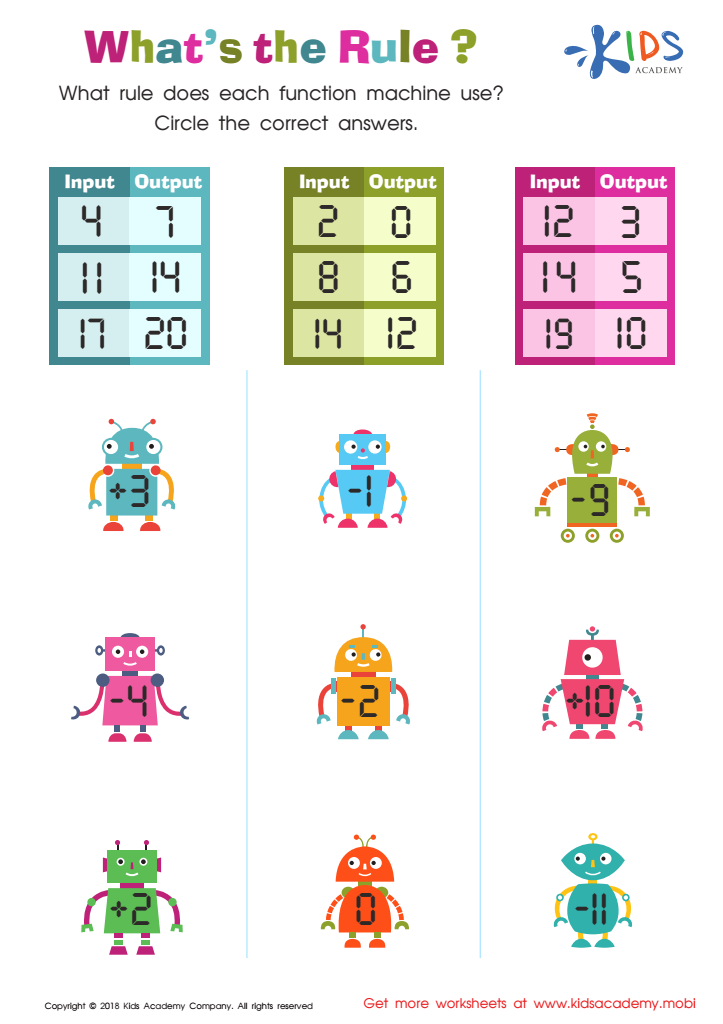
What's the Rule Worksheet
 Assign to My Students
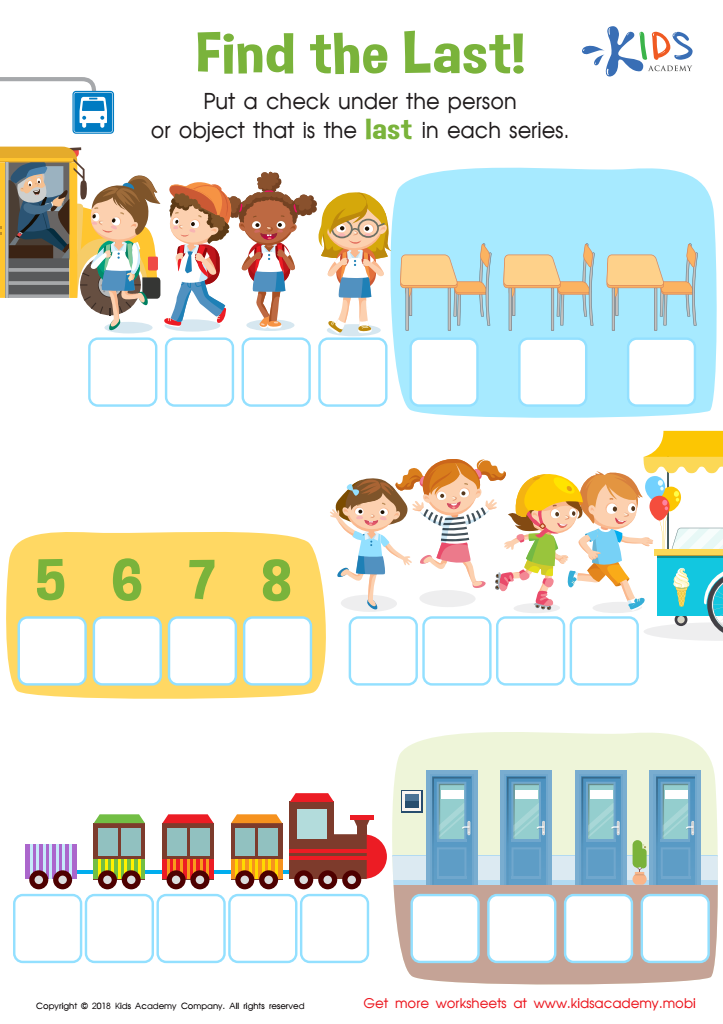
Find the Last! Worksheet
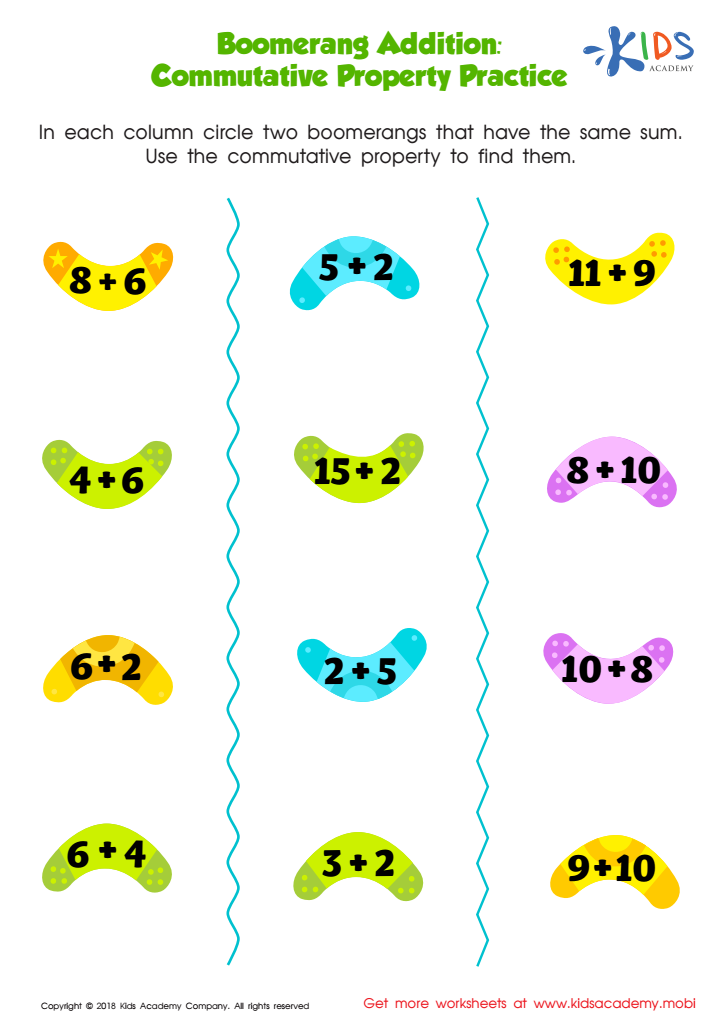
Boomerang Addition Worksheet








Understanding patterns and normal numbers is crucial for children aged 3-7, as these foundational concepts pave the way for mathematical confidence and competency. This stage of development is characterized by a natural curiosity, making it the perfect time to introduce complex ideas in a relatable manner.
Recognizing patterns helps children understand sequences and relationships, essential skills for problem-solving and logical reasoning. When children identify being familiar with patterns—such as ABAB in color or shape—they start grasping math ideas like addition, subtraction, and even fractions.
Normal numbers, often represented through counting skills and basic number concepts, also play a fundamental role in early childhood education. Recognizing and understanding numbers lays the groundwork for arithmetic, which is integral in everyday life and future academic pursuits.
Moreover, engaging children in patterning and number recognition activities can boost their cognitive skills, supporting language development, and enhancing memory. Both areas also promote social interactions during collaborative learning experiences, fostering teamwork and communication skills.
By focusing on patterns and numbers during these formative years, parents and teachers equip children with essential mathematical tools, encouraging a lifelong love of learning and creating future opportunities for academic success.








