Animal recognition Normal Math Worksheets for Ages 3-7
7 filtered results
-
From - To
Introducing our Animal Recognition Normal Math Worksheets for Ages 3-7, designed to make learning fun and engaging. These printable worksheets help young learners enhance their math skills by incorporating adorable animal illustrations. Aimed at developing both recognition and numerical abilities, each sheet is crafted to improve counting, sorting, and basic arithmetic while keeping kids captivated. Perfect for early grade students, these worksheets build a solid foundation in math through interactive play. Explore our collection to support your child's learning journey with enjoyable and educational activities, fostering confidence and excitement about numbers and animals alike.
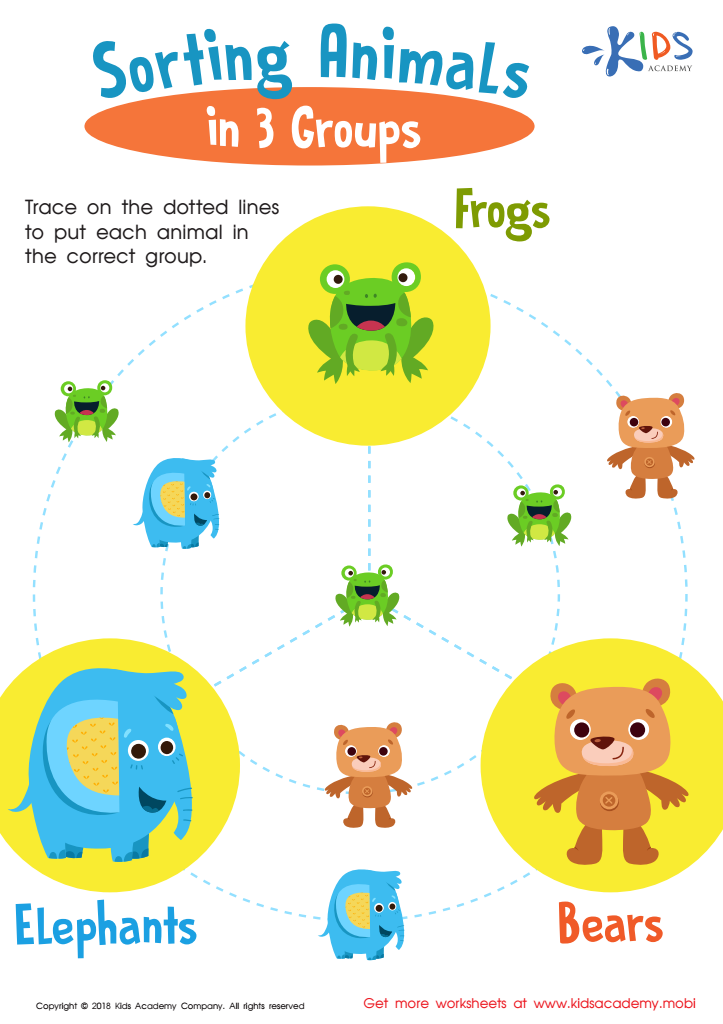
Sorting Animals in 3 Groups Worksheet
 Assign to My Students
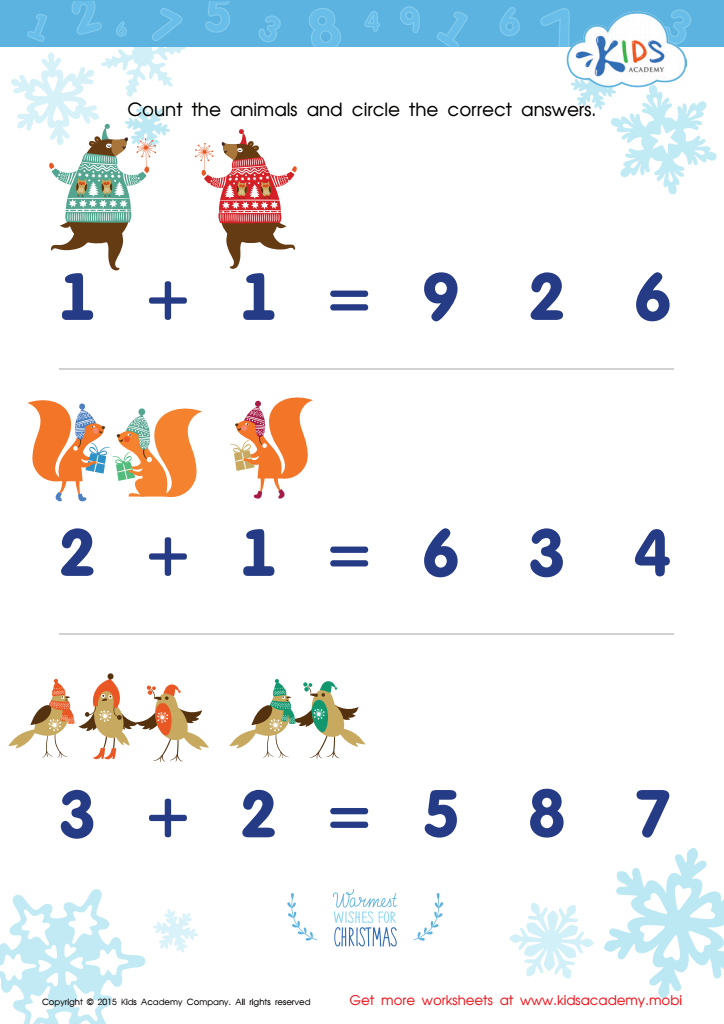
Count Funny Animals Worksheet
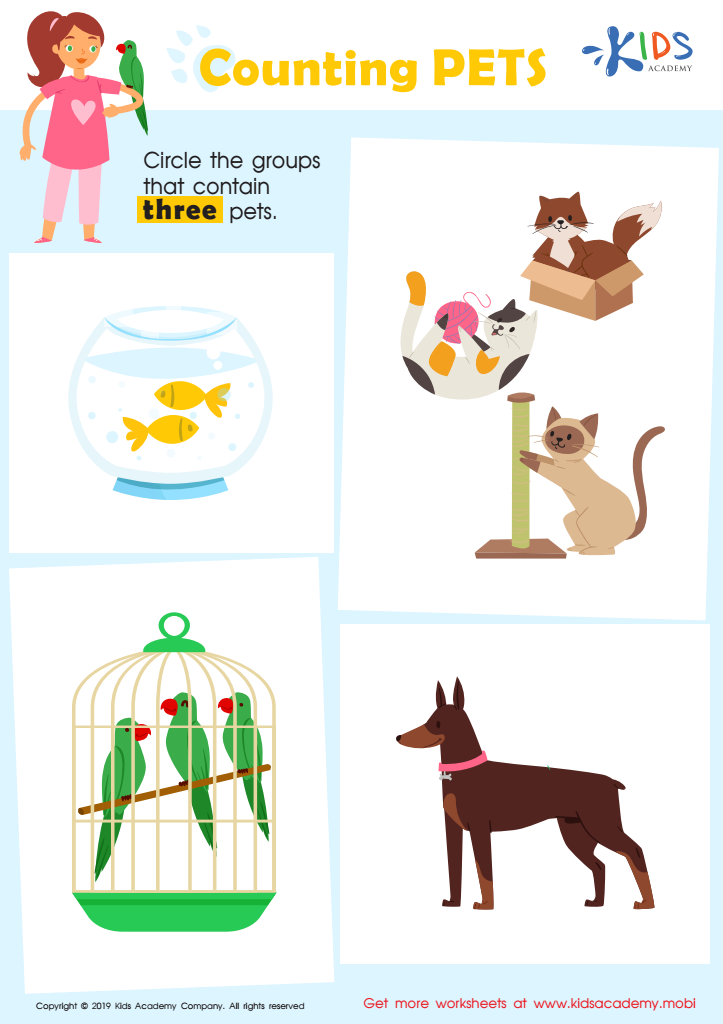
Counting Pets Worksheet
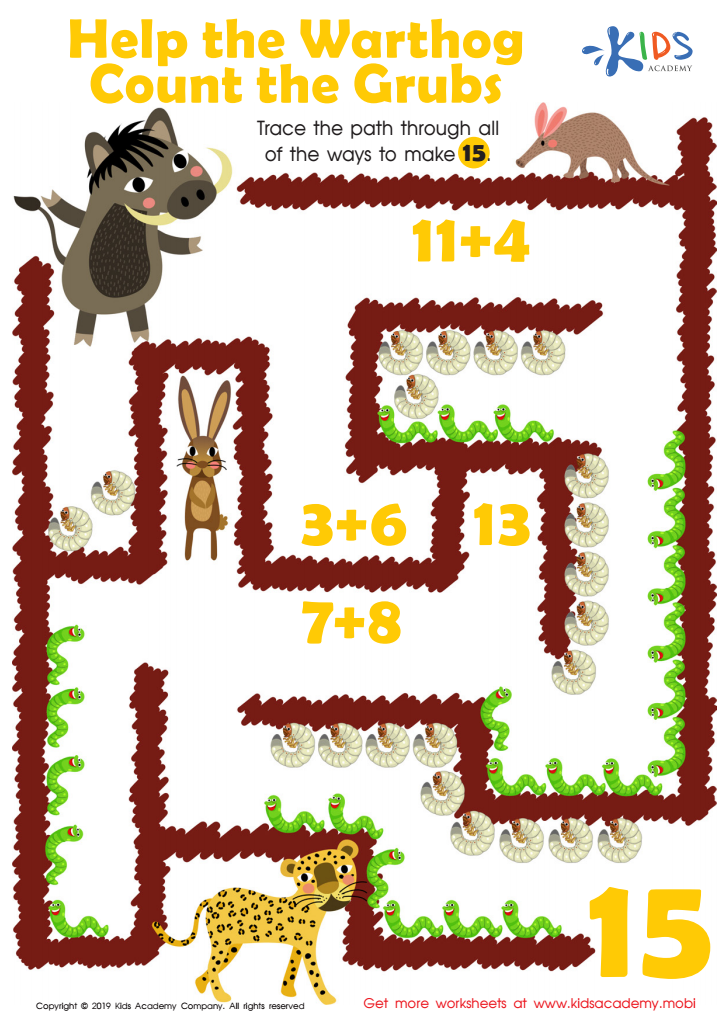
Help the Warthog Count the Grubs Worksheet
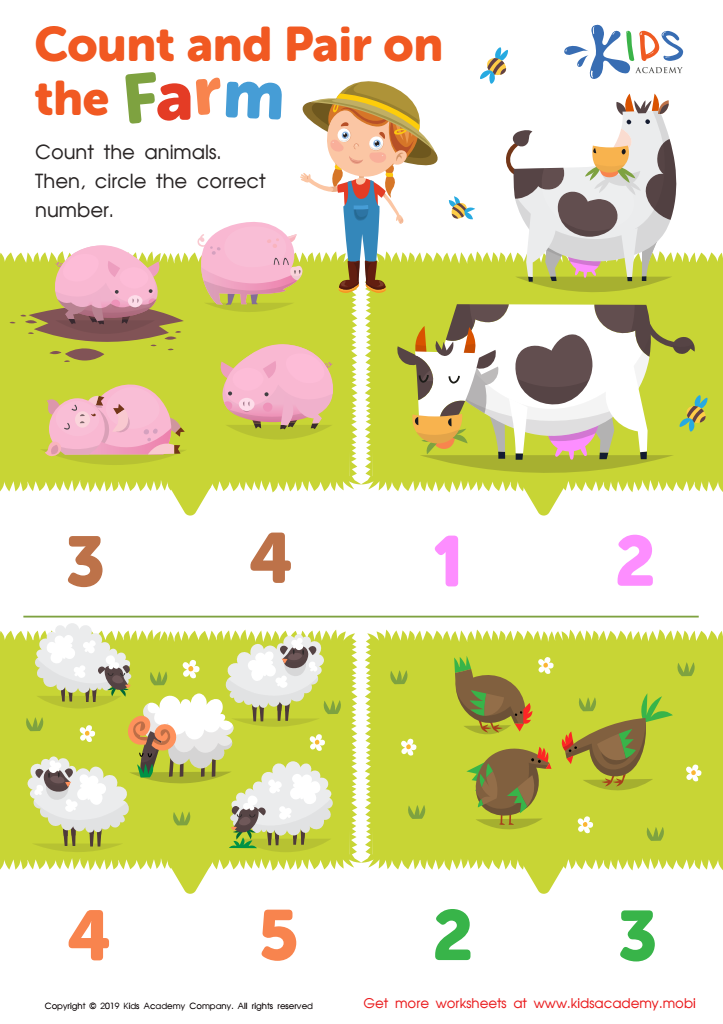
Count and Pair on the Farm Worksheet
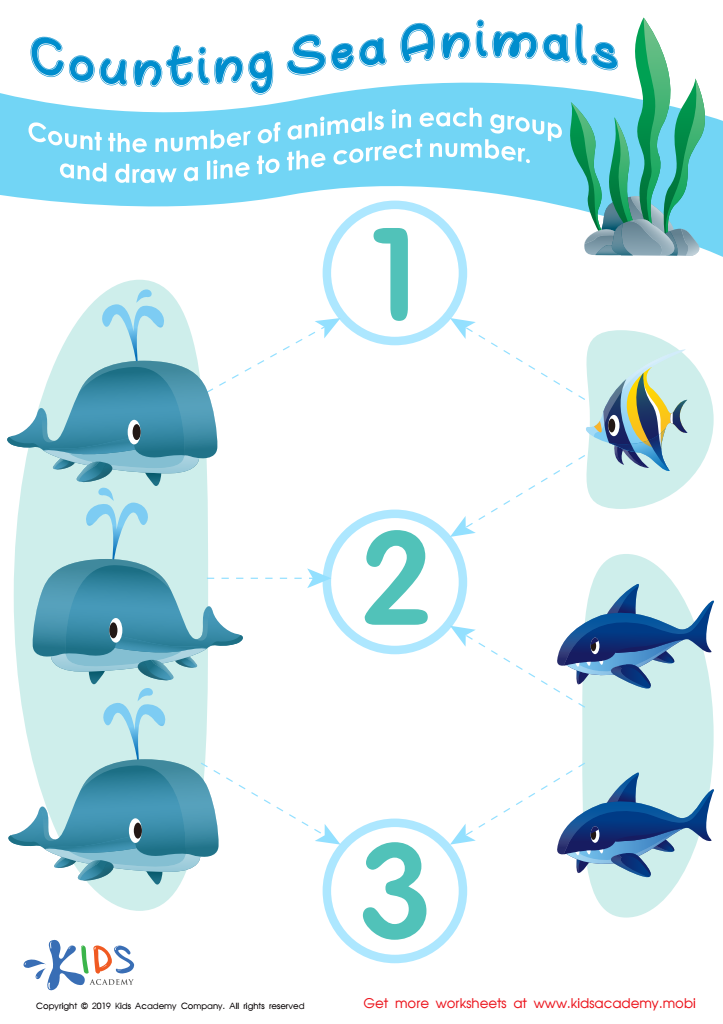
Counting Sea Animals Worksheet
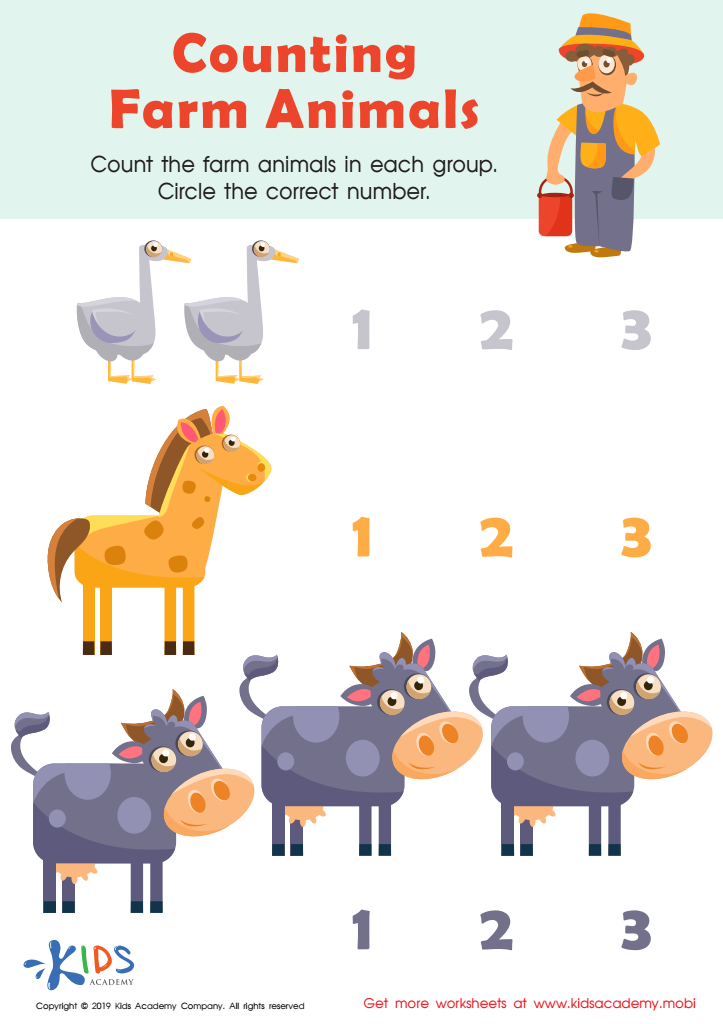
Counting Farm Animals Worksheet






.jpg)
Animal recognition and basic math skills are foundational elements in early childhood education that significantly benefit young children, ages 3-7. Developing animal recognition fosters sensory perception, cognitive development, and emotional intelligence. Children become familiar with diverse types of animals, tapping into curiosity and nurturing empathy as they learn about different species and their habitats. Recognizing animals helps children categorize and understand the world around them, which is an essential cognitive skill.
Simultaneously, learning basic math at an early age, encompassing counting, number recognition, simple addition, and subtraction, builds a strong foundation for future academic success. Early math skills are directly correlated with better performance in later grades in more complex subjects like algebra and geometry. Introducing math in the context of something engaging, like animals, makes learning enjoyable. For instance, counting animal figures or solving simple addition problems involving an animal set can merge cognitive skills with joy and interest.
Integrating animal recognition with normal math further brings multisensory learning experiences that can accommodate various learning styles. This blend enriches language development, boosts memory retention, and enhances problem-solving abilities in a playful, memorable way. Ultimately, parents and teachers who emphasize these skills prepare children for a lifetime of intellectual curiosity and academic achievement, all while fostering a love for nature and learning.








