Basic Math Skills Normal Math Worksheets for Ages 3-7 - Page 2
30 filtered results
-
From - To
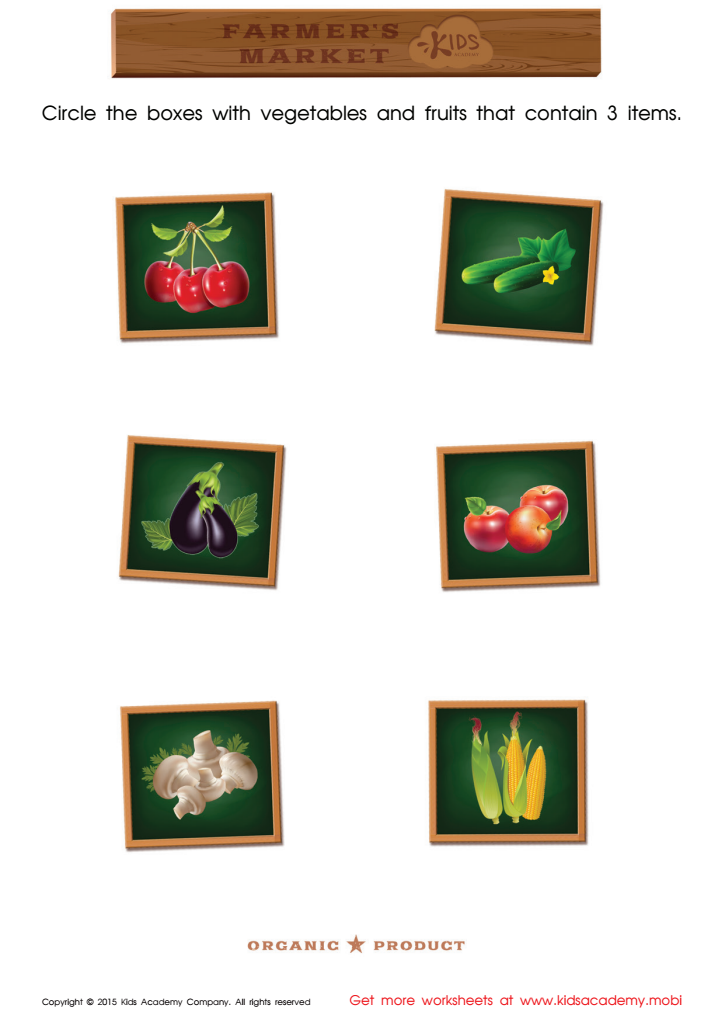
Count and Match Vegetables 1 – 5 Math Worksheet
 Assign to My Students
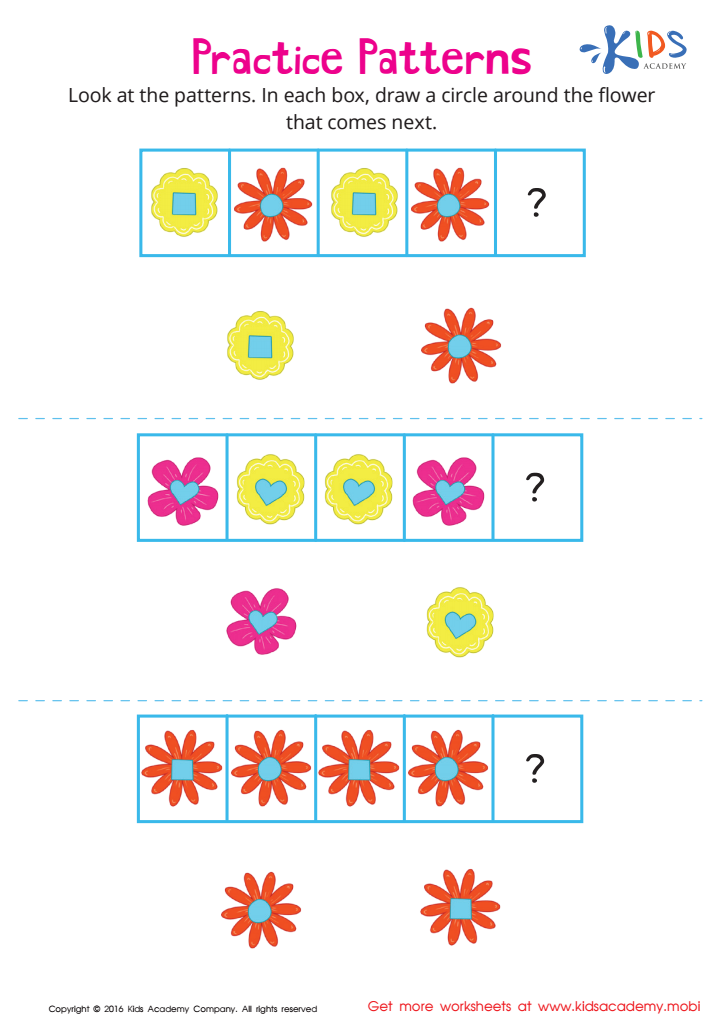
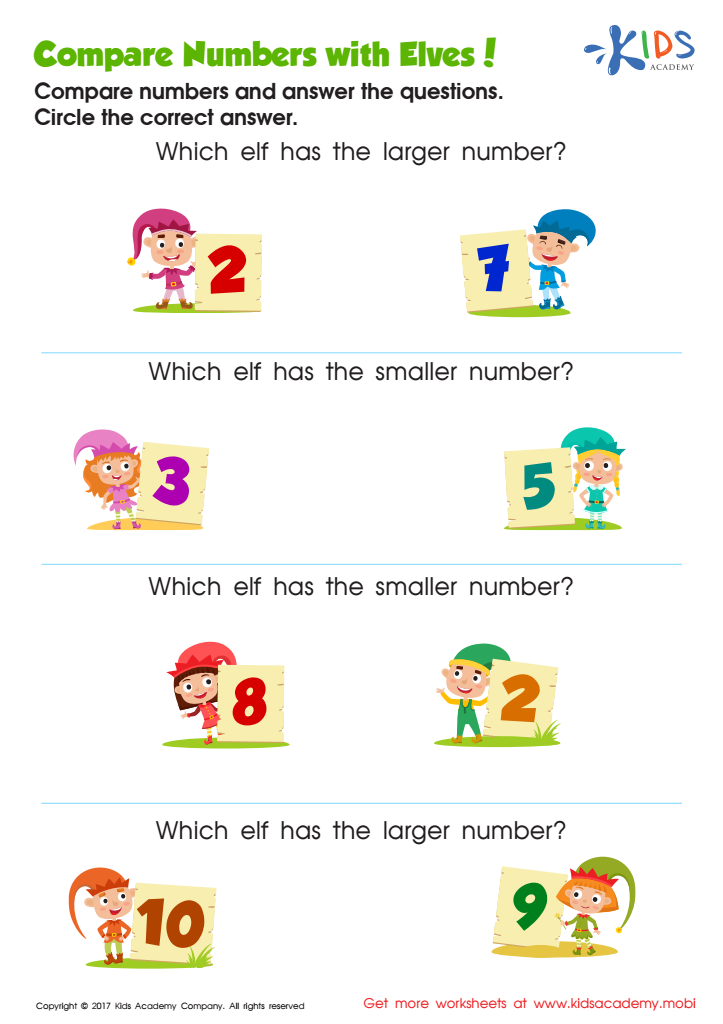
Comparing Numbers Worksheet for Kindergarten
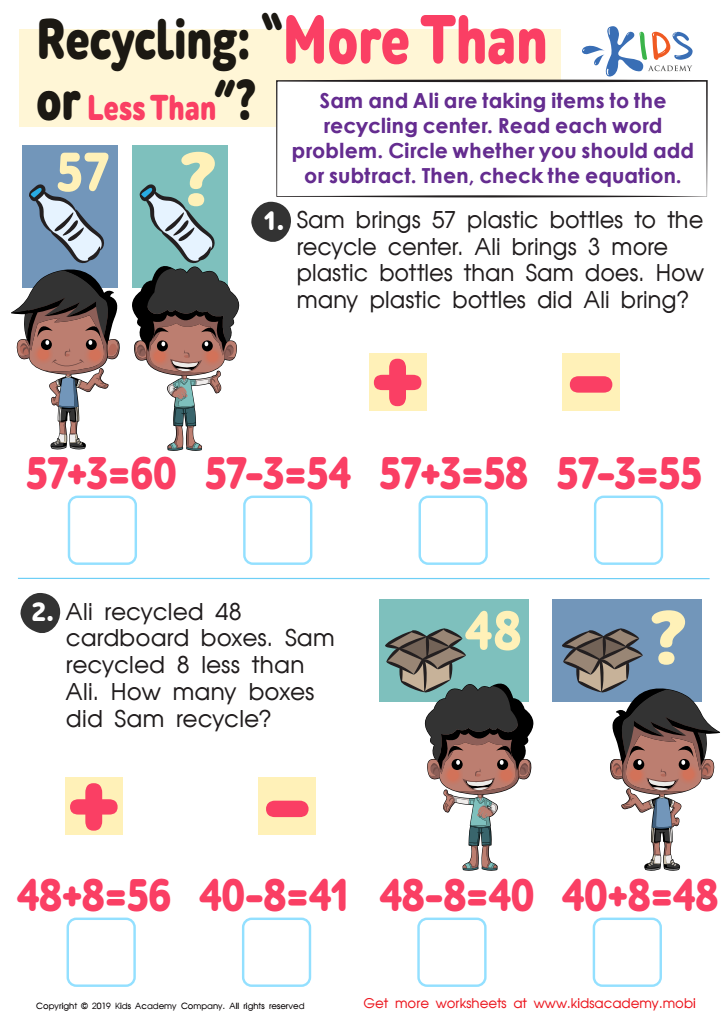
Recycling - More or Less Worksheet
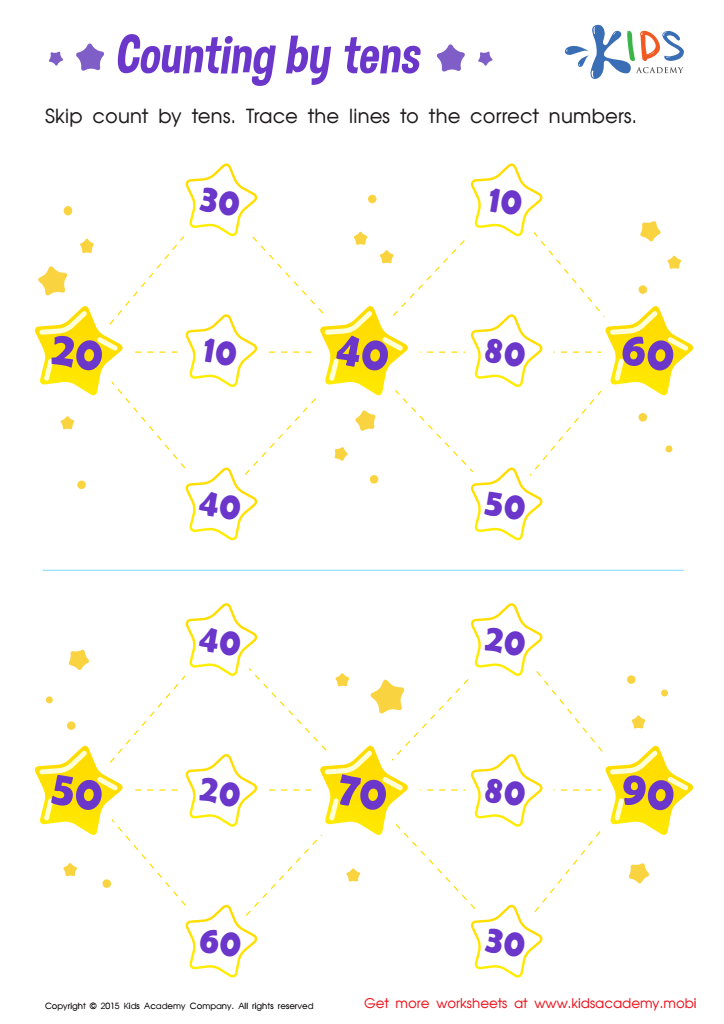
Learn Dozens: Counting by Tens Printable
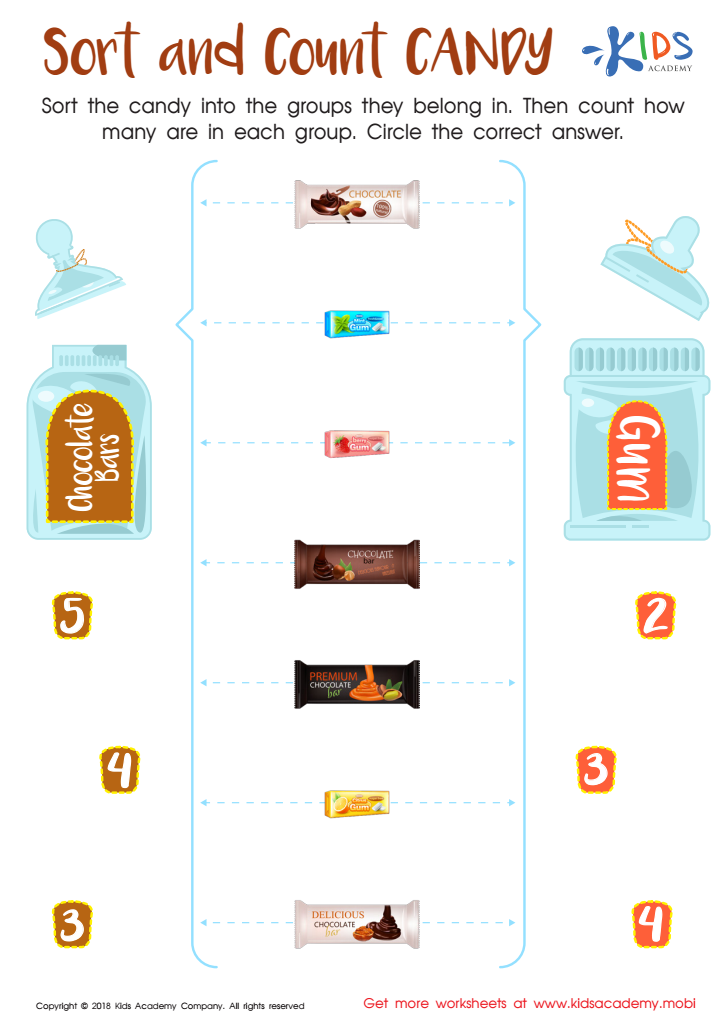
Sort and Count Candy Worksheet








Basic math skills are foundational for young children aged 3-7, and parents and teachers should prioritize their development for several reasons. Firstly, early math skills foster critical thinking and problem-solving abilities that set the tone for lifelong learning. Young children can grasp concepts such as counting, sorting, and classifying, which serve as building blocks for advanced mathematical understanding as they grow.
Moreover, math is integrated into daily life, and a strong foundation cultivates confidence in handling everyday tasks like shopping, cooking, and managing time. Enhancing basic math skills also supports literacy development; many math concepts tie into language through vocabulary and the understanding of relationships.
Socially, children who develop early math competence often excel in group activities and collaborative problems, as math-related games and tasks encourage teamwork and communication. Early success in these areas can boost self-esteem and motivate students, creating a positive association with academics overall.
Additionally, strong early math skills correlate with better academic performance throughout a child's educational journey. By engaging with and supporting basic math skills, parents and teachers are investing in a child's cognitive development and future academic success, preparing them for a well-rounded educational experience.








