Comparing lengths Normal Math Worksheets for Ages 3-7
4 filtered results
-
From - To
Discover our engaging "Comparing Lengths Normal Math Worksheets" designed specifically for children aged 3-7. These worksheets provide a fun and interactive way for young learners to develop essential skills in measuring and comparing lengths. Each activity encourages hands-on practice, fostering critical thinking as kids explore familiar objects and their lengths. Perfect for both classroom and home schooling, our materials enable educators and parents to support early math comprehension in a playful environment. With colorful illustrations and age-appropriate challenges, children will enjoy honing their measuring skills, laying a solid foundation for future math learning. Access these ready-to-use resources today!
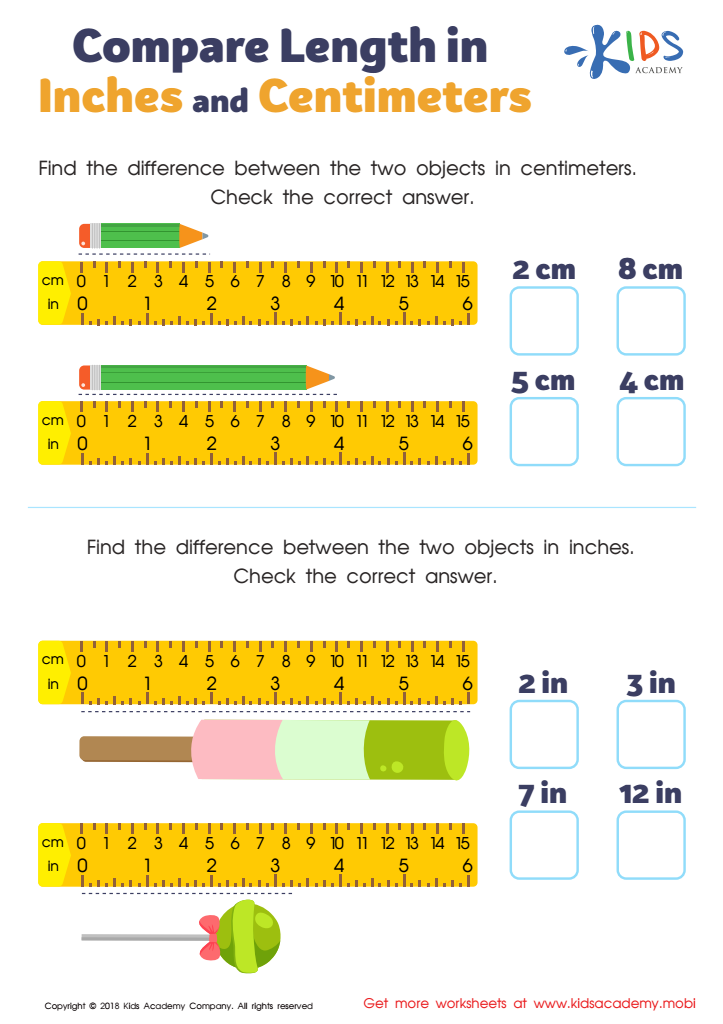
Compare Length in Inches and Centimeters Worksheet
 Assign to My Students
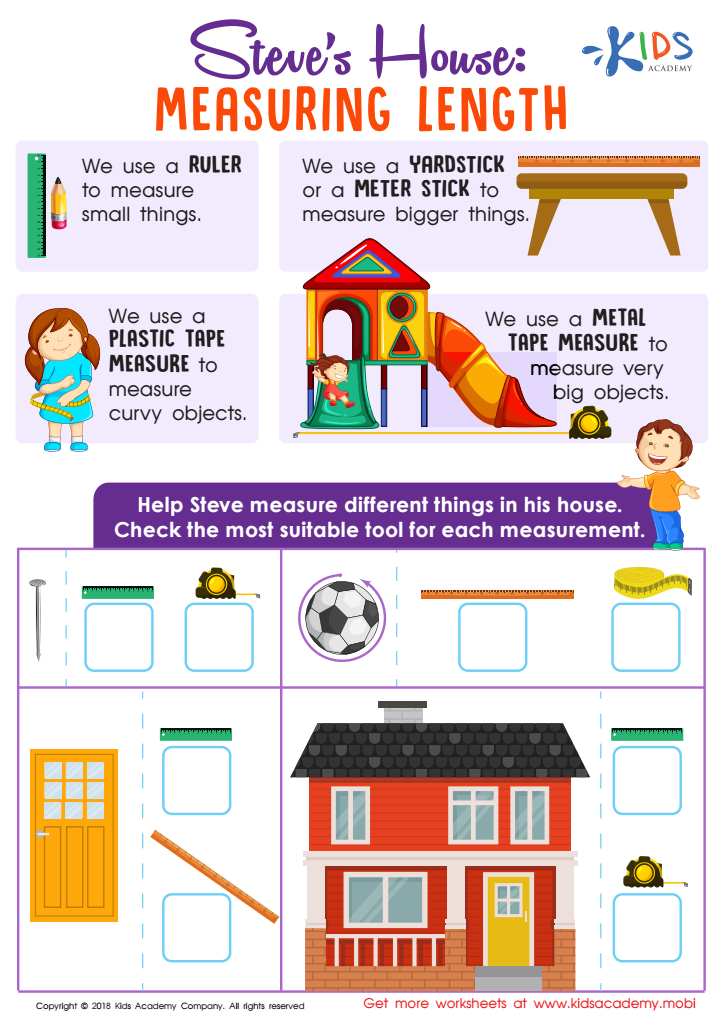
Steve's House: Measuring Length Worksheet
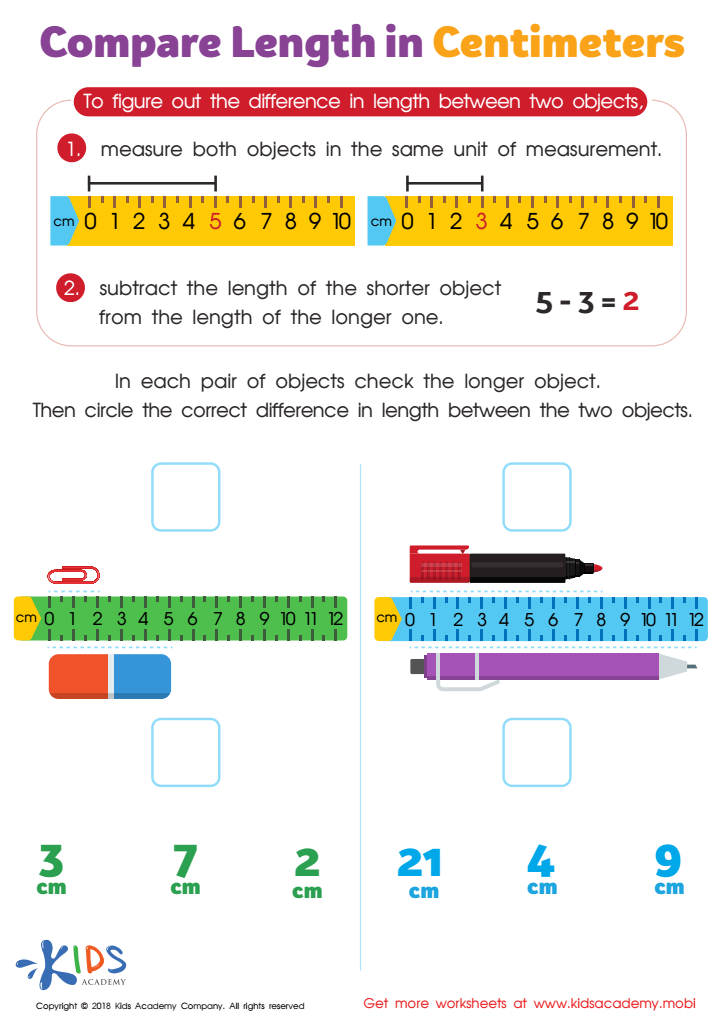
Compare Length in Centimeters Worksheet
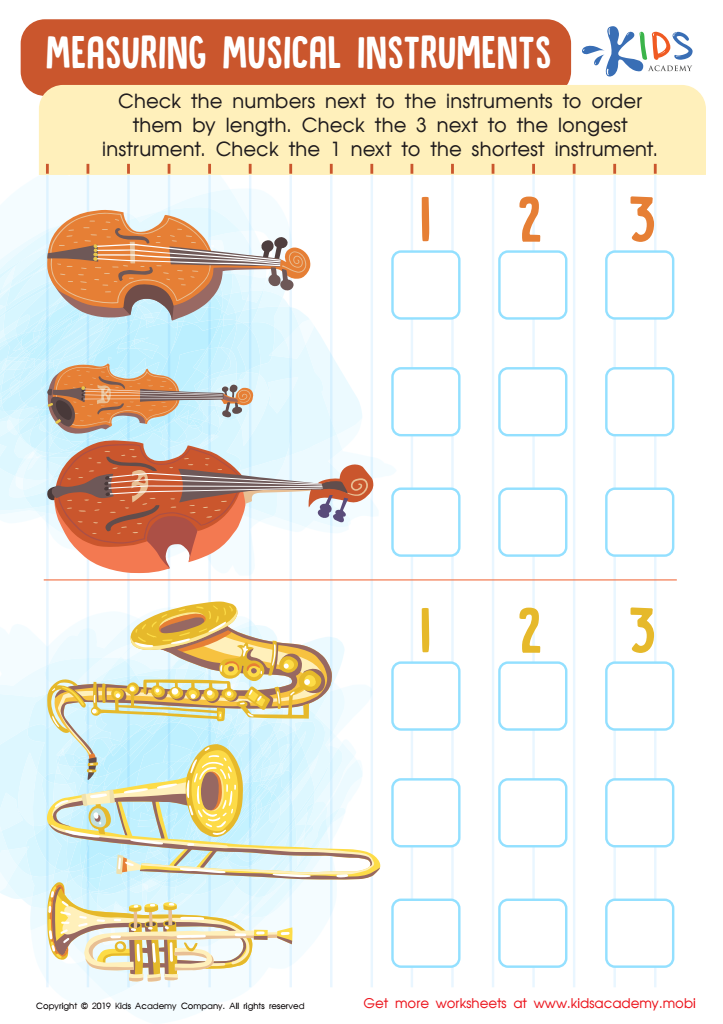
Measuring Musical Instruments Worksheet



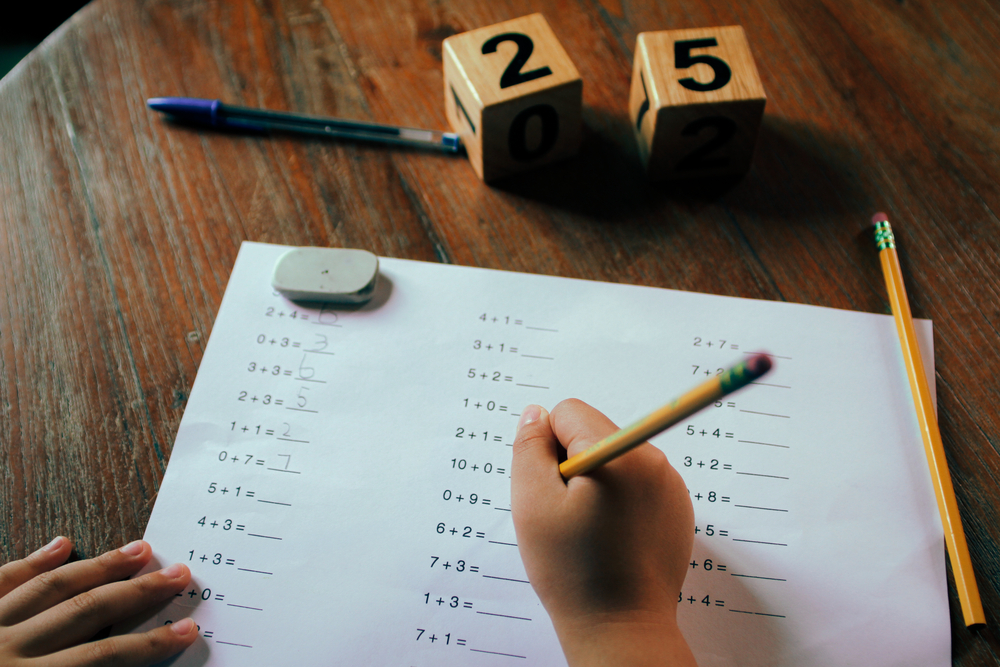




Understanding and comparing lengths is a foundational mathematical skill vital for children aged 3-7. For parents and teachers, fostering this skill is crucial for several reasons. Firstly, measuring and comparing lengths helps children develop a concrete understanding of early mathematics, paving the way for future math concepts like addition, subtraction, and geometry.
Engaging with activities that involve comparing lengths teaches children important skills such as critical thinking, problem-solving, and observational skills. When kids compare items—like the length of a pencil to that of a crayon—they practice measurement vocabulary, reinforcing language development as they learn terms like "longer," "shorter," and "equal."
Moreover, these simple activities enhance fine motor skills as children manipulate measuring tools or objects, and they foster social interaction during group play.
Incorporating measuring fun into daily life—like measuring ingredients for a recipe or comparing the height of family members—can make math feel relevant and exciting. Additionally, early exposure to comparison and measurement can boost confidence and shape positive attitudes towards math, encouraging lifelong learning. By prioritizing activities that reinforce comparing lengths, parents and teachers empower children to explore, play, and excel in both math and other aspects of their education.








