Number Recognition Normal Numbers up to 100 Worksheets for Ages 3-7
13 filtered results
-
From - To
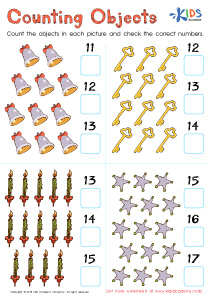
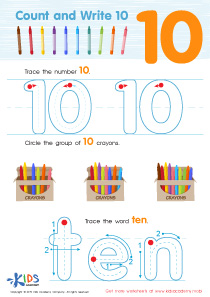
Boost your child's early math skills with our "Number Recognition Normal Numbers up to 100 Worksheets" designed for ages 3-7! These engaging worksheets from Kids Academy make recognizing numbers up to 100 fun and easy. Each sheet features a variety of activities, from tracing and coloring to counting and matching exercises, all tailored to enhance number recognition. Perfect for preschool and early elementary children, these printable resources support foundational skills essential for math success. Watch your little learner's confidence grow as they master numbers in a playful and interactive way. Download now and start learning today!
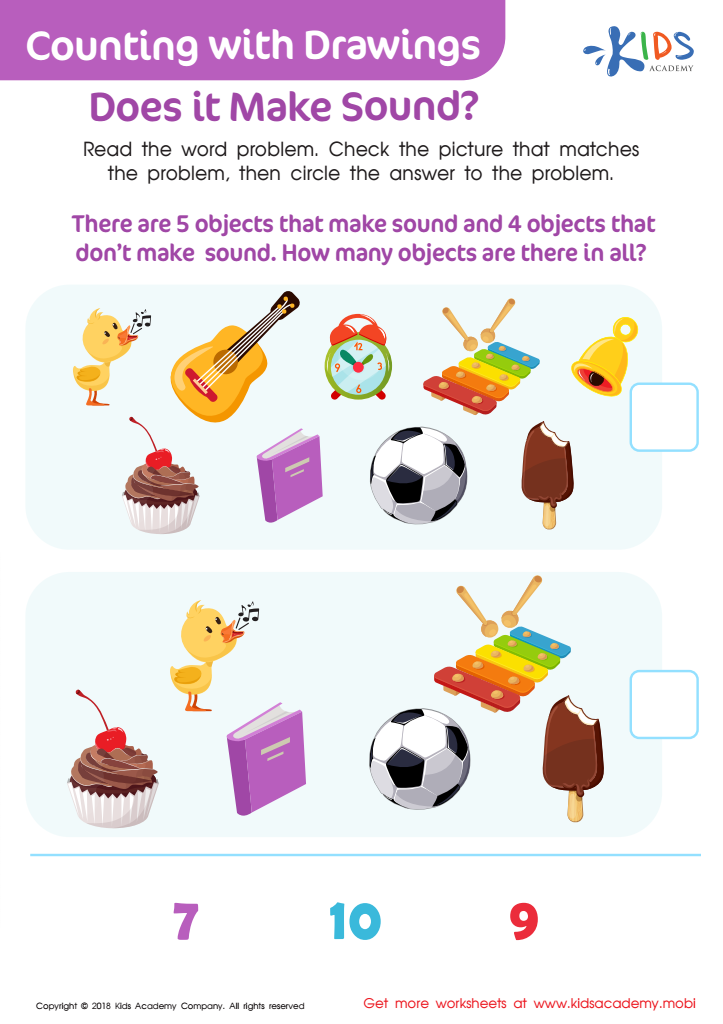
Counting With Drawings. Does It Make Sound? Worksheet
 Assign to My Students
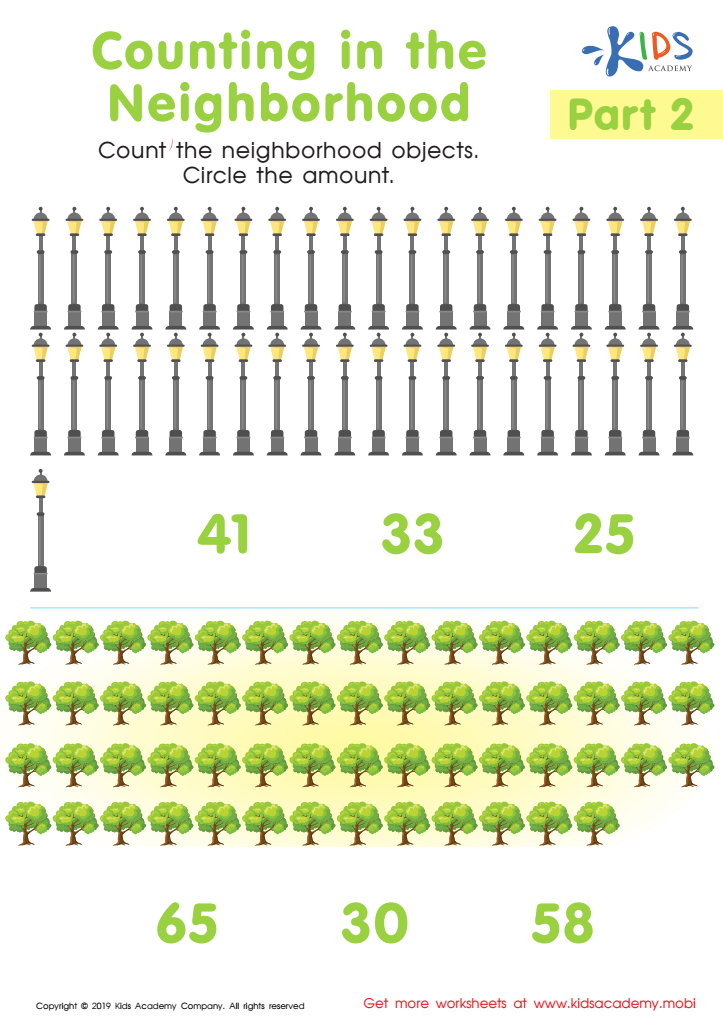
Counting In The Neighborhood Part 2 Worksheet
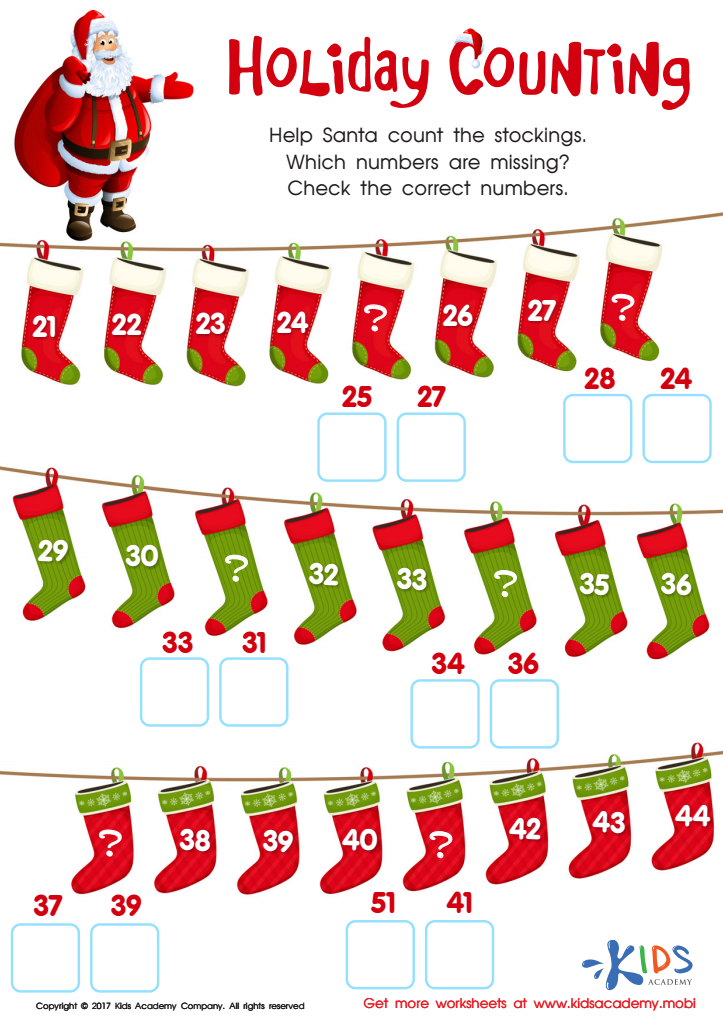
Holiday Counting Worksheet
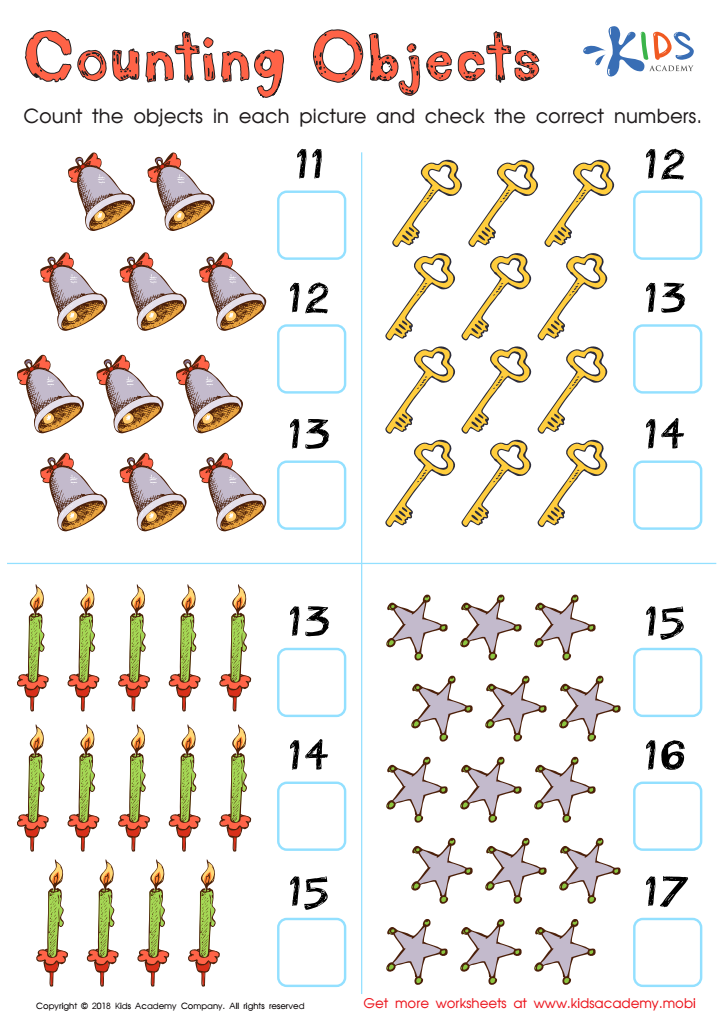
Counting Numbers Worksheet For Kindergarten
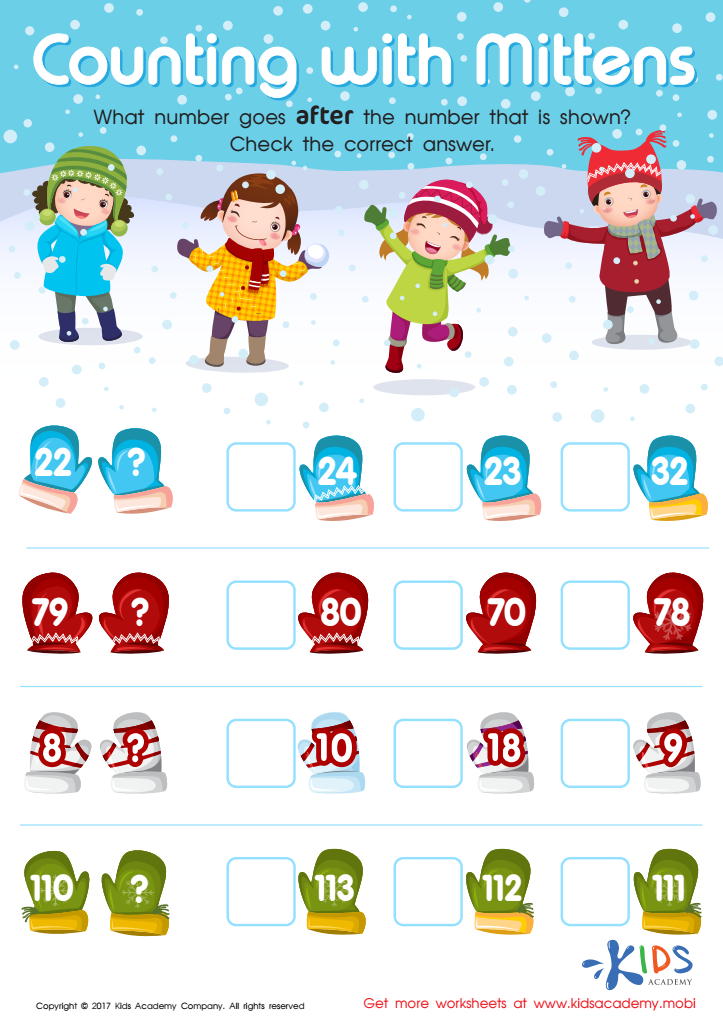
Counting with Mittens Worksheet
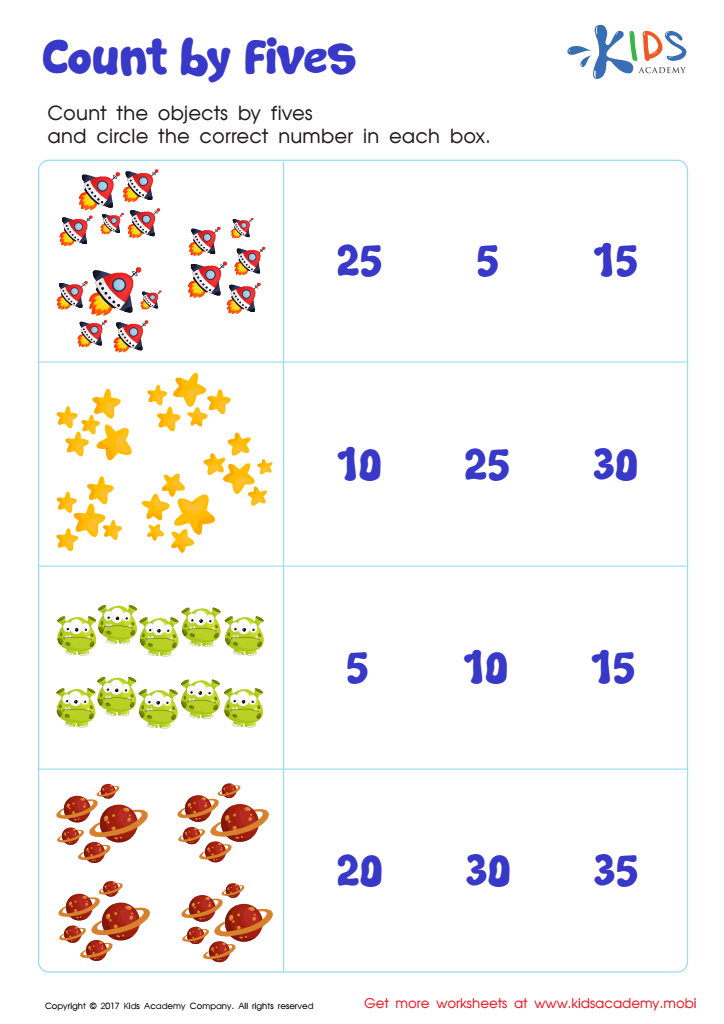
Skip Counting by 5s: Space Math Printable
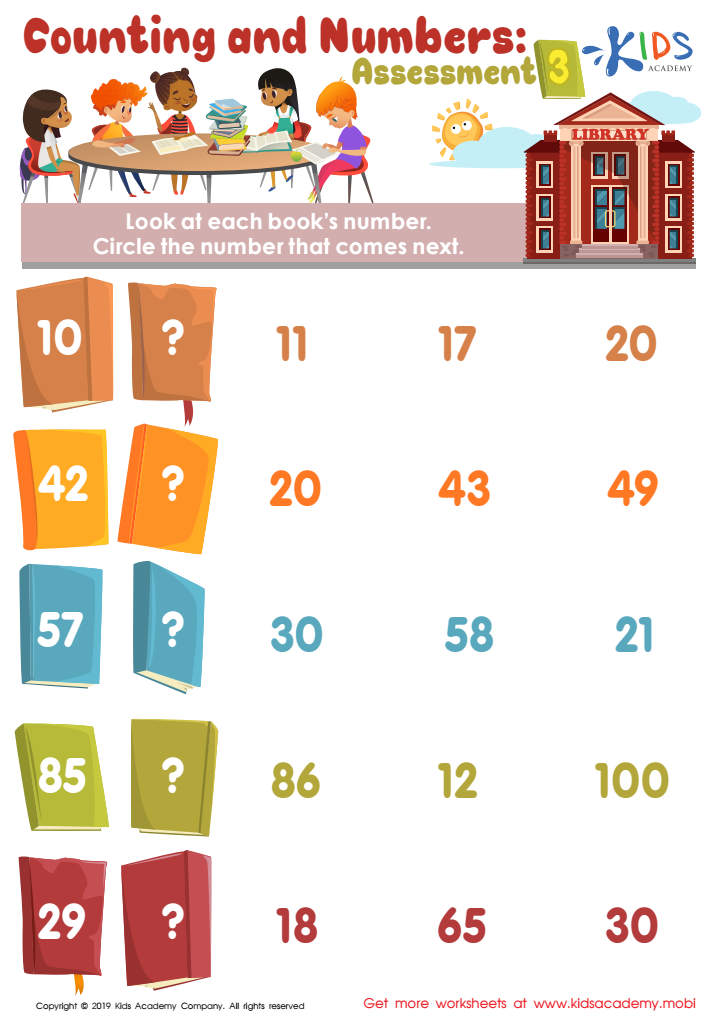
Counting and Numbers: Assessment Worksheet
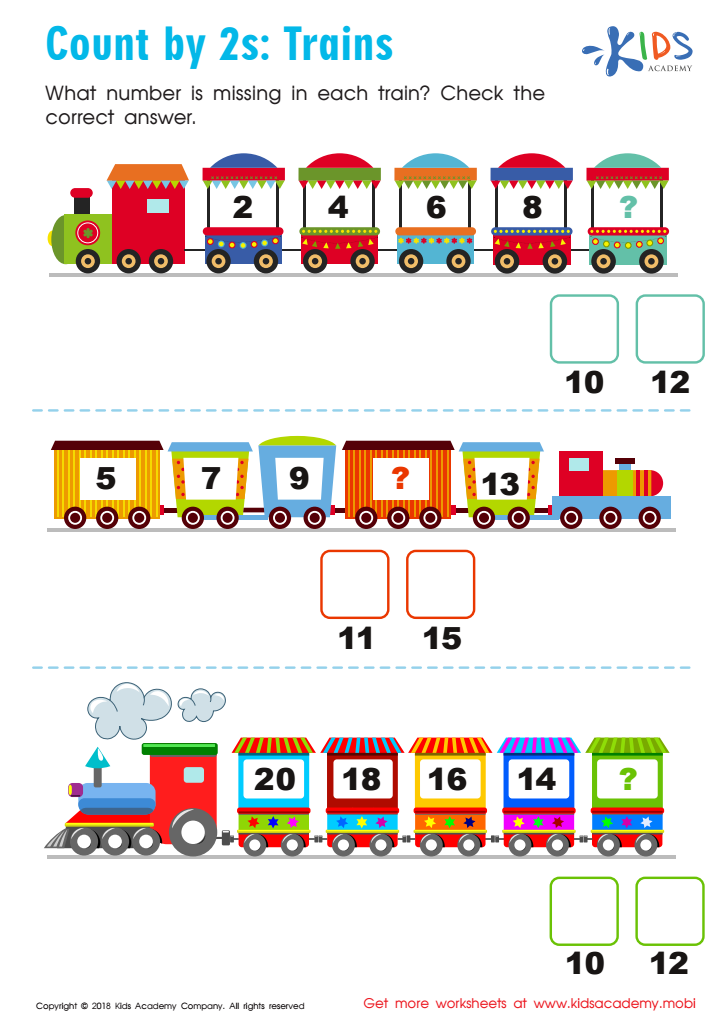
Count by 2's: Trains Worksheet
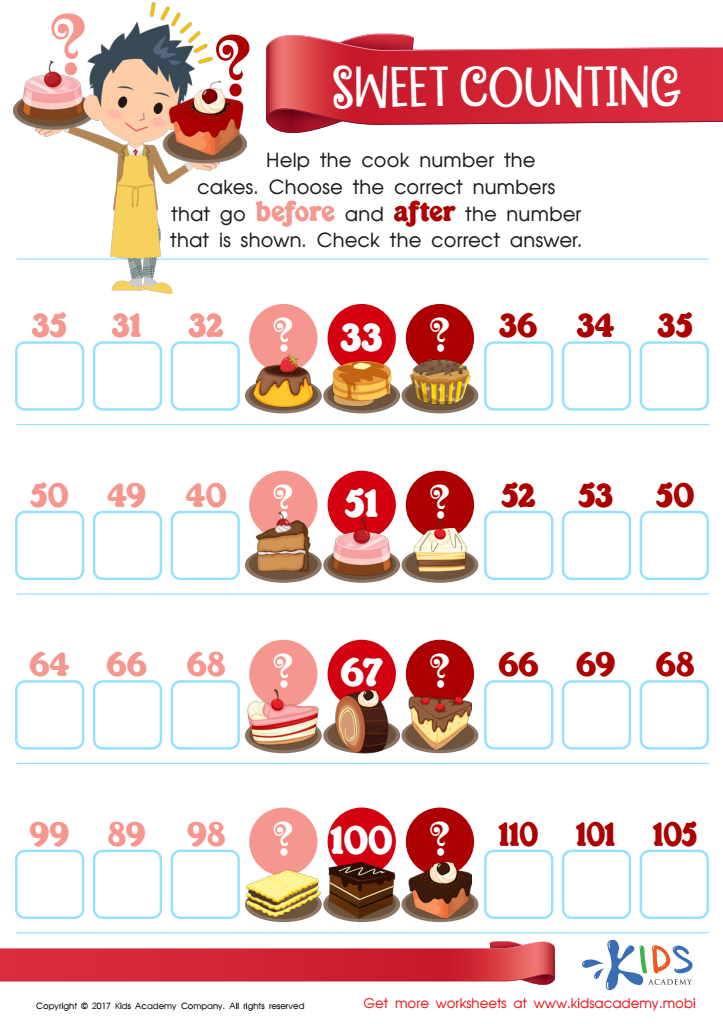
Sweet Counting - Part 1 Worksheet
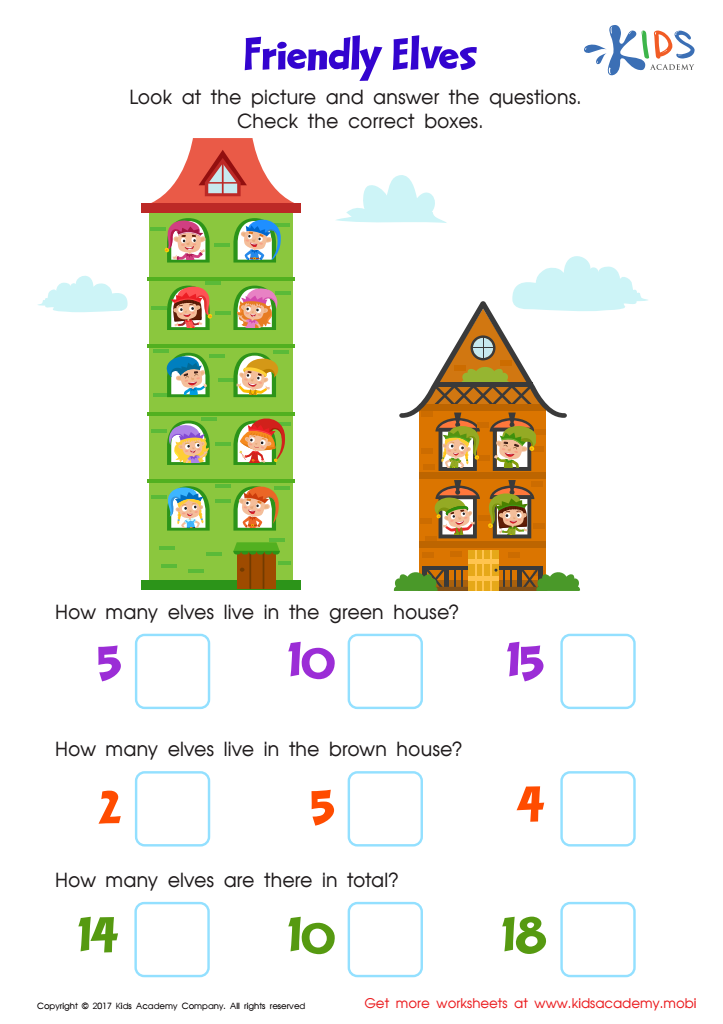
Place Value: Friendly Elves Worksheet
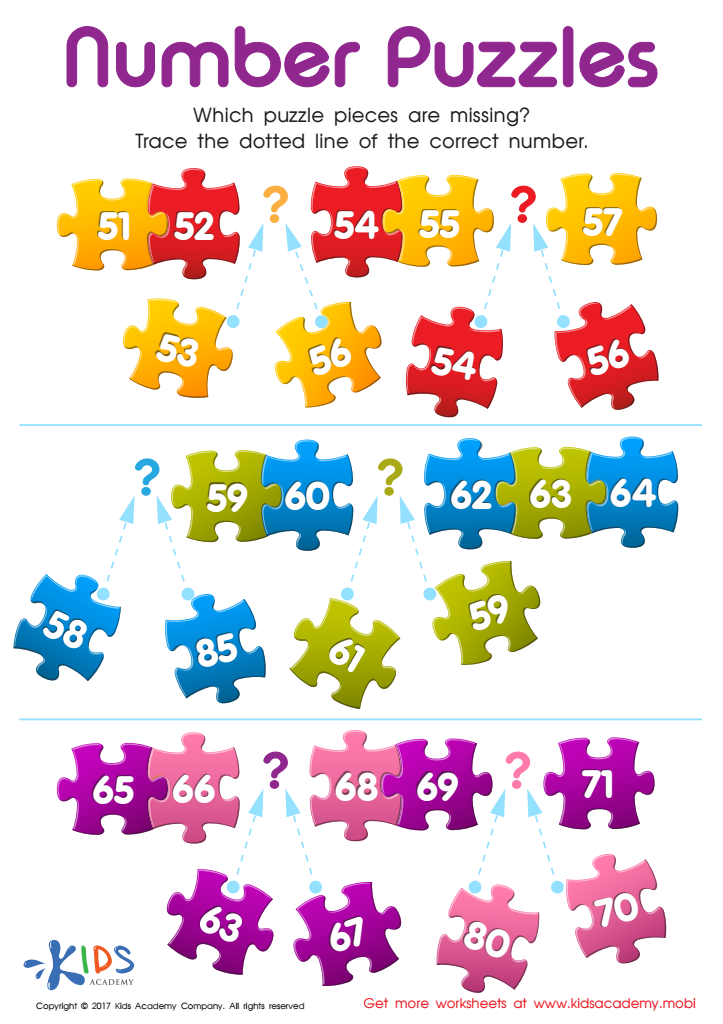
Number Puzzles Worksheet
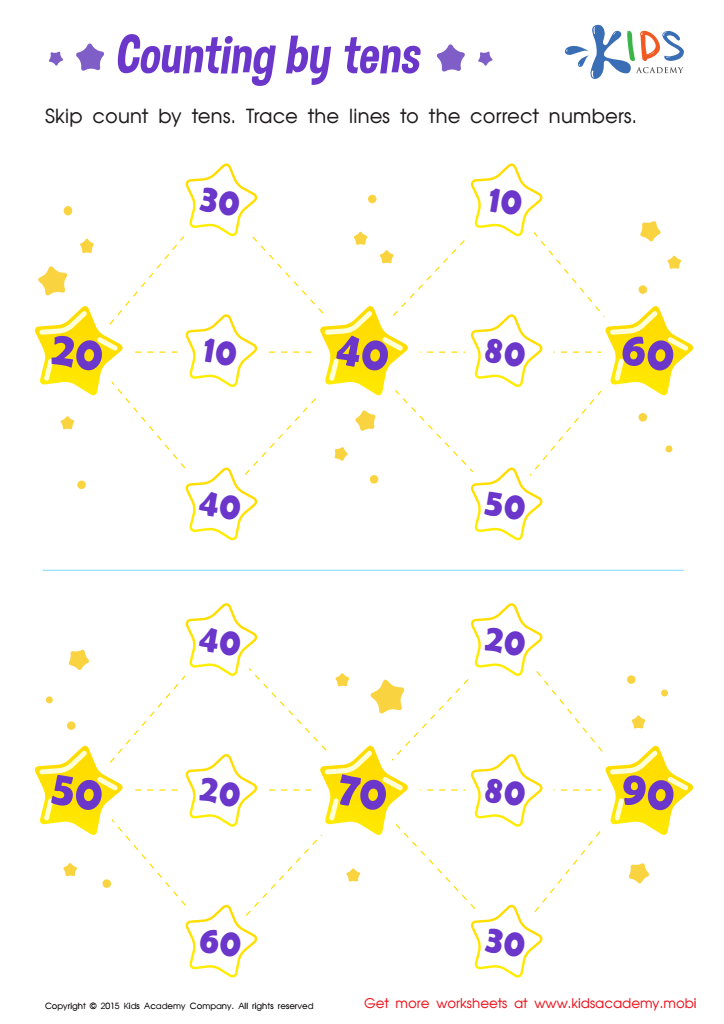
Learn Dozens: Counting by Tens Printable
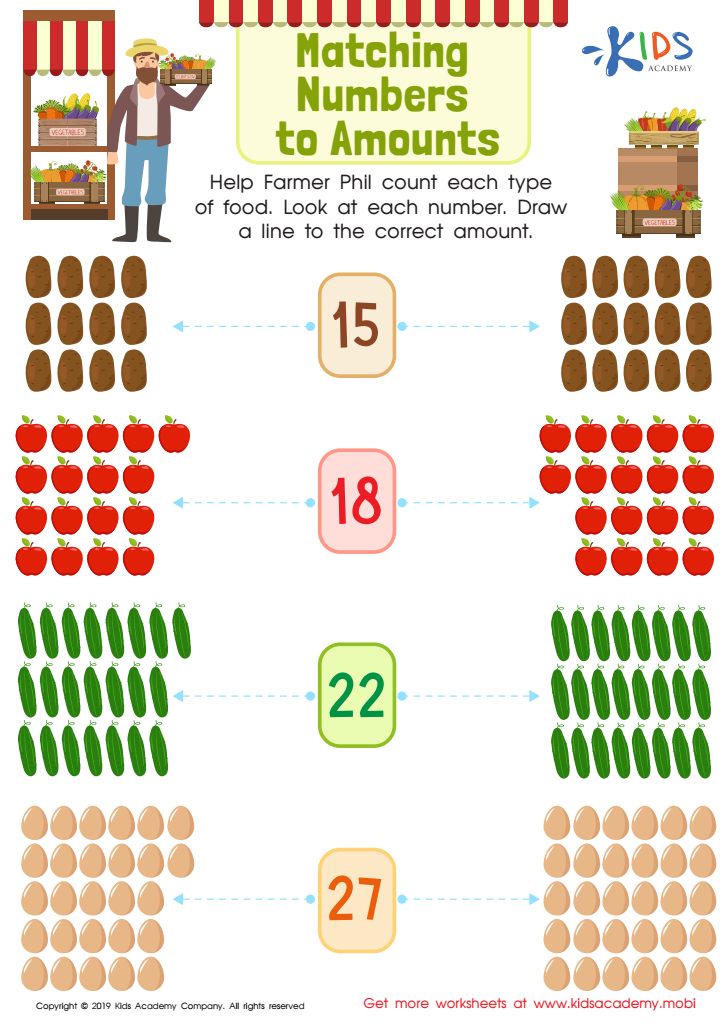
Matching Numbers to Amounts Worksheet







%20(1).jpg)
Number recognition up to 100 is a foundational skill for children ages 3-7, crucial for both academic and everyday life success. Understanding numbers and their sequence builds the base for all future math learning. When children can recognize and name numbers up to 100, it prepares them for more complex mathematical concepts such as addition and subtraction, patterns, and place value.
This skill also aids in developing cognitive abilities like memory and problem-solving. Practicing number recognition enhances fine motor skills—essential for writing—and sharpens visual discrimination. Recognizing numbers up to 100 helps children to understand time (like reading a clock), money (like identifying value in bills and coins), and measurement (like using rulers or measuring cups).
Furthermore, early number recognition fosters confidence and supports a positive attitude toward learning. This can lead to improved self-esteem and reduce anxiety related to math tasks in the future. For parents and teachers, focusing on this skill ensures that children are on track with developmental milestones and meet educational standards. Engaging children in activities like counting games, flashcards, and number stories makes learning enjoyable and reinforces these crucial skills outside of formal lesson time. Prioritizing number recognition ensures kids have a strong numeracy foundation, setting them up for academic success and real-world competence.