Normal Reading Worksheets for Ages 3-7 - Page 12
266 filtered results
-
From - To
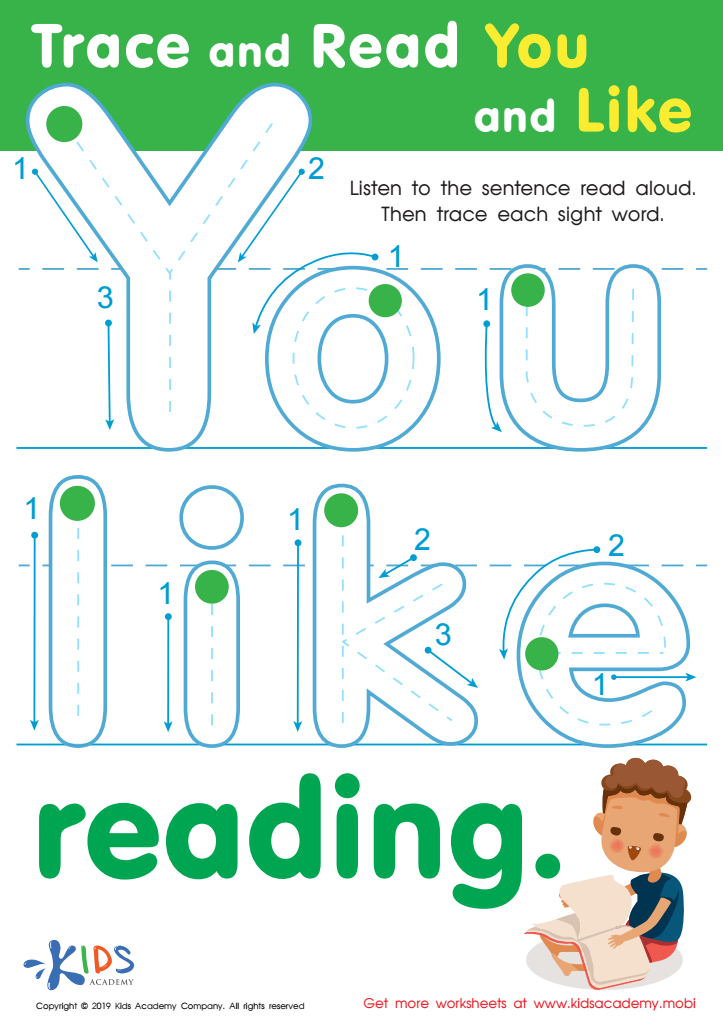
Trace Read You Like Worksheet
 Assign to My Students
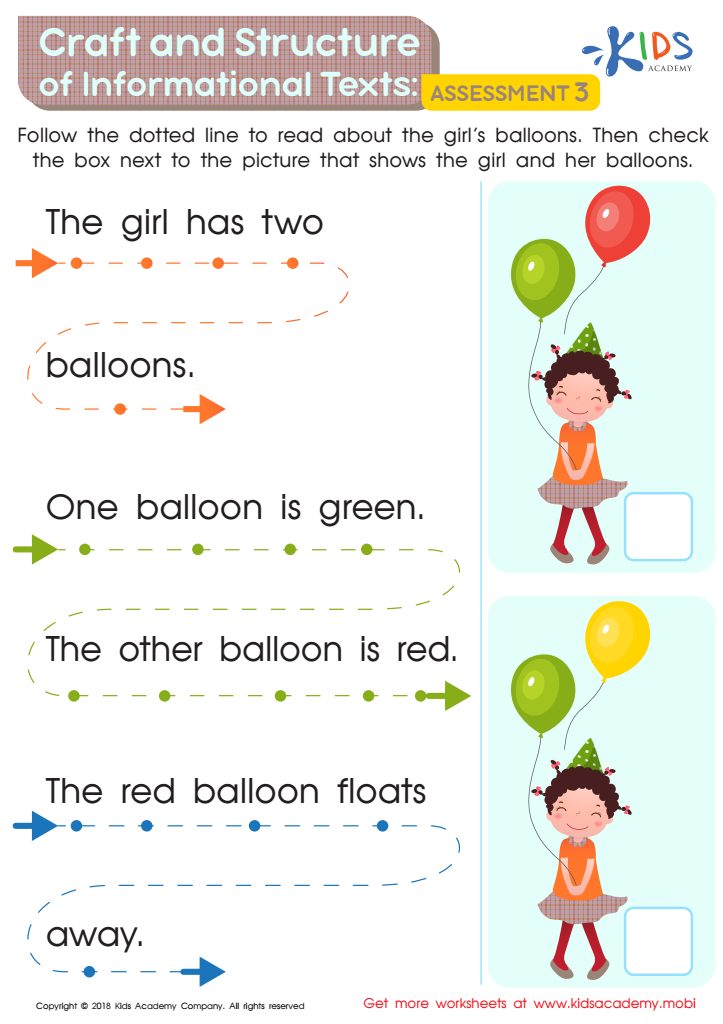
Craft and Structure of Informational Texts: Assessment 3 Worksheet







Parents and teachers should prioritize normal reading for ages 3-7 because this period is crucial for a child's cognitive and language development. Research shows that early reading skills form the foundation for future academic success. At this age, young minds are particularly receptive, and early exposure to reading can significantly boost vocabulary, comprehension, and expressive language abilities. Children who are read to regularly tend to develop better listening skills, longer attention spans, and a stronger grasp of abstract thinking and concepts.
Furthermore, reading fosters emotional development by exposing children to different feelings, scenarios, and moral dilemmas through characters and stories, enhancing their empathy and social understanding. It also encourages a bonding experience between parents and children or teachers and students, often creating a shared sense of adventure and discovery.
Early reading creates a positive association with books, fostering a lifelong love for reading. It serves to stimulate imagination and creativity, allowing children to explore worlds and ideas beyond their immediate reality. In sum, nurturing normal reading habits between ages 3-7 sets the stage for comprehensive developmental benefits, ensuring children are well-prepared for the academic and social demands of school and life beyond.








