Spelling practice Normal Reading Worksheets for Ages 3-7 - Page 2
30 filtered results
-
From - To
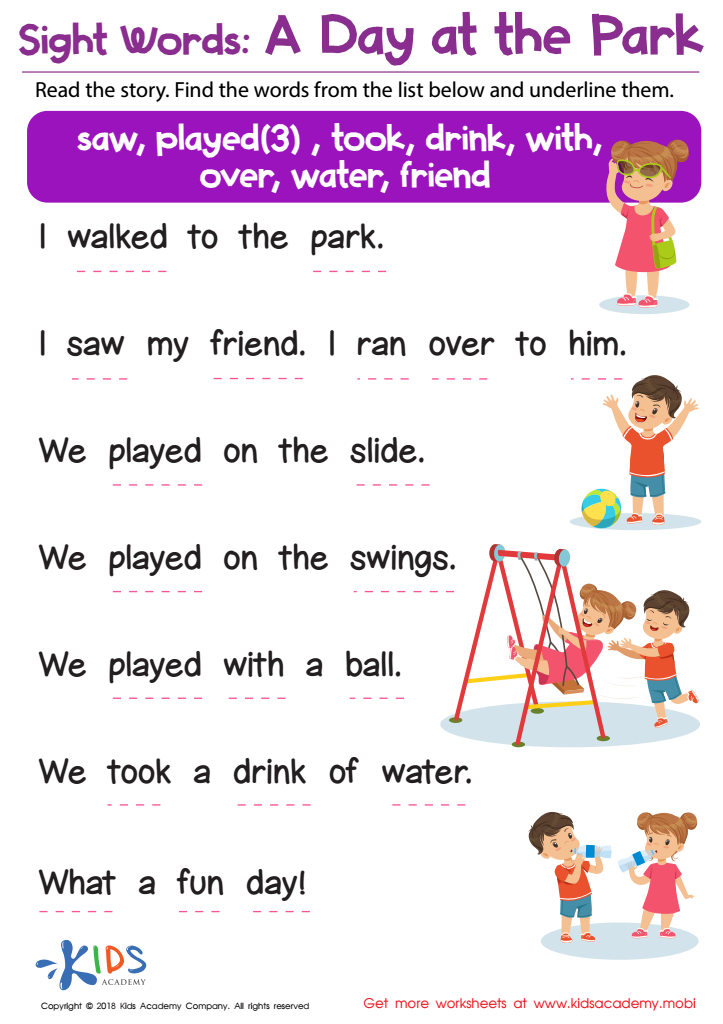
Sight Words: A Day at the Park Worksheet
 Assign to My Students
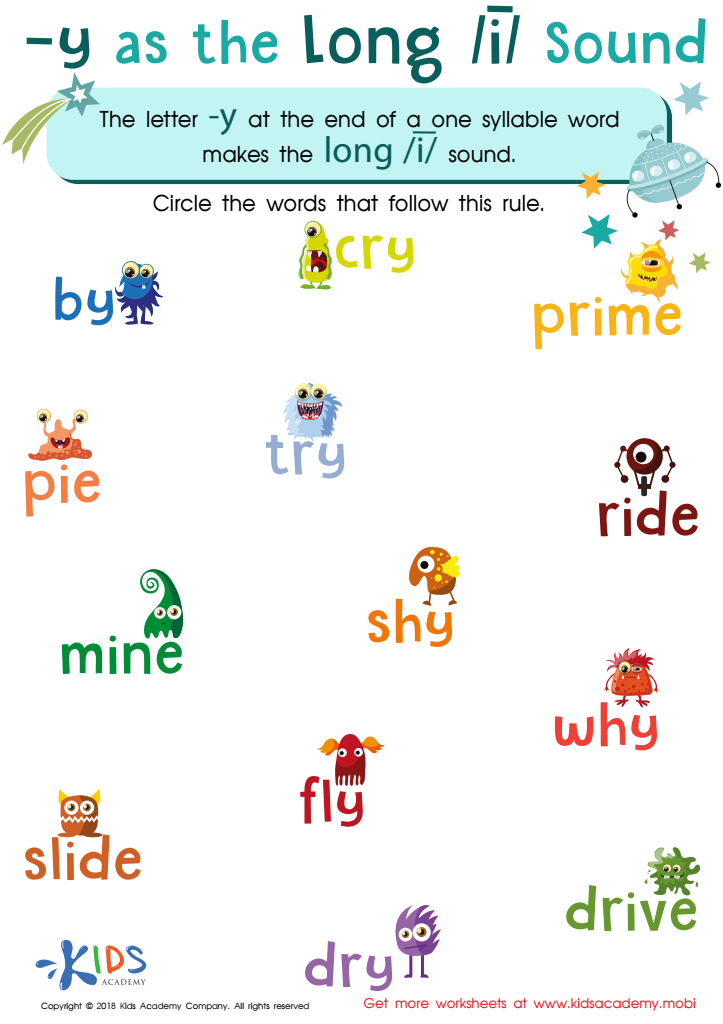
Reading: Y as Long I Worksheet
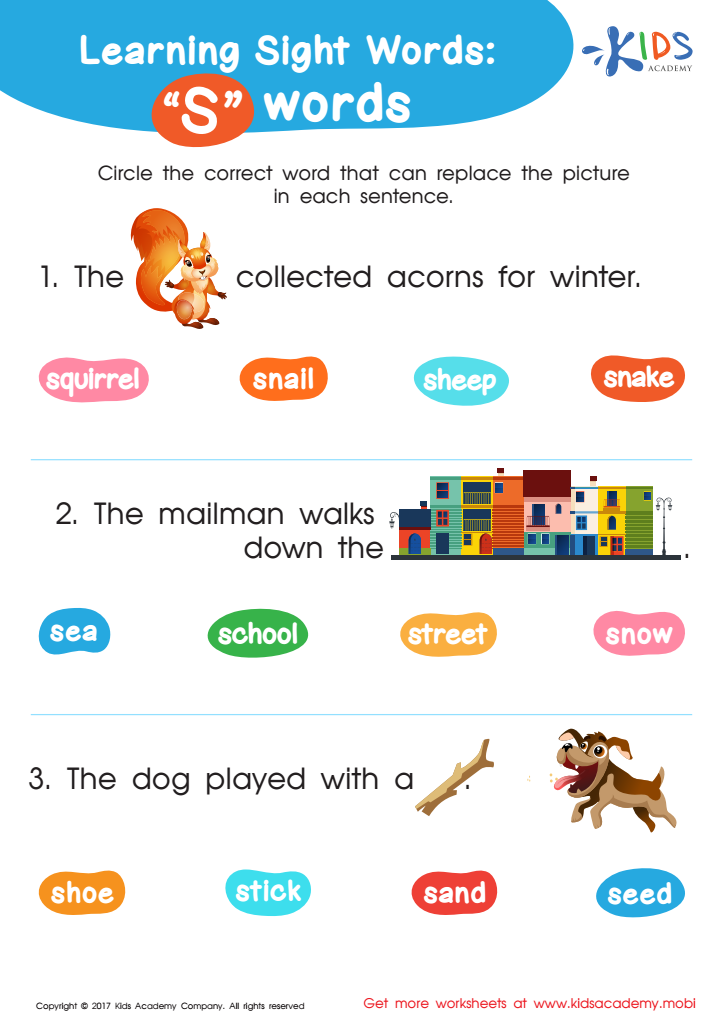
S Words Sight Words Worksheet
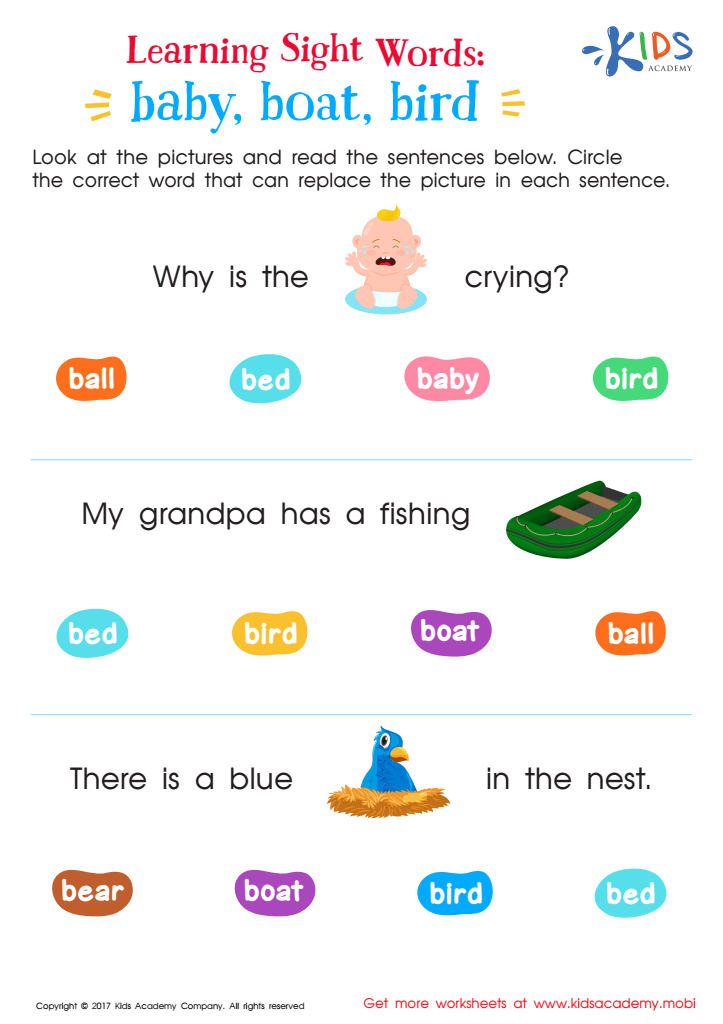
Baby, Boat, Bird Worksheet Sight Words Worksheet
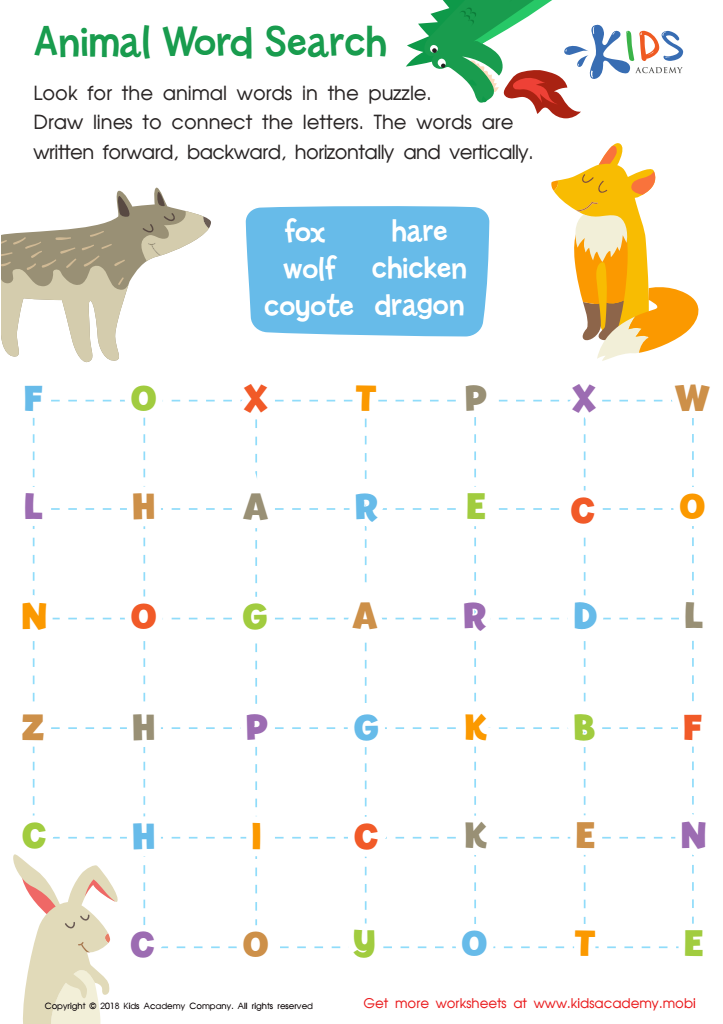
Animal Word Search Worksheet
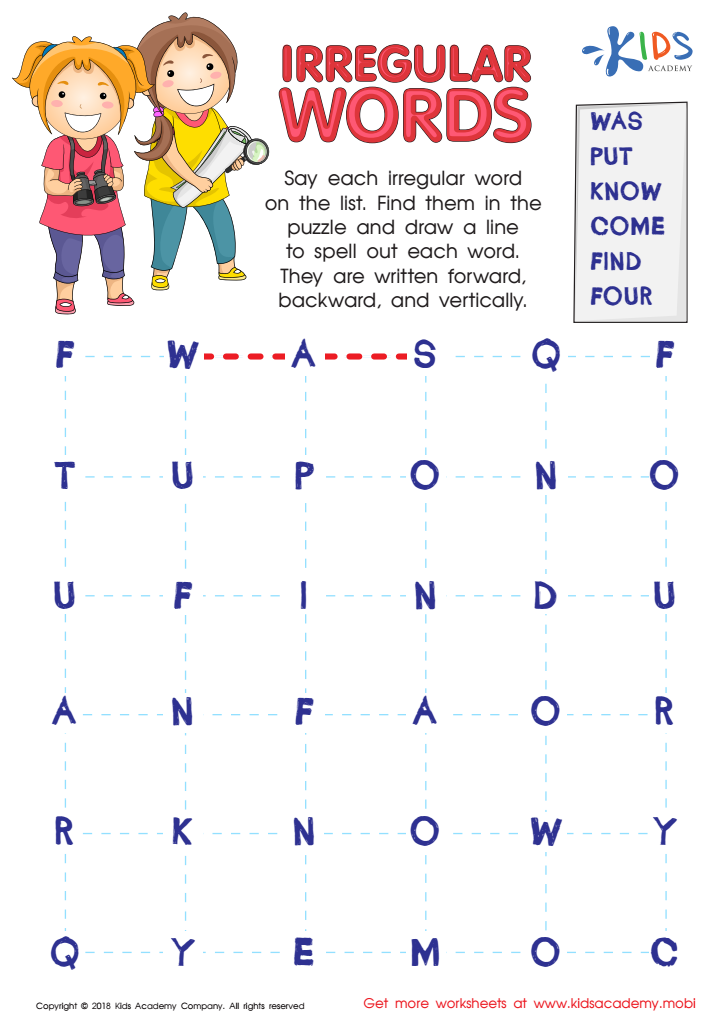
Irregular Words Worksheet





.jpg)


Spelling practice is a vital component of literacy development for children aged 3-7, and both parents and teachers play a crucial role in this process. Early spelling competence significantly influences reading ability, as it fosters phonemic awareness—the understanding that words are made up of individual sounds. When children practice spelling, they engage actively with language, improving their ability to decode and comprehend words in context.
Developing good spelling skills also enhances a child's confidence in their reading and writing abilities. As children learn to spell correctly, they can express themselves more clearly, creating a sense of accomplishment that motivates further learning. Furthermore, spelling practice helps children recognize patterns in language, making them more proficient readers who can navigate age-appropriate texts more successfully.
Introducing fun spelling activities, tailored to each child's skill level, can make learning enjoyable and memorable. This positive reinforcement encourages a lifelong love for language and literacy. Additionally, as children develop their spelling skills, they lay a stronger foundation for future academic endeavors, enhancing their overall educational experience. For these reasons, parents and teachers should prioritize spelling practice within early literacy initiatives, helping children thrive in their reading and writing journeys.








