Story sequencing Normal Reading Fiction Worksheets for Ages 3-7
14 filtered results
-
From - To
Enhance your child's reading and comprehension skills with our Story Sequencing Worksheets tailored for ages 3-7. These engaging and interactive worksheets help young learners develop crucial skills by organizing stories in logical order. Through whimsical illustrations and age-appropriate content, children will practice sequencing key events, reinforcing their understanding of narrative structure. Perfect for both home and classroom settings, our worksheets encourage independent learning and spark creativity in storytelling. Whether used for morning work, literacy centers, or at-home practice, these resources seamlessly blend fun and education, making reading both enjoyable and informative for your little one. Explore our collection today!
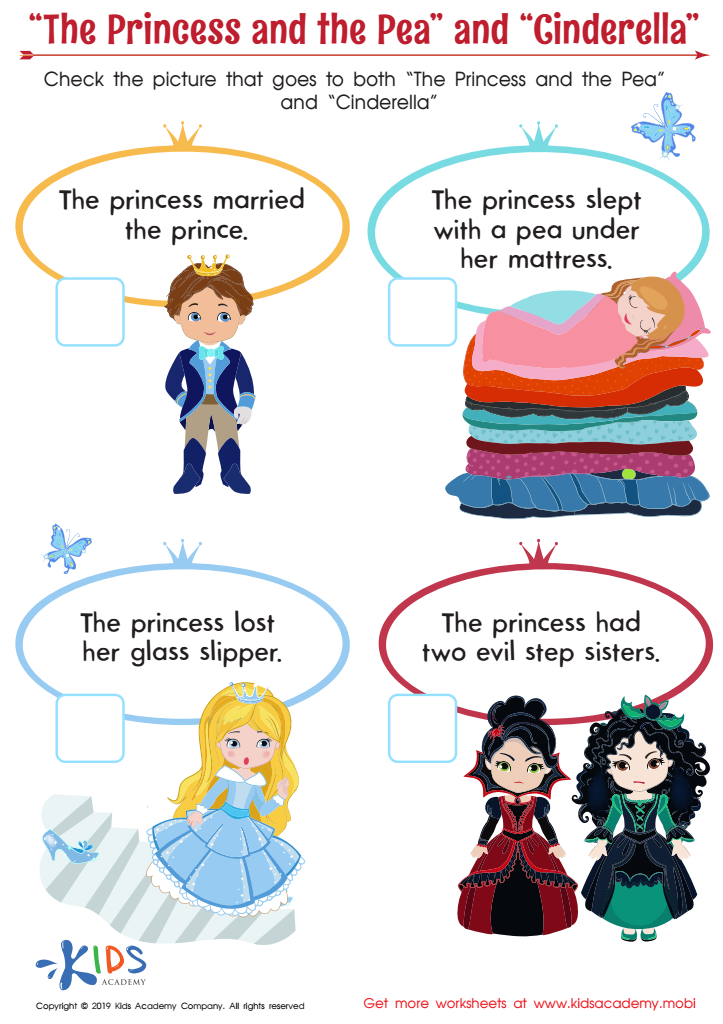
“The Princess and the Pea” and “Cinderella” Worksheet
 Assign to My Students
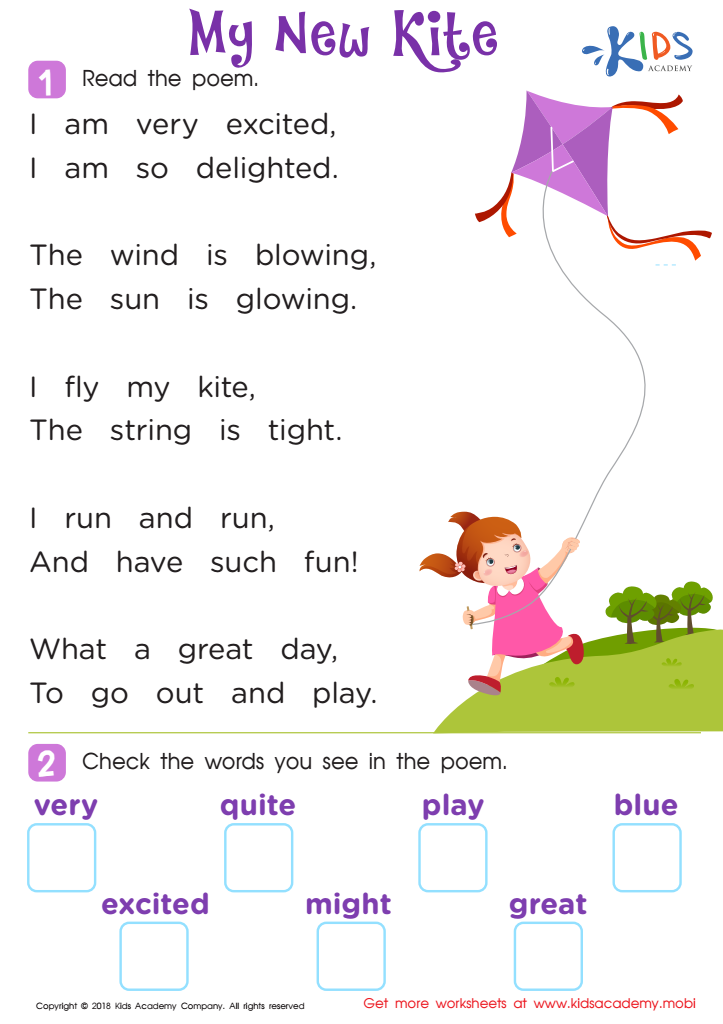
Poem: My New Kite Worksheet
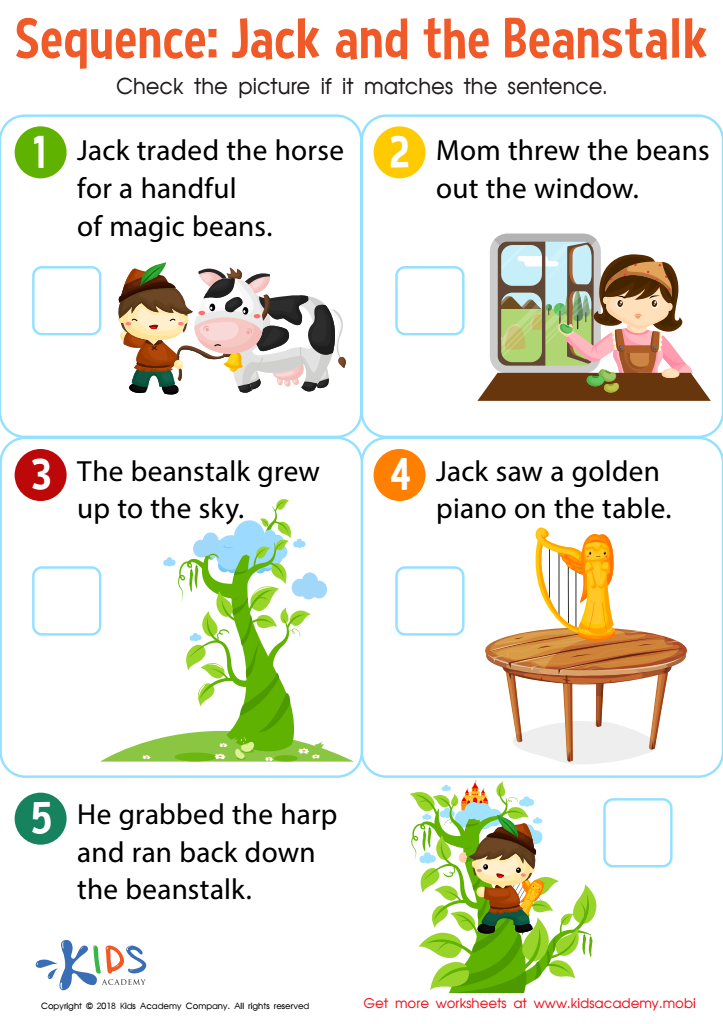
Sequence: Jack and The Beanstalk Worksheet
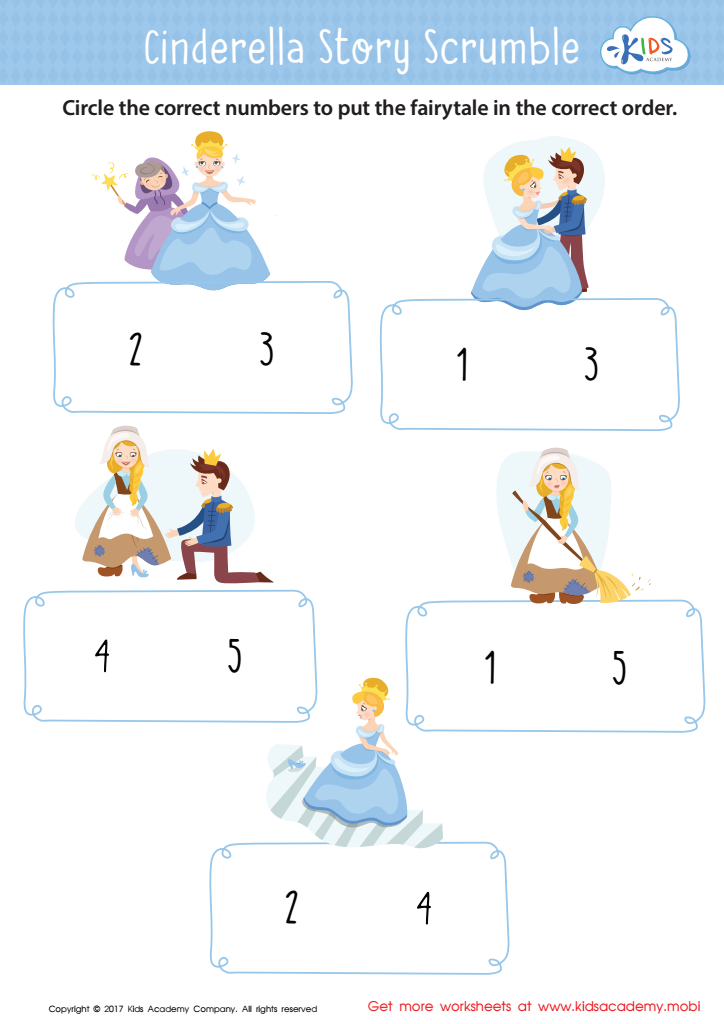
Cinderella Story Sequencing Worksheet
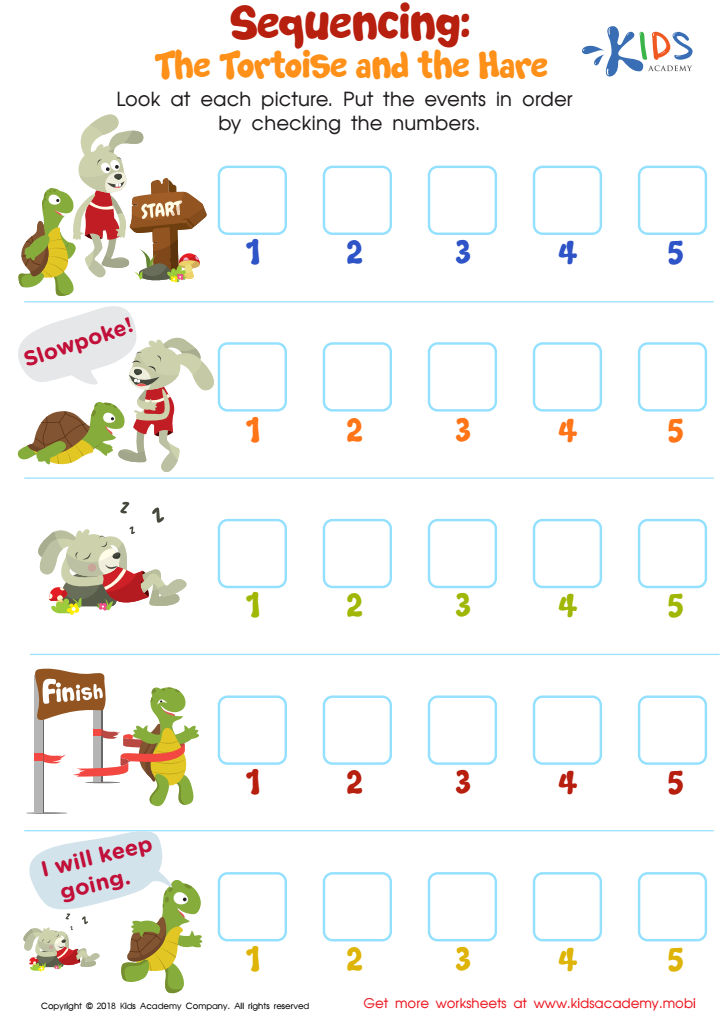
Sequencing: The Tortoise and the Hare Worksheet
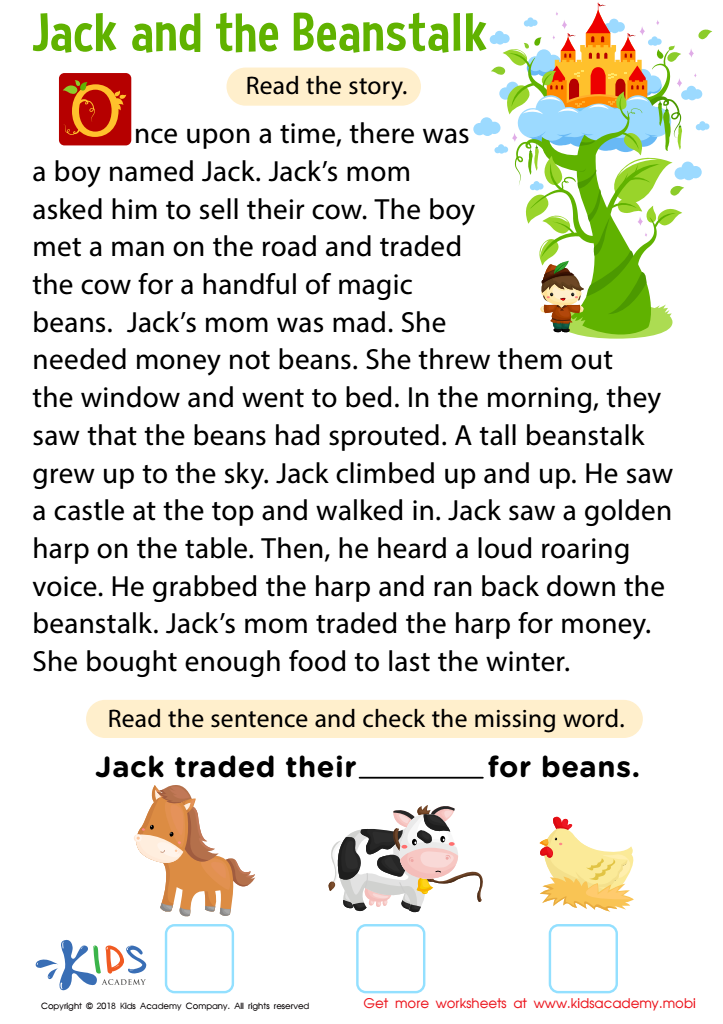
Jack and Beanstalk Worksheet
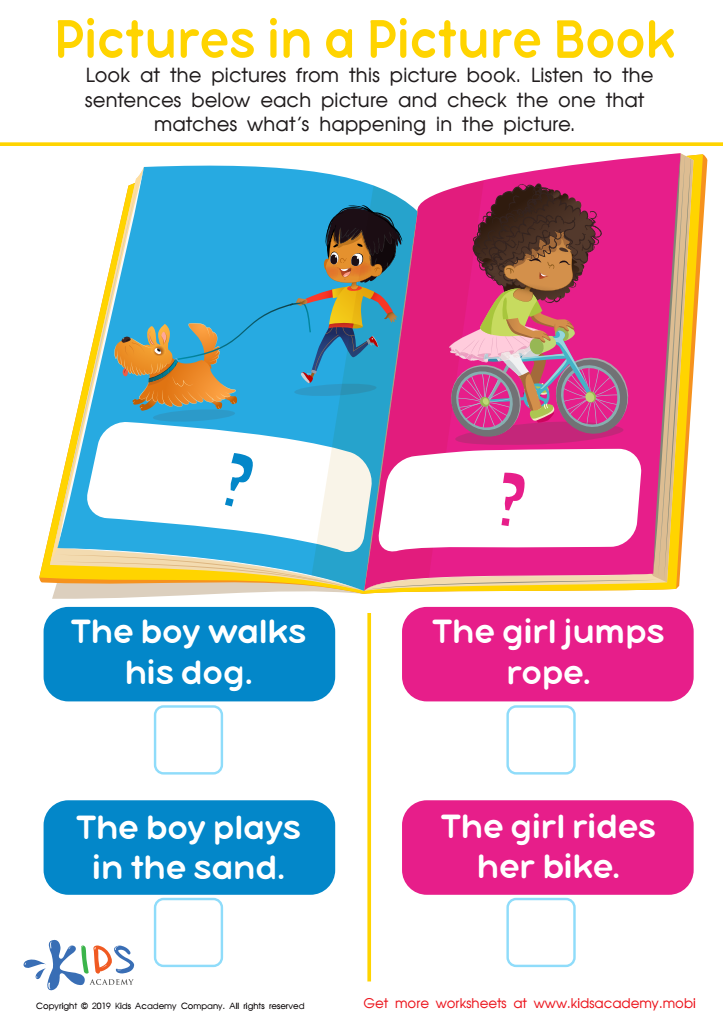
Picture in Books Worksheet
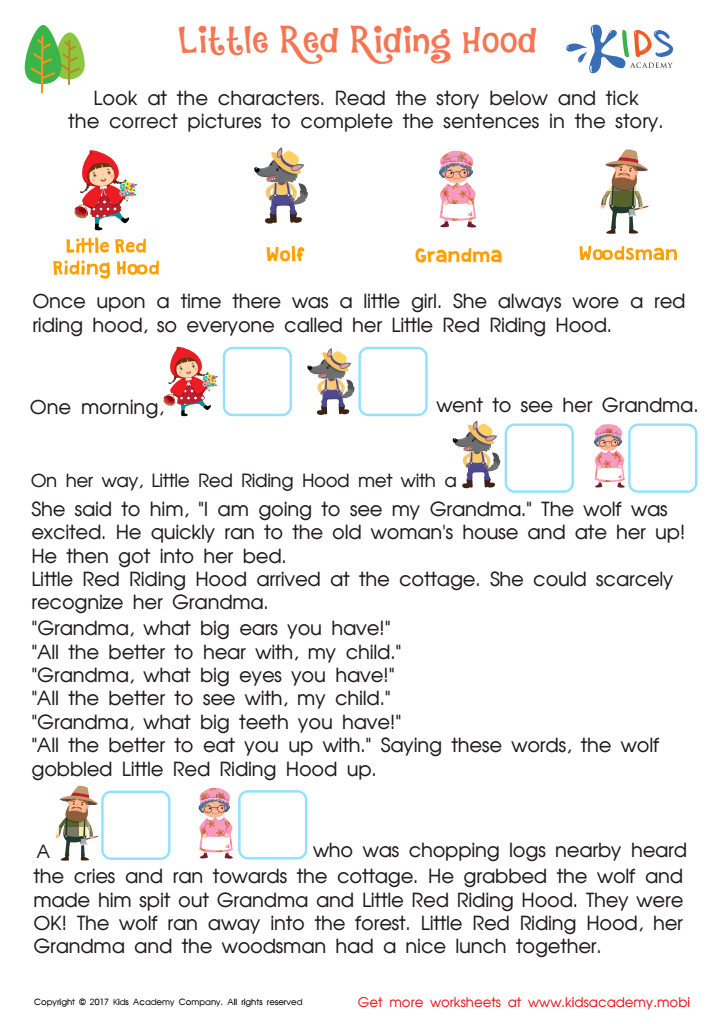
Little Red Riding Hood Printable
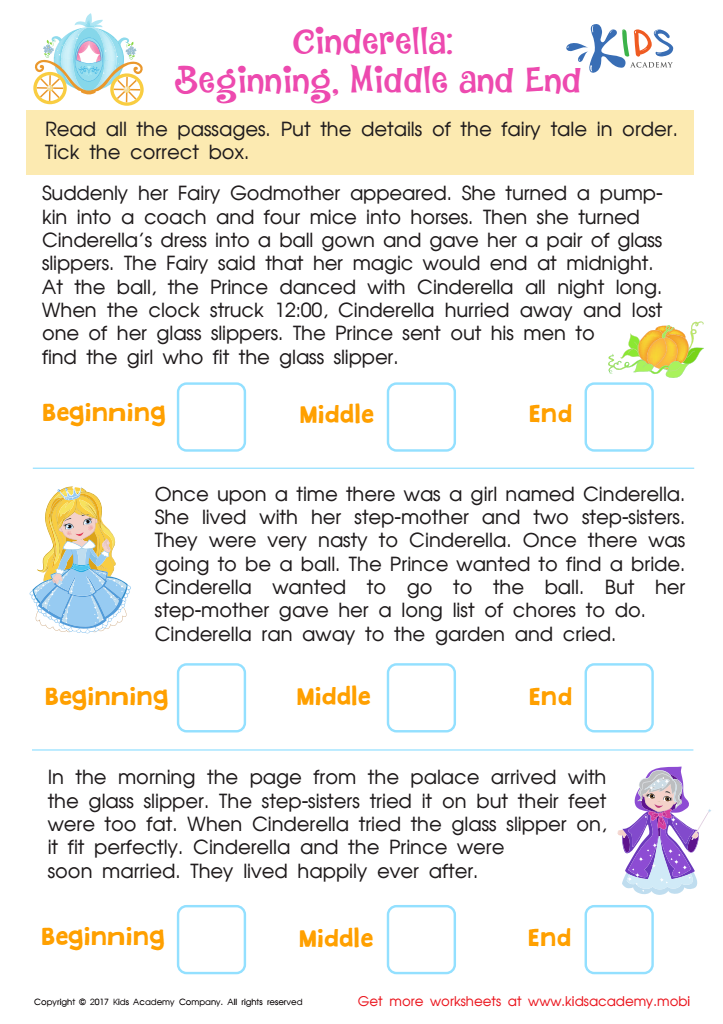
Cinderella: Beginning, Middle and End Worksheet
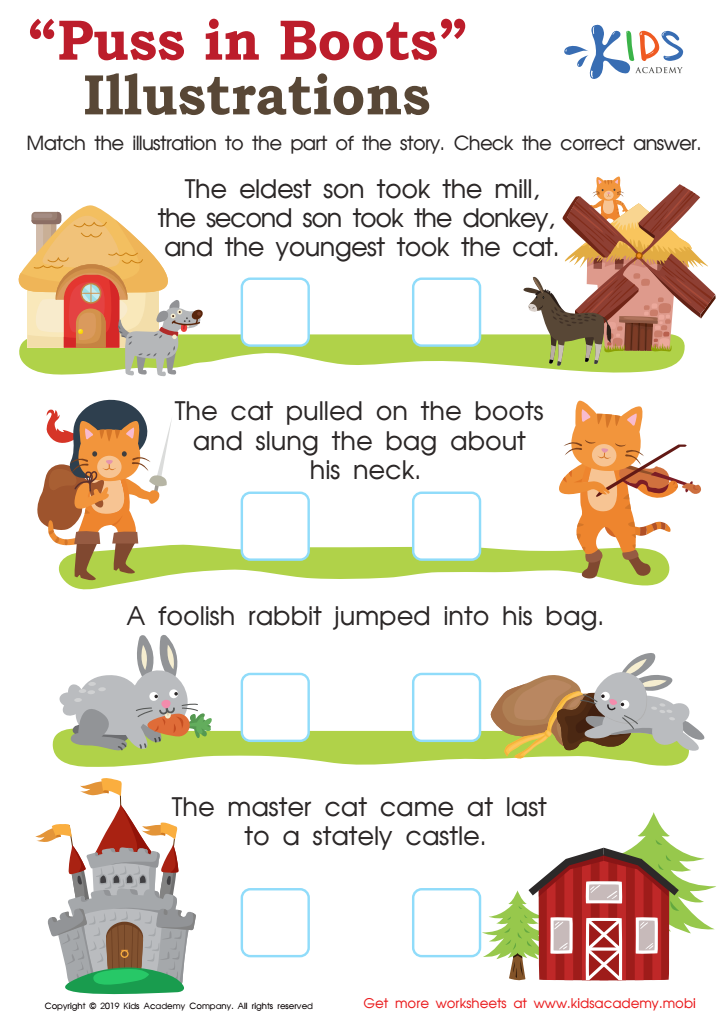
Puss in Boots Illustrations Worksheet
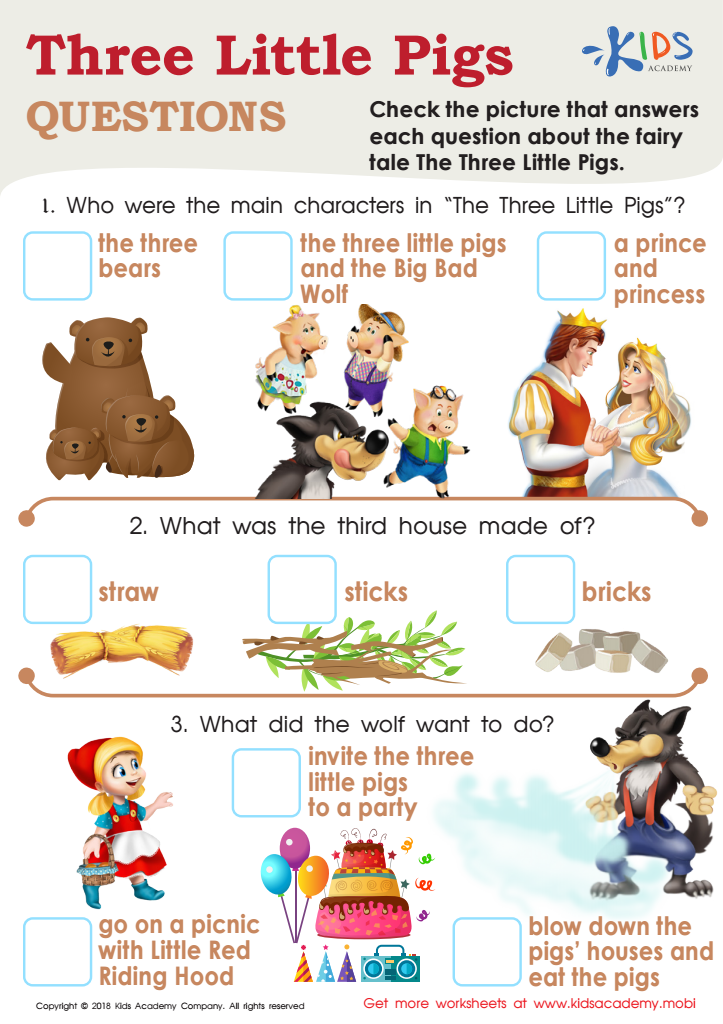
Three Little Pigs Questions Worksheet
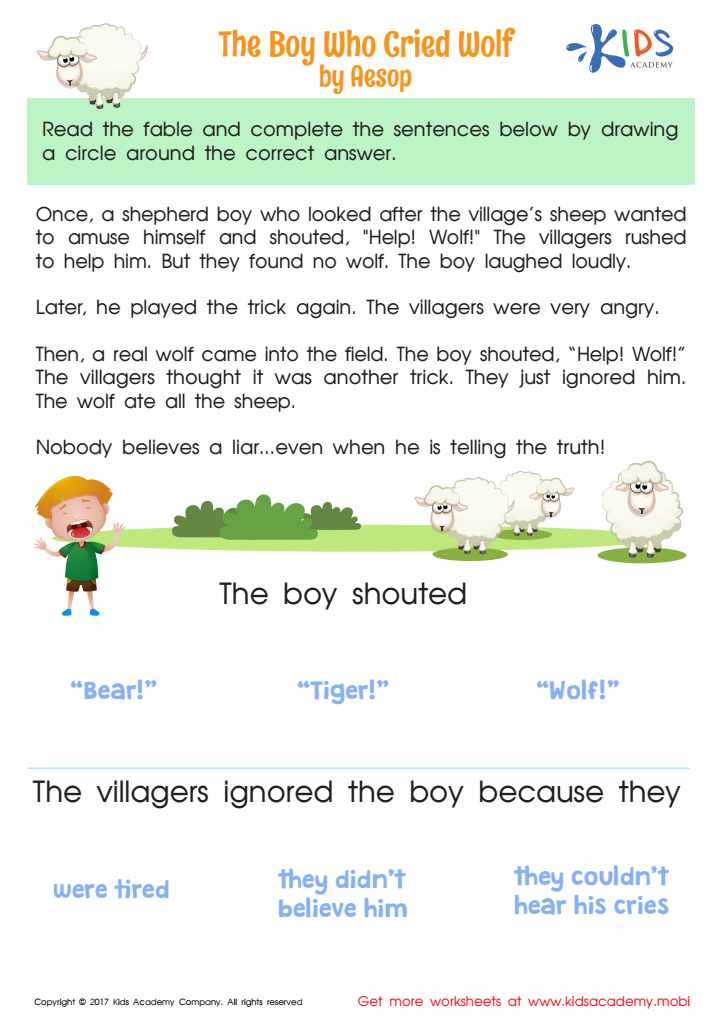
The Boy Who Cried Wolf Worksheet
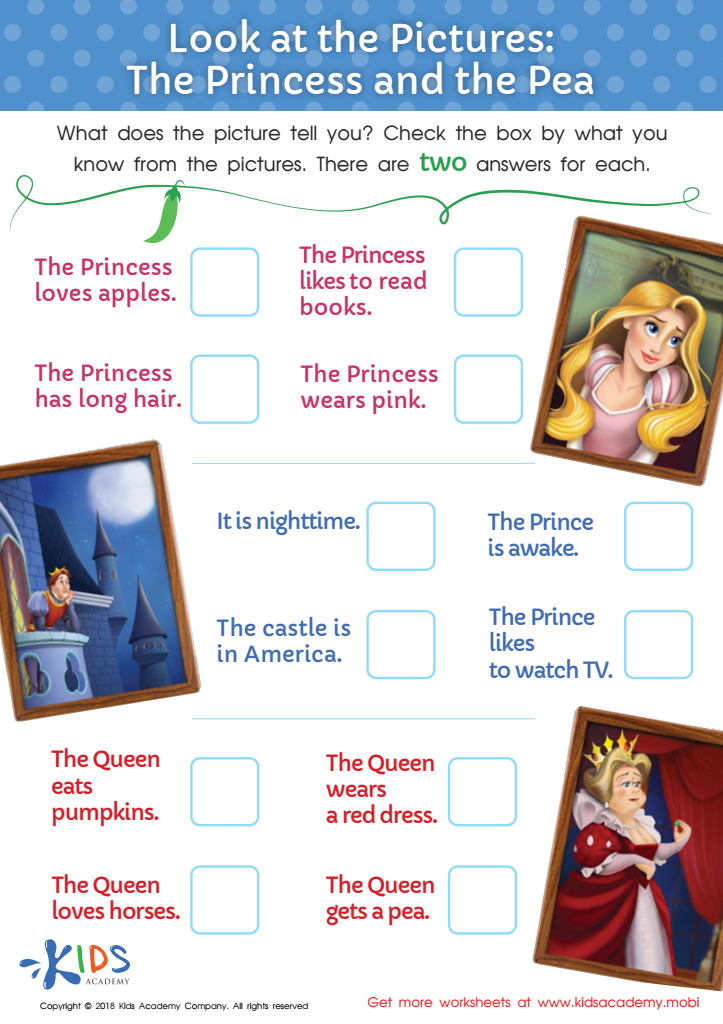
Look at the Pictures: The Princess and the Pea Worksheet
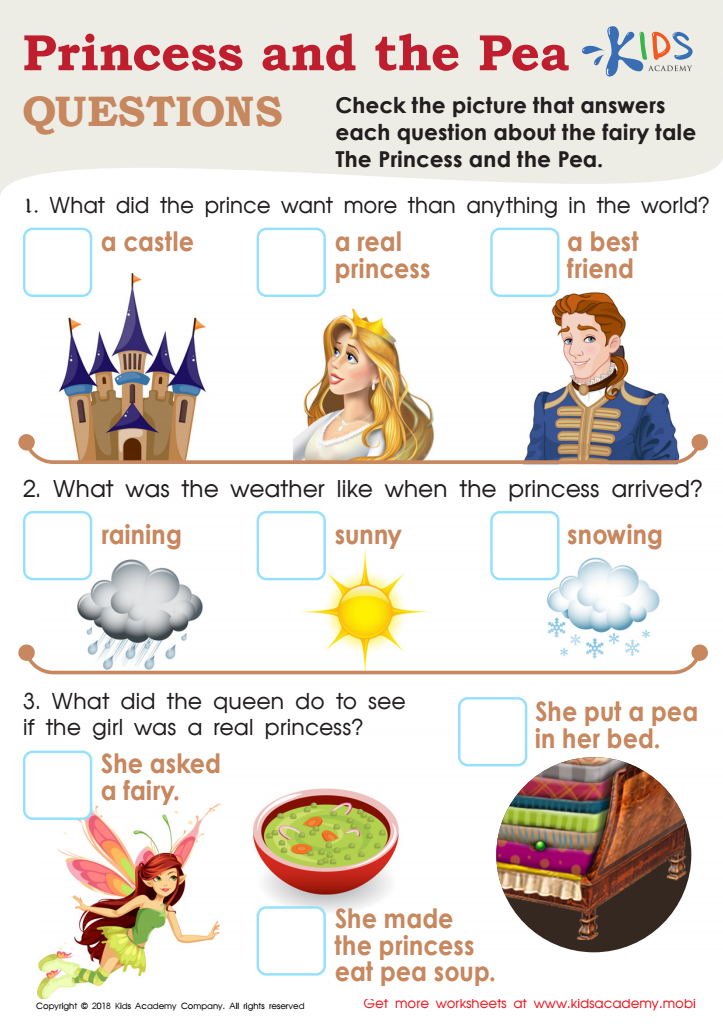
Princess and the Pea Questions Worksheet







Story sequencing is a crucial skill for young readers, particularly in the normal reading fiction genre for ages 3-7. This skill involves understanding and arranging the events of a story in the correct order, which helps children grasp the narrative structure and elements such as beginning, middle, and end. Parents and teachers should care about story sequencing because it lays the foundation for critical thinking and comprehension skills.
When children sequence stories, they enhance their ability to recall details and predict outcomes, which fosters engagement with text. This not only boosts their confidence as readers but also encourages active participation in discussions about the story. Additionally, by mastering sequencing, children can better understand cause-and-effect relationships and develop their storytelling abilities, which are essential for effective communication.
Furthermore, incorporating storytelling and sequencing activities into learning taps into children's natural imagination and creativity. This age group, brimming with curiosity, benefits significantly from discussing characters, settings, and plots, leading to richer literacy experiences. Thus, parents and teachers should prioritize story sequencing as it builds essential foundational skills for academic success and a lifelong love of reading. Engaging children in these activities also nurtures their appreciating understanding of narrative, reaffirming the value of stories in their lives.







