Critical thinking development Normal Science Worksheets for Ages 3-7
4 filtered results
-
From - To
Enhance your child's critical thinking skills with our engaging Normal Science Worksheets for ages 3-7! Designed to spark curiosity and encourage exploration, these worksheets provide age-appropriate activities that promote analytical thinking and problem-solving. Via interactive prompts, children will observe, classify, and draw conclusions about the world around them, laying a solid foundation for scientific inquiry. Each worksheet features vibrant illustrations and thought-provoking questions that captivate young minds. Perfect for use at home or in the classroom, these resources foster creativity and independent thinking in a fun, educational format. Unlock the scientist in your child today with our Critical Thinking Development Worksheets!
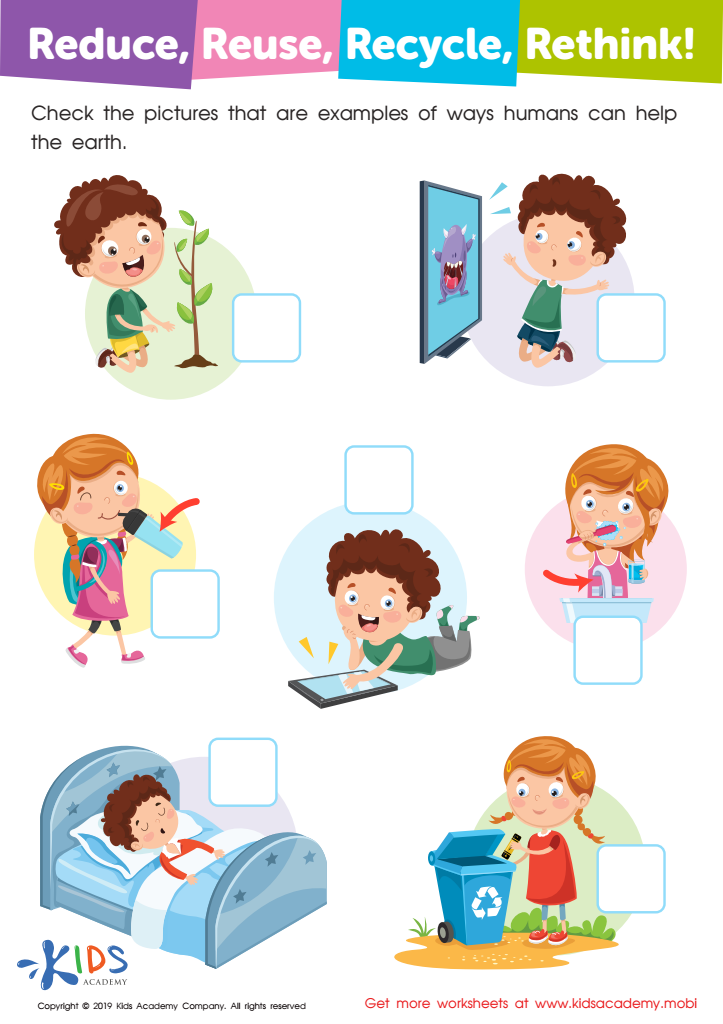
Reduce, Reuse, Recycle, Rethink Worksheet
 Assign to My Students
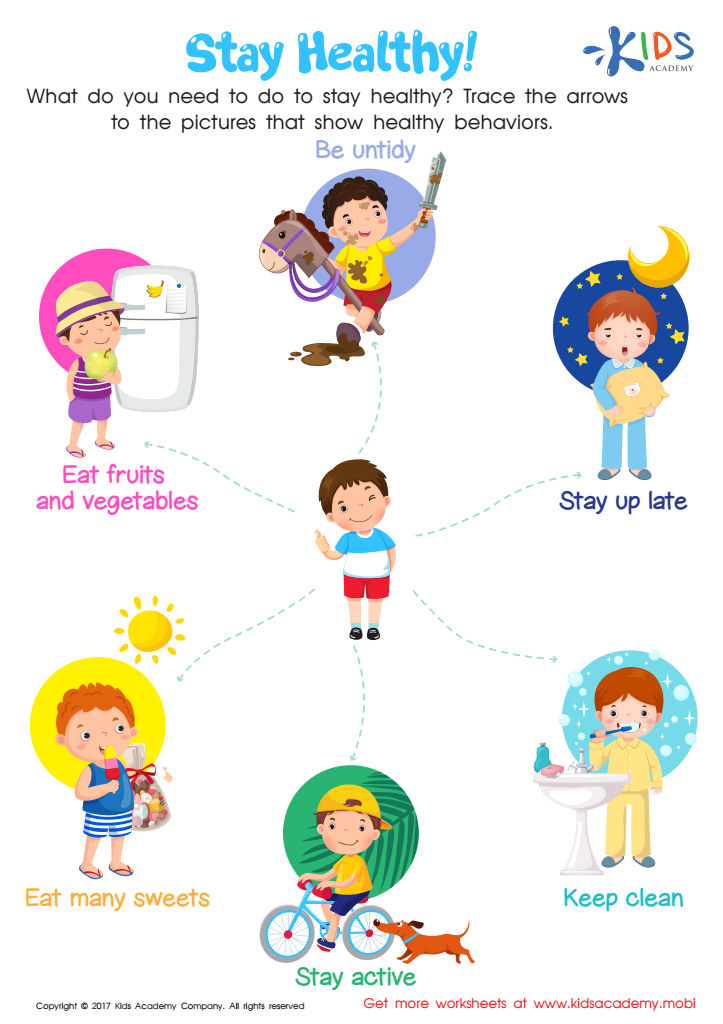
Healthy and Unhealthy Behaviors Worksheet
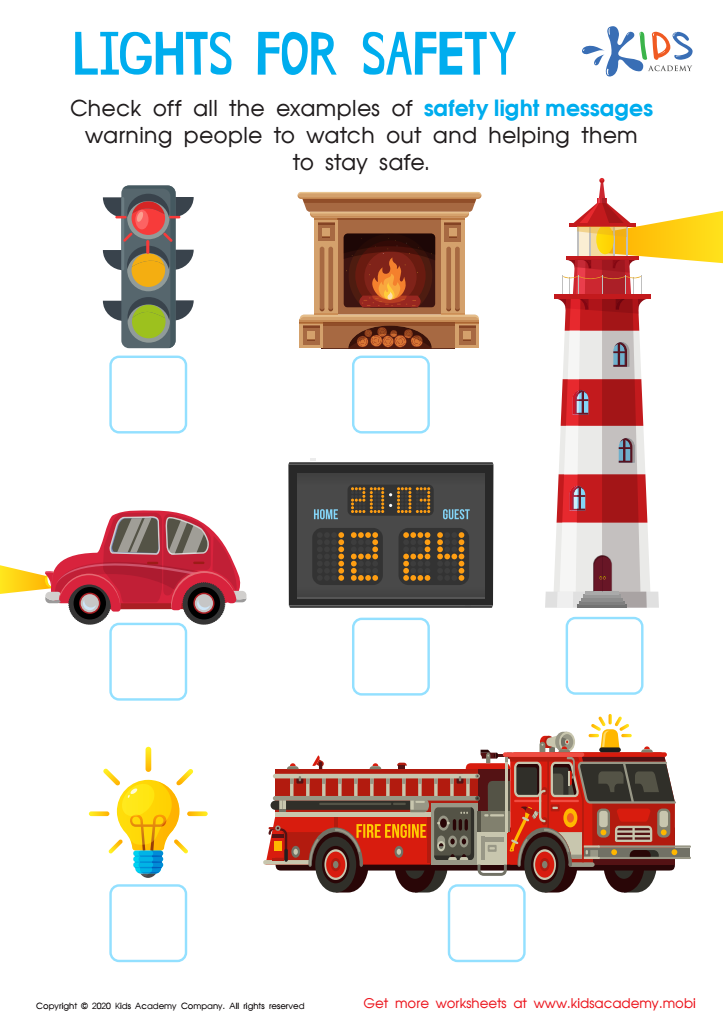
Lights for Safety Worksheet
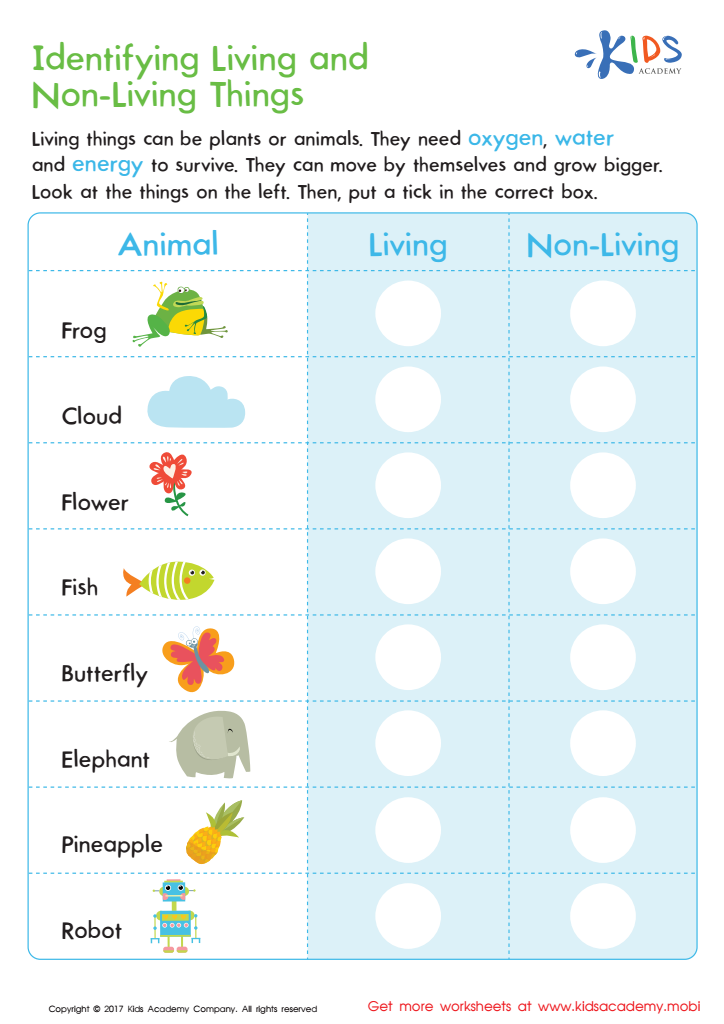
Identifying Living or Non–living Worksheet








Critical thinking is essential for young children, especially during the formative ages of 3-7, as it lays the groundwork for future learning and problem-solving abilities. Normal science, characterized by exploration, observation, and hypothesis formation, provides an ideal context for nurturing these skills. Engaging in normal science activities encourages children to ask questions, make predictions, and test their ideas through hands-on experiments.
Parents and teachers should care about critical thinking development in this stage because it fosters curiosity and creativity. When children learn to think critically, they become more independent learners, developing confidence in their ability to navigate the world around them. This skill set supports academic success across subjects, particularly in STEM (Science, Technology, Engineering, and Mathematics), which increasingly emphasizes conceptual understanding and analytical abilities.
Furthermore, critical thinking equips children with life skills that transcend the classroom, helping them make informed decisions, resolve conflicts, and understand complex social situations. By emphasizing normal science and critical thinking training, parents and educators help cultivate inquisitive minds that are better prepared for the challenges of the future. Investing time and resources into these formative experiences ensures children develop the cognitive tools they need to thrive both academically and socially.







