Enhancing observational skills Normal Science Worksheets for Ages 3-7
7 filtered results
-
From - To
Discover our "Enhancing Observational Skills Normal Science Worksheets for Ages 3-7," designed to ignite curiosity and boost critical thinking in young minds. Tailored for preschool and early elementary children, these printable worksheets provide fun, hands-on activities that encourage kids to observe, question, and explore the world around them. From noticing patterns to distinguishing differences, each worksheet builds foundational science skills crucial for early learning. Perfect for both classroom and home use, our engaging and interactive resources make it easy to nurture young scientists. Start enriching your child's observational skills today with our expertly crafted worksheets!
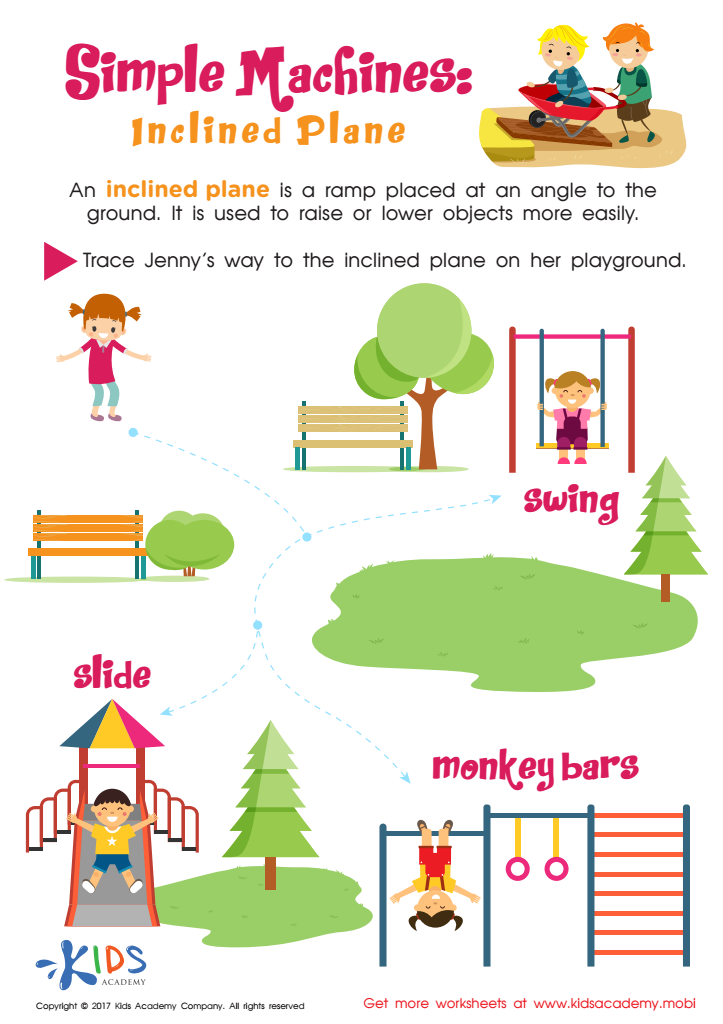
Simple Machines Inclined Plane Worksheet
 Assign to My Students
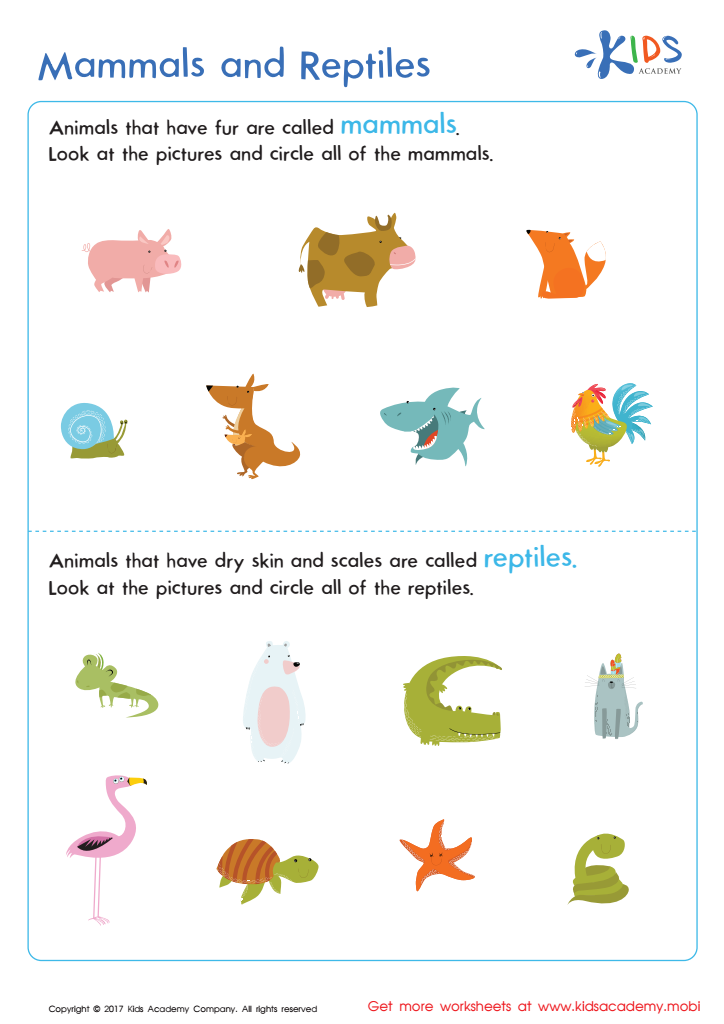
Mammals and Reptiles Worksheet
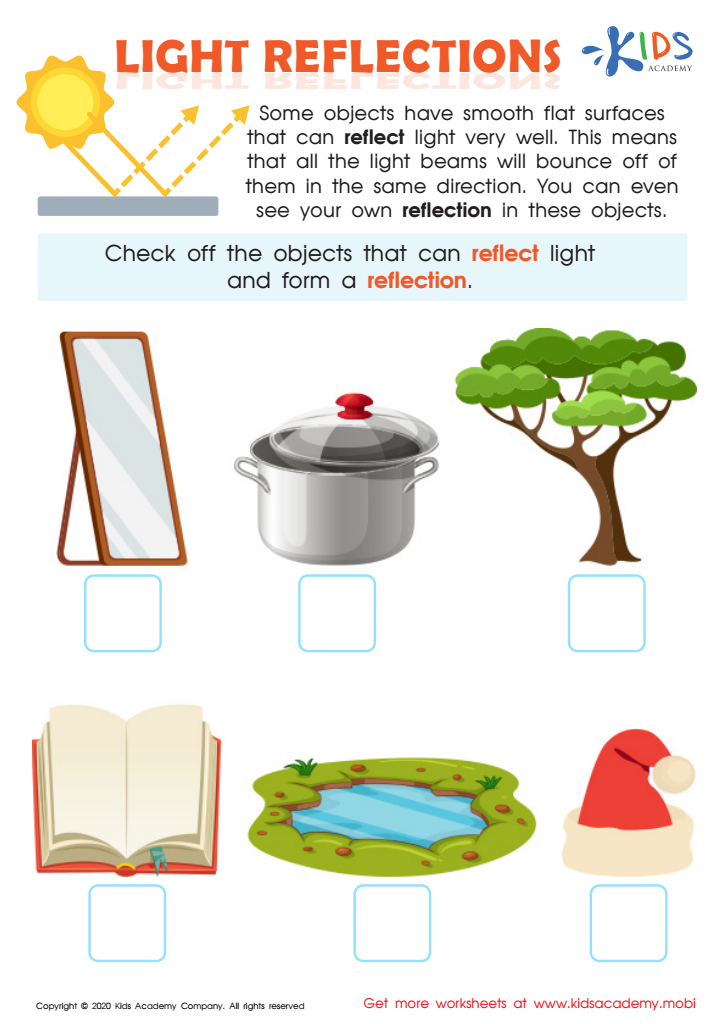
Light Reflections Worksheet
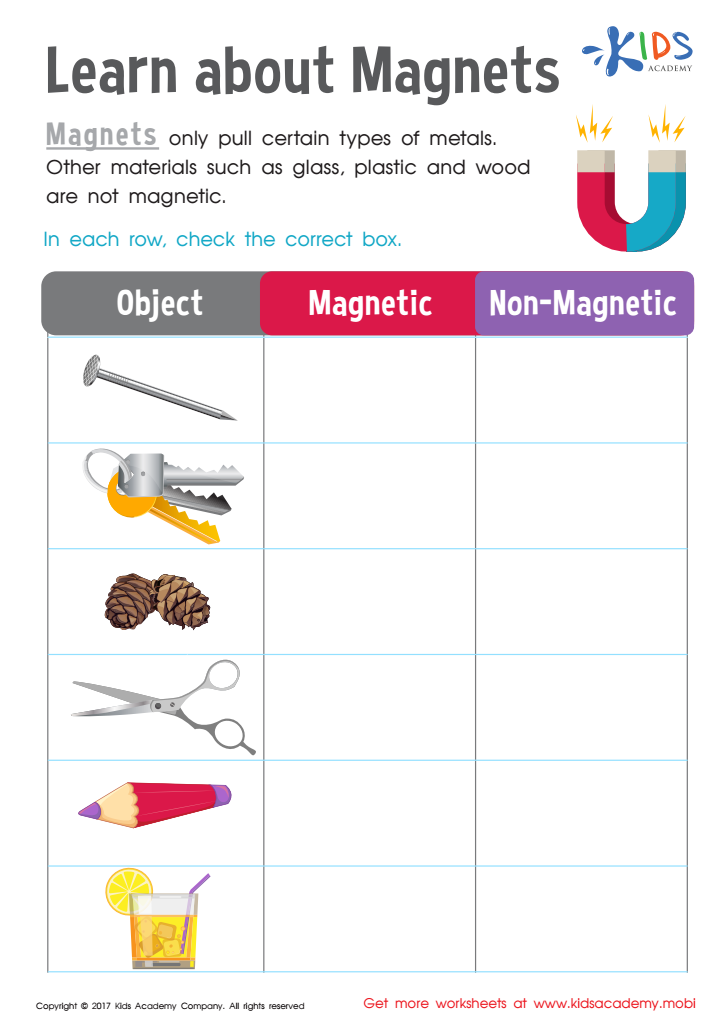
Magnetic Or Not Worksheet
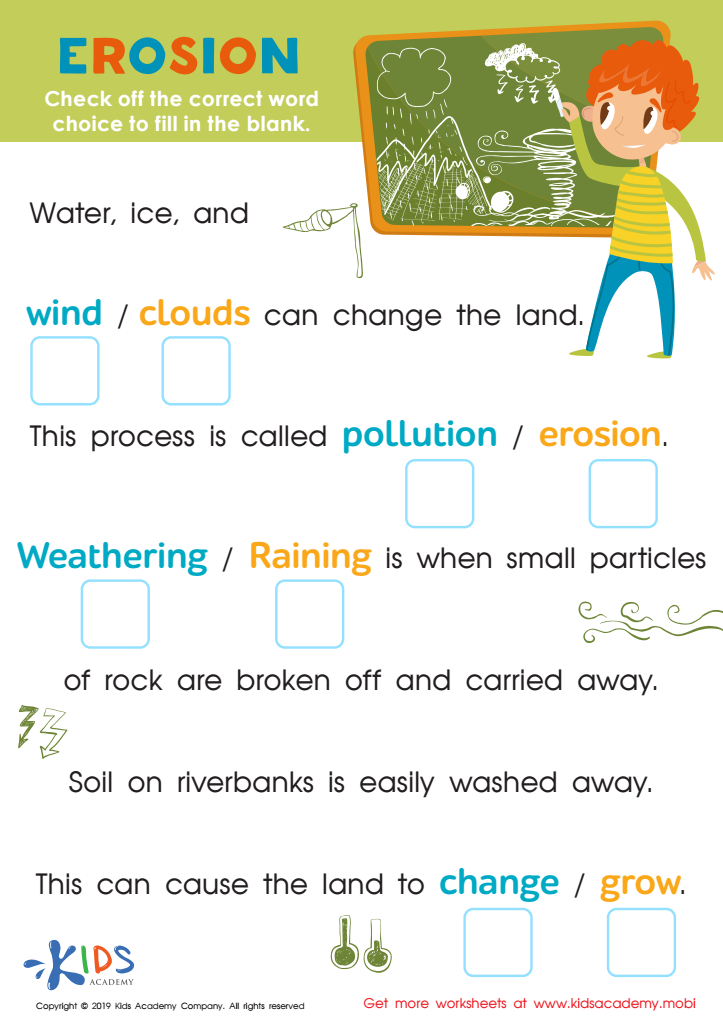
Erosion Worksheet
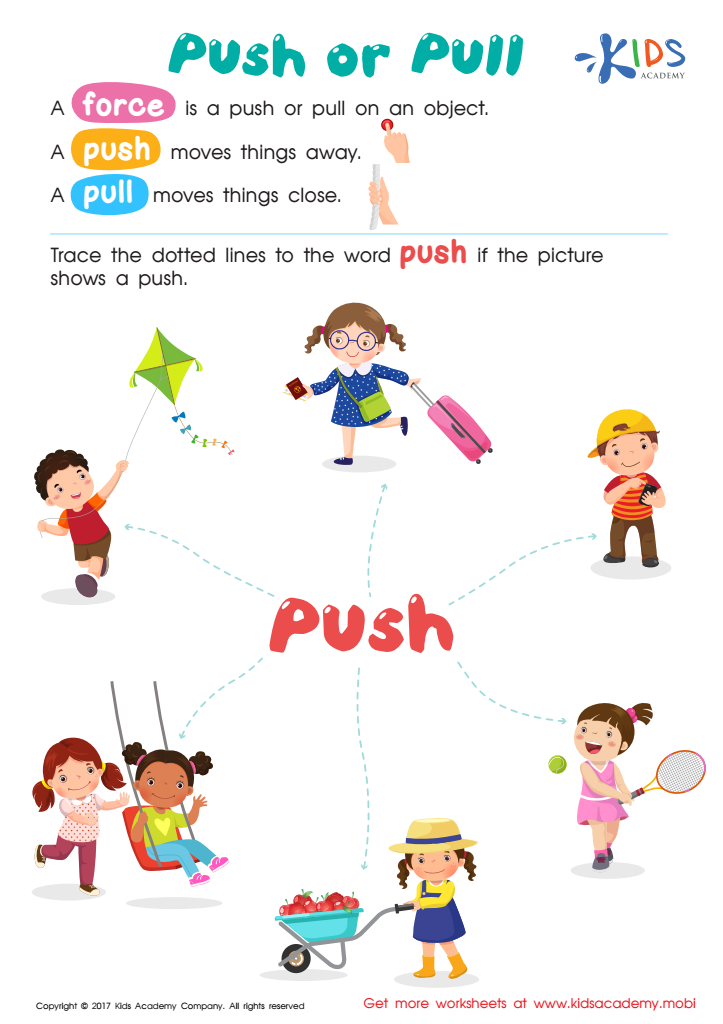
Push or Pull Worksheet
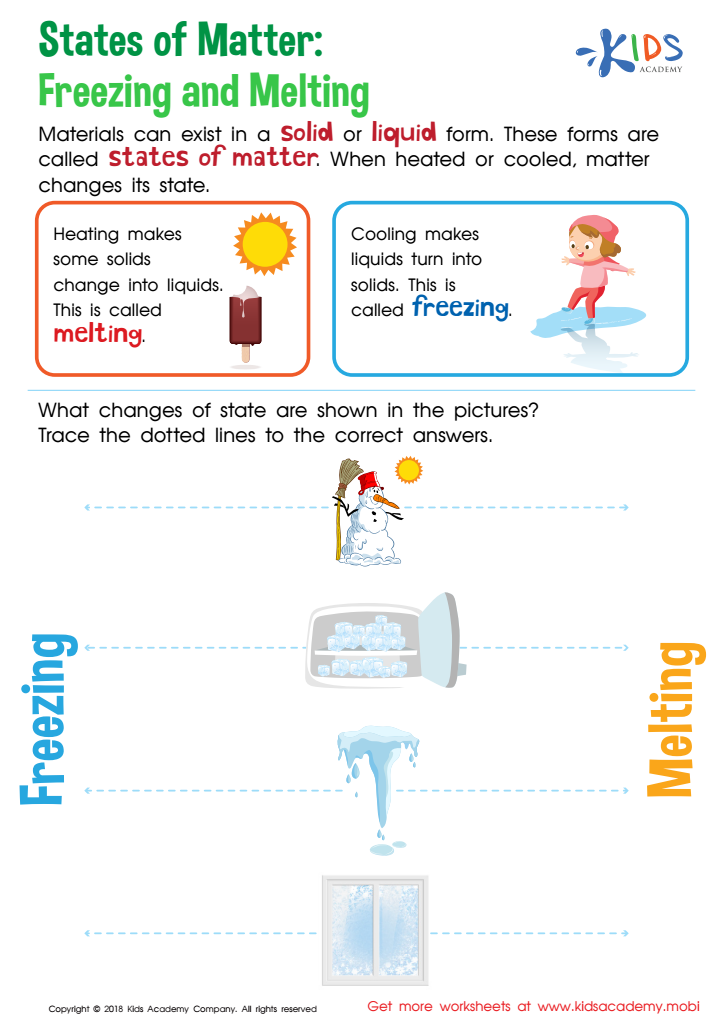
States of Matter: Freezing and Melting Worksheet






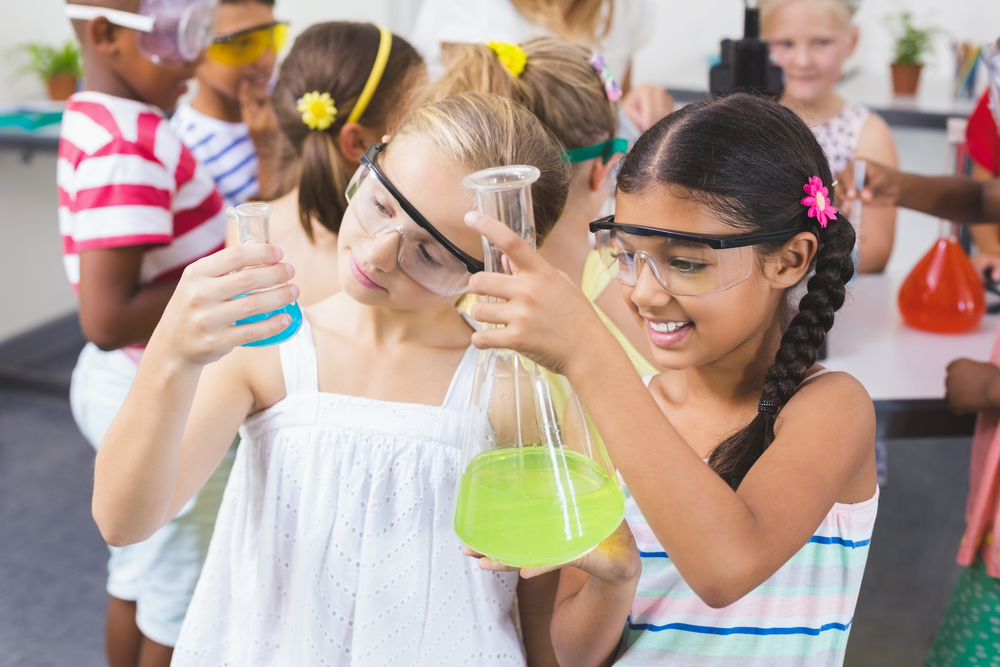
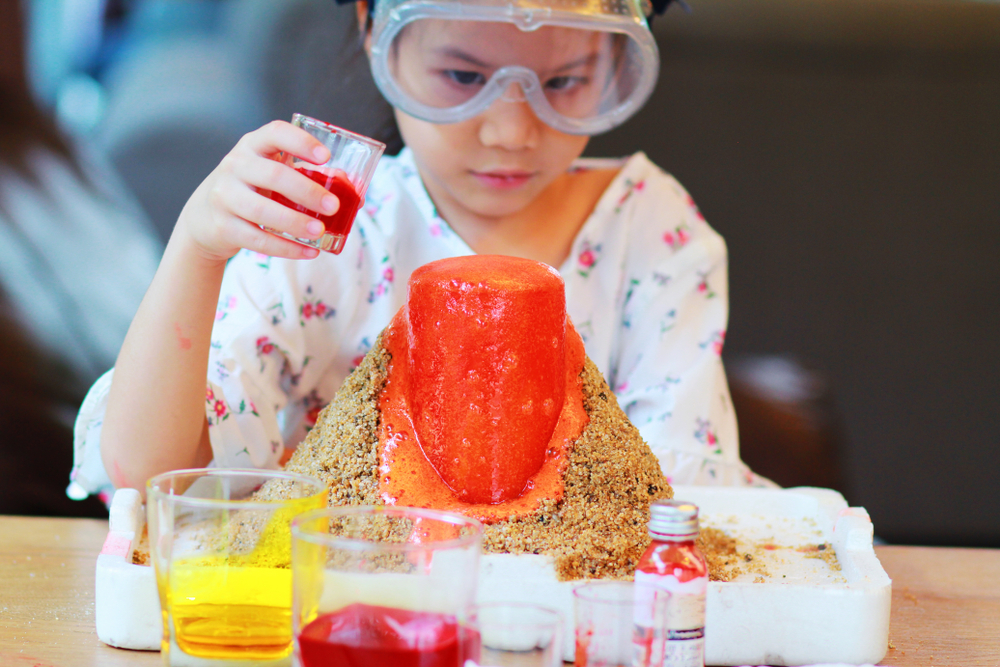
Enhancing observational skills in children ages 3-7 is crucial because these formative years lay the foundation for future learning and cognitive development. During this period, children are naturally curious about the world around them. By cultivating observational skills, parents and teachers can harness this curiosity to foster a deeper understanding of their environment.
Observational skills are the building blocks of scientific thinking. When children learn to observe closely, they develop critical thinking and problem-solving abilities. For example, by noting differences and similarities in objects, children begin to develop categorization skills essential for subjects like math and science. This kind of structured thinking enables them to make predictions, analyze outcomes, and understand cause-and-effect relationships.
Moreover, strong observational skills enhance social-emotional development. By accurately reading facial expressions and social cues, children can interact more effectively with peers and adults, enhancing their empathy and cooperation skills.
Incorporating observational activities into daily routines—like nature walks, simple experiments, or storytelling—allows children to practice these skills naturally. As they grow, their ability to observe, analyze, and synthesize information will support academic success and everyday life skills. Hence, fostering observational skills from an early age equips children with essential tools for both intellectual and personal growth.







