Improving reading comprehension Normal Science Worksheets for Ages 3-7
3 filtered results
-
From - To
Enhance your child's reading comprehension skills with our dynamic Normal Science Worksheets, designed specifically for ages 3-7. These engaging worksheets combine fun and education, featuring interactive activities that stimulate critical thinking and understanding of scientific concepts. Tailored to young learners, our materials promote vocabulary development and help children grasp key ideas in science through captivating stories and visual aids. Ideal for classroom or home use, these worksheets encourage exploration and curiosity while empowering students to become thoughtful readers. Discover the perfect balance of learning and play with our thoughtfully crafted resources to foster a love for reading and science!
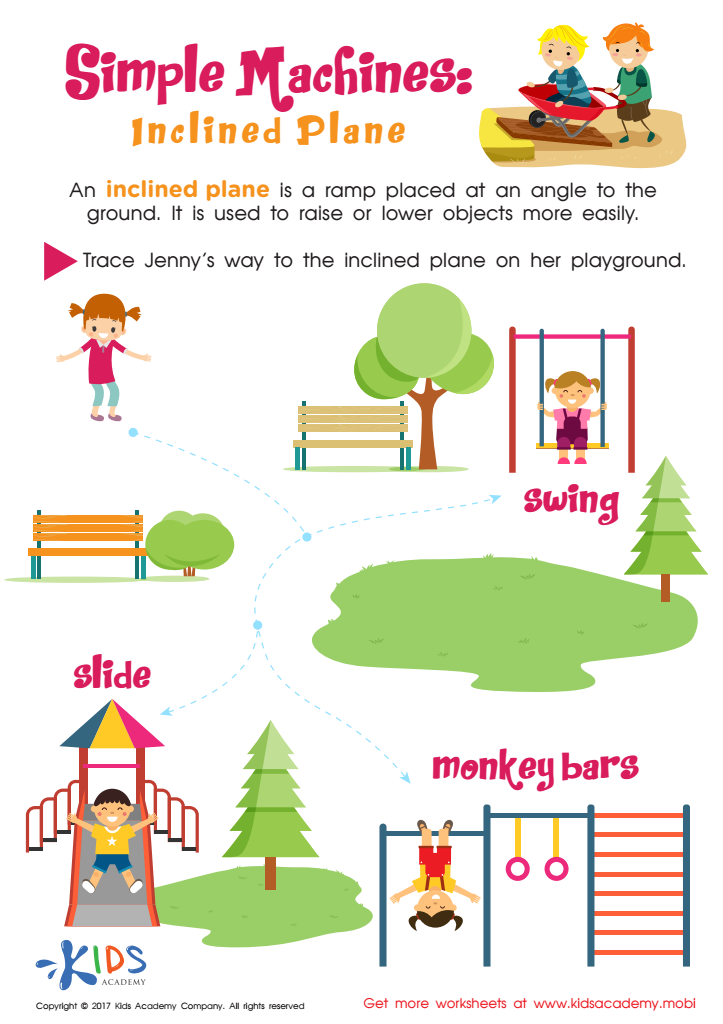
Simple Machines Inclined Plane Worksheet
 Assign to My Students
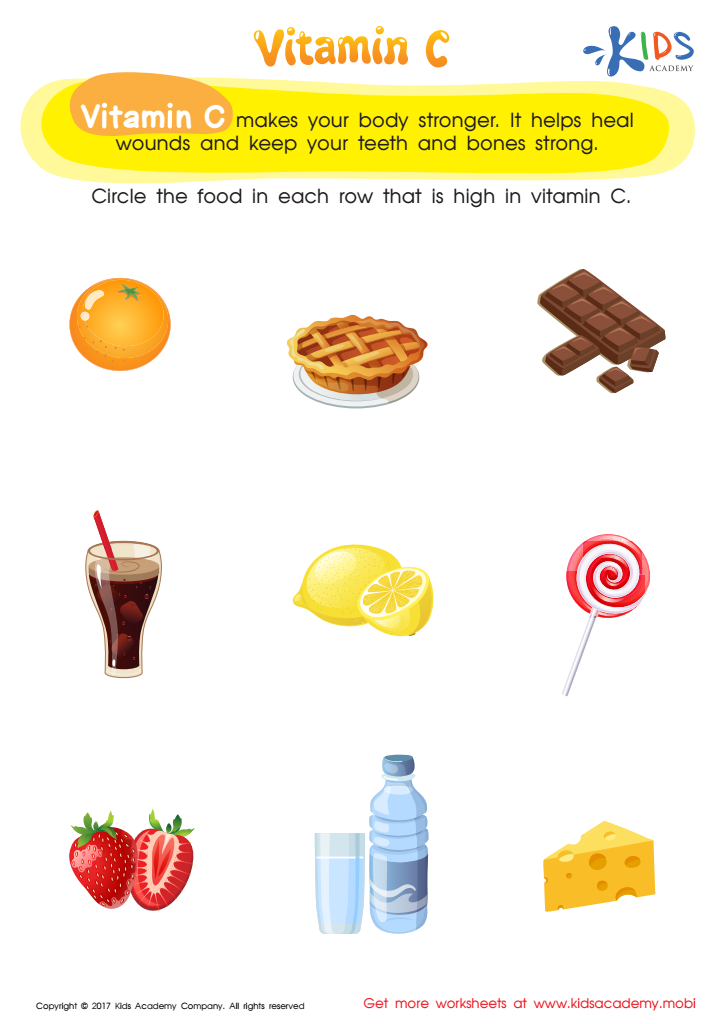
Vitamin C Worksheet
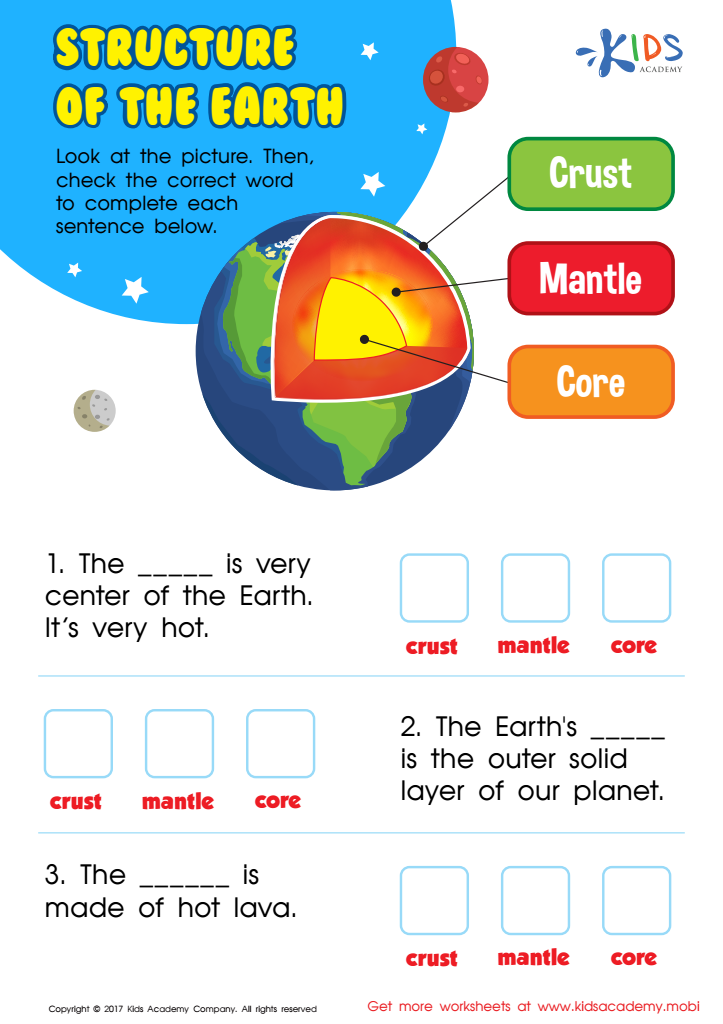
Structure of the Earth Worksheet








Improving reading comprehension in young children, particularly those aged 3 to 7, is crucial for their overall academic success and lifelong learning. This stage of cognitive development is pivotal, as early experiences with language and literacy form the foundation for later skills. When children grasp the meaning of what they read, they are more engaged and motivated, fostering a love for reading that can last a lifetime.
For parents and teachers, enhancing reading comprehension encourages critical thinking and analytical skills. Children learn to make connections, ask questions, and draw inferences, skills that are vital not only in academic settings but also in everyday life situations. Engaging children in conversations about stories—not just reading to them—can deepen their understanding and stimulate their imagination, promoting cognitive development.
Furthermore, children who struggle with comprehension early on may face challenges in more advanced grades, leading to a negative cycle of frustration and disinterest in learning. By prioritizing comprehension at this early age, parents and teachers set children up for success, improving their self-esteem and academic performance. Overall, investing in reading comprehension skills fosters a rich, future-oriented educational environment where young learners thrive and become confident readers.







