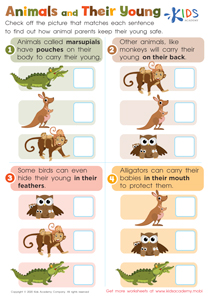
Vocabulary enhancement Normal Plants Worksheets for Ages 3-7
3 filtered results
-
From - To
Enhance your child's vocabulary with our engaging Normal Plants Worksheets, designed specifically for ages 3-7. These fun, interactive worksheets introduce young learners to plant-related terminology, fostering a love for nature and science. Each activity encourages kids to explore essential vocabulary through vibrant illustrations and relatable examples, making learning enjoyable and effective. By integrating hands-on exercises, matching games, and word searches, our resources empower children to confidently express their understanding of the plant world. Perfect for homeschooling or classroom use, these worksheets not only build essential language skills but also encourage curiosity about the natural environment. Get started on the path to vocabulary growth today!
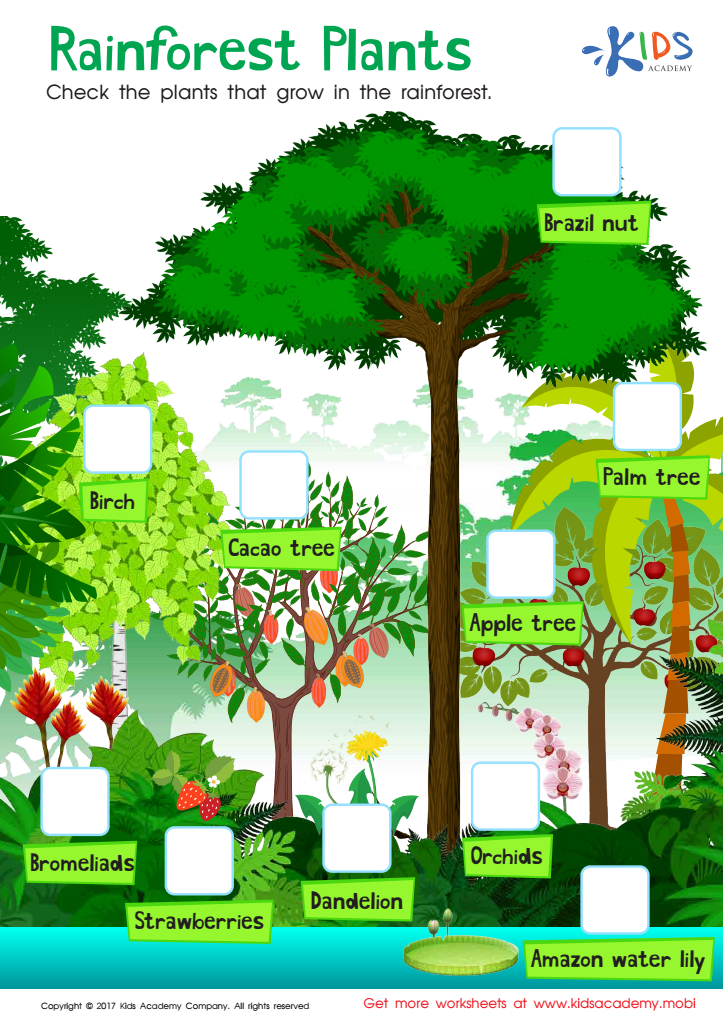
Rainforest Plants Worksheet
 Assign to My Students


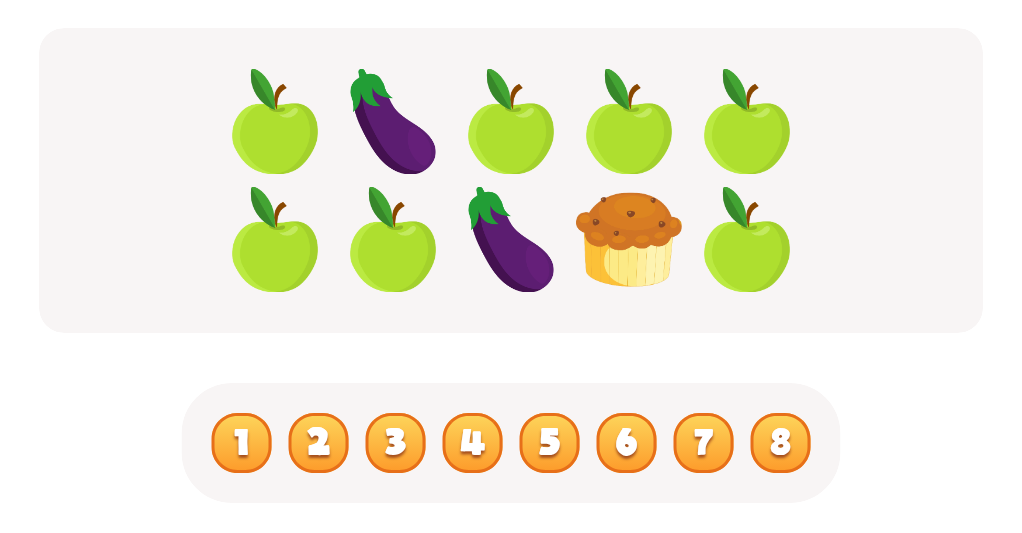
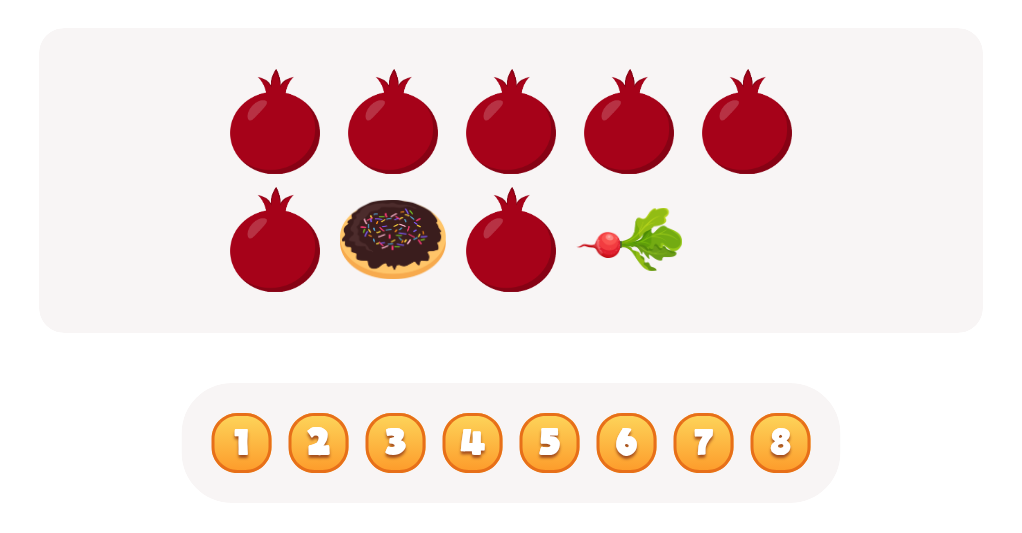



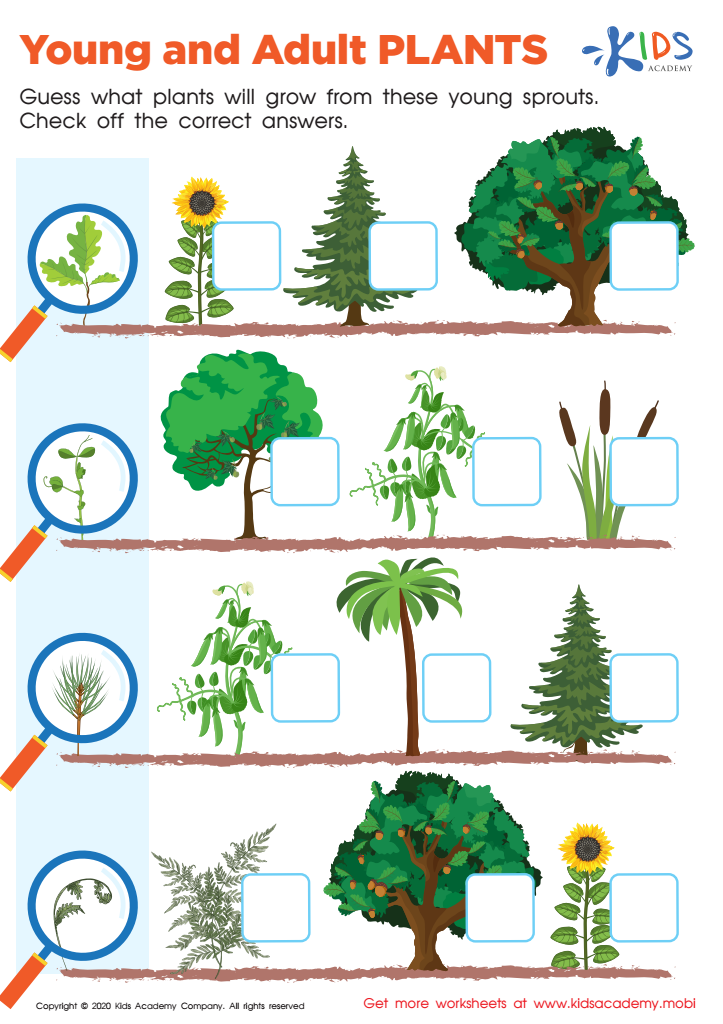
Young and Adult Plants Worksheet
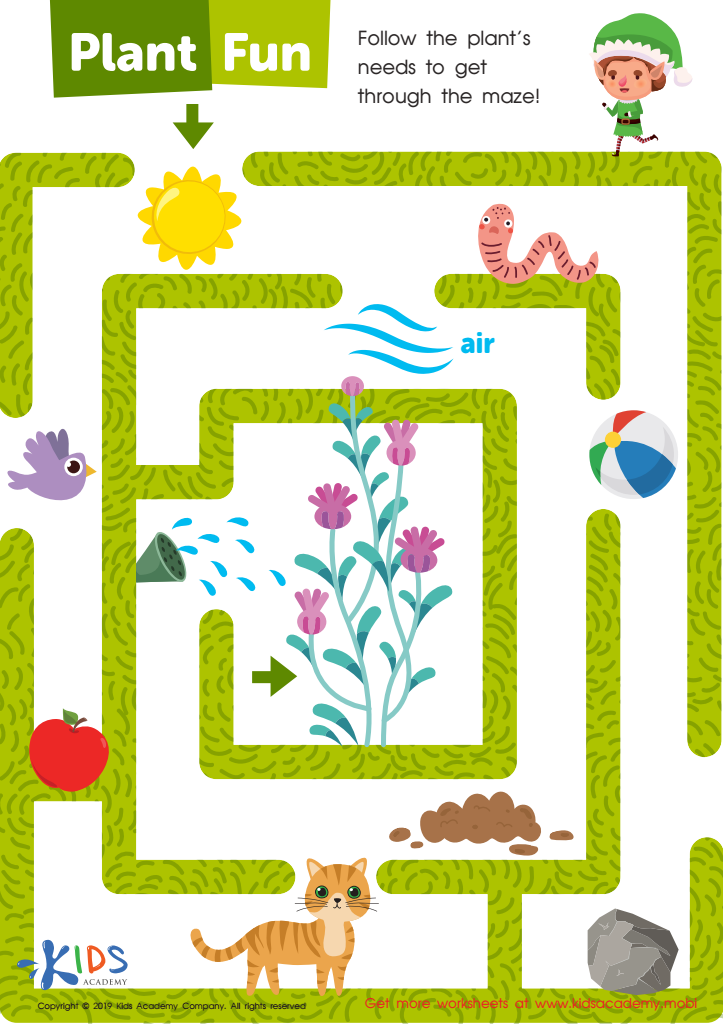
Plant Fun Worksheet








Vocabulary enhancement through engaging materials like "Normal Plants" is crucial for children aged 3-7 for several reasons. At this age, children rapidly develop language skills, and exposure to diverse vocabulary significantly boosts their communication abilities. Understanding and using a rich vocabulary enhances their capacity to express thoughts, emotions, and ideas clearly.
“Normal Plants” can introduce children to essential botanical terms in a fun and interactive manner, linking their everyday experiences with nature. Activities that involve identifying, describing, and categorizing plants can foster critical thinking and exploratory skills. Moreover, learning about plants can nurture a sense of curiosity about the natural world, promoting lifelong interest in science and environmental awareness.
Additionally, children with strong vocabulary skills tend to be better readers, which is foundational for academic success. Building a robust vocabulary during early years helps prevent language delays and boosts confidence as children transition to more complex text as they grow.
For parents and teachers, investing in vocabulary enhancement through themed materials and related activities not only enriches children’s language skills but also fosters meaningful learning opportunities that resonate well beyond the classroom. This approach lays the groundwork for effective communication and a deeper appreciation of the world around them.