Normal History Worksheets for Ages 3-7 - Page 2
26 filtered results
-
From - To
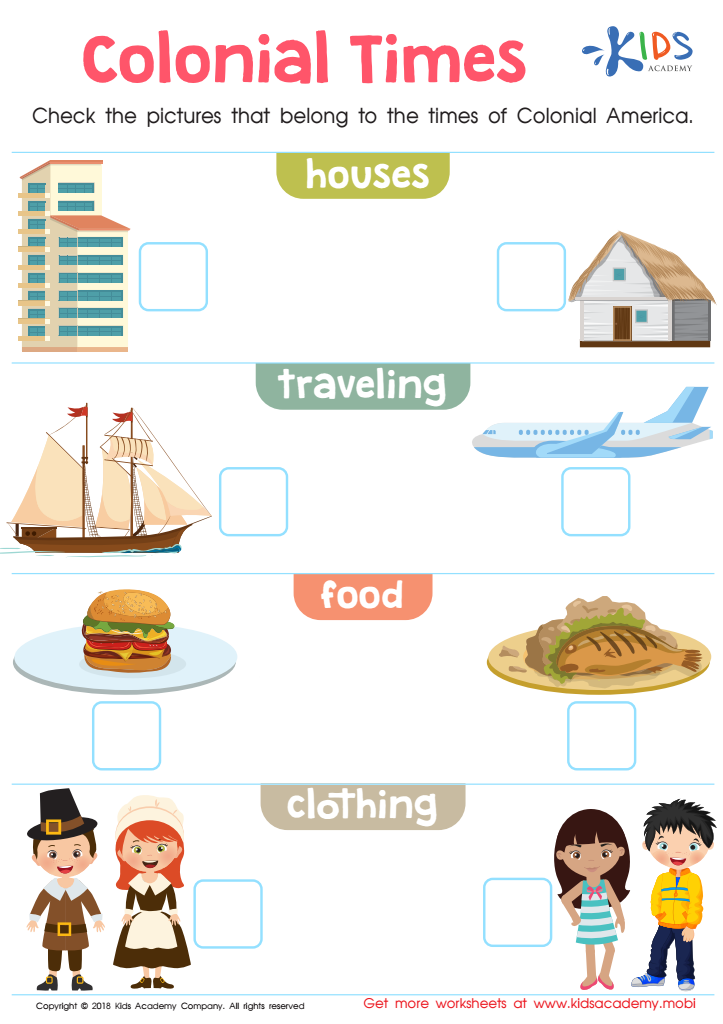
Colonial Times Worksheet
 Assign to My Students
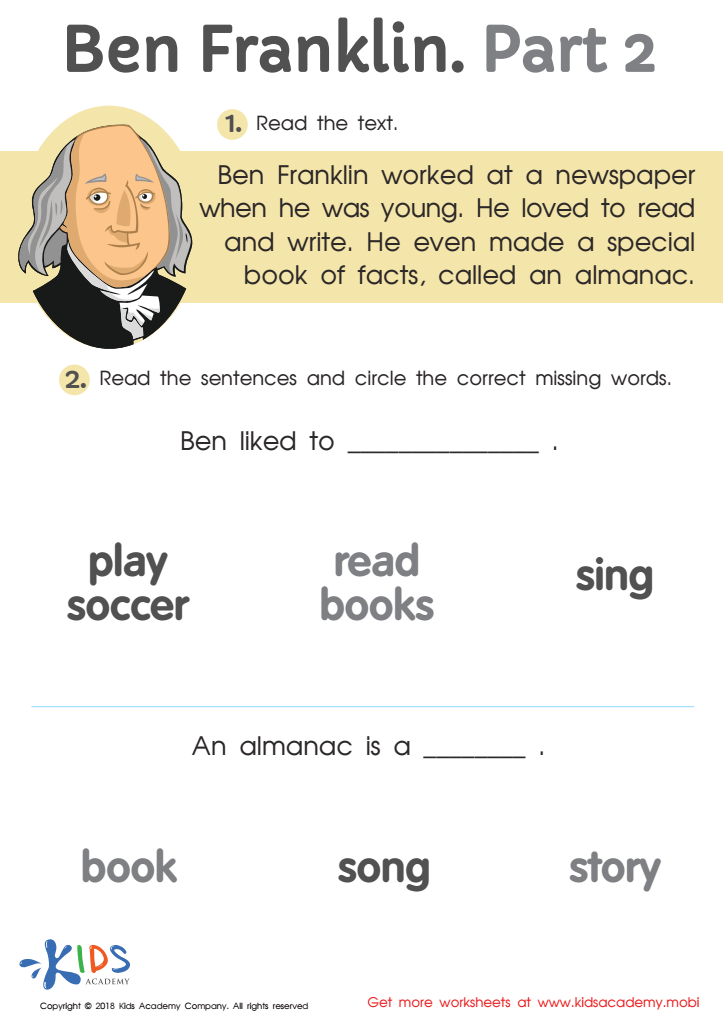
Ben Franklin Part 2 Worksheet








Understanding the concept of "Normal History" – the patterns of child development based on typical age-appropriate skills and behaviors – is paramount for parents and teachers of children ages 3-7. Firstly, it helps establish realistic expectations. Knowing what behaviors and milestones are normal allows caregivers to recognize whether a child is on track or may need additional support. This understanding fosters patience and tailored approaches, reducing undue stress for both adults and children.
Additionally, being informed about normal history enhances the ability to create a nurturing educational environment. For instance, knowing that 4-year-olds are developing motor skills and enjoy imaginative play crucially informs activities and teaching methods. Caregivers can then provide materials and experiences that align with developmental abilities, thereby boosting learning and adaptability.
Furthermore, recognizing normal milestones helps adults identify and celebrate small but significant growths in a child's progress, fostering a positive feedback loop that encourages further development. Knowledge in this area also allows early interventions when deviations from typical development patterns are observed, which can be crucial for addressing potential challenges effectively.
Ultimately, caring about normal history equips parents and teachers with a framework to nurture well-rounded, confident, and happy children, verifying that their nurturing and educational efforts are both age-appropriate and beneficial.