Hand-eye Coordination Normal Writing Worksheets for Ages 3-7
3 filtered results
-
From - To
Enhance your child's hand-eye coordination with our engaging normal writing worksheets designed for ages 3-7! These worksheets offer interactive and fun activities that help young learners develop essential writing skills while improving their fine motor control. Our carefully crafted exercises include tracing shapes, letters, and numbers, ensuring that children build confidence and accuracy in their writing. Ideal for at-home learning or classroom use, these worksheets provide a practical way to support your child's early educational journey. Download today to spark creativity and encourage a lifelong love for writing while fostering coordination skills essential for future learning!
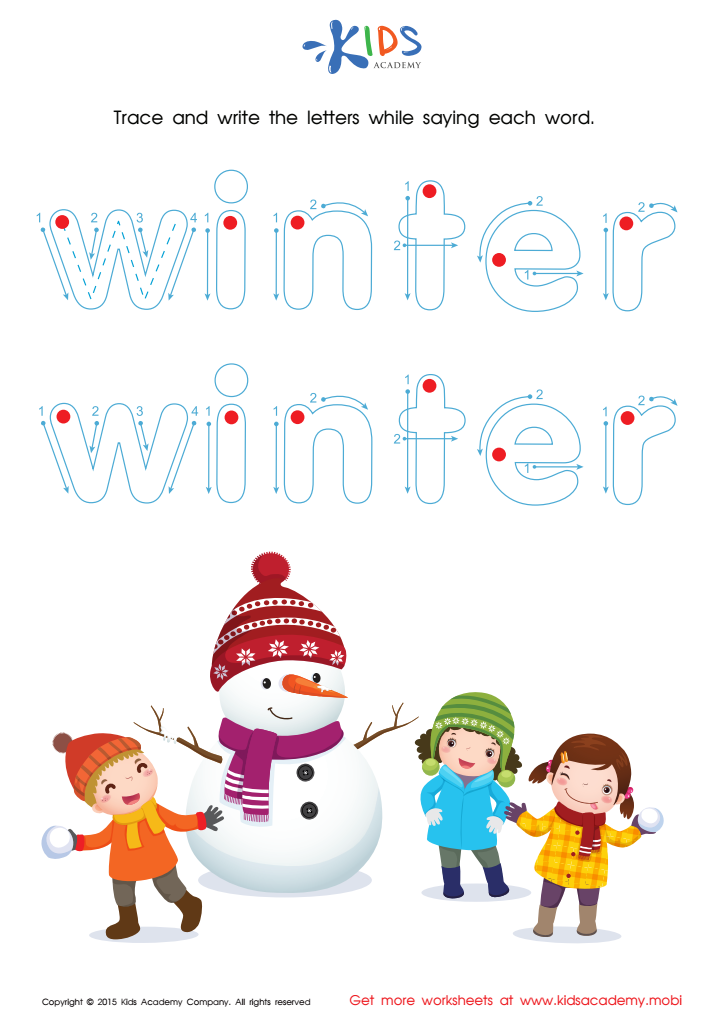
Snowman Tracing Winter Words Worksheet
 Assign to My Students
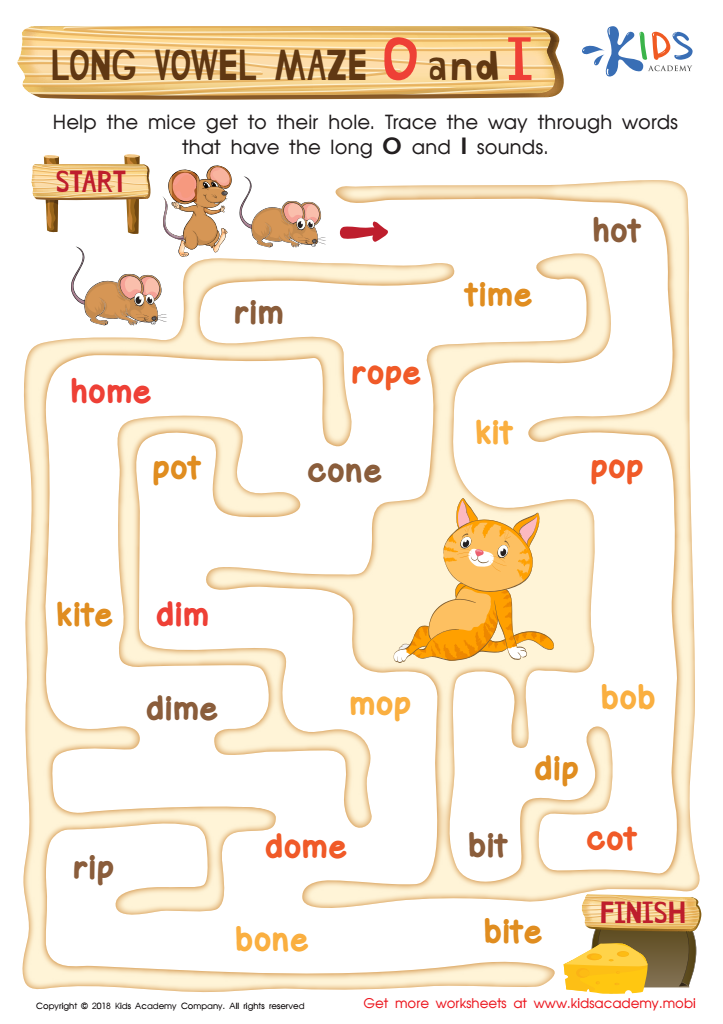
Long Vowel Maze /o/ and /i/ Worksheet
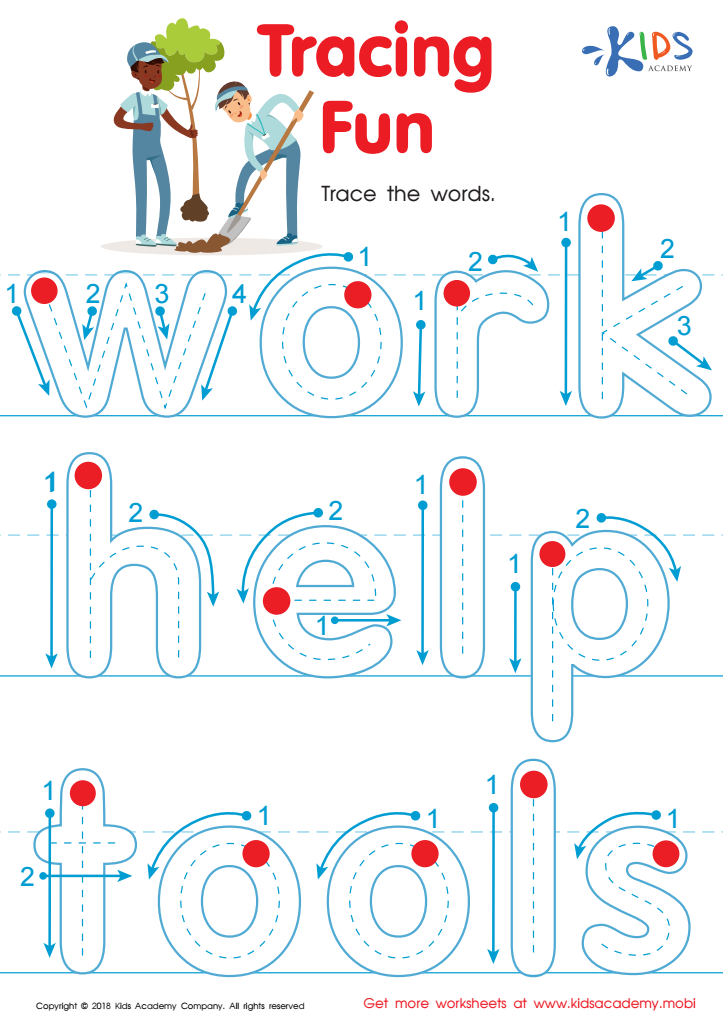
Tracing Fun Worksheet


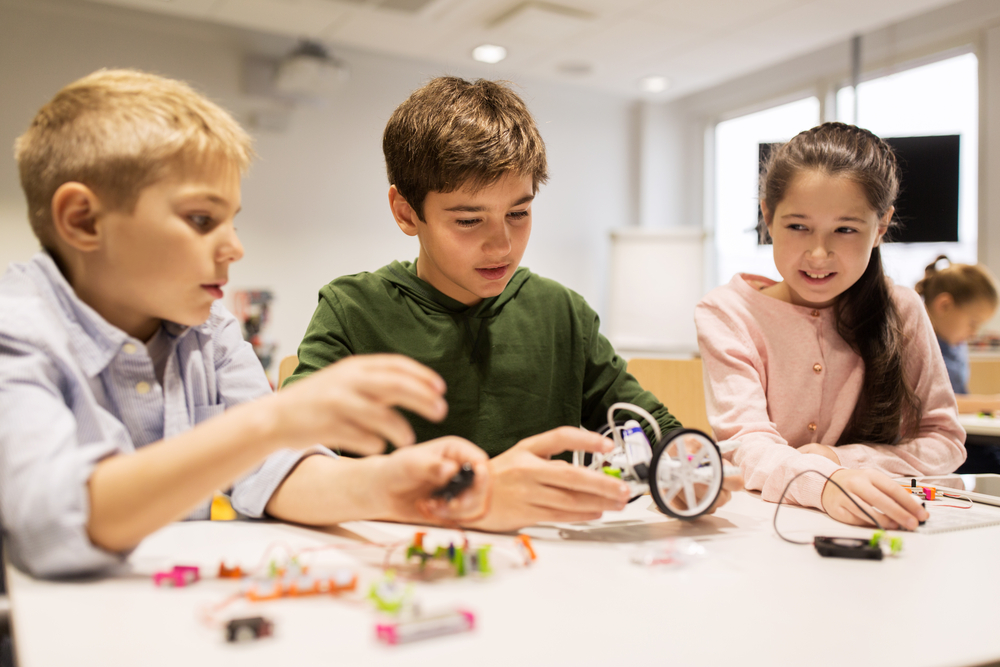





Hand-eye coordination is a crucial skill for young children, particularly in the developmental stages of ages 3 to 7. This ability enables children to synchronize their eye movement with their hand actions, which is essential for tasks like writing and drawing. Parents and teachers should prioritize fostering this skill because it significantly impacts a child's academic and motor development.
Good hand-eye coordination lays the foundation for proper writing techniques, helping children grip pencils effectively and form letters and shapes accurately. Children with well-developed coordination are often more confident in their fine motor skills, enabling them to participate in various activities beyond just academics, including sports and crafts.
Moreover, engaging children in hand-eye coordination activities—such as puzzles, games, and drawing exercises—can enhance their cognitive abilities, attention span, and overall concentration. These skills are vital not only in early education but also for future learning contexts.
By promoting hand-eye coordination during these formative years, parents and teachers contribute to a child's educational success and self-esteem, fostering an environment where little ones can thrive both inside and outside the classroom. Ultimately, nurturing this skill supports holistic development and prepares children for a more complex learning landscape ahead.