Word Recognition Normal Writing Worksheets for Ages 3-7
16 filtered results
-
From - To
Enhance your child's literacy skills with our Word Recognition Normal Writing Worksheets, designed for ages 3-7! These engaging worksheets help young learners recognize and write essential sight words, fostering a strong foundation in reading. Through fun and creative activities, children will improve their writing and phonetic skills while boosting their confidence in word recognition. Our printable resources are perfect for home or classroom use, providing interactive learning experiences that keep kids motivated. Explore our diverse collection of worksheets to empower your child's journey towards reading proficiency and spark a lifelong love for learning. Download your worksheets today!
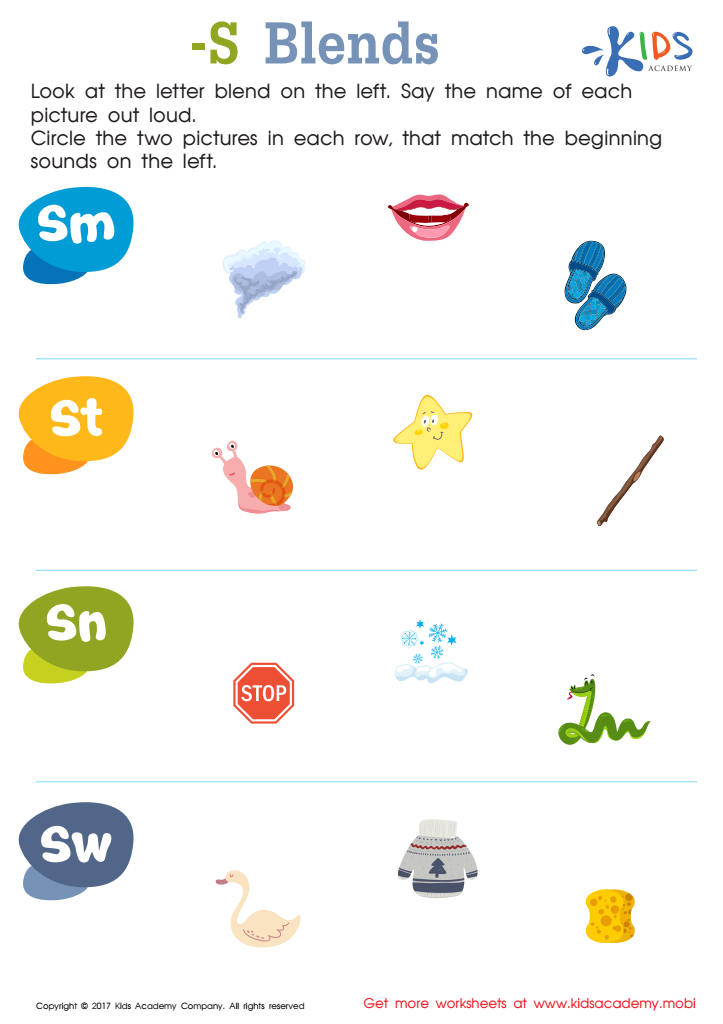
"s" Blends Spelling Printable
 Assign to My Students
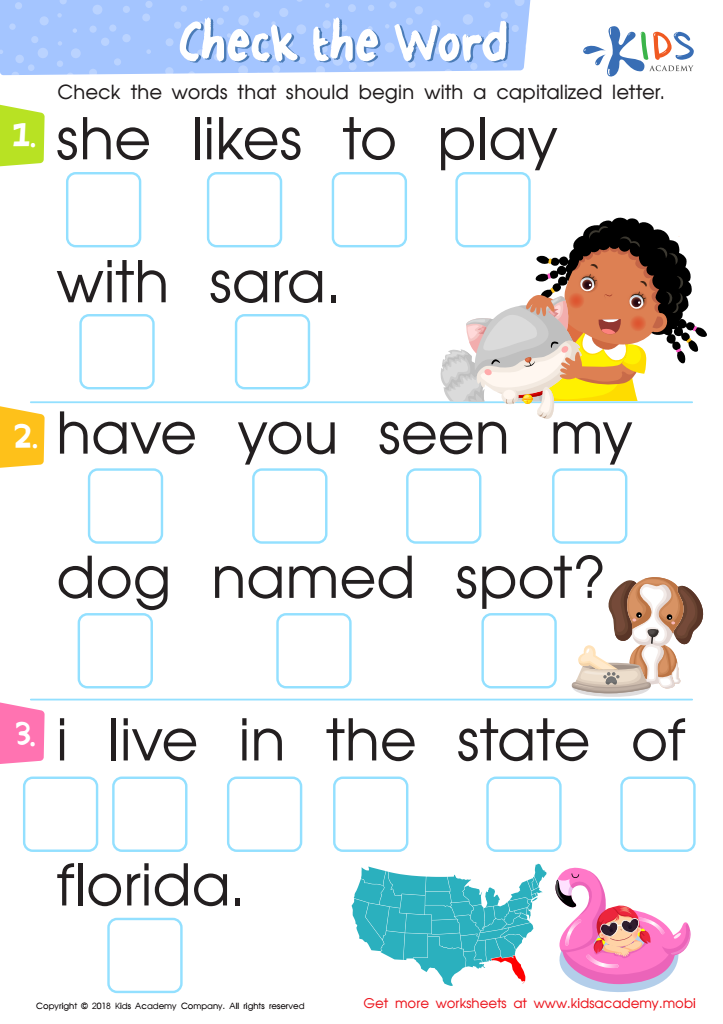
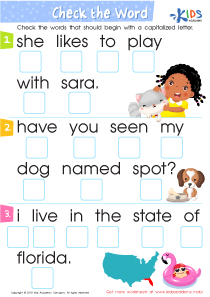
Check the Word Worksheet
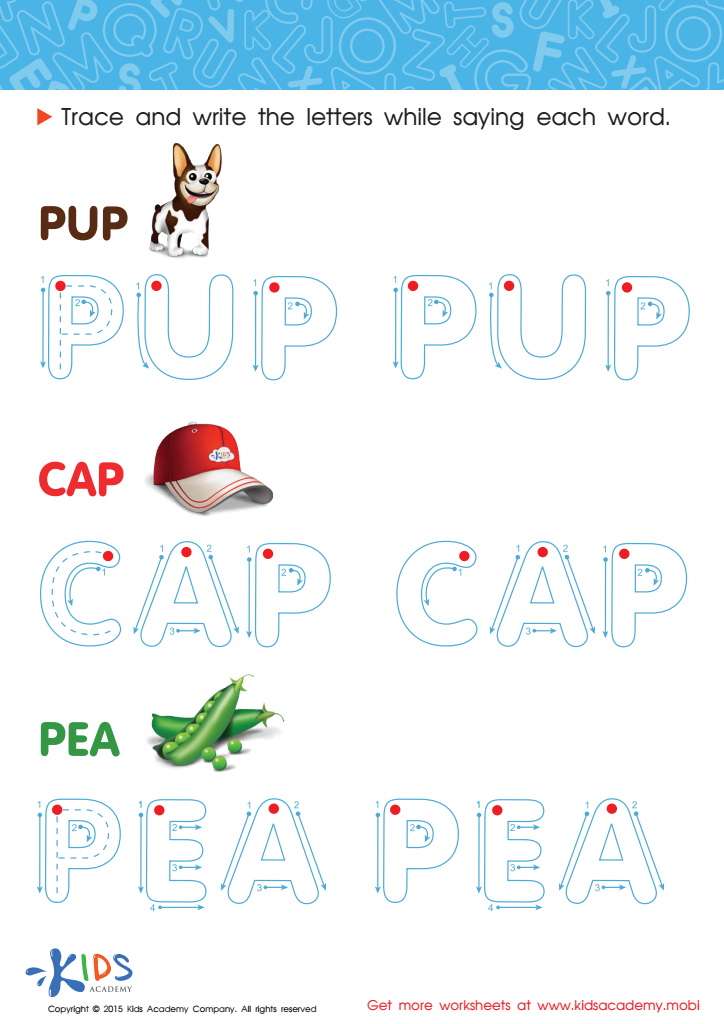
A Pup, a Cap and a Pea Spelling Worksheet
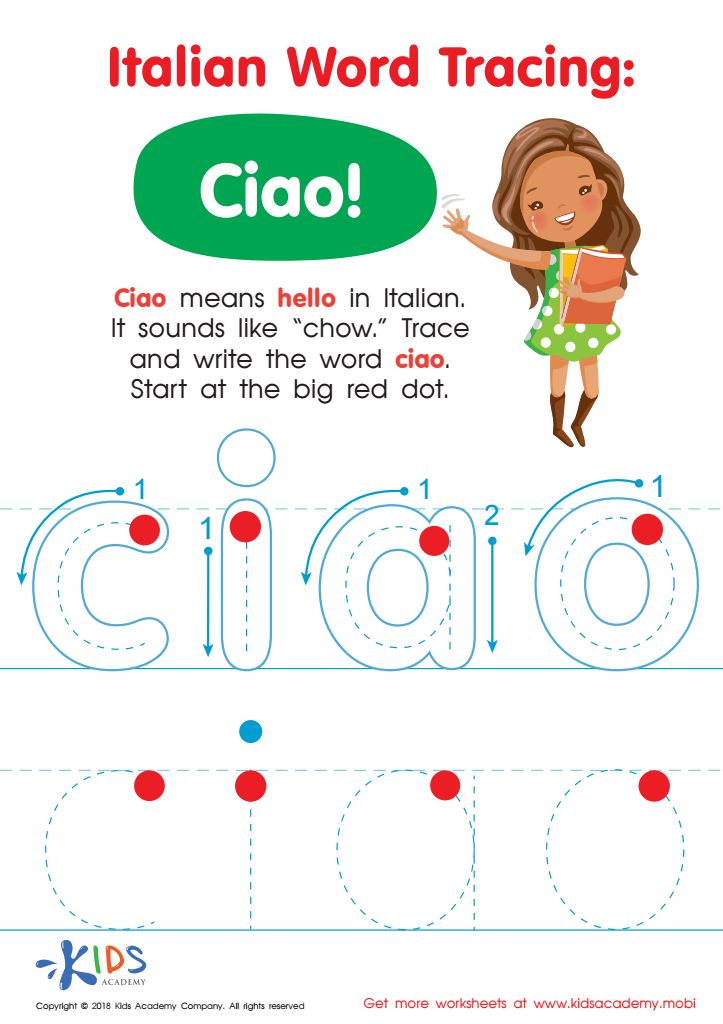
Italian Word Tracing: Ciao Worksheet
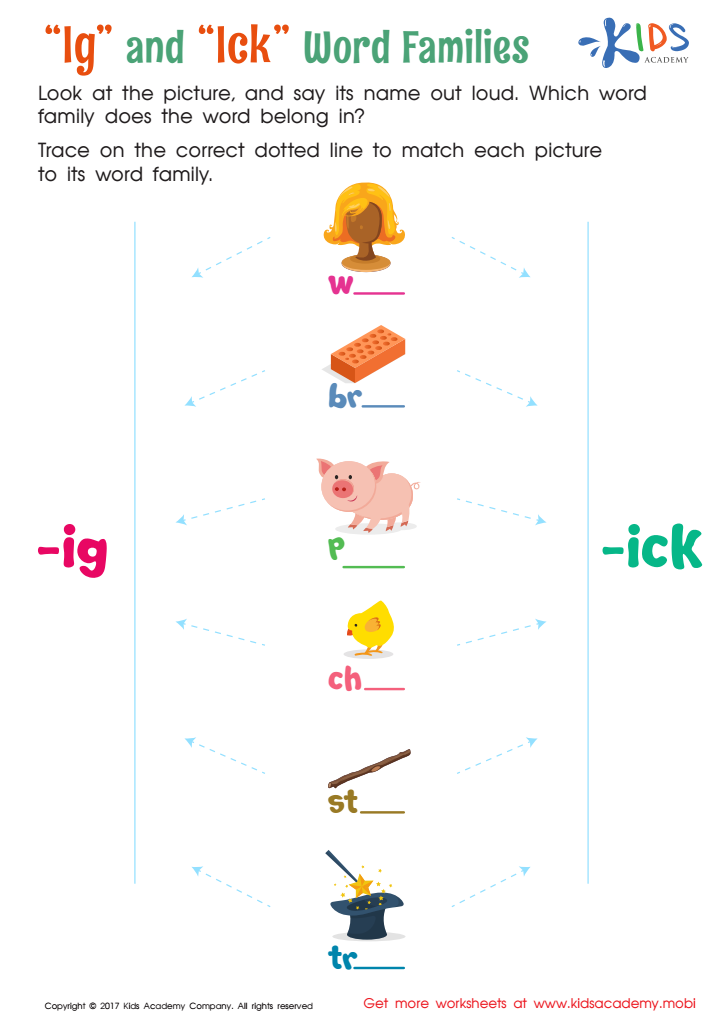
Words Families "ig" and "ick" Spelling Worksheet
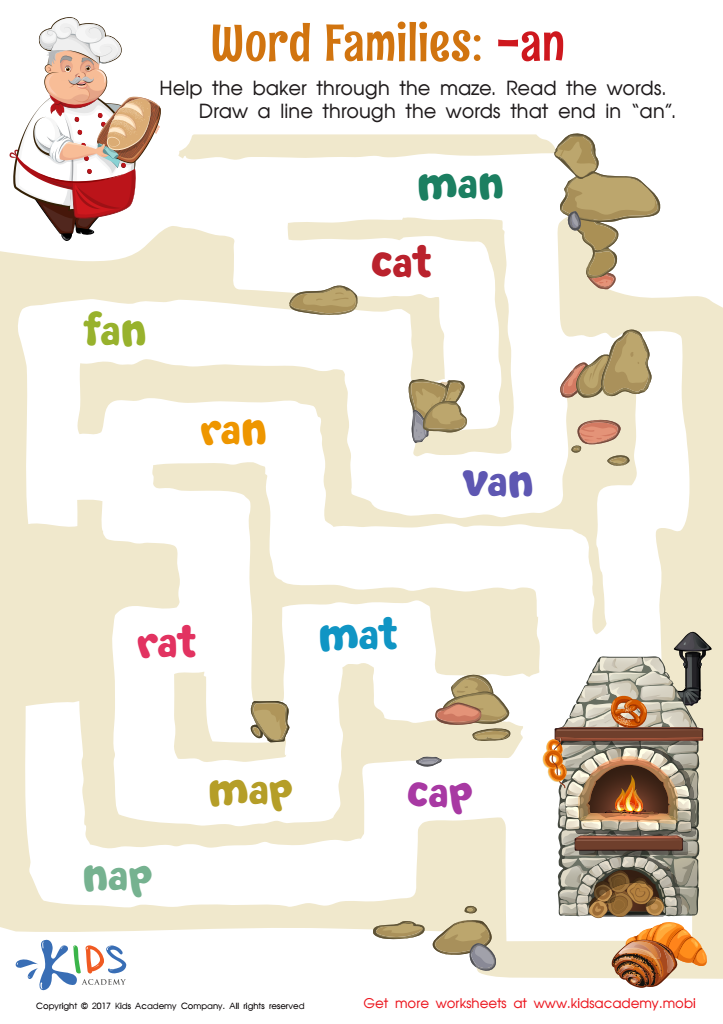
Words Families "an" Spelling Worksheet
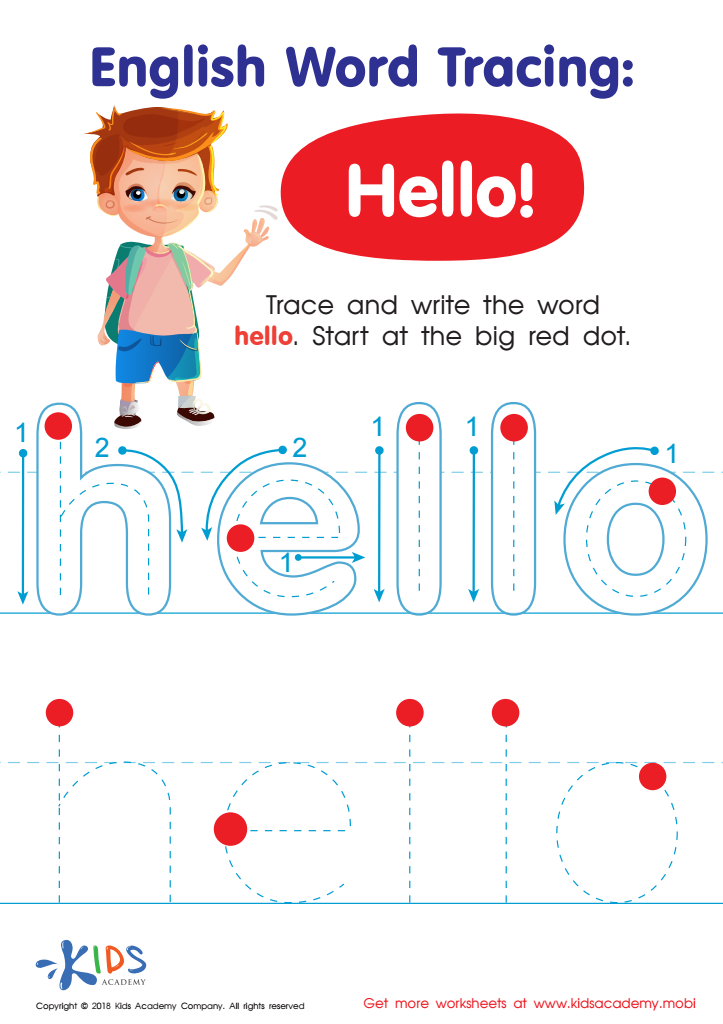
English Word Tracing: Hello Worksheet
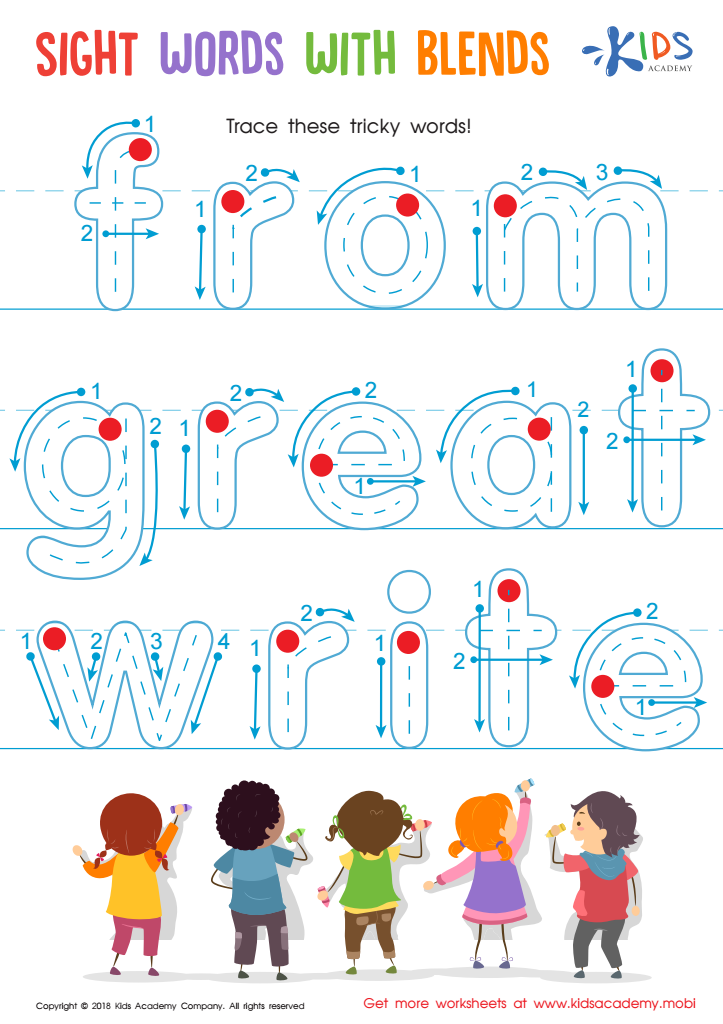
Sight Words with Blends Worksheet
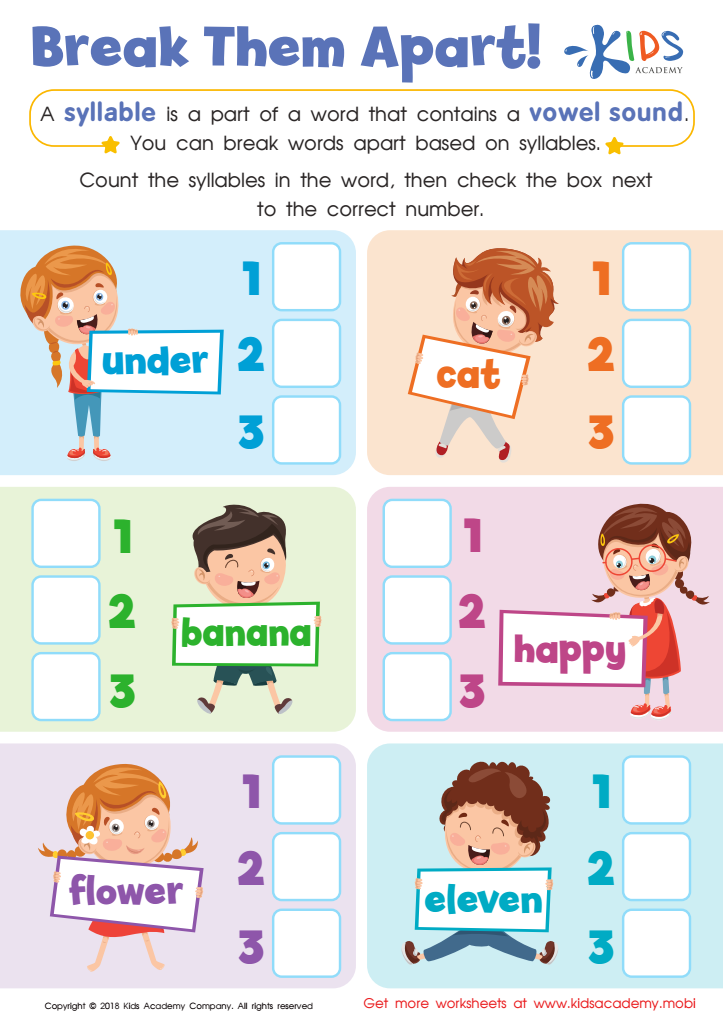
Reading: Break Them Apart Worksheet
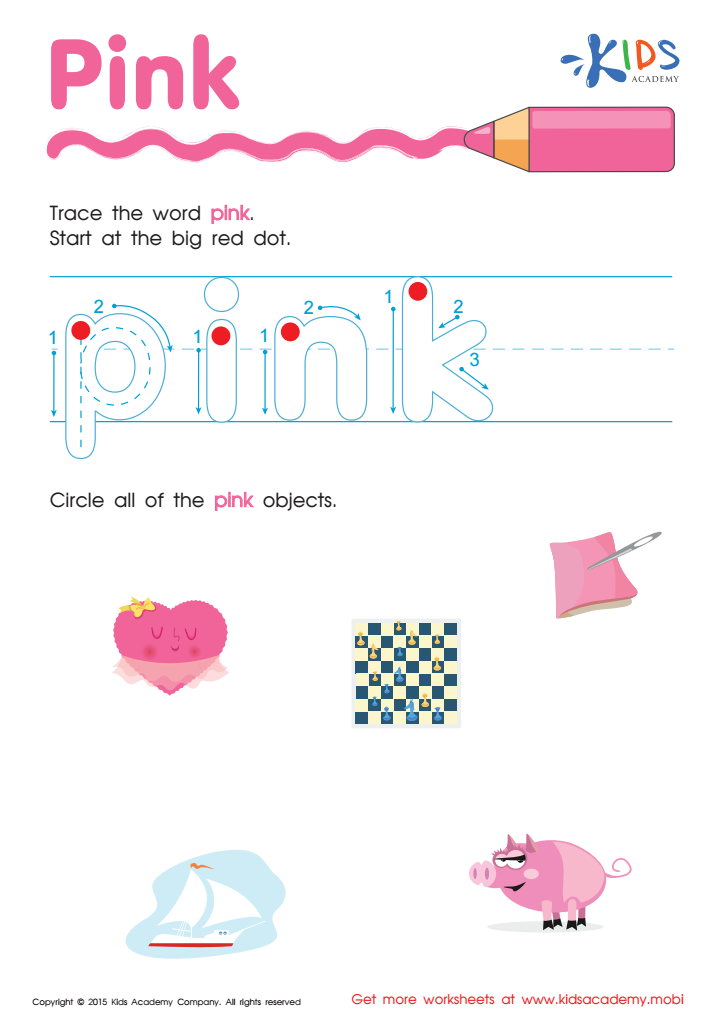
Pink Tracing Color Words Worksheet
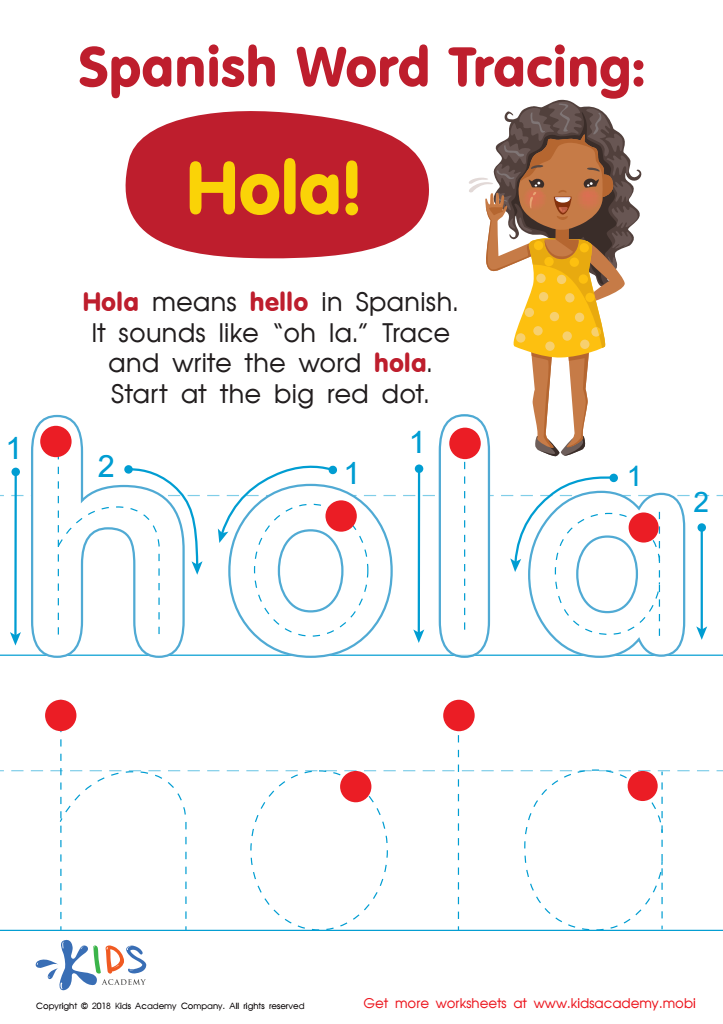
Spanish Word Tracing: Hola Worksheet
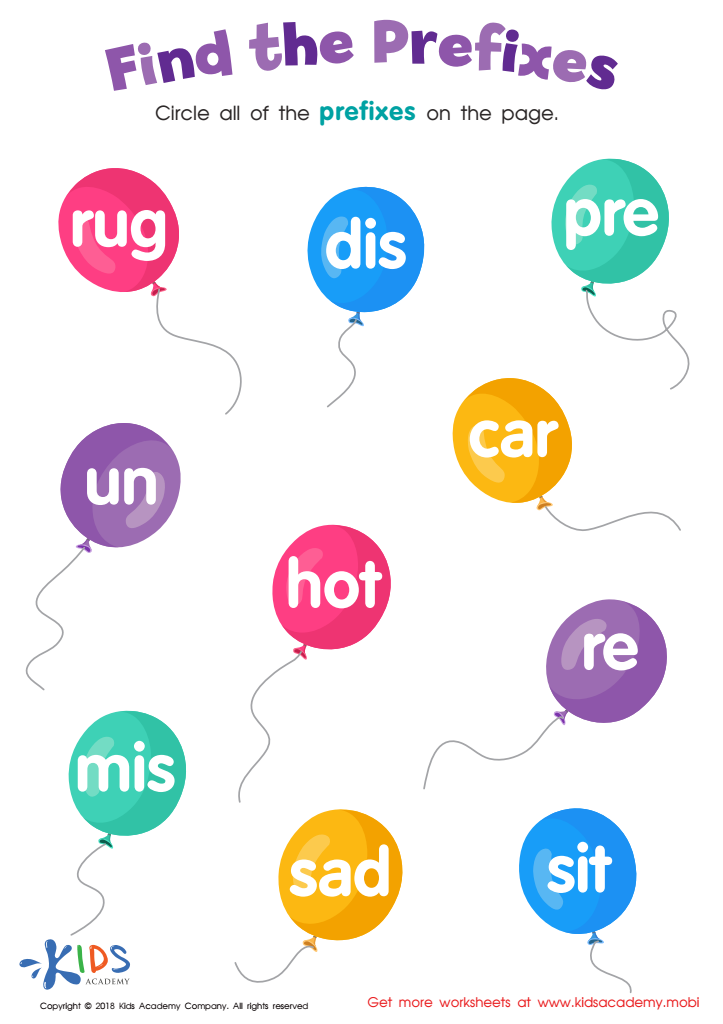
Reading: Find the Prefixes Worksheet
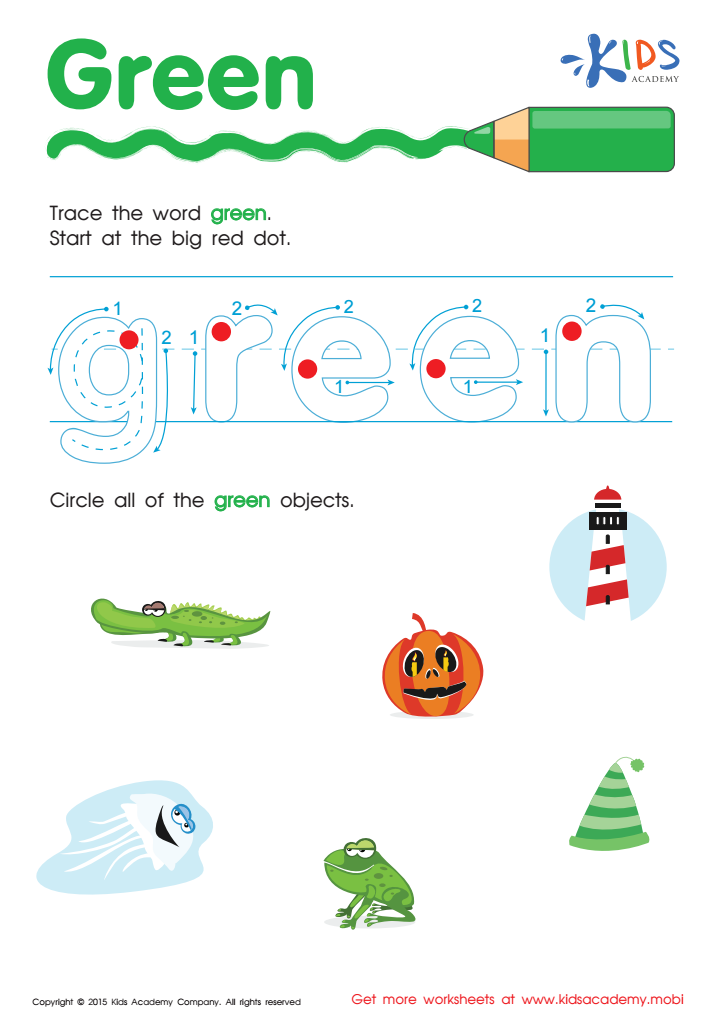
Green Tracing Color Words Worksheet
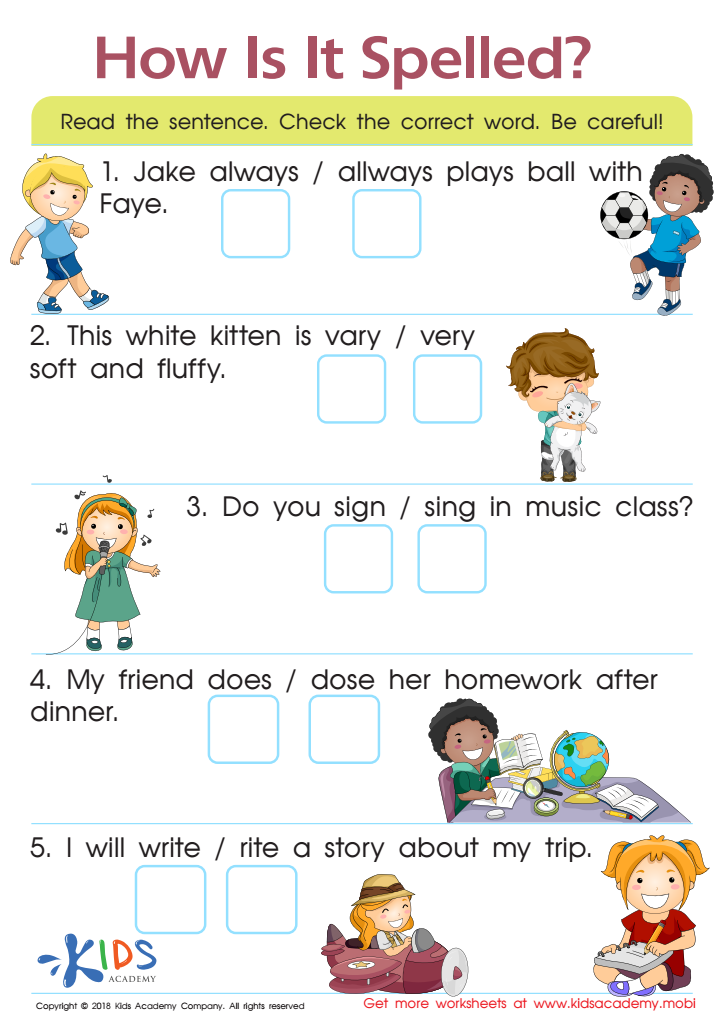
How is it spelled? Worksheet
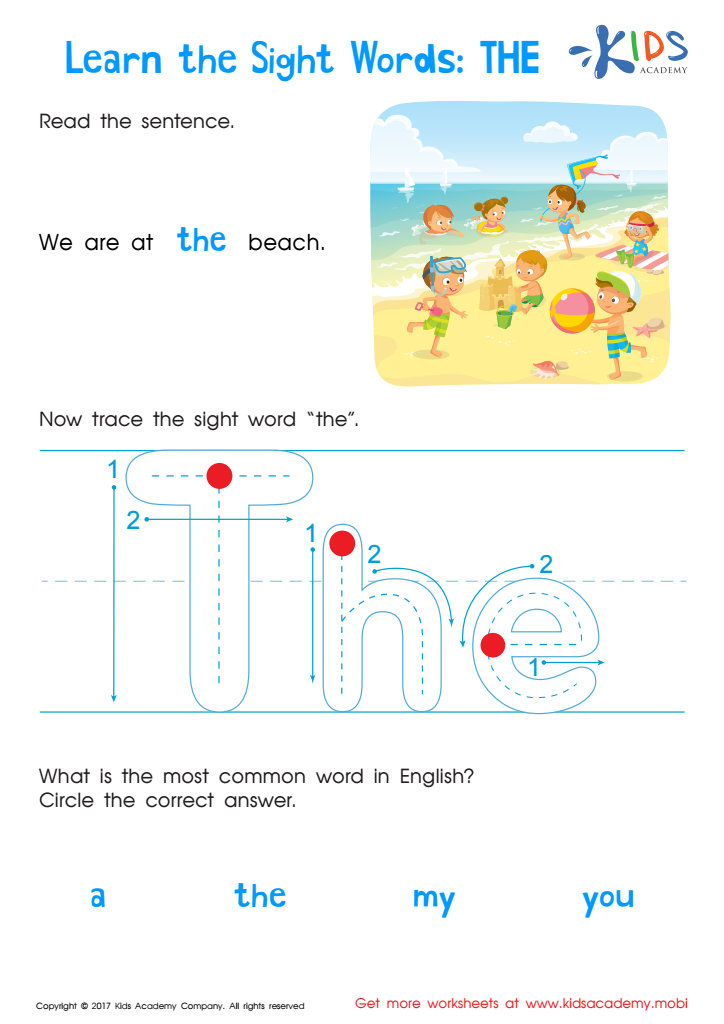
Sight Words: The Worksheet







Word recognition is a fundamental skill that plays a crucial role in a child's literacy development, especially for ages 3 to 7. During these formative years, children are rapidly acquiring language skills. Effective word recognition fosters reading fluency, comprehension, and overall academic success. When parents or teachers prioritize word recognition practice, they help children identify and understand words quickly, allowing them to focus on enjoying and comprehending the stories they read rather than getting bogged down by decoding individual words.
Moreover, strong word recognition skills aid children in developing a robust vocabulary, which is essential for expressing thoughts and ideas effectively. This skill also supports writing development; as children recognize and internalize words, they become more confident in their own writing abilities.
Encouraging word recognition can be accomplished through fun and engaging activities, such as reading aloud, playing word games, or using flashcards, making learning enjoyable while reinforcing these important skills. By investing time in word recognition, parents and teachers are setting a solid foundation for lifelong reading and learning, unlocking opportunities for personal and academic growth in a child's future. Both educators and caregivers play a critical role in nurturing this essential aspect of literacy development.