Normal Worksheets for Ages 3-8 - Page 5
1722 filtered results
-
From - To
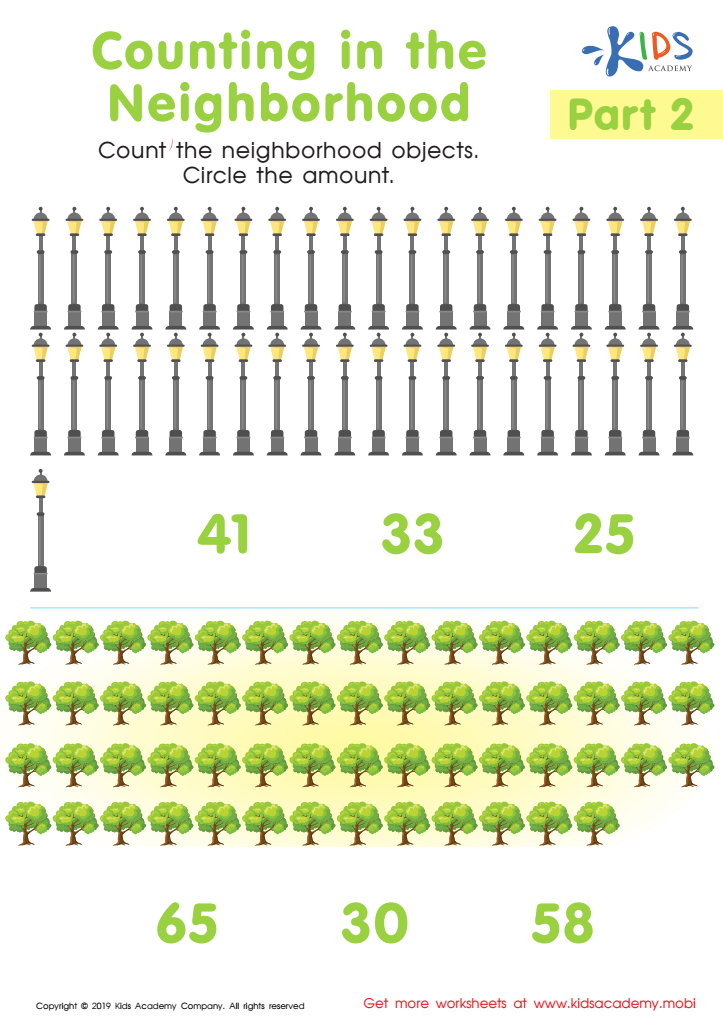
Counting In The Neighborhood Part 2 Worksheet
 Assign to My Students
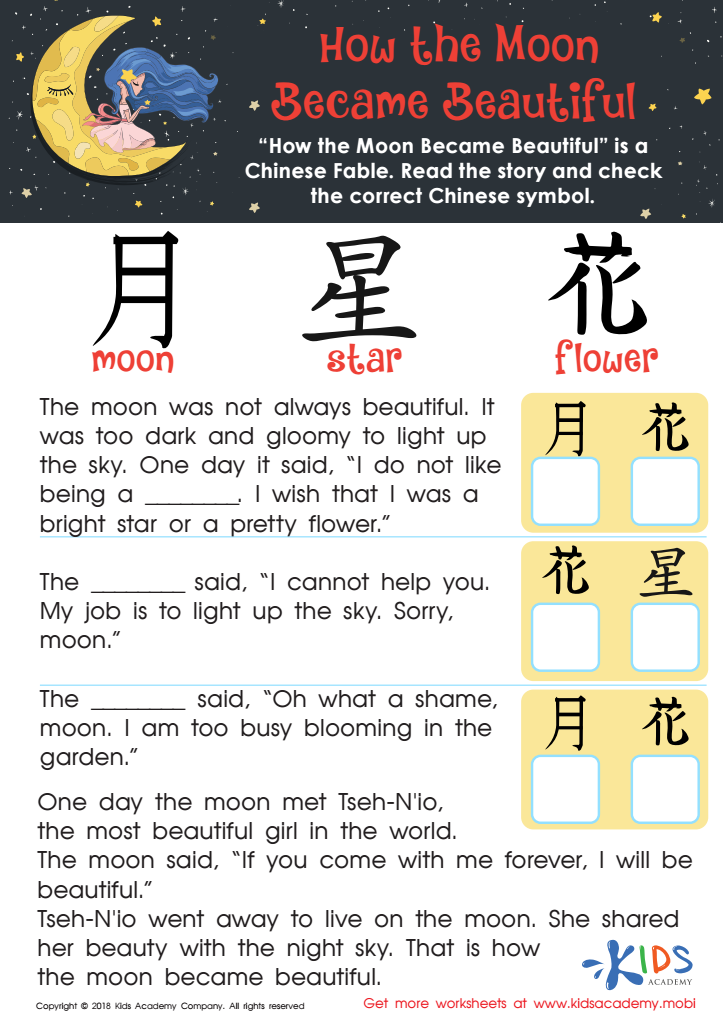
How the Moon Became Beautiful Worksheet
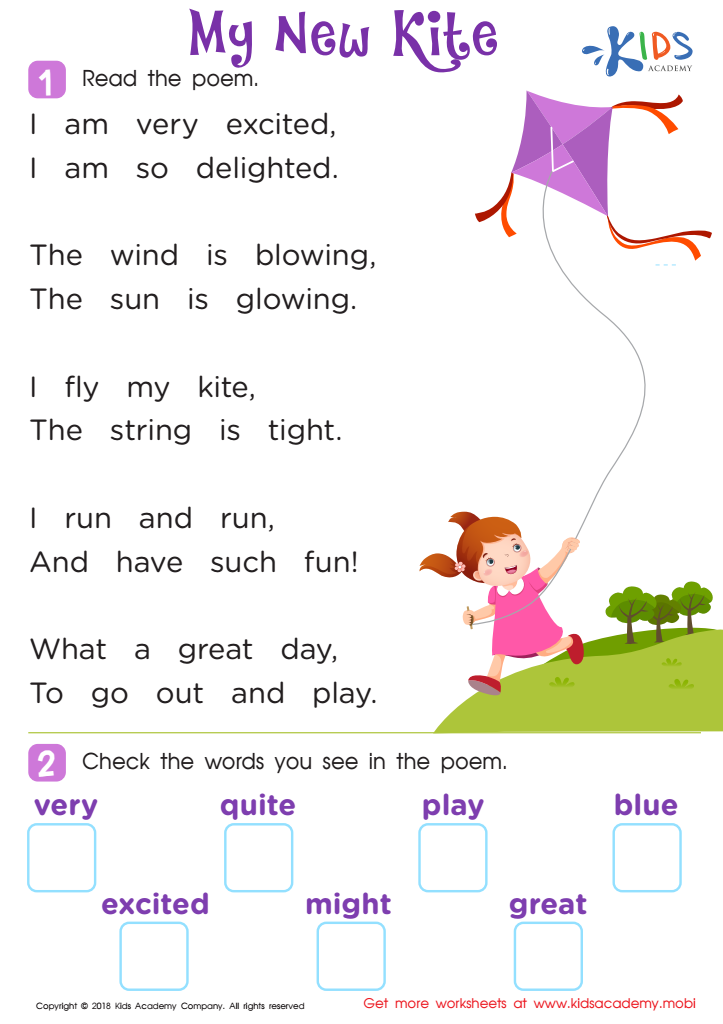
Poem: My New Kite Worksheet
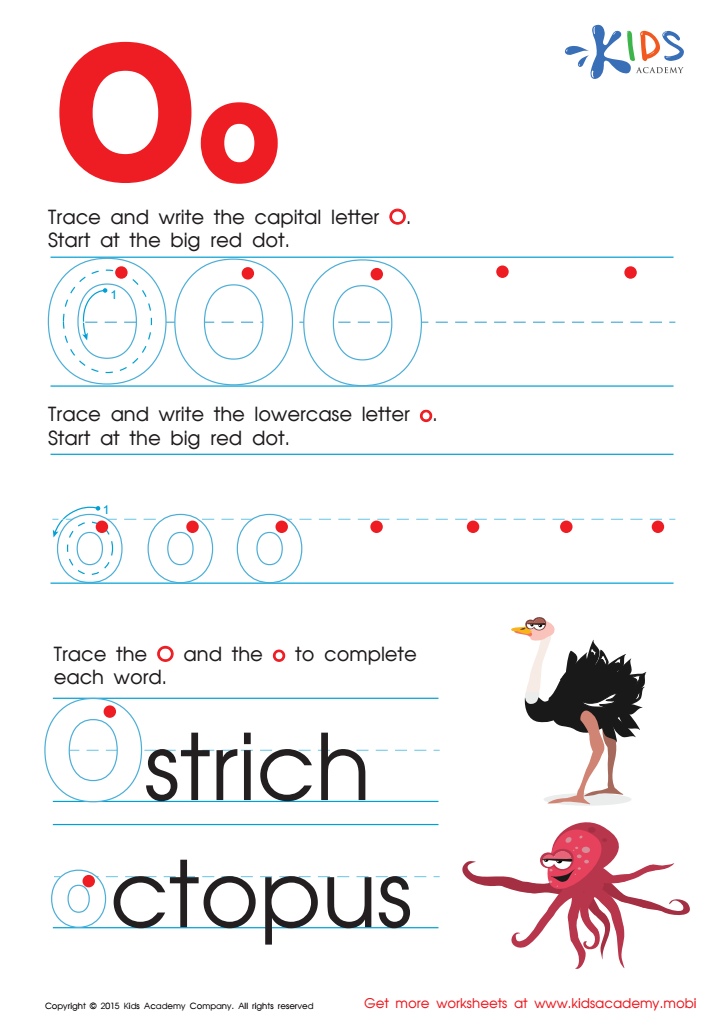
Letter O Tracing Page
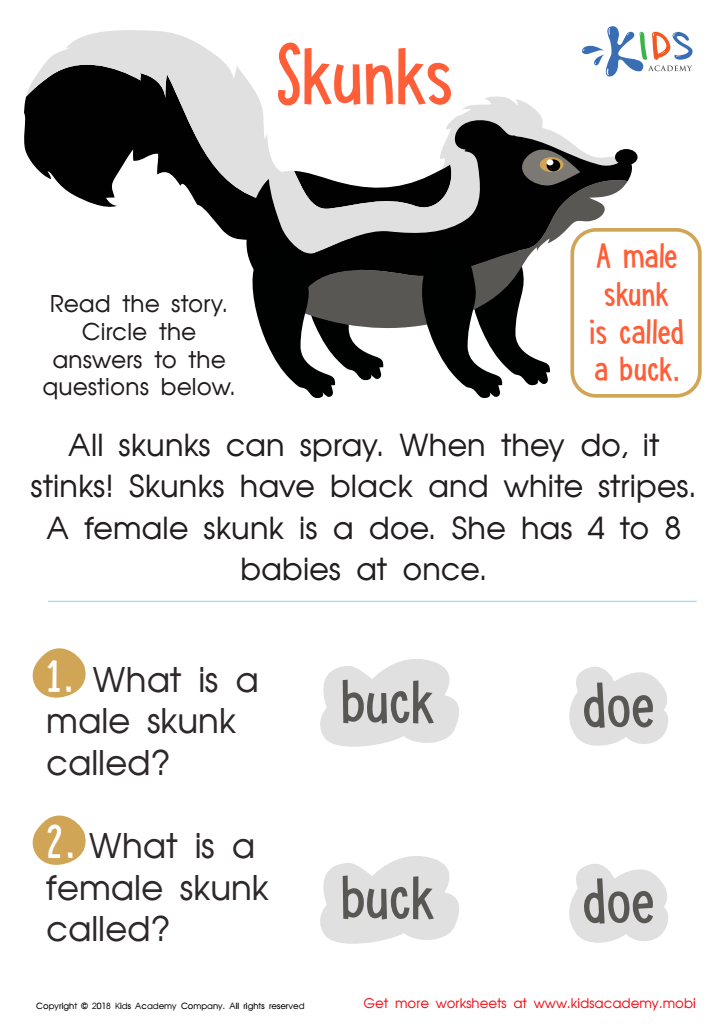
Skunks Worksheet
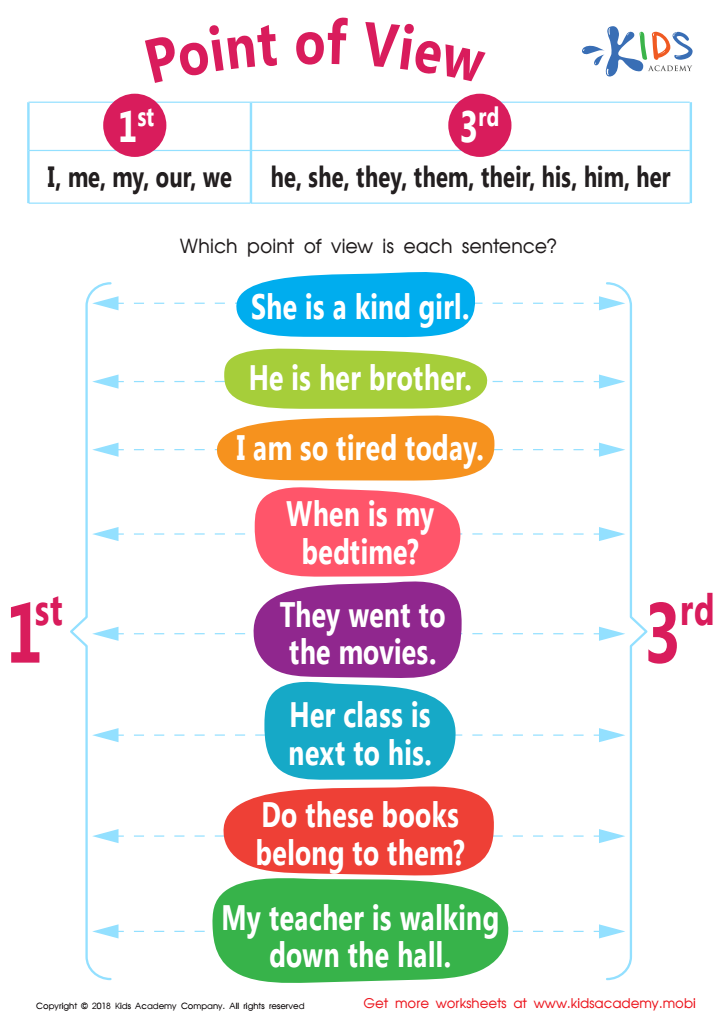
Point of View Worksheet
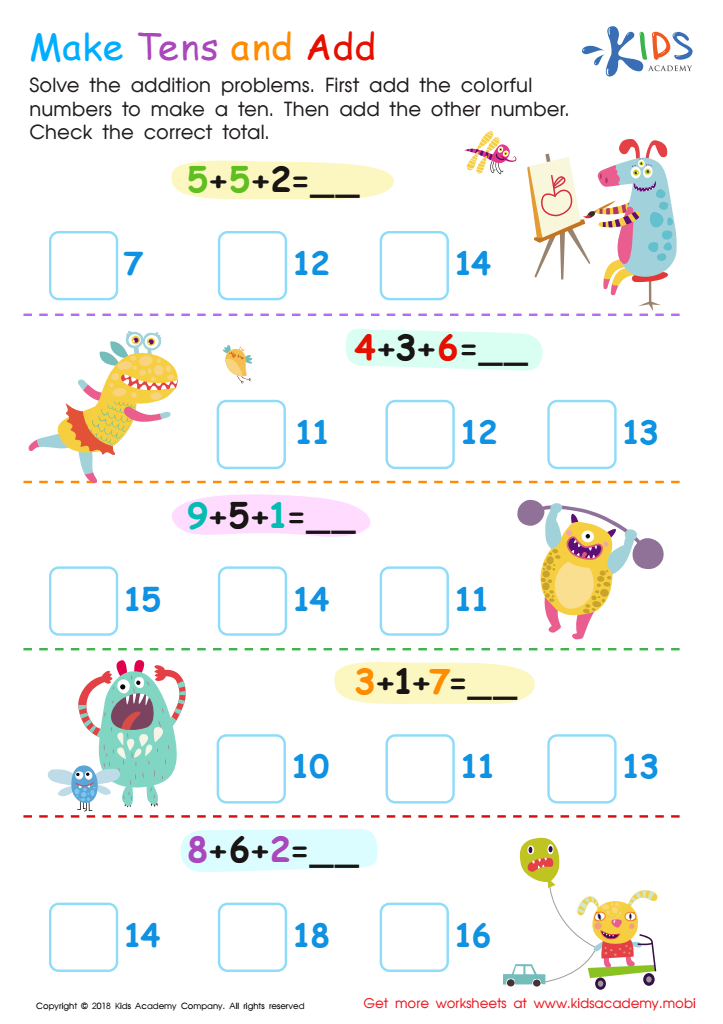
Make Tens and Add Worksheet
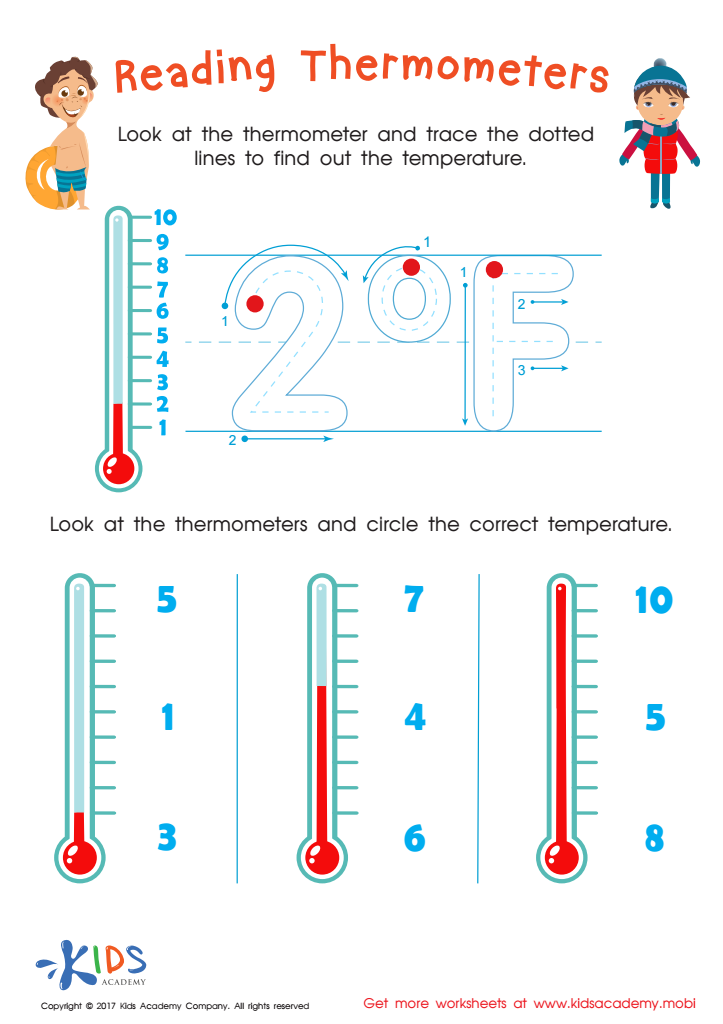
Reading Thermometers Printable
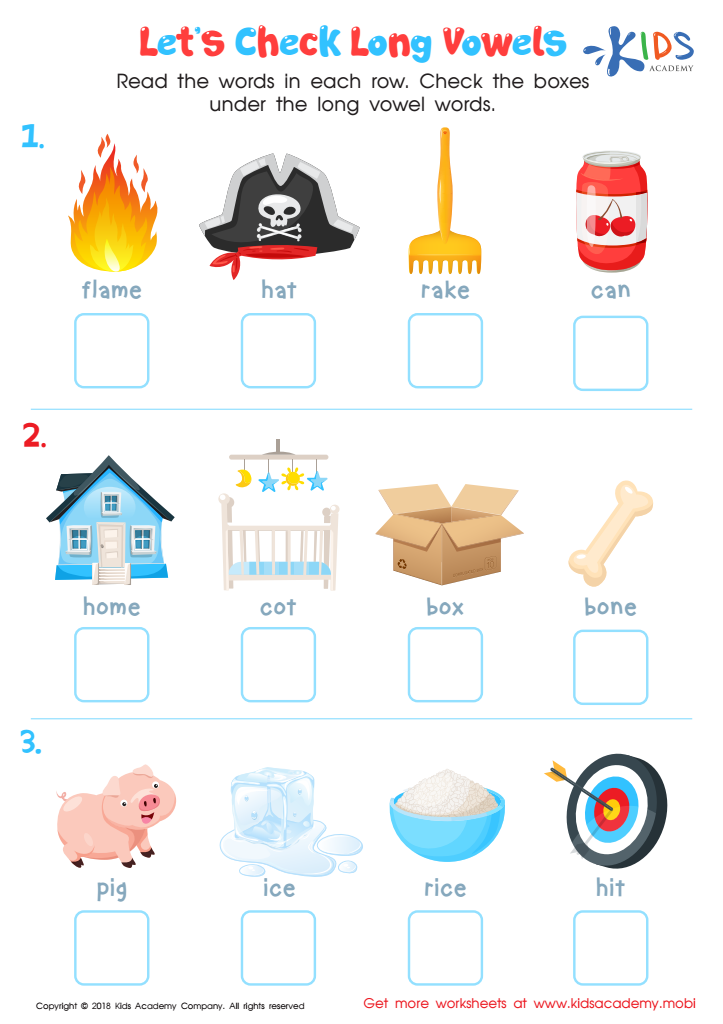
Let's Check Long Vowels: Assessment Worksheet
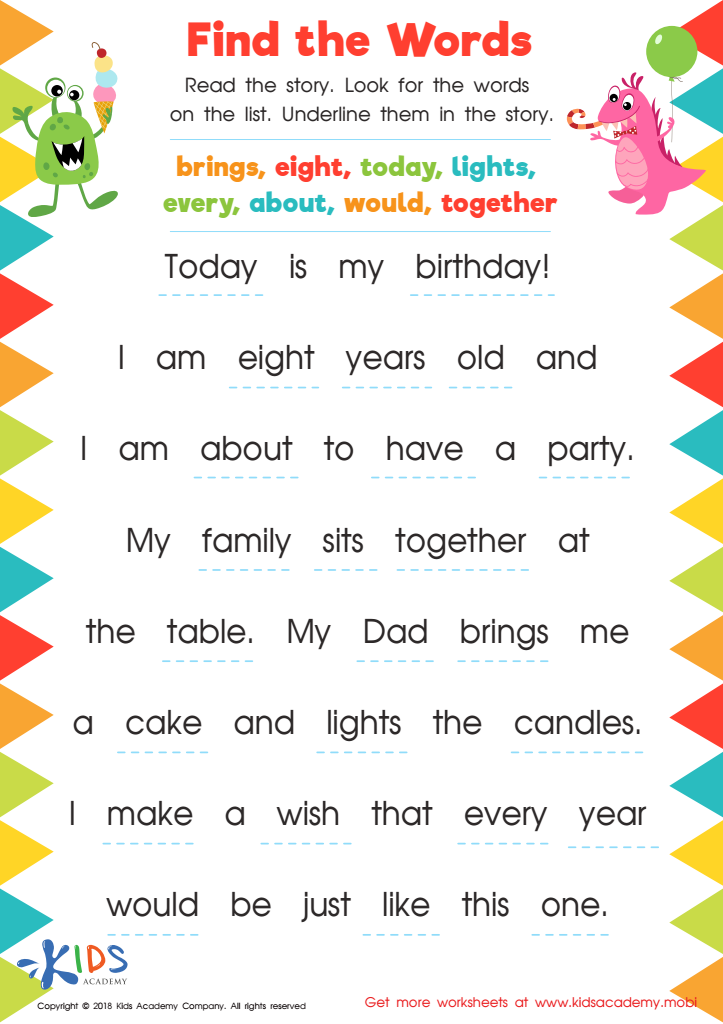
Find The Words Printable Worksheet
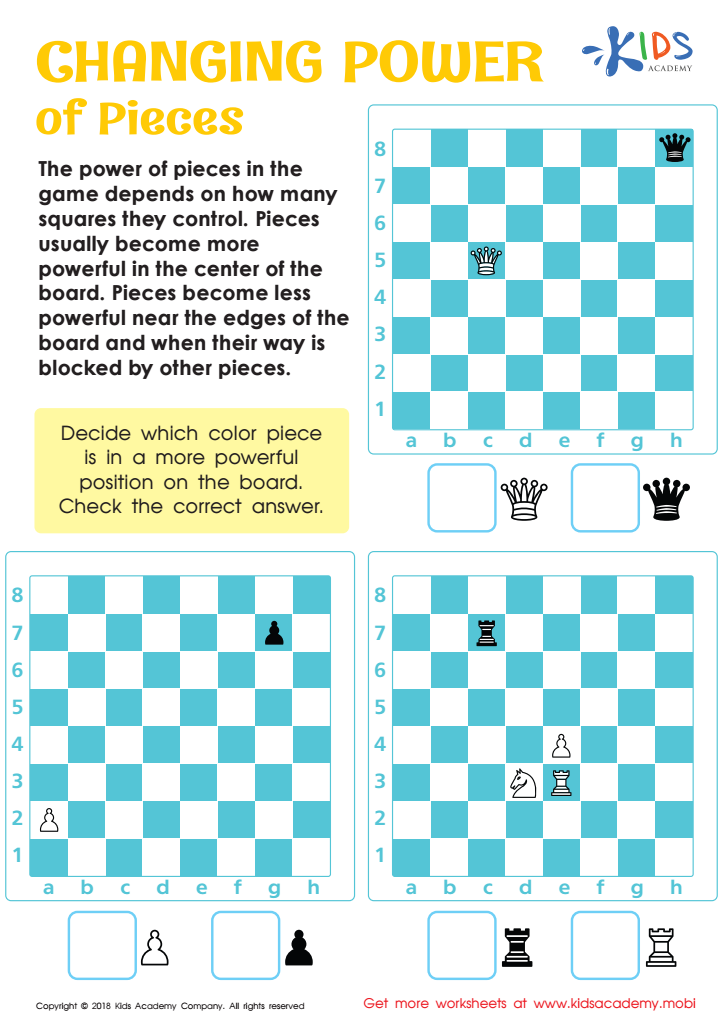
Changing Power of Chess Pieces Worksheet
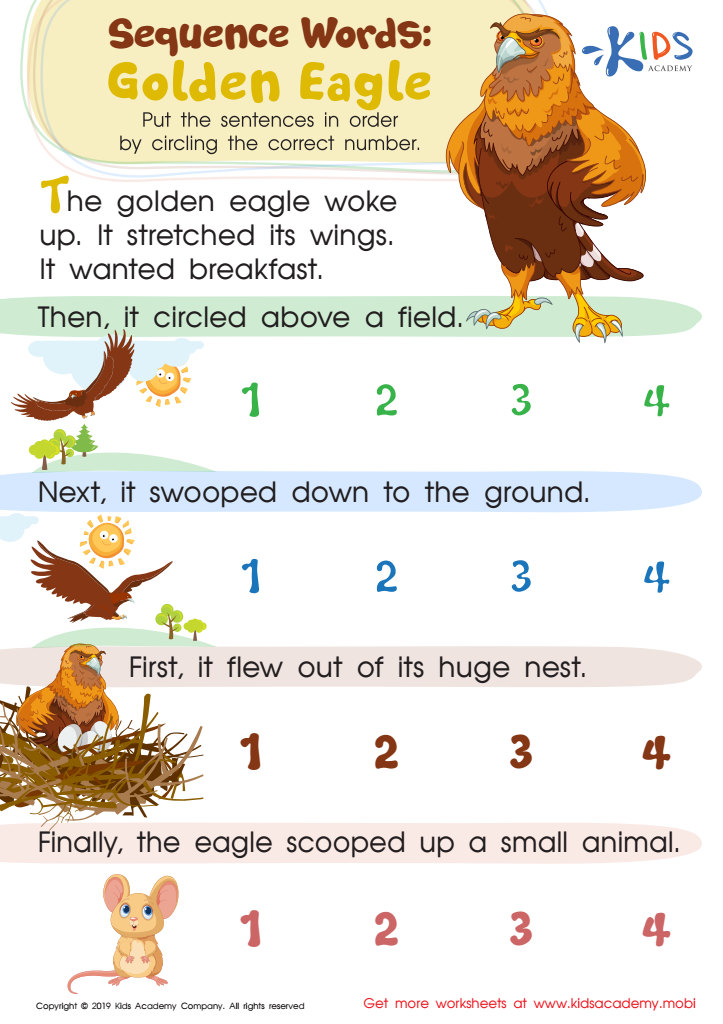
Sequence Word Eagle Worksheet
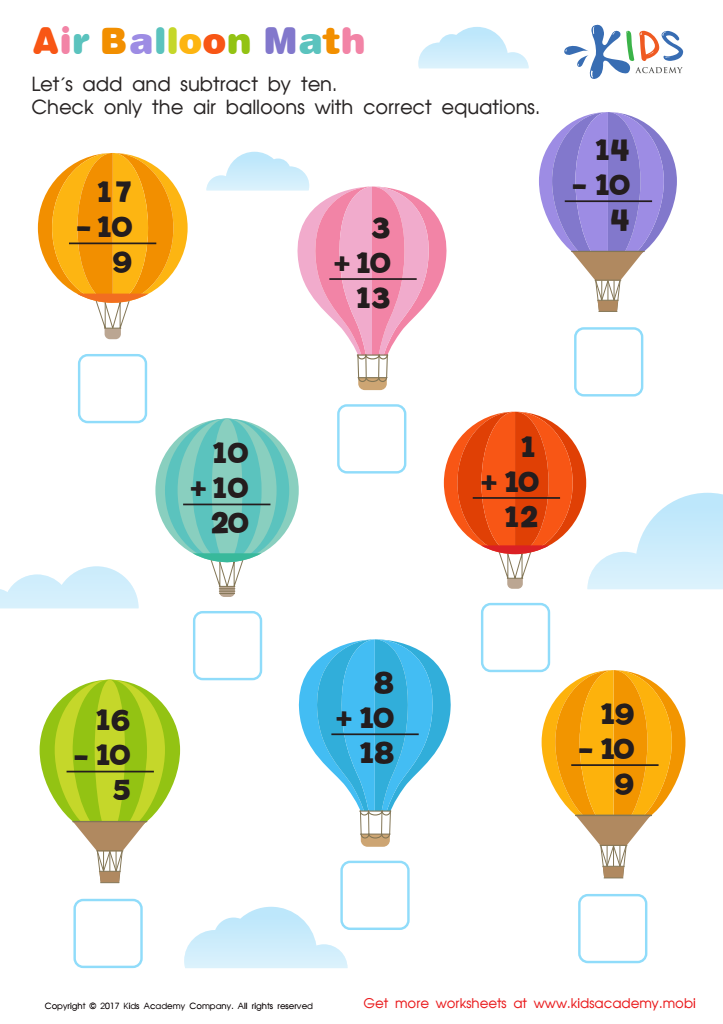
Air Balloon Math Worksheet
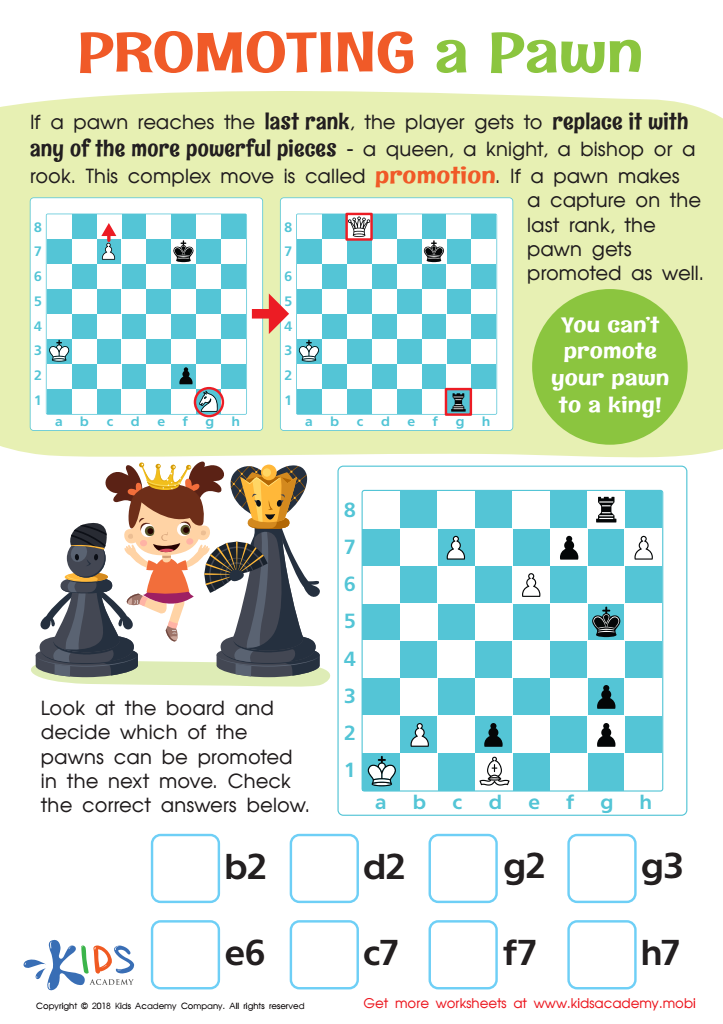
Promoting a Pawn Worksheet
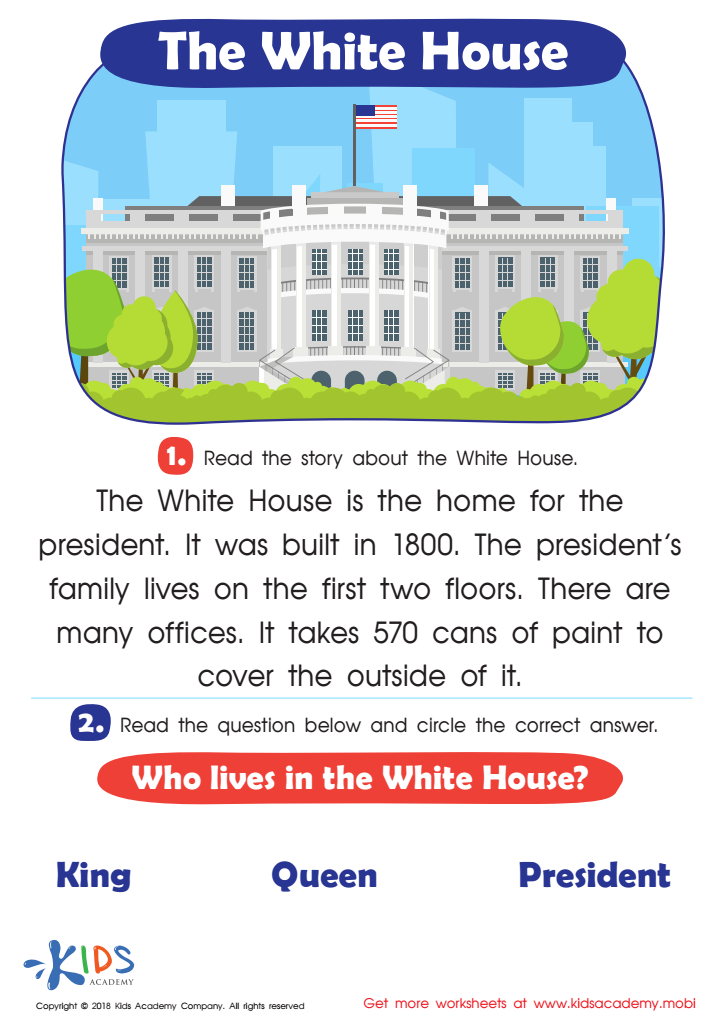
White House Worksheet

How Rooks Capture Worksheet
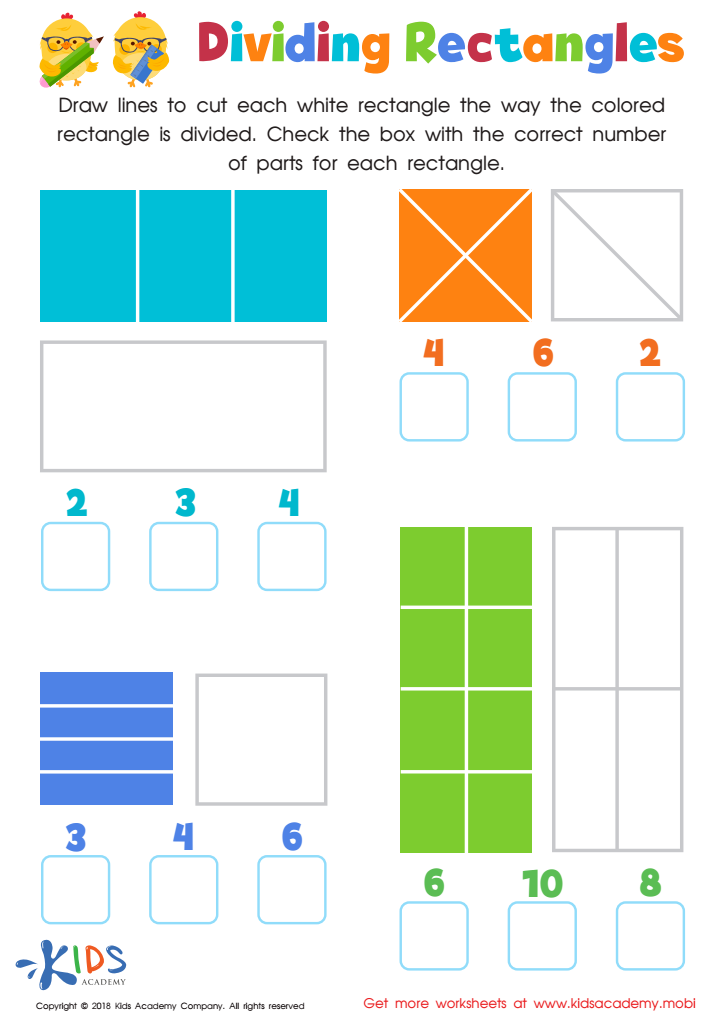
Dividing Rectangles Worksheet
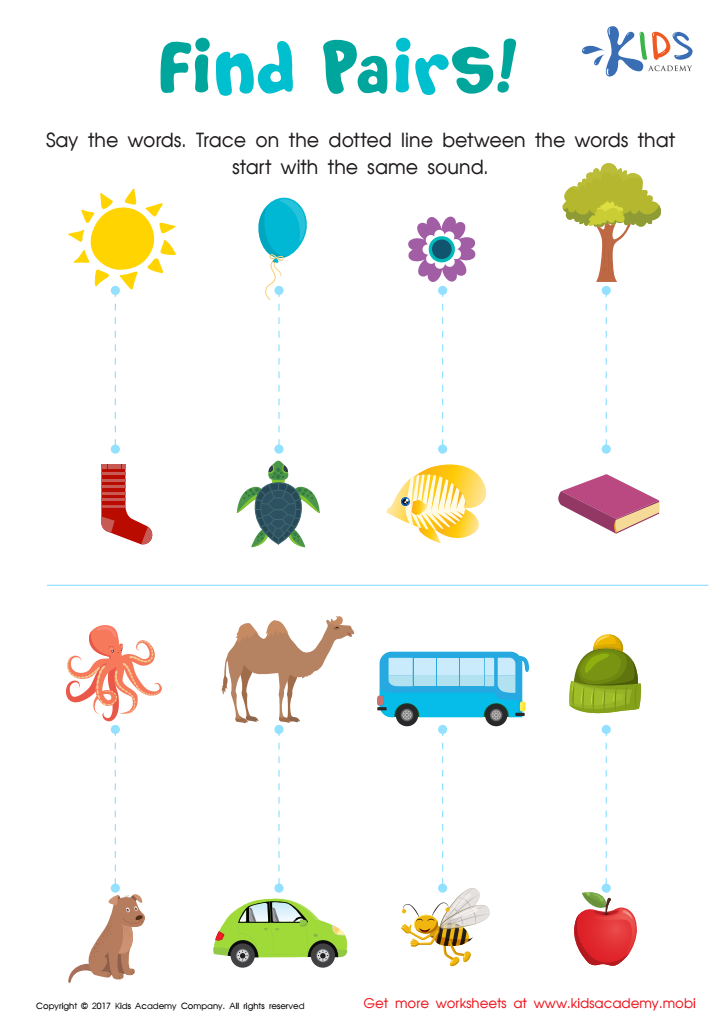
Beginning Sound: Find Pairs Worksheet
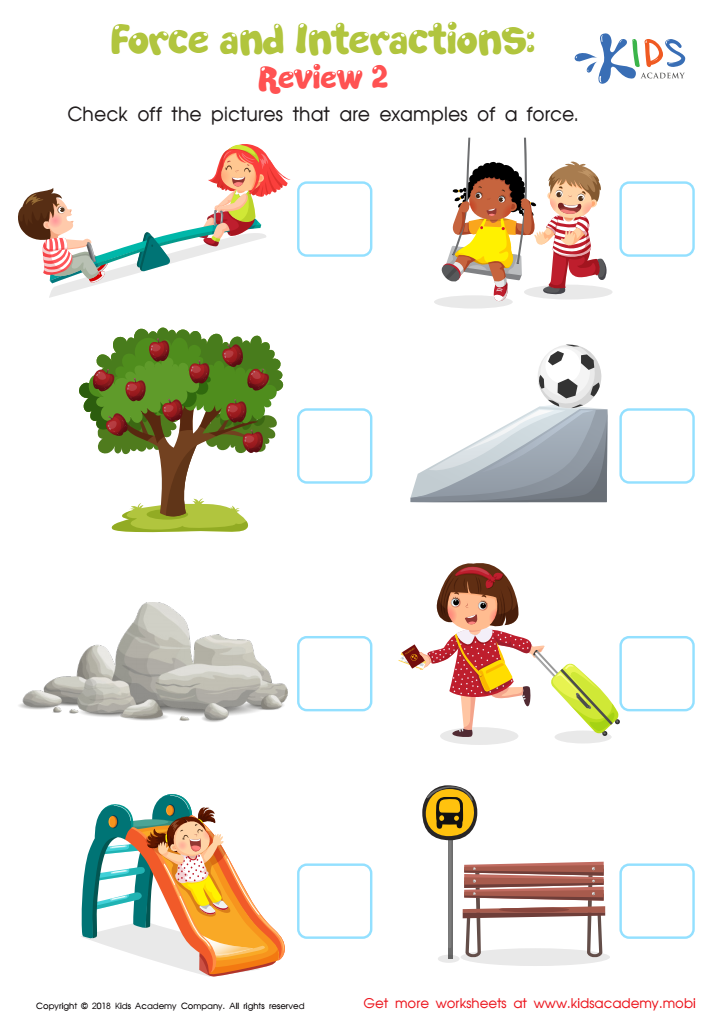
Force and Interactions: Review 2 Worksheet
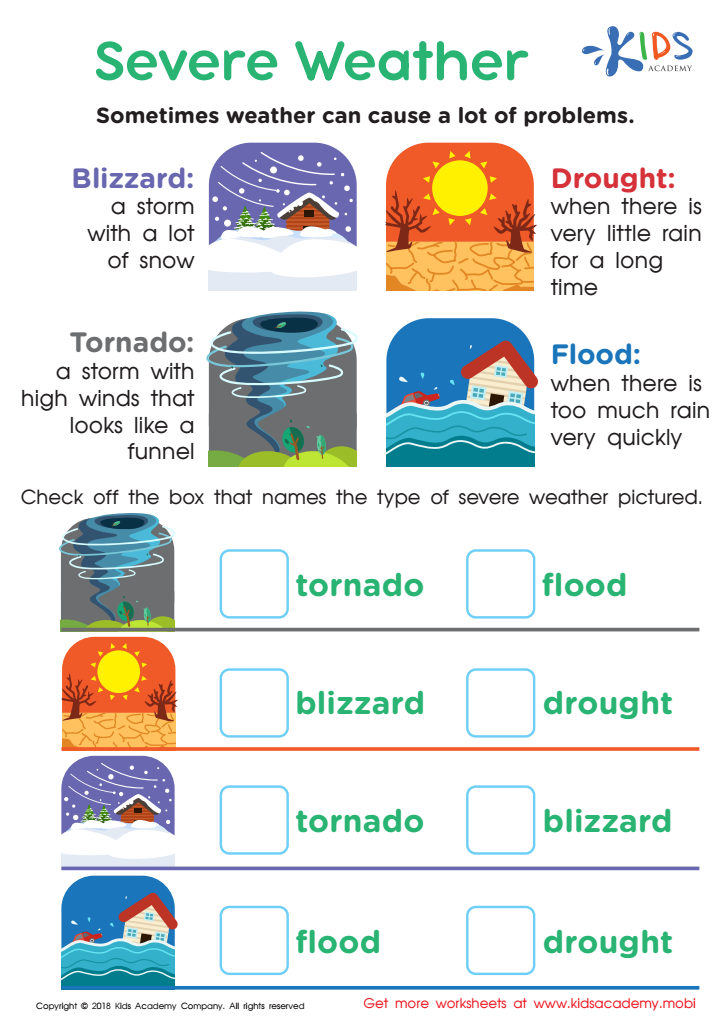
Severe Weather Worksheet
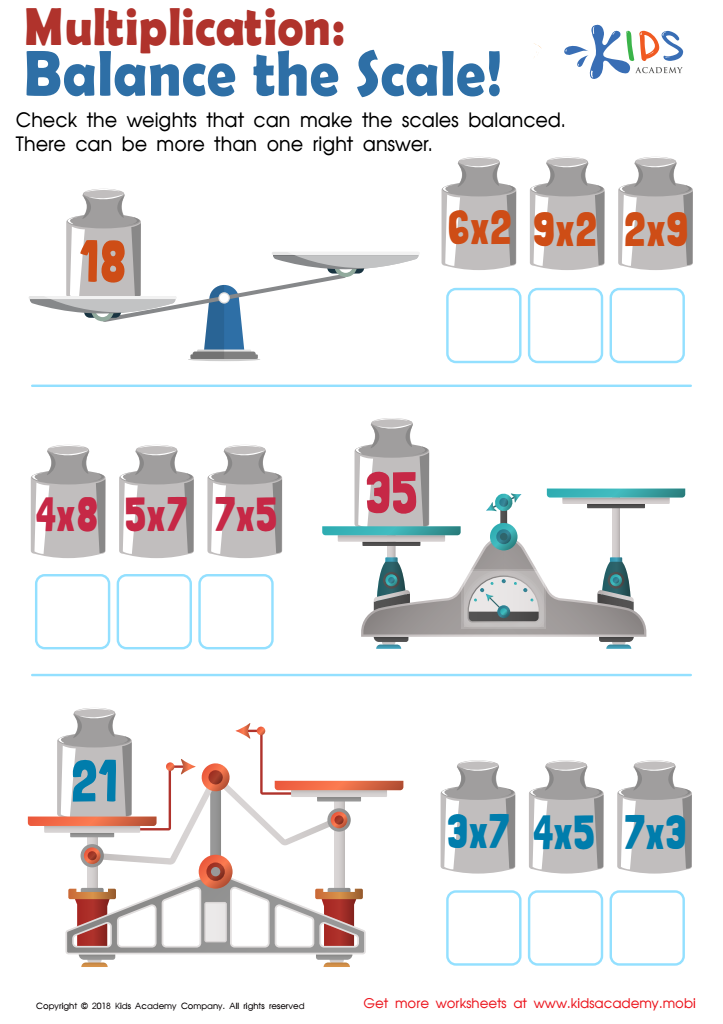
Balance the Scales Multiplication Worksheet
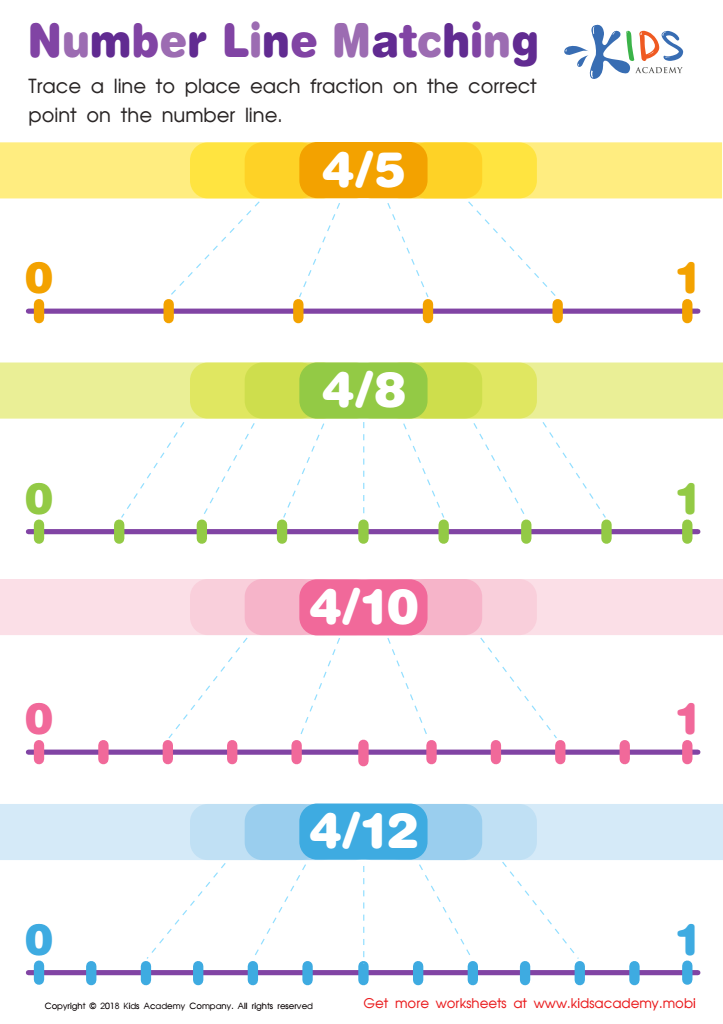
Number Line Matching Worksheet
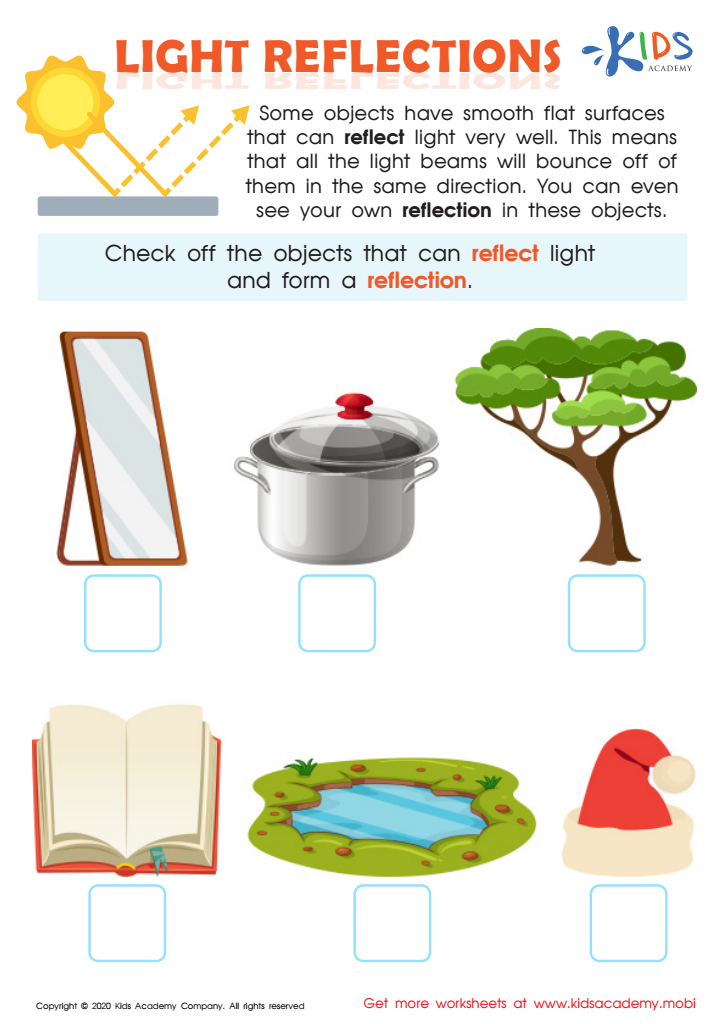
Light Reflections Worksheet
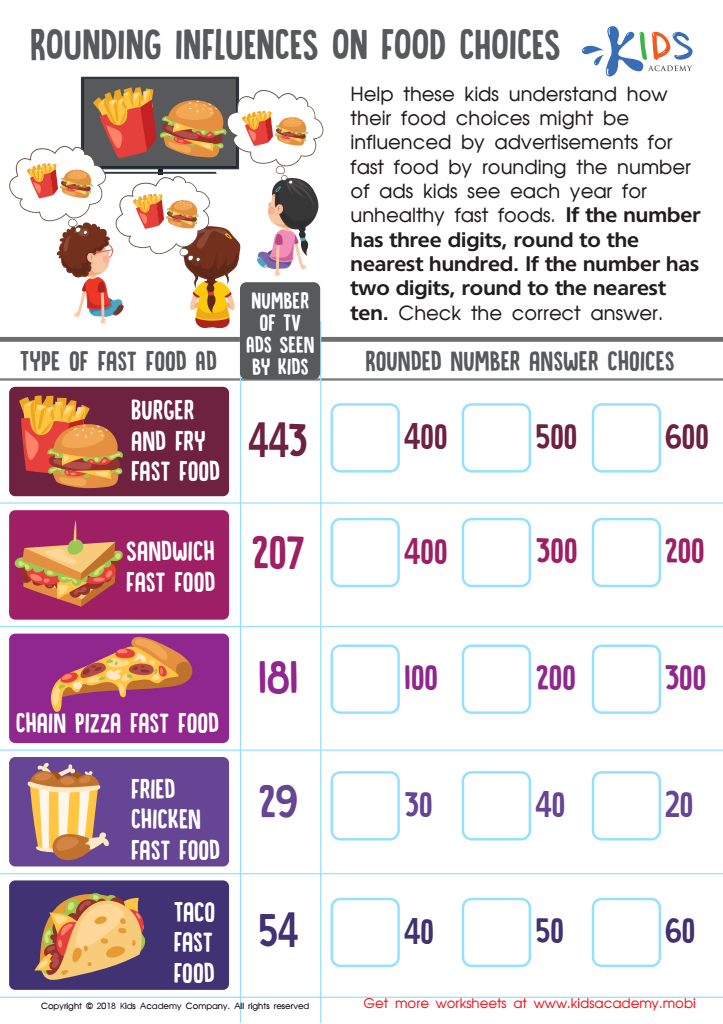
Rounding Influences Food Choices Worksheet







.jpg)
Understanding what is "normal" for children ages 3-8 is crucial for both parents and teachers because it helps them support optimal development during these formative years. Children go through rapid, essential developmental milestones in cognition, language, motor skills, social and emotional behavior, and self-care. Knowing what to expect helps adults create an environment conducive to growth and learning.
For teachers, understanding age-appropriate norms allows for the design of effective lesson plans and activities that are neither too easy nor too challenging. This promotes engagement and a sense of achievement, essential to fostering a love for learning. If a child is ahead or behind in certain areas, recognizing this early enables timely interventions that tailor educational approaches to meet individual needs.
For parents, awareness of developmental benchmarks aids in promoting their child's strengths and identifying any potential challenges. This knowledge encourages informed decisions about providing diverse opportunities for intellectual, emotional, and physical growth. It also empowers parents to seek early intervention services if necessary, which can significantly improve long-term outcomes.
In essence, understanding normal developmental milestones equips both teachers and parents with the tools to nurture well-rounded, confident, and capable children. This proactive approach lays a strong foundation for future learning and socialization.








