Normal Alphabet Worksheets for Ages 3-8 - Page 12
279 filtered results
-
From - To
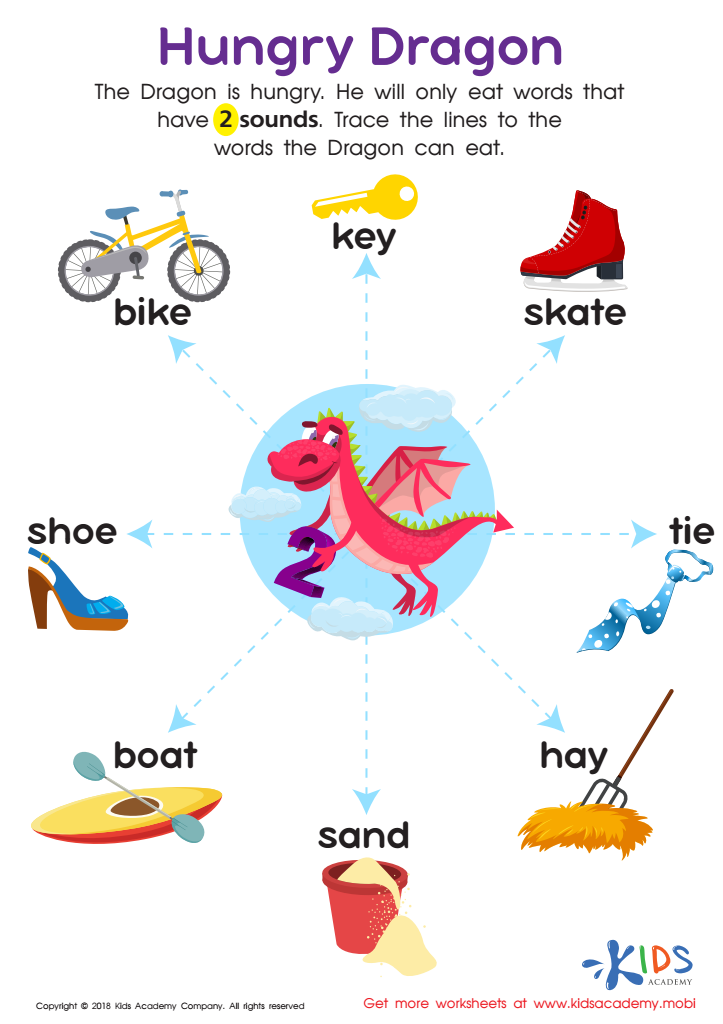
Hungry Dragon Worksheet
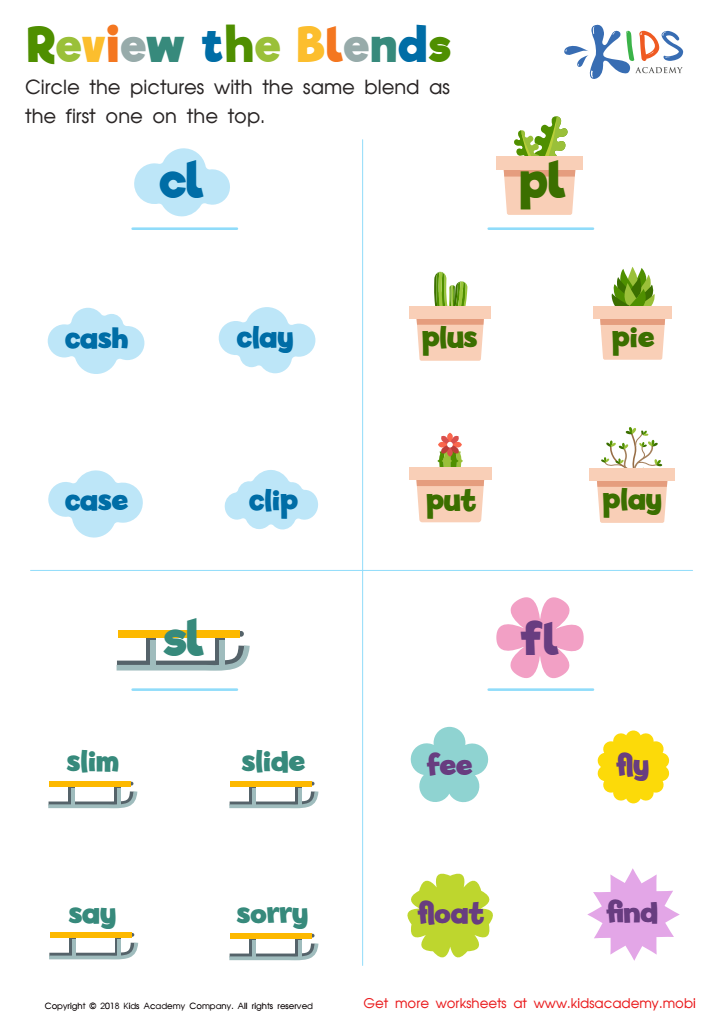
Review the Blends Worksheet
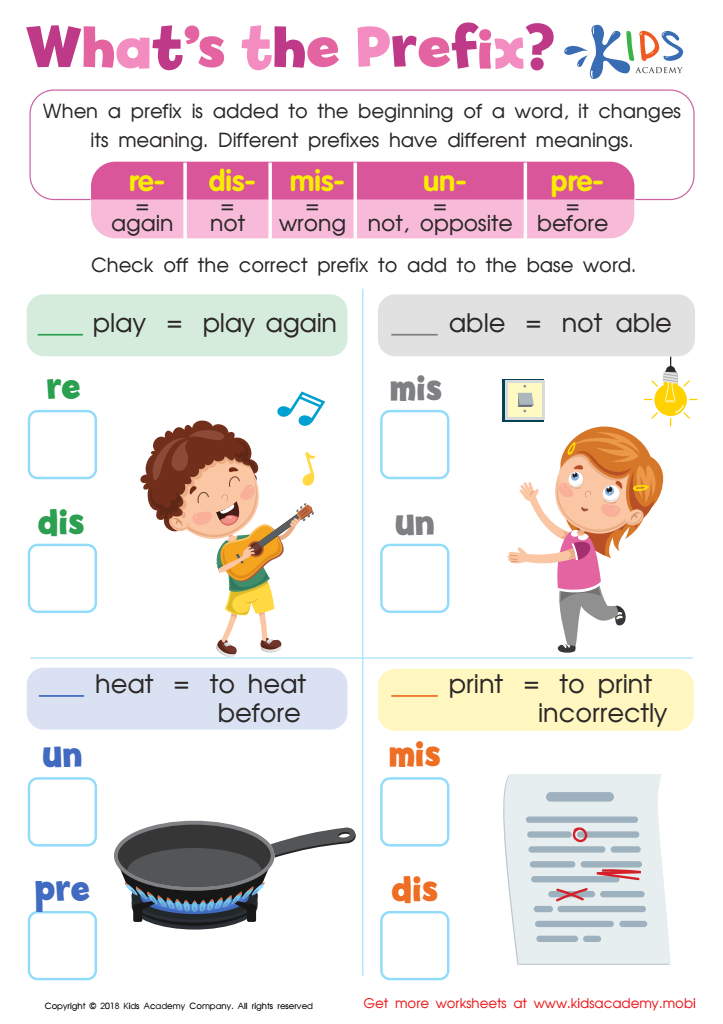
Reading: What Is the Prefix Worksheet
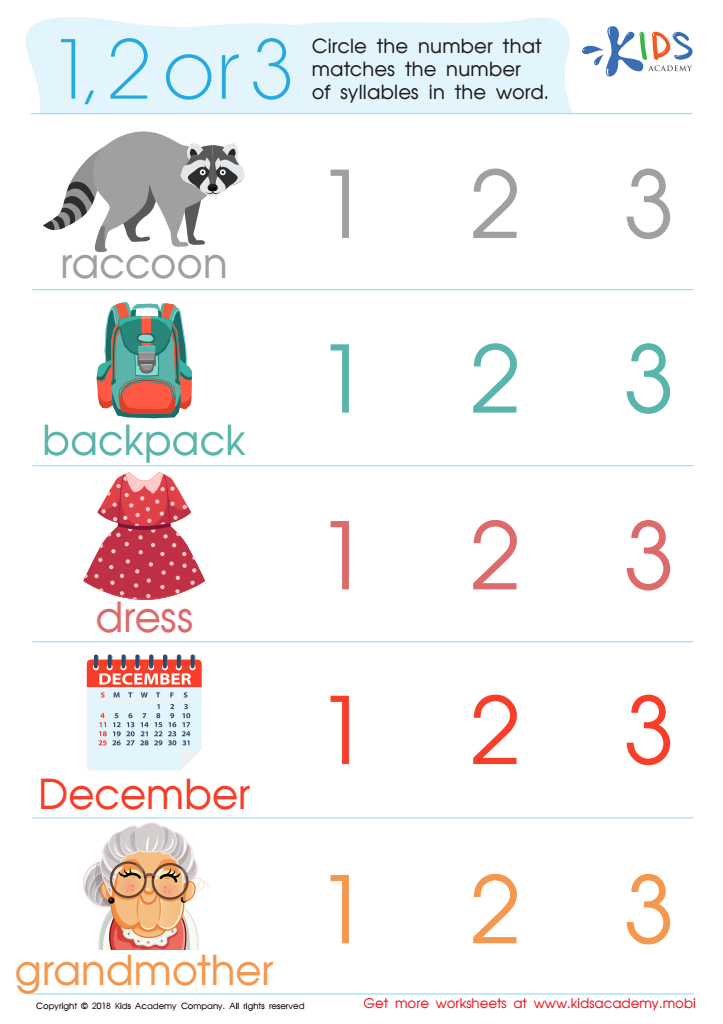
1, 2 or 3? Worksheet
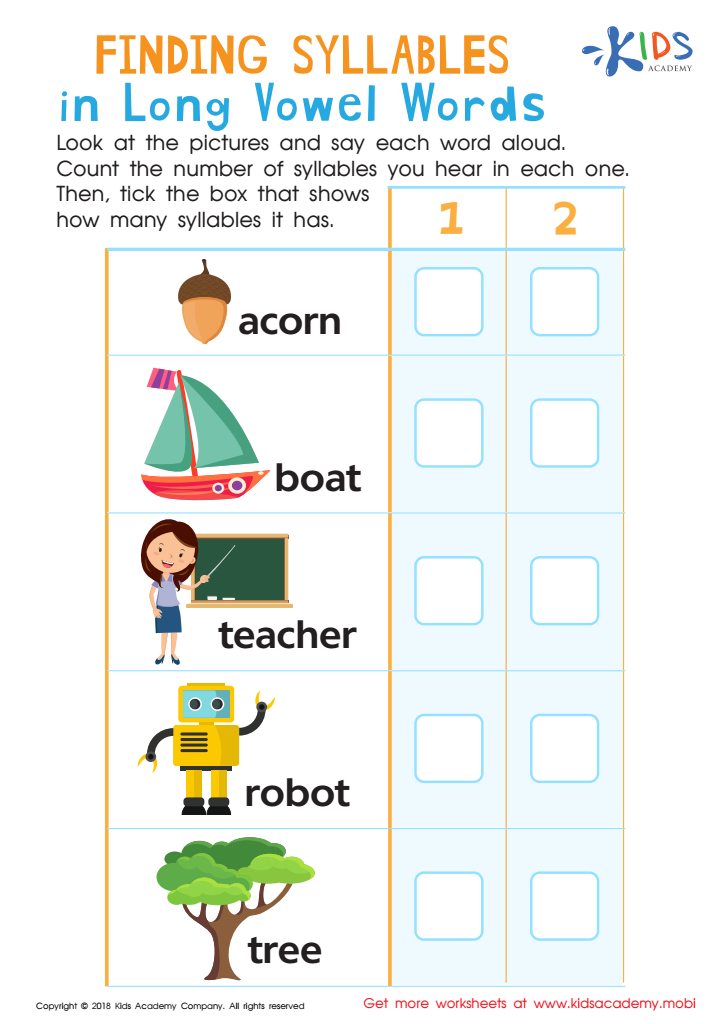
Finding Syllables in Long Vowel Words Worksheet
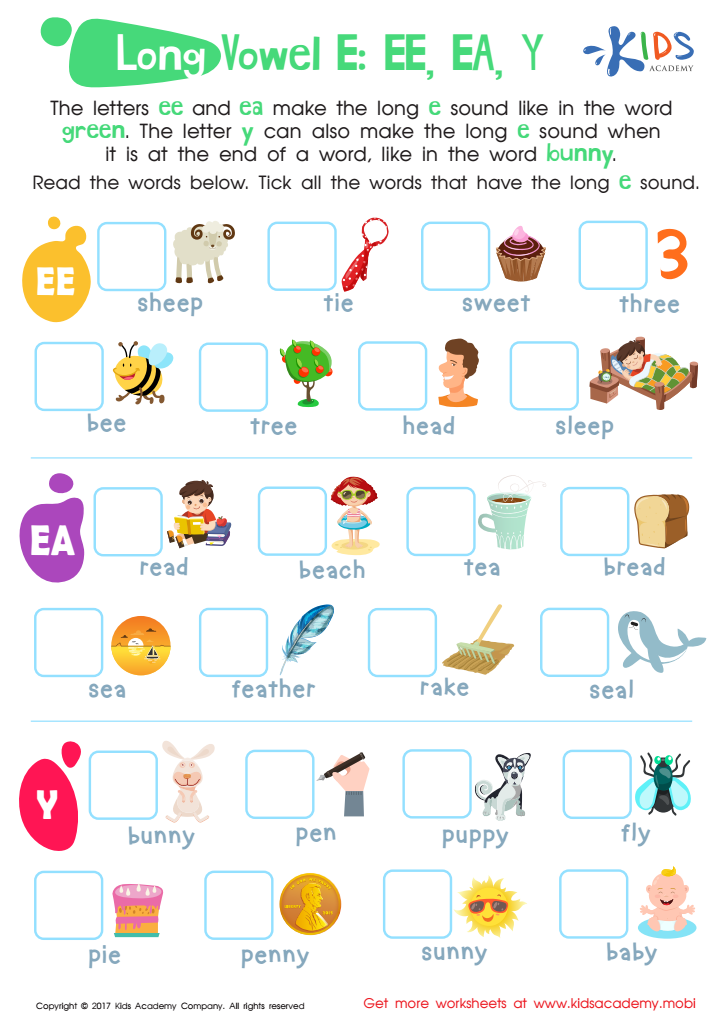
Long Vowel E Printable
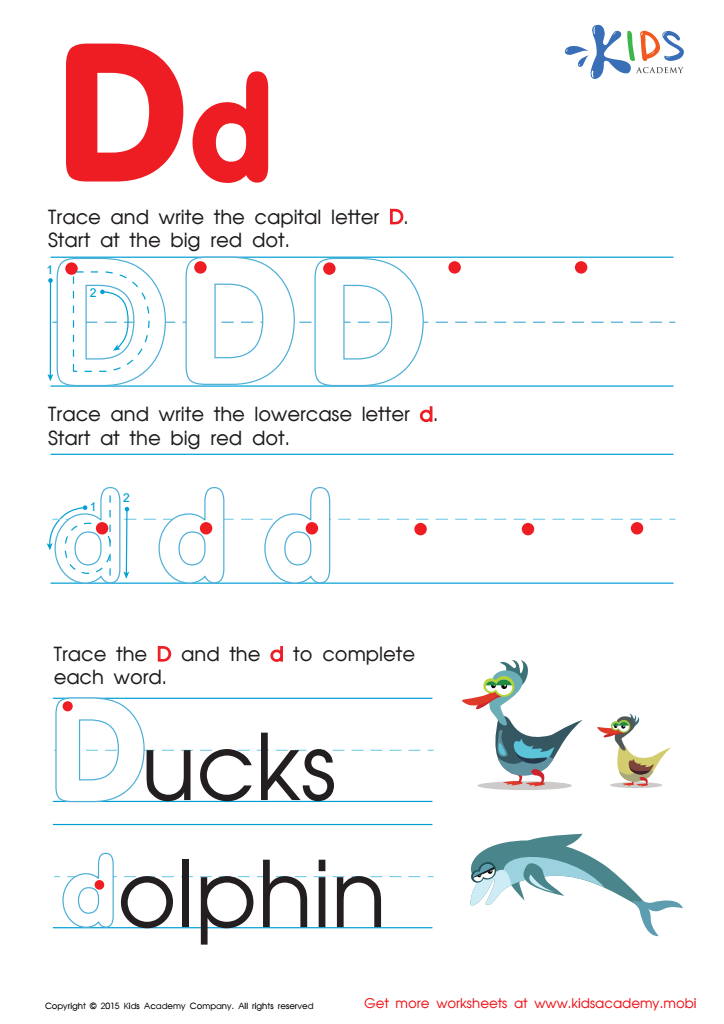
Letter D Tracing Page
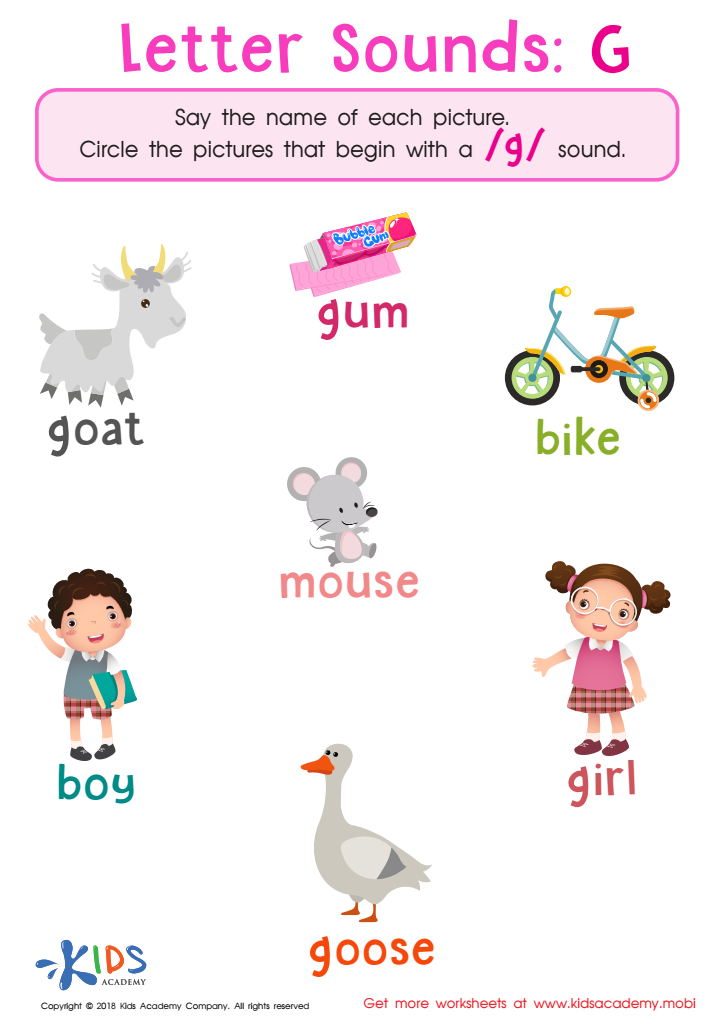
Letter G Sounds Worksheet
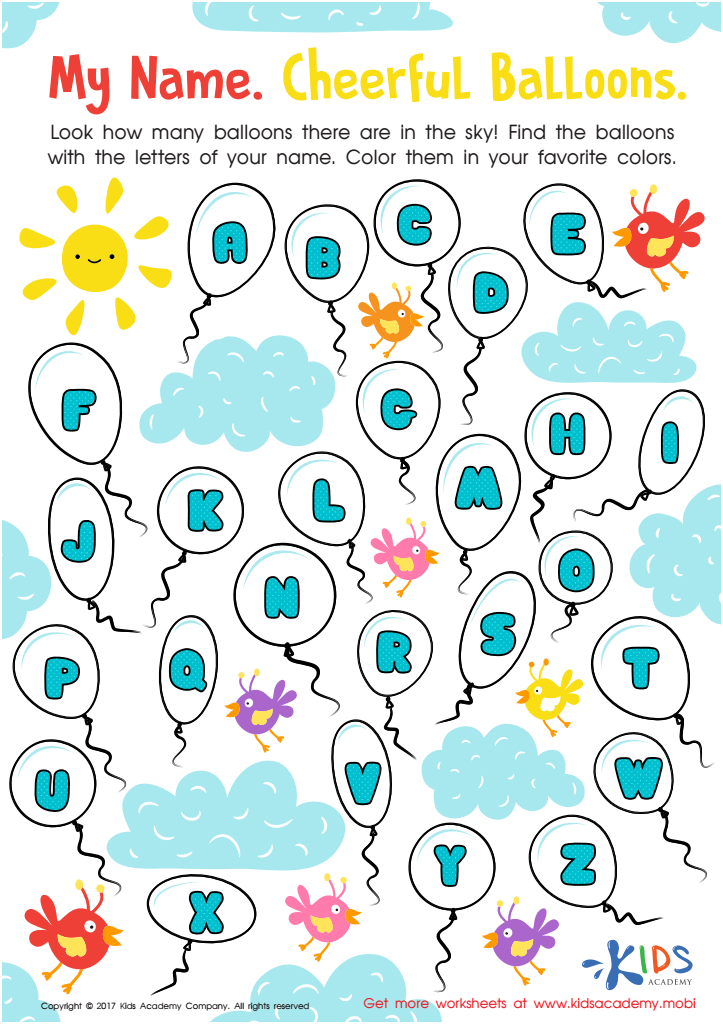
My Name: Cheerful Balloons Worksheet
 Assign to My Students
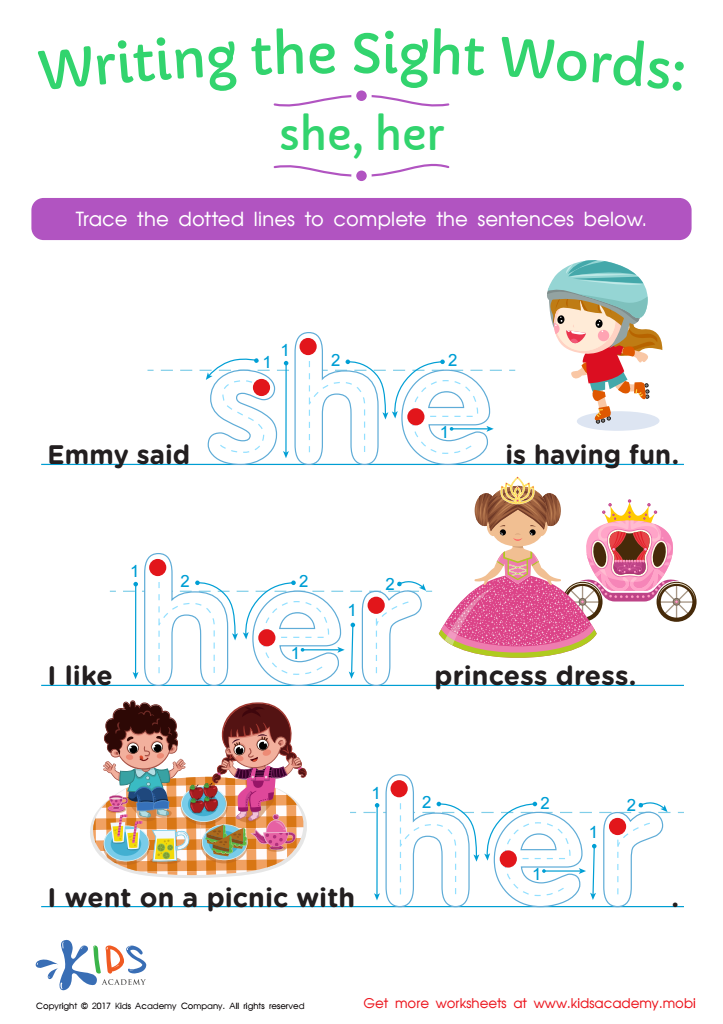
She, Her Printable Sight Words Worksheet
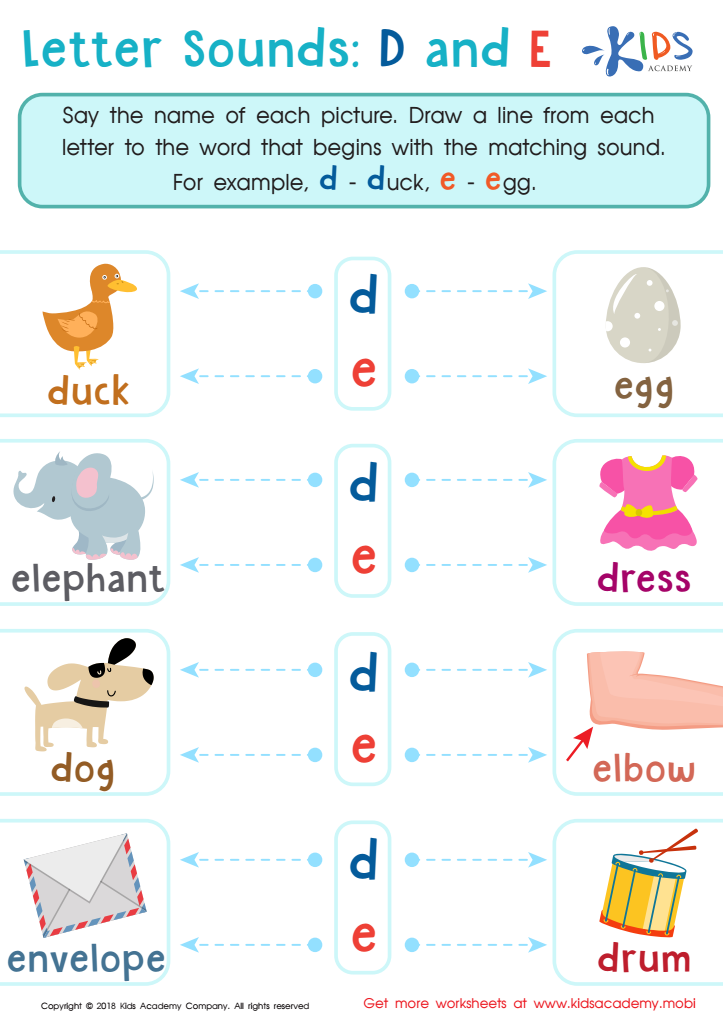
Letter D and E Sounds Worksheet
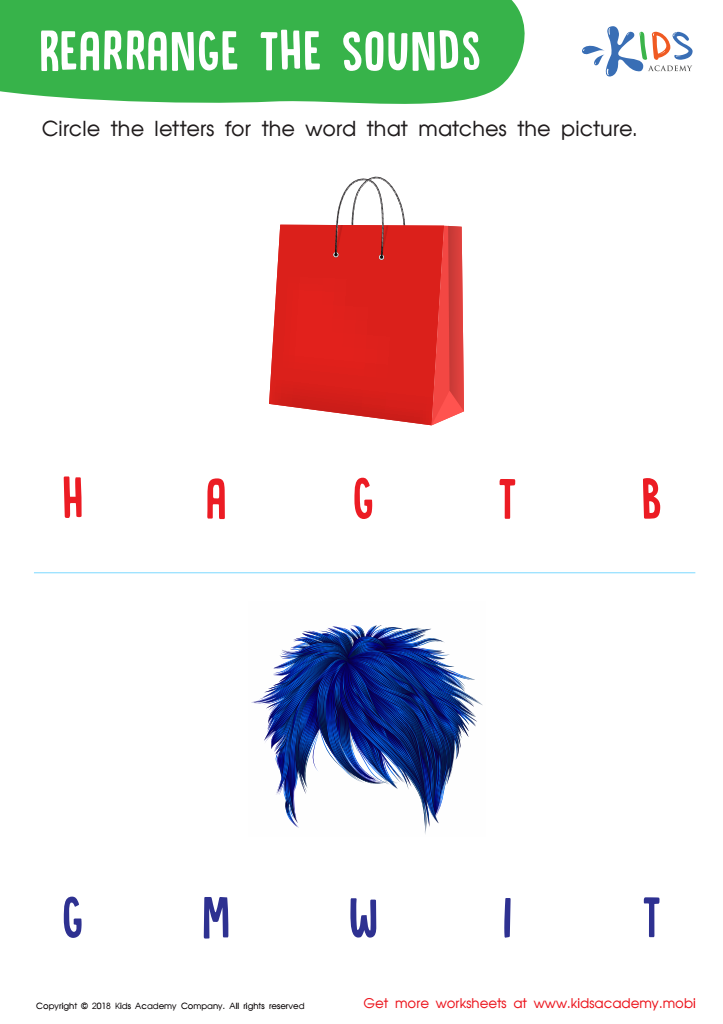
Rearrange the Sounds Worksheet
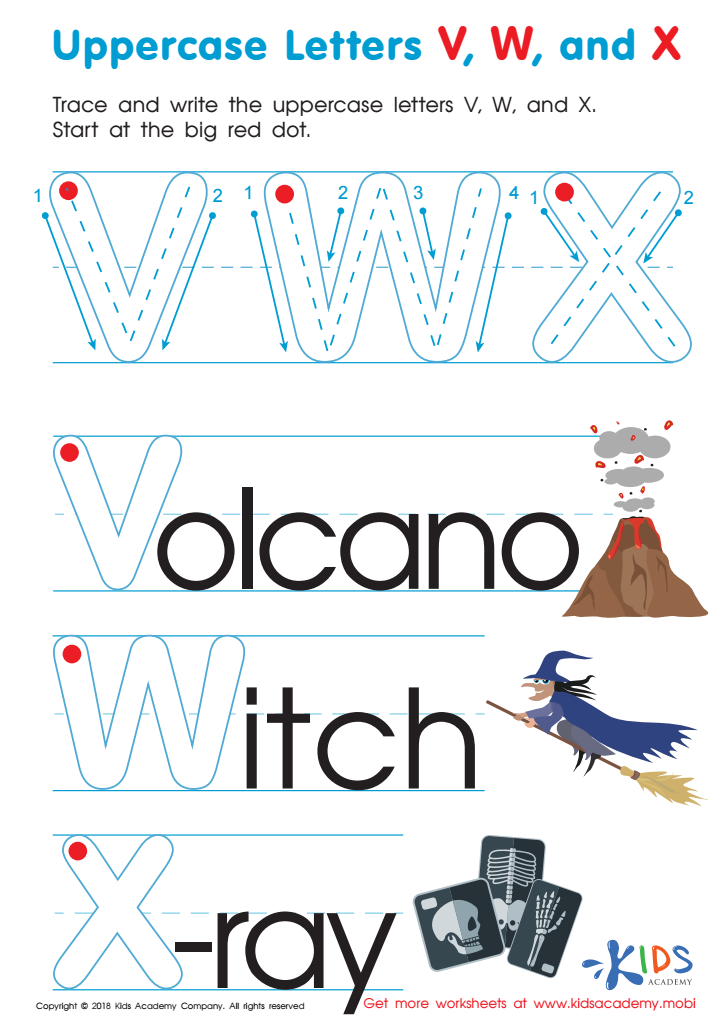
Uppercase Letters V, W, and X Worksheet
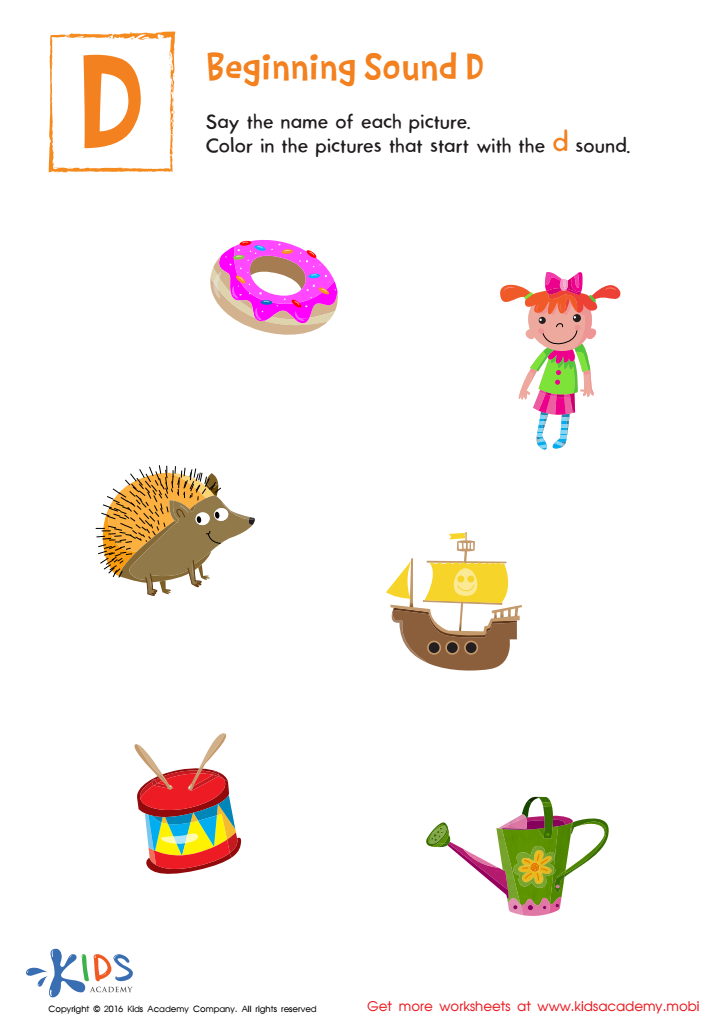
Beginning Sound D Worksheet
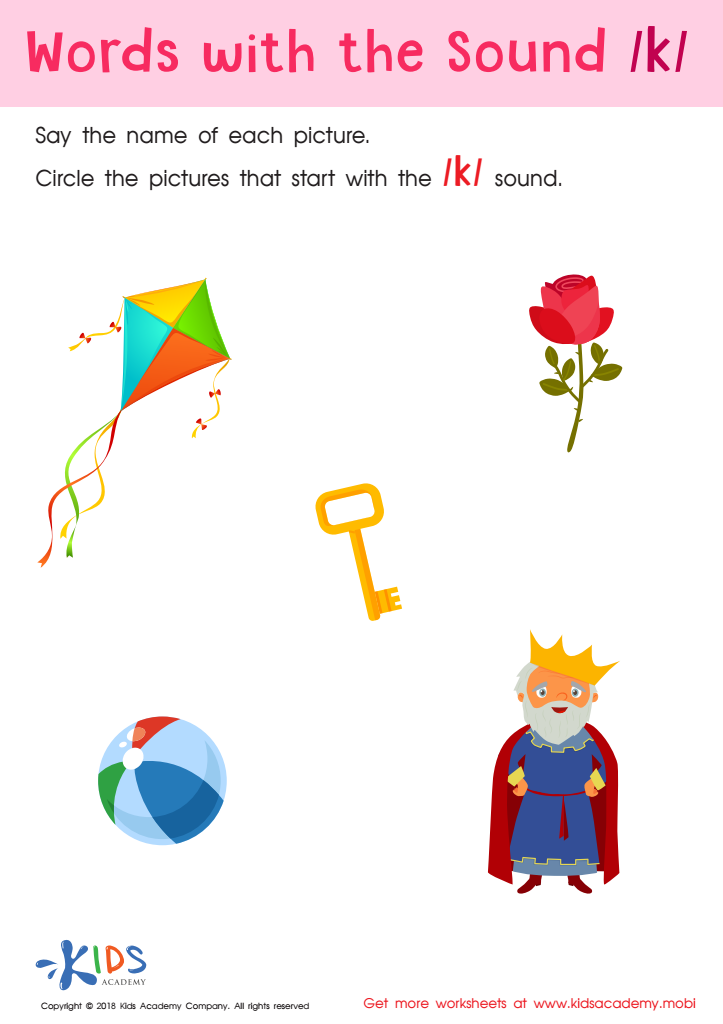
Words with sound k Reading Worksheet






Understanding the Normal Alphabet is crucial for children's literacy development between the ages of 3-8. This fundamental skill lays the groundwork for reading and writing, two essential components of academic success. Parents and teachers should prioritize this early learning phase, as it cultivates language skills, enhances vocabulary, and fosters a love of books.
At this stage, children gain familiarity with letters, sounds, and the relationships between them, which are crucial for phonemic awareness. Recognizing the Normal Alphabet also encourages fine motor skills through writing practice, which is essential for their overall cognitive development.
Moreover, engaging with the Normal Alphabet at an early age instills confidence in children, making them more willing to participate in classroom activities. Early recognition of letters can lead to better performance in school and help bridge the gap between oral and written language.
Parents can reinforce learning at home through interactive games, songs, and reading together, creating a supportive environment. Teachers can integrate fun and engaging methods into their curriculum, ensuring lessons resonate with students. Prioritizing the Normal Alphabet during these formative years equips children with a foundational skill set vital for their future educational experiences.







