Letter recognition Normal Alphabet Worksheets for Ages 3-8 - Page 2
59 filtered results
-
From - To
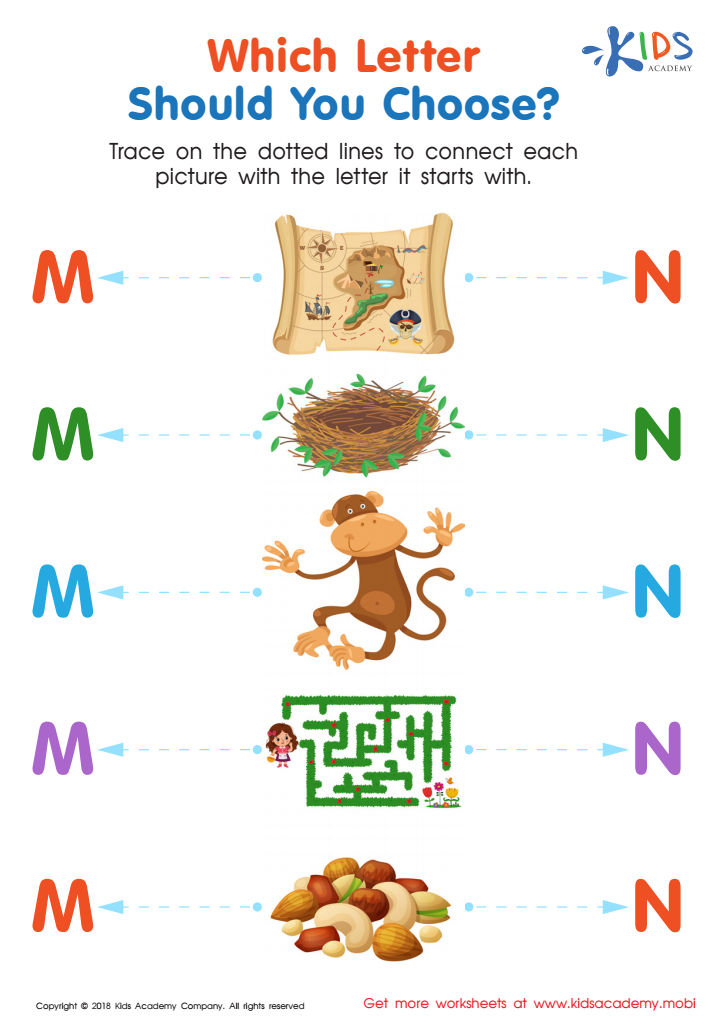
Which Letter Should you Choose? Worksheet
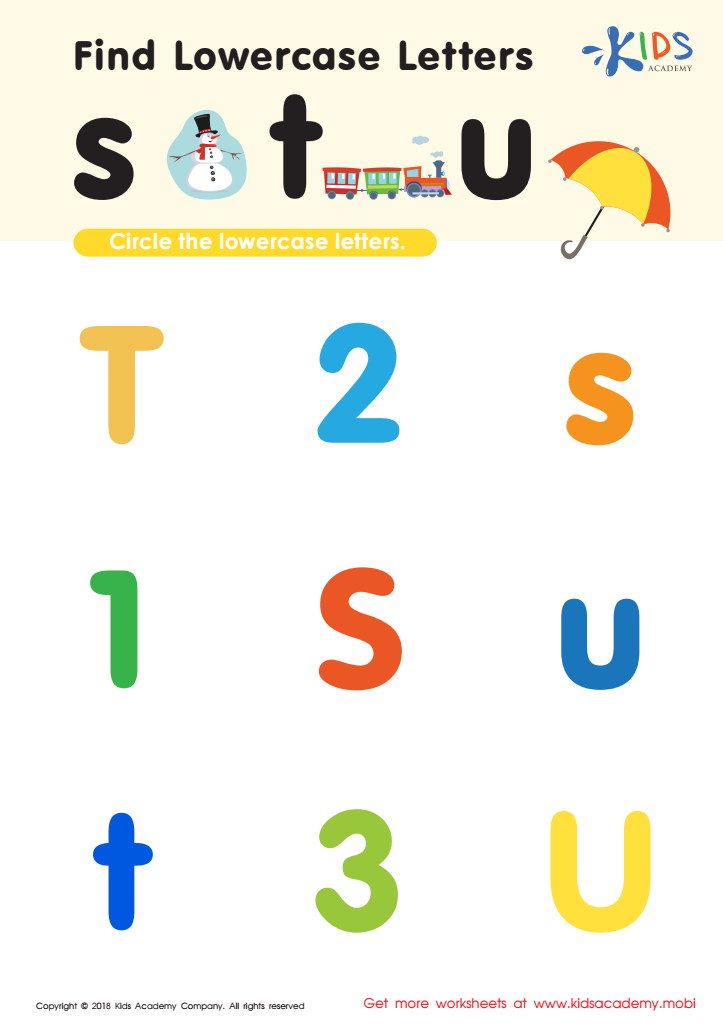
Find lowercase Letters s t u Worksheet
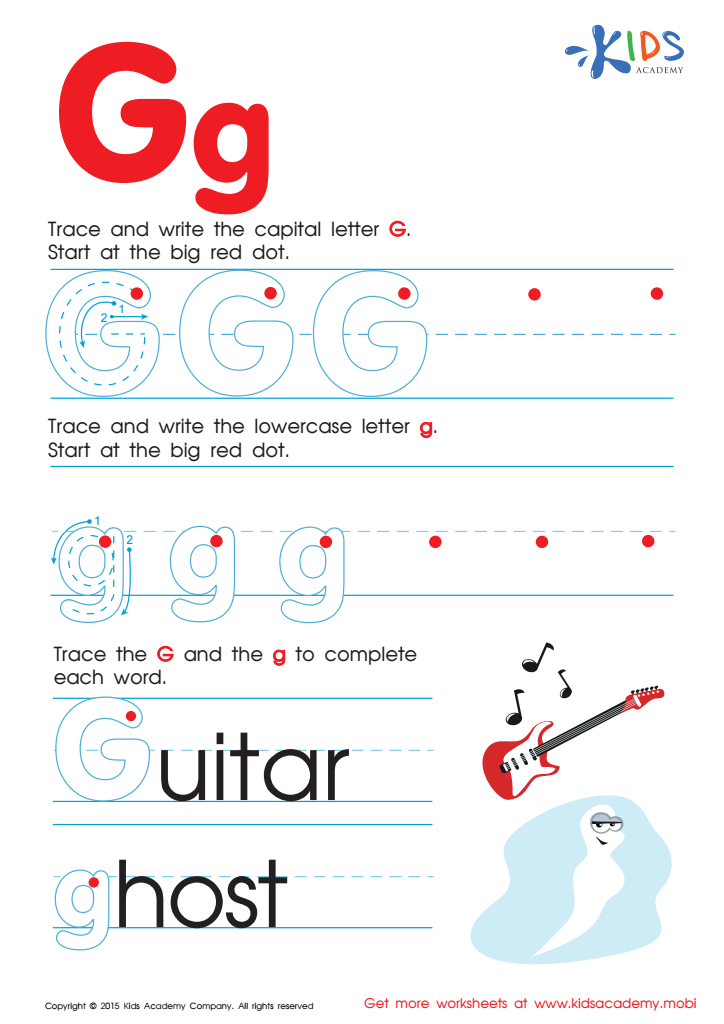
Letter G Tracing Page
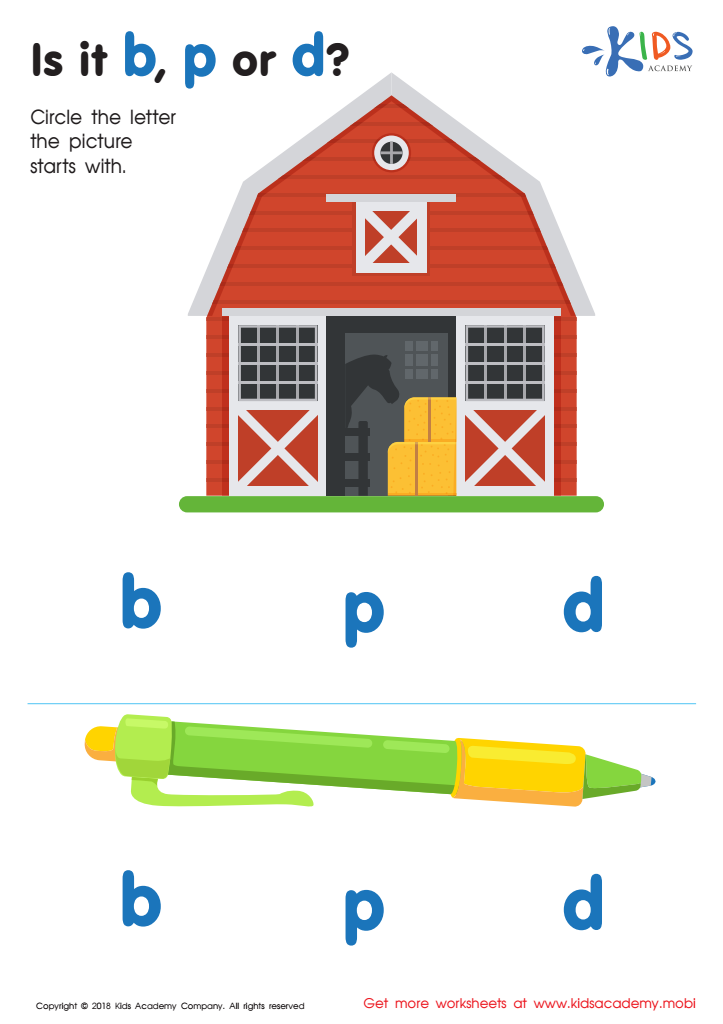
Is it b, p or d? Worksheet
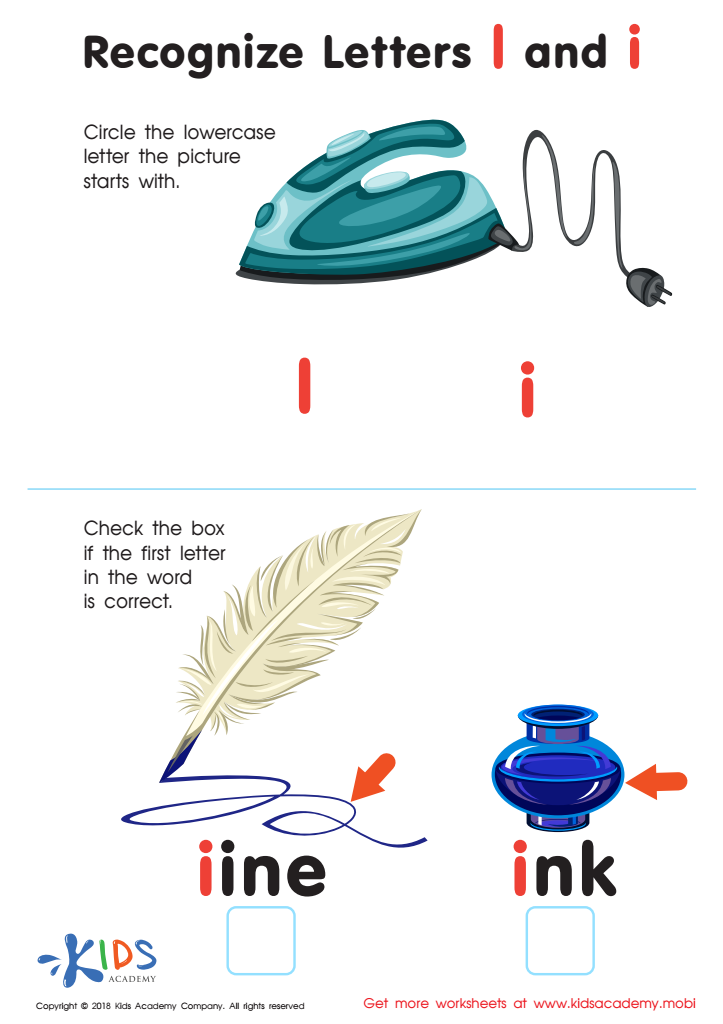
Recognize Letters l and i Worksheet
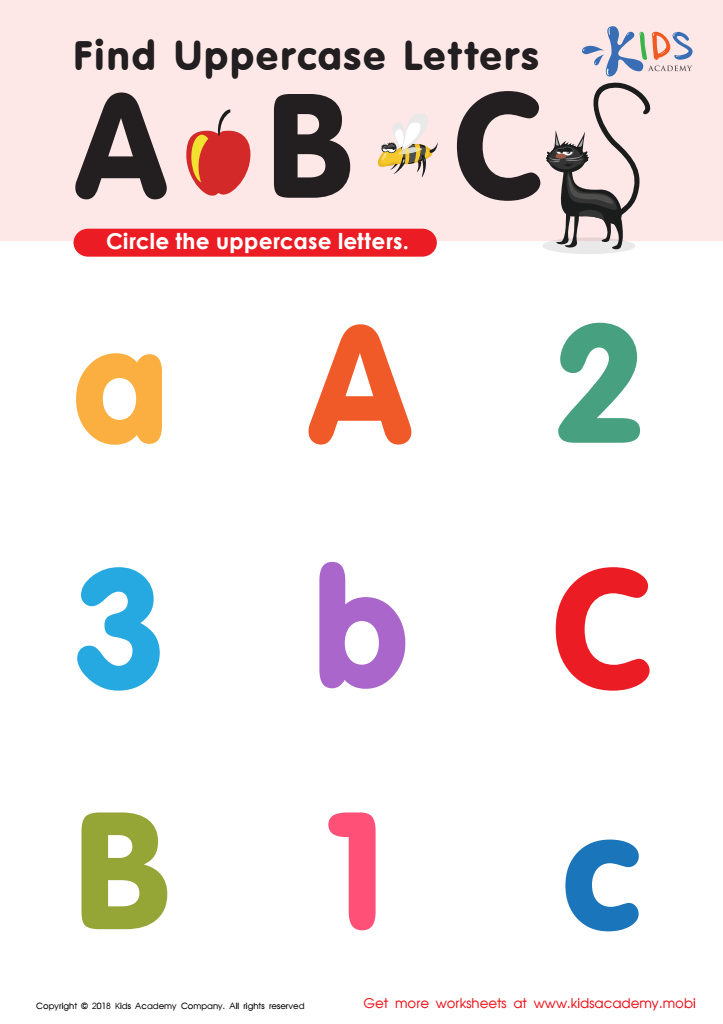
Find Uppercase Letters A, B, and C Worksheet
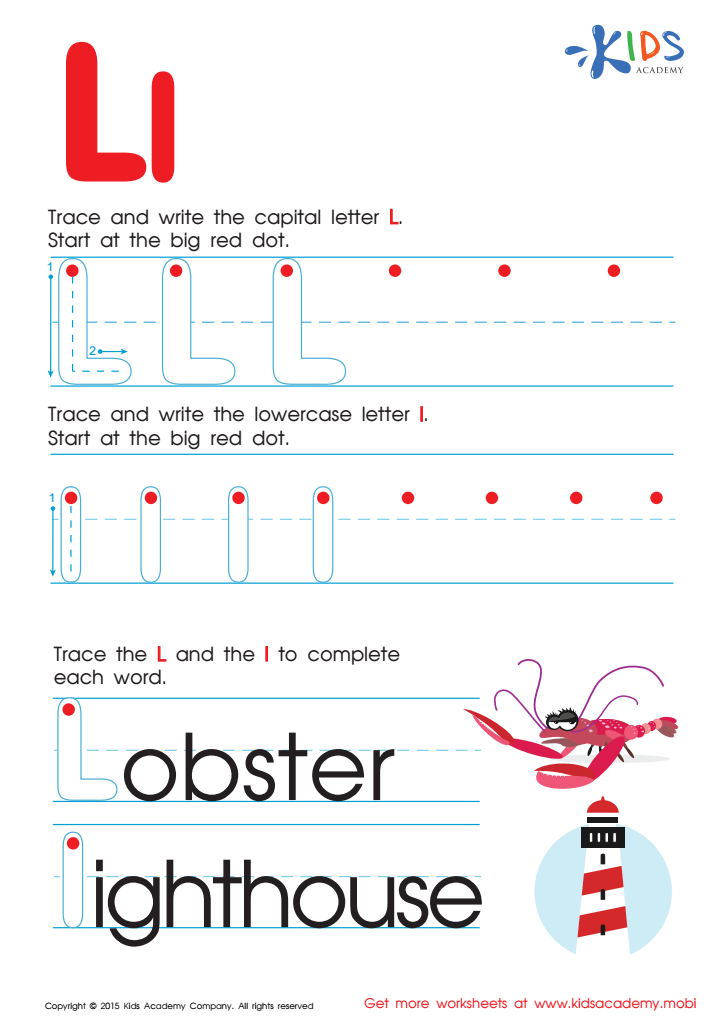
Letter L Tracing Page
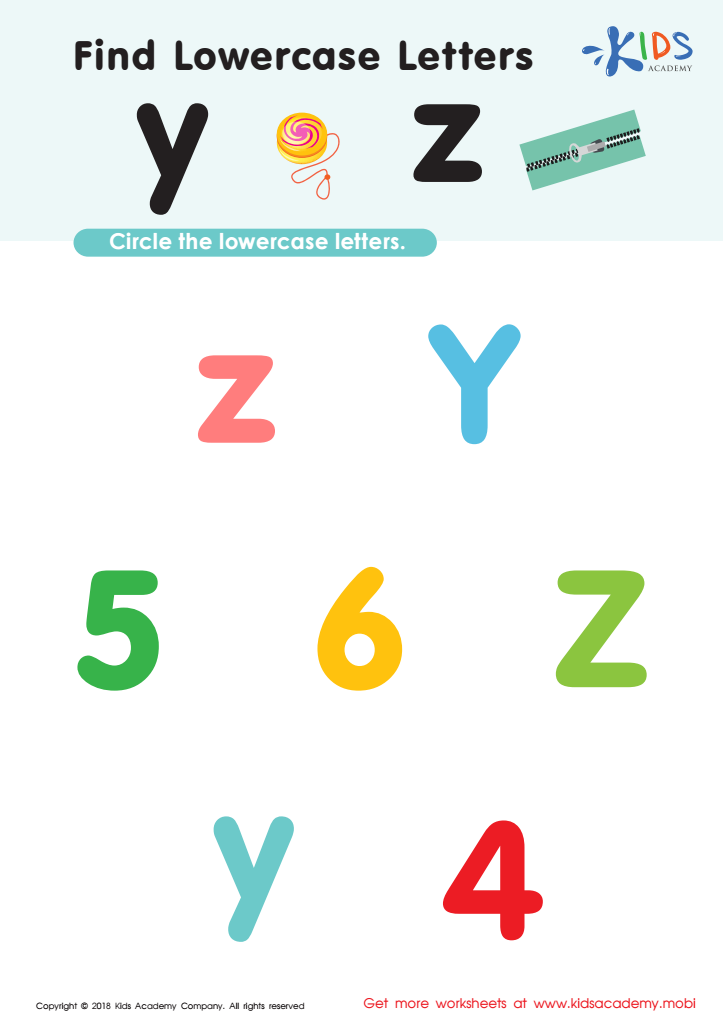
Find Lowercase Letters y z Worksheet
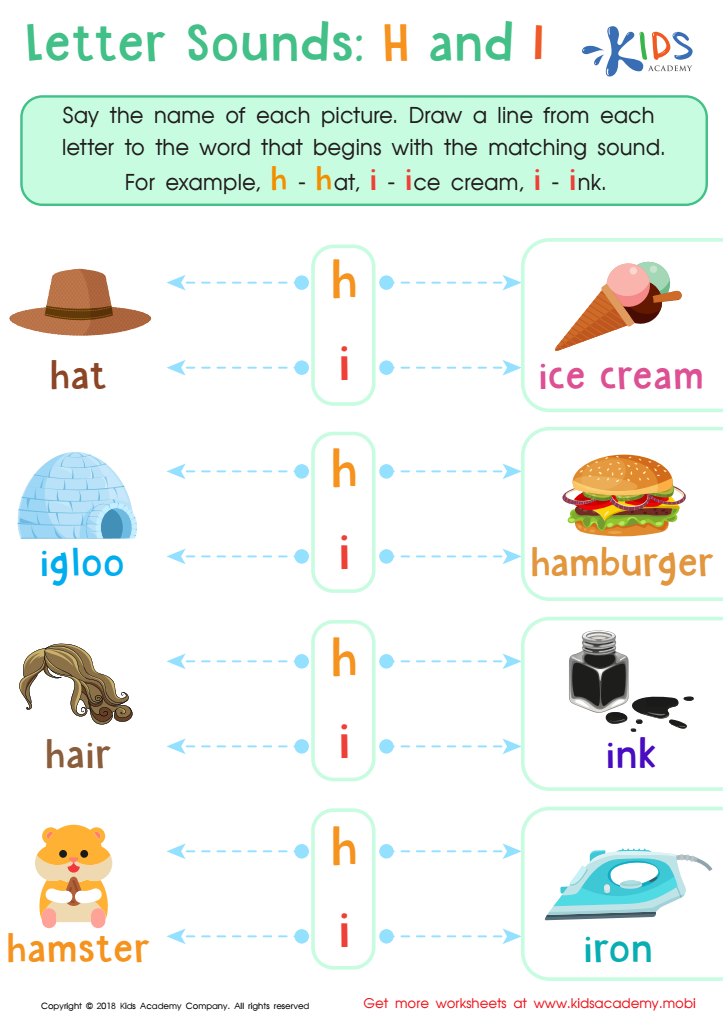
Letter H and I Sounds Worksheet
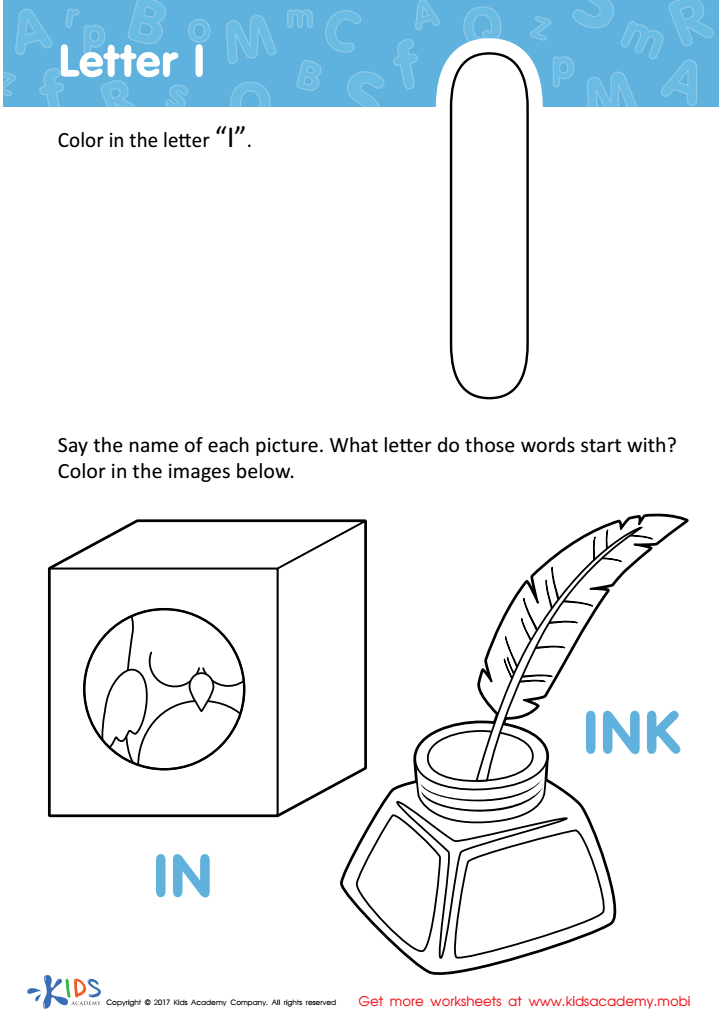
Letter I Coloring Sheet
 Assign to My Students

Long and Short U Worksheet
Assign to My Students
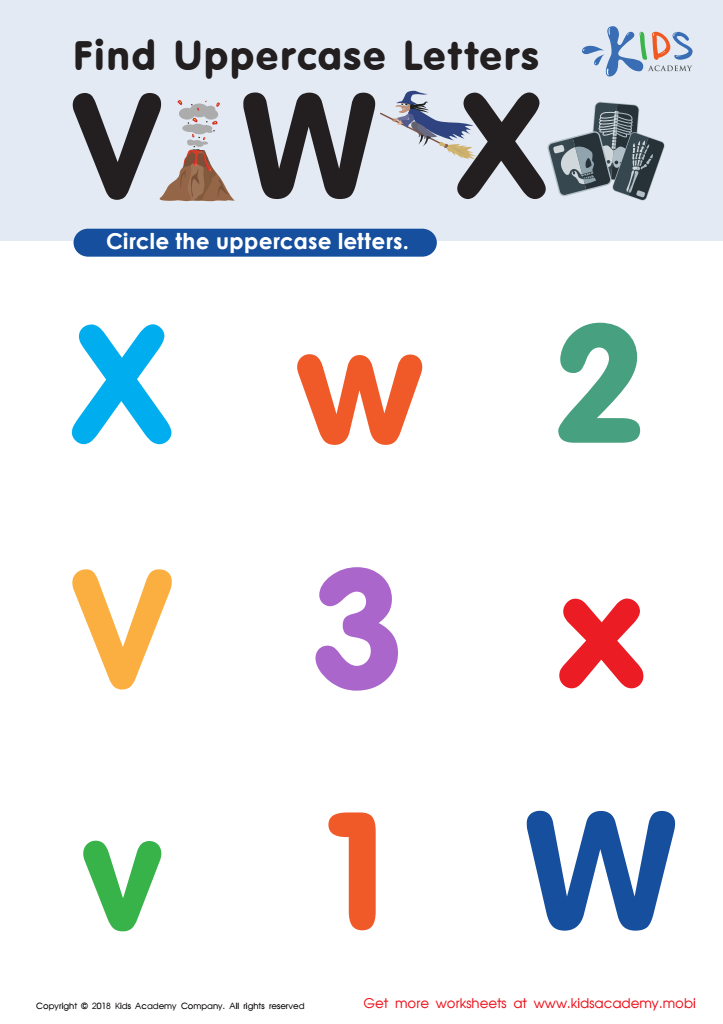
Find Uppercase Letters V, W, X Worksheet
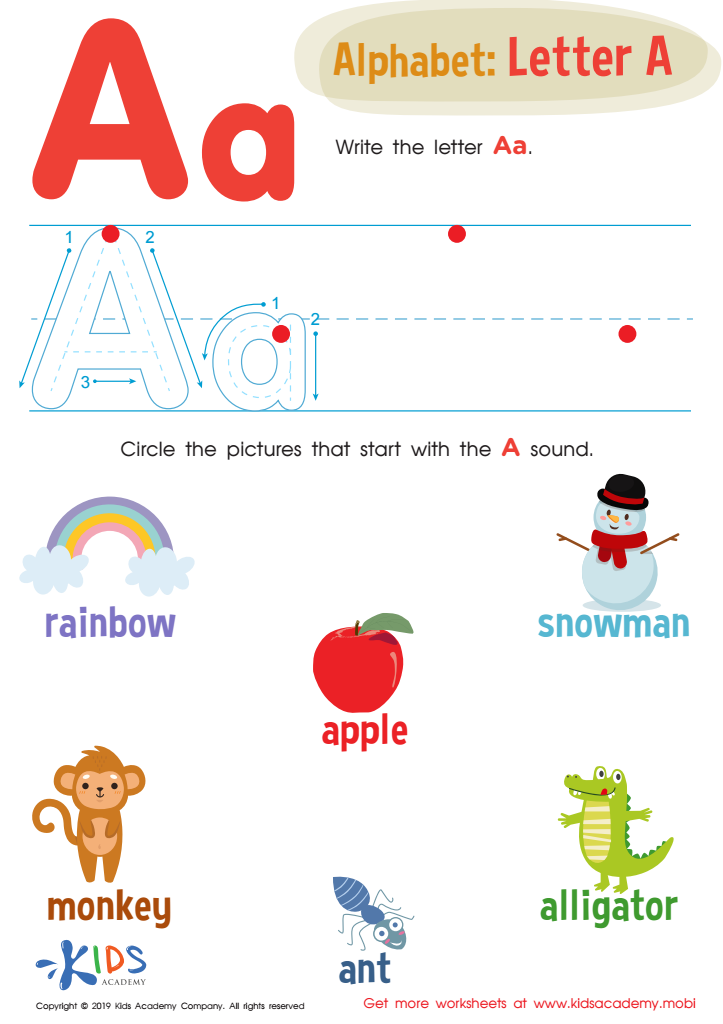
Letter A Tracing Worksheet
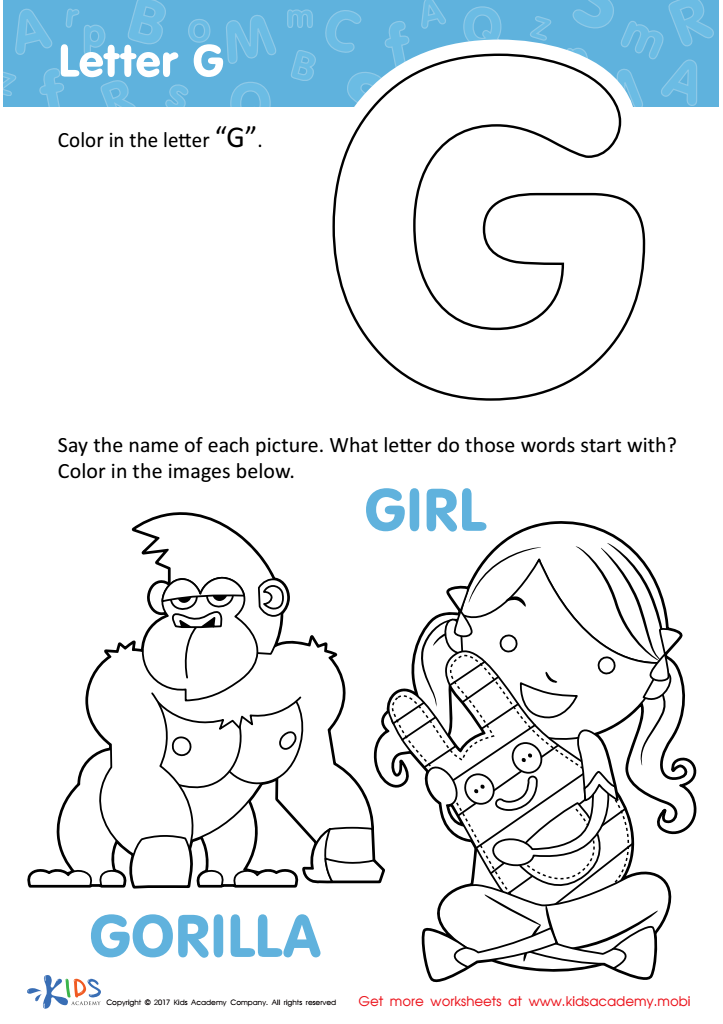
Letter G Coloring Sheet
Assign to My Students
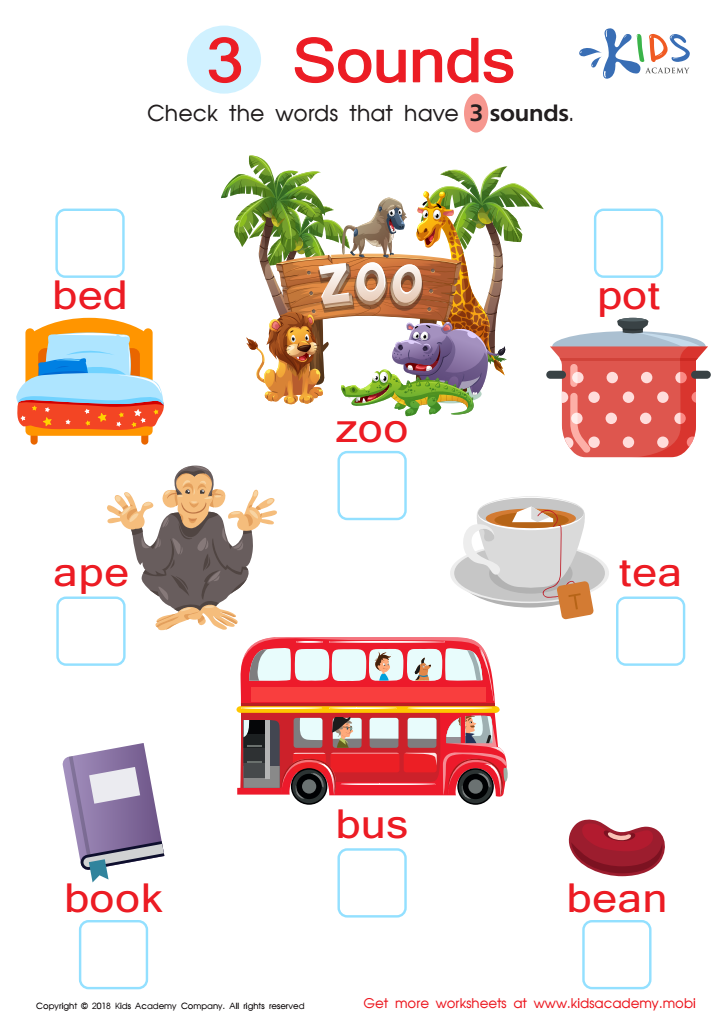
3 Sounds Worksheet
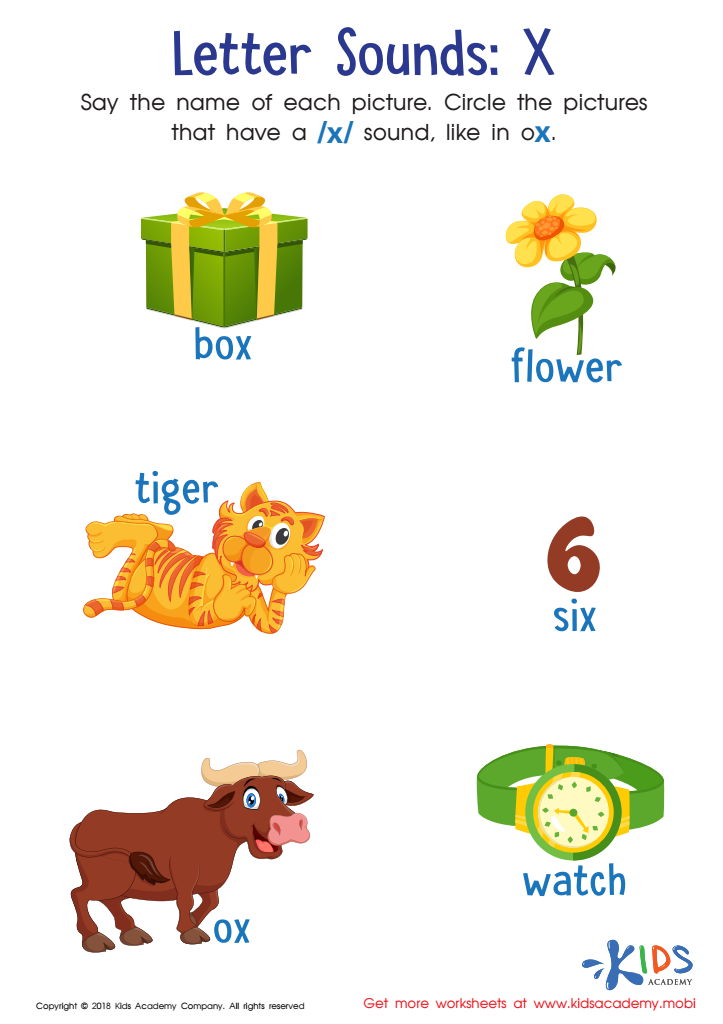
Letter X Sounds Worksheet
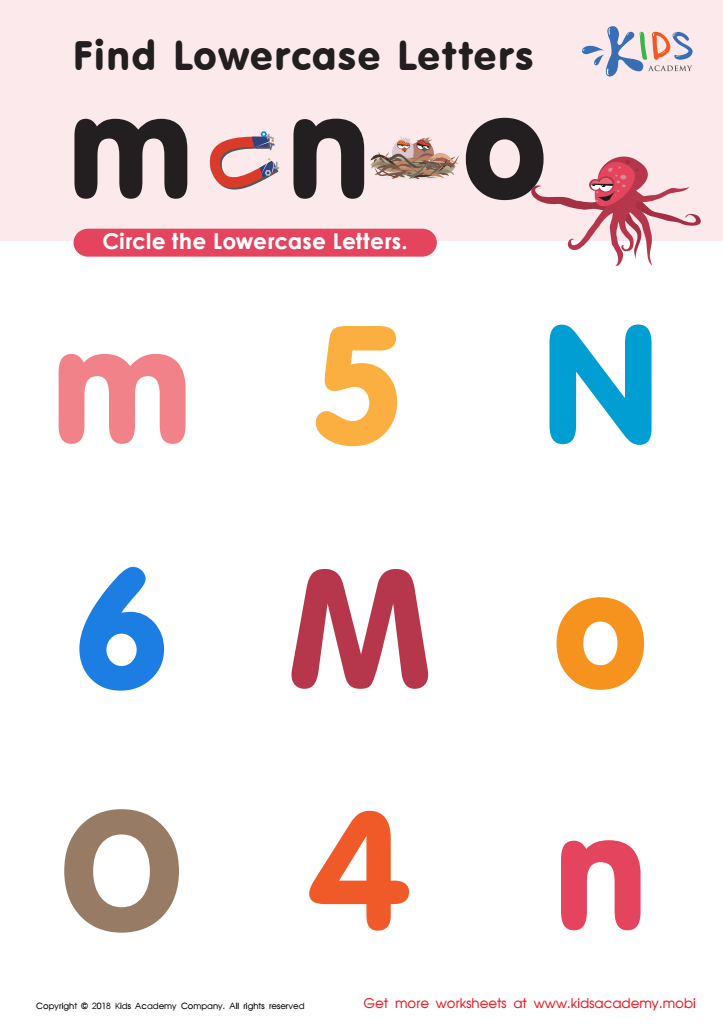
Find Lowercase Letters m n o Worksheet
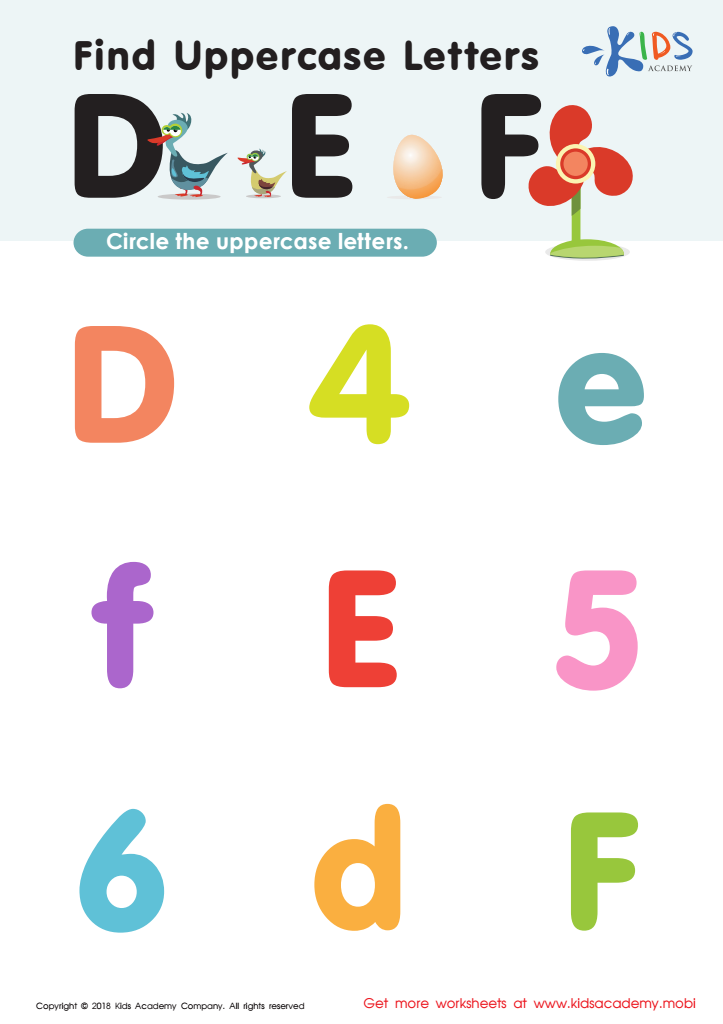
Find Uppercase Letters D, E, and F Worksheet
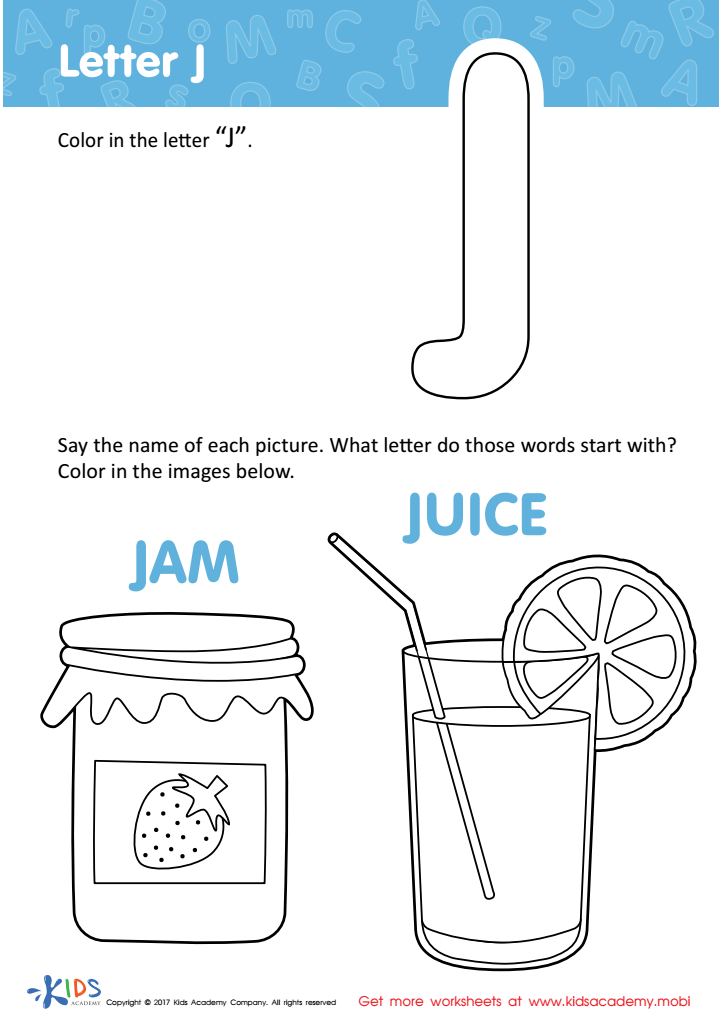
Letter J Coloring Sheet
Assign to My Students
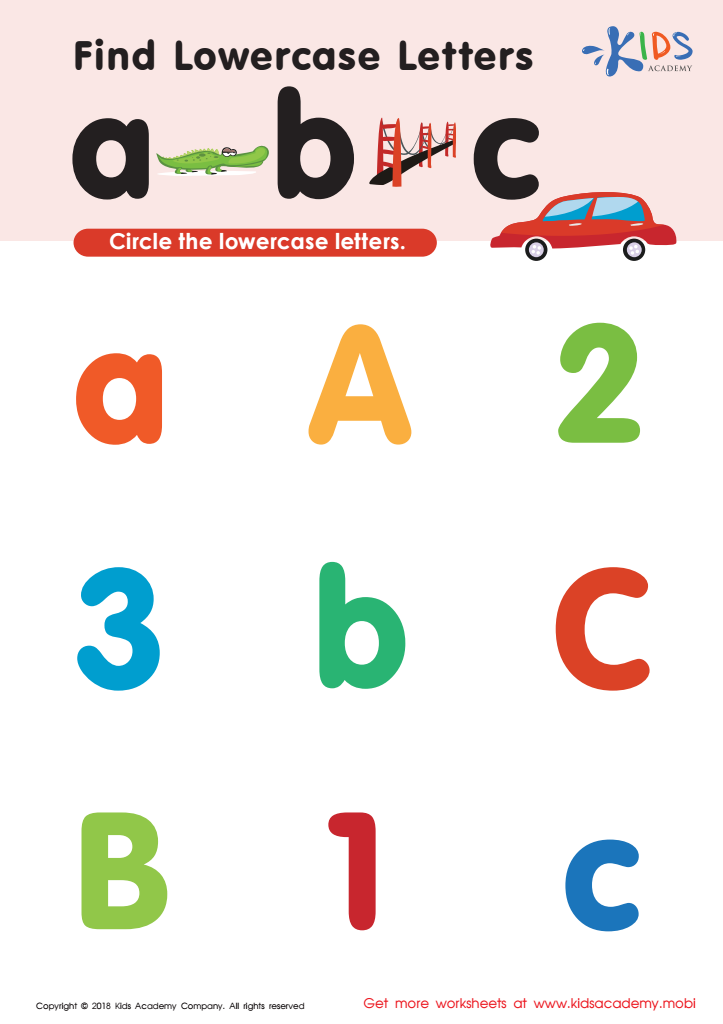
Find lowercase letters a b c Worksheet
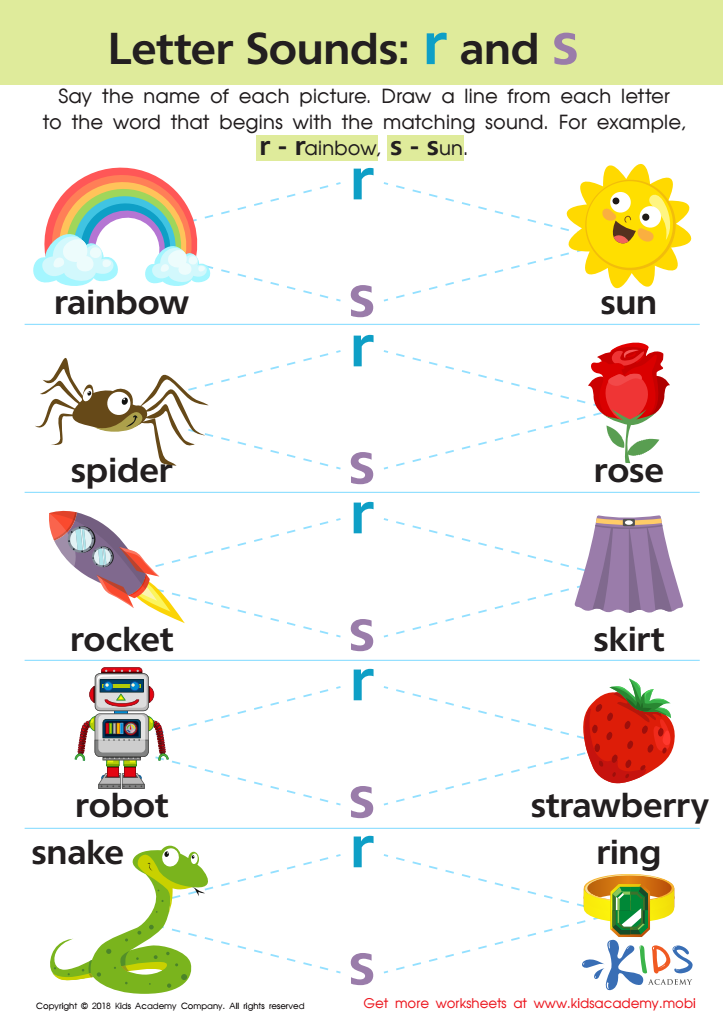
Letter R and S Sounds Worksheet
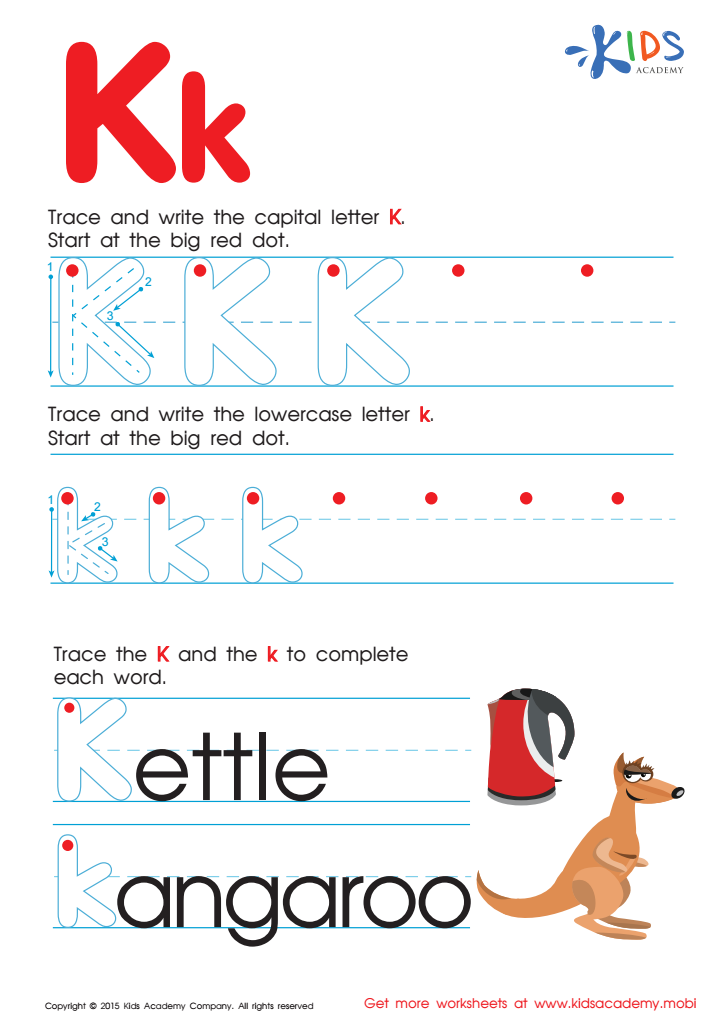
Letter K Tracing Page
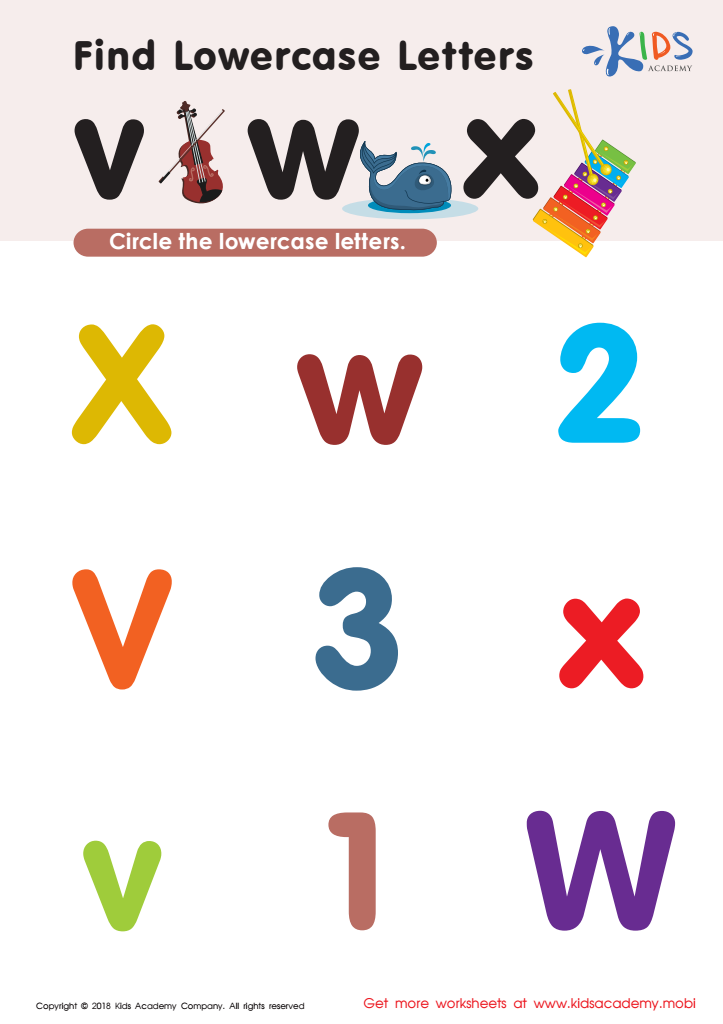
Find Lowercase Letters v w x Worksheet
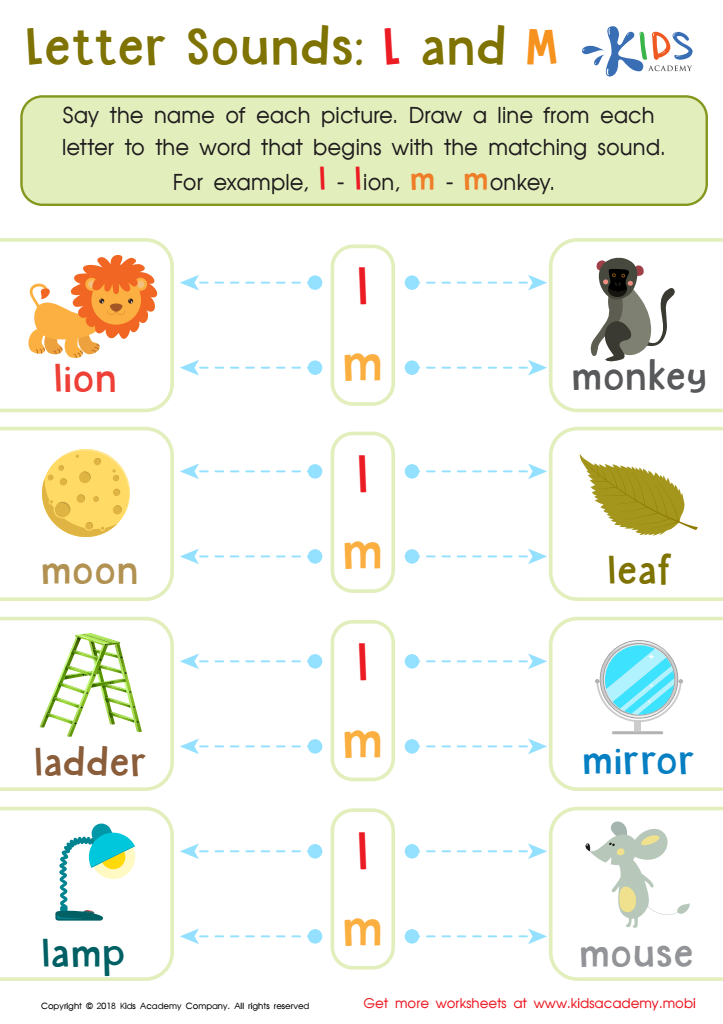
Letter l and M Sounds Worksheet



.jpg)



Letter recognition is a foundational skill for young learners, making it essential for parents and teachers to prioritize it for children ages 3-8. At this formative stage, children begin to grasp the alphabet's significance, forming the basis for reading and writing. Recognizing letters aids in language development, enhancing vocabulary and comprehension.
Well-developed letter recognition skills also contribute to phonemic awareness—the ability to hear, identify, and manipulate sounds. This ability is crucial as children learn to associate letters with corresponding sounds, paving the way for effective decoding when they begin reading. Furthermore, early mastery of letter recognition can boost a child's self-confidence and motivation. When children feel competent in identifying letters, they're more likely to engage with reading materials, fostering a lifelong love for learning.
Additionally, understanding letters can play a crucial role in literacy development across various subjects as they progress through school. The importance of letter recognition extends beyond literacy; it promotes fine motor skills through writing and can be woven into playful activities, enriching family interactions and classroom experiences. Therefore, fostering this skill is vital in nurturing well-rounded, literate, and confident individuals in their educational journey.







