Spelling practice Normal Alphabet Worksheets for Ages 3-8 - Page 2
48 filtered results
-
From - To
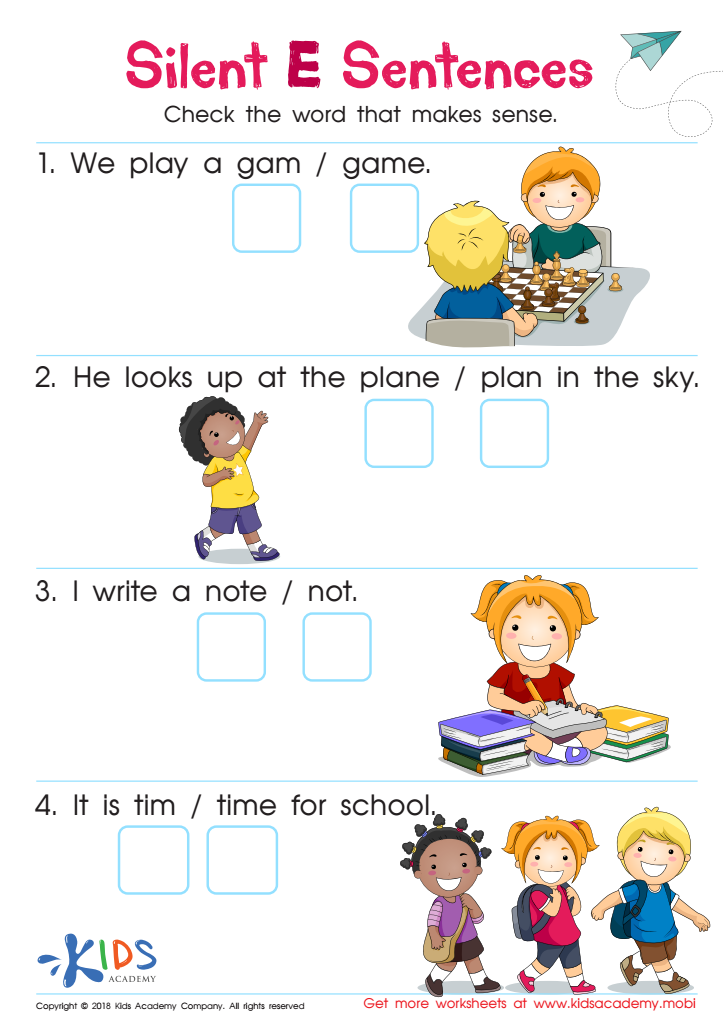
Silent E Sentences Worksheet
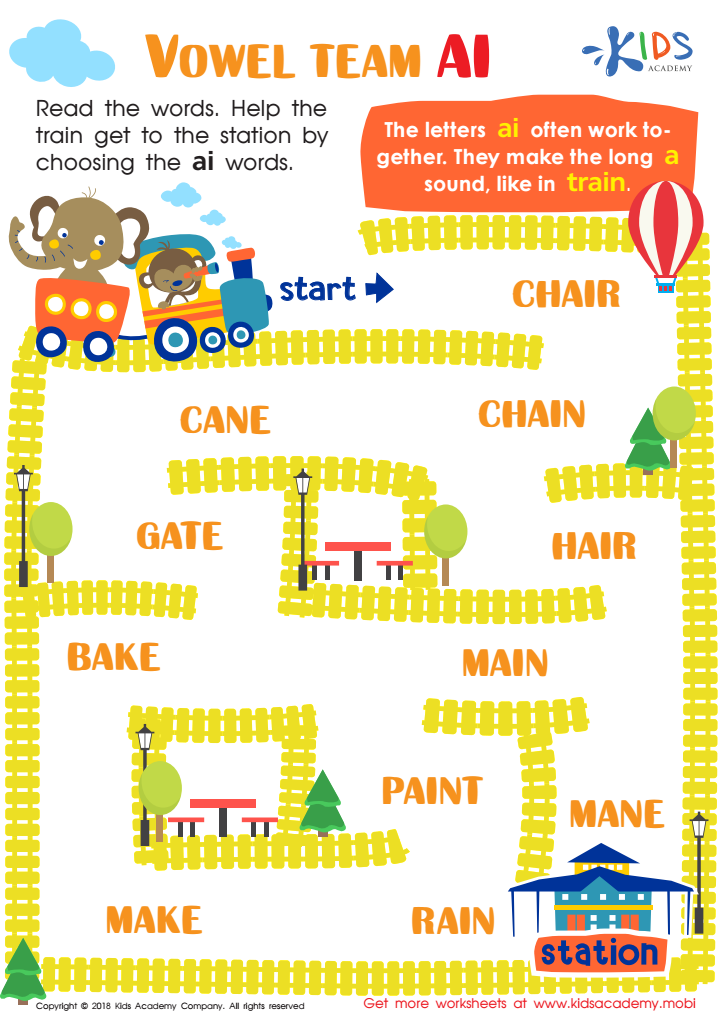
Vowel team ai Worksheet
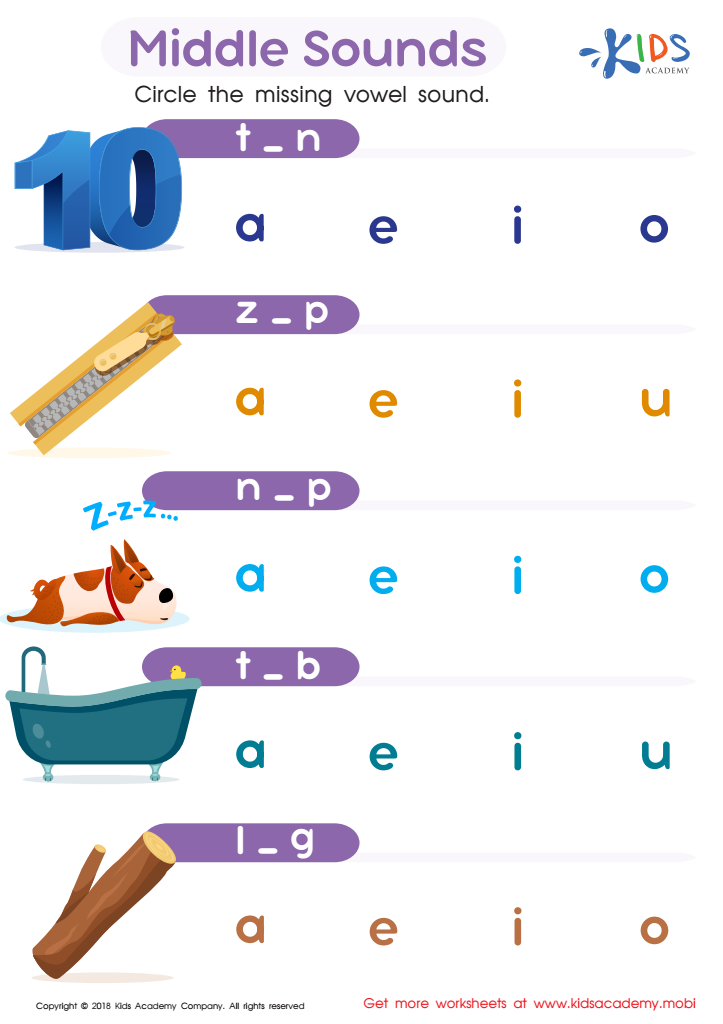
Middle Sounds Worksheet
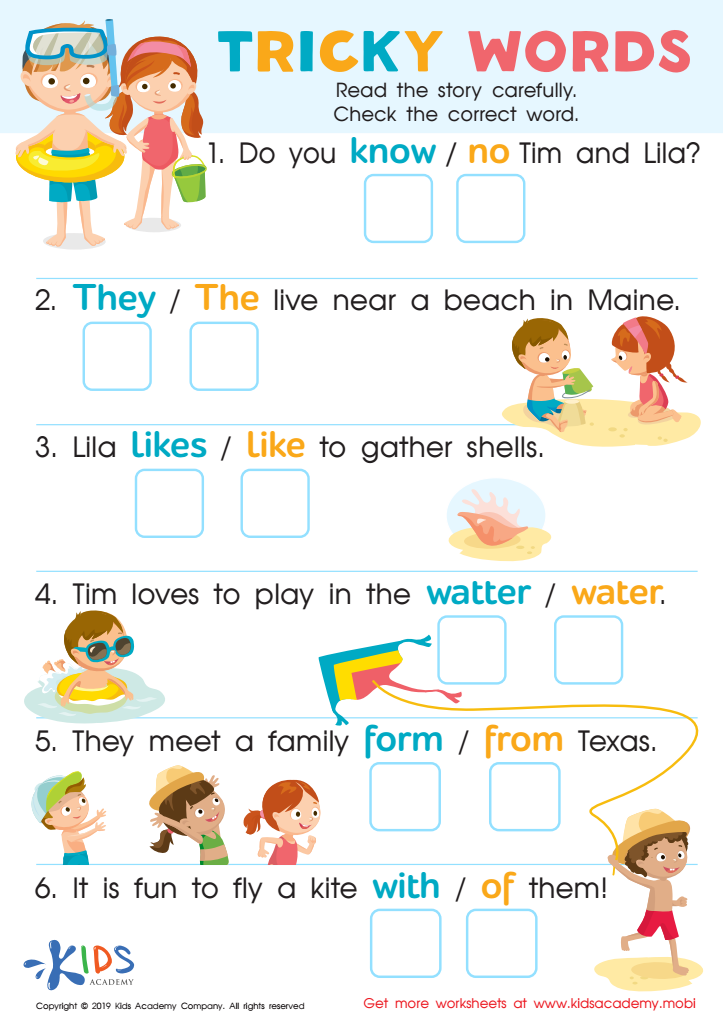
Tricky Words Worksheet
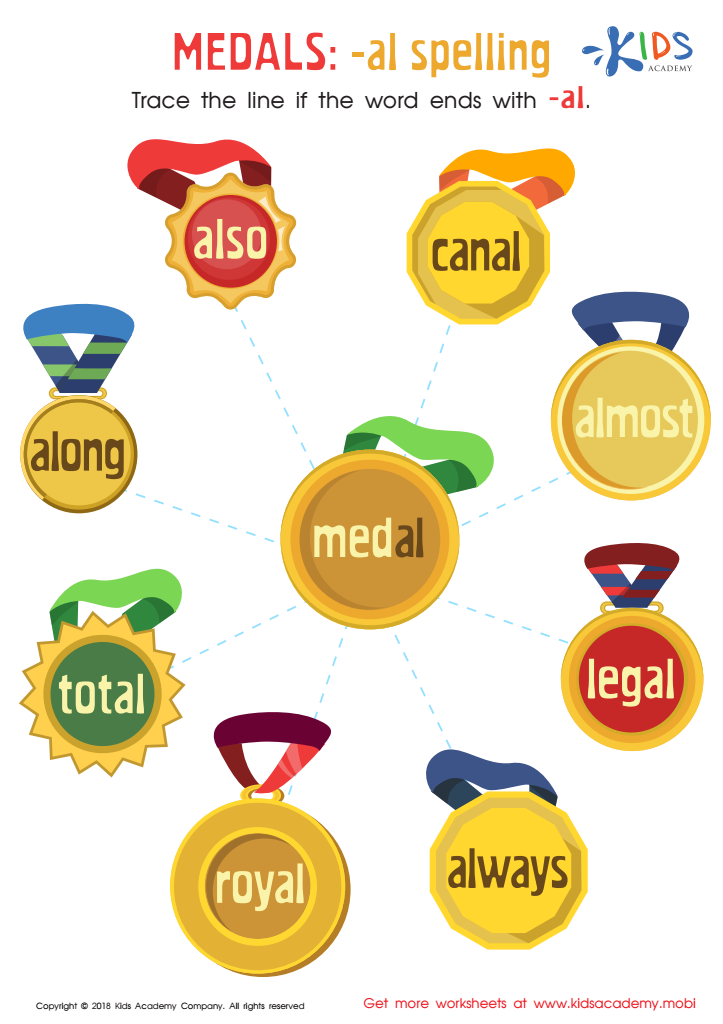
Medals: Al Spelling Worksheet
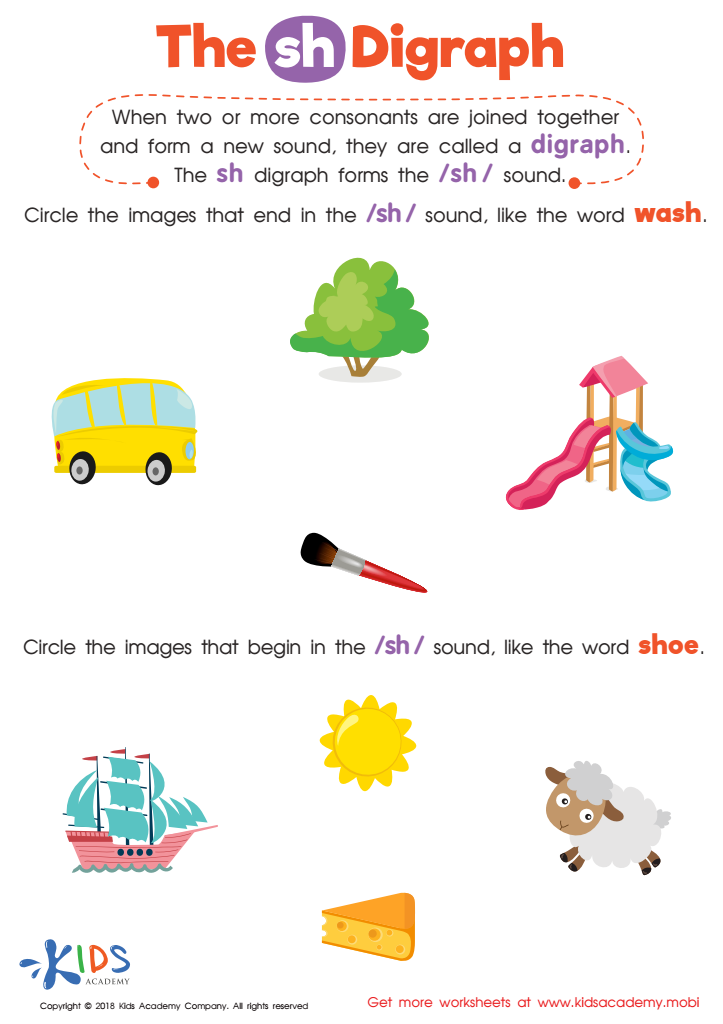
The SH Digraph Worksheet
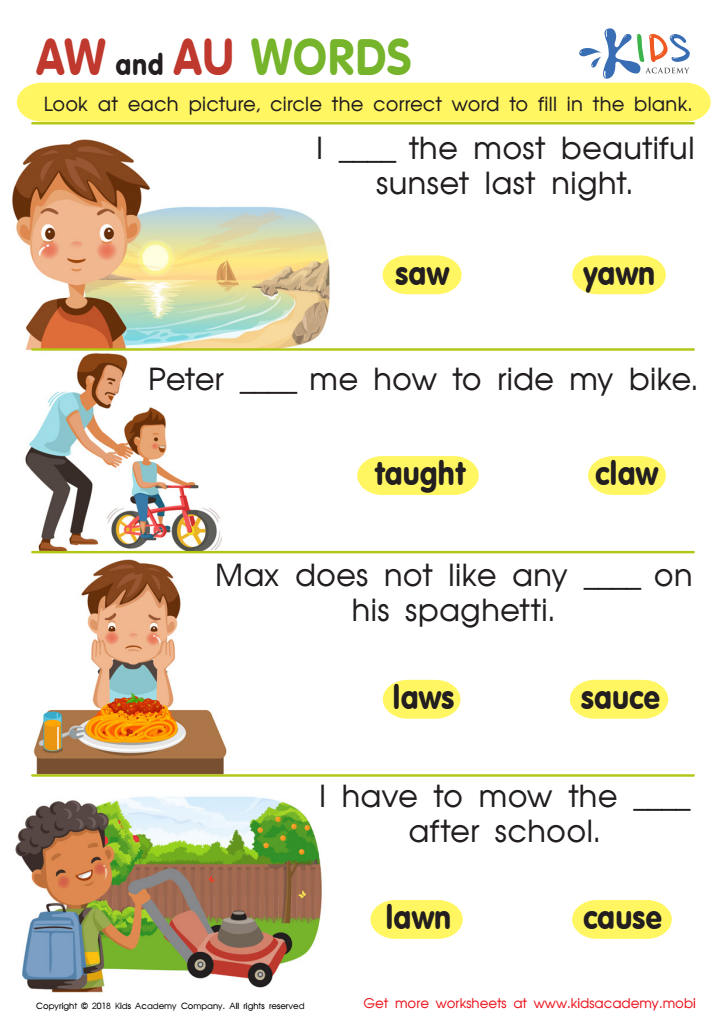
Reading: AW and AU Words Worksheet
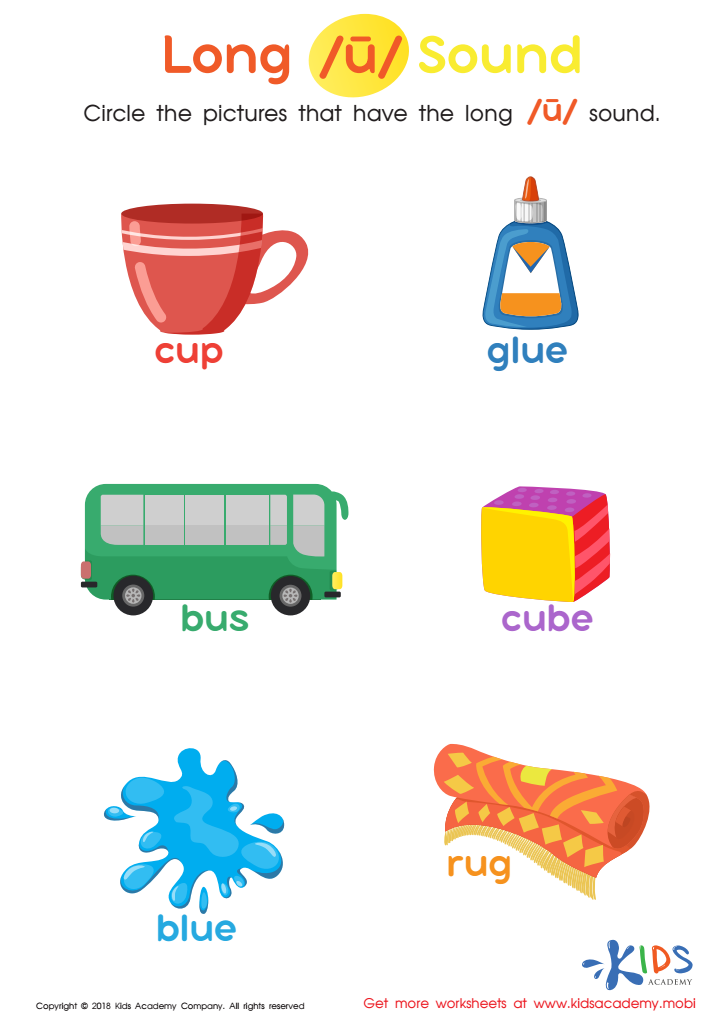
Long «u» Sound Worksheet
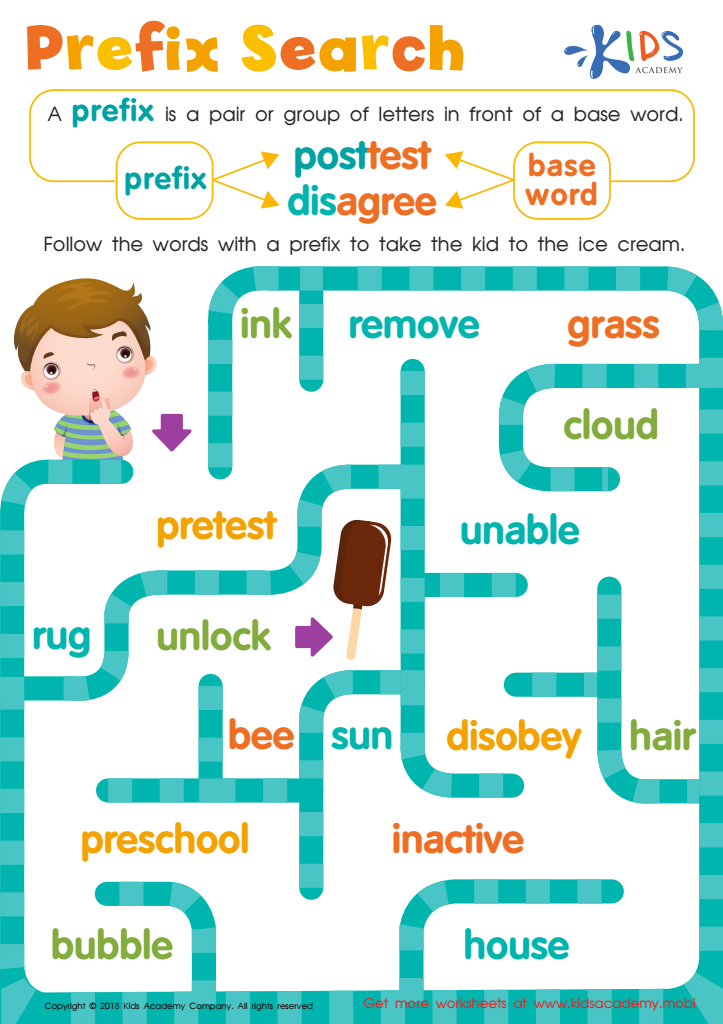
Reading: Prefix Search Worksheet
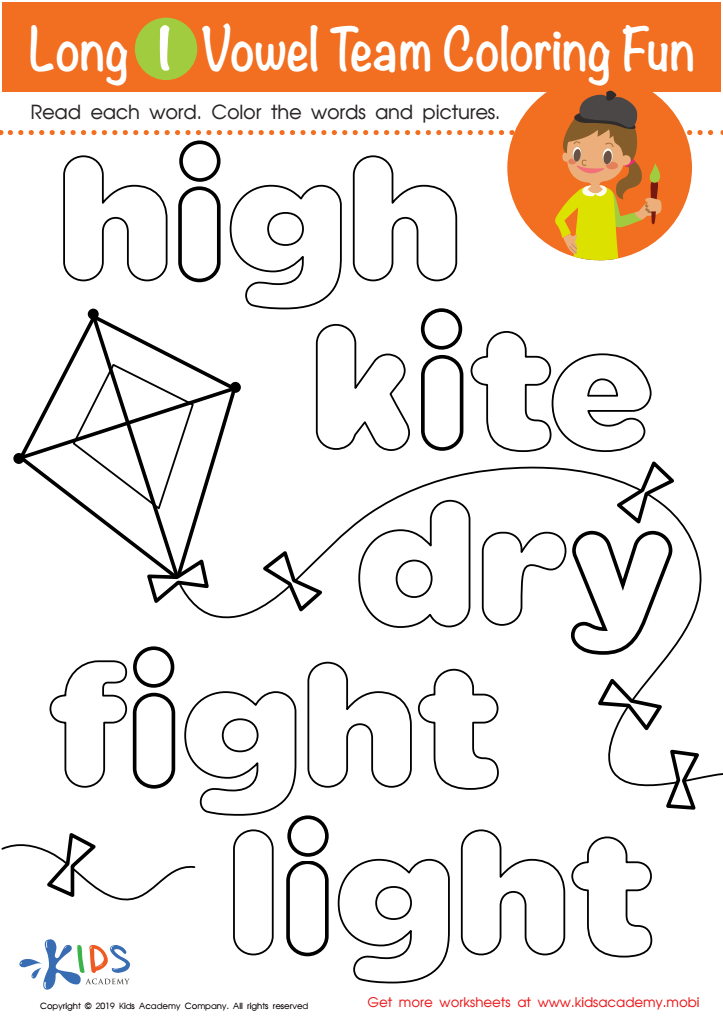
Long I Vowel Team Coloring Worksheet
 Assign to My Students
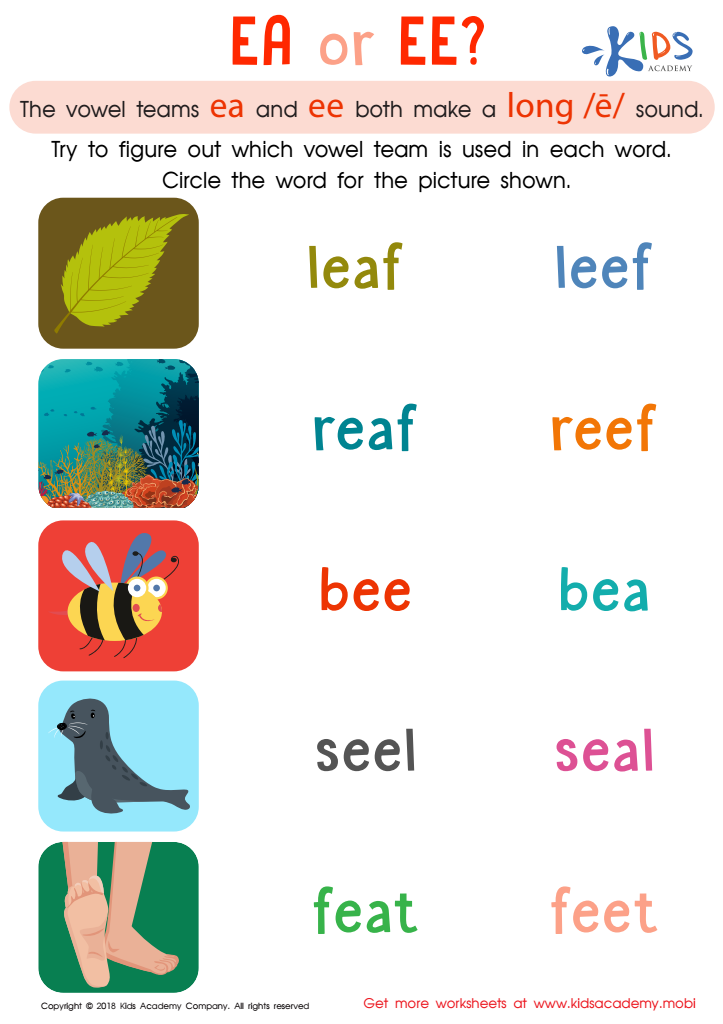
Reading: EA and EE Worksheet
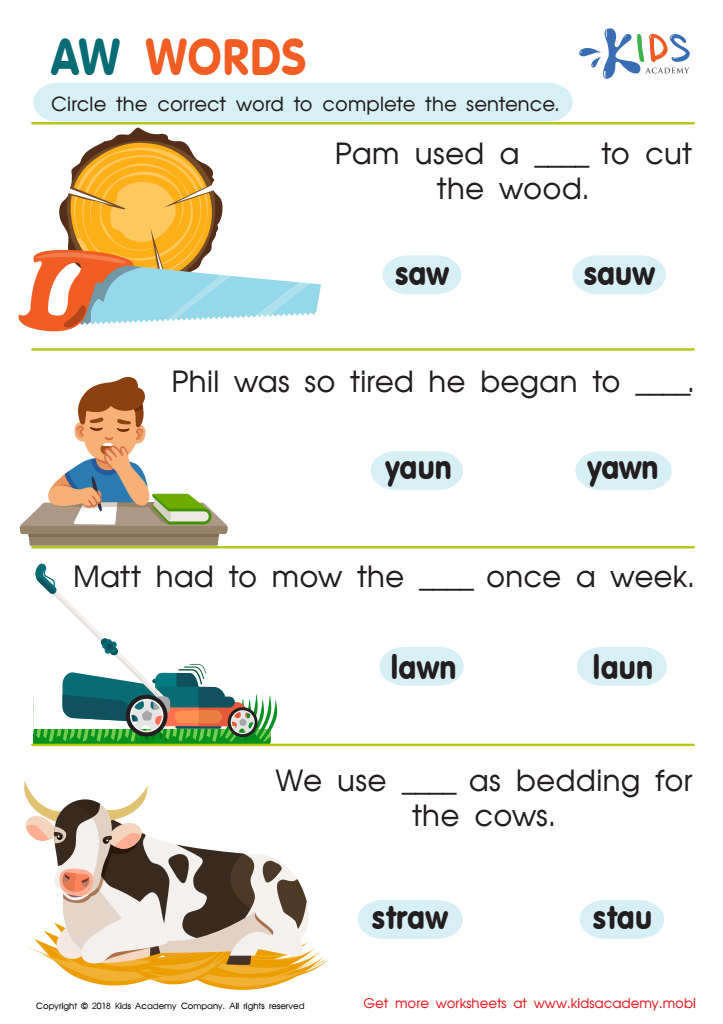
Reading: AW Words Worksheet
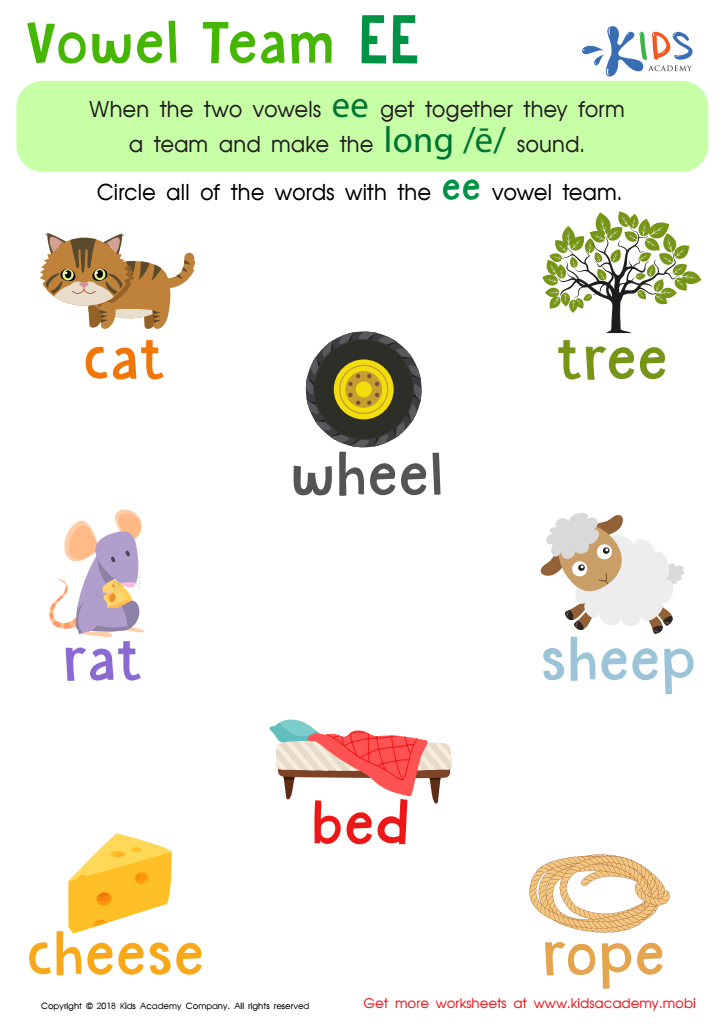
Reading: Vowel Team EE Worksheet
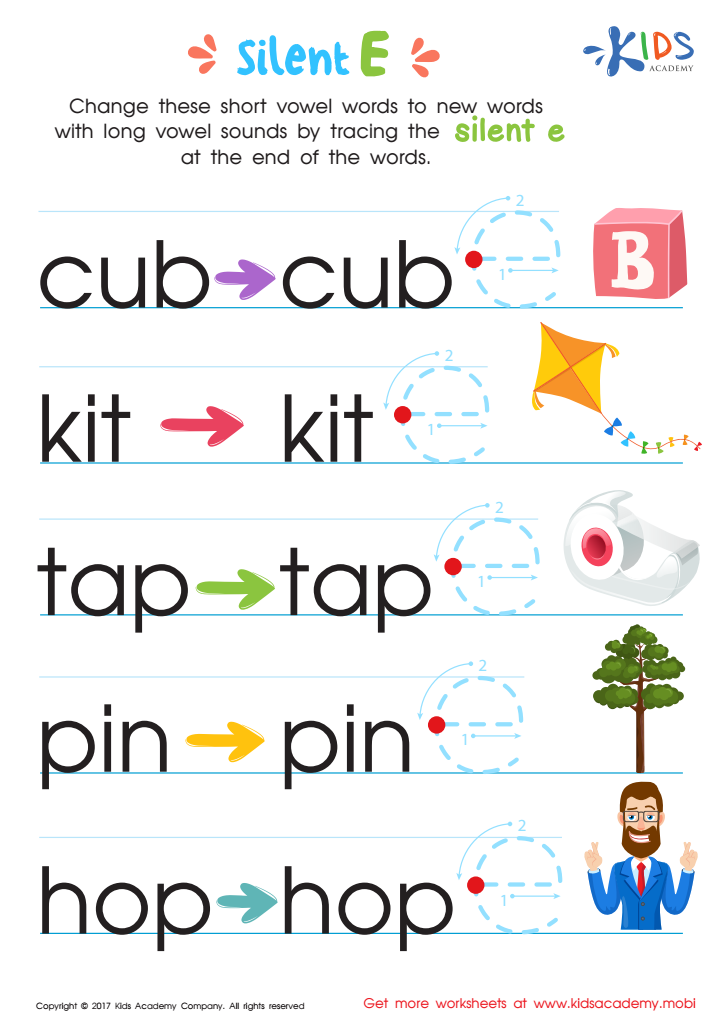
Silent E Words Worksheet
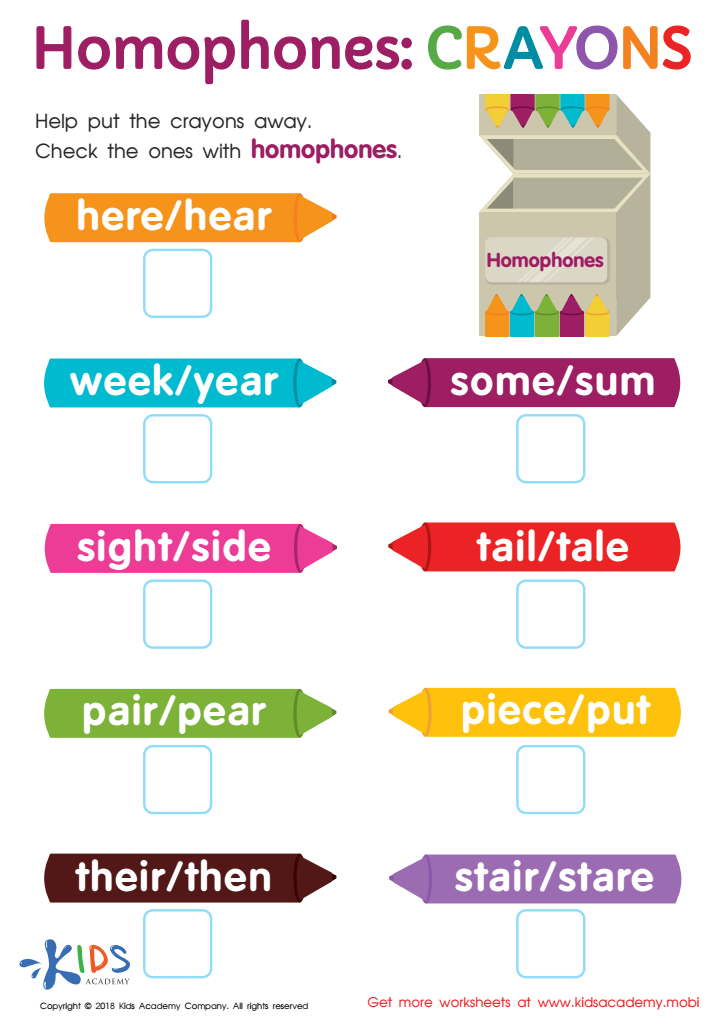
Homophones: Crayons Worksheet
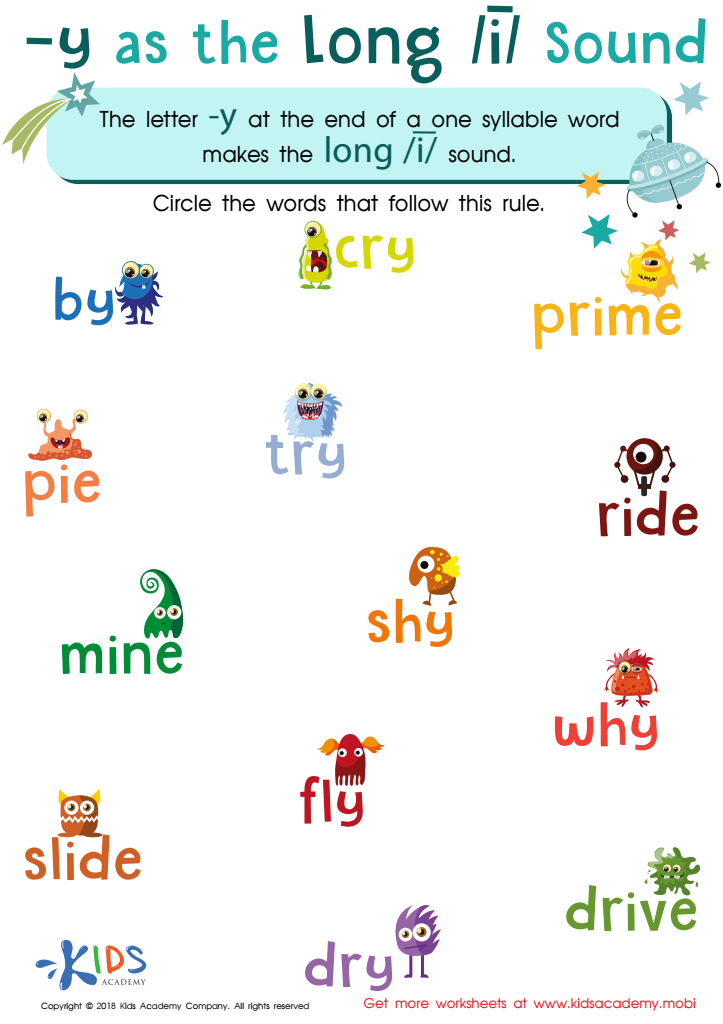
Reading: Y as Long I Worksheet
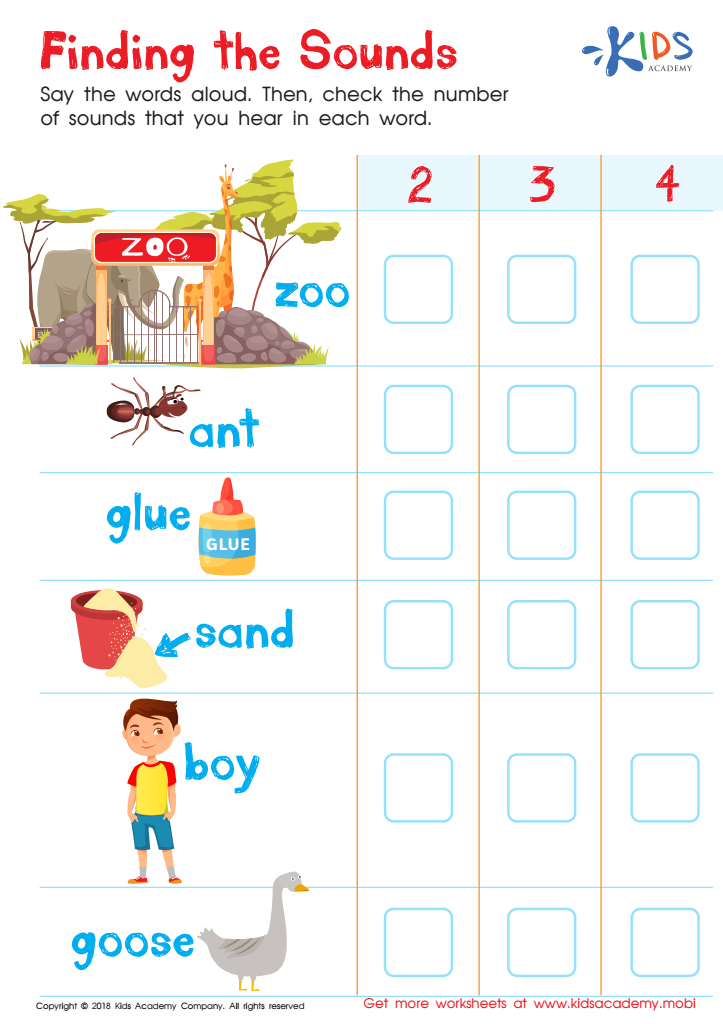
Finding the Sounds Worksheet
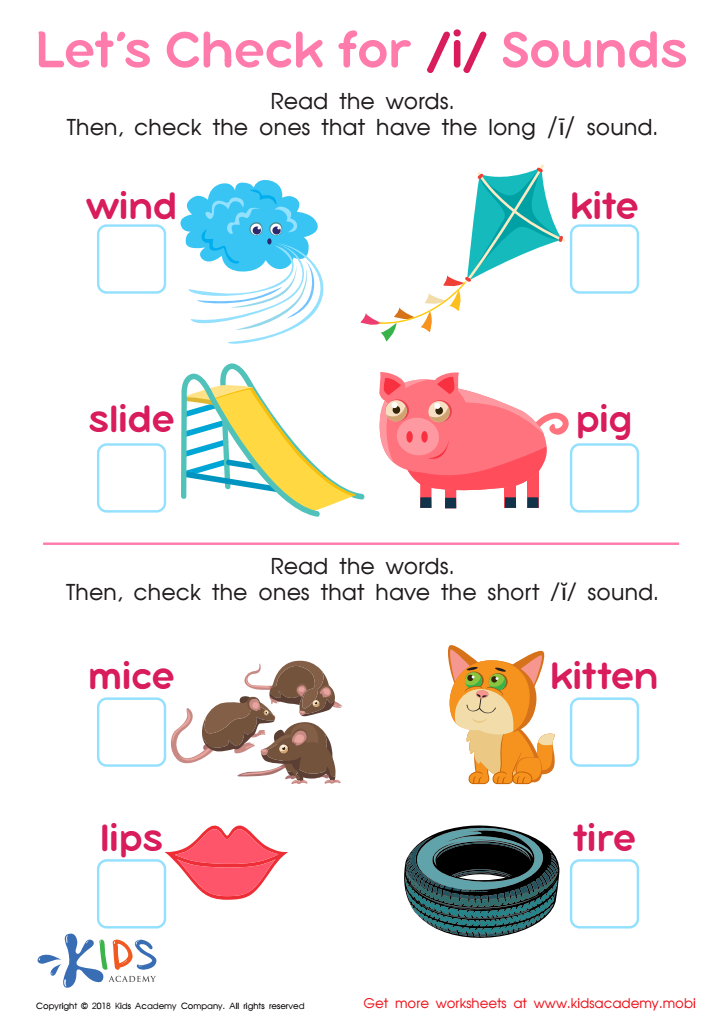
Let's Check for «i» Sounds Worksheet
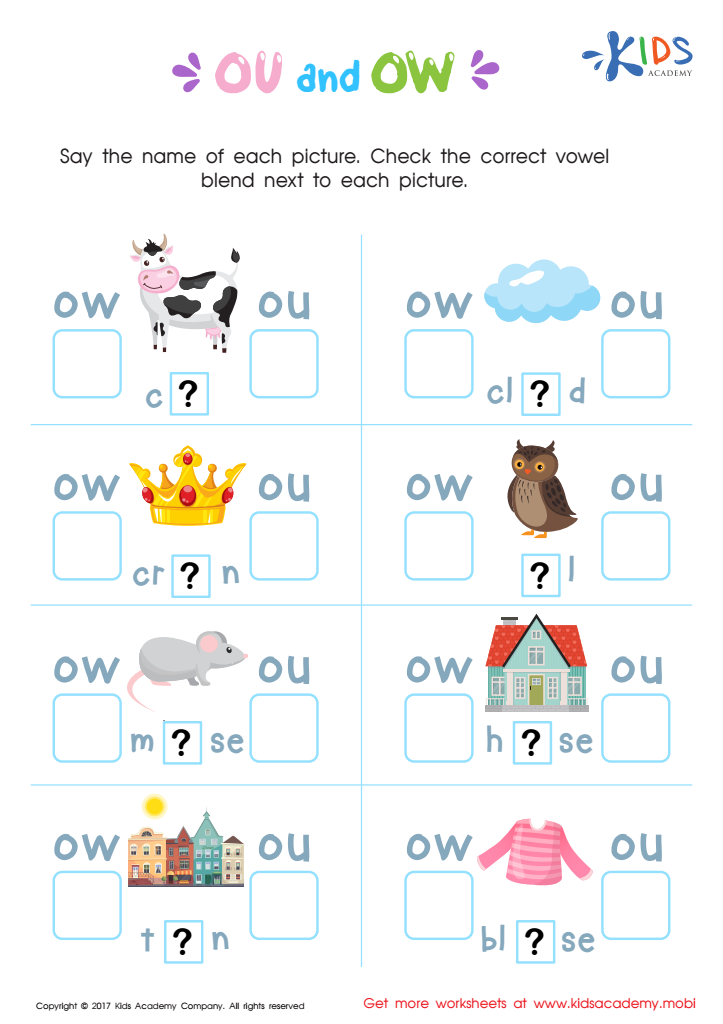
OU and OW Words Worksheet
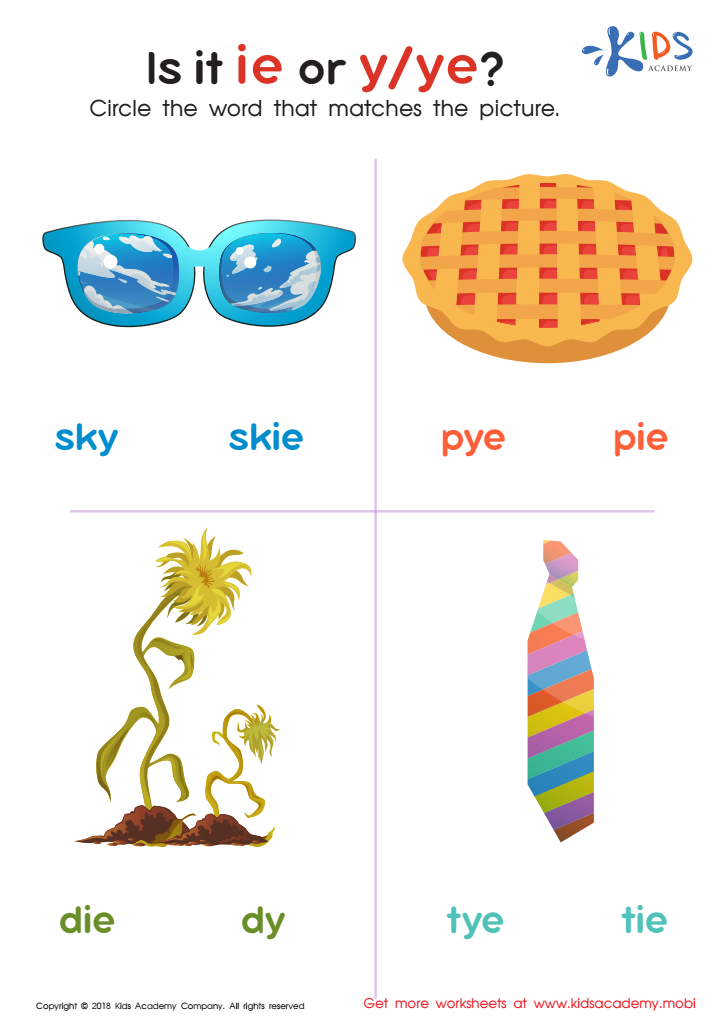
Is It IE or Y/Ye? Worksheet
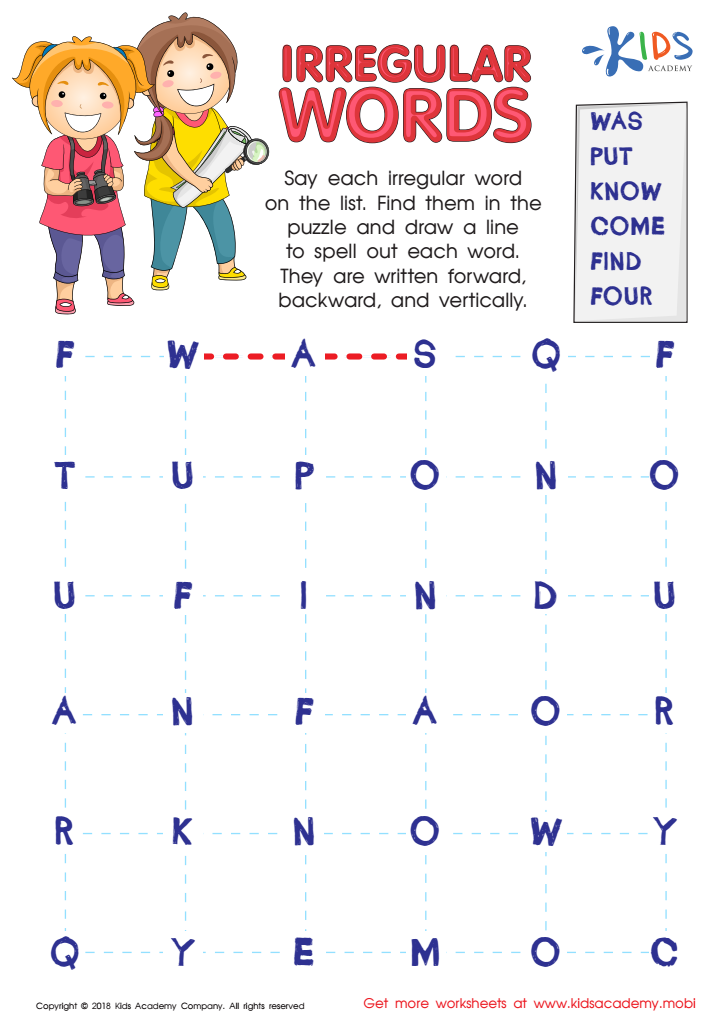
Irregular Words Worksheet
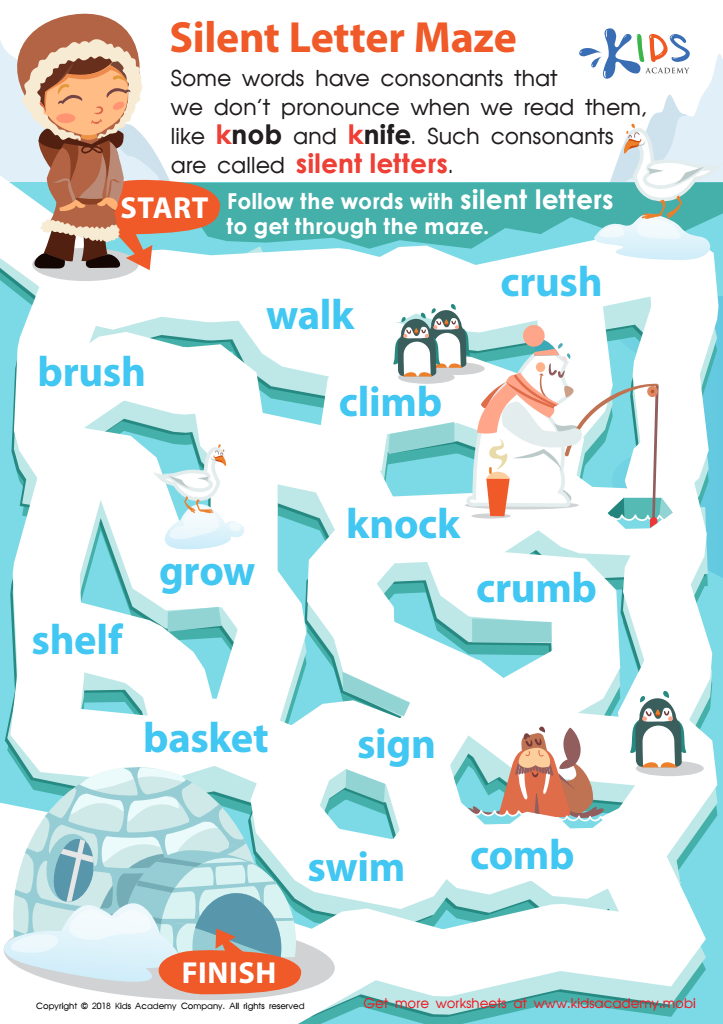
Silent Letter Maze Worksheet
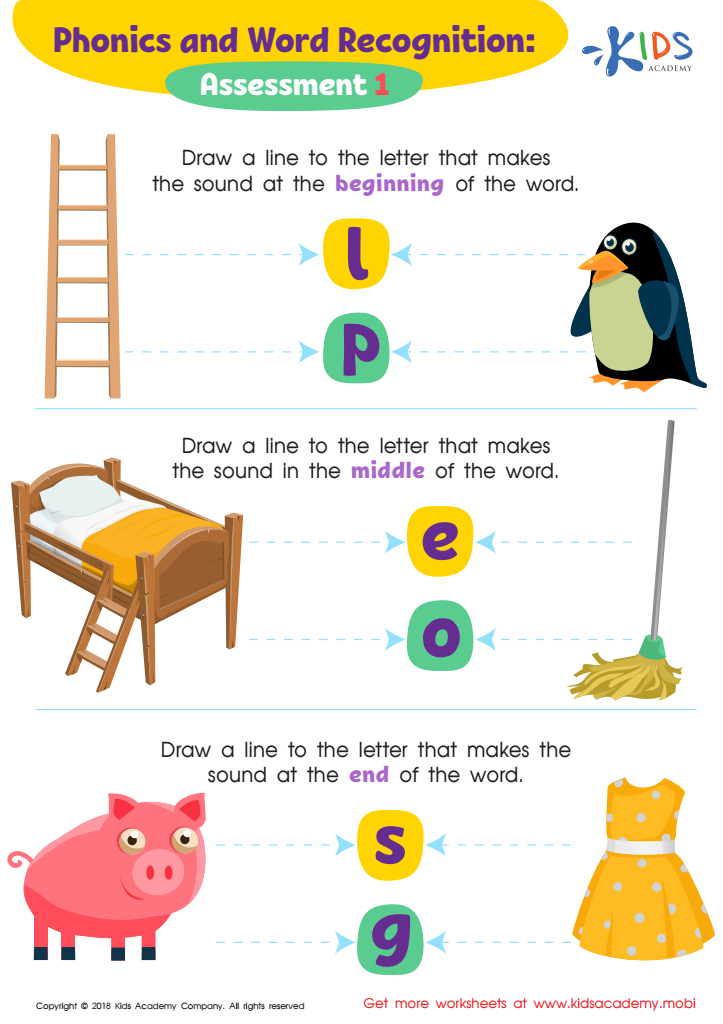
Phonics and Word Recognition: Assessment 1 ELA Worksheet
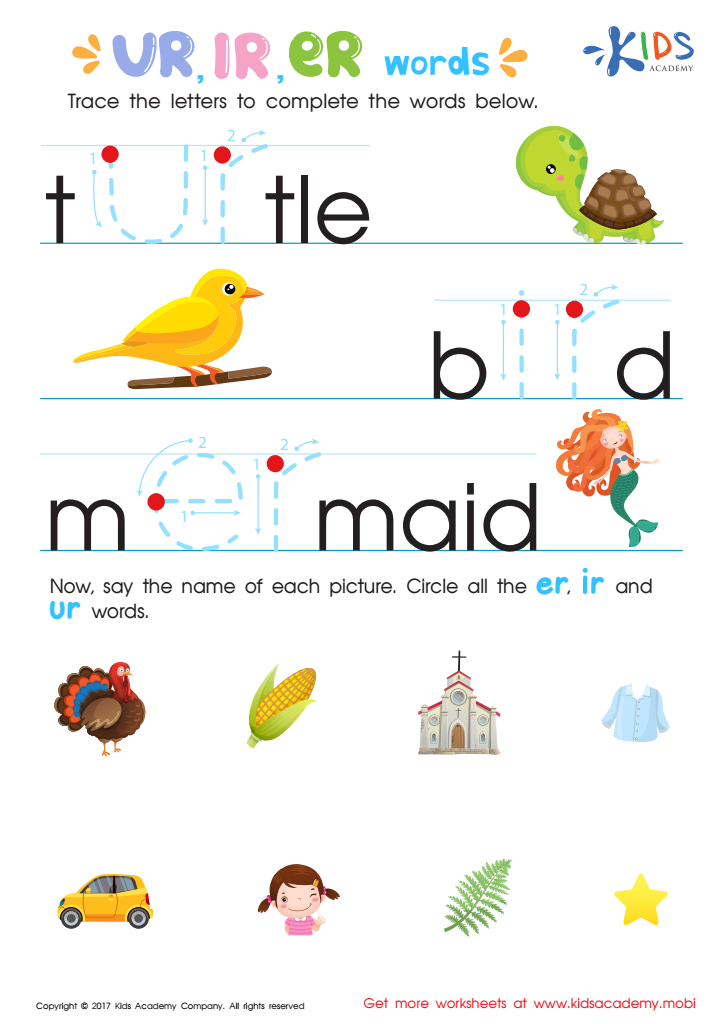
IR UR ER Words Worksheet







Parents and teachers should place a great emphasis on spelling practice for children ages 3-8 because it serves as the cornerstone for foundational literacy, which is crucial for overall academic success. At this early stage, children's brains are highly receptive to learning new information, and proper spelling practice helps them understand the relationship between sounds and letters. This phonemic awareness is essential for the development of reading skills. When children practice spelling, they enhance their vocabulary, improve their ability to understand and construct sentences, and gain confidence in both written and spoken communication.
Moreover, developing strong spelling skills at a young age encourages cognitive development by fostering attention to detail, memory, and pattern recognition. Teachers can use engaging activities such as spelling games, interactive lessons, and colorful worksheets to make learning fun and effective. By integrating regular spelling practice into a child’s daily routine, parents and teachers provide them with tools that not only enhance their literacy skills but also lay the groundwork for future learning.
Furthermore, confident spellers are often more willing to participate in writing activities, enhancing their creative expression and critical thinking skills. Establishing robust spelling skills early on makes learning other subjects easier and directly contributes to a child's long-term educational journey.







