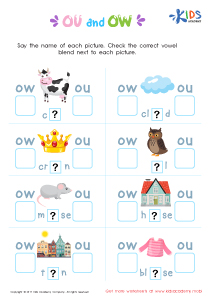
Normal Long And Short Vowel Worksheets for Ages 3-8
18 filtered results
-
From - To
Discover engaging worksheets designed for children aged 3 to 8 to master long and short vowels! Our collection of normal vowels worksheets combines fun activities with essential learning concepts, helping young learners distinguish between long and short vowel sounds. Each worksheet is tailored to develop phonemic awareness through interactive exercises that encourage reading and spelling practice. Ideal for preschool and early elementary students, these worksheets promote a solid foundation in literacy. Enhance your teaching resources with our printable vowel worksheets that cater to different learning styles, ensuring every child can confidently explore the world of vowels. Start their journey to literacy today!
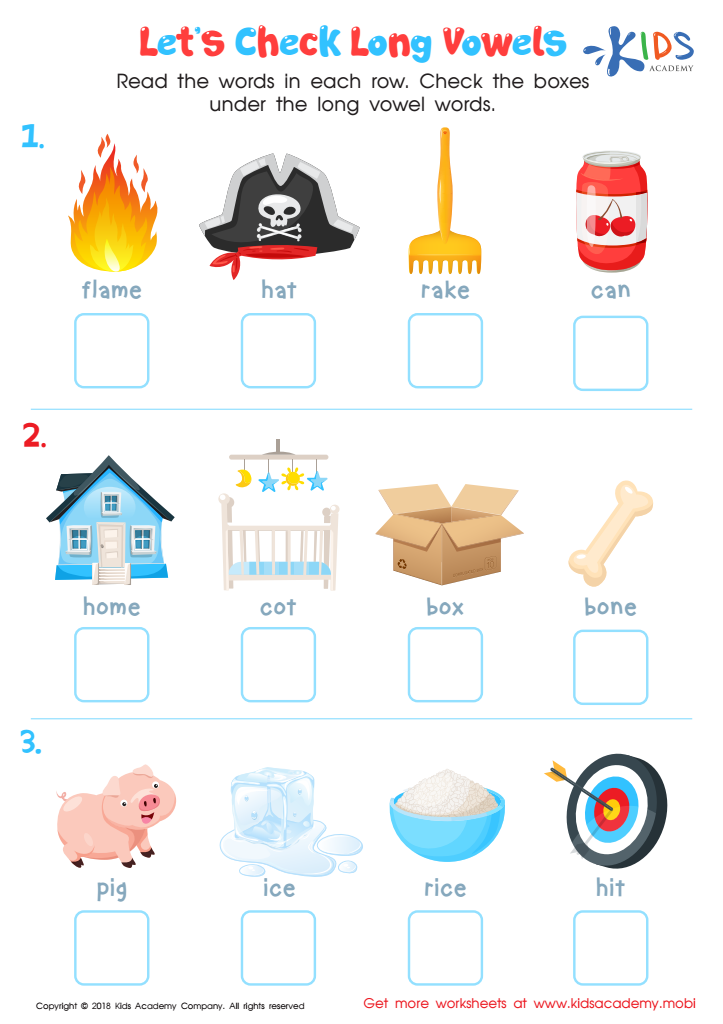
Let's Check Long Vowels: Assessment Worksheet
 Assign to My Students
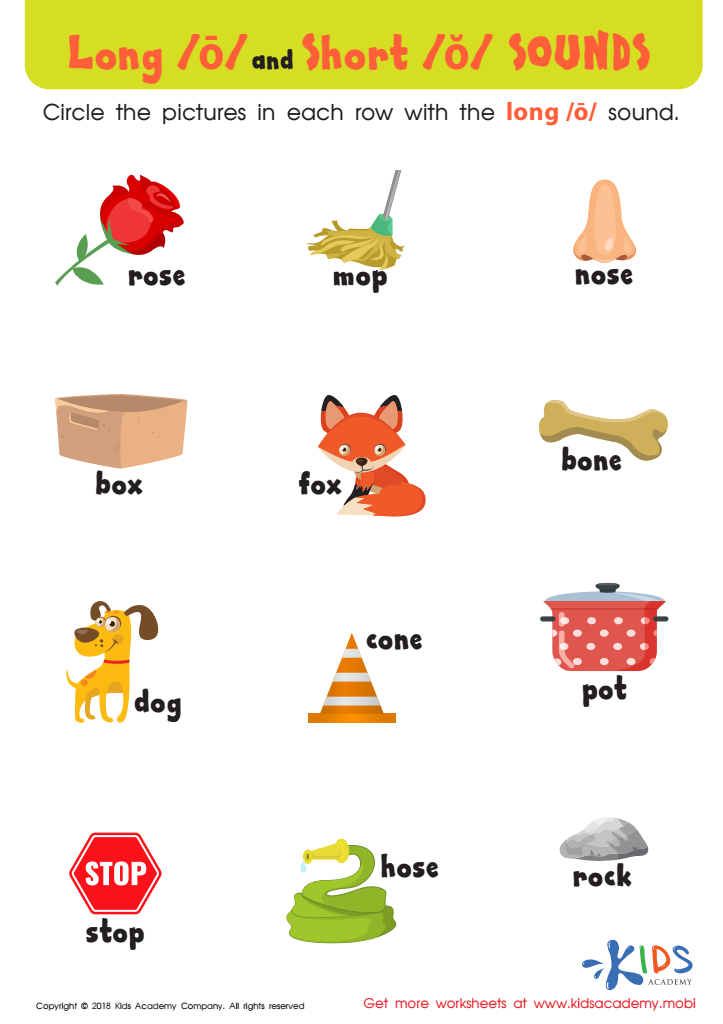
Reading: Long O and Short O Sounds Worksheet
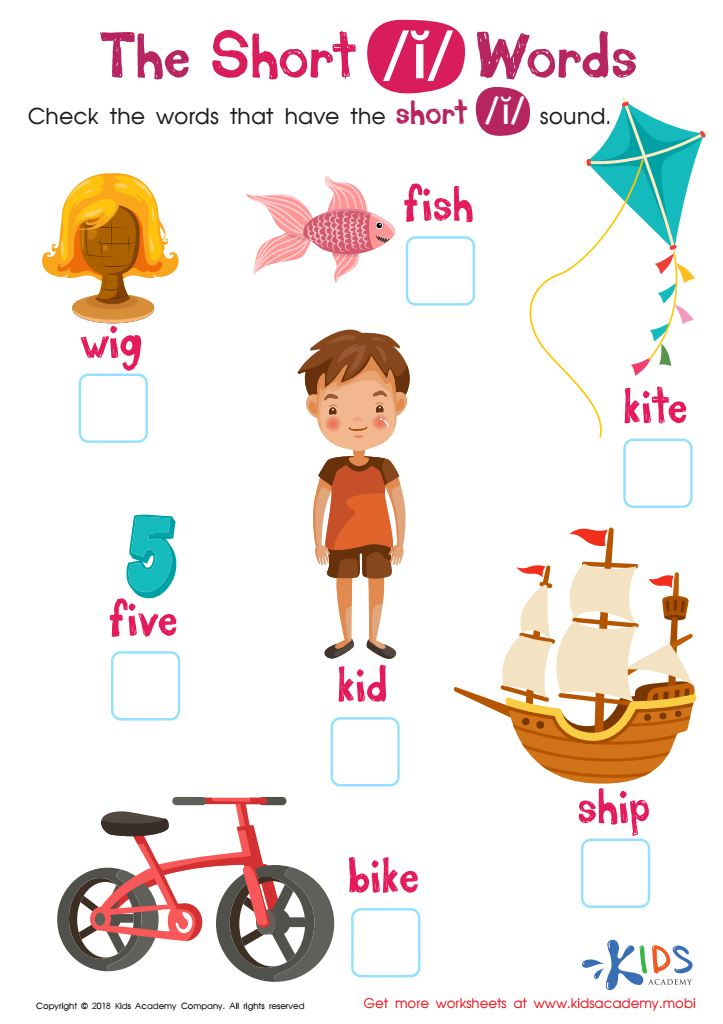
The Short I Words Reading Worksheet
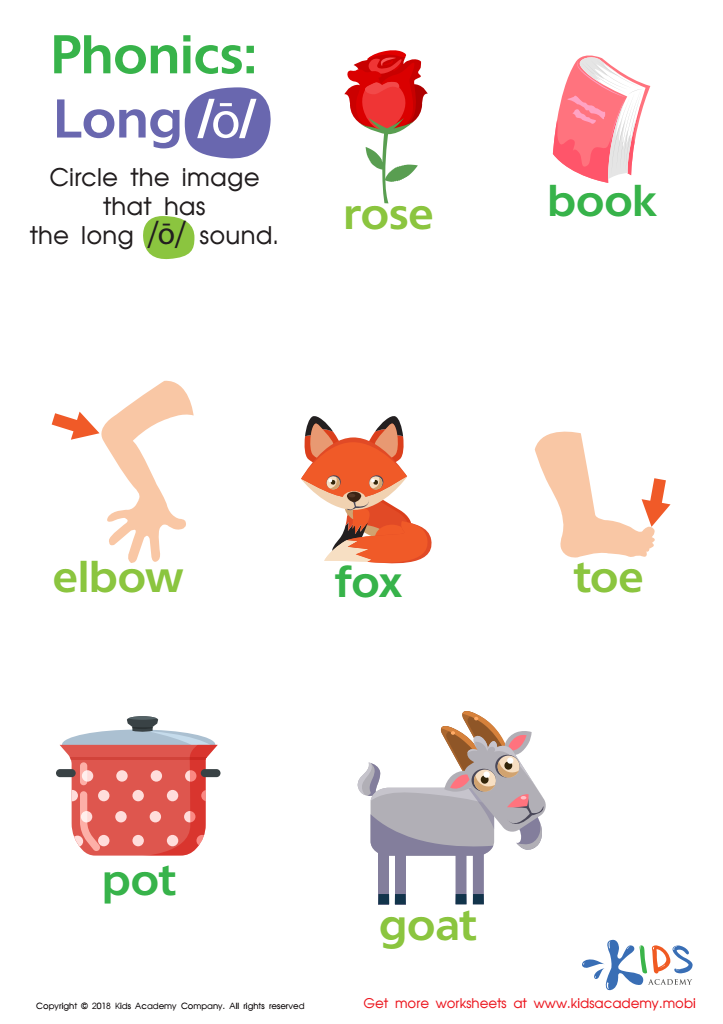
Phonics Long O Reading Worksheet
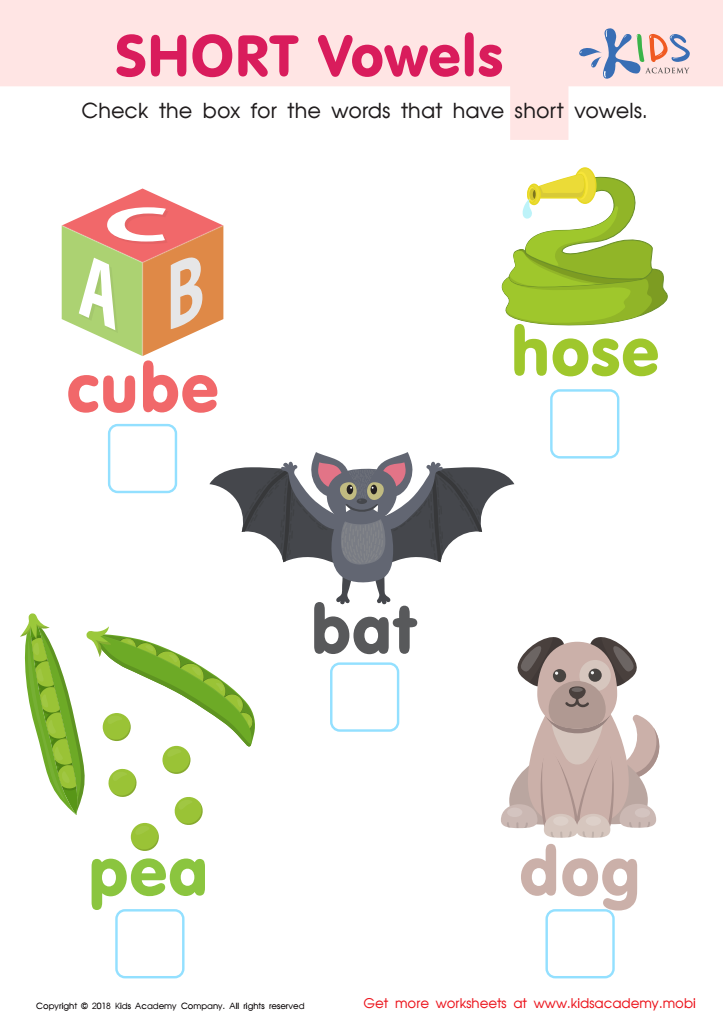
short vowels Worksheet
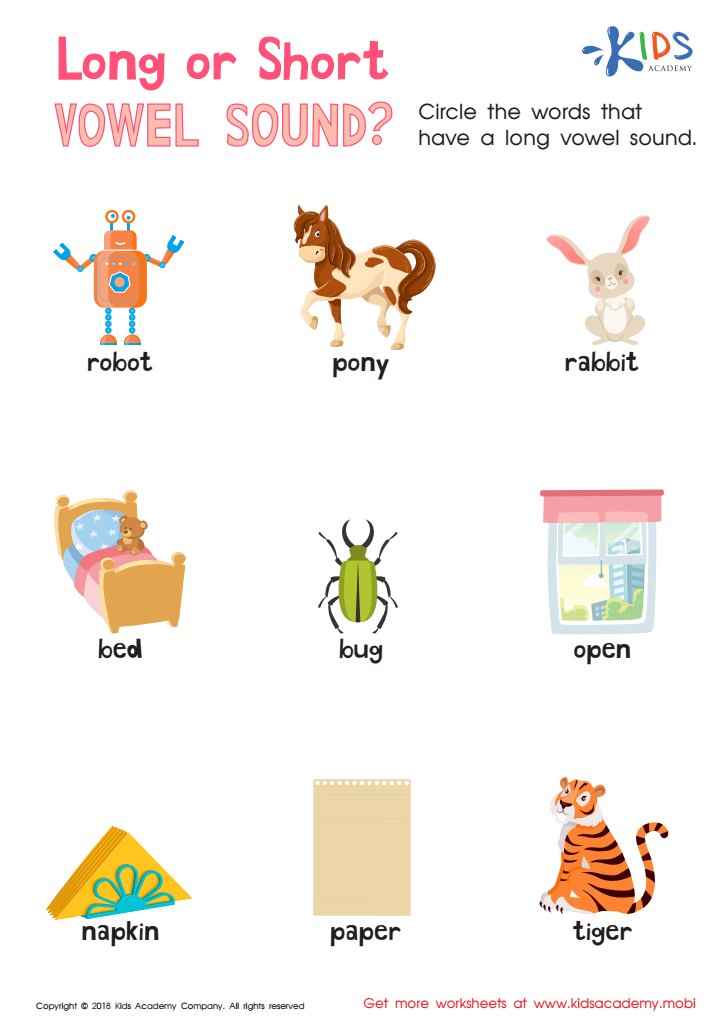
Long or Short Vowel Sound? Worksheet
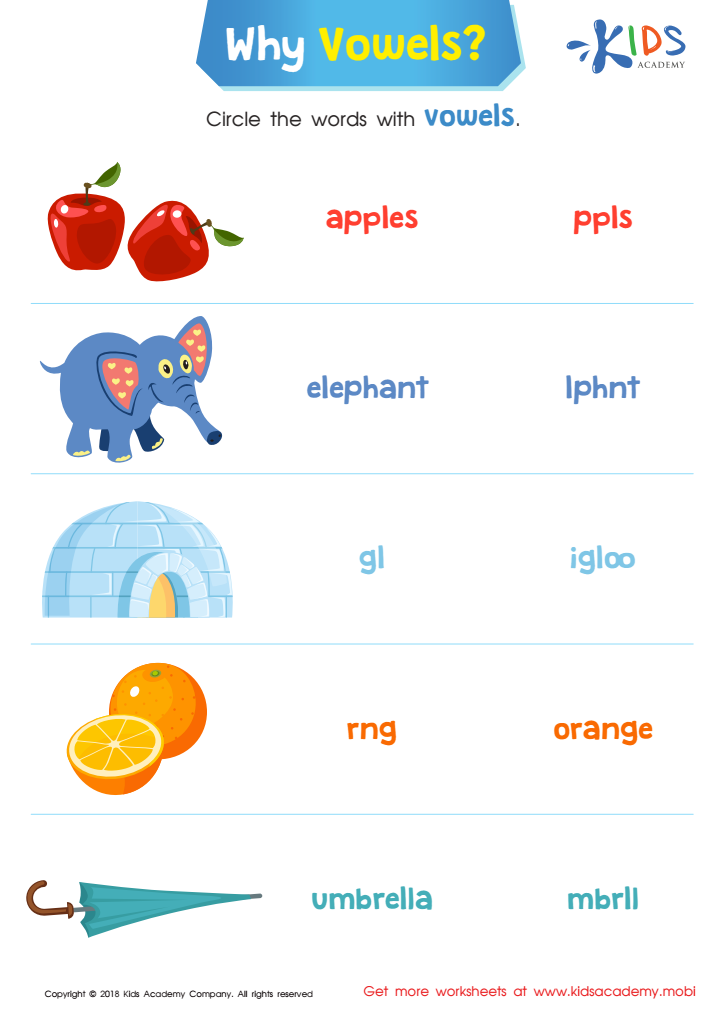
Why Vowels? Reading Worksheet
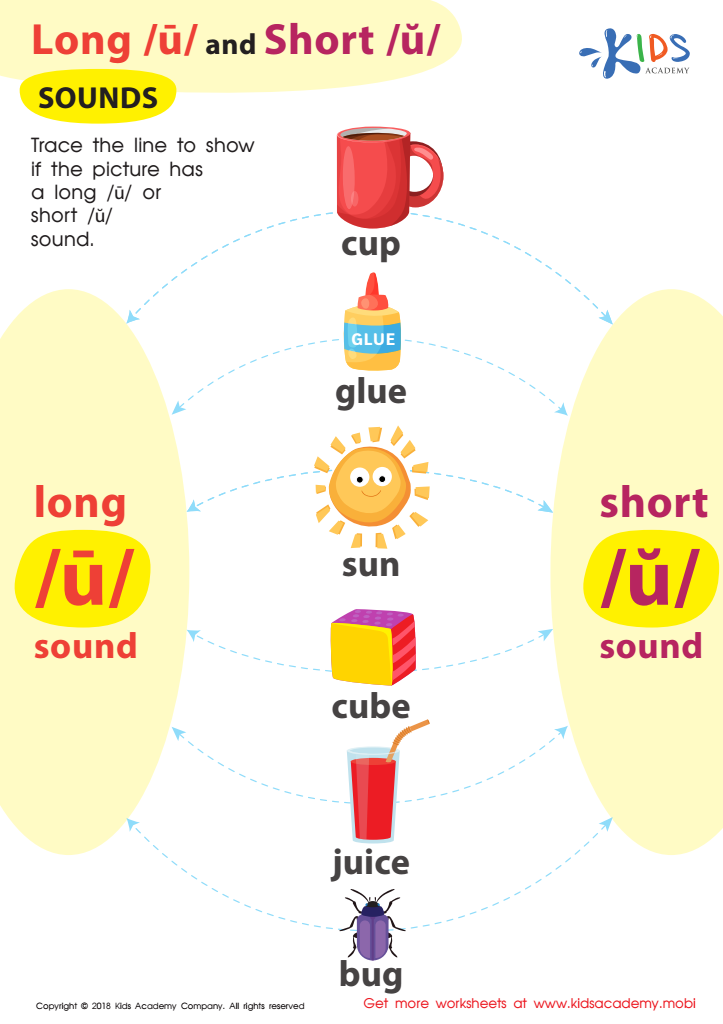
Reading: Long U and Short U Sounds Worksheet
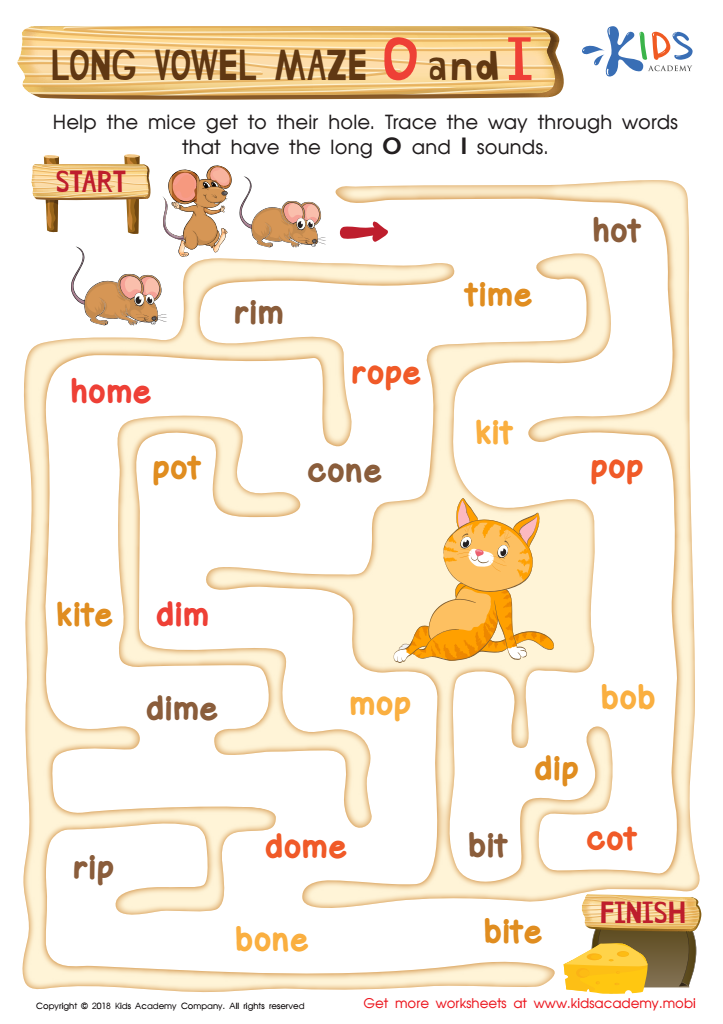
Long Vowel Maze /o/ and /i/ Worksheet
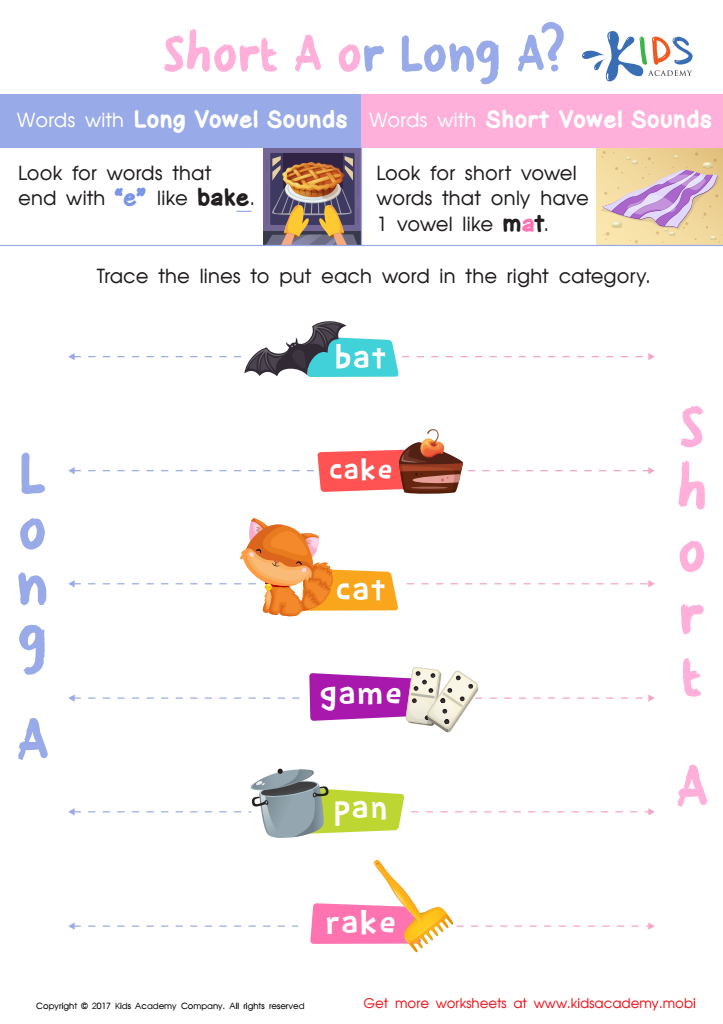
Short /a/ or Long /a/? Worksheet
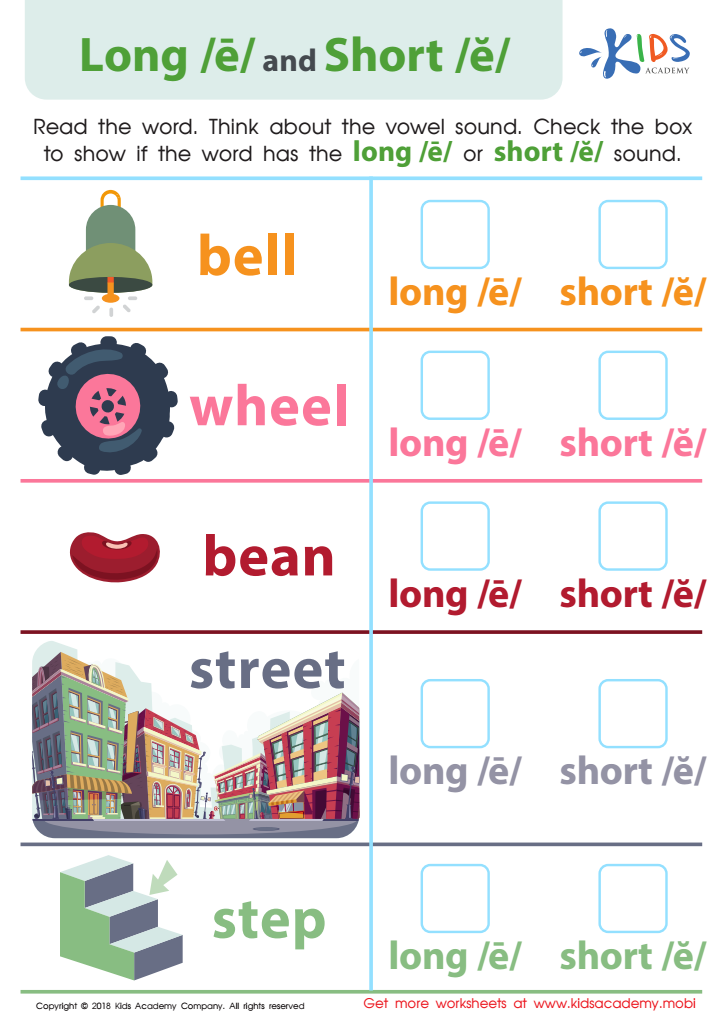
Reading: Long E and Short E Worksheet
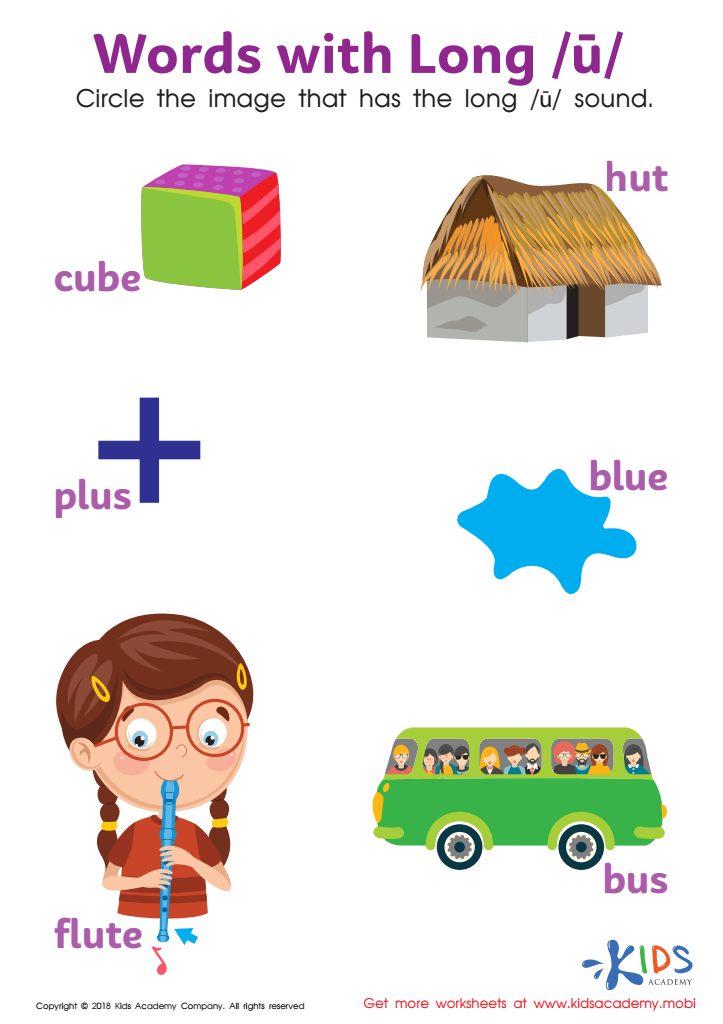
Words with Long U Reading Worksheet
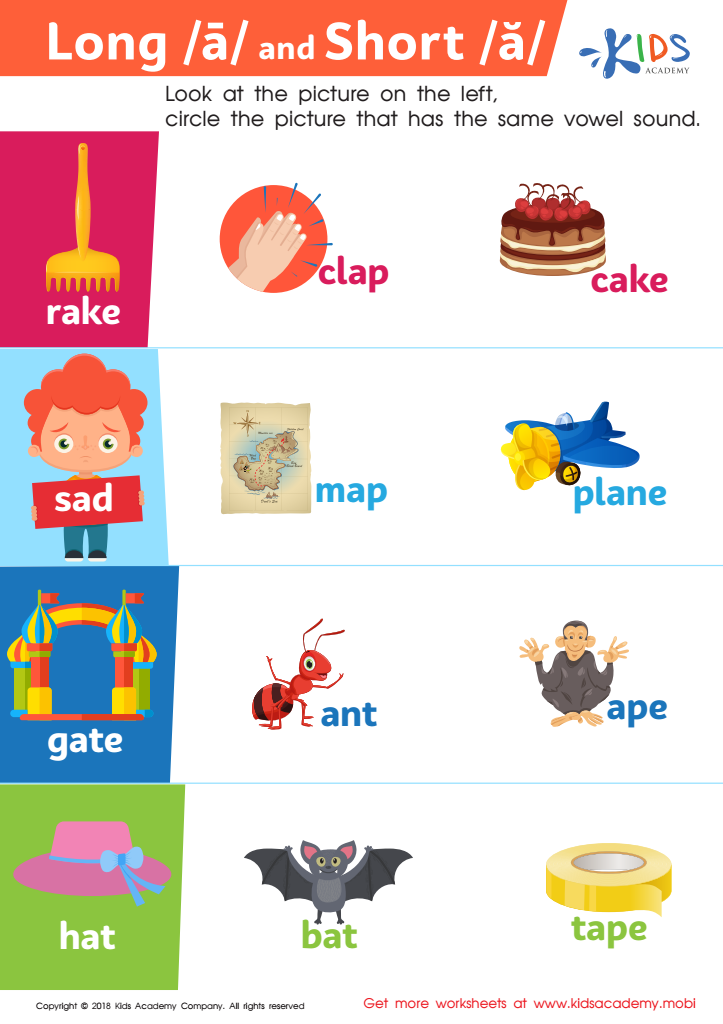
Reading: Long a and Short a Worksheet
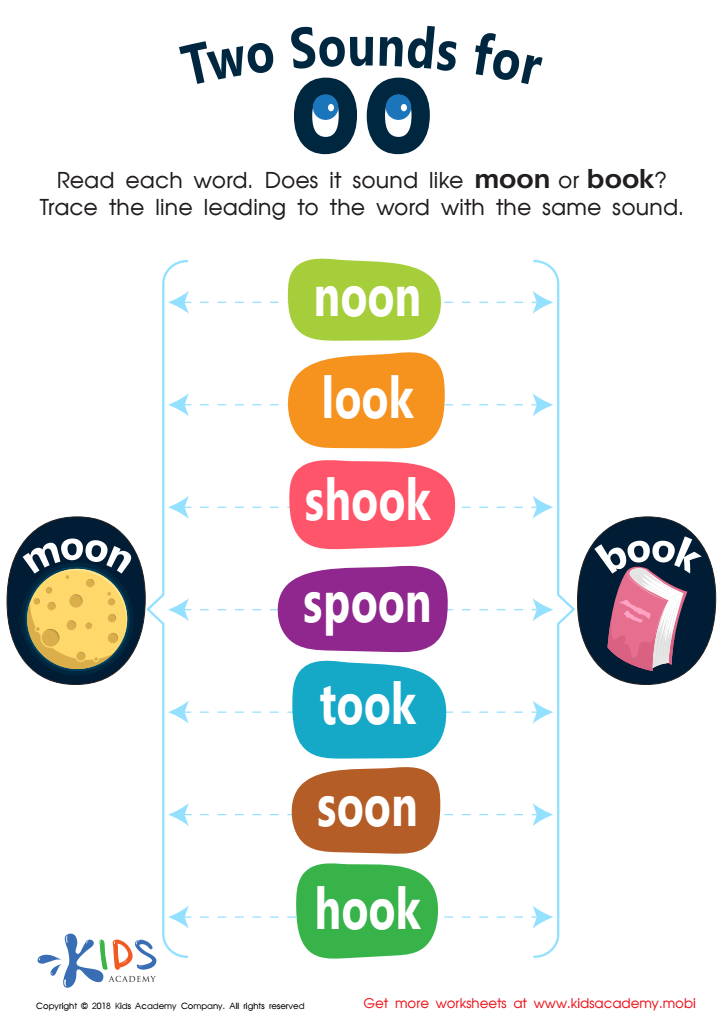
Two Sounds for OO Worksheet
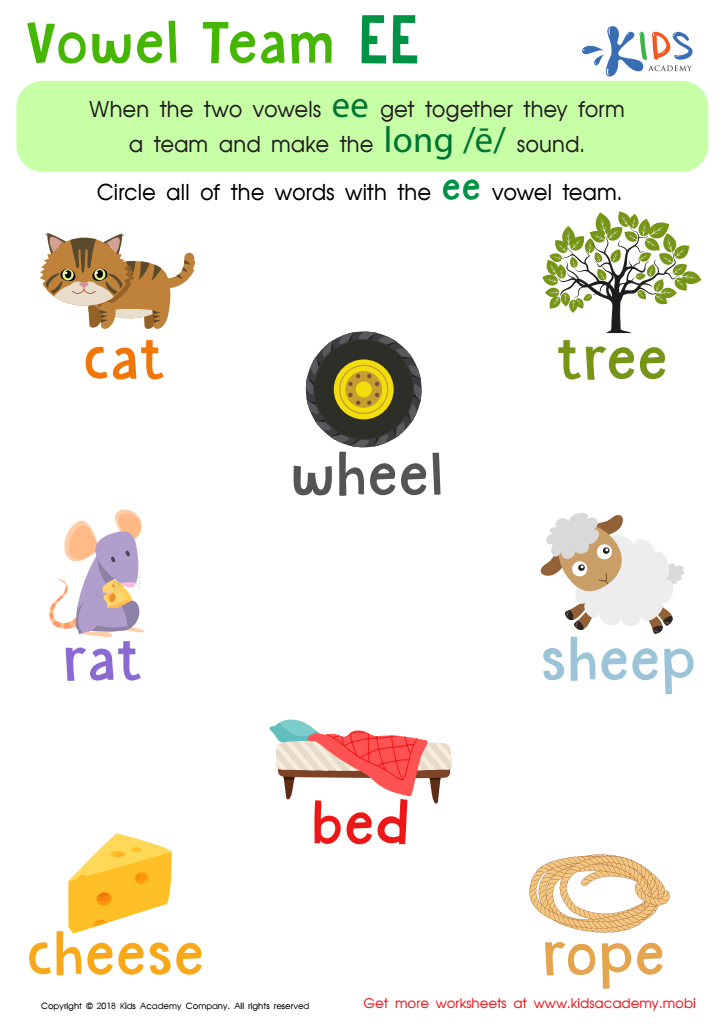
Reading: Vowel Team EE Worksheet
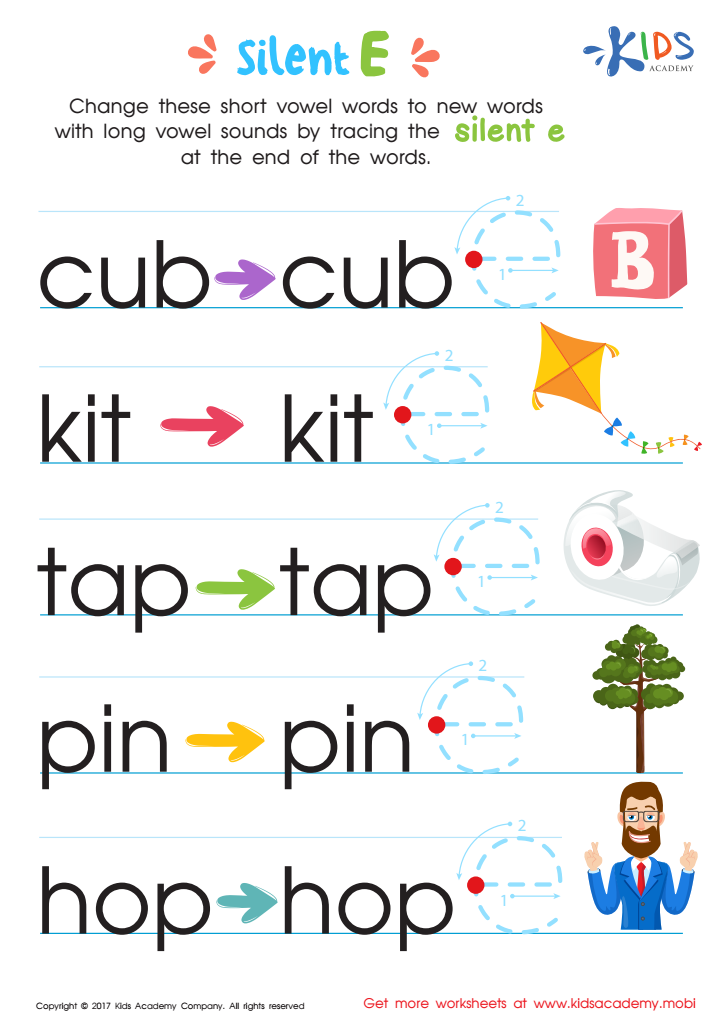
Silent E Words Worksheet
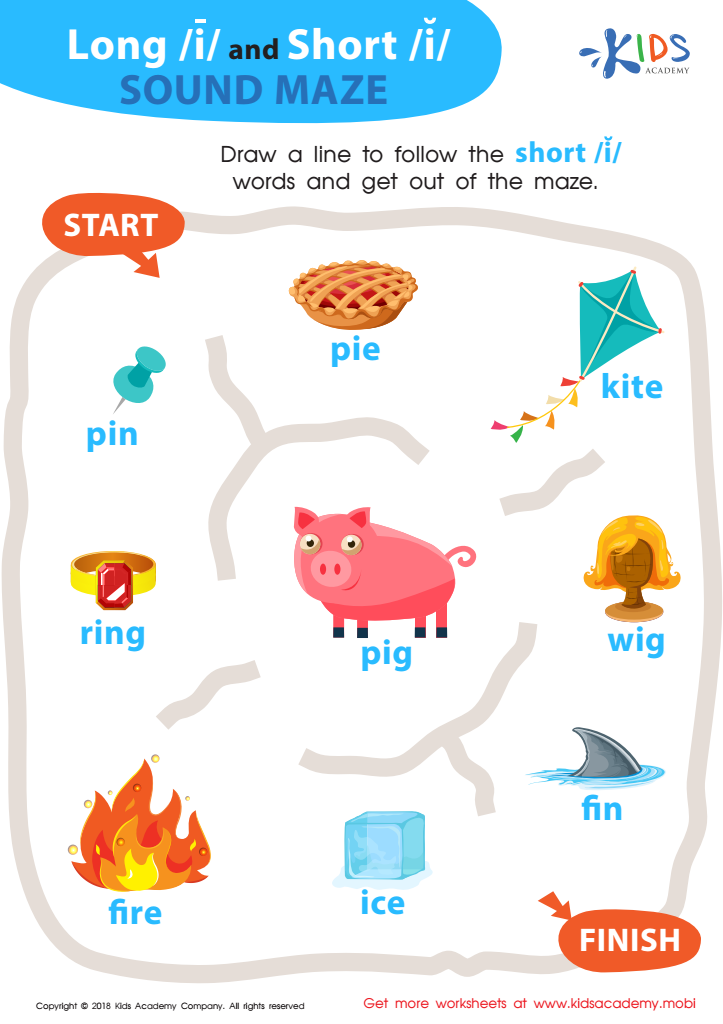
Reading: Long I and Short I Sound Maze Worksheet
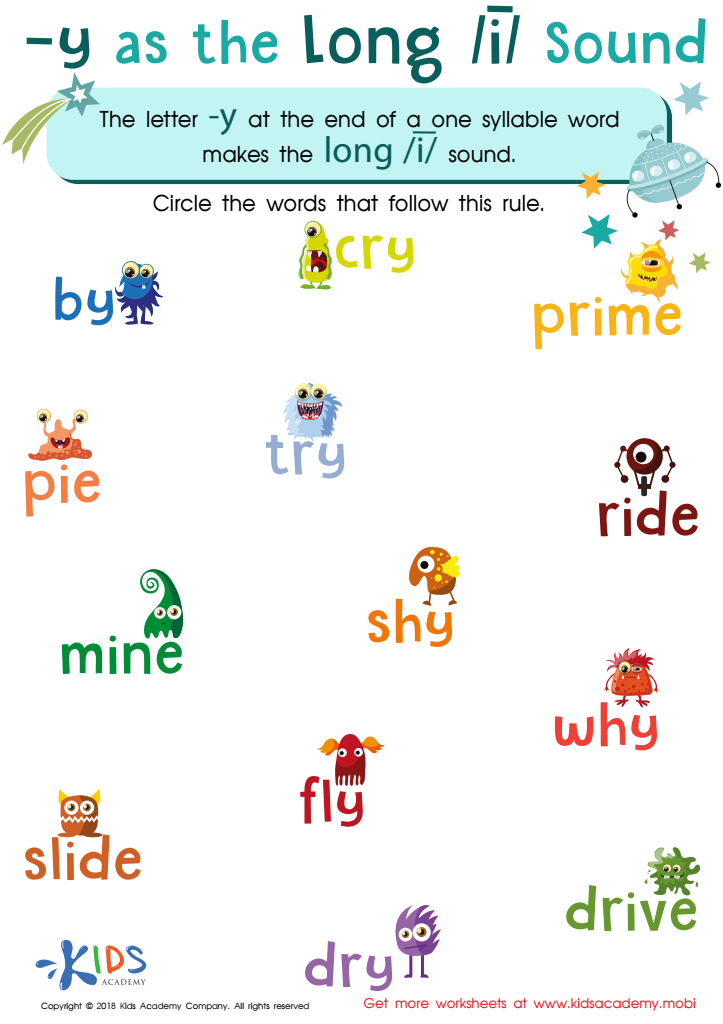
Reading: Y as Long I Worksheet




Understanding normal long and short vowels is crucial for children aged 3-8 as it lays the foundation for their reading and writing skills. Vowel sounds are the building blocks of pronunciation, which are essential for effective communication and literacy development. Recognizing the difference between long and short vowels helps children decode words, making it easier for them to sound out unfamiliar words while reading.
For teachers and parents, mastering vowels helps foster a love for reading at an early age. Children who understand vowel sounds tend to build confidence, which encourages them to explore new books and enjoy the stories. Additionally, these skills directly influence spelling and writing abilities. Properly distinguishing between long and short vowels reduces common spelling errors and supports fluent writing.
Moreover, phonics instruction focusing on vowel sounds can enhance critical thinking and auditory skills. Engaging children in rhyme and phonetic games featuring long and short vowels helps solidify their understanding through play.
In summary, knowing long and short vowels equips young learners with vital language abilities, promotes literacy, boosts self-confidence, and nurtures a lifelong love for reading, making it imperative for parents and teachers to prioritize these skills in early education.