Addition skills Normal Worksheets for Ages 3-8
17 filtered results
-
From - To
Enhance your child's math foundation with our engaging "Addition Skills Normal Worksheets" designed for ages 3-8. These interactive worksheets cater to early learners, providing a fun and effective way to master basic addition concepts. Our thoughtfully crafted exercises include colorful illustrations and age-appropriate problems, helping to keep young minds motivated and excited about learning. With varying levels of difficulty, these worksheets are perfect for individual practice or guided learning sessions. Download and start fostering your child's numerical confidence today! Explore the joy of addition and watch them develop essential skills that pave the way for future math success.
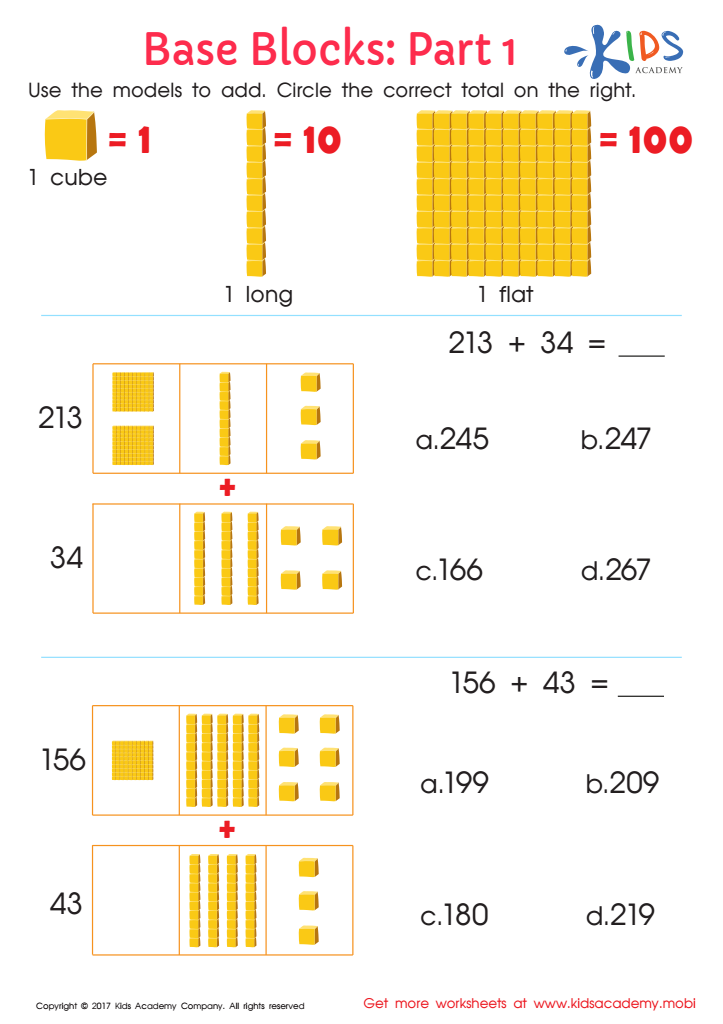
Base Ten Blocks Worksheet: Part 1
 Assign to My Students
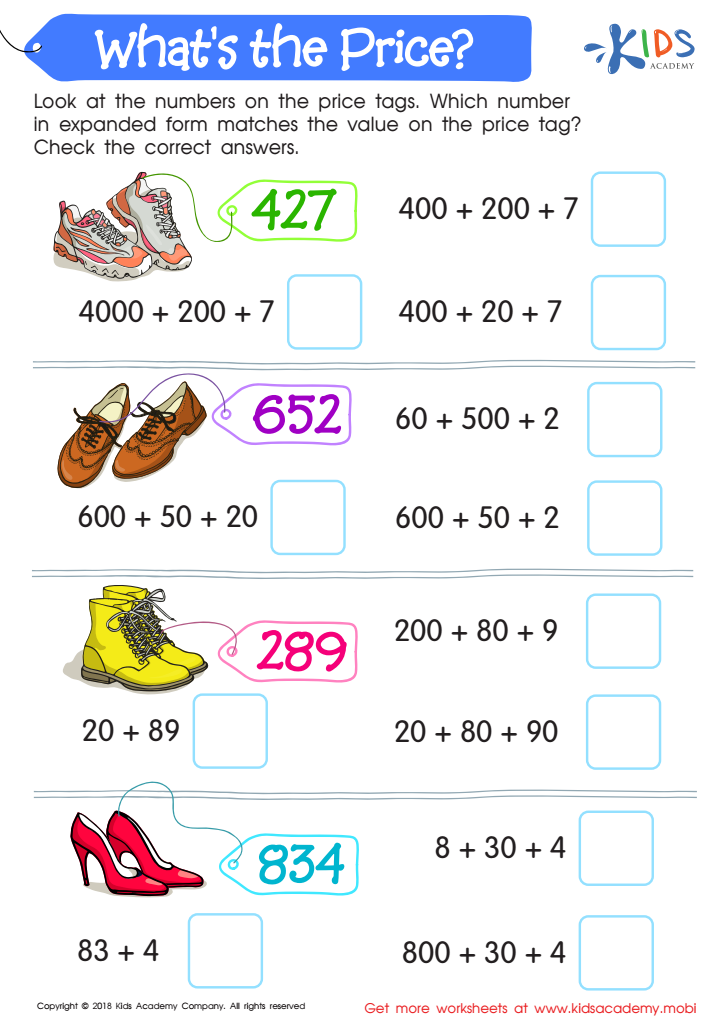
What's the Price? Worksheet
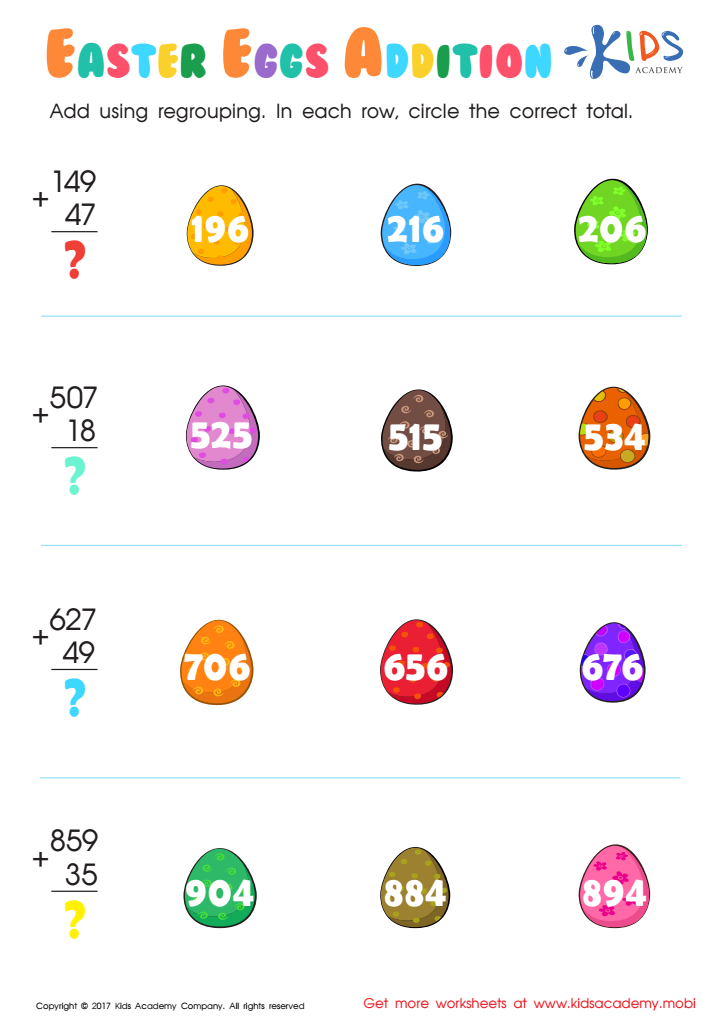
Addition with Regrouping Worksheet
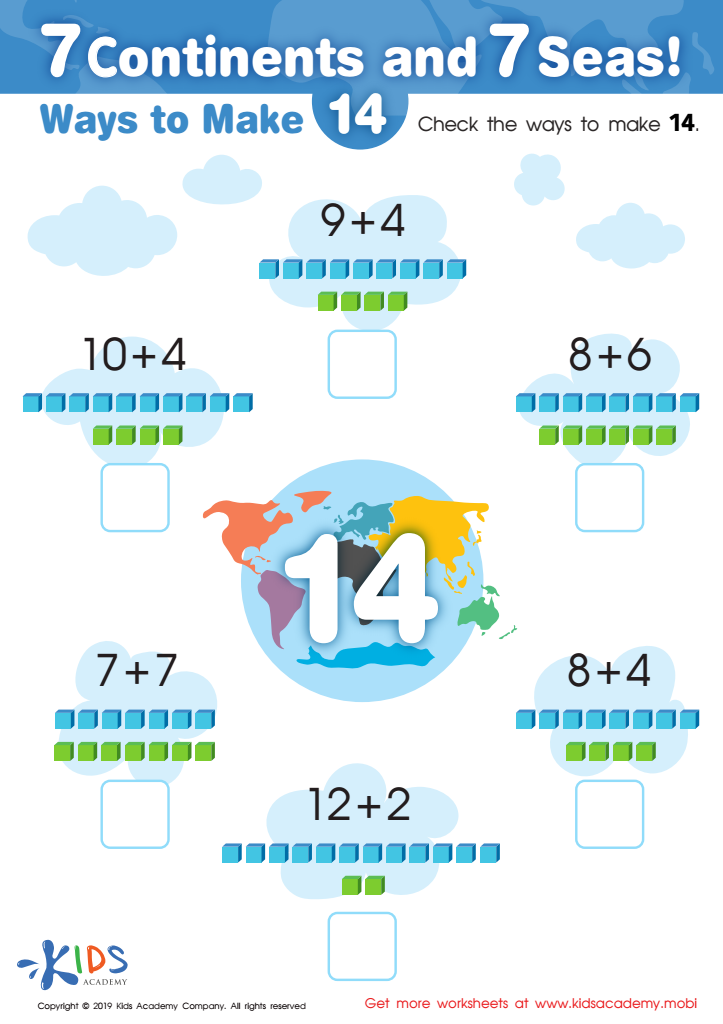
7 Continents and 7 Seas Worksheet
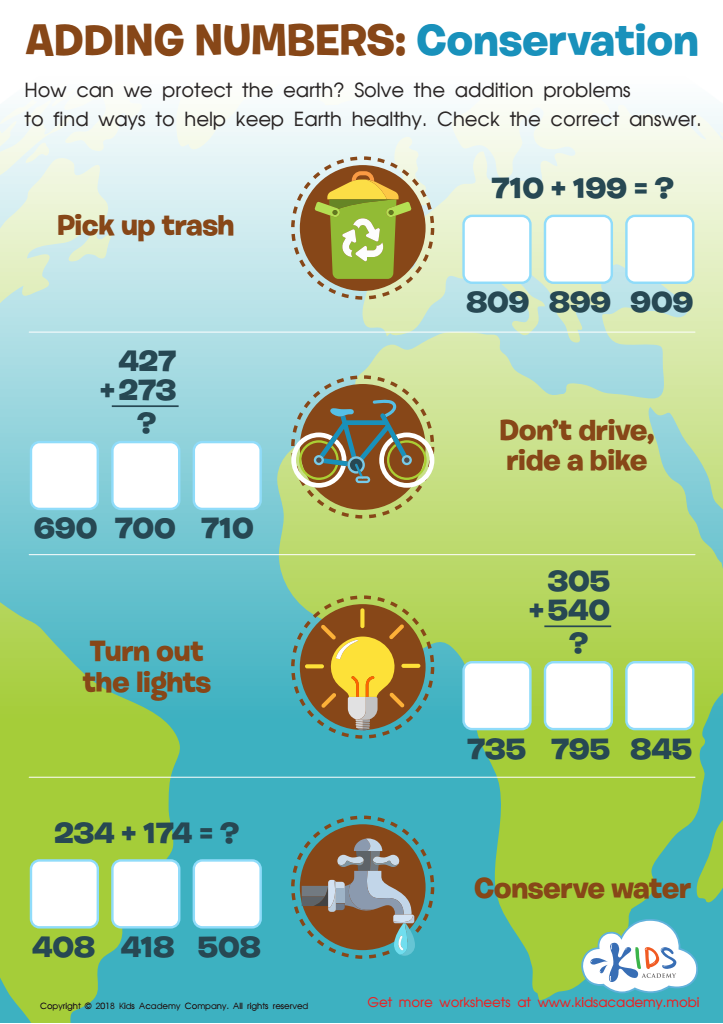
Adding Numbers: Conservation Worksheet
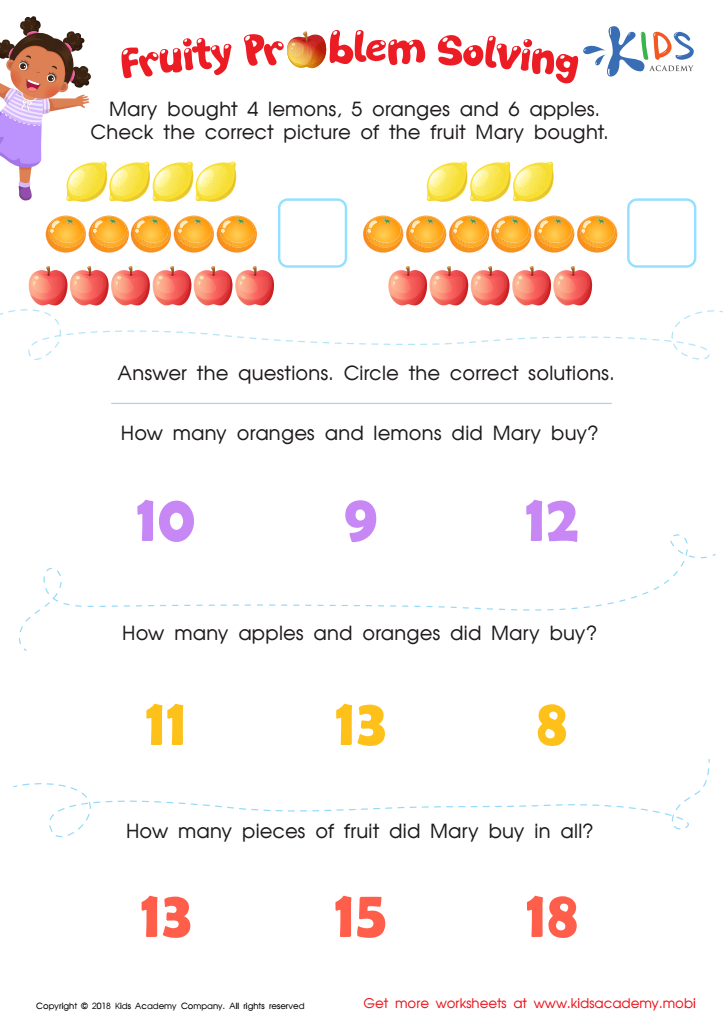
Fruity Problem Solving Worksheet
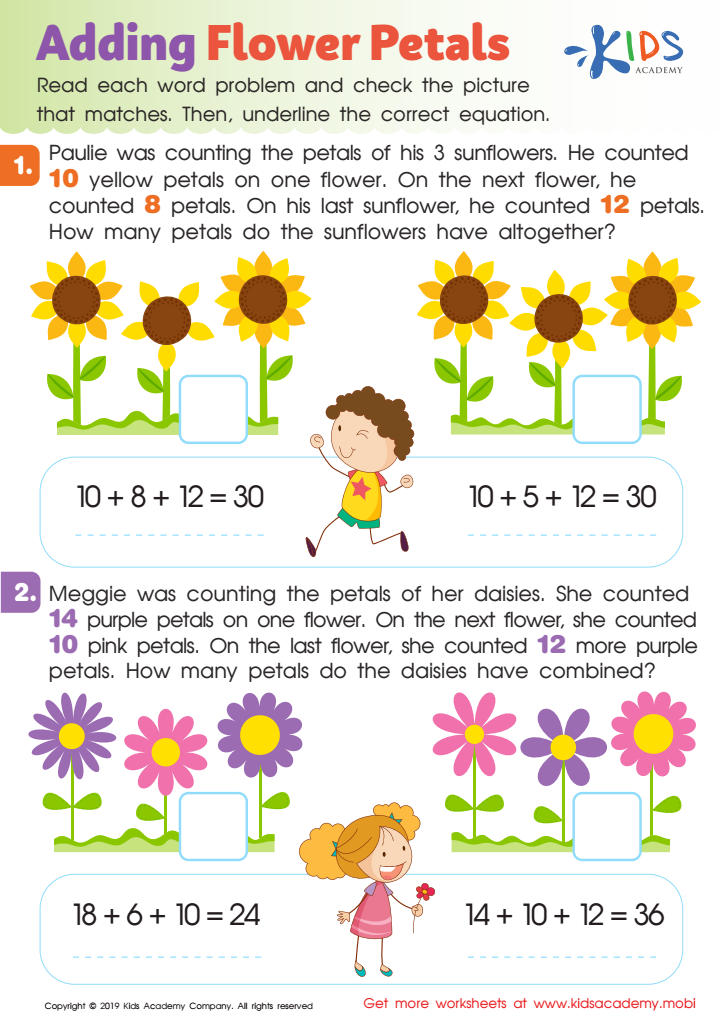
Adding Flower Petals Worksheet
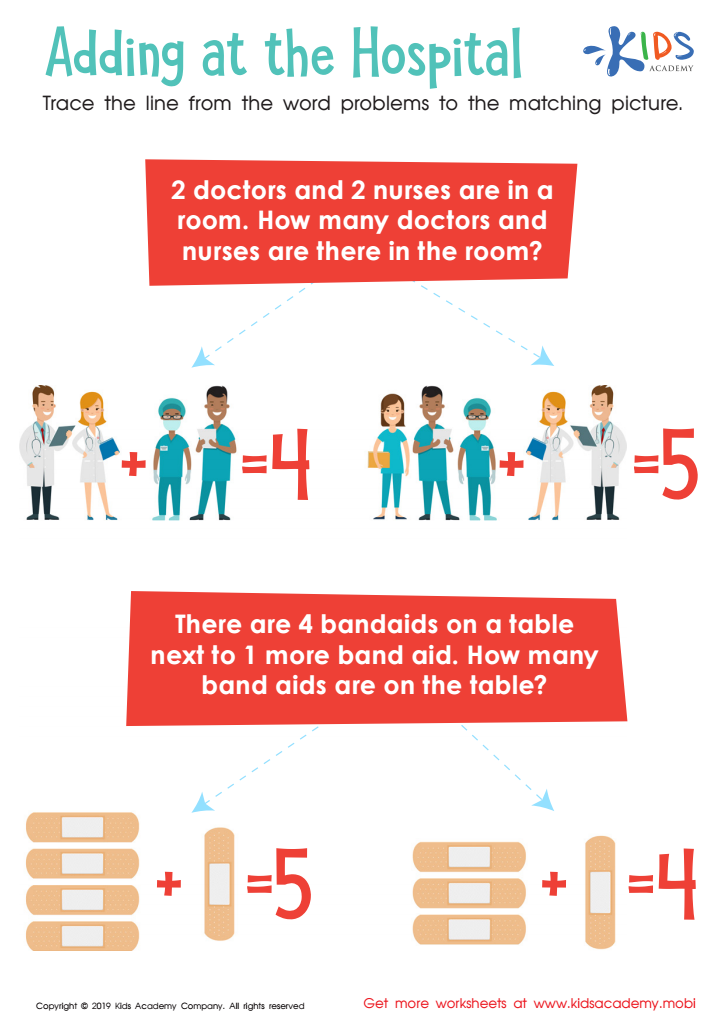
Adding at the Hospital Worksheet
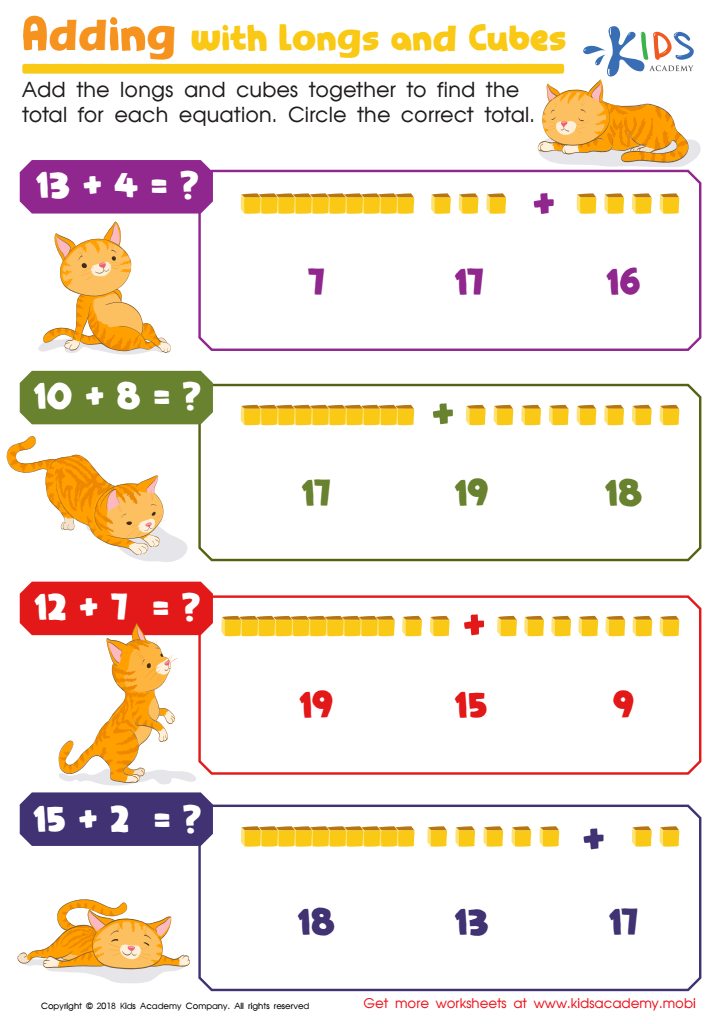
Adding With Longs and Cubes Worksheet
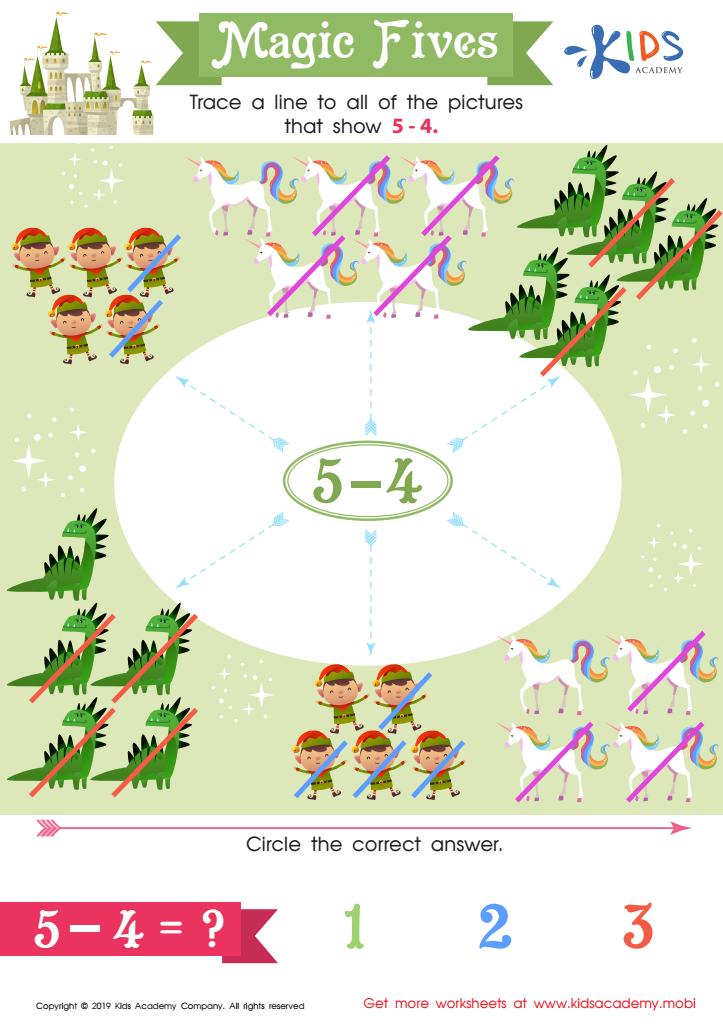
Magic Fives Worksheet
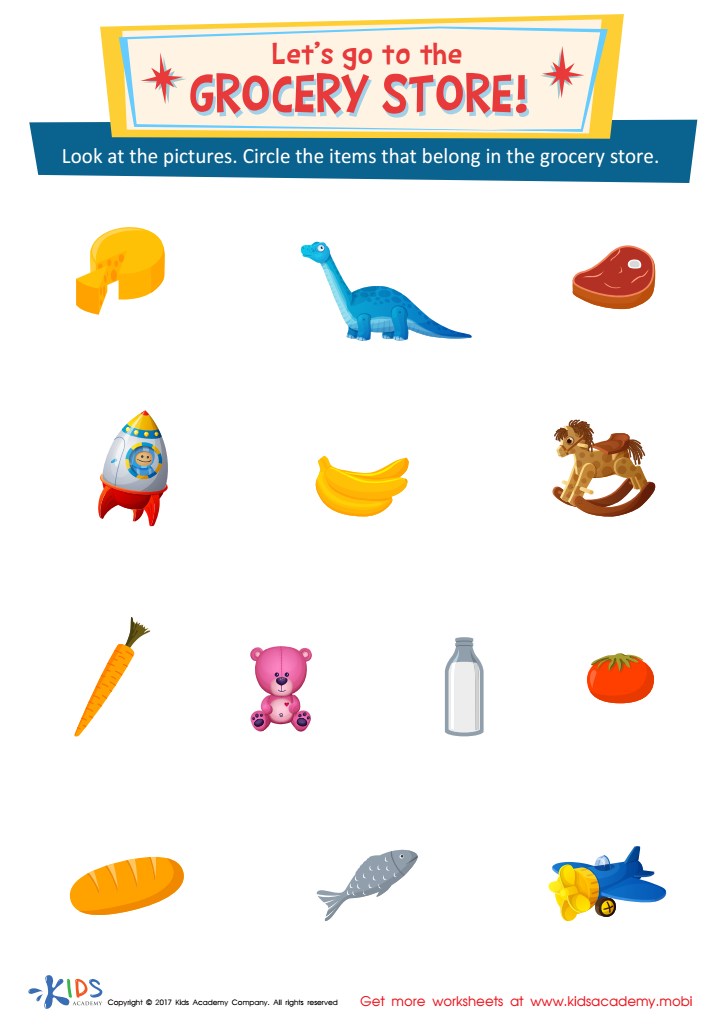
Grocery Store Worksheet
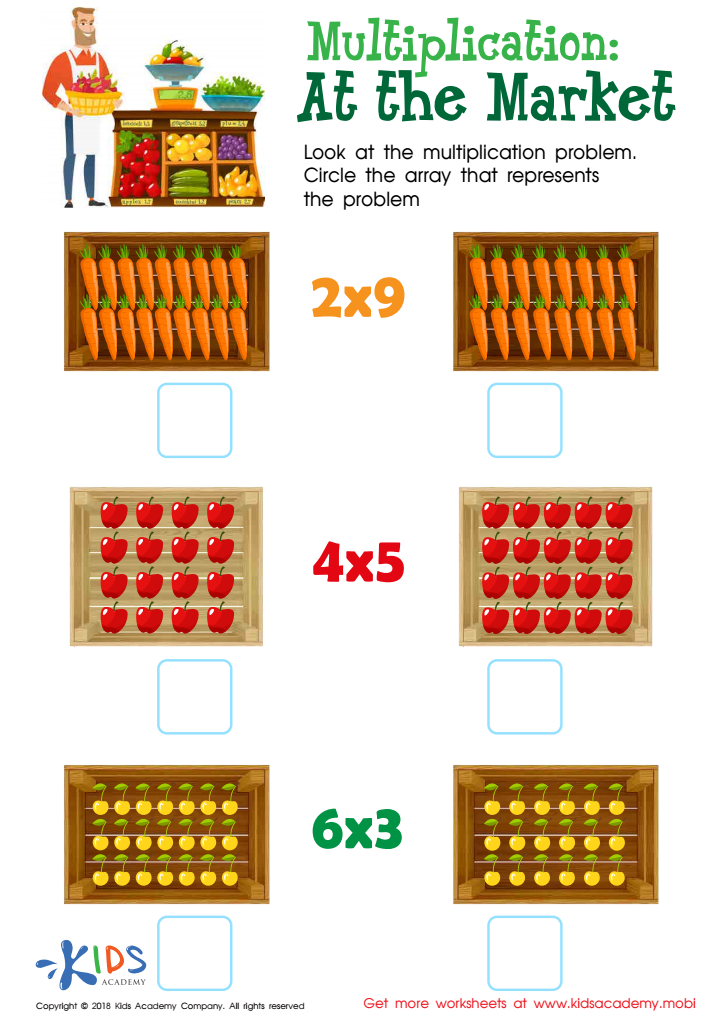
At the Market Worksheet
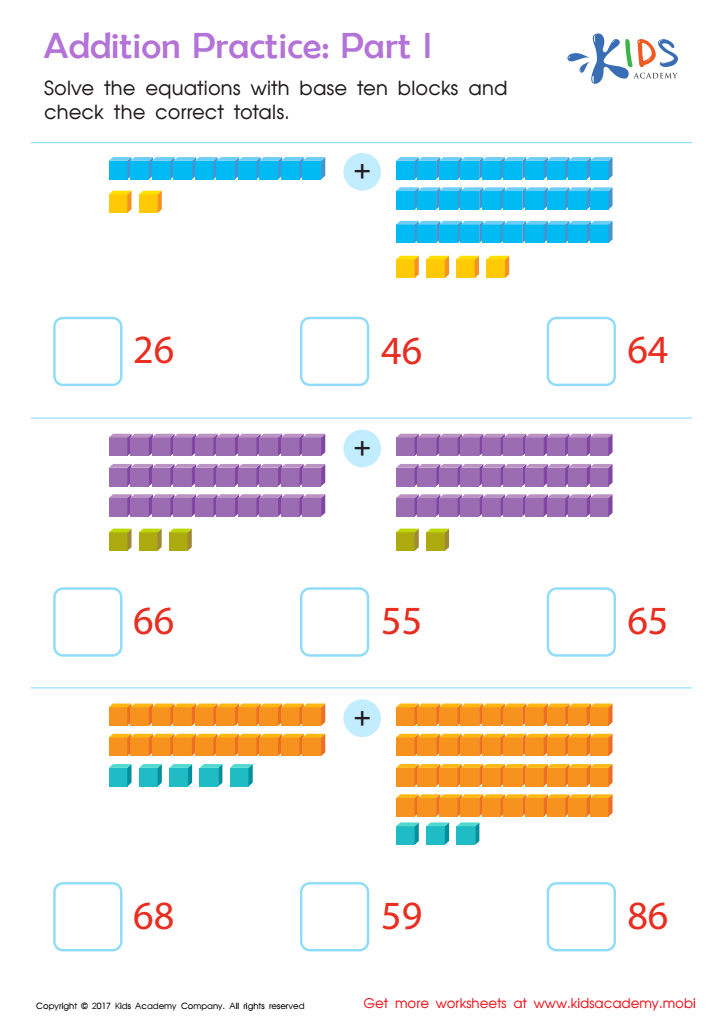
Addition Practice Sheet: Part 1
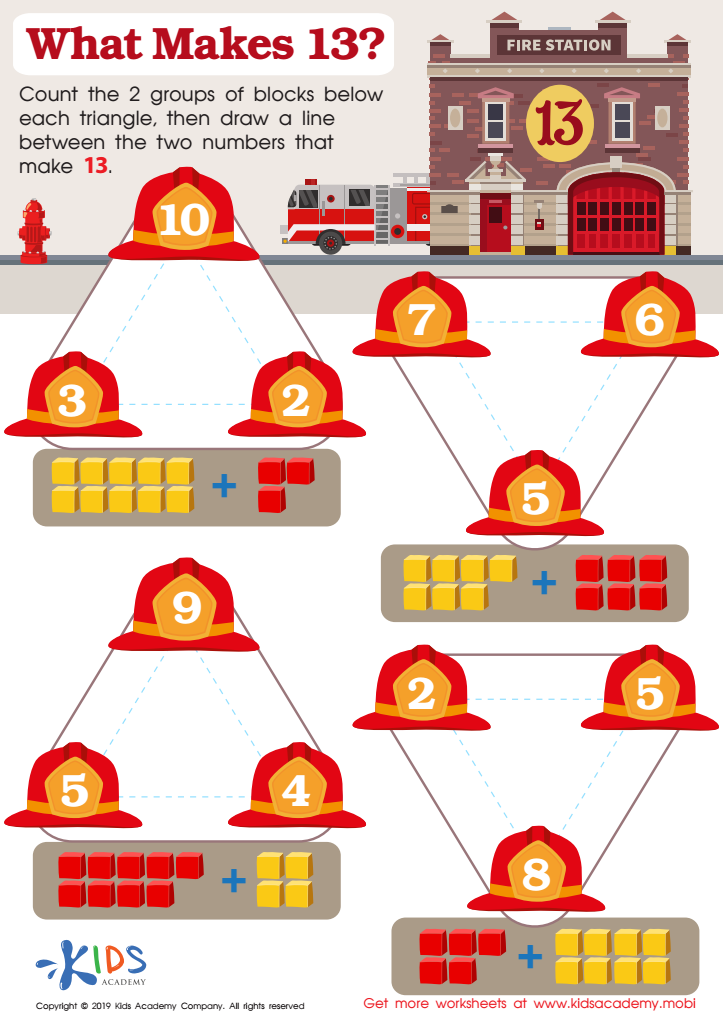
What Makes 13 Worksheet
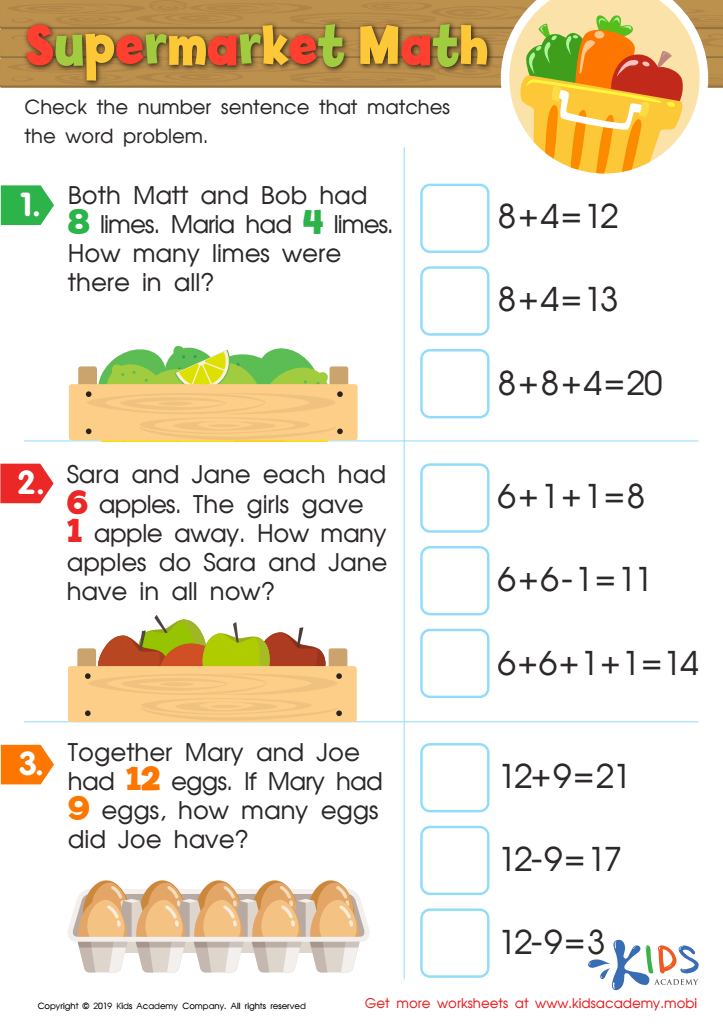
Supermarket Math Worksheet
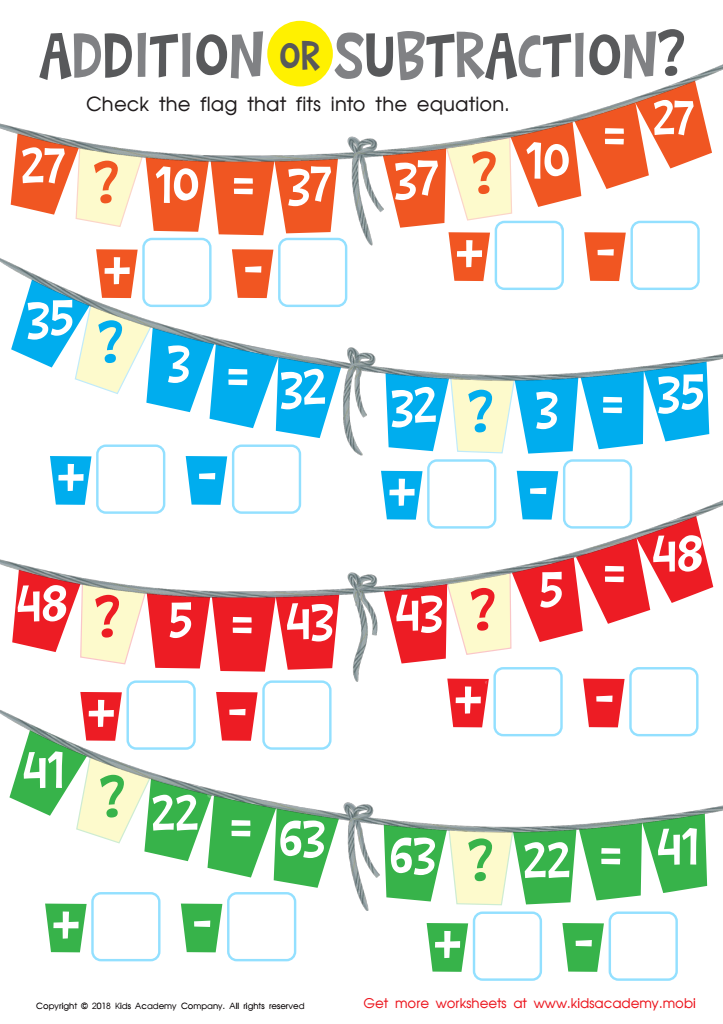
Addition or Subtraction? Worksheet
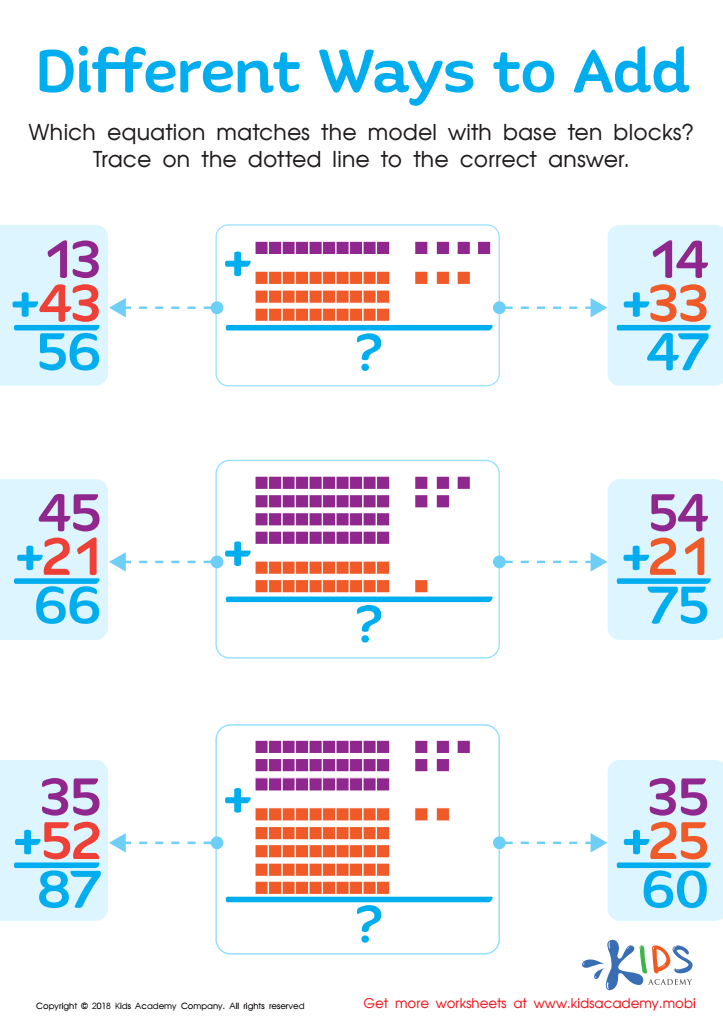
Different Ways to Add Worksheet



.jpg)



Addition skills are foundational to a child’s early mathematical understanding and overall cognitive development. For children aged 3-8, these skills not only form the basis for more complex mathematical concepts but also enhance critical thinking and problem-solving abilities. Parents and teachers should care about addition skills for several reasons.
Firstly, mastering addition boosts a child's confidence. Early success in math encourages a positive attitude towards learning, instilling a belief that they can tackle more challenging concepts later on. Furthermore, everyday situations, like grocery shopping or playing games, naturally integrate addition, making math relevant and practical.
Additionally, developing strong addition skills promotes essential cognitive milestones. Engaging in mathematical tasks enhances memory, attention, and the ability to follow multi-step instructions. It also fosters social skills, as children often work in groups while learning math, collaborating and communicating ideas.
In a broader educational context, early math skills have been linked to later academic success. Children who grasp basic addition are more likely to excel in mathematics in higher grades, leading to more opportunities in careers and higher education.
By prioritizing addition skills, parents and teachers play a vital role in equipping children for future learning and everyday life.








