Basic Addition Normal Worksheets for Ages 3-8
18 filtered results
-
From - To
Welcome to our "Basic Addition Normal Worksheets" page, designed specifically for children ages 3-8! These engaging and colorful worksheets provide an enjoyable way for young learners to develop essential addition skills. With a variety of fun exercises, your child will practice fundamental concepts, enhancing their problem-solving abilities and confidence. Our resources are tailored to suit different learning levels, making it easier for parents and educators to support their child's math journey. Explore our collection today to help your little ones grasp basic addition in an interactive way that strengthens their foundational math skills and sets them on the path to success!
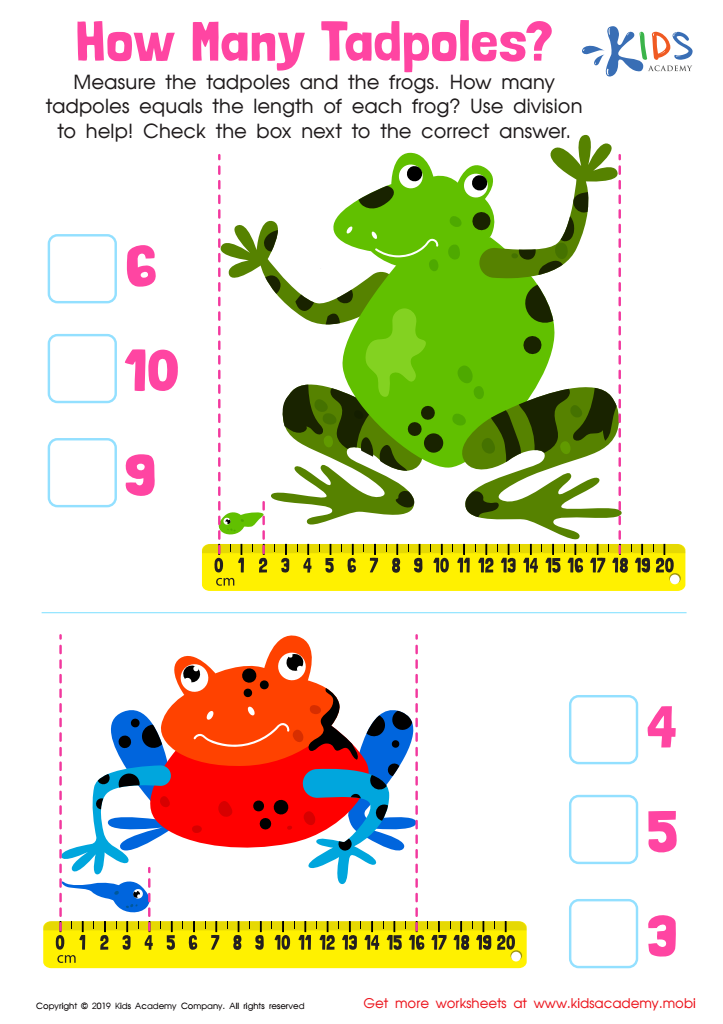
How Many Tadpoles Worksheet
 Assign to My Students

African Wildlife: Giraffe Worksheet
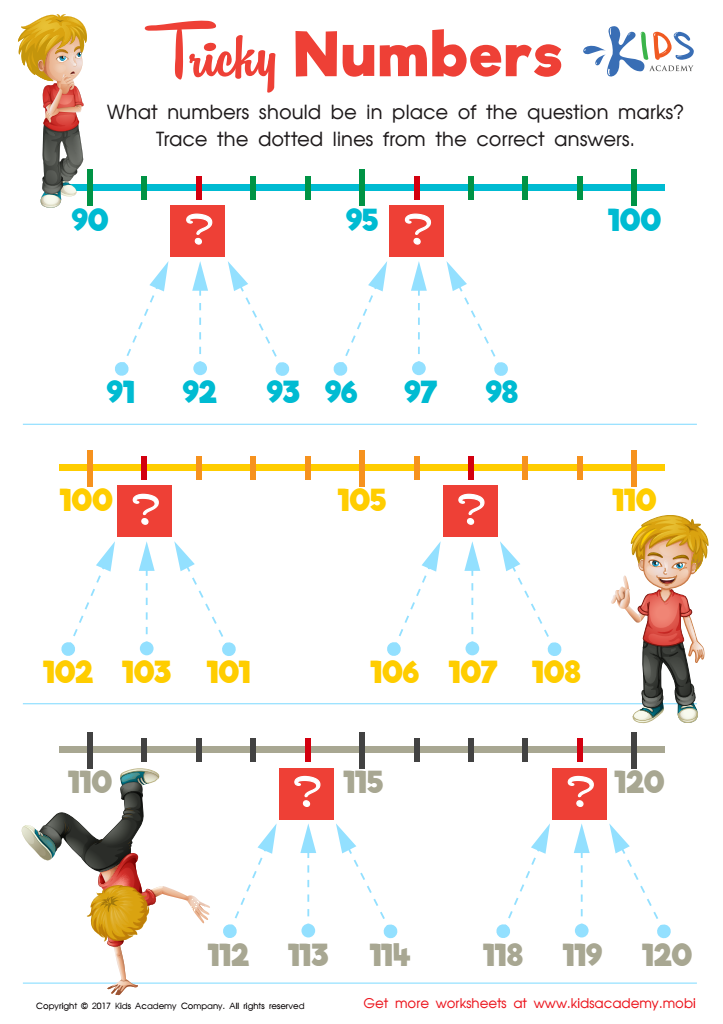
Tricky Numbers Worksheet
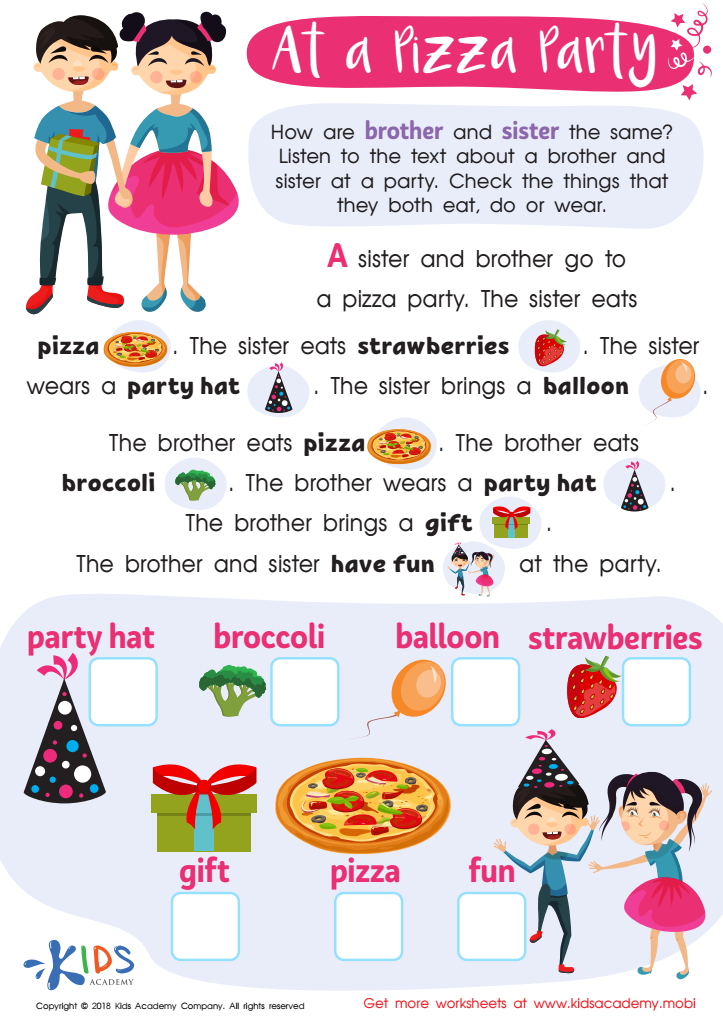
At a Pizza Party Worksheet
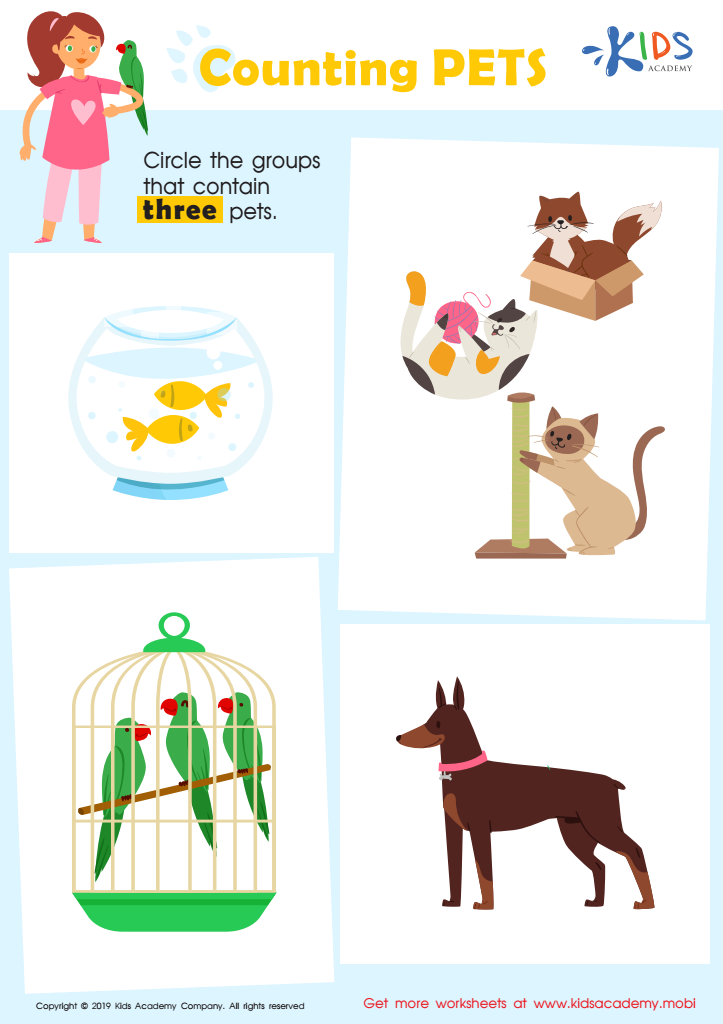
Counting Pets Worksheet
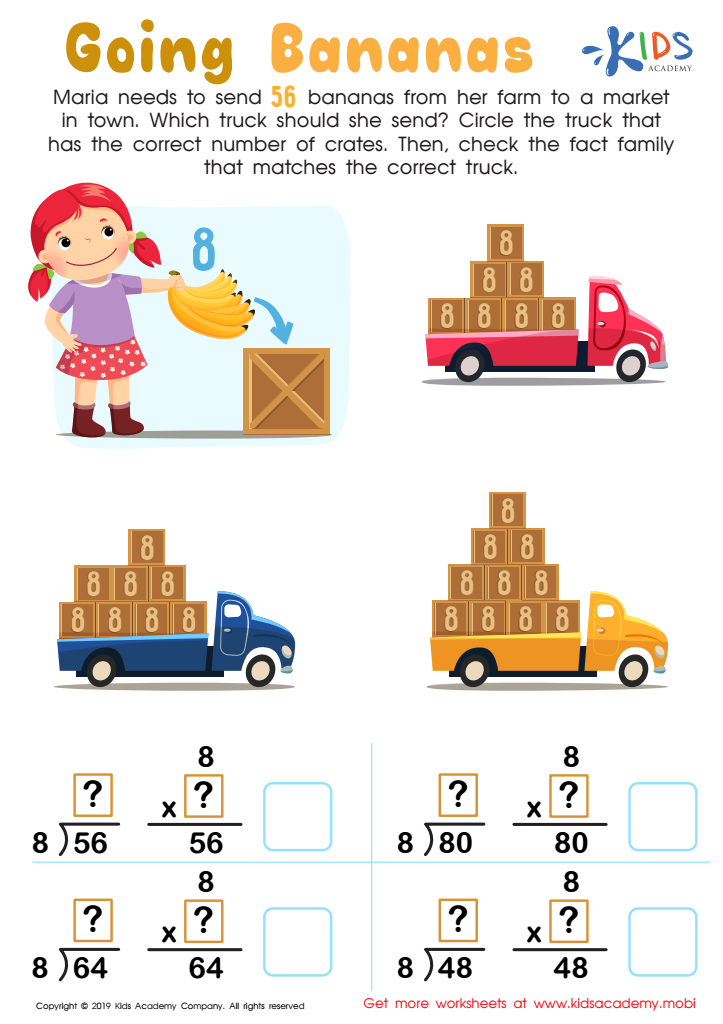
Going Bananas Worksheet
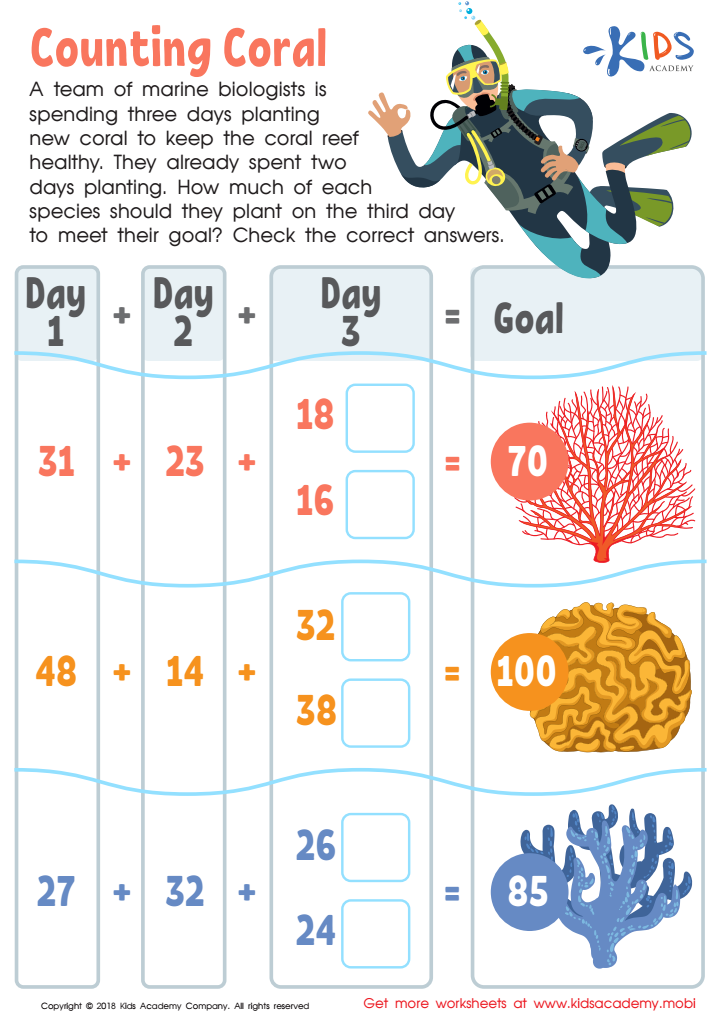
Counting Coral Worksheet
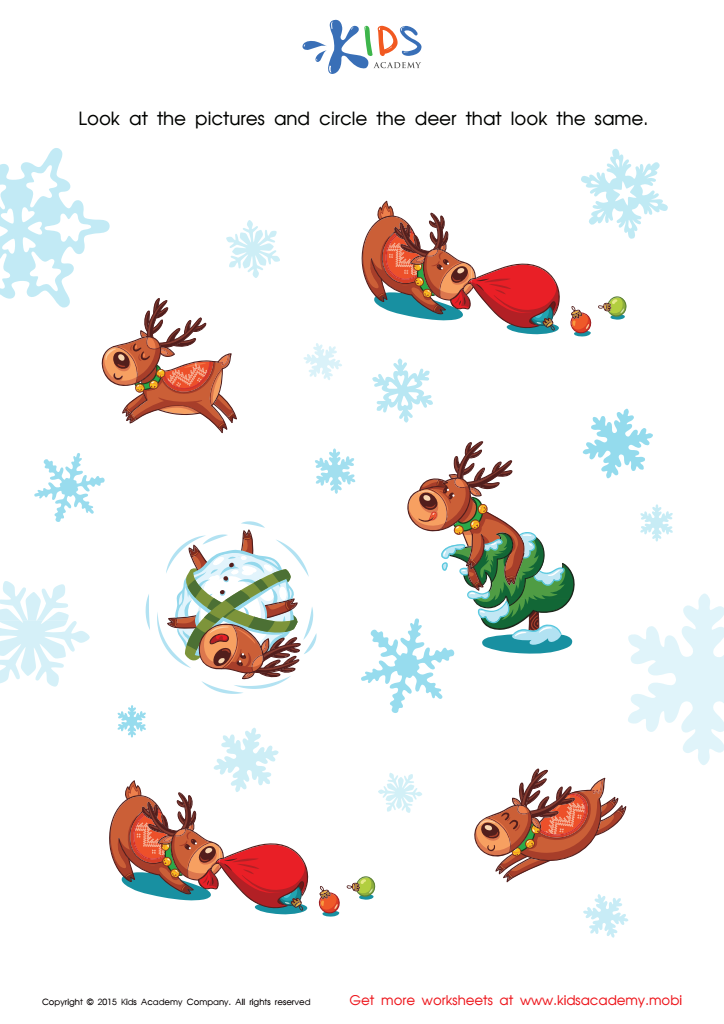
Count the Deer Worksheet
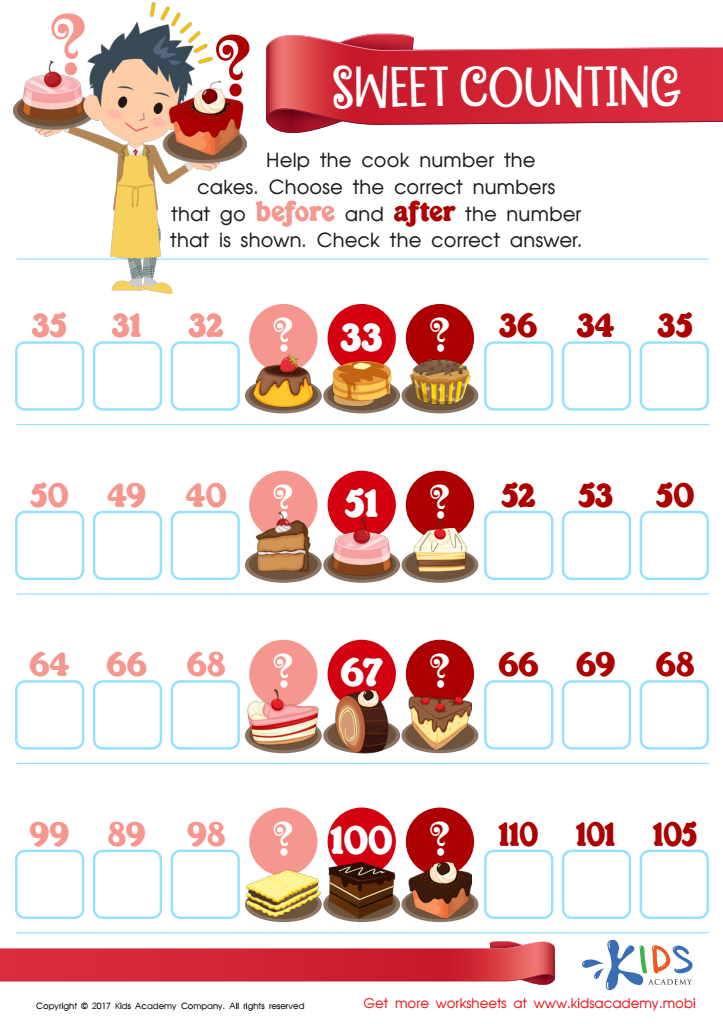
Sweet Counting - Part 1 Worksheet
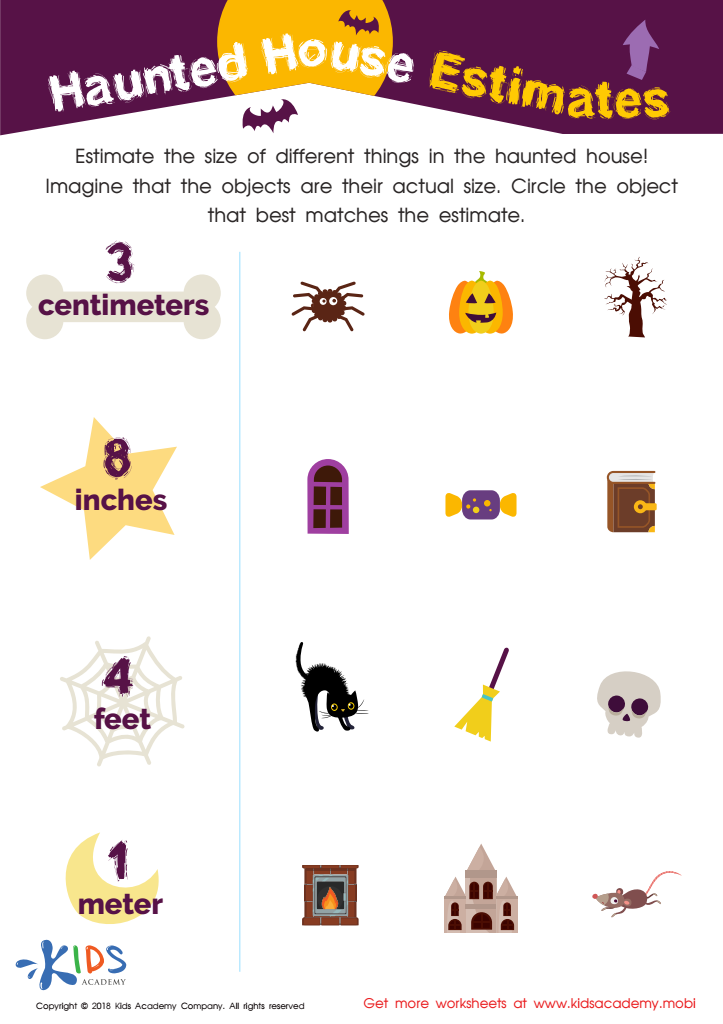
Haunted House Estimates Worksheet
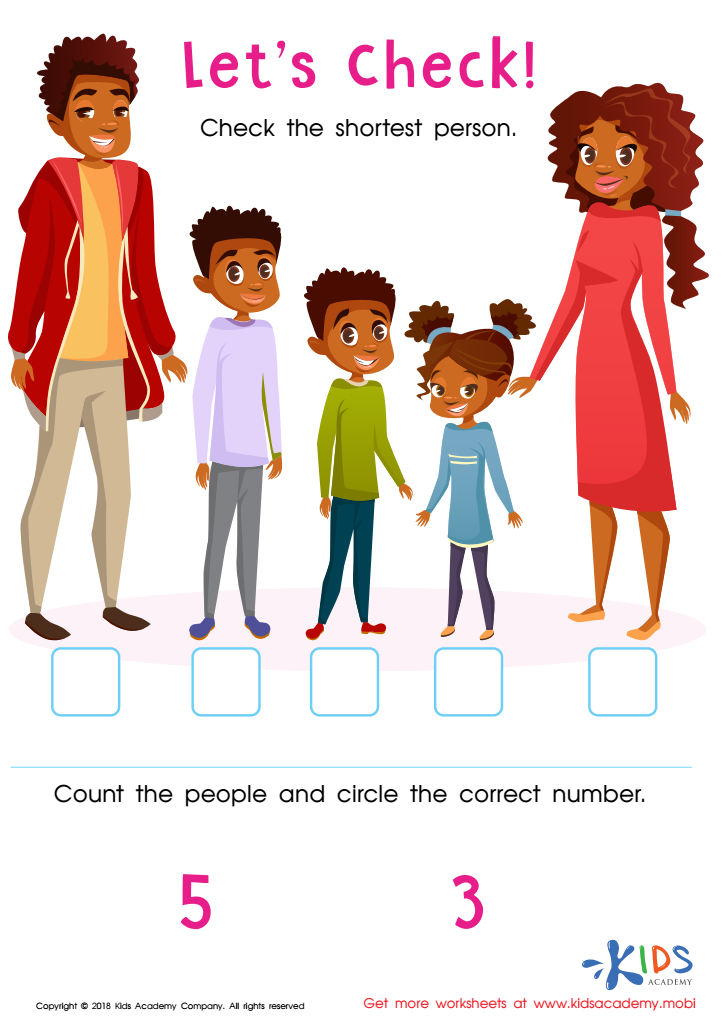
Let's Check! Assessment Worksheet
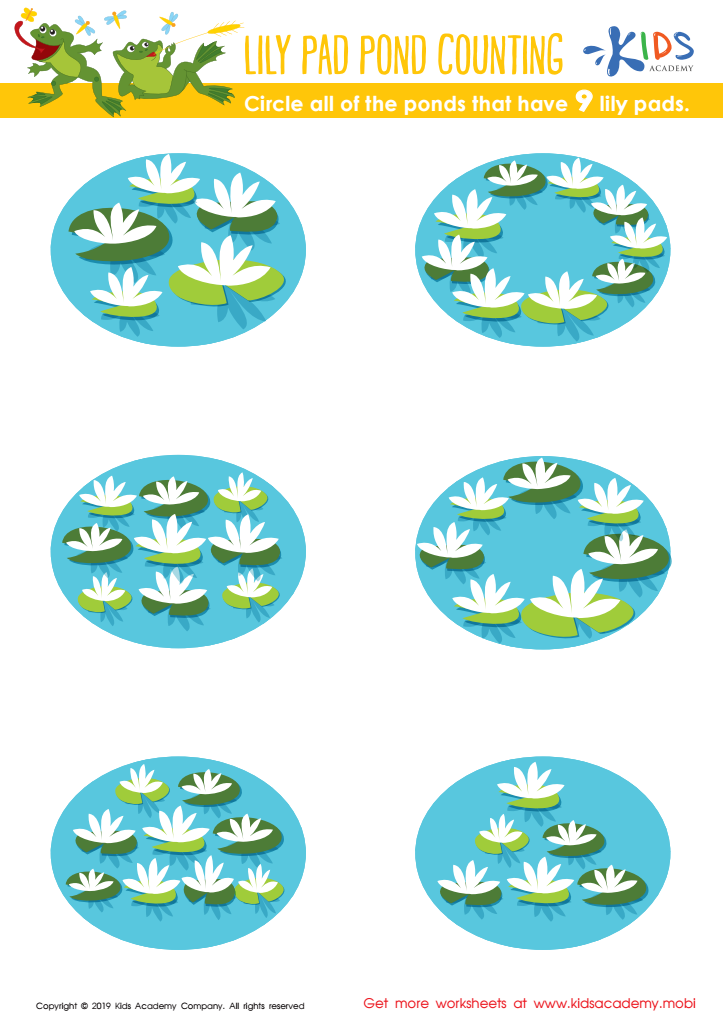
Lily Pad Pond Counting Worksheet
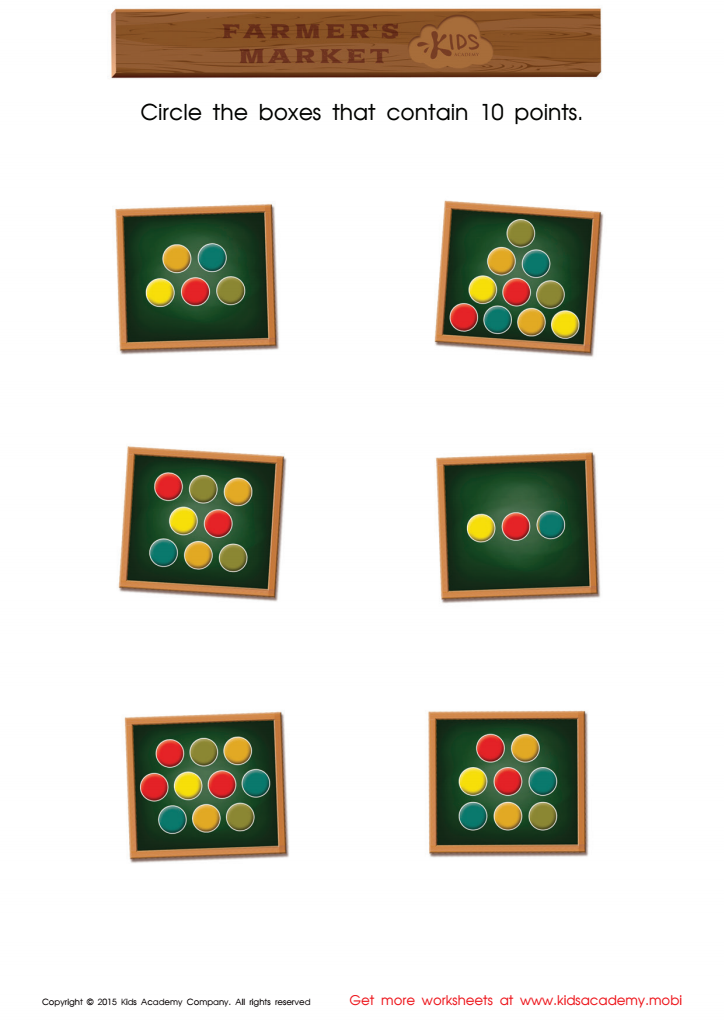
Count and Match Points 10 Math Worksheet
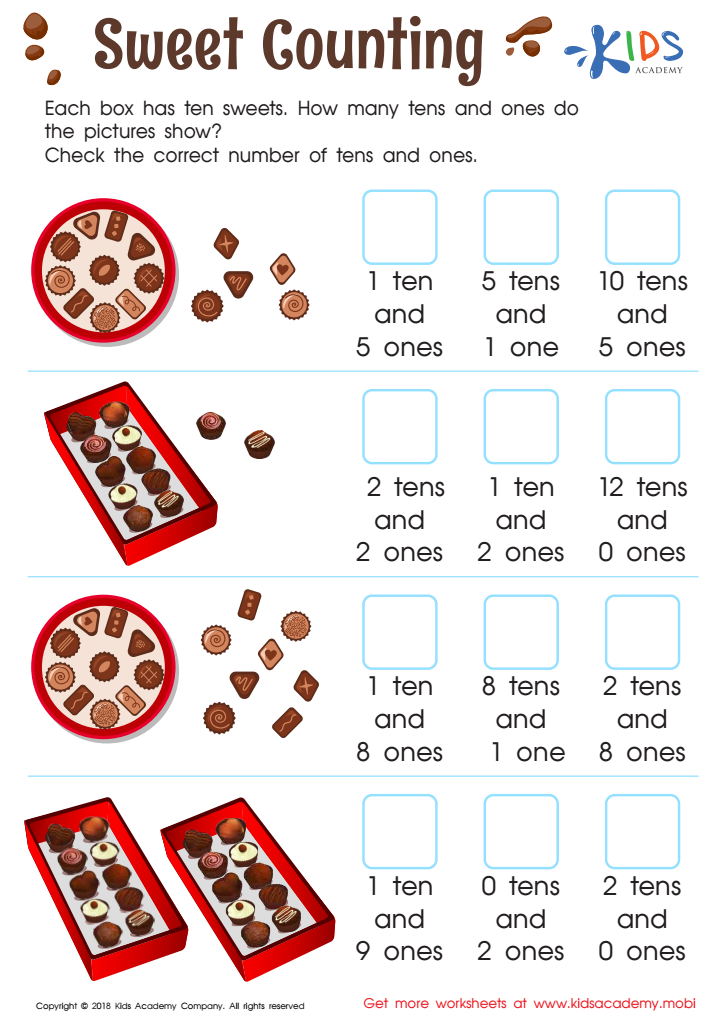
Sweet Counting - Part 2 Worksheet
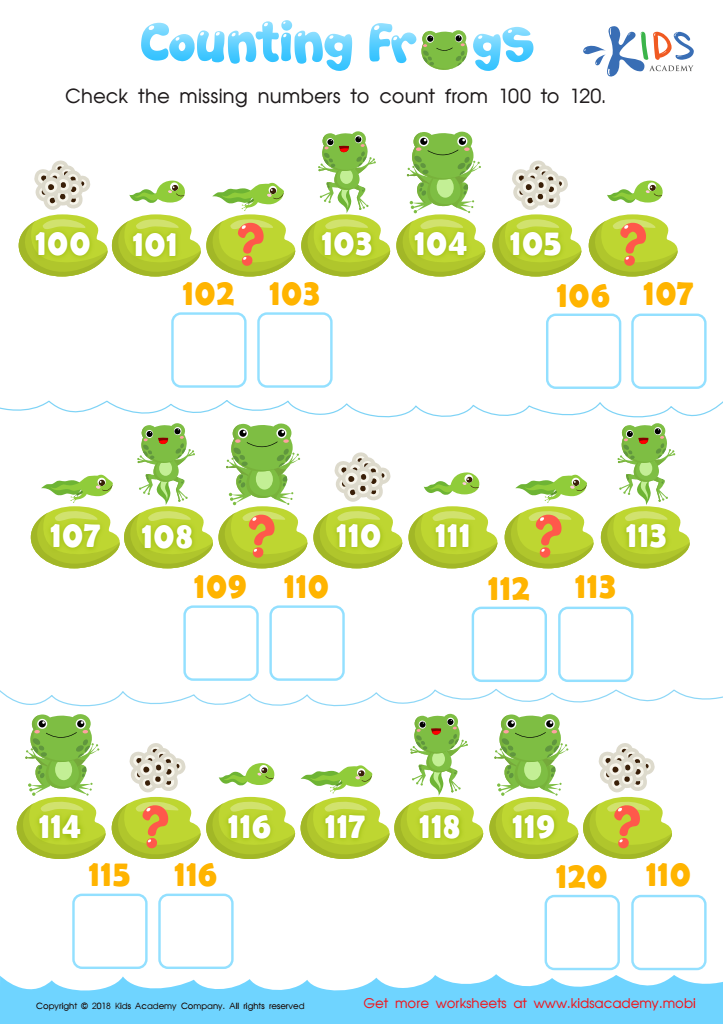
Counting Frogs Worksheet
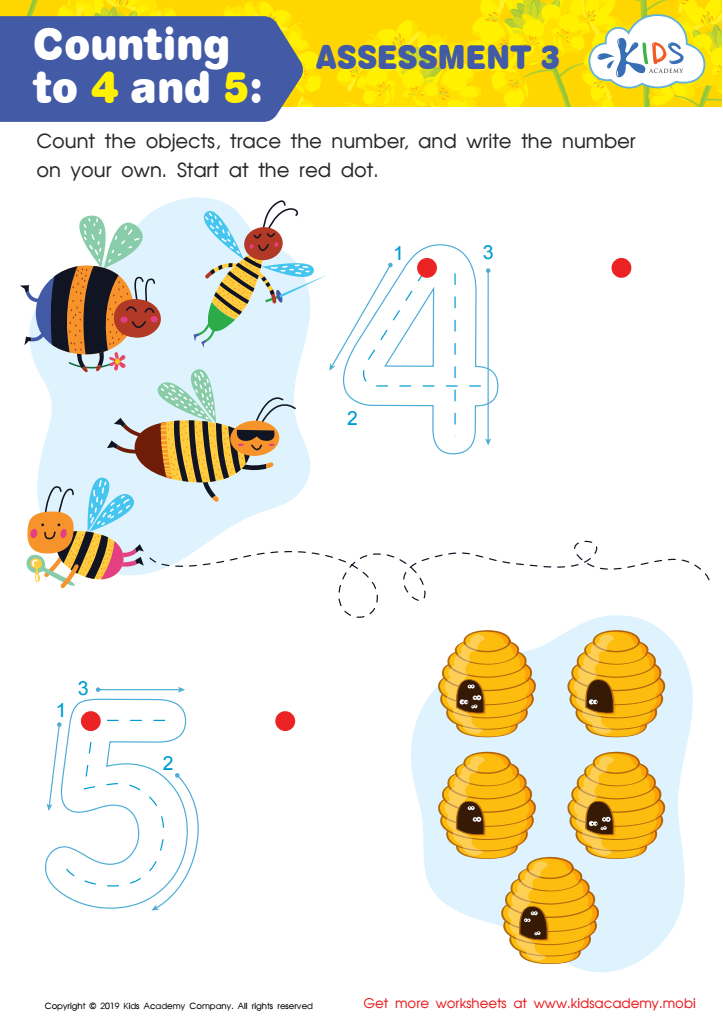
Counting to 4 and 5: Assessment 3 Worksheet
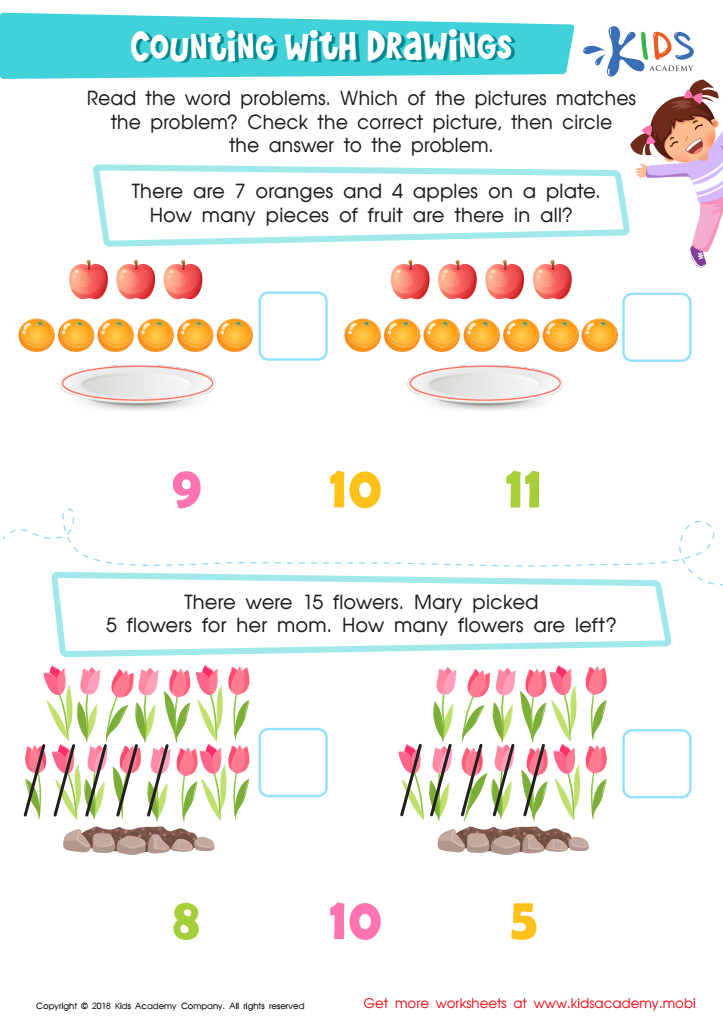
Counting with Drawings:Fruits & Flowers Worksheet




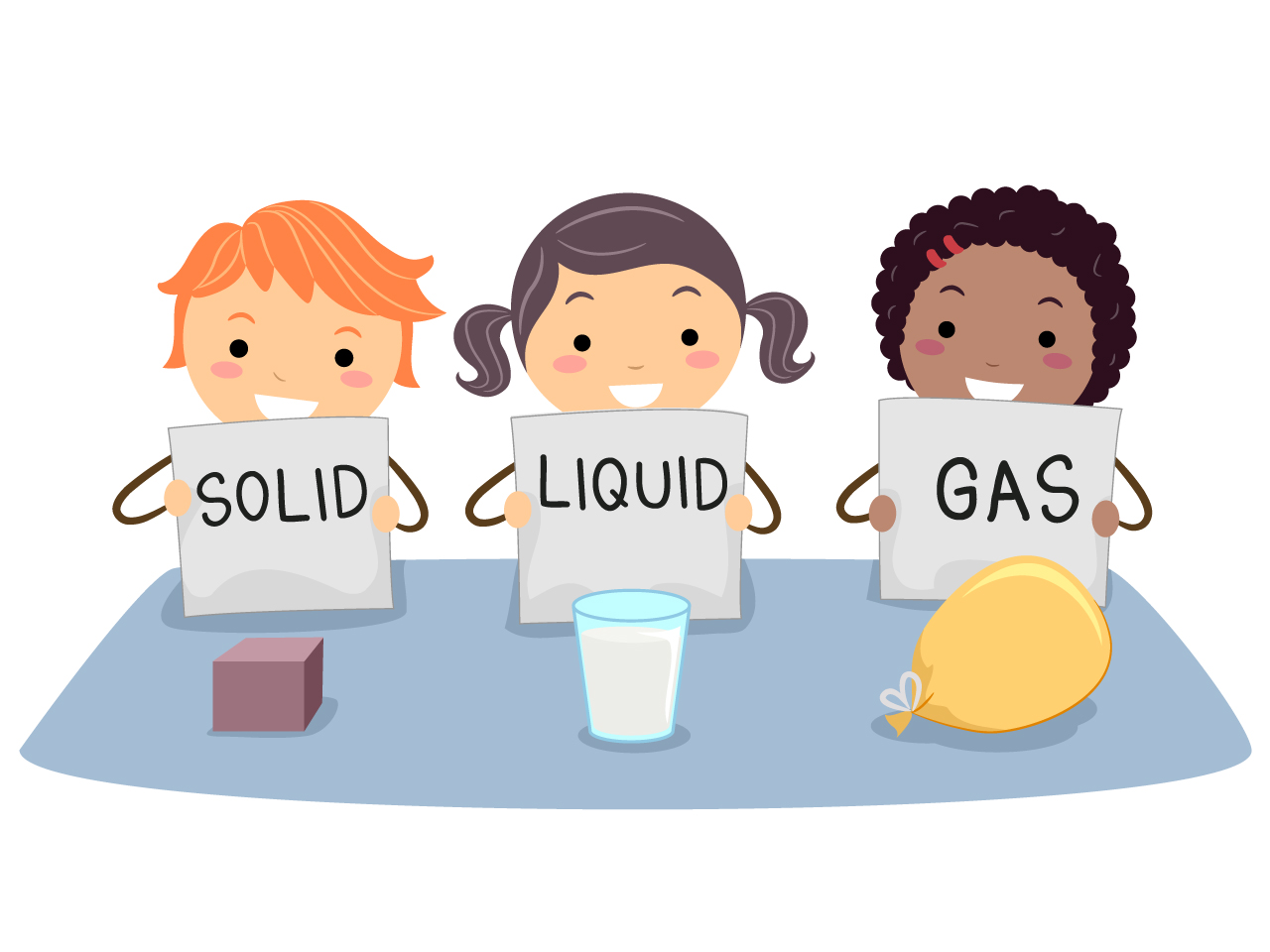



Basic addition forms the foundation of a child's mathematical development and is crucial for cognitive growth, particularly for those aged 3-8. During these early years, children are naturally curious and receptive to learning, making it an ideal time to introduce fundamental concepts in a playful and engaging way.
Understanding basic addition helps children develop essential problem-solving skills and critical thinking abilities. It fosters logical reasoning, as they learn to recognize patterns and relationships between numbers. Mastering addition also aids in language development, as children learn the vocabulary associated with math, enhancing their communication skills.
For parents and teachers, paying attention to basic addition sets the stage for future learning in mathematics and other academic subjects. It encourages a positive attitude towards learning and builds confidence in young learners. Furthermore, integrating basic addition into everyday activities—like counting toys or sharing snacks—makes learning interactive and relevant, imbedding these concepts into their daily lives.
Supporting children in mastering basic addition not only encourages mathematical understanding but also instills a sense of achievement, readiness for more complex concepts, and prepares them for a successful educational journey. Ultimately, nurturing these foundational skills impacts both academic performance and overall development.








