Basic arithmetic practice Normal Worksheets for Ages 3-8
5 filtered results
-
From - To
Welcome to our "Basic Arithmetic Practice" worksheets designed specifically for children aged 3-8! Our engaging and colorful normal worksheets offer a fun and interactive way for young learners to master essential math skills. Each worksheet focuses on fundamental concepts such as addition, subtraction, and number recognition, helping to build a strong mathematical foundation. Perfect for parents and teachers alike, these resources encourage practice at home or in the classroom. Each activity is tailored to suit different learning styles and abilities, ensuring every child can thrive. Start your child’s mathematical journey today with our simple and enjoyable worksheets!
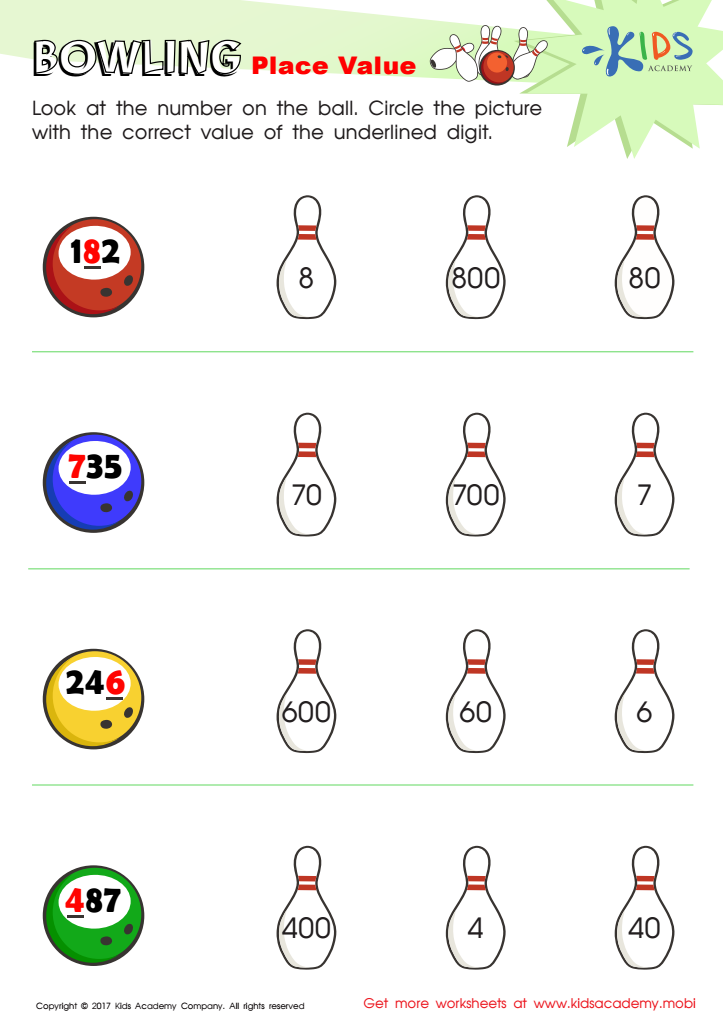
Place Value Worksheet
 Assign to My Students
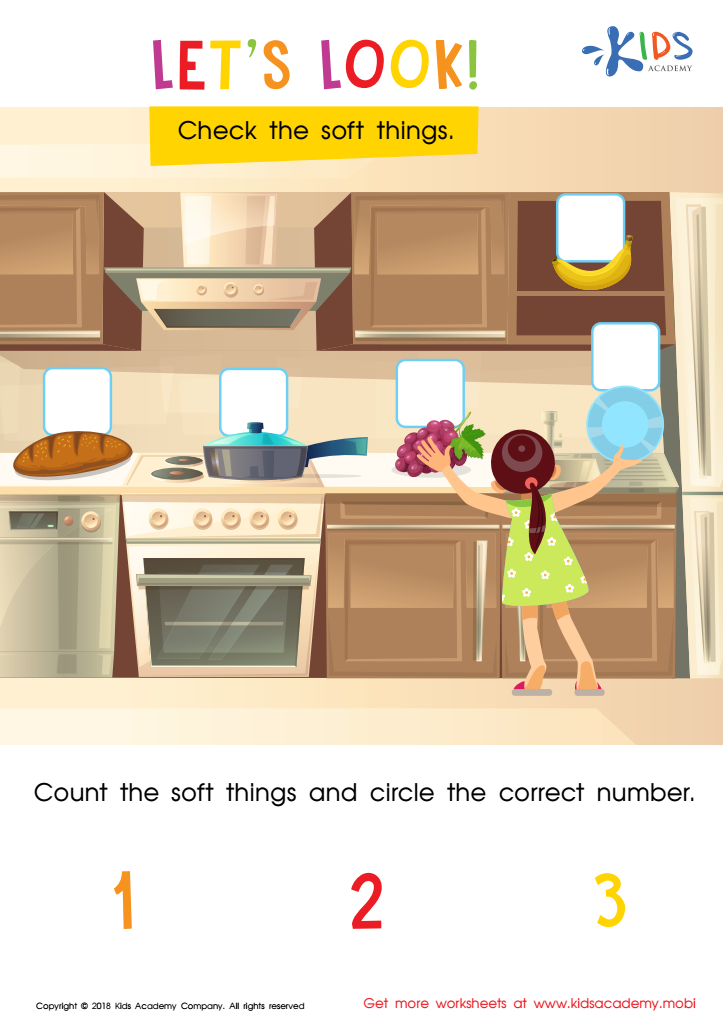
Let's Look! Assessment Worksheet
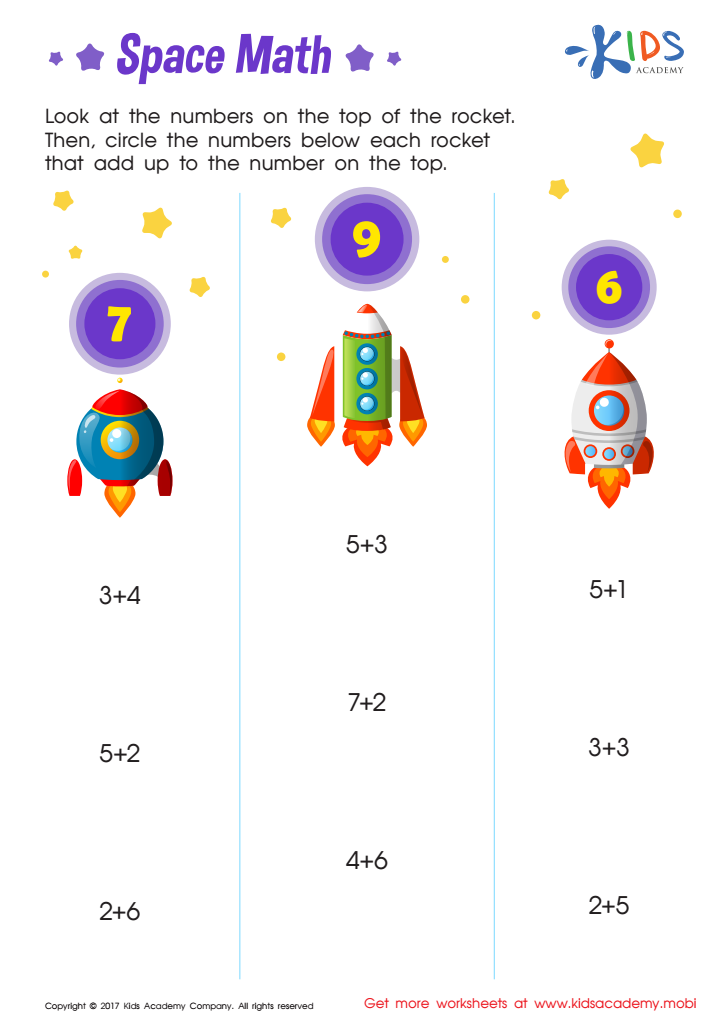
Addition: Space Math Worksheet
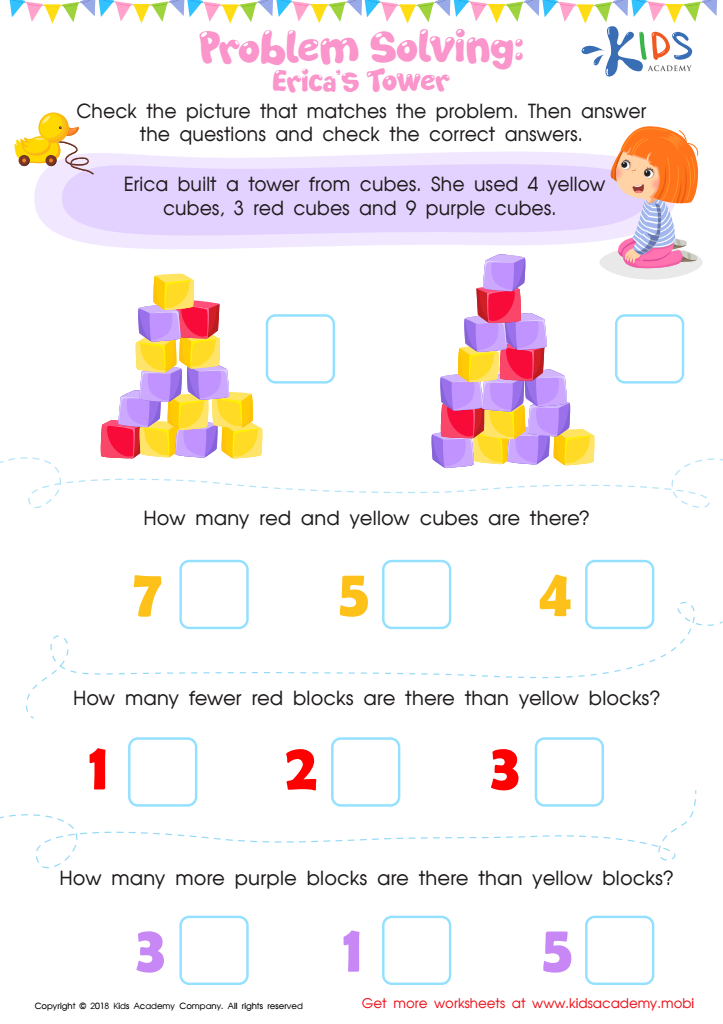
Problem Solving: Erica's Tower Worksheet
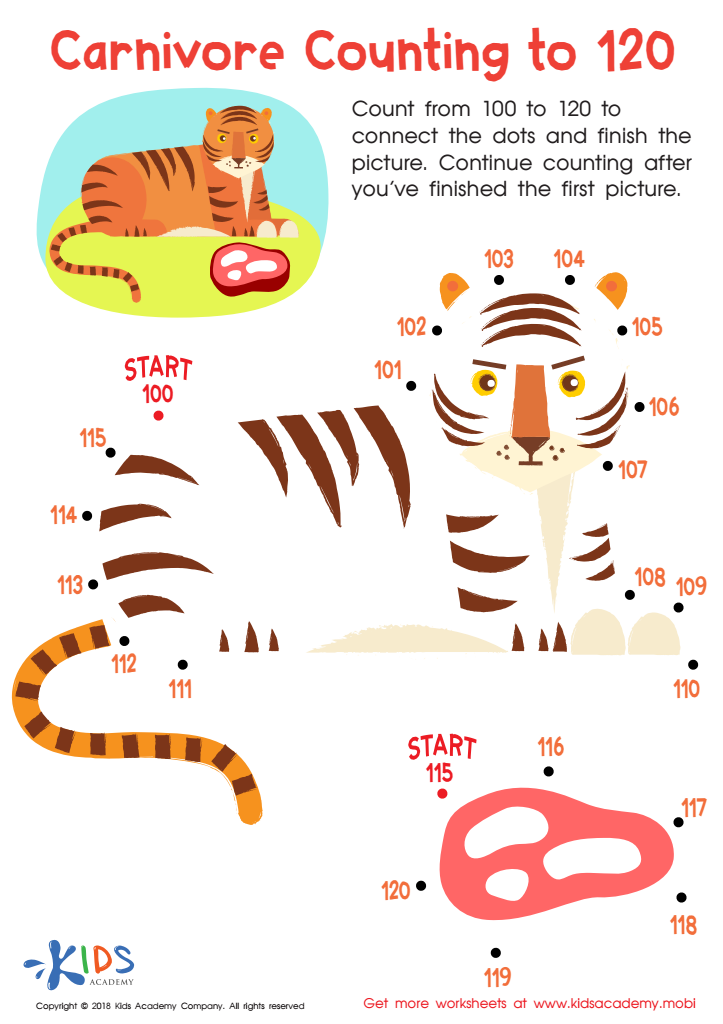
Carnivore Counting to 120 Worksheet








Basic arithmetic practice is crucial for children aged 3-8 as it lays the foundation for their mathematical understanding and overall academic success. At this age, children's brains are highly receptive to learning new concepts, and engaging them in arithmetic practice helps develop essential cognitive skills such as problem-solving, logical reasoning, and critical thinking.
Early exposure to basic arithmetic—like addition, subtraction, counting, and number recognition—enables children to build confidence in their abilities. This foundational knowledge is vital as it prepares them for more complex mathematical concepts encountered in later grades. Consistent practice reinforces number concepts through play and exploration, making learning enjoyable and effective.
Moreover, arithmetic practice encourages collaboration and communication. Opportunities for children to work together on math problems foster social skills, enhance teamwork capabilities, and establish positive relationships with peers.
For parents and teachers, prioritizing arithmetic practice nurtures a child's love of learning, which is instrumental in developing resilient and curious individuals. Additionally, building these skills early can alleviate future math anxiety, leading to greater engagement and success in STEM (Science, Technology, Engineering, and Mathematics) areas. In essence, investing time in basic arithmetic practice from a young age establishes a strong mathematical foundation that will benefit children throughout their educational journey.








