Basic Math Skills Normal Worksheets for Ages 3-8 - Page 2
43 filtered results
-
From - To
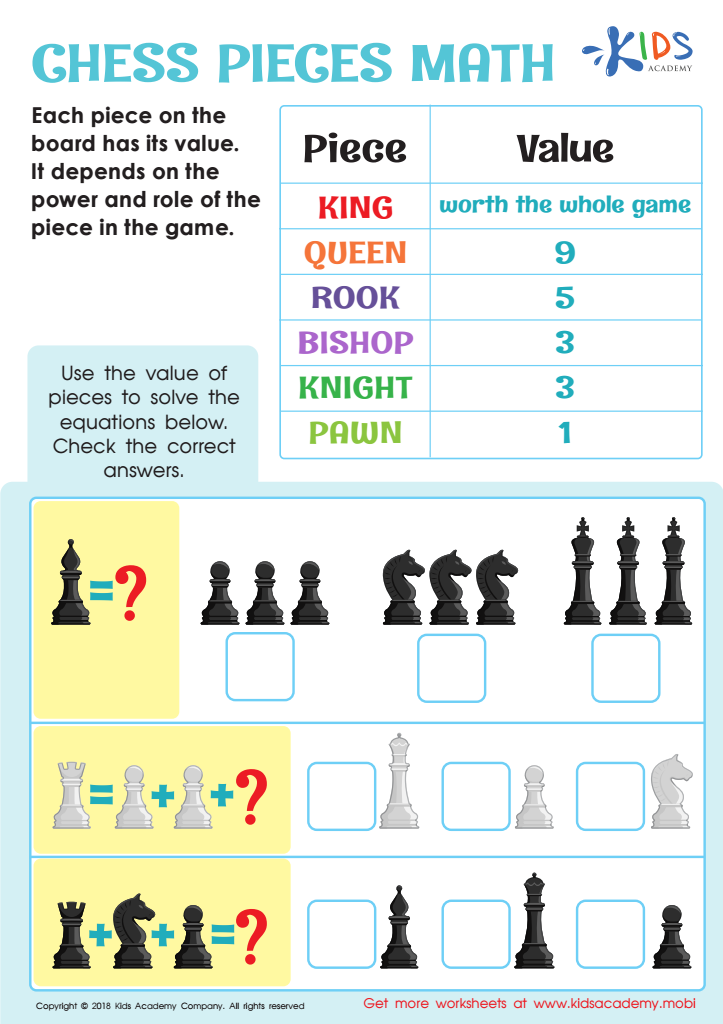
Chess Pieces Math Worksheet
 Assign to My Students
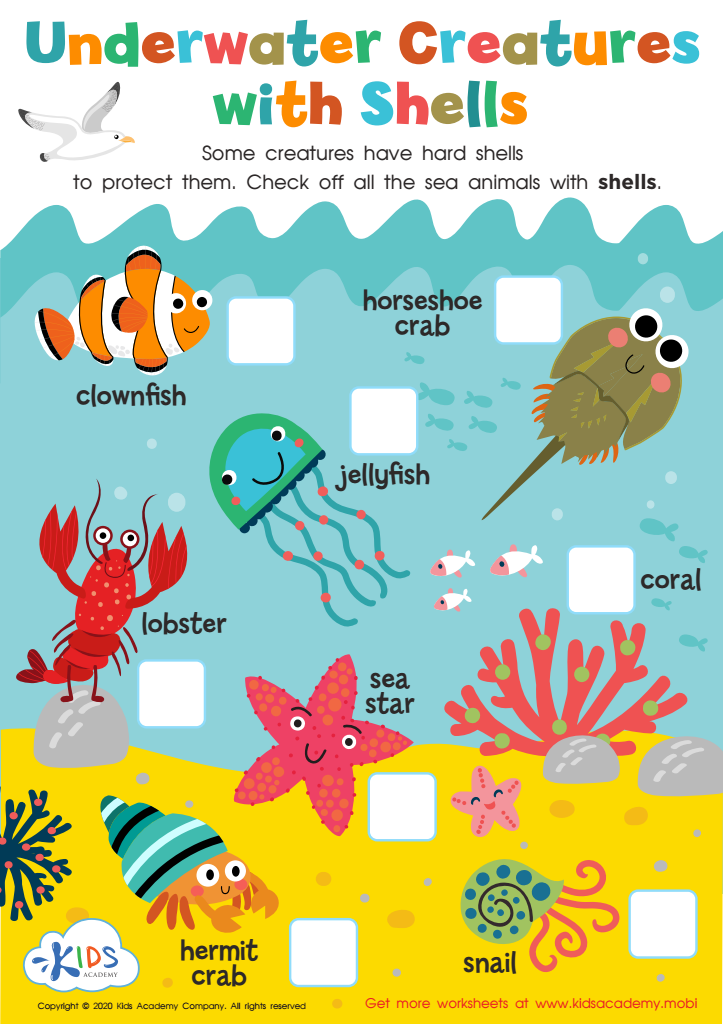
Underwater Creatures with Shells Worksheet
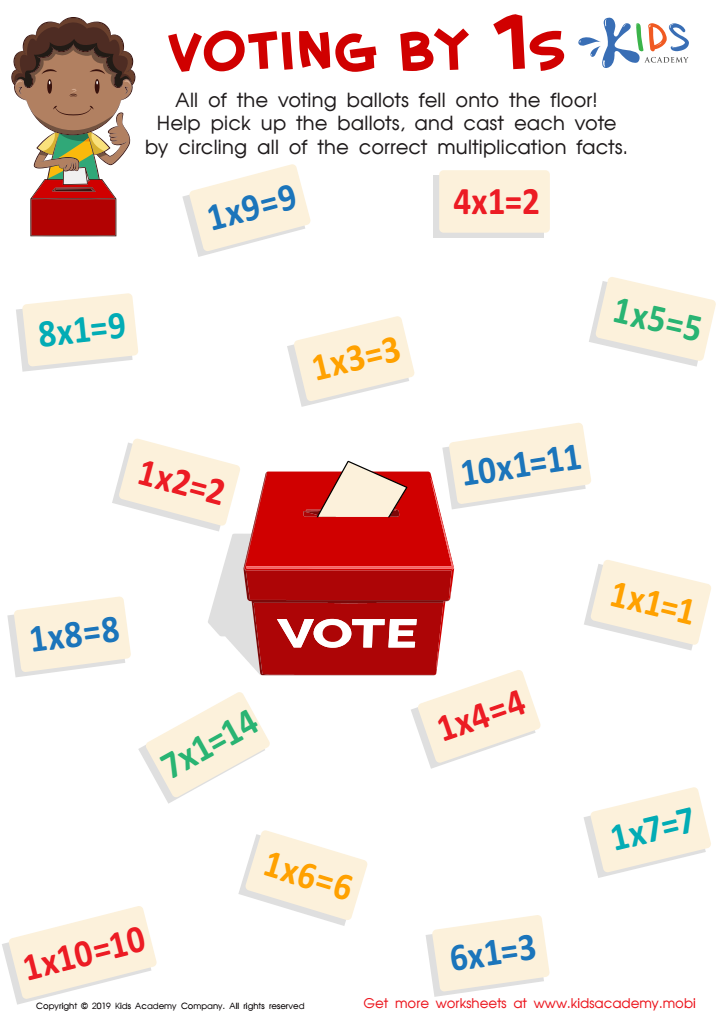
Voting by 1s Worksheet
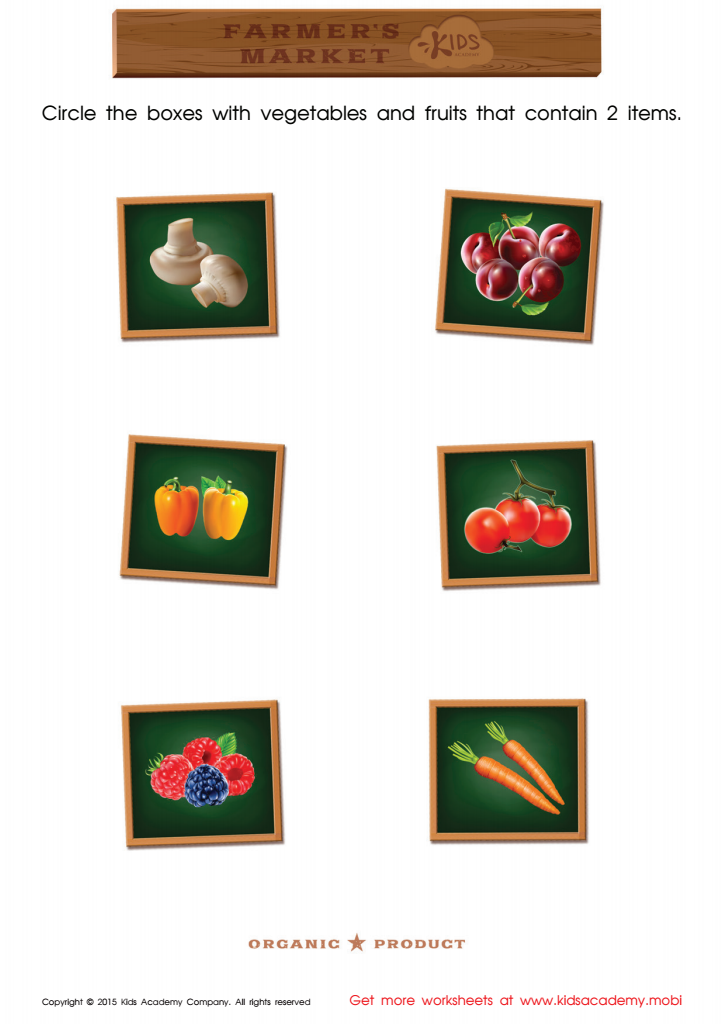
Count and Match Vegetables and Points Math Worksheet
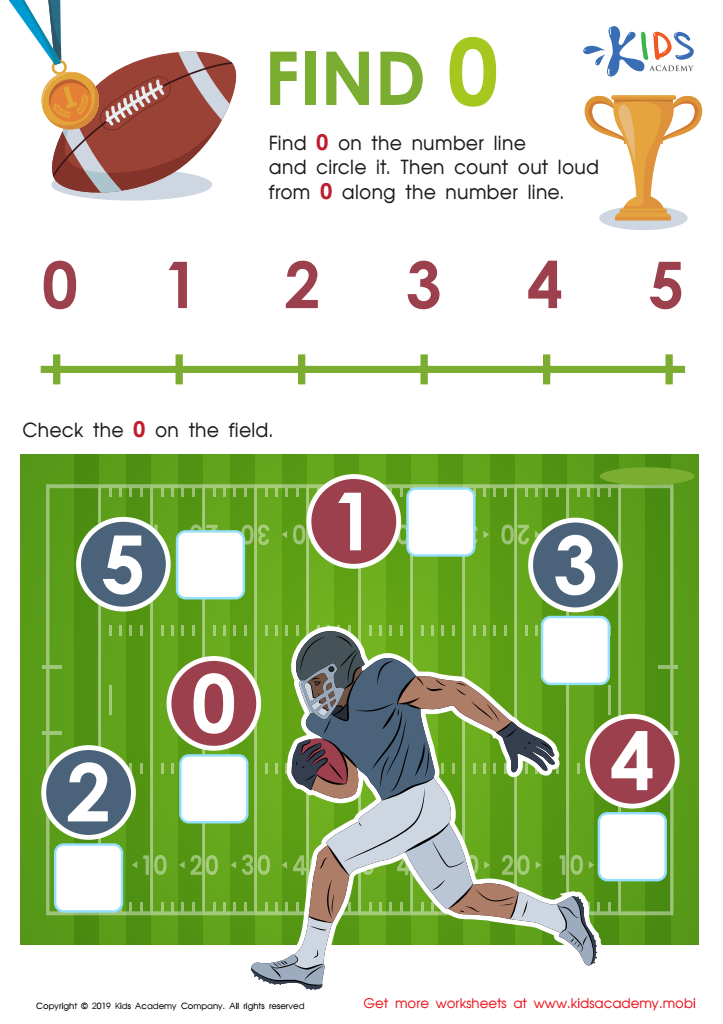
Find 0 Worksheet
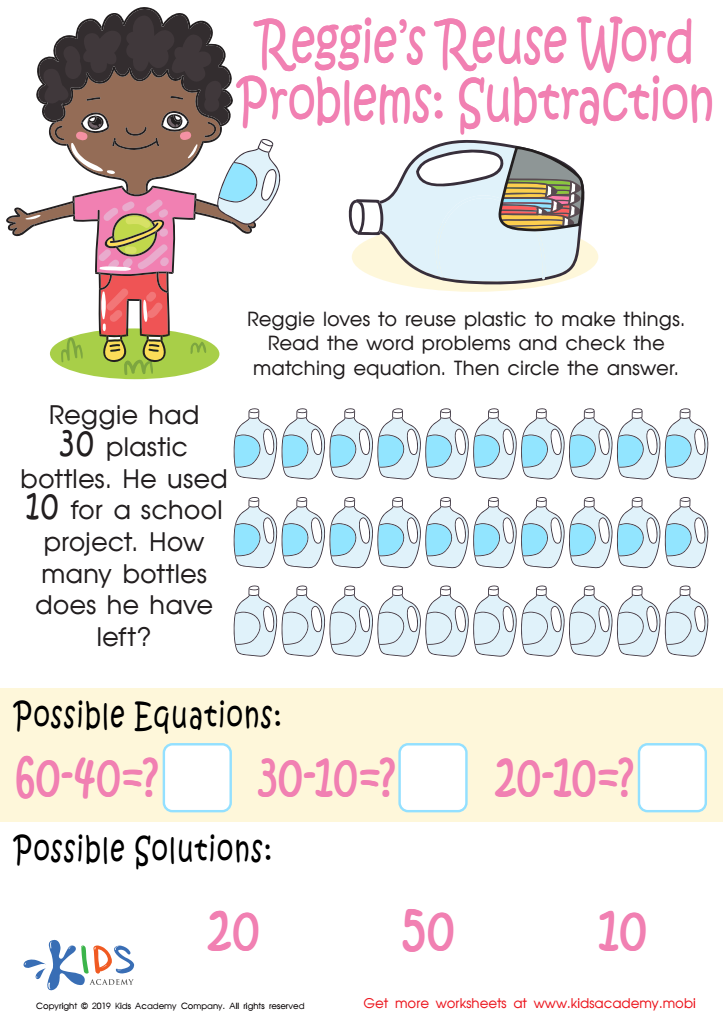
Reggie's Reuse Word Problems: Subtraction Worksheet
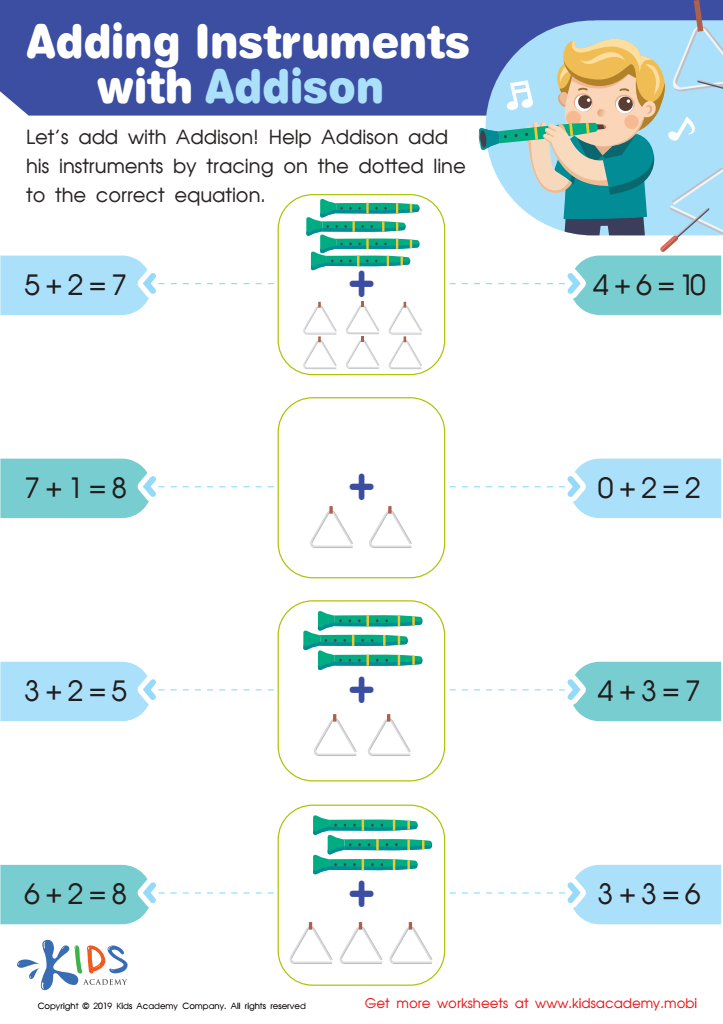
Adding Instruments with Addison Worksheet
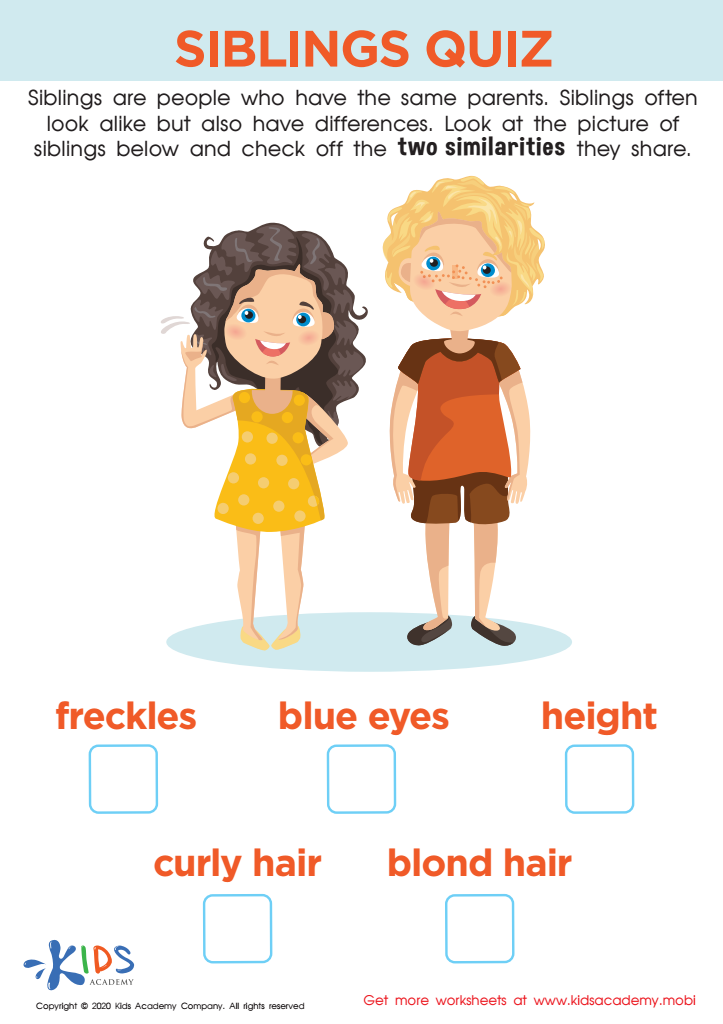
Siblings Quiz Worksheet
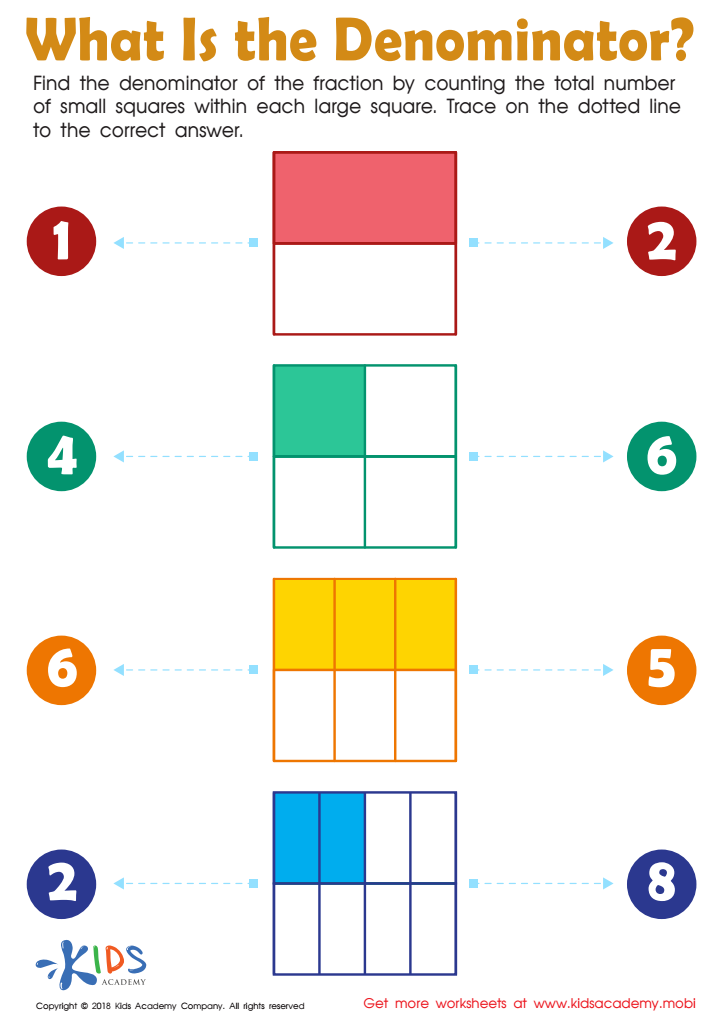
What Is the Denominator? Worksheet
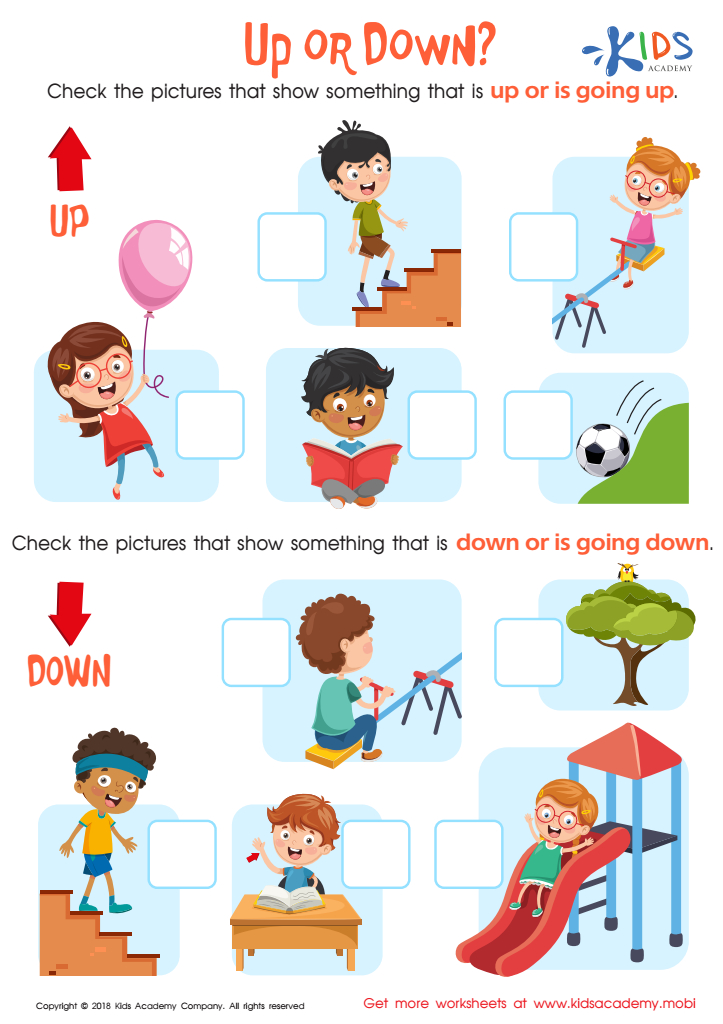
Up or Down Worksheet
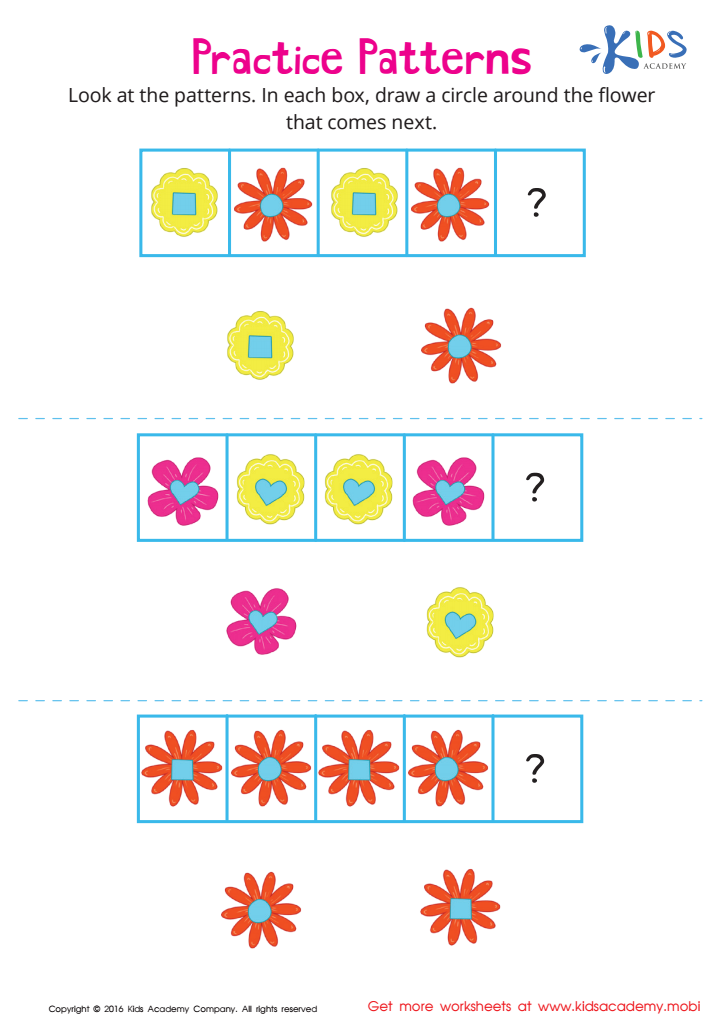
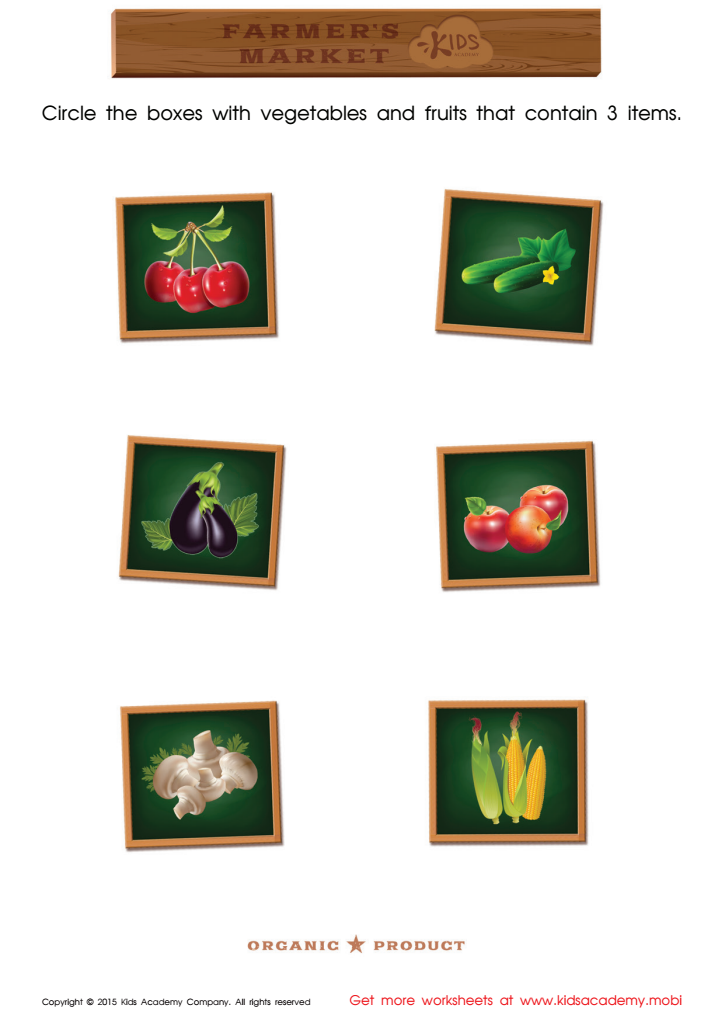
Count and Match Vegetables 1 – 5 Math Worksheet
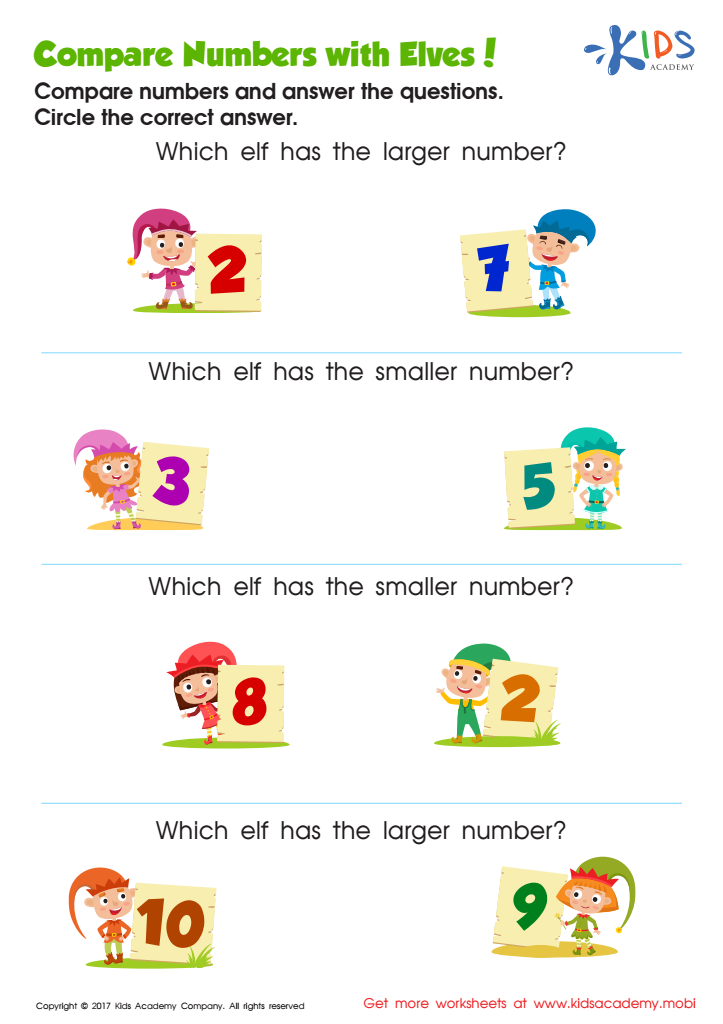
Comparing Numbers Worksheet for Kindergarten
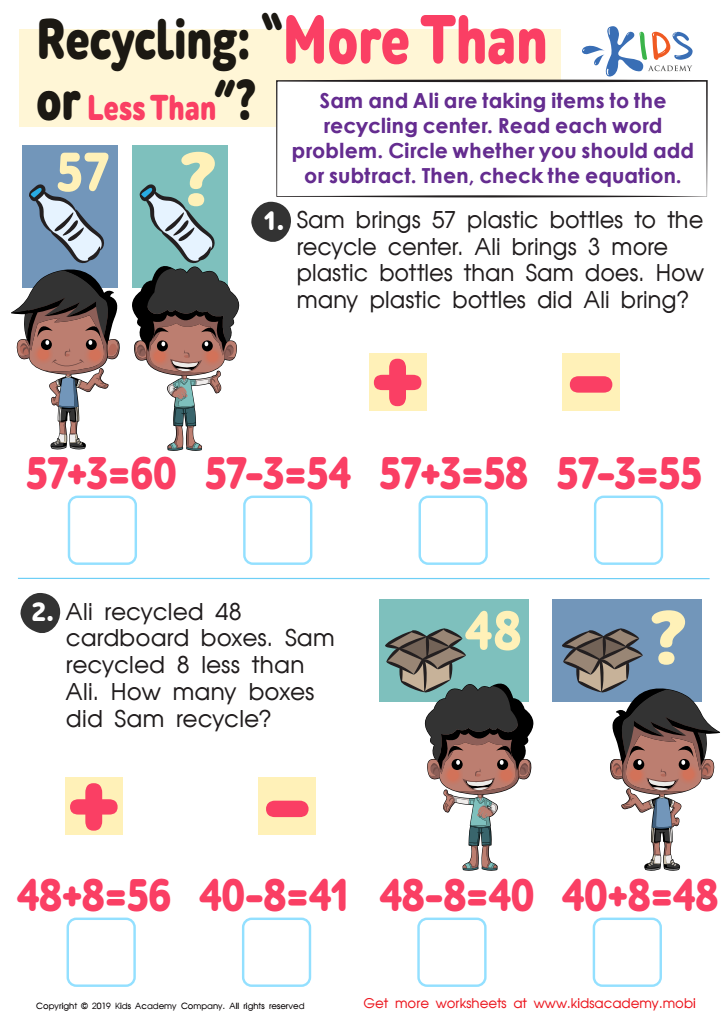
Recycling - More or Less Worksheet
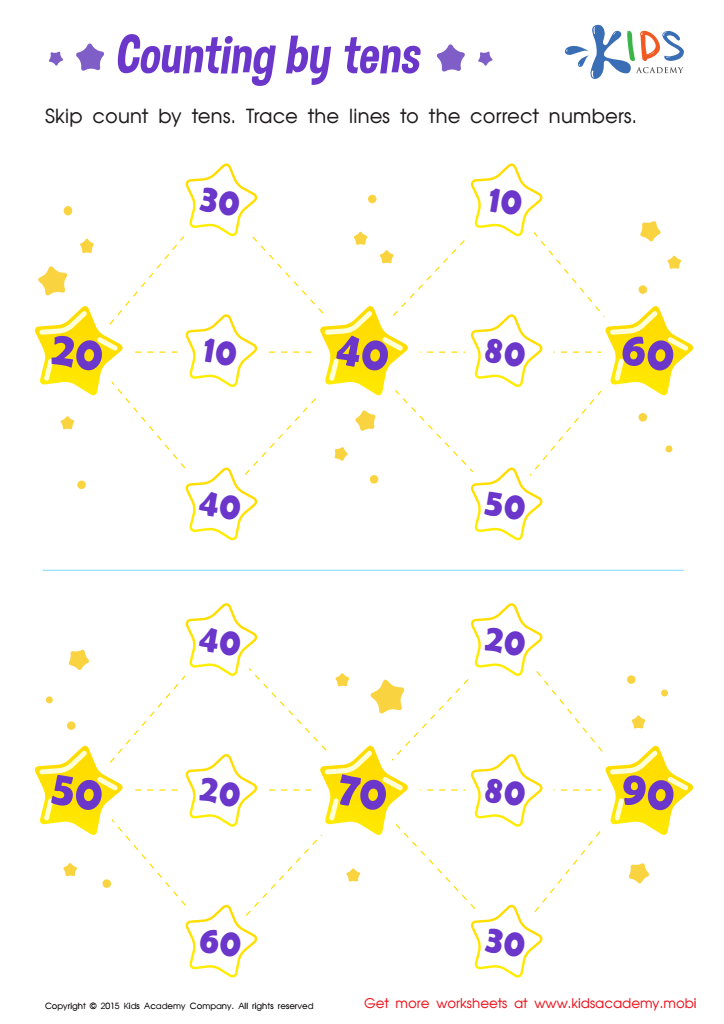
Learn Dozens: Counting by Tens Printable
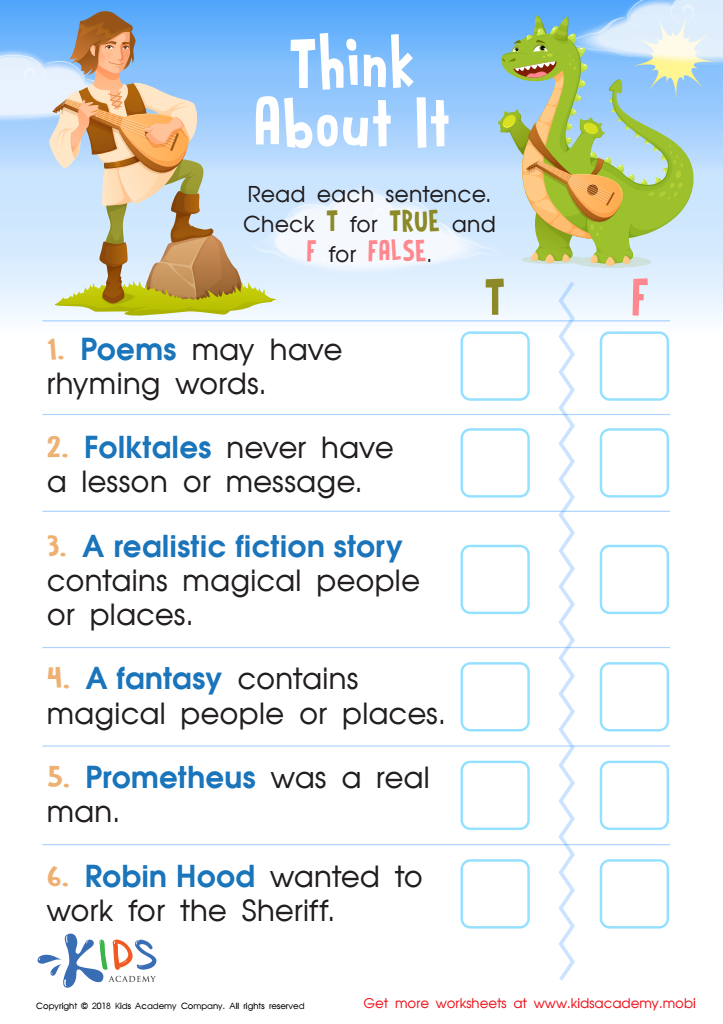
Think About It: Assessment Worksheet
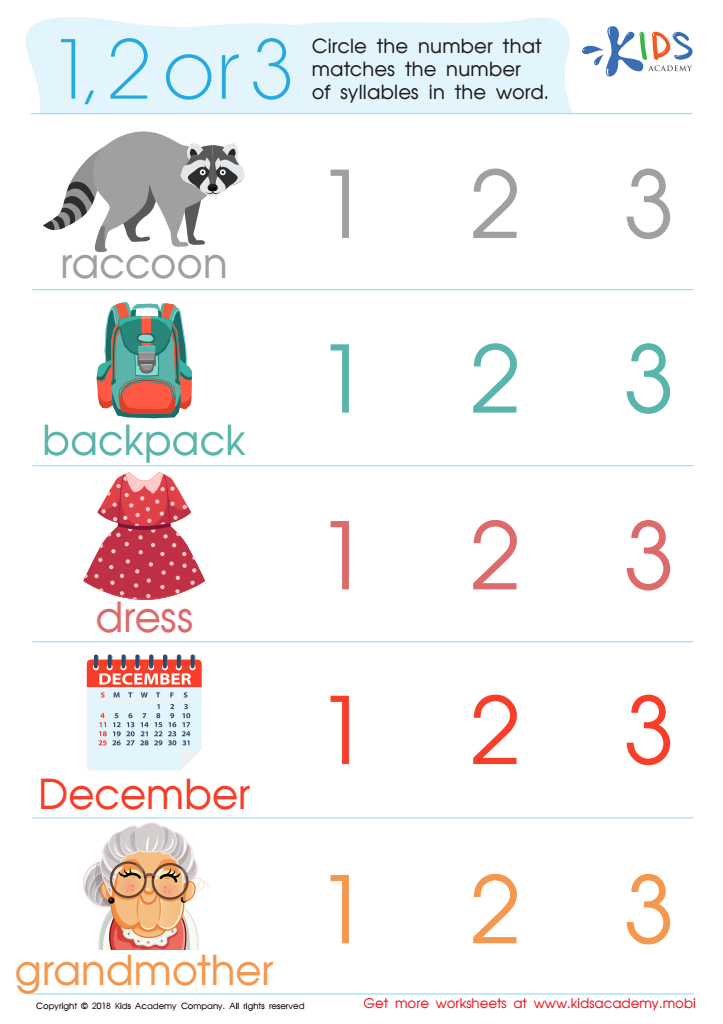
1, 2 or 3? Worksheet
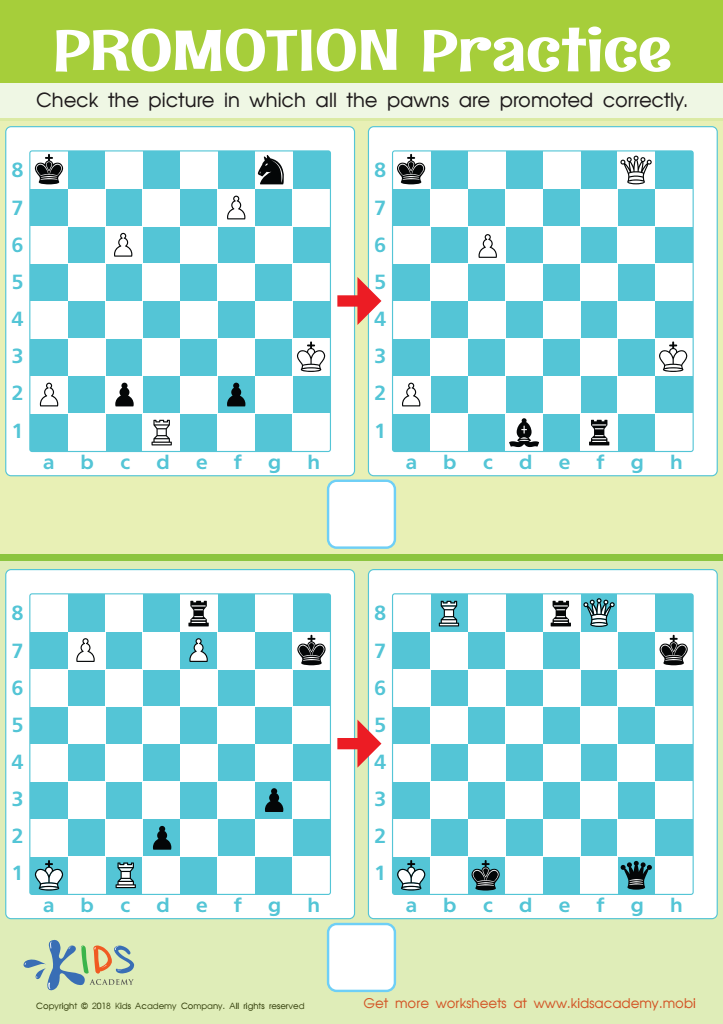
Promotion Practice Worksheet
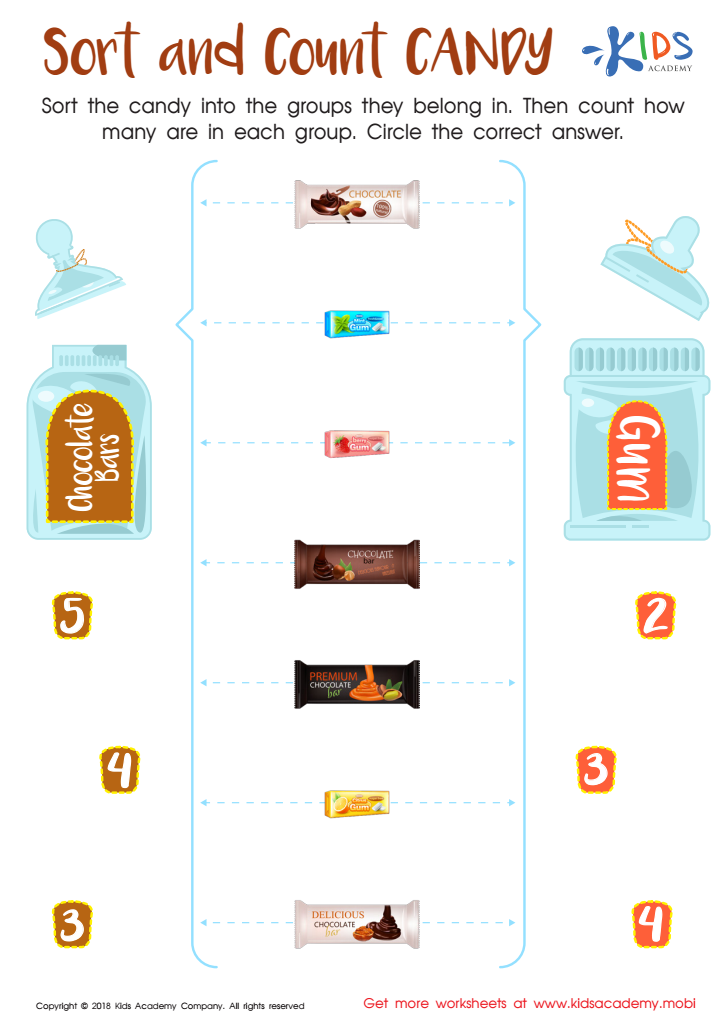
Sort and Count Candy Worksheet




.jpg)

Parents and teachers should prioritize basic math skills for children aged 3-8 because these foundational abilities play a crucial role in cognitive development and future academic success. During early childhood, children are naturally curious and eager to learn; teaching them mathematical concepts at this stage harnesses that curiosity, making learning enjoyable and engaging.
Basic math skills, such as counting, identifying shapes, understanding patterns, and grasping fundamental operations like addition and subtraction, foster critical thinking and problem-solving skills. These abilities not only prepare children for more complex math later in their education but also enhance their analytical skills, which are necessary for all subjects and real-life situations.
Furthermore, early math competence is linked to positive attitudes toward math in later years. By cultivating a strong math foundation, parents and teachers can help children overcome typical anxieties associated with the subject. This instills confidence and encourages a lifelong love of learning.
Finally, basic math skills have real-world applications, from managing money to understanding time, which are essential for everyday functioning. When parents and teachers actively participate in a child’s math education, they help shape future success, both academically and in life.








