Counting practice Normal Worksheets for Ages 3-8 - Page 2
38 filtered results
-
From - To
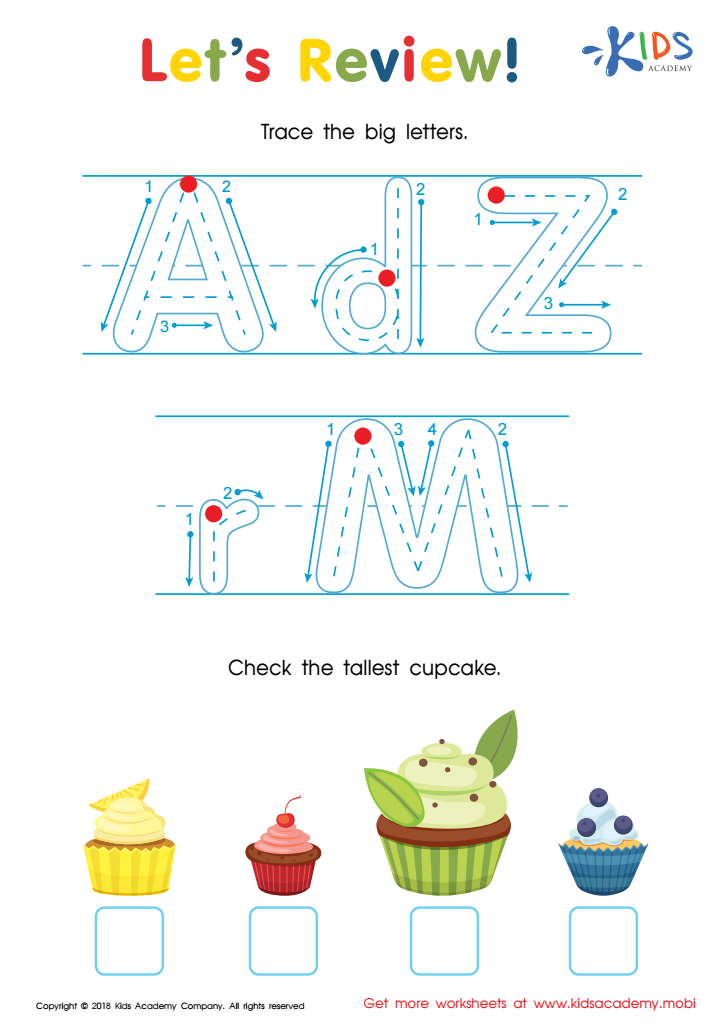
Let's Review! Big Letters Worksheet
 Assign to My Students
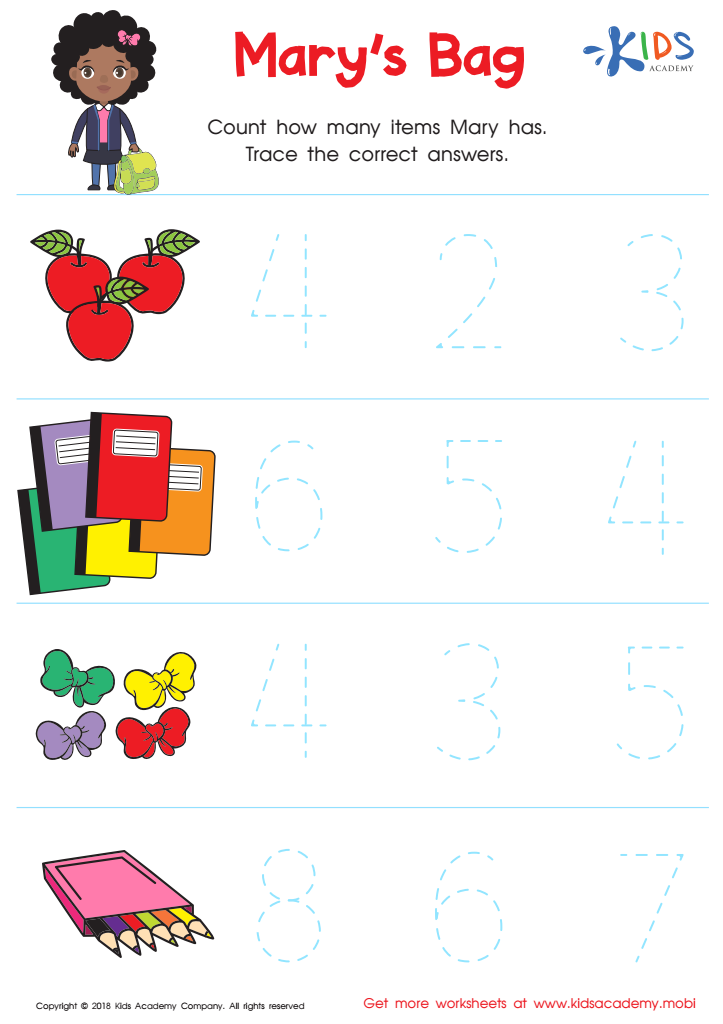
Kindergarten Number Tracing: Mary's Bag Worksheet
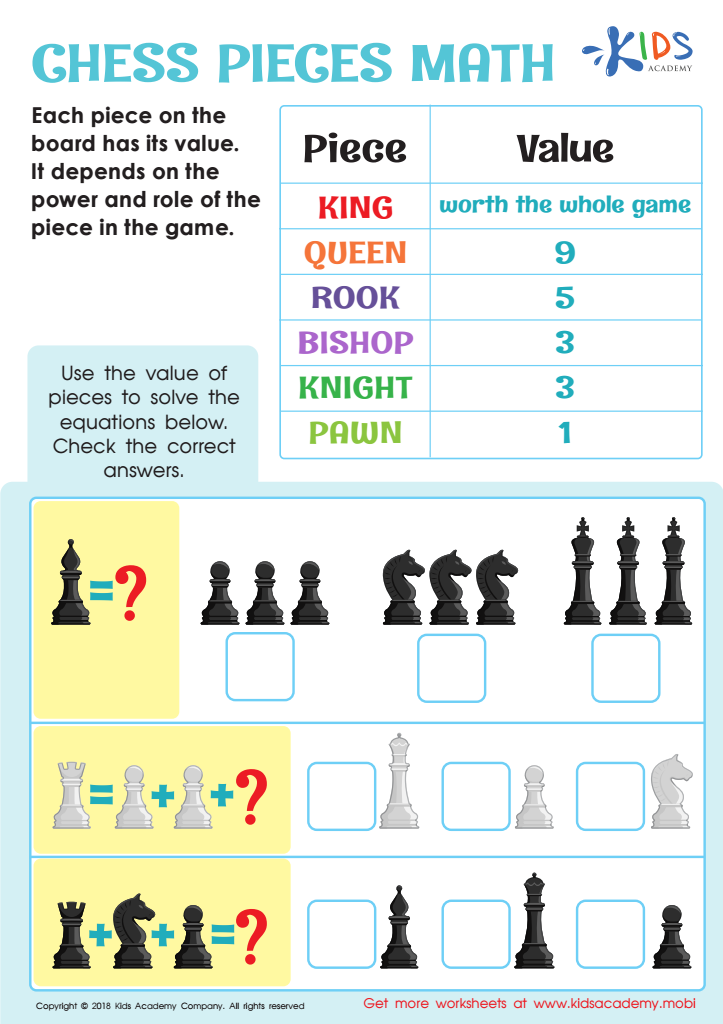
Chess Pieces Math Worksheet
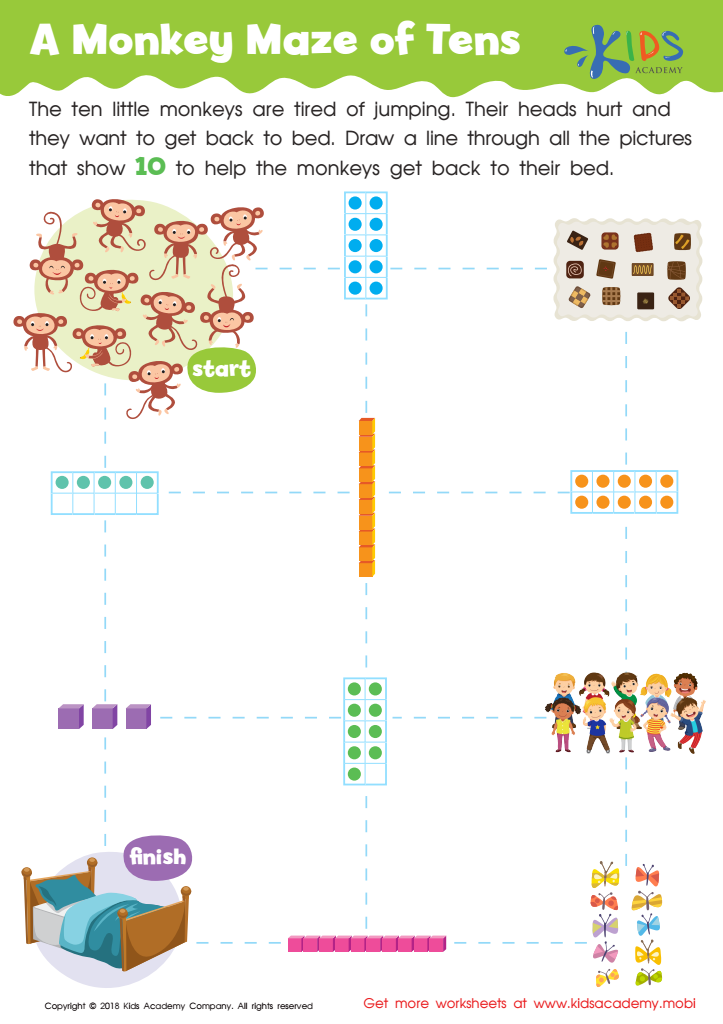
A Monkey Maze of Tens Worksheet
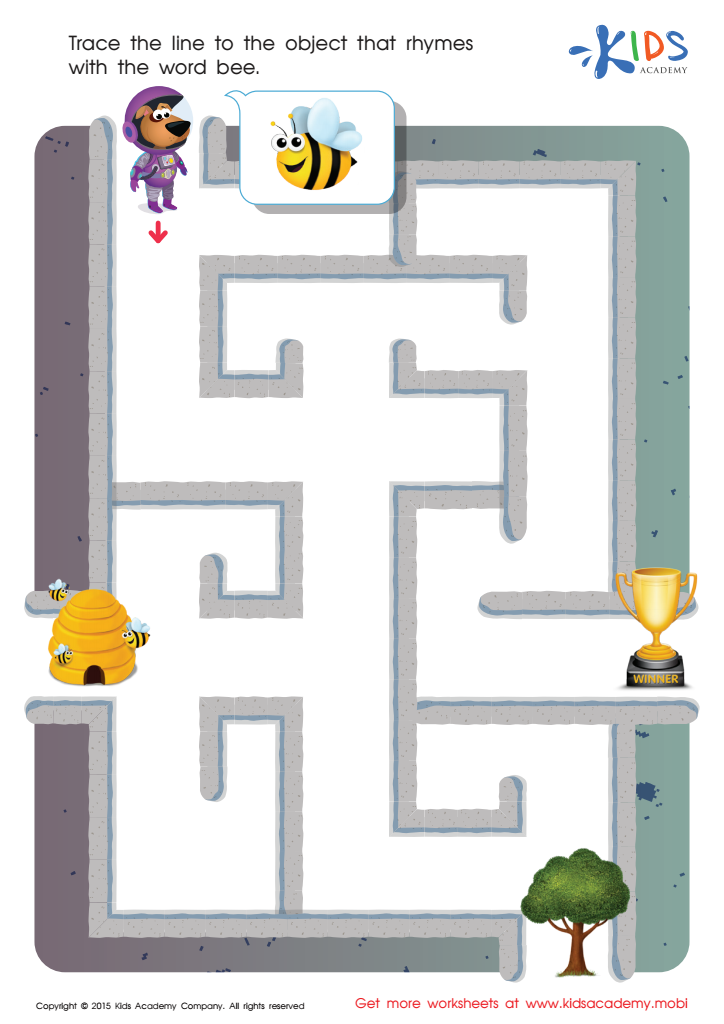
Bee Rhyming Words Worksheet
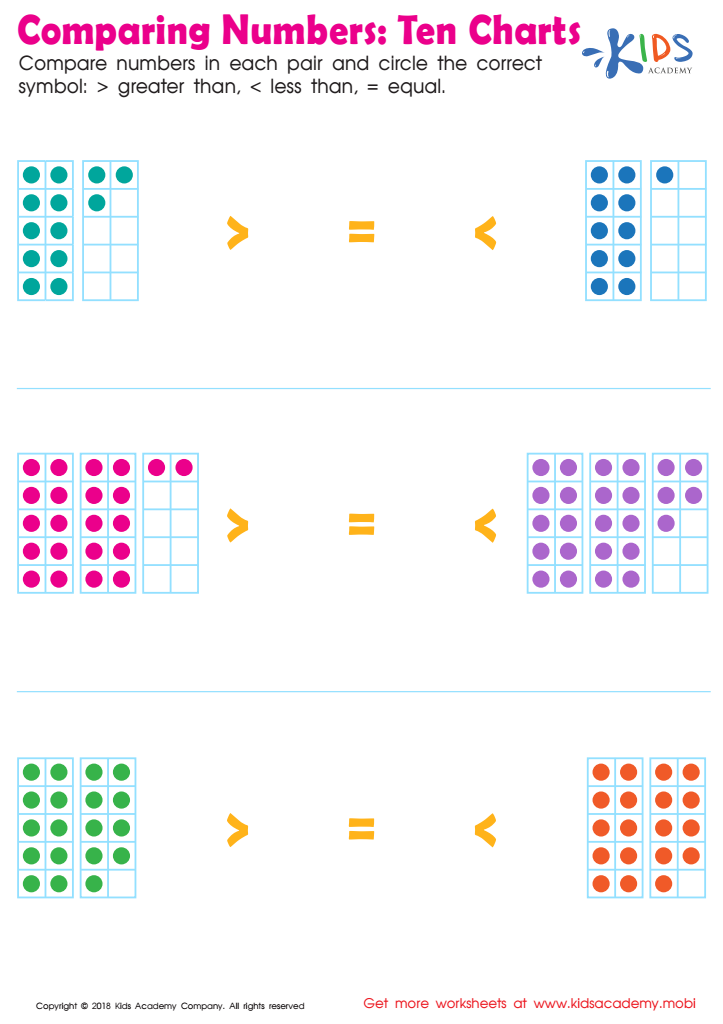
Ten Charts Worksheet
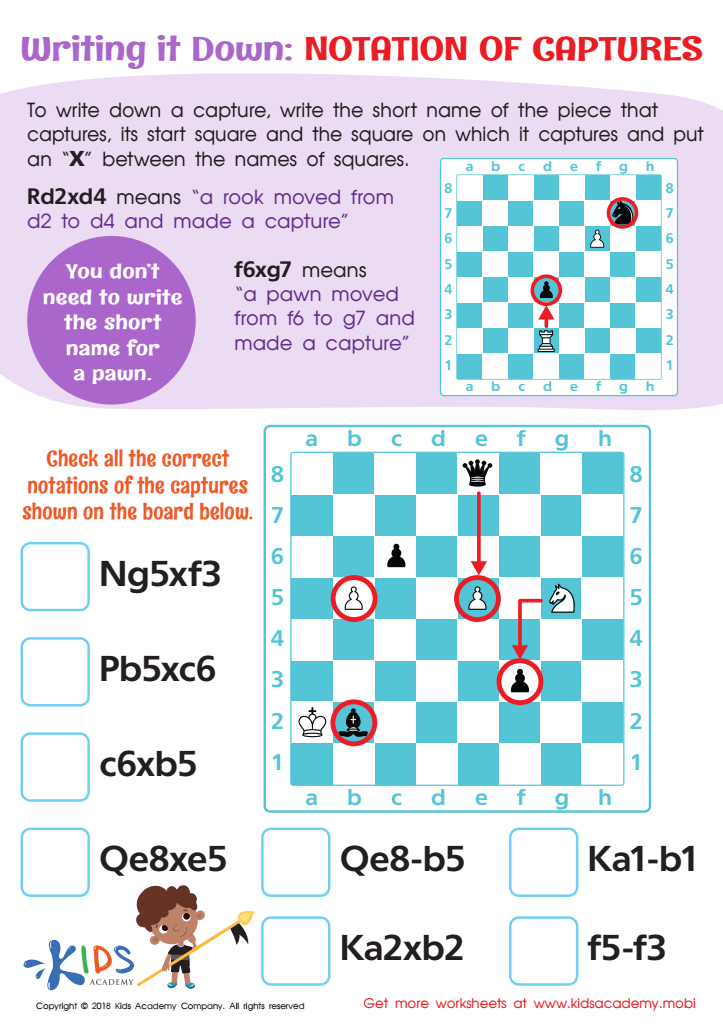
Notation of Captures Writing it Down Worksheet
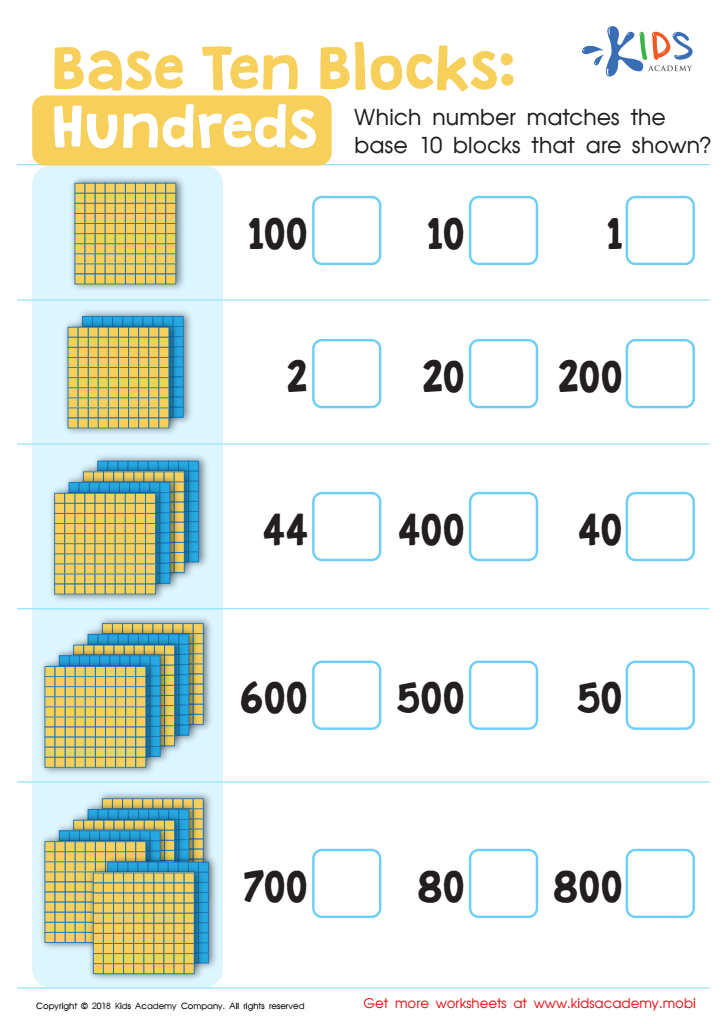
Base Ten Blocks: Hundreds Worksheet
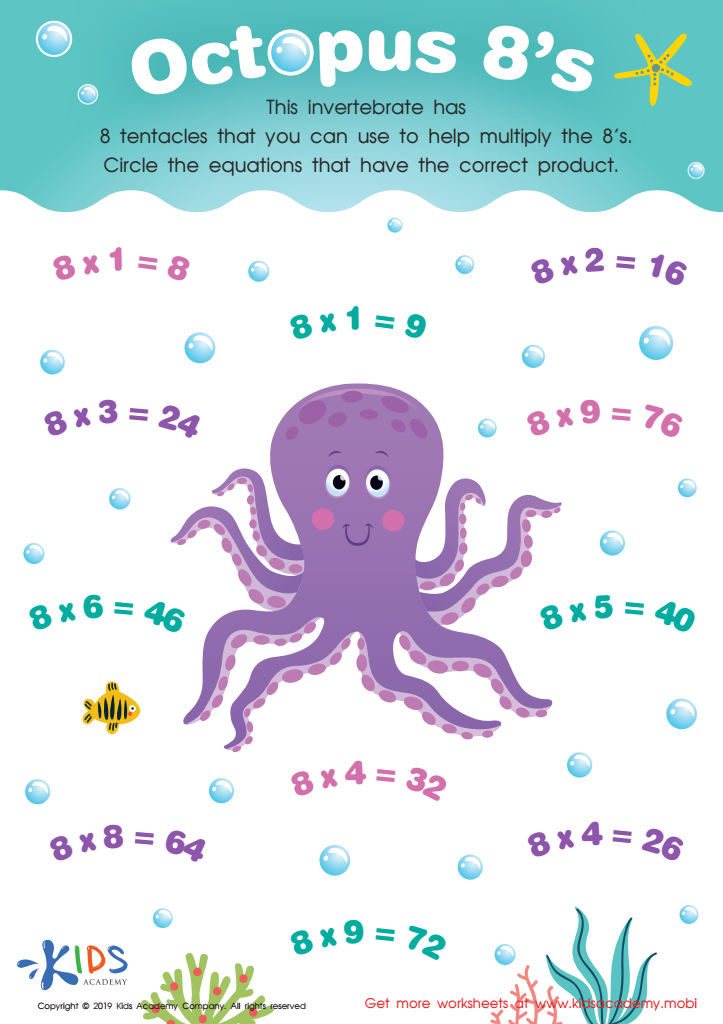
Octopus 8’s Worksheet
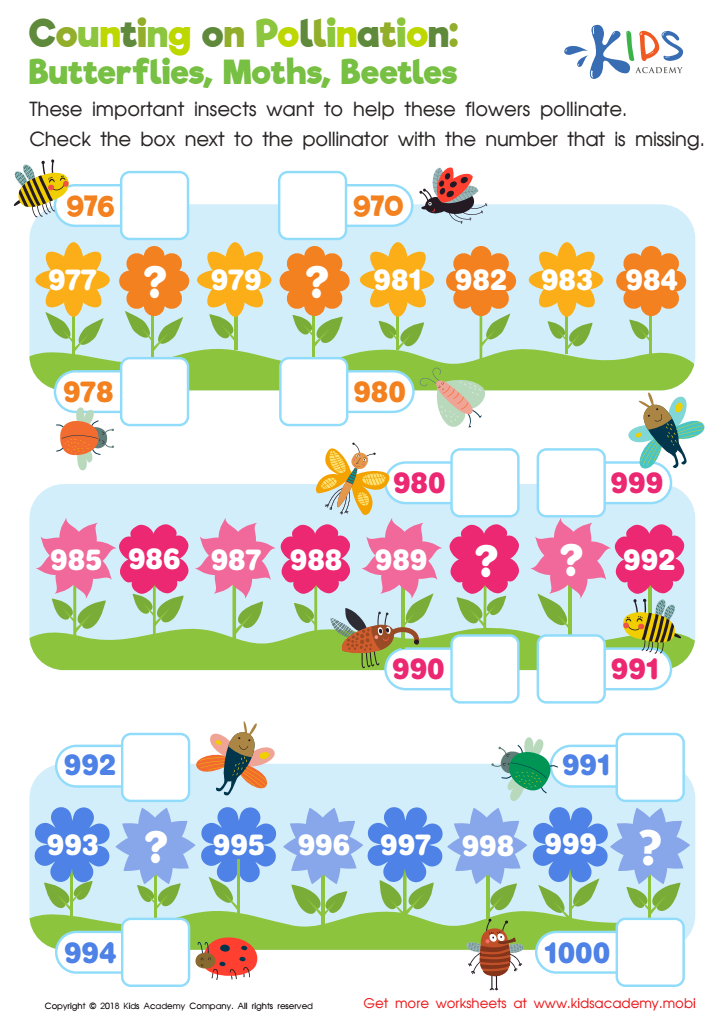
Counting on Pollination: Butterflies, Moths, Beetles Worksheet
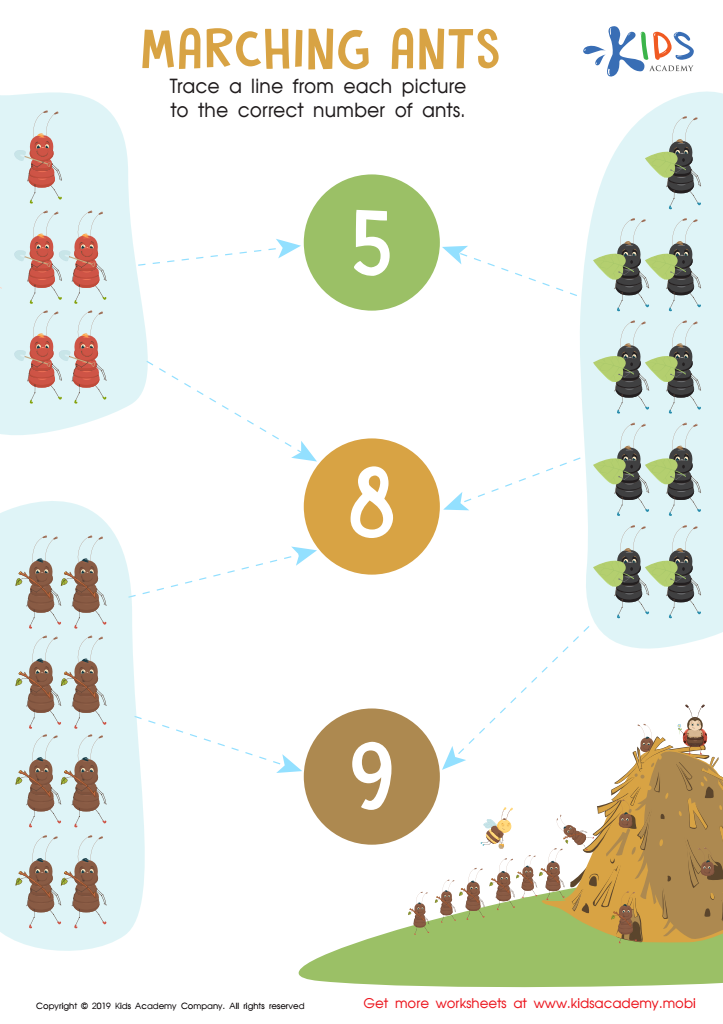
Marching Ants Worksheet
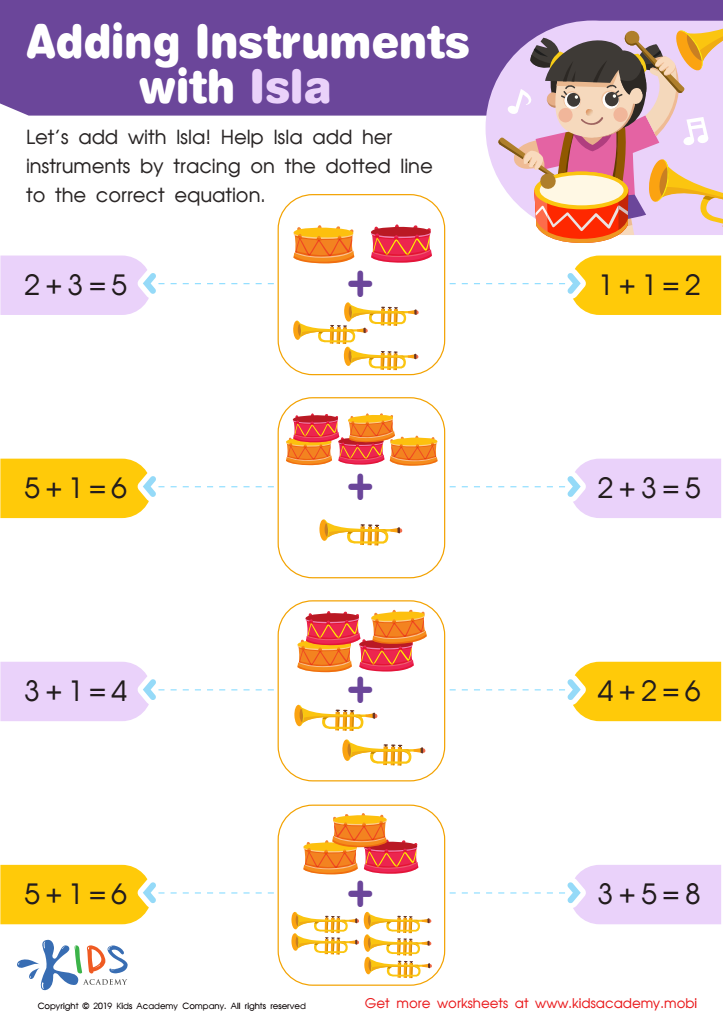
Adding Instruments with Isla Worksheet
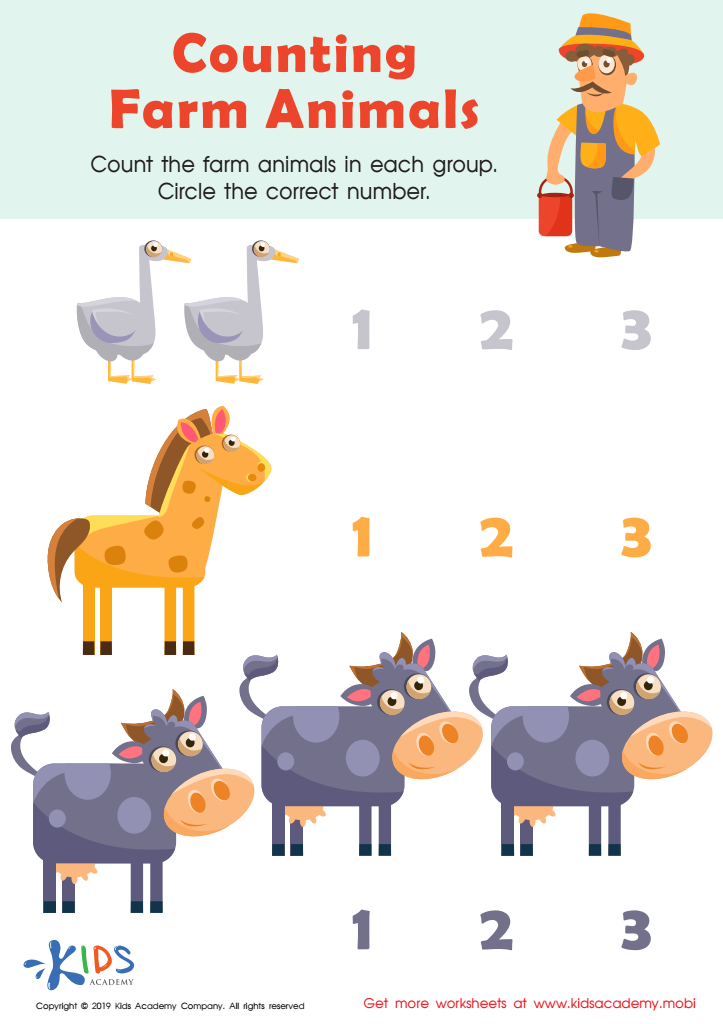
Counting Farm Animals Worksheet
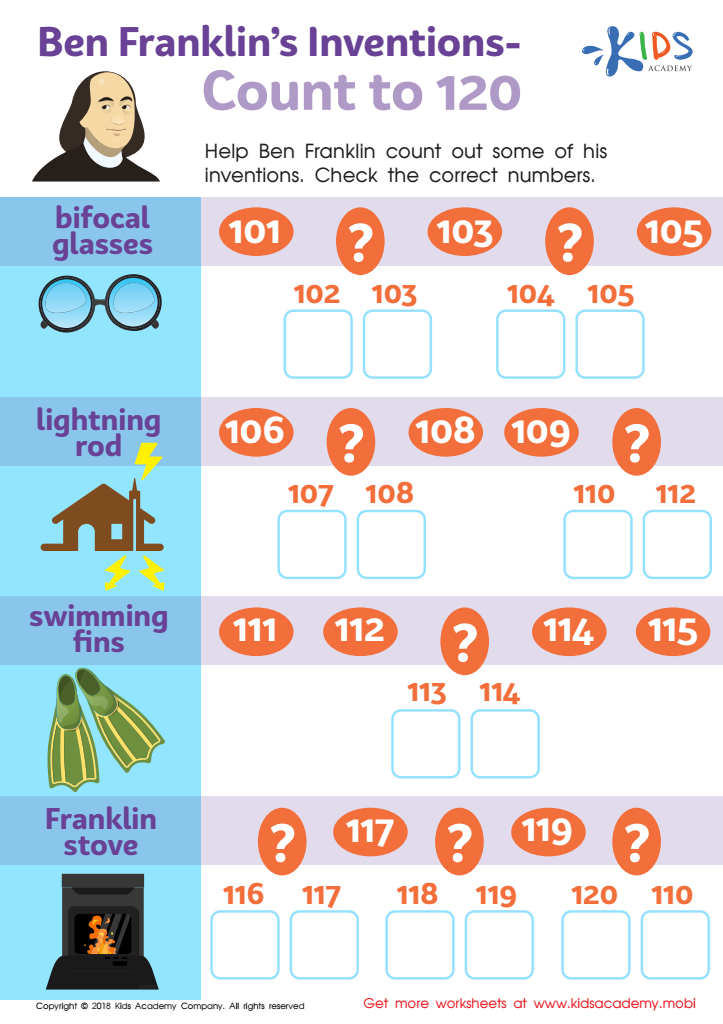
Ben Franklin’s Inventions – Count to 120 Worksheet







.jpg)
Counting practice is fundamental for children ages 3-8 because it lays the cornerstone for mathematical understanding and cognitive development. At this early age, kids are developing their number sense, which is the ability to recognize, relate, and work with numbers. This essential skill impacts their ability to perform basic calculations and understand more complex mathematical concepts later in life.
Parents and teachers should prioritize counting practice as it enhances memory, sharpens focus, and fosters problem-solving abilities. Through counting activities, children learn one-to-one correspondence, the understanding that each object being counted represents "one more," which is crucial for addition and subtraction foundations.
Furthermore, consistent counting practice enhances children’s language skills by introducing new vocabulary and concepts related to numbers, like "more", "less", "equal", and ordinal terms like "first" or "second". It also encourages pattern recognition, aiding logical thinking and prediction skills.
From a social and emotional development standpoint, counting can be a group activity that promotes cooperative learning, patience, and the joy of shared discovery. When parents and teachers engage with children in counting activities, they provide positive reinforcement and an emotionally supportive environment, which boosts the child’s confidence.
Overall, making counting practice a priority helps children build a robust foundation for future learning, empowering them with skills that are vital for academic and real-life success.








