Enhancing logical thinking Normal Worksheets for Ages 3-8
7 filtered results
-
From - To
Unlock your child's potential with our "Enhancing Logical Thinking Normal Worksheets for Ages 3-8". Designed to foster critical thinking and problem-solving skills, these engaging printables are perfect for young minds. Each worksheet blends fun activities and challenges that stimulate logical reasoning and cognitive development. Ideal for homeschooling or supplementary educational exercises, these resources help children build a strong foundation in pattern recognition, sequencing, and analytical thinking. Give your child the tools they need to succeed with our thoughtfully curated worksheets. Start your journey toward enhanced logical skills today! Visit us at Kids Academy to learn more.
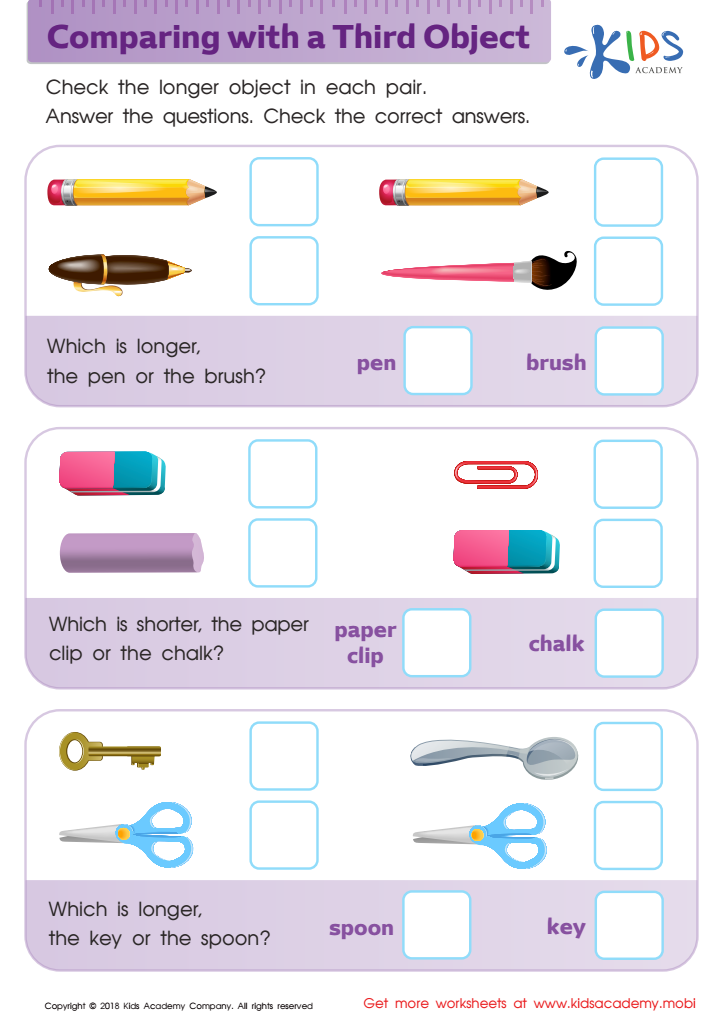
Comparing with a Third Object Worksheet
 Assign to My Students
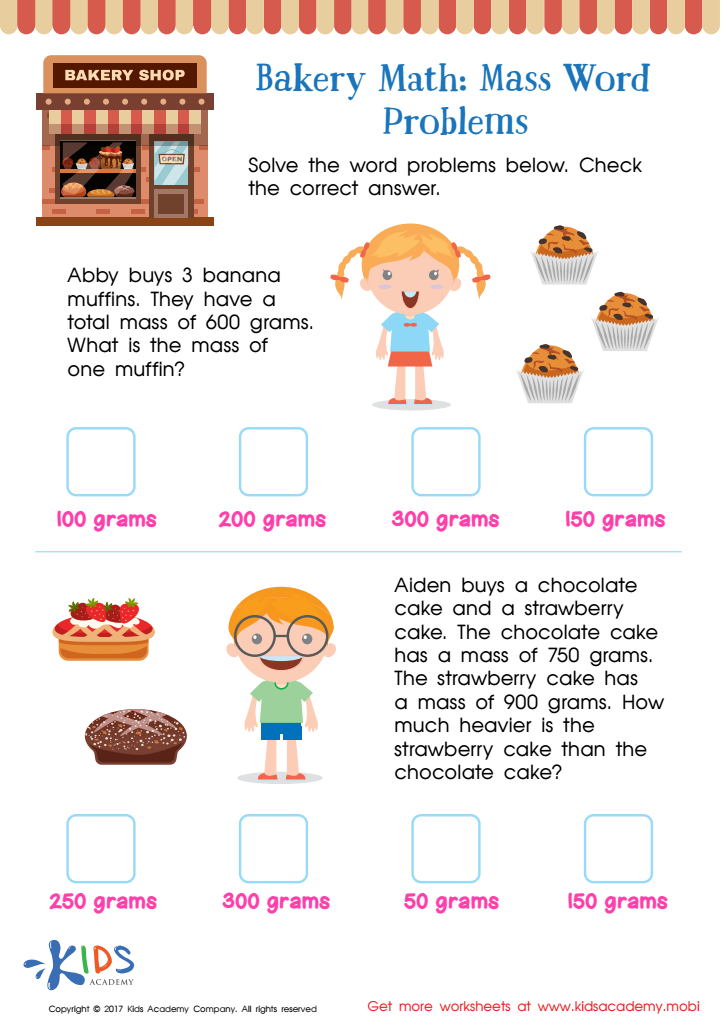
Mass Word Problems Worksheet
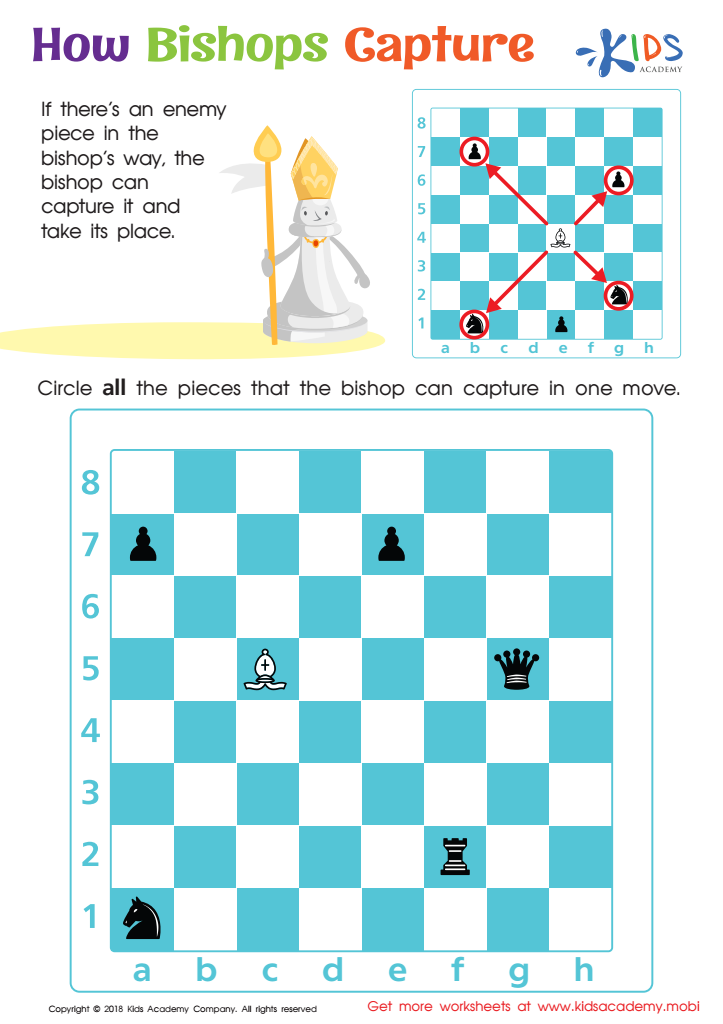
How Bishops Capture Worksheet
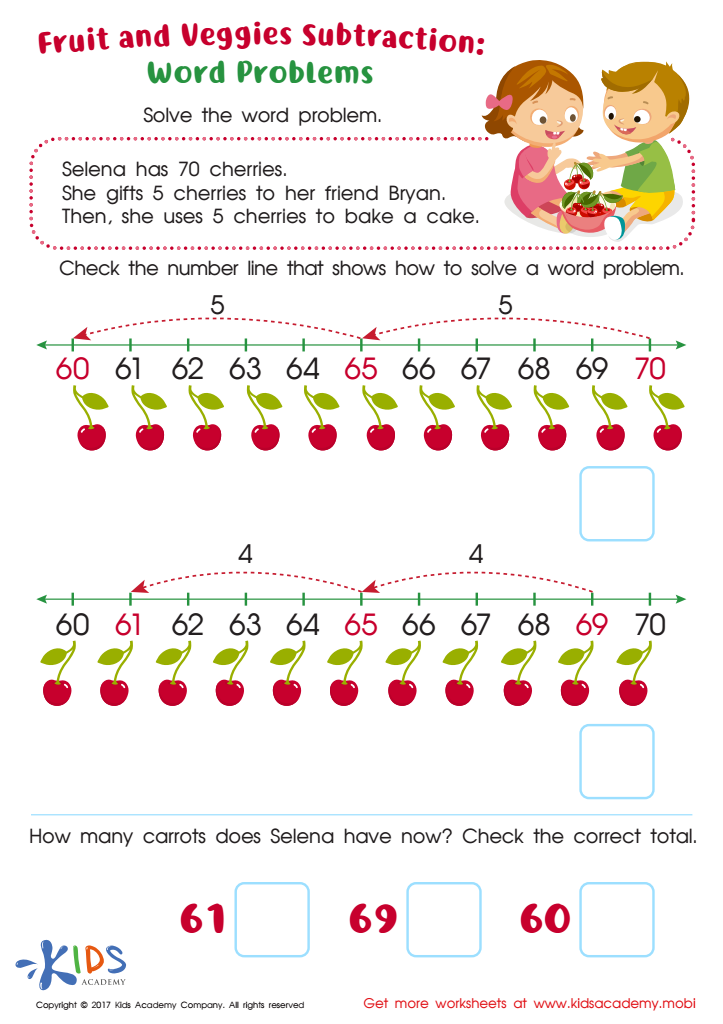
Subtraction Word Problems Free Printable
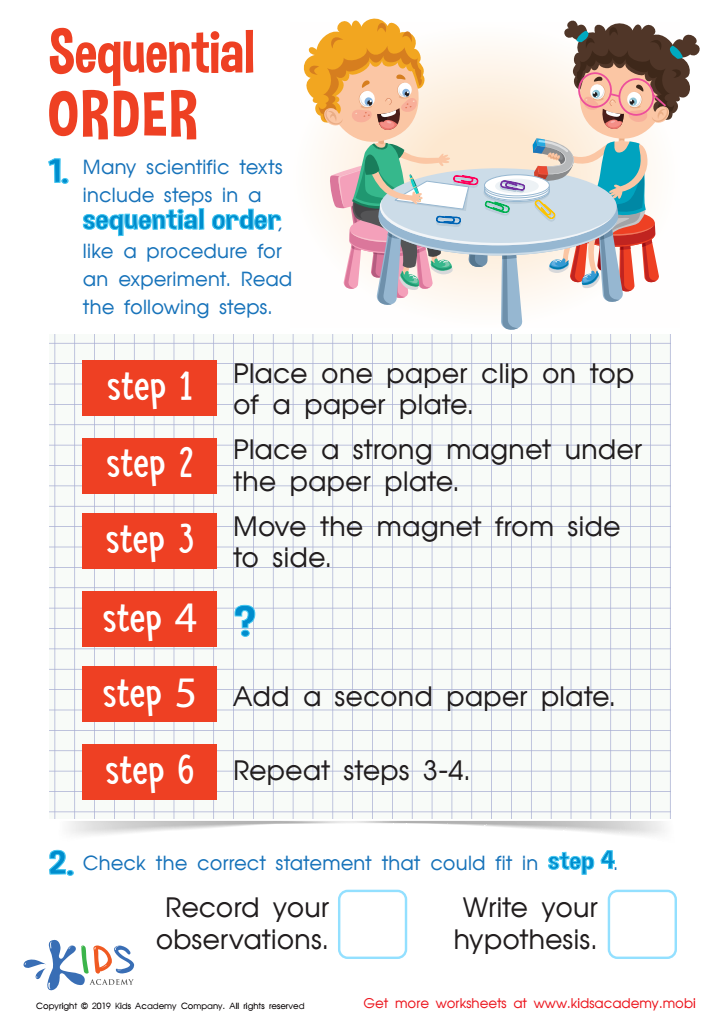
Sequencential Order Worksheet
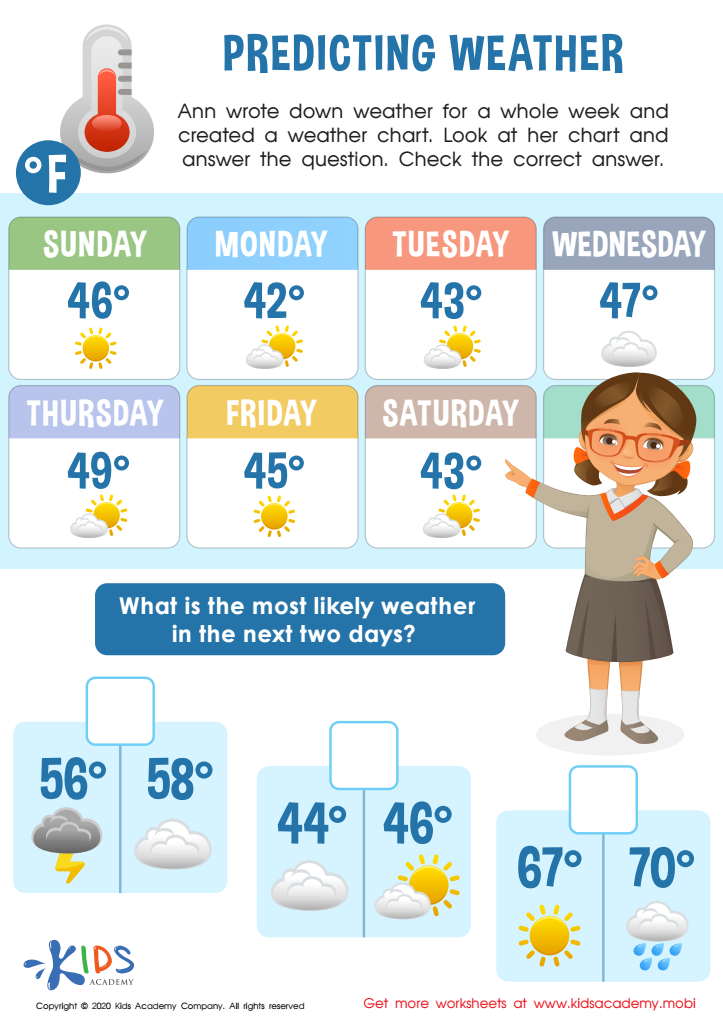
Predicting Weather Worksheet
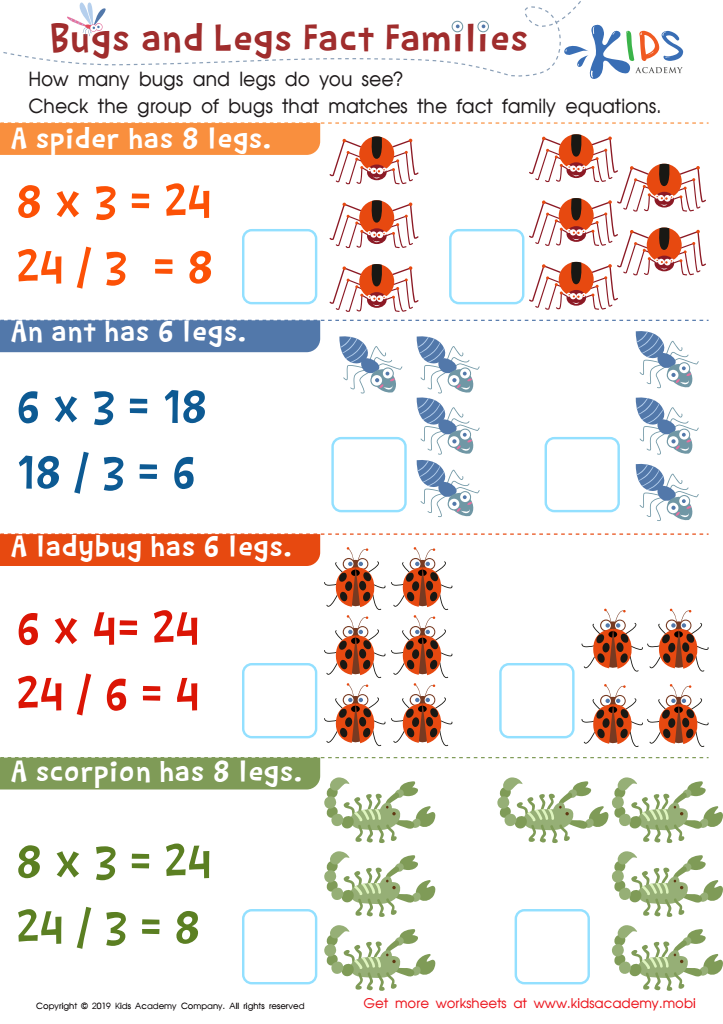
Bugs and Legs Fact Families Worksheet




.jpg)



Enhancing logical thinking in children ages 3-8 is essential for their cognitive and social development. During these formative years, children's brains are incredibly malleable, making it an optimal period for cultivating foundational skills. Logical thinking aids in problem-solving, decision-making, and understanding cause-and-effect relationships, which are crucial for academic success and daily life.
For teachers, fostering logical thinking skills can lead to more effective learning experiences. Students who can think logically are better able to grasp new concepts, follow instructions, and tackle complex problems independently. This not only enhances individual learning but also creates a more dynamic and engaging classroom environment. For instance, students who excel in logical reasoning can often help their peers, promoting collaborative learning.
Parents, on the other hand, play a pivotal role in reinforcing these skills at home. Simple activities like playing with building blocks, solving puzzles, and engaging in thoughtful conversations can significantly enhance a child's logical abilities. These skills also boost confidence and independence, as children feel more capable of handling various situations.
In conclusion, encouraging logical thinking in early childhood sets the stage for long-term academic and social benefits. It equips children with essential tools for understanding the world, making informed decisions, and interacting effectively with others. By prioritizing this development, parents and teachers contribute to a child's overall well-being and future success.








