Letter recognition Normal Worksheets for Ages 3-8 - Page 3
67 filtered results
-
From - To
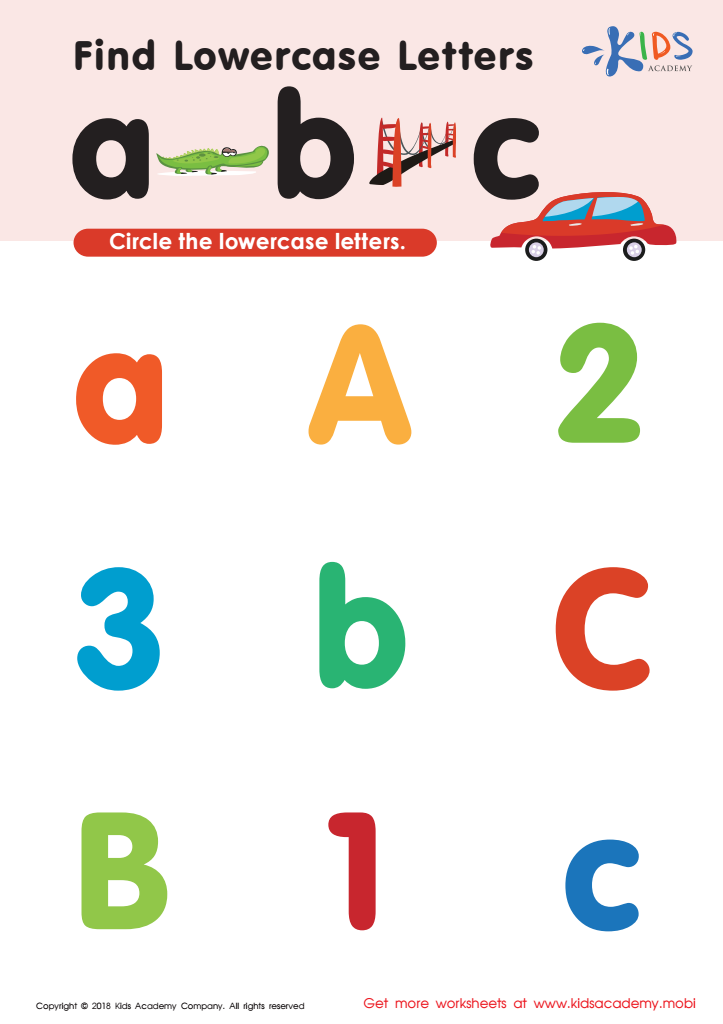
Find lowercase letters a b c Worksheet
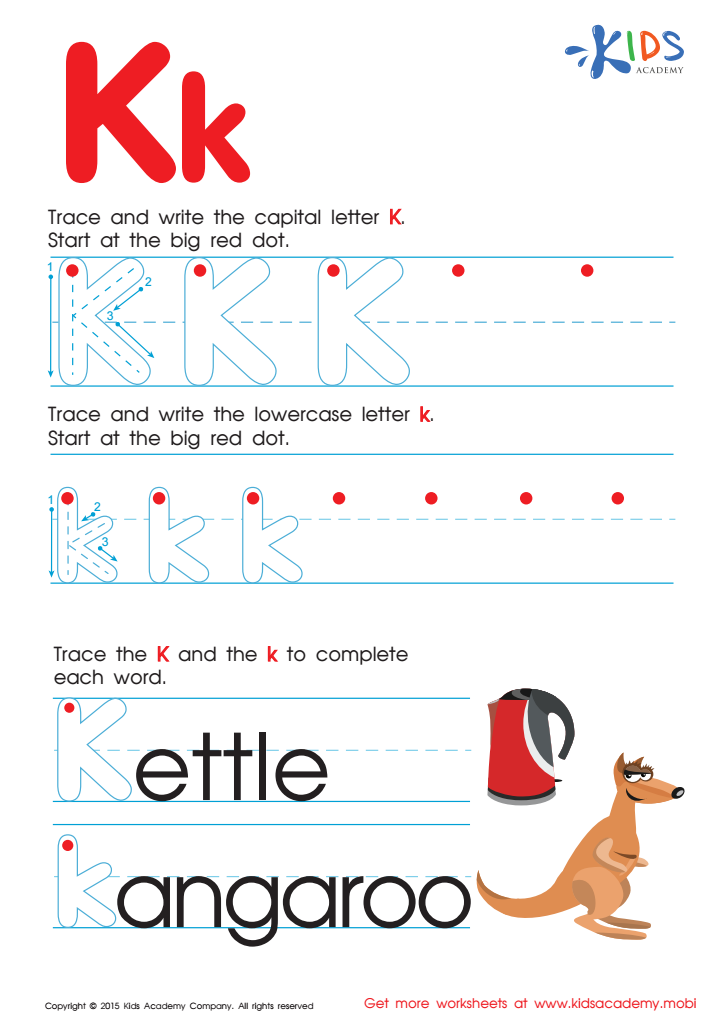
Letter K Tracing Page
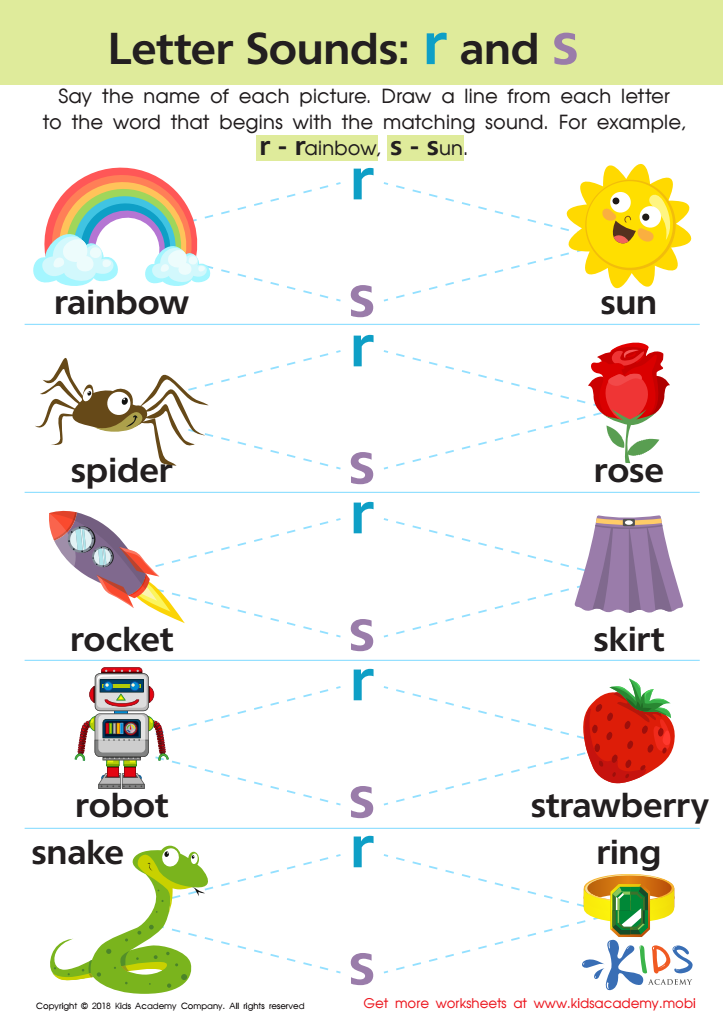
Letter R and S Sounds Worksheet
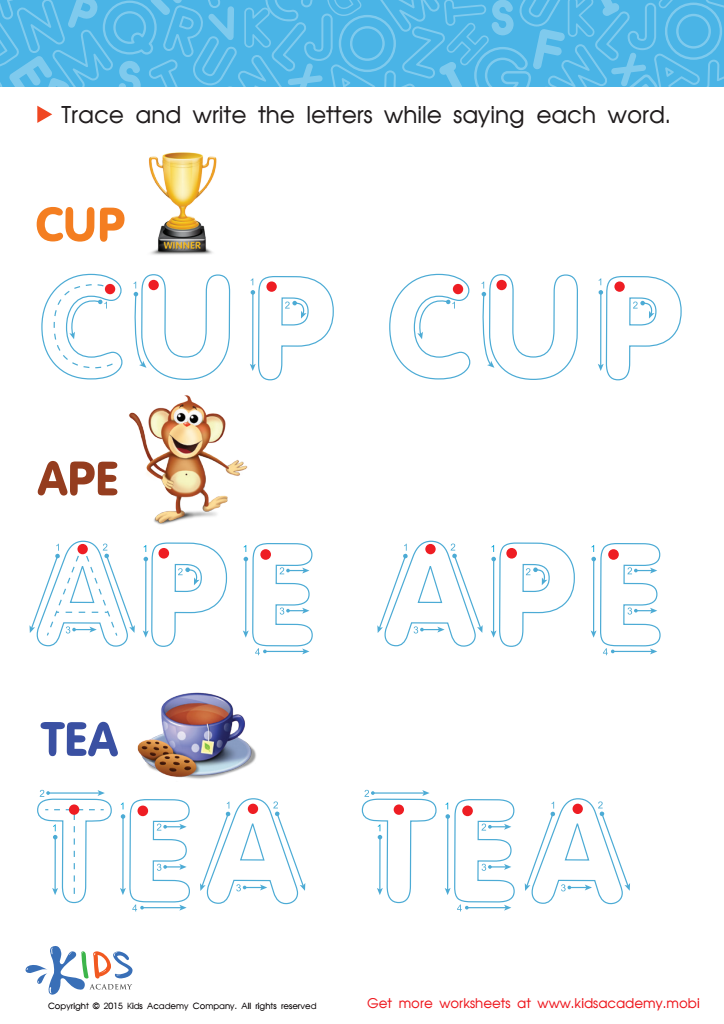
A Cup, an Ape and Tea Spelling Worksheet
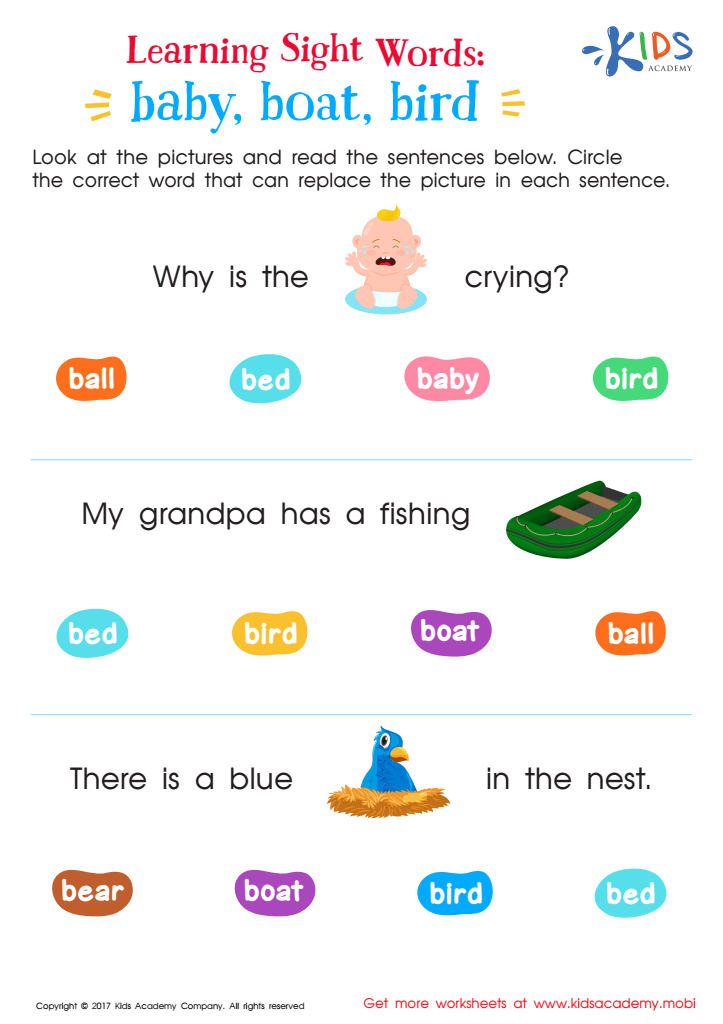
Baby, Boat, Bird Worksheet Sight Words Worksheet
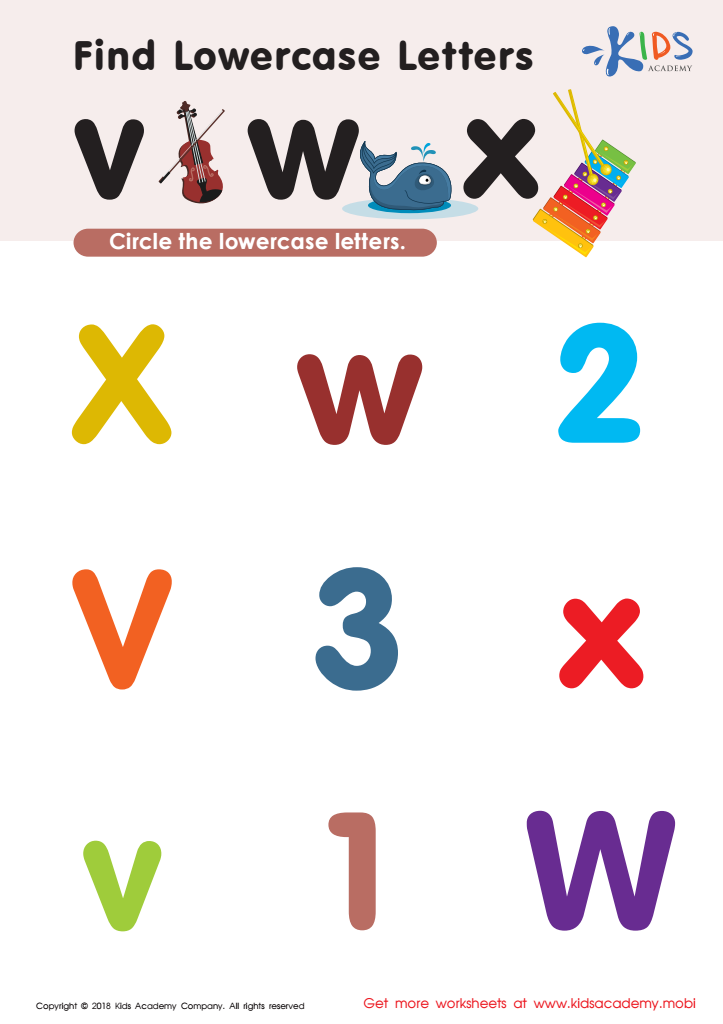
Find Lowercase Letters v w x Worksheet
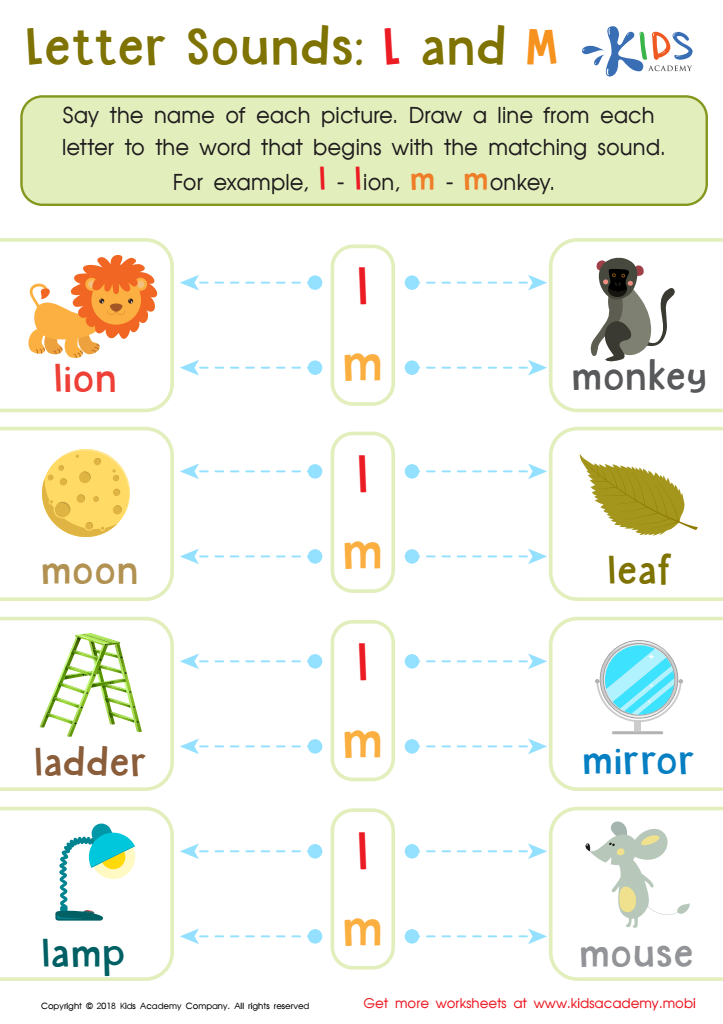
Letter l and M Sounds Worksheet
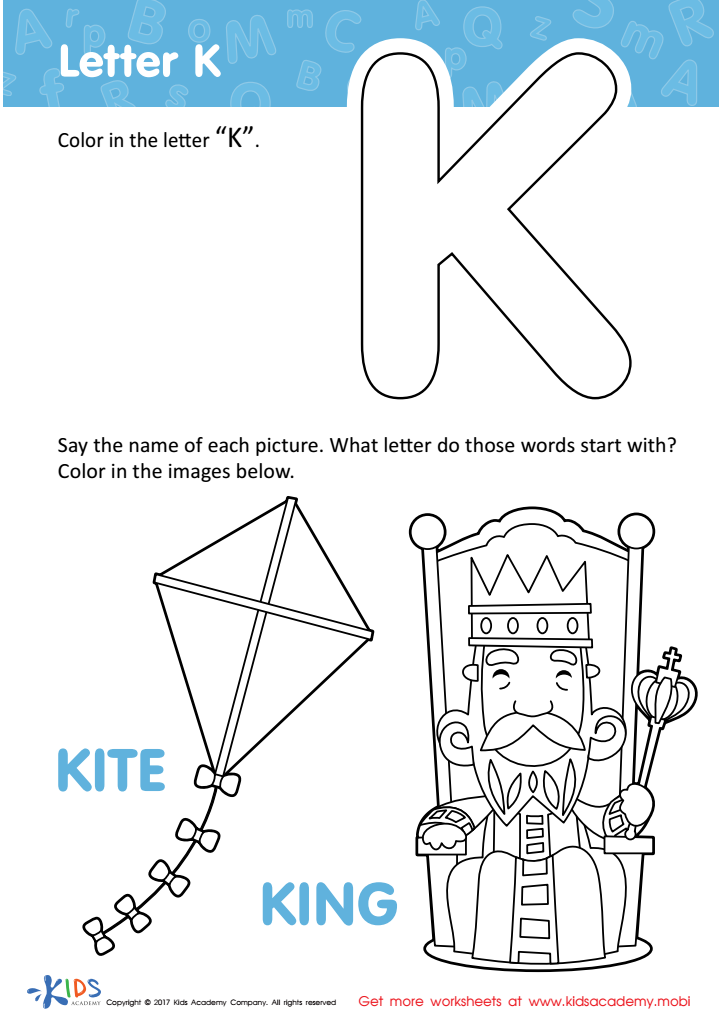
Letter K Coloring Sheet
 Assign to My Students
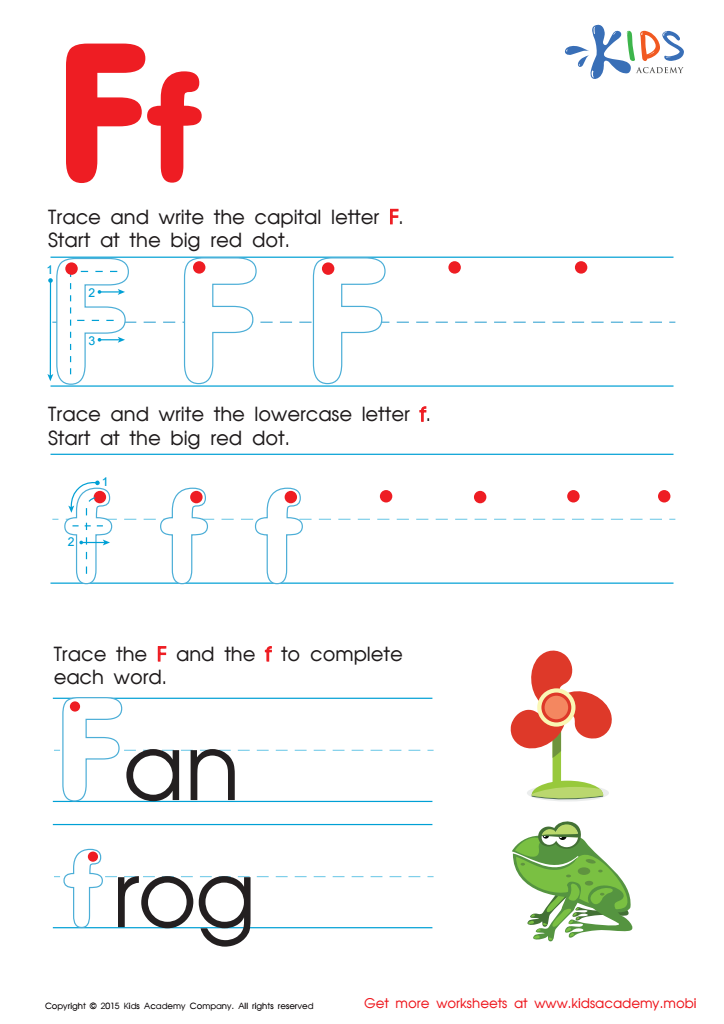
Letter F Tracing Page
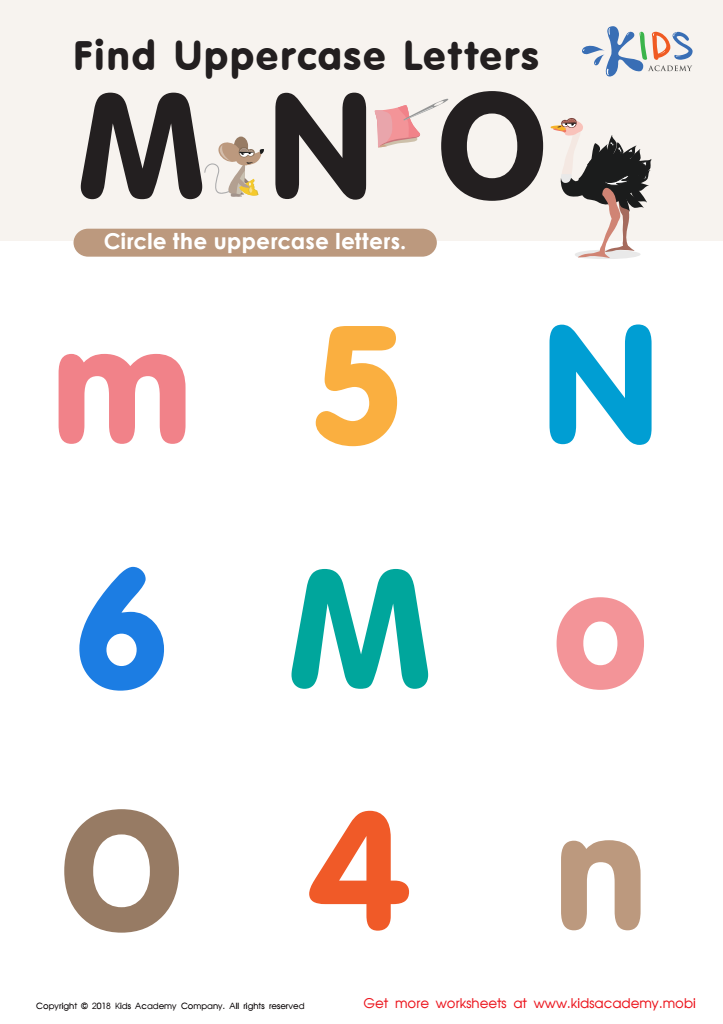
Find Uppercase Letters M, N, and O Worksheet
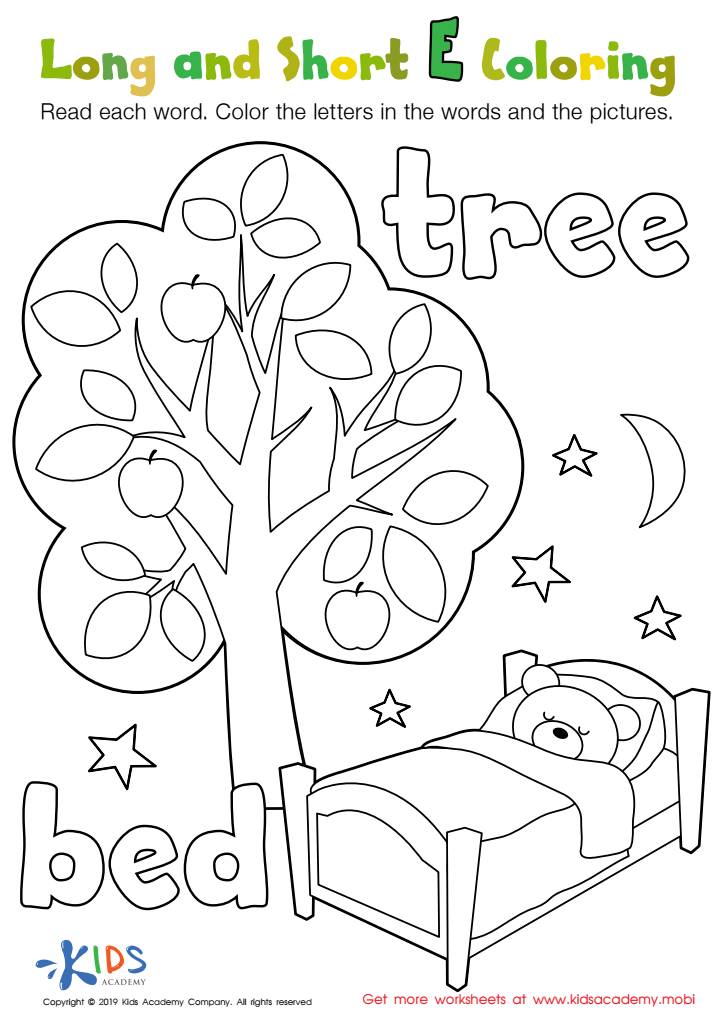
Long and Short E Worksheet
Assign to My Students
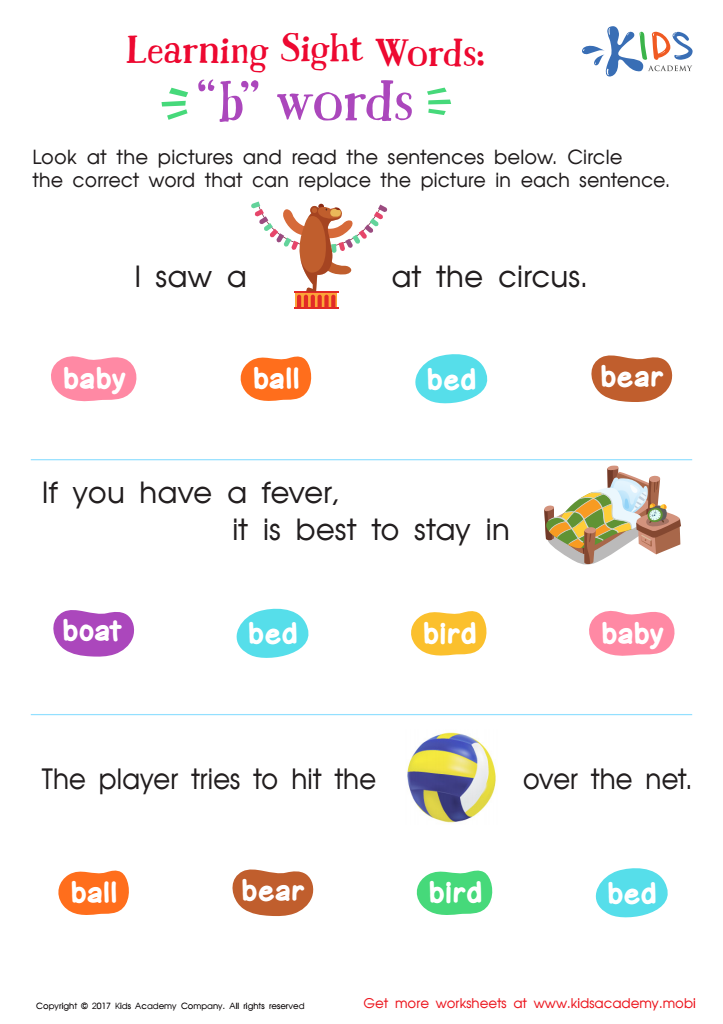
"B" Words Printable Sight Words Worksheet
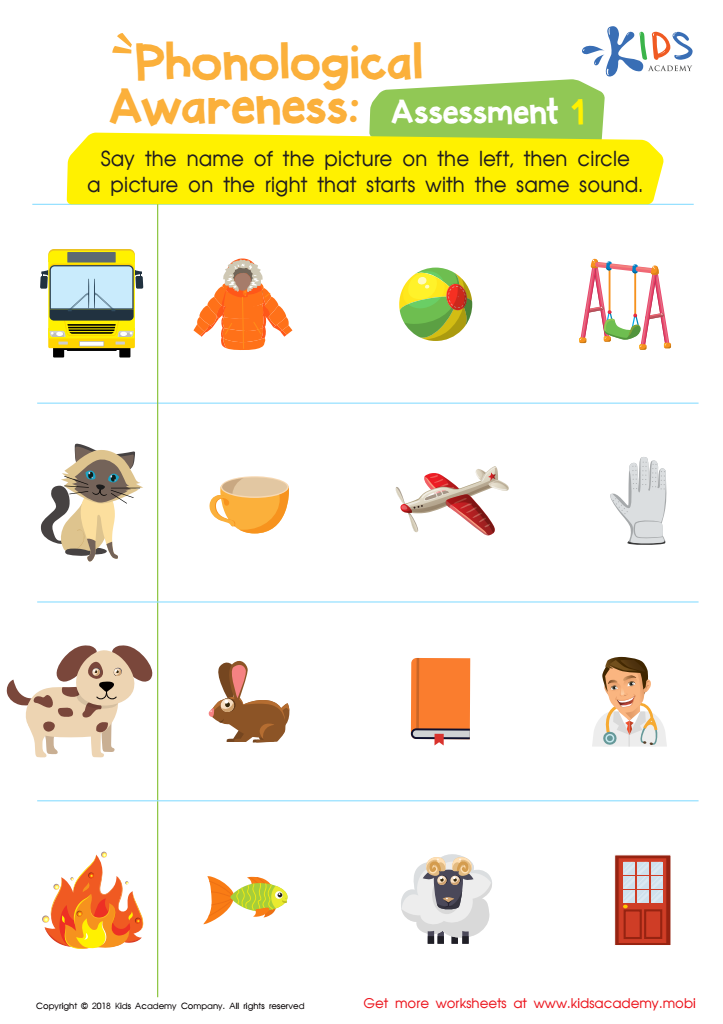
Phonological Awareness: Assessment 1 Worksheet
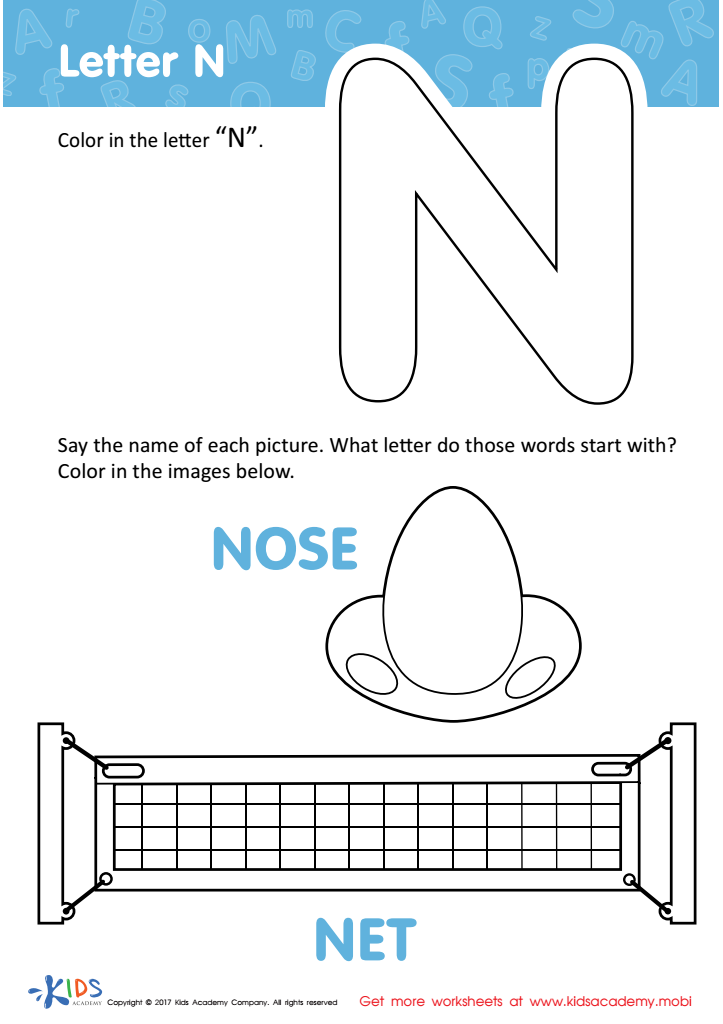
Letter N Coloring Sheet
Assign to My Students

Letter D Tracing Page
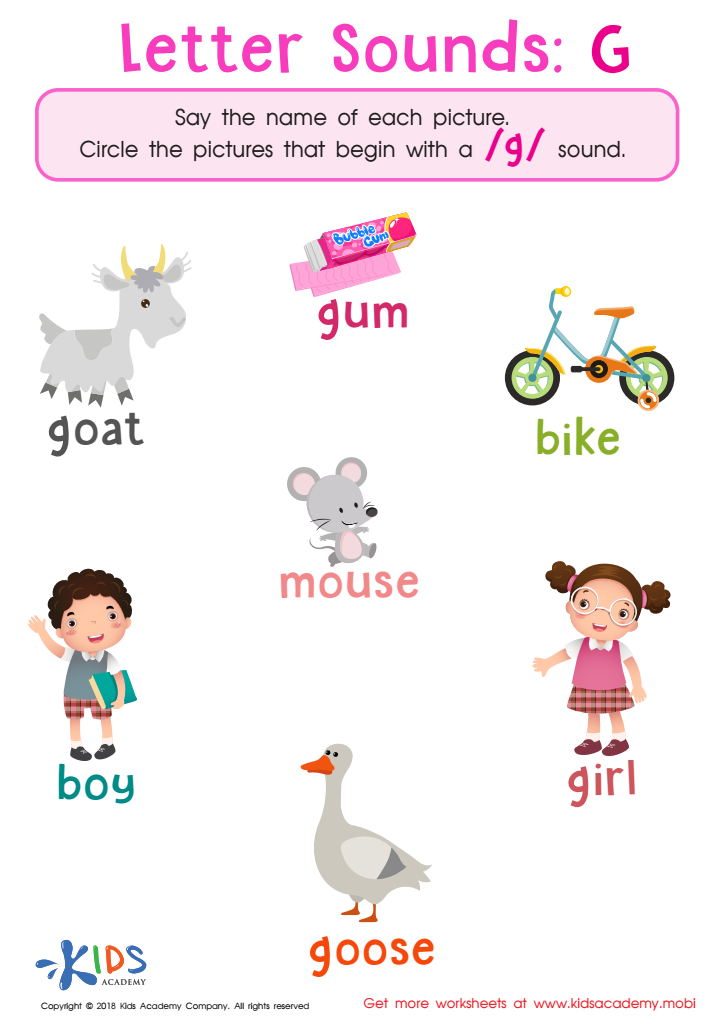
Letter G Sounds Worksheet
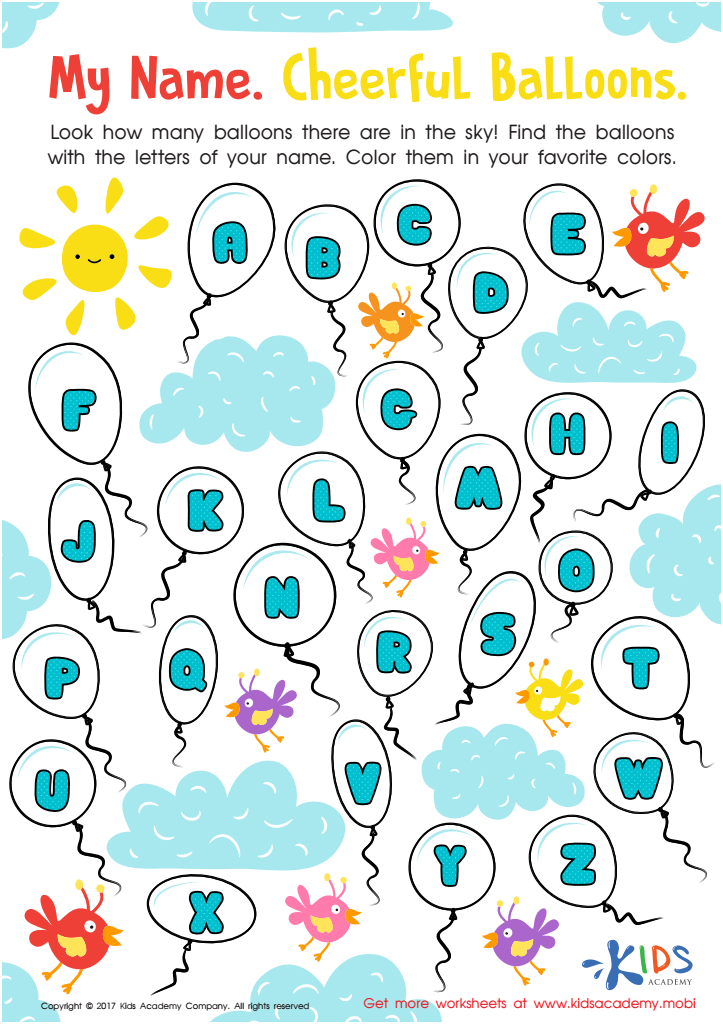
My Name: Cheerful Balloons Worksheet
Assign to My Students
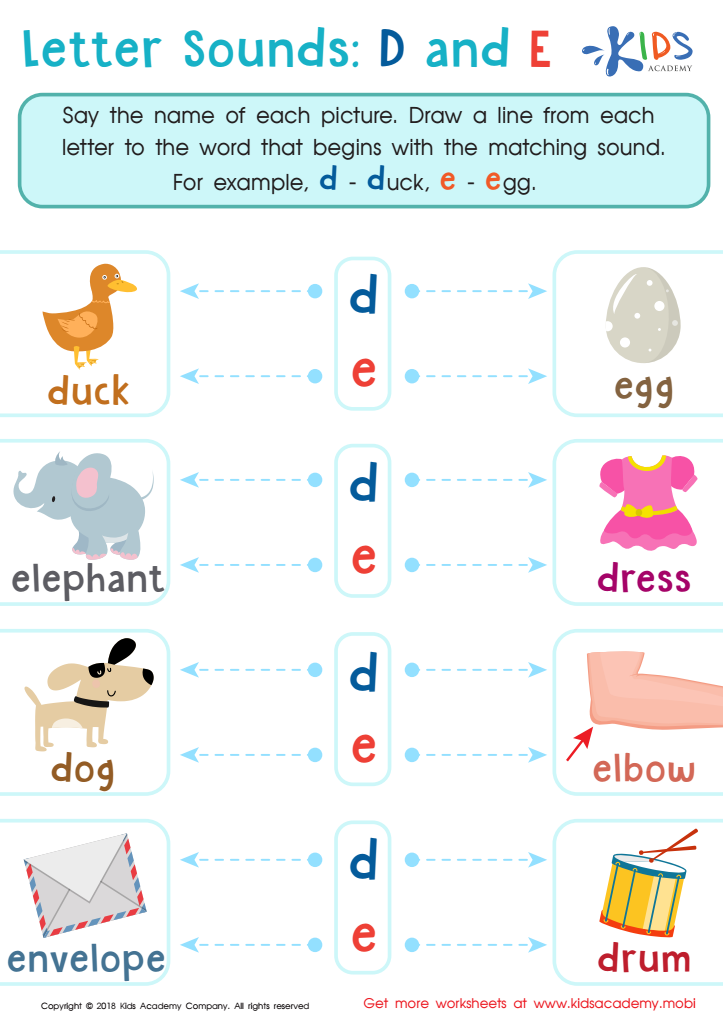
Letter D and E Sounds Worksheet

Rearrange the Sounds Worksheet








Letter recognition is a crucial developmental milestone for children aged 3-8, serving as the foundational skill for literacy and overall academic success. Parents and teachers should prioritize this skill because it significantly influences a child’s ability to read and write.
Understanding letter shapes, names, and sounds enhances phonemic awareness, which is vital for decoding words. Children who master letter recognition early tend to have a smoother transition into reading and often develop a lifelong love for books and learning. Moreover, recognizing letters also helps improve fine motor skills, as young learners engage in related activities such as writing or drawing.
Additionally, fostering letter recognition nurtures a positive self-image. Children gain confidence as they become proficient in identifying letters, encouraging their curiosity and willingness to explore language further. This confidence can extend to other areas of learning and social interactions.
In a digital era where literacy is increasingly important, engaging children in letter recognition activities can prepare them for future educational challenges. Overall, prioritizing this skill between ages 3 and 8 lays the groundwork for effective communication, critical thinking, and success in various future endeavors. Hence, both parents and teachers play vital roles in cultivating this foundational ability.








