Nutrition knowledge Normal Worksheets for Ages 3-8
3 filtered results
-
From - To
Explore our engaging "Nutrition Knowledge Worksheets" designed specifically for children aged 3-8! These interactive worksheets provide a fun and educational way for young learners to grasp the basics of healthy eating and nutrition. Each activity encourages kids to identify healthy foods, understand food groups, and make informed choices about their diet. Our resources are visually appealing, age-appropriate, and aligned with early learning standards, promoting essential skills while fostering healthy habits. Perfect for at-home learning or classroom activities, these worksheets empower young children to explore the importance of nutrition in their daily lives. Download now and nourish young minds today!
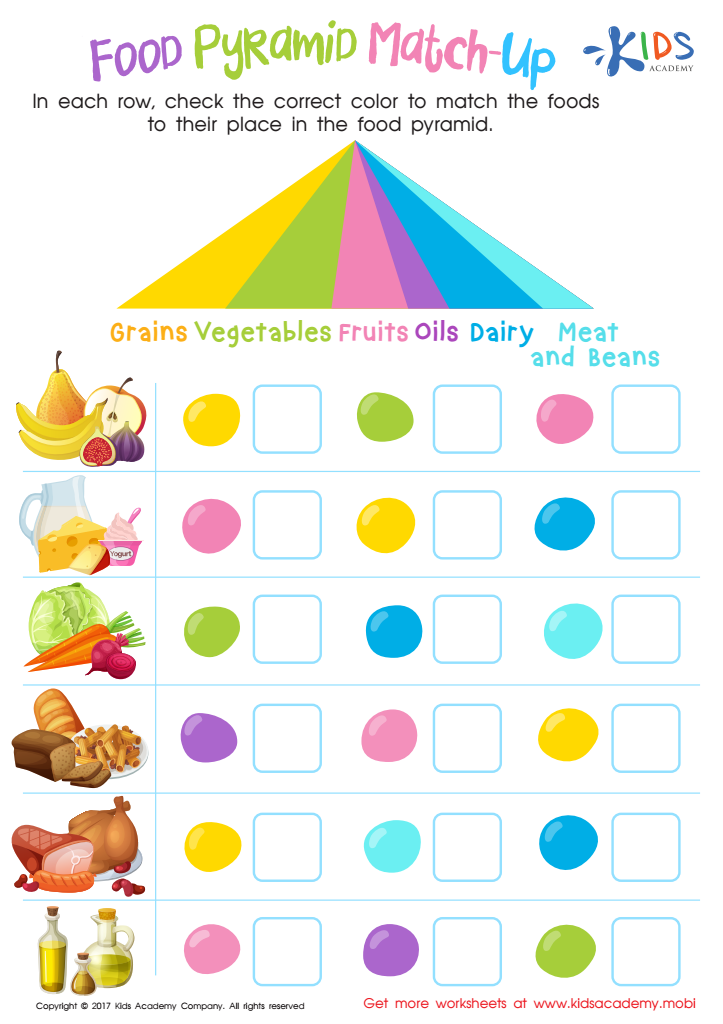
Health Food Worksheet
 Assign to My Students
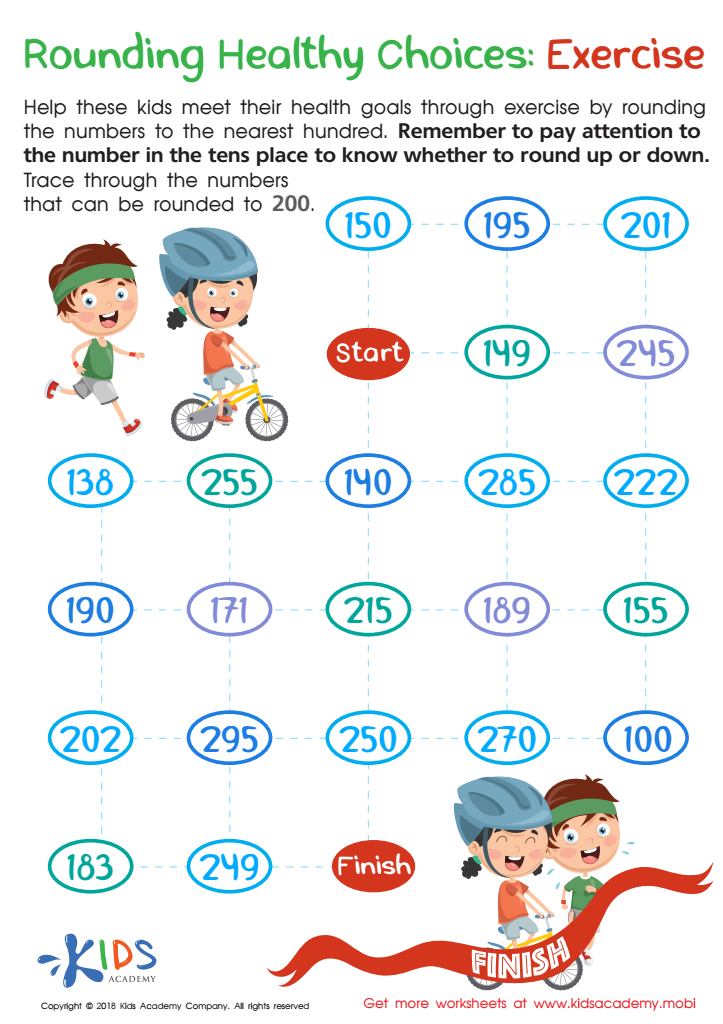
Rounding Healthy Choices Exercise Worksheet
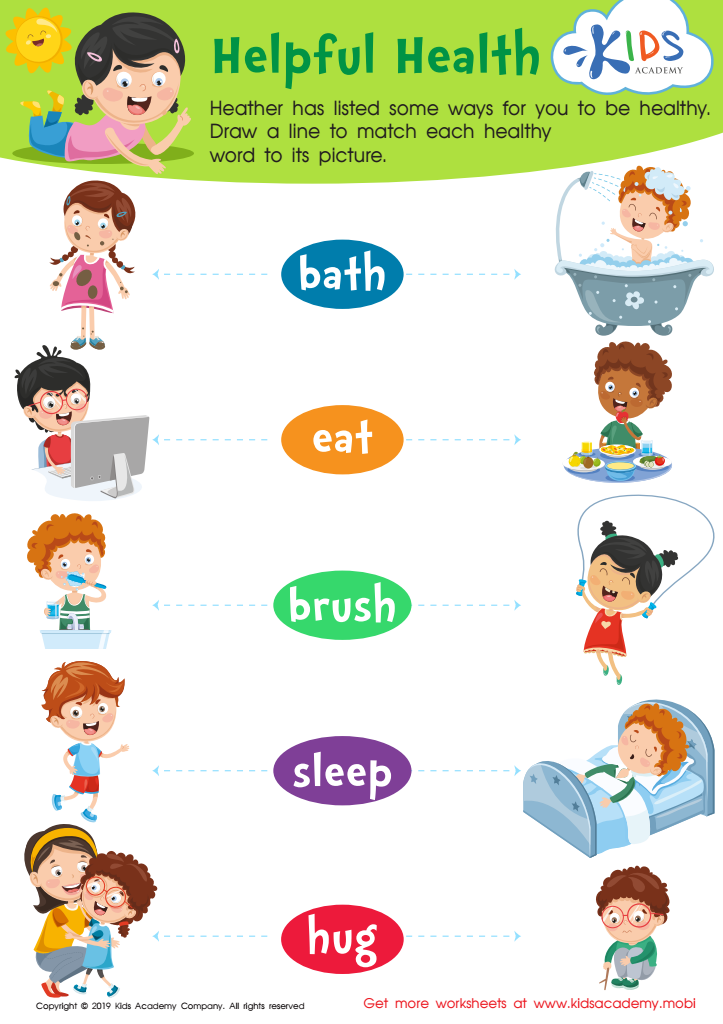
Helpful Health Worksheet








Nutrition knowledge is vital for parents and teachers of children aged 3-8 because it lays the foundation for lifelong healthy eating habits. At this stage, children's bodies and brains are rapidly developing, making them particularly dependent on proper nutrition for growth, cognitive function, and overall well-being. Understanding nutrition helps adults make informed decisions about meal planning, portion sizes, and food variety, ensuring that children receive essential nutrients.
Moreover, equipping parents and teachers with nutrition knowledge enables them to foster positive attitudes toward healthy foods, teaching children how to choose fruits, vegetables, and whole grains over processed options. Educators can incorporate nutrition education into the curriculum, using fun activities to teach the importance of balanced meals, thereby engaging children while they learn.
Additionally, instilling good nutrition habits at a young age can combat rising childhood obesity rates and related health issues, setting the stage for a healthier future. Awareness of nutrition also empowers parents and teachers to be role models for children, demonstrating healthy eating practices and promoting cooking skills, thereby reinforcing the value of nutritious foods. Ultimately, a strong understanding of nutrition plays a crucial role in supporting children's physical health, emotional well-being, and academic success.








