Problem Solving Normal Worksheets for Ages 3-8
15 filtered results
-
From - To
Unlock your child's potential with our Problem Solving Worksheets for ages 3-8. Crafted to inspire critical thinking, these engaging activities blend fun and education seamlessly. Perfectly tailored for young learners, our worksheets boost development in areas such as logic, sequencing, pattern recognition, and basic math skills. Each worksheet nurtures cognitive growth and enhances problem-solving abilities, preparing your child for future challenges. At Kids Academy, our creative and colorful resources are designed to captivate kids' attention while fostering a love for learning. Support your child's journey towards becoming an independent and confident thinker. Explore now and see the difference!
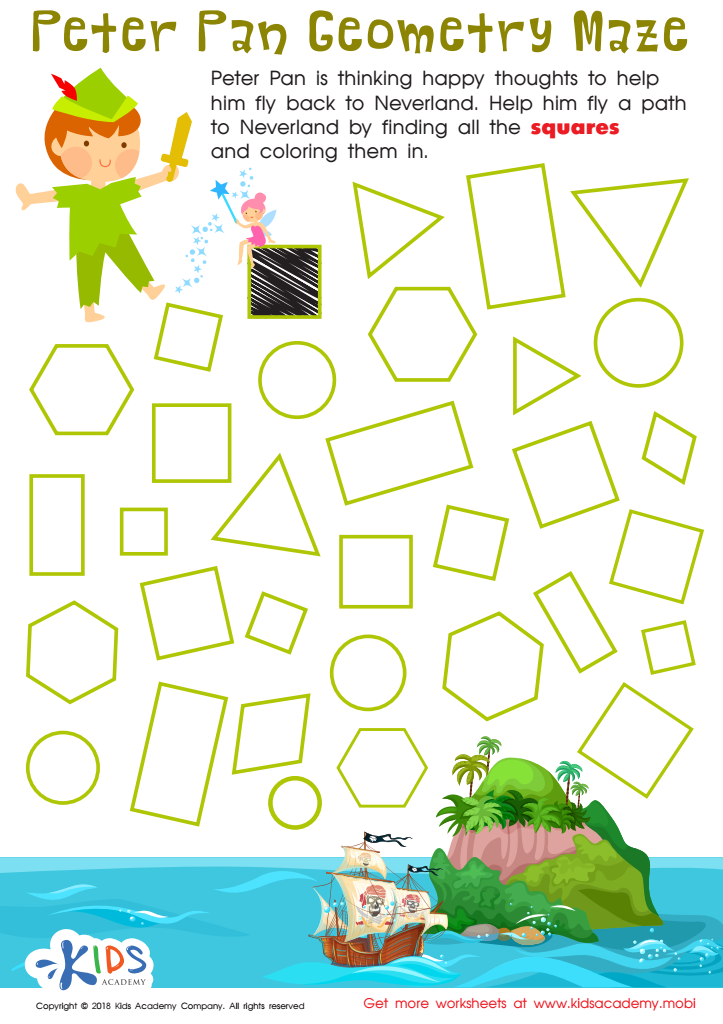
Peter Pan Worksheet
 Assign to My Students
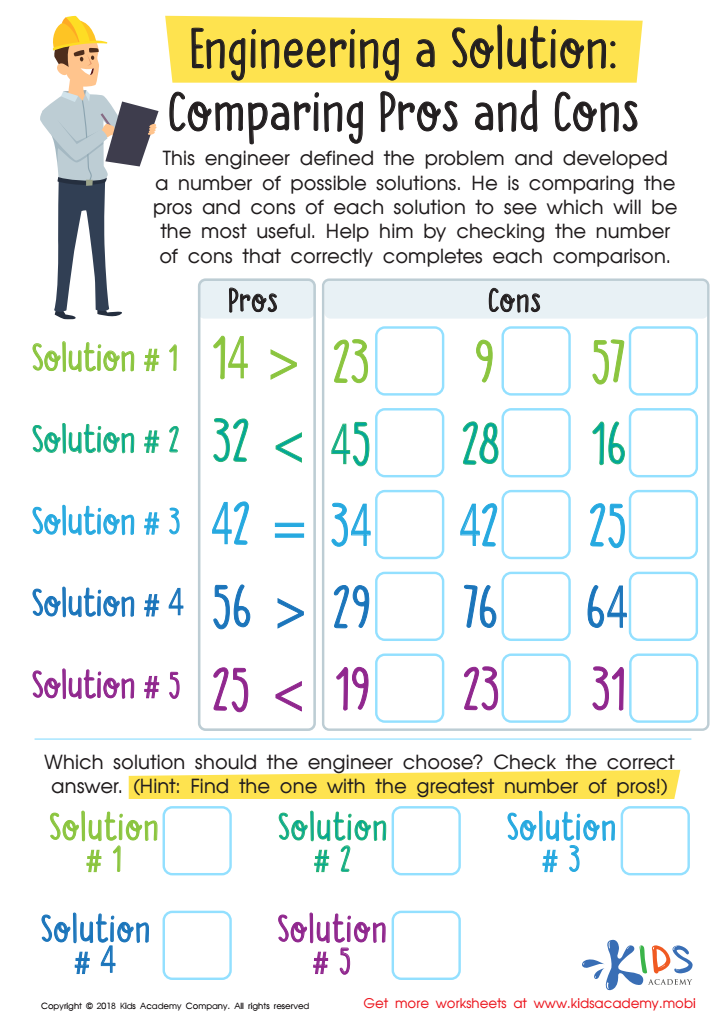
Engineering a Solution: Comparing Pros and Cons Worksheet
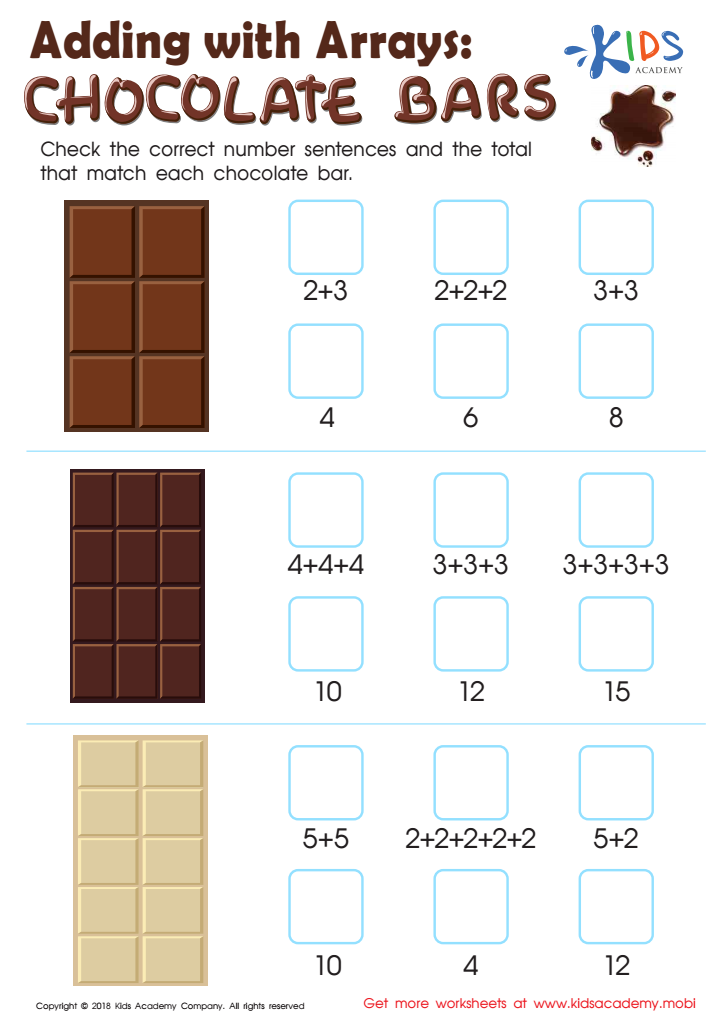
Adding with Arrays: Chocolate Bars Worksheet
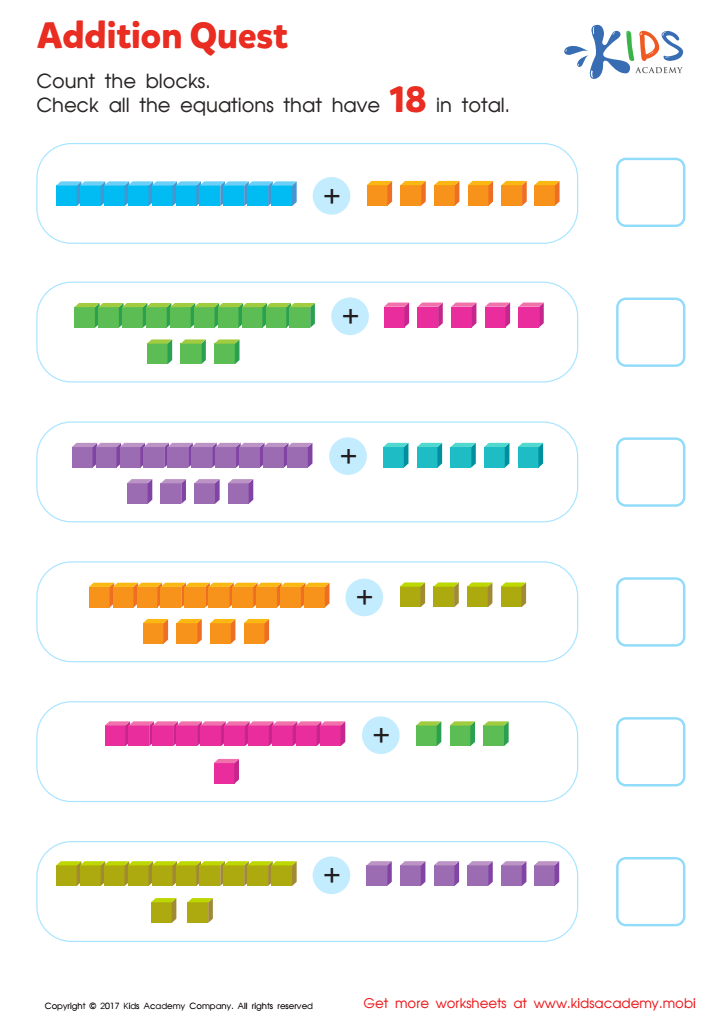
Addition Quest Worksheet: Part 2
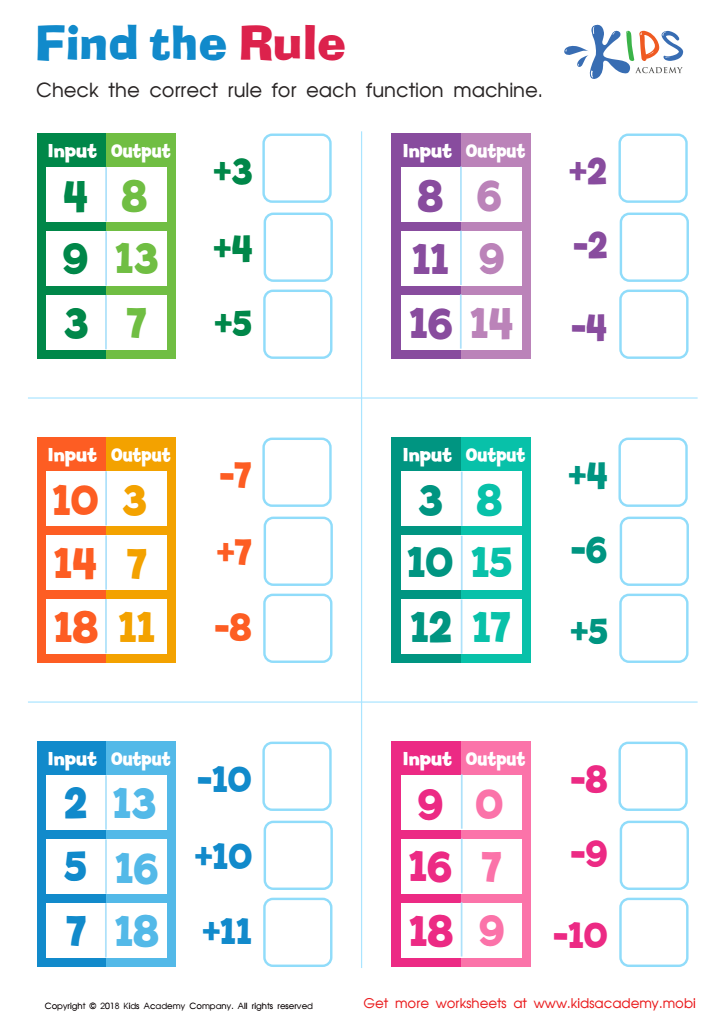
Find the Rule Worksheet
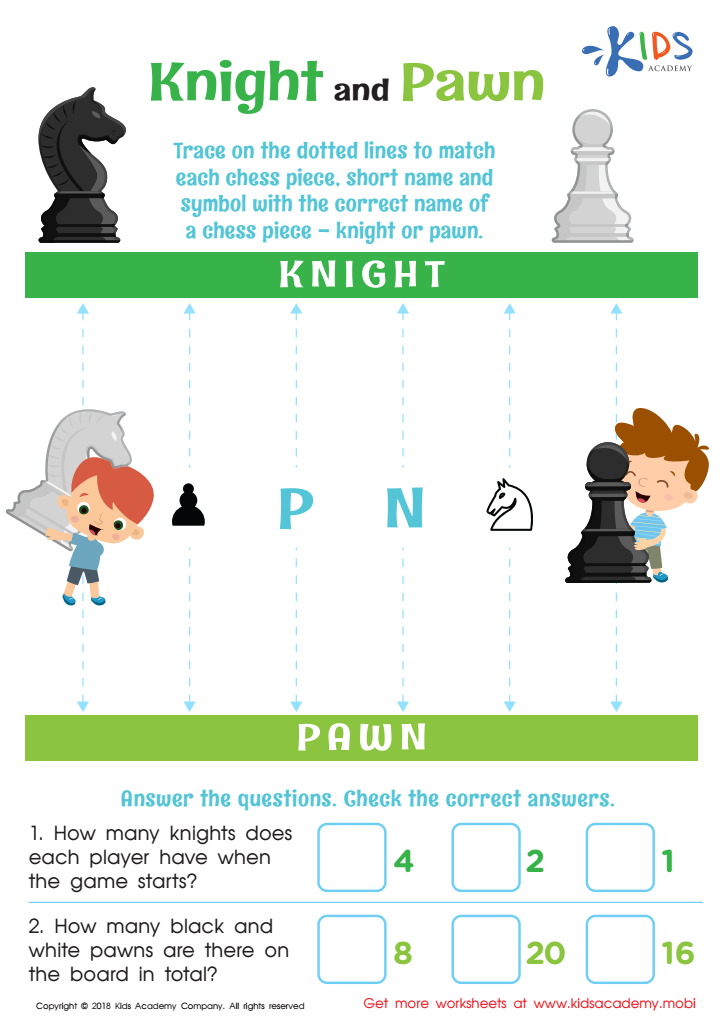
Knight and Pawn Worksheet
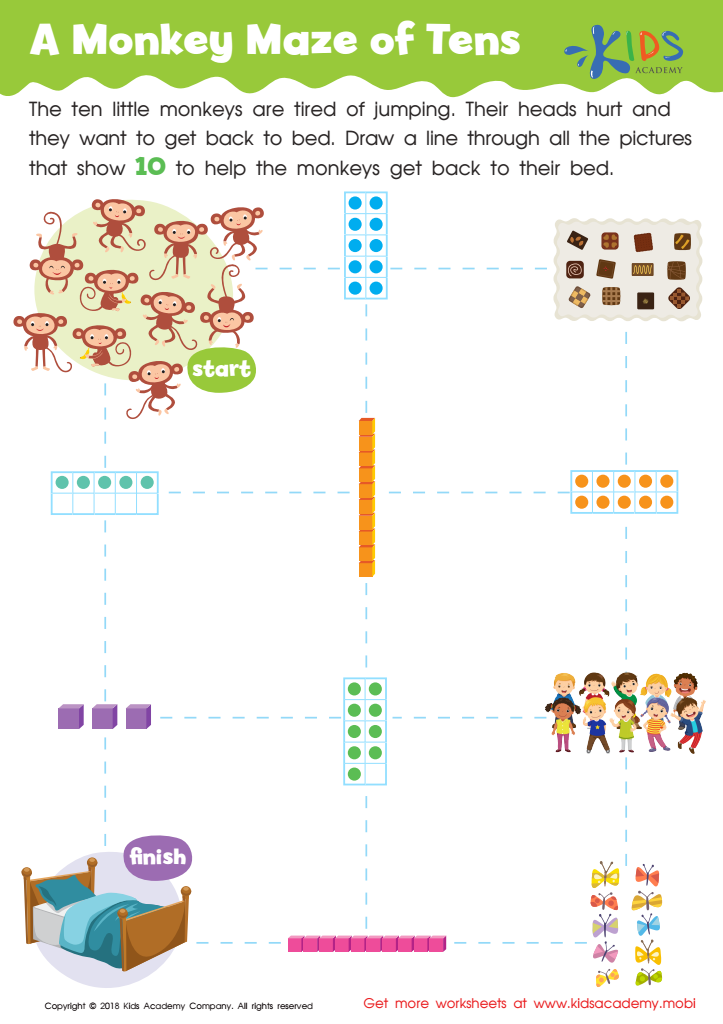
A Monkey Maze of Tens Worksheet
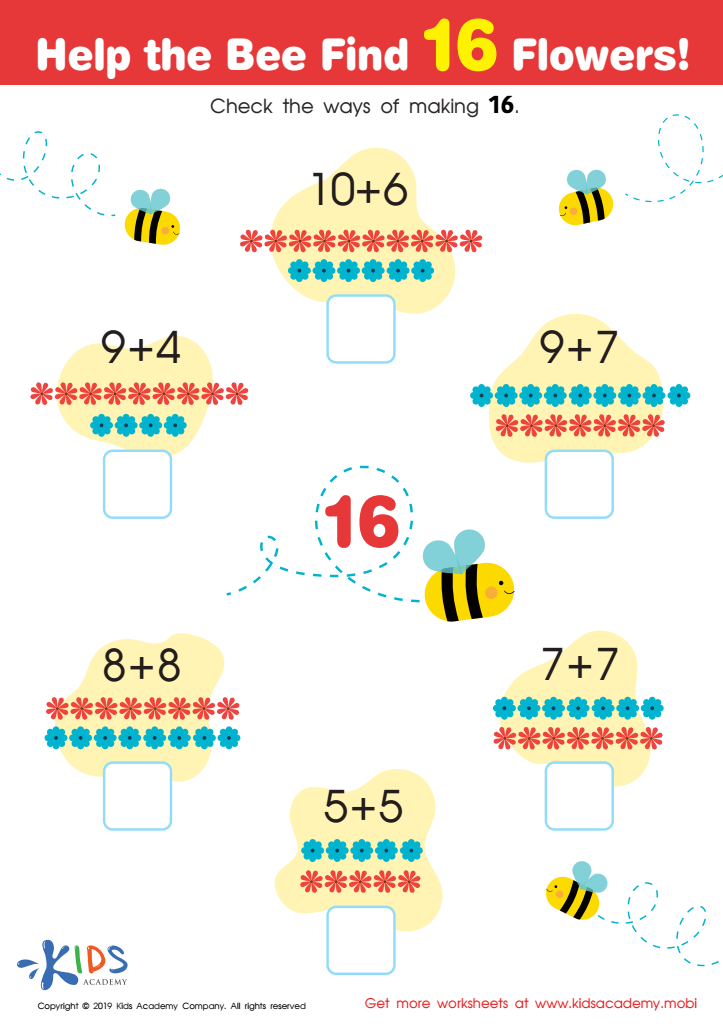
Help the Bee Find 16 Flowers Worksheet
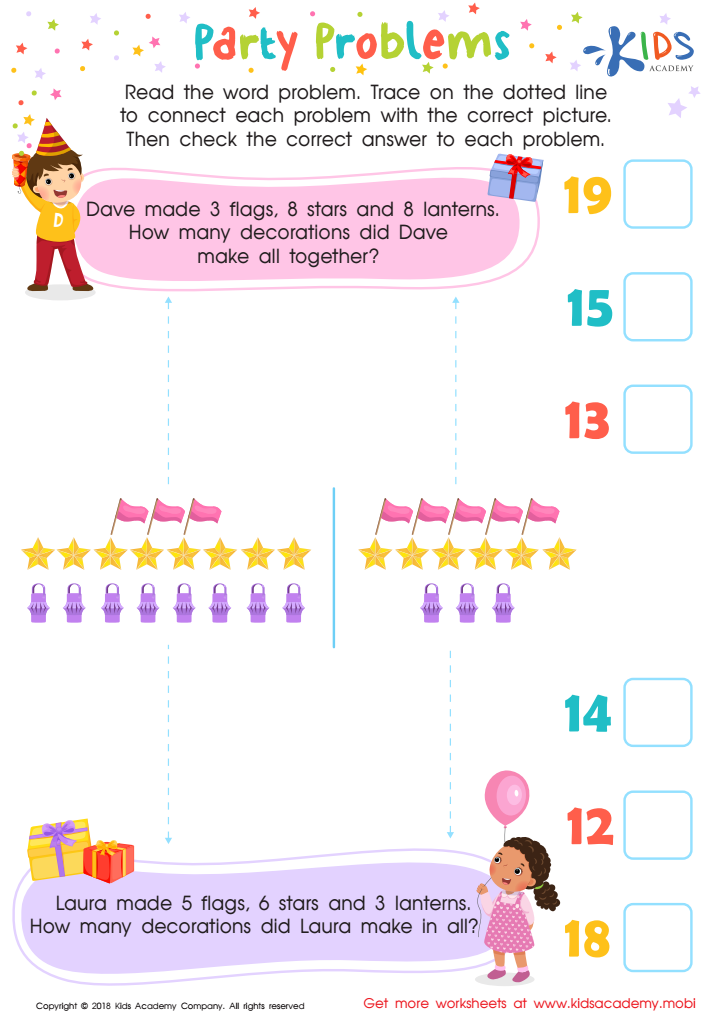
Party Problems Worksheet
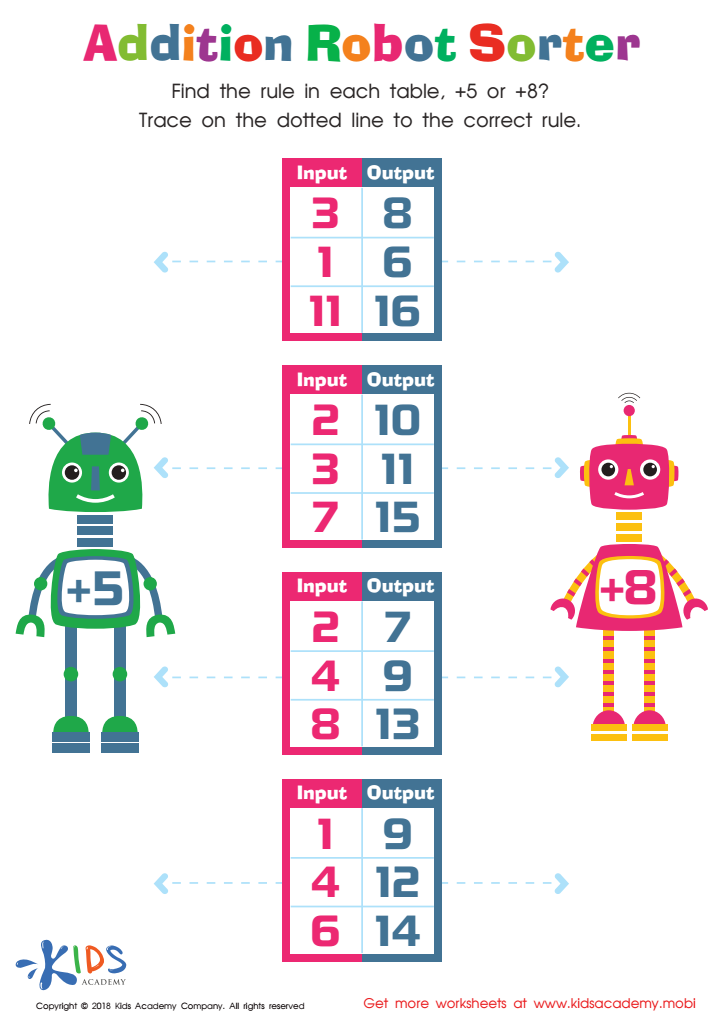
Addition Robot Sorter Worksheet
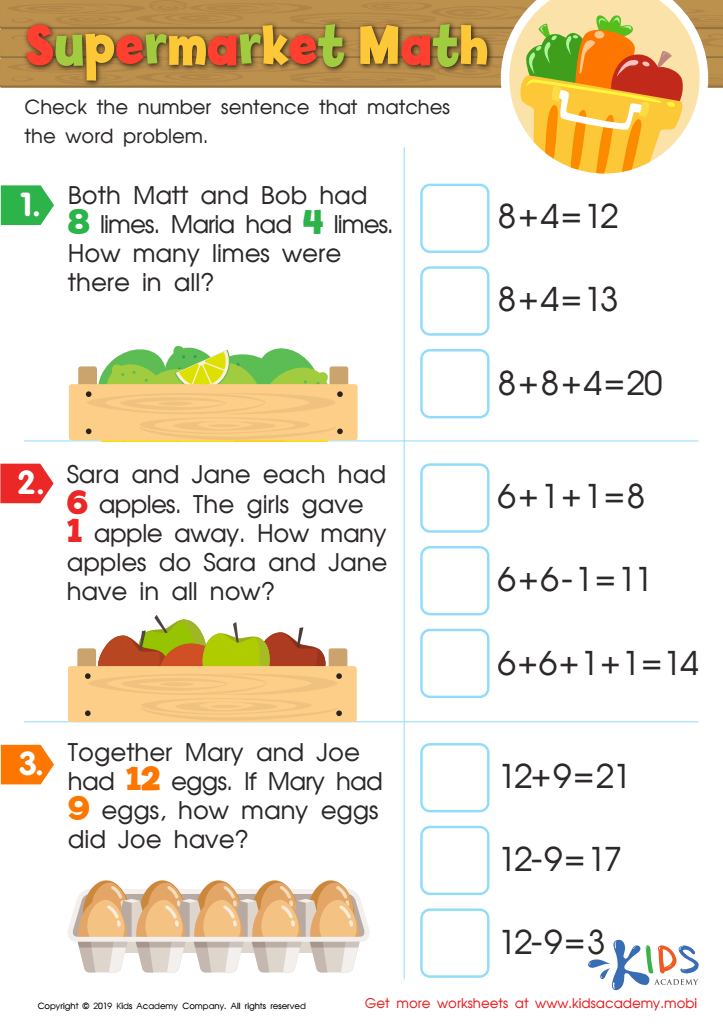
Supermarket Math Worksheet
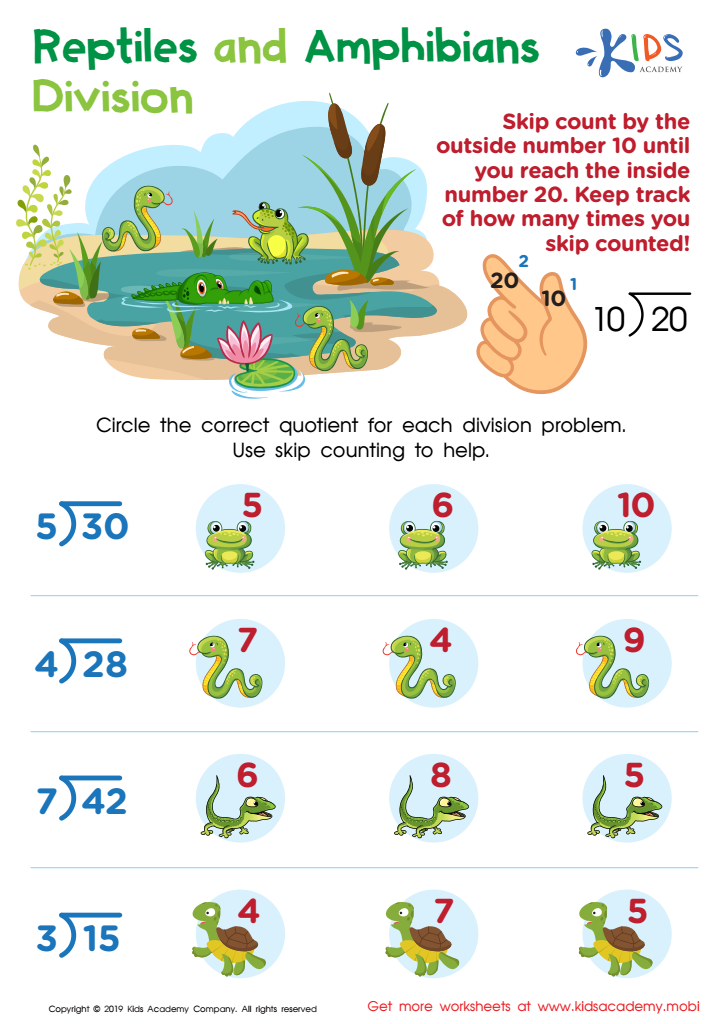
Reptile and Amphibians Division Worksheet
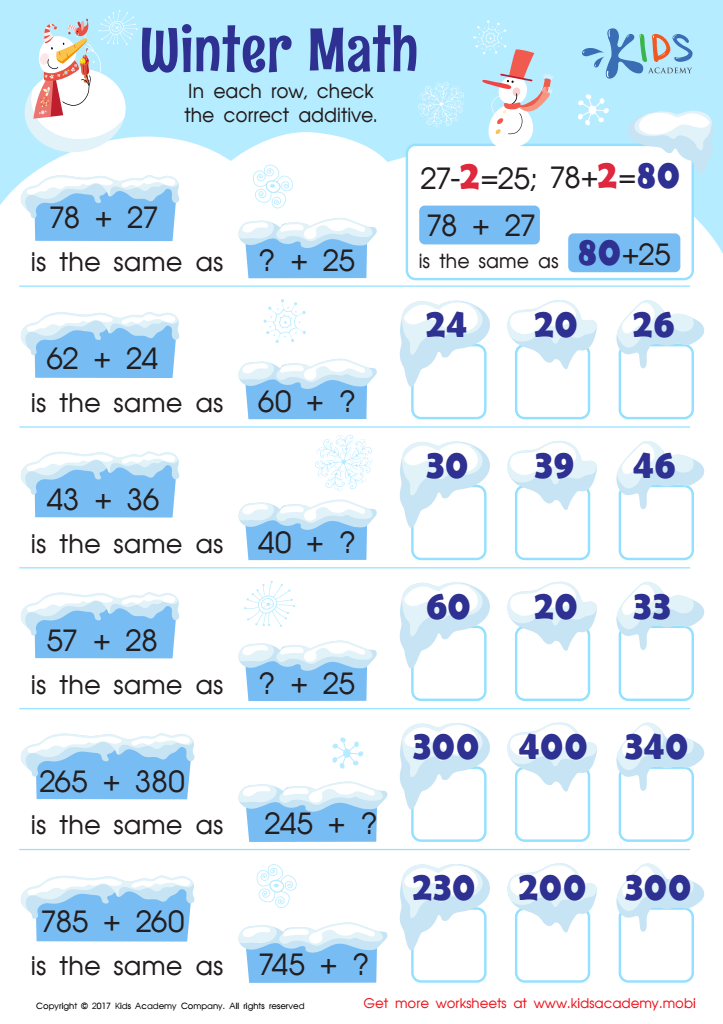
Free Addition Worksheet
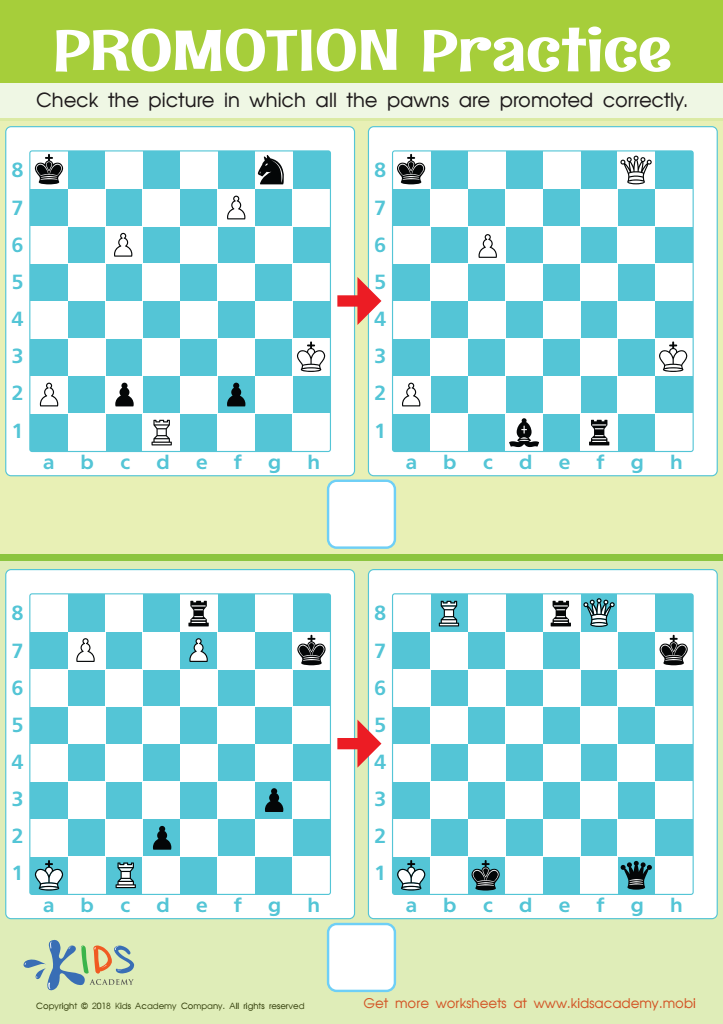
Promotion Practice Worksheet






.jpg)

Parents and teachers should prioritize Problem Solving Norms for children aged 3-8 because this crucial developmental stage forms the foundation for lifelong cognitive and social skills. During these early years, children's brains are exceptionally plastic, meaning they are highly receptive to learning and absorbing new information. Introducing problem-solving skills early encourages critical thinking, creativity, and resilience, essential attributes for navigating complex future challenges.
Problem solving not only enhances cognitive abilities such as reasoning, memory, and vocabulary, but also nurtures social and emotional growth. When children encounter and resolve problems, they learn cooperation, patience, and perseverance. These experiences foster self-confidence and a growth mindset, which is integral to their overall well-being and academic success.
Moreover, problem-solving activities instill a sense of curiosity and enthusiasm for learning. Characteristics such as curiosity and open-mindedness, developed through regular problem-solving practice, ripple out to influence other areas of a child's life, generating a love for lifelong learning.
In essence, caring about Problem Solving Norms during these formative years ensures that children develop balanced, well-rounded abilities. These skills are not just vital for academic achievements but are crucial life skills that prepare children for real-world experiences, making them more adaptable, independent, and capable individuals in the future.








